
Senior Mantis Care: A Guide to Your Pet’s Final Months
Published on: January 1, 2026 | Last Updated: January 1, 2026
Written By: Rowan Hale
Hello, mantis friend,
As the seasons turn and your mantis slows its pace, you might notice the gentle shift in its movements-a quieter presence, a more deliberate grace that speaks of a life well-lived.
In this guide, we’ll share heartfelt, practical steps to help your senior mantis enjoy comfort, dignity, and peace during their final months.
Caring for an aging mantis is a tender journey that asks for patience and keen observation, as each individual ages in its own way.
- Spotting subtle signs of aging and common health changes
- Adjusting diet and habitat for easier living
- Providing gentle handling and emotional support
Recognizing the Signs of Senior Mantis Aging
Common Physical and Behavioral Changes
As mantises grow older, you might notice several shifts in how they look and act. These changes often start subtly, so paying close attention helps you provide the right care at the right time.
- Lethargy: Your mantis may rest more often, moving less and staying in one spot for hours.
- Reduced appetite: They might eat smaller amounts or skip meals entirely, even with favorite prey offered.
- Decreased mobility: Climbing can become slower or unsteady, with occasional slips from perches.
- Duller coloration: Their vibrant greens or browns may fade, losing some of that youthful shine.
- Less frequent grooming: You could see them cleaning themselves less, with bits of old skin or debris staying on longer.
How Aging Signs Differ from Normal Behavior
In younger mantises, brief rest periods are normal, but prolonged stillness signals aging. For instance, my Ghost Mantis Luna used to tilt her head and stalk prey with precision, yet now she often watches flies pass by without a stir.
Healthy adults eat eagerly after molting, but seniors might ignore food for days. Moss, my Giant Asian Mantis, once pounced on crickets the moment they entered his space, but these days he prefers to wait until they wander right up to his claws.
Mobility changes aren’t just about slowness-it’s about safety. While a juvenile Orchid Mantis like Sprig would scale tall branches with ease, an older mantis might struggle to grip smooth surfaces, so we add textured perches to prevent falls.
Adjusting the Enclosure for Senior Comfort
Modifications for Humidity, Temperature, Ventilation, and Substrate
Creating a cozy space for your senior mantis involves small tweaks to their home. We aim to keep their environment stable and stress-free, mimicking the gentle conditions they thrive in. Understanding these essential habitat requirements helps ensure a healthy praying mantis. A focus on stable temperature, humidity, and safe hiding spots supports their health and longevity.
- Adjust humidity by misting with lukewarm water once or twice daily, focusing on the sides of the enclosure to avoid startling your mantis.
- Maintain temperature between 22-26°C using a low-wattage heat mat placed on one side, allowing your mantis to choose their comfort zone.
- Improve ventilation by adding small mesh panels or propping the lid slightly to prevent stale air, but avoid drafts that could chill them.
- Switch to a softer substrate like coconut fiber or sphagnum moss, which holds moisture well and provides a cushioned base for resting.
Adding Softer Hides and Stable Perches
Senior mantises appreciate quiet spots to retreat. Place hides made from hollow cork bark or rolled leaves in shaded areas, giving them a sense of security without crowding the space.
Ensure perches are low and wide, with rough surfaces for better grip. I often use natural twigs or bamboo sticks angled gently, so even Moss with his slower movements can settle without strain.
Keep conditions optimal by checking the enclosure daily. A quick glance at the humidity gauge and a gentle misting session can make all the difference in their comfort, much like tending a delicate plant in a sunny window.
Feeding and Hydration Strategies for Older Mantises
Guidance: Outline diet adjustments, including prey size, diet variety, and hydration methods. Use a list of tips or a step-by-step feeding guide.
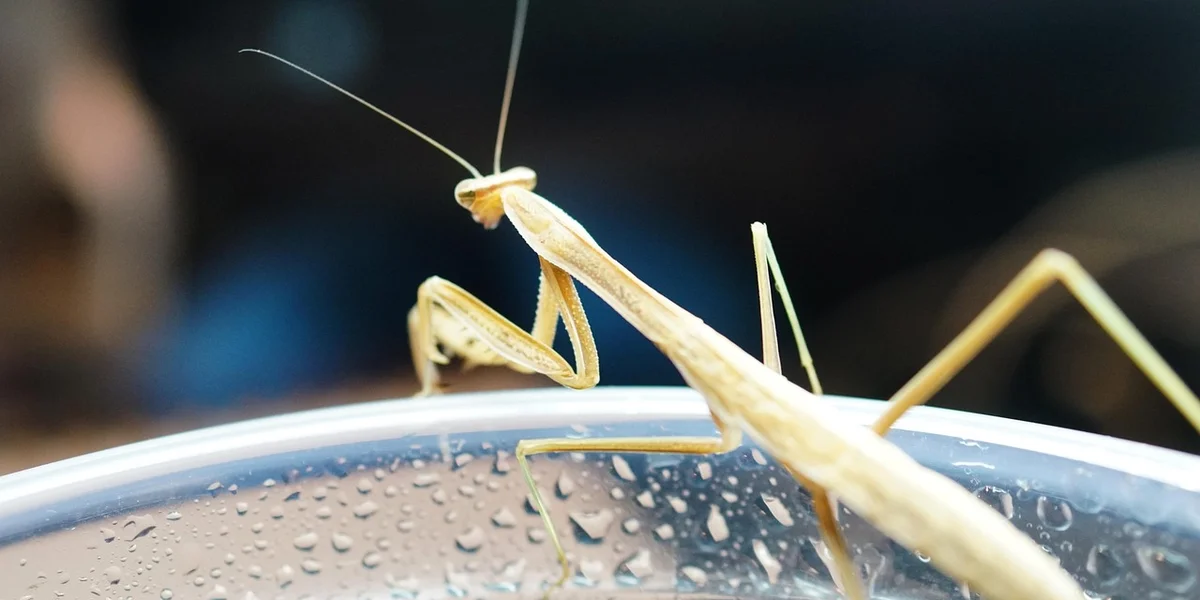
As your mantis ages, its appetite and ability to hunt often change, requiring thoughtful adjustments to keep it nourished and comfortable. We find that shifting to smaller, softer prey helps older mantises eat without strain, much like how my Ghost Mantis Luna prefers tiny fruit flies over larger crickets now.
Offer a varied diet to spark interest, rotating between options like flightless fruit flies, small mealworms, or even pre-killed insects if hunting becomes difficult. This variety not only supports nutrition but also mimics the natural foraging behaviour that keeps mantises engaged. This is a key element of a complete diet feeding guide for mantises. A full guide also covers prey selection, gut-loading, and feeding frequency.
- Choose prey no larger than the space between your mantis’s eyes to prevent choking or injury.
- Introduce soft-bodied insects like waxworms occasionally for easy digestion and extra moisture.
- Monitor feeding times closely; if your mantis ignores food, try offering it with soft-tipped tweezers.
- Reduce feeding frequency to every 2-3 days, as older mantises may eat less but still need consistent energy.
Include advice on offering water dishes and misting routines to support hydration.
Hydration is vital for senior mantises, who may struggle to drink from droplets alone. Placing a shallow water dish with smooth pebbles or a sponge inside allows them to sip safely without the risk of drowning. Curious how much water a mantis actually needs? Our complete hydration guide covers typical needs and how to monitor their hydration.
Establish a gentle misting routine, spraying the enclosure walls and leaves lightly each morning to create dew-like droplets. We’ve seen how a daily mist comforts mantises like Moss, who often perches near freshly sprayed areas to drink.
- Use lukewarm, dechlorinated water for misting to avoid shocking your mantis with cold temperatures.
- Check the water dish daily, refilling it with fresh water and cleaning it to prevent bacteria growth.
- Adjust misting based on humidity levels; aim for a slightly moist environment without making things soggy.
Daily Care Routines and Comfort Measures
Guidance: Detail a daily checklist for senior care, covering handling reduction, gentle grooming, and enrichment ideas. Use a numbered list for clear steps.
Caring for an older mantis involves a calm, consistent routine that prioritises their well-being and reduces stress. Being attentive to signs of stress—such as decreased appetite, restless movements, or a withdrawn posture—helps you know when to check the enclosure. If you notice these cues, review the habitat setup (temperature, humidity, enclosure size, hiding spots) and adjust as needed to restore comfort. By following a simple daily checklist, you can ensure your pet remains comfortable and content during its final months.
- Start by observing your mantis from a distance to check for normal activity levels and any signs of distress.
- Offer food if it’s a feeding day, using small, easy-to-catch prey placed within reach.
- Mist the enclosure lightly to maintain hydration, focusing on areas where your mantis likes to rest.
- Handle your mantis only when necessary, such as for enclosure cleaning, and always use slow, supportive movements.
- Gently groom with a soft brush to remove any debris from their body, being extra careful around delicate limbs.
- Provide enrichment like a new, safe branch or leaf to explore, but keep changes minimal to avoid overwhelming them.
Reducing handling helps prevent injury, as older mantises can have fragile exoskeletons and reduced mobility. In my time with Sprig, I noticed she became more peaceful when I limited interactions to quiet, brief moments.
Emphasize comfort measures like providing quiet spaces and monitoring for signs of illness.
Creating a serene environment is key to supporting your mantis’s comfort in its elder years. Place the enclosure in a low-traffic area away from loud noises and direct sunlight to mimic the calm of a natural habitat.
Watch for subtle changes in behaviour, such as prolonged stillness, refusal to eat, or difficulty moving, which could indicate health issues. Early detection allows you to adjust care quickly, much like how I spotted Luna’s slower movements and adapted her routine accordingly.
- Ensure the temperature stays stable, between 20-25°C, using a small heat mat if needed but avoiding drafts.
- Keep the enclosure clean by removing uneaten prey and waste daily to prevent mould and stress.
- Offer hiding spots with soft foliage or cork bark where your mantis can retreat for quiet rest.
Monitoring Health and Veterinary Care for Aging Mantises
Guidance: List signs of illness that warrant a vet visit, such as persistent lethargy or abnormal molting. Include steps for finding and consulting an exotic pet vet.
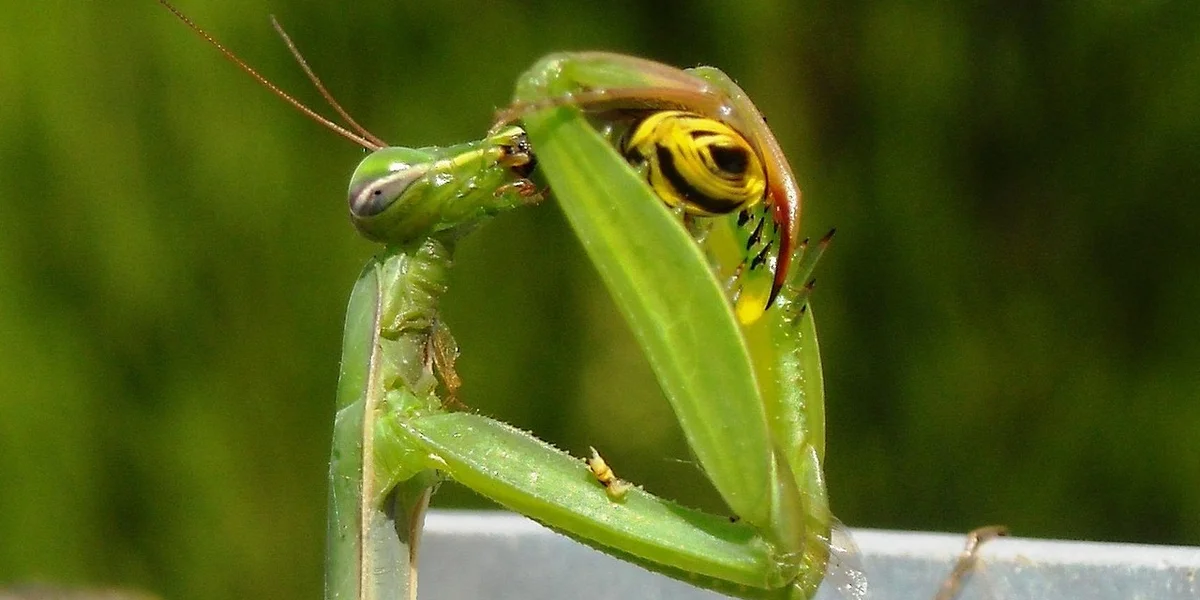
Watch for subtle shifts in your mantis’s behavior that signal trouble. Persistent lethargy, where they stay still for days without their usual alertness, often points to underlying health issues. Abnormal molting is another red flag—if skin gets stuck or they struggle to shed completely, it can lead to serious complications. Also, recognize the earliest signs of molting trouble—slowed movement as a molt nears or hesitation to shed. Early detection can prevent skin from sticking and other complications.
- Loss of appetite or refusing food for extended periods
- Discoloration or dark spots on the body
- Labored breathing or unusual posture
- Difficulty moving or climbing
- Uncoordinated strikes or missed prey attempts
Finding an exotic pet vet who understands insects requires a bit of detective work. Start by searching online for veterinarians specializing in invertebrates or exotic pets in your local area. Reach out to mantis keeper communities or forums for recommendations-they often share trusted contacts.
- Compile a list of potential vets and call to confirm they treat mantises.
- Prepare a brief history of your mantis’s symptoms, diet, and habitat conditions.
- Bring clear photos or a short video to the appointment if an in-person visit isn’t possible.
- Discuss treatment options calmly, focusing on pain relief and comfort.
Discuss when to consider end-of-life decisions and humane options.
It’s a gentle but necessary conversation when your mantis shows no improvement despite care. Consider end-of-life choices if they experience chronic pain, stop eating entirely, or become unable to move comfortably. We faced this with Moss, our Giant Asian Mantis, when his vibrant green faded and he could no longer perch.
Humane options include consulting a vet for euthanasia, which is done with compassion to prevent suffering. At home, focus on keeping them warm and undisturbed, allowing a natural passing if vet care isn’t available. It’s about honoring their life with dignity and peace.
Providing End-of-Life Comfort and Support
Guidance: Offer steps for creating a peaceful environment, including reduced handling and comfort measures. Describe how to recognize when a mantis is nearing death.
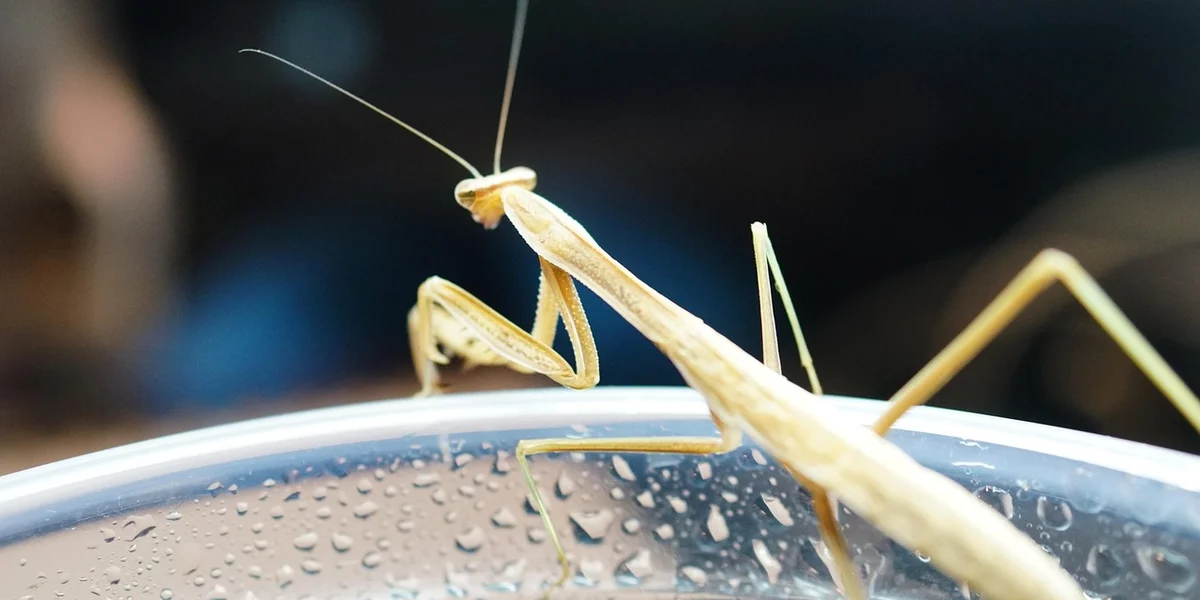
Creating a serene space helps your mantis feel secure in their final days. Reduce handling to a minimum—gentle touches can stress them when they’re fragile. Instead, observe from a distance, letting them rest on familiar branches or leaves.
- Maintain stable temperature and humidity with soft misting, avoiding drafts.
- Offer pre-killed or easy-to-catch prey to reduce effort.
- Use dim, indirect lighting to mimic a calm, natural setting.
- Keep the enclosure clean but avoid major disruptions.
Recognizing the end is near involves noticing gradual changes. They may become very still, with slowed movements and a lack of interest in surroundings. Luna, our Ghost Mantis, would tilt her head less and rest low in the enclosure, her frills drooping softly.
Include ideas for keeping the mantis calm and supported in its final days.
Small comforts make a big difference in their wellbeing. Gentle misting with warm water can soothe them, mimicking a dewy morning in their natural habitat. Place the enclosure in a quiet corner away from household noise and activity.
We found that playing soft, ambient sounds or keeping the room peaceful helped Sprig, our Orchid Mantis, stay relaxed. Offer a favorite perch or leaf to cling to, providing a sense of familiarity and safety. These touches honor their life with gentle care until the very end.
Honoring and Remembering Your Departed Mantis
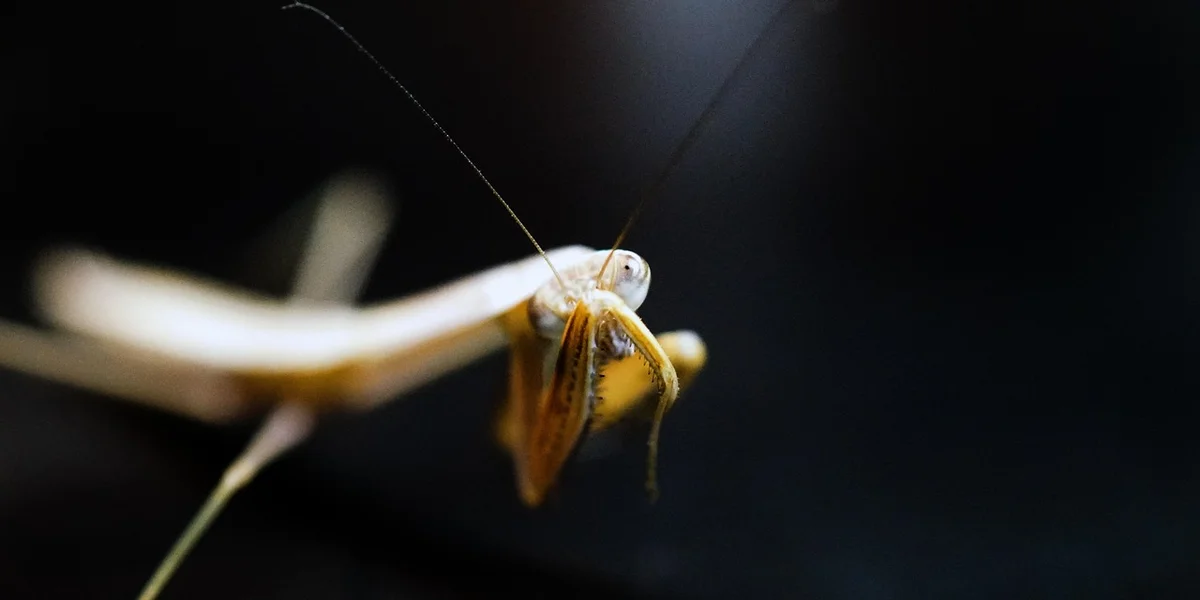
When your mantis passes, it can leave a quiet emptiness in your daily routine, much like the hush after a soft rain. We’ve felt that gentle sorrow too, watching Luna’s delicate frills settle into stillness, and we want you to know your feelings are entirely valid.
Guidance: Suggest ways to cope with grief, such as making keepsakes or sharing memories. Use a list of thoughtful actions to honor the mantis.
Grieving for a tiny companion is a natural part of the bond you’ve built. Creating simple keepsakes can transform that ache into something warm and tangible, like pressing a leaf between pages to remember its shape. Here are thoughtful ways to honor your mantis with care:
- Craft a memory box: Use a small container to hold molted skins, a favourite perch, or a photo. We lined ours with soft moss for Sprig, whose pink hues seemed to glow in the light.
- Write a personal tribute: Jot down memories of their unique habits, like how Moss would eagerly explore new branches. Keep it in a journal or share it quietly with friends.
- Connect with other keepers: Post stories in online communities where others understand the loss. Hearing similar tales can feel like a gentle hand on your shoulder.
- Plant a living memorial: Choose a small, easy-care plant like a succulent or fern to nurture in their name, reminding you of growth and renewal.
- Preserve with respect: If it feels right, dry your mantis carefully or place them in a shadow box, always handling them as gently as you did in life.
Provide gentle reassurance and ideas for moving forward while cherishing the bond.
Your mantis may be gone, but the quiet moments you shared-like the soft rustle of their movements or the way they watched you-live on in your heart. We found comfort in revisiting photos of Luna’s misty brown form, remembering how she’d tilt her head with such patience. Moving forward doesn’t mean forgetting; it means carrying that love into new beginnings.
When you’re ready, consider guiding new mantis owners or tending to a community terrarium. Your experience can ripple outward, helping others feel the same calm connection you cherished with your pet. For beginners, a first-week mantis care guide can help new owners with setup, feeding, and observation. Sharing those week-one tips also helps build a supportive mantis-keeping community.
Common Mantis Queries
How can I assist my senior mantis if it struggles during molting?
Gently increase humidity by misting the enclosure to help soften the old exoskeleton and ease the process. Avoid handling and ensure stable temperatures to reduce stress and prevent injury.
When should I be concerned about my senior mantis not eating?
If your mantis refuses food for over 3-4 days and shows lethargy or weight loss, it may indicate a health issue needing attention. Offer smaller, softer prey and monitor closely for any improvements or further decline. For a structured diagnosis, refer to the ultimate mantis health troubleshooting checklist for why my mantis is sick and how to address the issue.
What enrichment is safe and beneficial for older mantises?
Provide low, textured perches and familiar leaves to encourage gentle exploration without overexertion. Keep changes minimal and focus on quiet, stress-free interactions to support their comfort and engagement.
A Gentle Farewell
As your mantis enters its golden season, focus on comfort-focused adjustments like softer foods and stable, low-stress habitats. Your attentive care now provides a peaceful, dignified transition, honoring the unique life you’ve nurtured. If you’re headed out on vacation, prepare your mantis habitat in advance to stay stable during your absence. Arrange a trusted caregiver or a simple monitoring setup to check on the enclosure while you’re away.
Being a responsible mantis keeper means observing and learning from every life stage, deepening your connection to these remarkable creatures. Let the quiet lessons from your senior mantis inspire a lifelong curiosity and compassionate approach to all living things.
Further Reading & Sources
- How to Care for a Praying Mantis : 4 Steps – Instructables
- General Mantis Care – Praying mantis care sheet and feeding
- Mantis Care Sheet | Mantid Forum – Mantis Pet & Breeding Forum
- r/mantids on Reddit: Advice on caring for mantises
Rowan Hale is a lifelong insect enthusiast who fell in love with mantises for their calm presence, alien elegance, and surprising personalities. After years of keeping and raising a variety of species, Rowan shares practical tips, creative insights, and real-world experience to help others enjoy the quiet magic of mantis care. From setting up the perfect enclosure to understanding their subtle behaviors, Rowan invites readers into a gentle, curious world where every tiny movement feels like a discovery.
Common Health Issues