
The Secret Stages of Praying Mantis Metamorphosis
Hello, fellow mantis friend. Have you ever watched your mantis, perfectly still, then noticed a delicate, ghostly skin clinging to a leaf? That quiet moment is a glimpse into one of nature’s most precise transformations.
A praying mantis undergoes simple, or incomplete, metamorphosis, maturing from egg to adult through a series of molts without a pupal stage. This process, honed over millions of years, is a masterclass in gradual evolution and survival.
While it may seem straightforward, the journey from a tiny nymph to a formidable adult is filled with intricate biological changes and evolutionary wonders. We will explore the entire lifecycle, piece by piece.
Here is a quick look at what we will cover:
- The crucial difference between simple and complete metamorphosis.
- A detailed, stage-by-stage guide from ootheca to adulthood.
- How ancient evolutionary paths shaped the modern mantis.
- The survival tactics built into every single molt.
What Is Praying Mantis Metamorphosis?
Praying mantises undergo a process called incomplete metamorphosis, where they develop gradually without a pupal stage like butterflies do. This type of growth, known as hemimetabolism, means young mantises emerge looking like tiny versions of adults and mature through a series of molts. As they mature, their behavior changes as mantises mature. Nymphs focus on small prey and ambush tactics, while adults exhibit more varied hunting and mating behaviors.
Unlike insects with complete metamorphosis-such as beetles or moths-mantises skip the dramatic larval and pupal phases. Their straightforward life cycle allows nymphs to start hunting almost immediately, which is a key advantage in the wild.
- Nymph: A young mantis that resembles a smaller adult and grows through successive molts.
- Instar: The stage between each molt, where the mantis sheds its exoskeleton to grow larger.
- Molting: The process of shedding the old skin, which is crucial for development and often leaves the mantis vulnerable.
The Stages of Praying Mantis Life Cycle
Egg Stage: The Ootheca and Hatching
An ootheca is a protective, foam-like case that female mantises create to safeguard their eggs from predators and harsh weather. This sturdy structure, often resembling a tiny, ridged pod, insulates the eggs and maintains a stable microclimate inside.
For successful incubation, keep oothecae in a warm, humid spot around 75-85°F, mimicking a gentle spring morning. You will notice hatching is near when the ootheca darkens and tiny nymphs begin to peek out, ready to explore their new world.
Nymph Stage: Growth Through Instars
Nymphs typically go through 6 to 10 instars, depending on the species, with each molt bringing noticeable changes in size and colour. From my experience with Sprig, the Orchid Mantis, her soft pink hues deepened with every shed, revealing more intricate patterns.
- Provide plenty of small prey, like fruit flies, to support their rapid growth and energy needs.
- Ensure a clutter-free space for molting, as they need to hang upside down safely without disturbance.
- Mist the enclosure lightly to maintain humidity, which helps ease the molting process.
Adult Stage: Reaching Maturity
Upon the final molt, adults develop full wings-often vibrant and functional in species like the Giant Asian Mantis. Watching Moss take his first flight was a joyous moment, his emerald wings catching the light as he glided to a new perch.
Adults are reproductively ready, with males being more agile and females larger and more robust. Their lifespan varies; females may live several months longer than males, so adjust feeding to smaller, frequent meals as they age.
Visualizing Metamorphosis: Diagrams and Key Facts
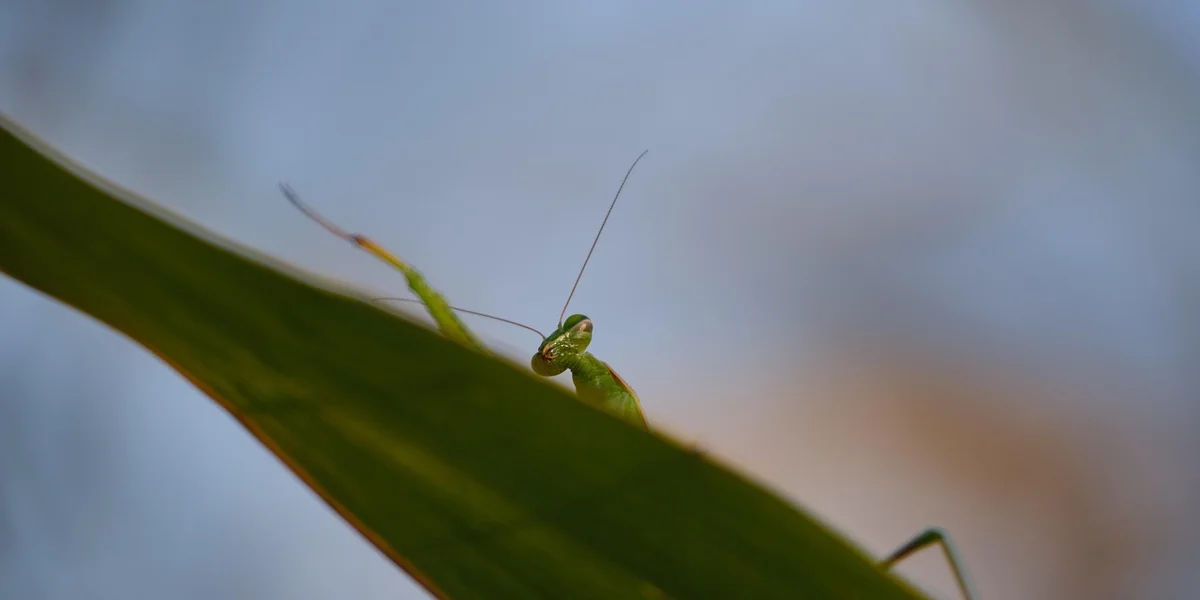
Diagrams of praying mantis metamorphosis beautifully map out the journey from tiny nymph to elegant adult, showing how each molt adds segments and refines their form. Recognizing signs that a mantis is about to molt—such as slower movement, hiding, and a loosened or dull exoskeleton—helps readers connect these changes to the upcoming molt. They reveal that mantises don’t just grow larger—they transform in shape, limb proportion, and even coloration through distinct life stages.
- Egg case (ootheca) hatching into miniature nymphs
- Nymph stages (instars) marked by successive molts
- Gradual development of wings in later stages
- Final molt to adulthood with full reproductive capability
Surprising metamorphosis facts that might catch you off guard:
- Mantises can suspend breathing briefly during molting to ease the old skin’s split
- Some species change color subtly between molts to better match their surroundings
- Nymphs often resemble ants or spiders early on-a clever evolutionary disguise
- Molting frequency slows dramatically as mantises near adulthood
- A failed molt can leave deformities, but many mantises adapt remarkably well
Use clear photos or diagrams to spot molting cues like a hazy whitish cast over the body or your mantis hanging motionless for hours. Comparing your mantis to reference images helps you recognize when that telltale dullness and stillness signal an upcoming shed.
Why Mantises Molt: The Science of Development
Molting Process and Its Purpose
Ecdysis-the scientific term for molting-unfolds in a precise sequence that allows growth within a rigid exoskeleton. Your mantis must shed its outer shell because, unlike our skin, its exoskeleton doesn’t stretch to accommodate a growing body.
Steps of the molting process:
- Pre-molt: Mantis stops eating, seeks a secure hanging spot, and may appear swollen
- Skin splitting: It rhythmically contracts to crack the old exoskeleton along the back
- Emergence: A slow, careful withdrawal of body and limbs from the discarded skin
- Post-molt: New exoskeleton soft and pale, hardening over several hours
Physical and behavioral shifts around molting time:
- Before: Reduced appetite, lethargy, duller coloration, frequent hanging upside down
- After: Vibrant colors, increased activity, ravenous hunger, slightly larger size
My Ghost Mantis Luna once spent two full days poised like a delicate leaf before her molt-utterly still, yet you could feel the quiet intensity of preparation. That post-molt glow, when her frills sharpened and she carefully stretched each new limb, reminded me how vital this vulnerable process is.
Evolutionary Adaptations in Metamorphosis
Molting isn’t just about growth—it’s a key evolutionary tool that lets mantises refine their survival strategies with each life stage. Through metamorphosis, mantises enhance traits like camouflage and hunting prowess, adapting their form to outwit predators and prey. Does molting really work for mantises? In practice, yes—it enables growth and refinement of abilities, though each molt carries risks that can affect survival.
Camouflage often improves dramatically after molts; for instance, an orchid mantis might gain more petal-like flaps that help it blend into flowers. This malleability allows species to specialize for specific habitats, from bark-mimicking giants to flower-dwelling deceivers.
In Mantodea’s phylogeny, over 2,400 species showcase diverse molting patterns tied to their niches. Tropical species may molt more rapidly in constant warmth, while temperate ones sync sheds with seasonal cycles.
My Giant Asian Mantis Moss emerged from one molt with brighter green banding-perfect for his enclosure’s live plants. That subtle shift underscored how molting weaves individual development into the broader tapestry of evolutionary adaptation.
Caring for Your Pet Mantis Through Each Stage
Stage-Specific Housing and Environment
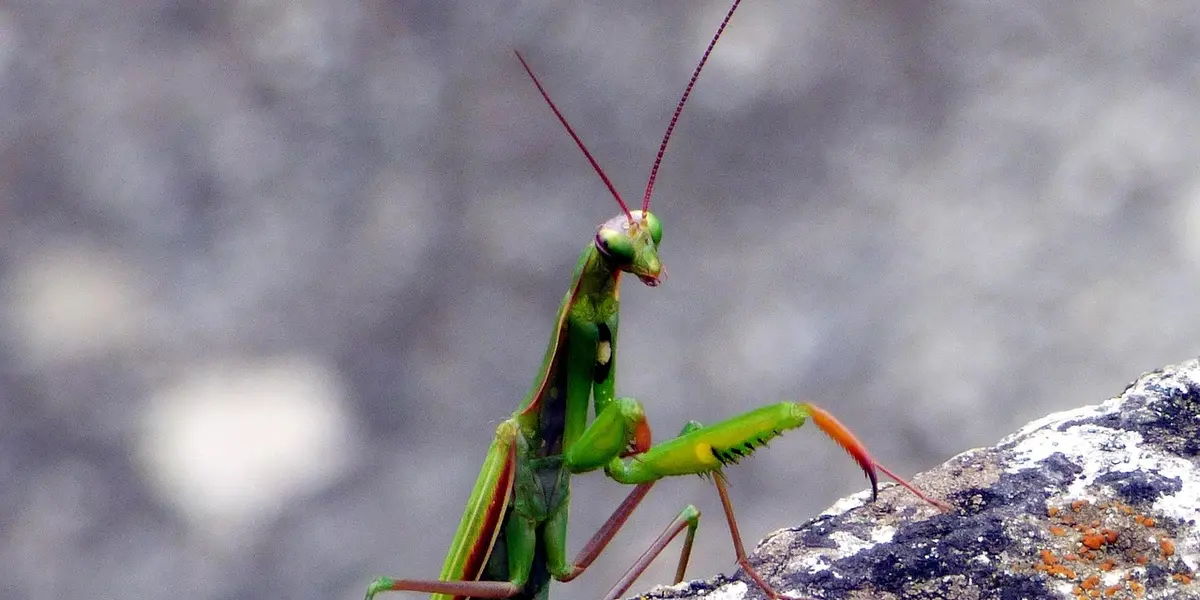
Setting up the right home for your mantis at each life stage makes all the difference in their comfort and growth. We find that a well-planned enclosure mimics their natural habitat, reducing stress and encouraging healthy behaviors like hunting and molting. For eggs, a small, ventilated container like a deli cup works perfectly—just ensure it’s kept away from direct light and drafts. Nymphs need more space to explore and practice their stalking skills, so a tall enclosure with fine mesh for climbing is ideal. Adults require roomier setups with sturdy branches and plants to perch on, much like the lush greenery they’d encounter outdoors. To truly create a naturalistic safe habitat for your praying mantis, replicate its wild surroundings with authentic textures, shelter, and careful airflow. A well-designed, naturalistic enclosure supports instinctive behaviors, reduces stress, and keeps your mantis healthy at every life stage.
Here’s a simple comparison to guide your setup choices:
| Life Stage | Enclosure Size | Setup Details |
|---|---|---|
| Eggs (Ootheca) | Small (e.g., 8 oz cup) | Lightly misted paper towel base; secure lid with air holes |
| Nymphs | Medium (e.g., 1-gallon tank) | Vertical space with mesh sides; fake plants and thin twigs |
| Adults | Large (e.g., 5-gallon tank) | Wide branches, live or silk plants; secure top for molting |
When arranging the interior, focus on creating vertical pathways-mantises love to climb and survey their domain from up high. A cluttered but safe space with hiding spots helps shy individuals, like our Ghost Mantis Luna, feel secure whilst they observe the world. Avoid sharp edges and ensure all materials are non-toxic, as mantises may nibble on foliage during exploration.
Feeding and Humidity by Life Stage
Feeding your mantis appropriately ensures they get the energy needed for molting and daily activities. Prey size should never exceed the width between their eyes to prevent choking or injury during strikes. Nymphs, with their rapid growth, benefit from frequent, small meals, while adults can handle larger prey less often. Here’s a quick guide to feeding schedules for different species: Feeding Schedule by Species.
- Nymphs (L1-L3): Feed daily with fruit flies or pinhead crickets; they’re voracious and need constant fuel.
- Nymphs (L4-subadult): Offer food every 2-3 days, like small crickets or houseflies; watch for plump abdomens as a sign of satiety.
- Adults: Feed every 3-4 days with medium crickets, moths, or flies; reduce frequency if they show less interest.
Humidity plays a vital role in keeping your mantis hydrated and supporting smooth molts. Maintaining the right moisture levels prevents dehydration and helps soften the old exoskeleton when it’s time to shed. Follow these steps to manage humidity effectively:
- Use a spray bottle with lukewarm water to mist the enclosure lightly once or twice daily for nymphs, and every other day for adults.
- Place a small water dish or damp sponge in the corner to boost ambient moisture without creating puddles.
- Monitor with a hygrometer-aim for 50-70% humidity for most species, adjusting based on your mantis’s behavior and enclosure ventilation.
- Increase misting slightly before a expected molt, but avoid soaking the mantis directly to prevent stress.
We’ve noticed that our Giant Asian Mantis, Moss, perks up after a gentle misting, his emerald body glistening as he drinks droplets from leaves. Balancing humidity with good airflow stops mold growth and keeps your pet’s environment fresh and inviting.
Troubleshooting Common Molting Issues
Molting is a delicate process, and sometimes mantises struggle to shed their old skin completely. Recognizing early signs of trouble lets you act quickly to support your pet through this vulnerable time. Look for a mantis hanging upside down for over 24 hours without progress, a partially shed exoskeleton clinging to limbs, or lethargy and loss of appetite. These can signal a stuck molt, often due to low humidity or poor health. It’s important to recognize the earliest signs of molting trouble.
If you suspect a stuck molt, follow these safe intervention steps to assist your mantis:
- Increase humidity immediately by misting the enclosure walls lightly-avoid spraying the mantis directly to prevent shock.
- Gently raise the temperature a few degrees with a low-wattage heat lamp placed outside the enclosure, encouraging flexibility in the exoskeleton.
- Do not touch or pull on the stuck skin, as this can cause injury; instead, allow the mantis to work it off naturally with the improved conditions.
- Offer a shallow dish of water for drinking, and monitor closely for the next few hours-most mantises will complete the molt with this support.
Prevention is the best approach to avoid molting problems altogether. Consistent care routines, like regular misting and proper feeding before molts, build resilience in your mantis over time. Ensure their enclosure has ample climbing surfaces and is free from disturbances during shedding periods. From our experience with Sprig, the Orchid Mantis, providing a calm, humid space before her molts has always led to successful, graceful transformations. Proper cleaning and maintenance of the enclosure is also crucial; check out our guide on maintaining a healthy habitat for your mantis.
FAQs on Mantis
What does a praying mantis metamorphosis diagram show?
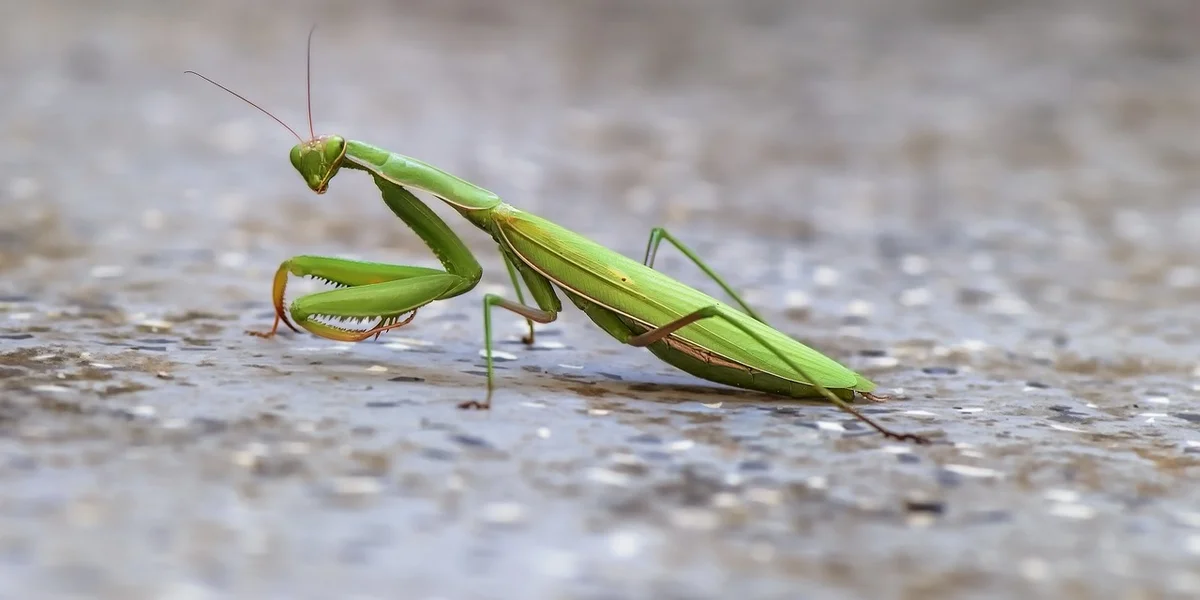
A praying mantis metamorphosis diagram visually outlines the life cycle from egg to adult, highlighting each instar and molt. It helps pet owners track growth stages and anticipate molting events for better care. As mantises mature from nymphs to adults, their behavior shifts toward mating cues and defined predation. Recognizing these changes from egg to adult helps tailor care at each life stage.
What are the facts about praying mantis metamorphosis?
Praying mantis metamorphosis is hemimetabolous, meaning nymphs resemble adults and skip a pupal stage. Key facts include their ability to regrow lost limbs during molts and that environmental factors like humidity directly impact molting success.
What is in the praying mantis metamorphosis stages pdf?
A praying mantis metamorphosis stages PDF usually contains detailed illustrations of each developmental phase and explanatory text on behavioral changes. It often includes printable guides for identifying molting signs and optimizing enclosure setups.
Guiding Your Mantis Through Growth and Change
We always ensure our mantises have a calm, humid space for molting, much like how Luna prefers her enclosure misted before shedding. Essential habitat requirements—proper humidity, temperature, ventilation, and safe perching—are key to a healthy praying mantis. Good habitat also supports natural behaviors and steady growth. Providing the right prey size and avoiding disturbances during metamorphosis helps them transition smoothly into each new stage.
As responsible keepers, we commit to learning from each mantis’s unique behaviors, just as Moss taught us about patience during feeding. Staying curious and sharing experiences with other enthusiasts enriches our ability to care for these delicate, evolving pets.
Further Reading & Sources
- Life Cycle of a Praying Mantis – Insect Lore
- Praying Mantis | Anatomy, Life Cycle & Metamorphosis – Lesson | Study.com
- Growth and Development of Praying Mantises – BugGuide.Net
- Praying Mantis Life Cycle Stages
Rowan Hale is a lifelong insect enthusiast who fell in love with mantises for their calm presence, alien elegance, and surprising personalities. After years of keeping and raising a variety of species, Rowan shares practical tips, creative insights, and real-world experience to help others enjoy the quiet magic of mantis care. From setting up the perfect enclosure to understanding their subtle behaviors, Rowan invites readers into a gentle, curious world where every tiny movement feels like a discovery.
Egg Care