
How Many Times Do Praying Mantis Molt Before Reaching Adulthood?
Published on: March 20, 2026 | Last Updated: March 20, 2026
Written By: Rowan Hale
Hello, mantis friend! Watching a praying mantis molt is like seeing a quiet transformation-the delicate rustle of old skin peeling away, revealing a brighter, larger form beneath.
Praying mantises typically molt between 5 and 8 times before they reach adulthood, though this number can shift depending on the species and individual conditions. My own Ghost Mantis, Luna, went through six molts, each one leaving her more intricate and leaf-like.
But the journey isn’t the same for every mantis. Factors like species, sex, and even the warmth of their habitat influence how many times they shed. We’ll explore why some mantises need more molts and how to support them through each delicate stage.
Here’s a quick look at what shapes their molting path:
- Species-specific patterns-smaller types may molt fewer times.
- Sex differences, with females often requiring extra molts.
- Environmental cues, such as temperature and humidity levels.
- Growth milestones that signal readiness for the next shed.
The Basics of Mantis Molting and Adulthood
What Is Molting and Why It Matters
Molting is the process where your mantis sheds its old, tight exoskeleton to allow for new growth. Think of it as trading in an outgrown, inflexible suit of armor for a brand new, slightly larger one. This isn’t just about getting bigger; it’s a complete renewal, where damaged limbs can be regenerated and fresh, vibrant colors often emerge. Understanding this process is crucial for any pet owner.
The entire event is driven by hormones, and the mantis will fast and become very still for a day or two beforehand. You’ll notice its colors might dull and it will hang upside down, gripping tightly to a branch, in the crucial hours leading up to the shed. We’ve watched our Ghost Mantis, Luna, position herself with such deliberate care, her leaflike frills trembling slightly as her body prepares for the big change.
Successful molting is the single most critical factor in raising a healthy adult mantis. A failed molt, often due to low humidity or a lack of secure footing, is usually fatal and is the most common heartbreak for new keepers. Providing the right conditions for this vulnerable process is your most important job.
Defining Adulthood in Praying Mantises
For a praying mantis, adulthood is marked by the development of fully formed wings and sexual maturity. You’ll know your mantis has reached its final, or ‘imaginal,’ molt when it emerges with long, delicate wings that it will carefully unfurl and dry. Before this point, they are wingless nymphs, no matter how large they grow. These molts illustrate praying mantis metamorphosis and its evolutionary path toward winged adulthood. Studying them sheds light on how metamorphosis evolved in mantises to balance growth, reproduction, and mobility.
This final transformation unlocks their ability to reproduce and, for many species, to fly. Our male Giant Asian Mantis, Moss, became a flurry of emerald energy after his final molt, using his new wings to clumsily flutter across his enclosure in short, excited bursts. It’s a dramatic and rewarding milestone for any keeper to witness.
It’s vital to understand that adulthood also signals the beginning of the end of their natural lifespan. An adult mantis will not molt again, and its focus shifts entirely to finding a mate and completing its life cycle.
How Many Molts to Adulthood: Species Variations
The journey from a tiny, ant-like L1 nymph to a magnificent winged adult varies significantly across different mantis species. Smaller species generally complete their life cycle with fewer molts, while larger, more ornate types require more stages to reach their full grandeur. This is one of the reasons why researching your specific species is so important from the very beginning.
- Ghost Mantis (Phyllocrania paradoxa): These delicate, leaf-mimicking mantises typically molt 6 times before reaching adulthood. Their final form is a masterclass in camouflage, with intricate frills and muted, bark-like coloring.
- Giant Asian Mantis (Hierodula membranacea): A robust and popular species, they usually undergo 7 molts. They transform from slender brown nymphs into the vibrant green powerhouses many of us know and love.
- Orchid Mantis (Hymenopus coronatus): The stunning, flower-like Orchid Mantis requires the most patience, molting around 8 times. Our juvenile, Sprig, is a testament to this, her pink and white petals becoming more defined and brilliant with each successive shed.
- European Mantis (Mantis religiosa): A common garden species, they most often complete 6 to 7 molts before developing their characteristic dark spot on the inside of their front arms.
Factors That Influence the Number of Molts
While species gives you a general roadmap, the exact number of molts can be subtly influenced by your care. Consistent, proper nutrition is the primary driver for a steady and predictable molting schedule. A well-fed mantis has the energy and resources to grow efficiently and shed cleanly.
Environmental conditions play a huge supporting role. Maintaining ideal temperature and humidity levels for your specific species encourages healthy growth and can prevent stalled molts. A mantis kept slightly too cool may grow more slowly and take longer between molts, stretching out its nymphal stage.
Stress is a significant, often overlooked, variable. Frequent handling, an enclosure that is too small, or constant disturbances can disrupt the hormonal balance needed for molting and potentially lead to a mismolt. We’ve found that a quiet, stable environment is just as important as a well-stocked fruit fly culture.
Genetics and individual variation also account for slight differences. It’s not uncommon for two mantises from the same ootheca (egg case) to reach adulthood a molt apart, with one being just that little bit faster to mature. Observing your own mantis’s unique rhythm is part of the joy of keeping them.
The Molting Cycle: Step-by-Step Through Each Instar
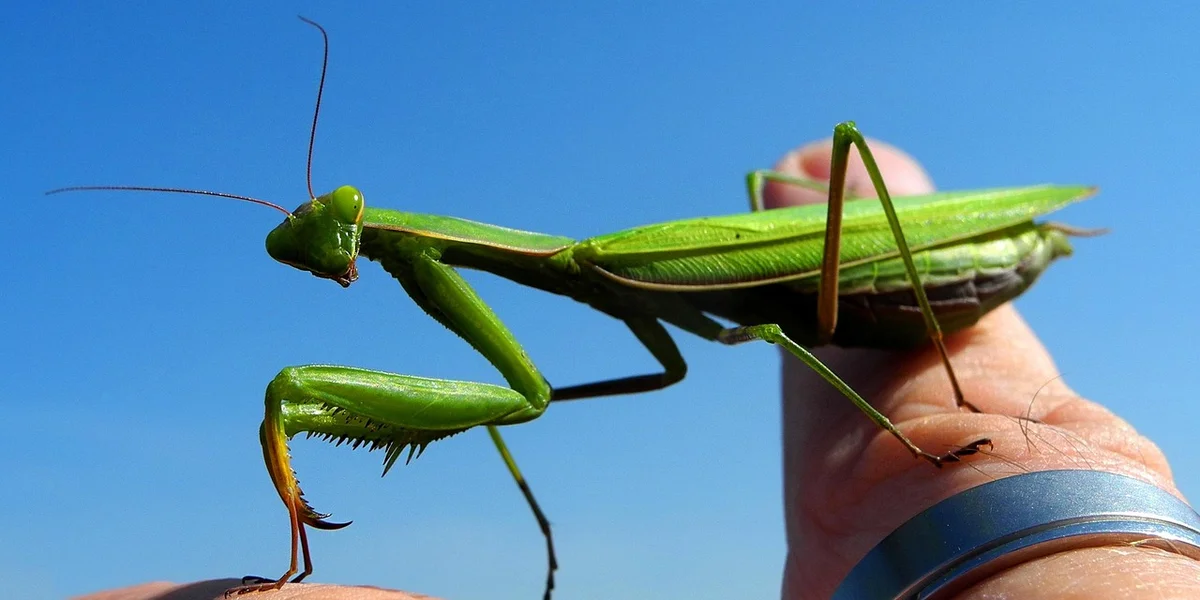
From Nymph to First Molt
When your mantis hatches from its ootheca, it emerges as a tiny, delicate nymph in its first instar. This initial stage is all about rapid growth and survival, with the first molt typically happening within a week. These first 30 days are the core of a complete survival guide for mantis nymphs, covering feeding, humidity, and molt timing. Sticking to that guide helps ensure smooth molts and steady growth. We’ve watched our Ghost Mantis, Luna, cling to a twig, her body softening as she prepares to shed that tight, initial skin. You might notice her refusing food and staying very still—a clear sign she’s gearing up for the change.
- Provide a secure, vertical surface for hanging during the molt.
- Maintain gentle humidity with light misting to ease the skin-splitting process.
- Avoid handling or disturbing your mantis, as any stress can lead to failed molts.
After that first successful shed, your nymph will appear slightly larger and more defined, ready to start hunting small fruit flies. Hands-on experience teaches us that a calm environment and proper hydration make all the difference in these early days.
Mid-Stage Molts: Building Size and Strength
As your mantis progresses through instars two to five, molts occur every few weeks, each one adding bulk and refining those iconic raptorial arms. With every shed, you’ll see a noticeable jump in size and agility, much like our Giant Asian mantis, Moss, who grew from a slender juvenile into a vibrant emerald hunter. These middle molts are where strength builds, allowing your pet to tackle larger prey like houseflies or small crickets.
- Increase enclosure space gradually to accommodate growing limbs and wings.
- Offer a varied diet to support nutritional needs during rapid development.
- Watch for longer hang times pre-molt, as the process becomes more complex.
You might spot your mantis practicing its strike more often between molts, honing skills for adulthood. We find that consistent warmth and minimal disruptions help ensure smooth transitions through these critical growth phases.
Final Molts: Approaching Adulthood
The last one or two molts bring your mantis to maturity, with wings fully forming and sexual characteristics becoming clear. Females often undergo an extra molt compared to males, resulting in their larger size and broader abdomens. Our Orchid mantis, Sprig, revealed her soft pink and white marbling in the final shed, a breathtaking shift from her juvenile hues. This stage demands extra care, as any mishap can leave permanent deformities.
- Ensure the enclosure has ample height for the full-wing extension during the molt.
- Monitor humidity closely to prevent the new exoskeleton from drying too quickly.
- Reduce feeding frequency pre-molt to avoid internal pressure on the softening body.
Once complete, your adult mantis will exhibit confident perching and eager hunting behaviors. Patience and observation here pay off, giving you a healthy, fully-formed companion ready for the next chapter. In the care of pet praying mantis, the complete handling behavior guide covers this stage with safe handling tips. Keep observing and limit handling until the mantis is settled, then follow the guide for ongoing care.
Recognizing Pre-Molt Signs in Your Pet Mantis
Physical and Behavioral Clues
Spotting the early warnings of an upcoming molt lets you provide the right support at the right time. Your mantis may hang upside down for hours, its body looking swollen and colours turning duller as the new skin prepares to emerge. We’ve seen Luna tilt her head thoughtfully, almost meditative, while Moss becomes uncharacteristically still days before his shed.
- Loss of appetite or refusal to eat, even favourite treats.
- Reduced movement and increased time spent in one spot.
- A slight darkening or cloudiness over the eyes and body.
These cues are your mantis’s way of saying it needs peace and stability. Creating a quiet, humid microclimate mimics their natural habitat, easing them through this vulnerable period. Gentle misting and avoiding loud noises can make the process feel as serene as a misty morning in a terrarium.
Ideal Conditions for a Successful Molt
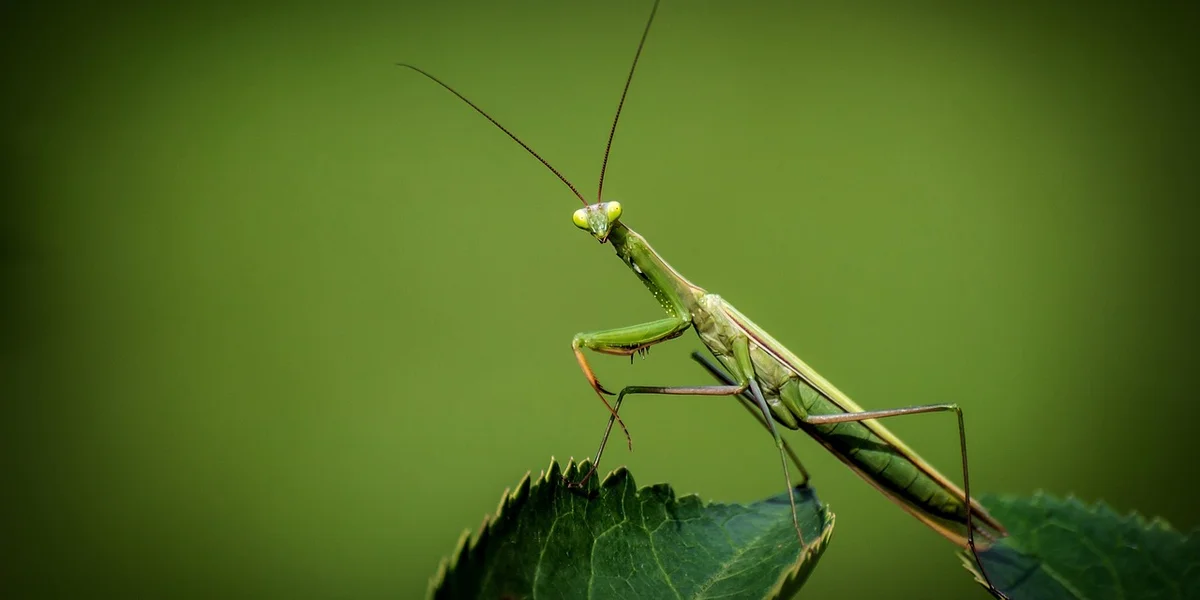
Humidity and Temperature Tips
Getting the humidity and temperature just right makes all the difference for a smooth molt. Proper humidity helps soften the old exoskeleton, allowing your mantis to wriggle out without tearing its delicate new skin. Aim for a humidity level between 50% and 70%, which you can measure with a simple hygrometer from a pet shop.
Temperature plays a big role too-keep it steady around 20-25°C for most species. A stable warmth encourages your mantis to feel secure enough to begin its molt, much like how a sunny spot coaxes a plant to unfurl. I’ve noticed Moss, my Giant Asian Mantis, perks up when his enclosure stays consistently warm, reducing any stress before shedding. Temperature is also a key driver of growth and development in mantises. Warmer, stable conditions tend to speed up molts and support steady, healthy growth, while fluctuations or cooler temps can slow development.
- Use a spray bottle with lukewarm water to mist the enclosure lightly once or twice daily.
- Place a shallow water dish to naturally boost humidity through evaporation.
- Avoid sudden temperature drops by keeping the habitat away from drafts or direct sunlight.
In my care, I’ve found that a slight increase in humidity right before a molt can prevent complications. Gently raising the moisture level mimics the dewy morning air that mantises encounter in the wild, making the process feel more natural.
Enclosure Setup for Safe Molting
Your mantis needs a safe, clutter-free space to molt without obstacles. Vertical height is crucial because mantises hang upside down to shed, so choose an enclosure at least twice their body length tall. Add sturdy branches or mesh for gripping, ensuring they’re secure to prevent falls. Create a naturalistic, safe habitat that mimics their native environment. This helps reduce stress and supports healthy molting.
I always check for sharp edges or loose decor that could snag a limb. Soft, natural materials like untreated wood or fake plants provide a gentle surface that won’t harm emerging wings or legs. With Luna, my Ghost Mantis, I use twisted vines that she clings to effortlessly, her frilled body blending into the greenery.
- Select a well-ventilated container to prevent mold while maintaining humidity.
- Position perches at varying heights to give your mantis options for hanging.
- Keep the enclosure in a quiet spot to minimize disturbances during this vulnerable time.
A well-set enclosure feels like a miniature forest canopy—peaceful and supportive. A bioactive setup adds live plants, substrate, and a cleanup crew to mimic a natural habitat. This approach helps maintain humidity and provides enrichment for your praying mantis. By creating this environment, you’re giving your mantis the best chance to emerge from its molt strong and healthy.
When Molting Goes Wrong: Common Issues and Solutions
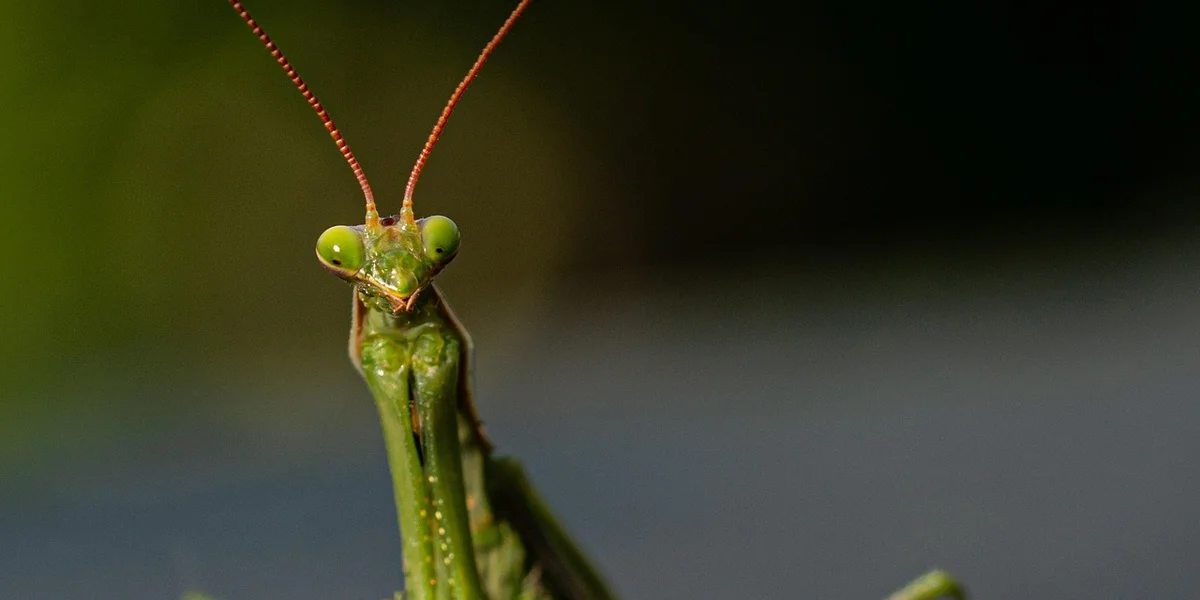
Handling Stuck or Failed Molts
Stuck molts can be scary, but acting calmly can save your mantis. If you see your mantis struggling to free itself, resist the urge to intervene immediately-wait at least a few hours to see if it resolves on its own. Increasing humidity with a gentle mist might help soften the stuck skin.
In rare cases, a limb or piece of exoskeleton remains attached. Using a soft brush or cotton swab dipped in warm water, you can carefully moisten the area to encourage release, but avoid pulling or forcing it. I recall helping Sprig, my Orchid Mantis, when a leg casing stuck; a light dab of moisture did the trick without stress.
- Monitor for signs of distress, like prolonged immobility or twisted limbs.
- Consult online mantis communities or a vet if the issue persists, as they offer shared wisdom from experienced keepers.
- Keep the enclosure dark and quiet to reduce stress during recovery.
Most mantises recover with a bit of patience and care. Staying observant and responsive ensures your mantis gets through tough molts with minimal harm.
Preventing Molting Problems
Prevention starts with consistent care and attention to detail. Regularly check your mantis’s environment for stable humidity and temperature, as fluctuations are a common cause of molting issues. Feed them a nutritious diet of live insects like fruit flies or crickets to build strength before sheds. To prevent common parasite diseases, keep the enclosure clean. Quarantine new insects and inspect your mantis for signs of mites or illness.
Avoid handling your mantis in the days leading up to a molt, as stress can trigger failures. By maintaining a clean enclosure and providing ample climbing surfaces, you create a low-risk setting that supports natural behaviors. I’ve seen Moss thrive when I stick to a routine, his energy peaks just before he sheds.
- Schedule weekly checks on enclosure conditions to catch problems early.
- Offer varied perches and hiding spots to reduce anxiety.
- Learn your mantis’s molting signs, such as reduced appetite or restlessness, to anticipate needs.
Small, thoughtful adjustments make a big difference over time. Building these habits helps your mantis molt smoothly, turning potential worries into quiet moments of growth.
Life After Molting: Caring for Your Adult Mantis
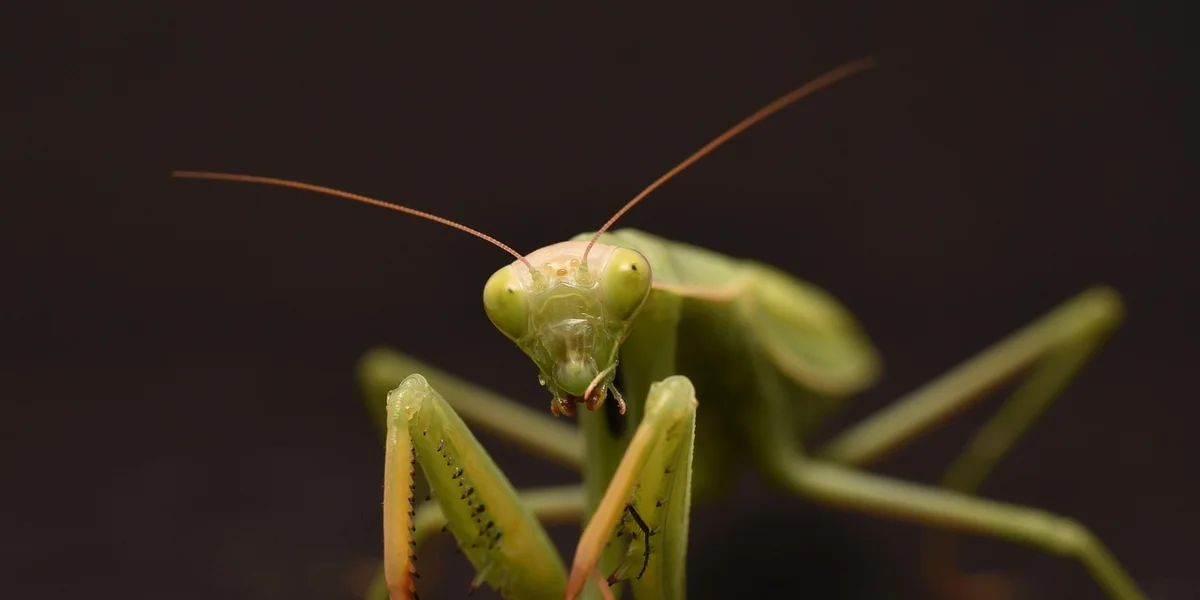
Adjusting Care for Adult Mantises
Once your mantis reaches adulthood after its final molt, its care needs shift in subtle but important ways. Adult mantises no longer molt, so you can focus on maintaining a stable environment that supports their long-term health and activity. Additionally, it is crucial to know how to care for a praying mantis after molting during its immature stages to ensure they reach adulthood healthily.
From my time with Moss, my adult Giant Asian Mantis, I’ve learned that adults often become more deliberate in their movements, perching for hours like emerald statues. You’ll want to adjust feeding schedules to match their slower metabolism, offering larger prey every two to three days instead of daily.
Here’s a quick list of key changes to make:
- Reduce feeding frequency to prevent obesity-adults need less energy for growth.
- Offer larger insects, such as crickets or locusts, to satisfy their appetite.
- Keep humidity steady at 50-70% for most species, avoiding spikes that aren’t needed for molting.
- Maintain temperatures between 75-85°F to support digestion and activity.
Handling adult mantises requires a gentle touch, as they’re sturdier but can still be startled. I always let Luna, my Ghost Mantis, step onto my hand voluntarily to reduce stress and build trust over time.
Watch for signs of aging, like decreased hunting interest or slower reflexes, which are natural in adulthood. Regularly check their enclosure for cleanliness and secure fittings to prevent escapes or injuries.
For habitat tweaks, consider these steps to keep your adult mantis content:
- Provide ample vertical space with branches or plants for climbing and perching.
- Use a shallow water dish or light misting for hydration, as adults drink less frequently.
- Monitor for any health issues, such as wing damage or lethargy, and consult a vet if needed.
The earthy scent of a well-kept enclosure and the soft rustle of your mantis moving can be deeply calming. With these adjustments, your adult mantis will thrive, offering years of quiet companionship and fascinating behavior.
FAQs on Mantis
How can I tell if my praying mantis is molting or dying?
Before molting, a mantis will hang upside down and be still, but its body will appear plump and ready. A dying mantis, however, will often lie listlessly at the bottom of the enclosure and may show no interest in righting itself.
What are the signs that my praying mantis is about to molt?
You will notice your mantis refusing food and becoming very inactive. Its colors may also appear duller, and it will often find a high spot to hang from in preparation.
What should I do with the praying mantis molt (exuvia) after it’s shed?
You can simply leave the molt in the enclosure, as it is harmless and can be interesting to observe. Many keepers also carefully remove and preserve the delicate exuvia as a keepsake of their pet’s growth.
Your Mantis’s Path to Adulthood
Praying mantises typically molt between five to ten times before reaching adulthood, with each species having its own unique timeline. Ensuring high humidity, stable temperatures, and a stress-free space during molts helps your mantis shed safely and grow strong. Knowing the molting schedule is crucial for proper care.
Responsible mantis care means observing each molt closely and adapting your approach as your pet develops. We invite you to continue exploring the fascinating world of mantis behaviour and habitat needs to provide the best life for your tiny green friend.
Further Reading & Sources
- Molting – mantis monarch
- Praying Mantis Care Lifespan, Growth and Molting Mis-molting – USMANTIS
- Molting Praying mantis molting care sheet. Mismolt – USMANTIS
- Praying Mantis
Rowan Hale is a lifelong insect enthusiast who fell in love with mantises for their calm presence, alien elegance, and surprising personalities. After years of keeping and raising a variety of species, Rowan shares practical tips, creative insights, and real-world experience to help others enjoy the quiet magic of mantis care. From setting up the perfect enclosure to understanding their subtle behaviors, Rowan invites readers into a gentle, curious world where every tiny movement feels like a discovery.
First-Time Mantis Owners