
How to Breed Mantis Species Successfully: A Step-by-Step Guide
Published on: December 5, 2025 | Last Updated: December 5, 2025
Written By: Rowan Hale
Hello, mantis friend! There’s a gentle wonder in witnessing the full cycle-from the cautious dance of courtship to the first, tiny movements of hatchlings in your care.
Breeding mantis species successfully means recreating a slice of their natural world in your home, guiding them through mating, egg-laying, and nymph rearing with a calm, attentive hand.
It can feel intricate, like tending a miniature ecosystem where timing and observation are everything. But by following clear, practical steps, any dedicated keeper can help their mantises thrive into the next generation.
- Selecting healthy, mature adults and understanding species-specific behaviors.
- Preparing a secure, stress-free environment for introduction and mating.
- Monitoring the female post-mating and safeguarding the ootheca.
- Creating the ideal conditions for hatching and raising the delicate nymphs.
Choosing Your Mantis Breeding Pair
Selecting the Right Species for Captivity Care
Starting with a species that thrives in captivity makes your breeding journey smoother and more rewarding. We recommend beginner-friendly mantises for their calm temperaments and reliable breeding habits, giving you a confident start. If you’re wondering which are the easiest to breed in captivity, Ghost Mantis and Giant Asian Mantis often come up as strong candidates. From my own experience, species like the Ghost Mantis or Giant Asian Mantis adapt well to home environments, showing less stress during handling and pairing.
Here’s a quick look at some top choices for first-time breeders.
| Species | Adult Size | Common Colors | Ootheca Production | Temperament | Breeding Ease |
|---|---|---|---|---|---|
| Ghost Mantis | 2-2.5 inches | Misty brown, leaf-like frills | Moderate (3-5 oothecae) | Docile, slow-moving | High – less cannibalistic |
| Giant Asian Mantis | 3-4 inches | Vivid green, some with banding | High (5-8 oothecae) | Curious, moderately active | High – robust and fertile |
| Chinese Mantis | 3-5 inches | Green or tan, long slender body | High (4-7 oothecae) | Alert, can be skittish | Medium – needs careful handling |
Picking the right species isn’t just about ease-it’s an ethical choice. Selecting common, captive-bred mantises helps prevent inbreeding and supports healthy genetic diversity in your colony. Avoid mixing wild-caught individuals unless you’re certain of their origins, as they might introduce parasites or unknown lineage issues.
Knowing how to tell males from females early on saves you time and ensures proper pairing. For most species, you can sex mantises by counting abdominal segments once they reach the third or fourth nymph stage. Males typically have eight visible segments, while females have six or seven. As they grow, look for wing buds; males develop longer wing buds that hint at their future flying ability, whereas females’ are shorter and stouter. With my mantis Moss, a Giant Asian male, I noticed his slender abdomen and prominent wing buds by his fifth molt, confirming his sex well before adulthood.
Preparing Healthy Adult Mantises
Healthy breeders are the heart of successful mating. Begin by observing your mantises daily for signs of vigor and well-being, much like checking on a quiet, green companion in your care. Clear, bright eyes without cloudiness, active movement when stimulated, and a plump but not overly swollen abdomen indicate good health. A mantis that perches steadily and cleans its forearms regularly is often in prime condition.
Always quarantine new mantises before introducing them to your breeding group. Keep newcomers in a separate, simple enclosure for about two weeks to watch for mites, unusual lethargy, or feeding issues. Use a spare jar or small terrarium with paper towel substrate and a twig for climbing. This quiet period lets you monitor their health without risking your existing mantises, and it gives the new arrival time to settle into your home’s rhythms.
Feed your future breeders a varied diet to build their strength without overdoing it. Offer gut-loaded insects like fruit flies for smaller species or crickets and roaches for larger ones, ensuring meals are nutritious but not excessive. Adults should eat every two to three days, with abdomens full but not bulging-think of a gently rounded shape, not a balloon. Overfed mantises can become sluggish and less interested in mating, so we aim for balance. From feeding Sprig, my Orchid Mantis, I learned that smaller, frequent meals keep her energetic and ready for breeding when the time comes.
Creating the Perfect Breeding Environment
Setting Up Your Breeding Terrarium
A calm, secure space reduces stress and the risk of cannibalism during breeding. Gather your equipment beforehand: spacious enclosures, safe substrates like paper towel or coco fiber, and plenty of climbing branches. When you’re ready to breed, set up a dedicated breeding enclosure that can be monitored and, if needed, separated for safety. This space should maintain stable humidity and have spots to hide while still allowing close observation. Each mantis should have its own terrarium until pairing, with enough room to move and hide. For larger species like the Giant Asian, a 12x12x12 inch enclosure works well, while Ghost Mantises thrive in something a bit smaller.
Follow these steps to set up a soothing environment that mimics their natural habitat.
- Clean the enclosure with warm water-no soaps or chemicals-to avoid any residues that might harm your mantises.
- Line the bottom with a moist paper towel or a shallow layer of coco fiber to hold humidity and make cleaning easy.
- Add vertical branches or twigs, securing them firmly so they don’t topple. Mantises feel safer when they can climb and perch up high.
- Include a few broad leaves or fake plants for cover, creating shady spots where your mantis can retreat and feel secure.
- Place the enclosure in a quiet area away from direct sunlight or drafts, as sudden changes can startle them.
When it’s time to introduce the pair, do it in a neutral, larger space if possible. Always supervise the initial meetings closely, and have a soft brush on hand to gently separate them if aggression arises. I’ve found that feeding the female well before introduction can curb her hunting instincts, giving the male a better chance to approach safely.
Dialing in Temperature and Humidity
Mantises breed best when their environment feels like a gentle, humid spring day. Most common species prefer temperatures between 22-28°C (72-82°F) and humidity levels around 60-80%, depending on their natural habitat. However, temperature and humidity needs can vary significantly between species, so always check species-specific guidelines. Use a simple digital thermometer and hygrometer to keep track—these small tools make a big difference in maintaining consistency.
You don’t need fancy gear to boost humidity. A warm water mister from your kitchen, used once or twice daily, provides a gentle humidity lift that mimics morning dew. Spray lightly on the enclosure walls and foliage, avoiding direct hits on your mantis to prevent shock. The soft hiss of the mister and the earthy scent of damp substrate can create a calming routine for both you and your pets.
Adjust your care with the seasons to encourage natural breeding cycles. In warmer months, slightly increase temperature and misting to simulate rainy periods, which often trigger mating behavior in mantises. These triggers mark the start of the praying mantis mating season. Recognizing them helps you time care adjustments and anticipate pairing. During cooler times, reduce misting and lower the temperature by a few degrees to give them a rest. This rhythmic change, much like the slow turn of seasons in a greenhouse, helps regulate their reproductive health and prepares them for successful pairing.
The Mating Dance: Introducing and Observing
Step-by-Step Pair Introduction
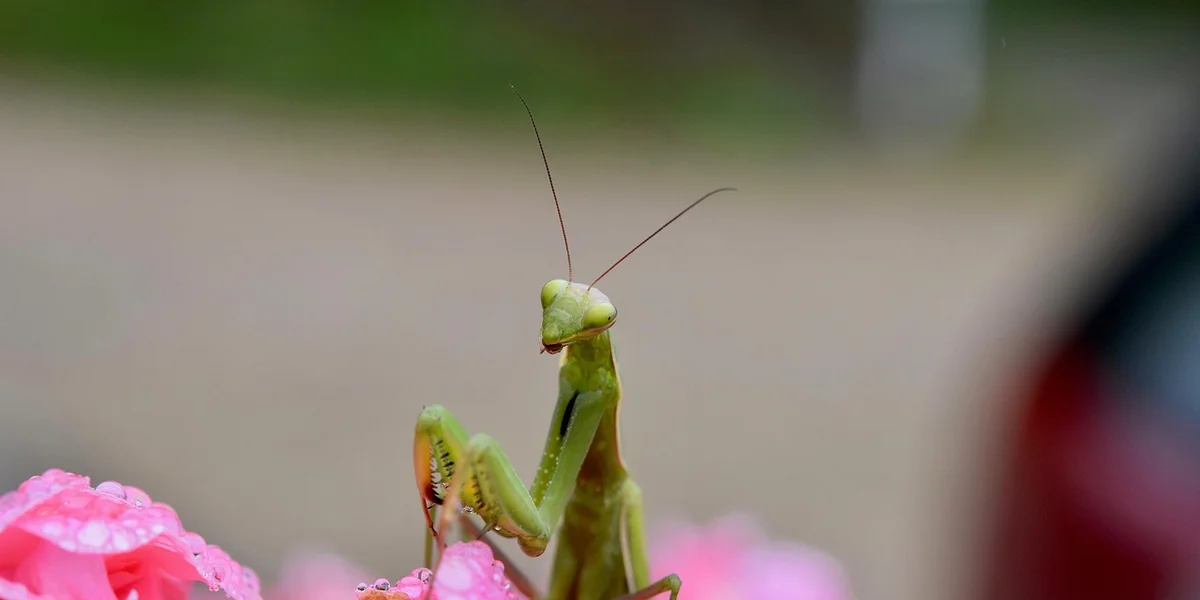
Setting up a mantis pair feels like orchestrating a quiet meeting in a dew-dappled garden. We aim for calm focus, not hungry glances, to give love a chance over lunch. Follow these steps to guide their first encounter safely.
- Feed both mantises well before introduction. Offer a substantial meal, like a plump cricket, to each mantis about a day prior. A satisfied mantis is far less likely to view its partner as prey. My Ghost Mantis, Luna, adopts a slower, more thoughtful pace after eating, her usual watchfulness softened by a full abdomen.
- Place the female in a neutral, large space first. Use a clean enclosure larger than their usual homes, with fresh climbing sticks. Letting her explore and settle for an hour reduces her territorial instincts. I often use a spare terrarium, while Moss, my Giant Asian male, waits patiently in his own container nearby.
- Gently introduce the male, monitoring for aggression. Carefully lower him onto a distant perch from the female. Watch his antennae for slow, curious flicks rather than frantic waves, a sign of assessment, not attack. If the female makes a sudden lunge, use a soft paintbrush to separate them immediately.
- Use a distraction like live prey to reduce cannibalism risk. Release a live fruit fly or small moth near the female to occupy her attention. This simple tactic often creates the peaceful window the male needs to approach. With Sprig, my Orchid mantis, a wandering fly held her gaze just long enough for a successful approach.
Recognizing Mating Behavior and Success
The actual courtship is a hushed, deliberate performance. You might see the male begin a slow, cautious approach, often from the side or rear. He will tap the female’s back or wings with his antennae in soft, repeated touches, a silent request for permission.
If she remains still, he will carefully mount her, aligning his body to connect. Successful mating can last several hours, with the male clinging quietly like a living pendant. During this time, the female may even accept food offered gently on tweezers, a brilliant sign she is at ease.
Stay alert for signals of distress, though. Stress can turn this delicate dance into a dangerous scramble, so watch for these clear warnings:
- Frantic movements or rapid fleeing: Either mantis scrambling away repeatedly signals high alarm.
- Refusal to eat or aggressive posturing: A female striking at the air or a male that refuses to move indicates fear or hostility.
- Excessive grooming or full-body shakes: These subtler signs of discomfort are easy to miss but important to note.
If the mating is disrupted, act with quiet speed. Use a soft brush to gently guide each mantis apart, avoiding any direct grabs with your fingers. Return them to their individual enclosures for a few days of rest with extra misting and a favorite feeder insect. Patience is key; sometimes a second attempt in a week, with more space and distraction, leads to success. The well-being of both mantises always comes first.
After Mating: Ootheca Care and Incubation
Collecting and Handling the Egg Case
Once your female mantis finishes laying her ootheca-a process that can leave her looking tired and spent-it’s time for gentle intervention. Wait until she naturally moves away from the egg case, which might take a few hours, to avoid stressing her or damaging the fresh, frothy foam. I remember watching my Ghost Mantis, Luna, after she laid her first ootheca; she perched nearby, cleaning her forelegs with that thoughtful, slow manner of hers, signaling it was safe to proceed.
-
Use a soft, flat tool like a plastic spoon or a piece of stiff paper to carefully slide under the ootheca. Avoid touching the foam directly with your fingers, as oils and pressure can harm the developing embryos inside.
-
Lift the ootheca slowly, supporting it from below. Handle it as if it were a delicate bird’s egg, keeping it level to prevent any jostling that might disrupt the internal structure.
-
If the ootheca is attached to a branch or enclosure wall, you can leave it in place for natural incubation. Gently mist around it to maintain humidity without soaking the foam, which should feel like a damp sponge rather than a wet one.
For natural incubation in the enclosure, choose a spot with mild airflow and stable warmth, away from direct heat sources. Place the ootheca in a sheltered corner, perhaps near a fake plant or a rough bark surface, where it can mimic the safety of a leaf crevice in the wild. With my Giant Asian Mantis, Moss, I’ve found that positioning the ootheca high up in the habitat, where humidity naturally collects, encourages steady development without extra fuss.
Incubation Parameters for Hatching Success
Incubation periods vary widely by species, adding a layer of quiet anticipation to your care routine. For common species like the Chinese Mantis, expect 4 to 6 weeks at room temperature, while tropical types such as the Orchid Mantis may take 8 to 10 weeks in slightly warmer conditions. My juvenile Orchid Mantis, Sprig, taught me patience-her ootheca hatched after nine weeks, revealing tiny nymphs that shimmered like dewdrops in the morning light.
Maintaining consistent humidity and temperature is key to hatching success. Aim for a humidity level of 50% to 70%, which you can achieve with light daily misting using lukewarm water, creating a humid, earthy scent in the enclosure. Temperature should stay between 22°C to 28°C (72°F to 82°F); a simple thermometer helps avoid sudden drops or spikes that can stall development.
-
Use a deli cup or small plastic container with a ventilated lid for controlled incubation. Poke tiny holes in the lid for airflow, line the bottom with a damp paper towel, and suspend the ootheca from the top using a bit of tape or a pin to keep it dry and secure.
-
Check the ootheca weekly for signs of mold or dryness. If you notice a whitish film, increase ventilation slightly; if it looks shriveled, add a light mist to restore that soft, spongy texture.
We often use a spare mason jar with a mesh cover for a budget-friendly setup, which works beautifully for small species. Keep the incubation container in a quiet, dimly lit area, like a shelf away from drafts, to mimic the stillness of a forest floor where these egg cases would naturally thrive. This method gives you a clear view of progress, and when those first tiny mantis nymphs emerge, it’s a moment of pure, quiet wonder.
Welcoming the Hatchlings: Nymph Care Basics
Preparing for the Hatch
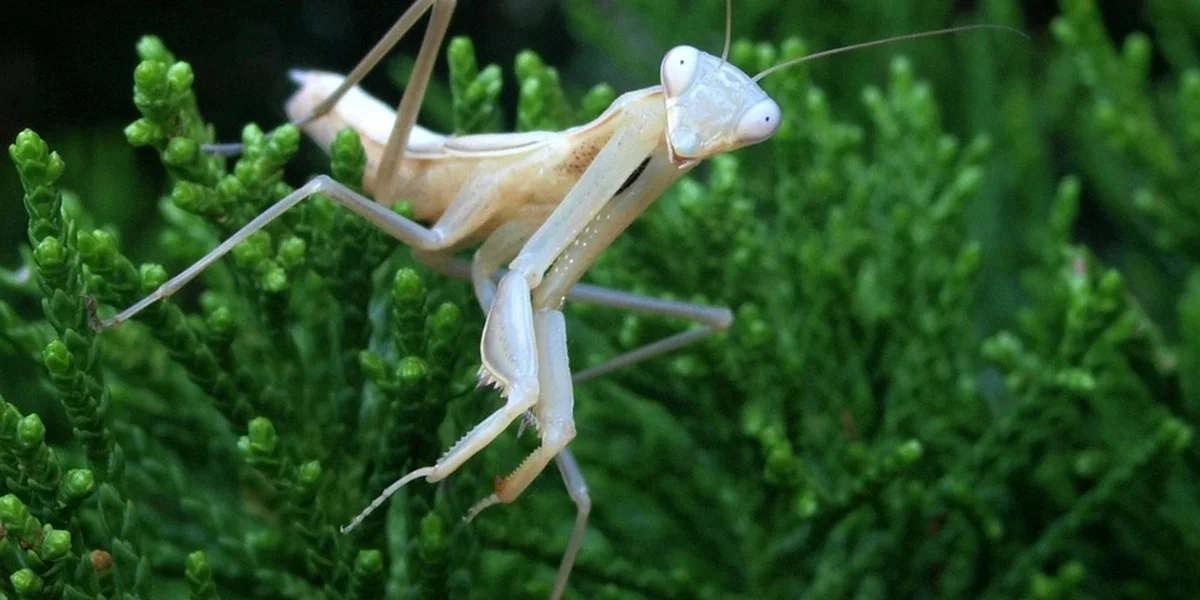
Getting ready for the hatch feels like preparing a nursery for the tiniest of guests. A well-stocked kit means you can focus on the wonder of their arrival, not a last-minute dash for supplies.
- Small containers: Clean deli cups, repurposed mason jars, or dedicated plastic enclosures with snug-fitting lids work perfectly.
- Fine misters: Choose a spray bottle that releases a soft cloud of water, gentle enough for fragile nymphs.
- Tiny live prey: Cultivate a culture of flightless fruit flies or minute springtails; these are the essential first bites.
Your setup must balance security with a breath of fresh air. Escape-proof lids paired with fine ventilation mesh are your best defence against losing these minute explorers. We often use plastic cups with mesh windows glued in place, a trick we learned with Luna’s brood. A slight dampness on the floor from a paper towel slice boosts humidity, whilst a slender twig offers a climbing frame for their early adventures.
Feeding and Rearing Through Nymph Stages
-
Present the first meal within two to three days of hatching. Those initial fruit flies are not just food; they trigger the nymph’s natural hunting instincts and provide vital energy. When selecting feeder insects for nymphs, many keepers compare fruit flies versus houseflies to find the best balance for size and ease of culture. For tiny hatchlings, fruit flies are typically easier to manage and feed in precise portions, while houseflies may be introduced later to provide larger prey as the nymphs grow. We add a small puff of flies to each container and observe the deliberate stalking. Sprig, even as a juvenile, displayed a ballet of patience before her sudden, precise captures.
-
Uphold a humid environment to facilitate smooth molting. Consistent moisture in the air softens the old exoskeleton, making it easier for the nymph to wriggle free. Lightly mist the walls once or twice daily, aiming for that humid, earthy scent of a terrarium. Watch for lively behaviour and bright eyes; a dull or sluggish nymph might need more moisture or warmth. When Moss was young, we kept his space feeling like a sheltered, dewy leaf in a quiet forest.
-
Isolate nymphs into individual containers as they mature. Cannibalism is a real risk in close quarters, especially after the third instar, so giving each mantis its own room is a kindness. Transfer them gently using a soft brush or a leaf. Chart their progress by logging each molt and growth spurt; a simple notebook helps you celebrate milestones and catch any hiccups early. With our last clutch, we used coloured dots on cups to track each personality, witnessing their unique greens and greys emerge.
Troubleshooting Common Breeding Hurdles

Addressing Mating and Egg-Laying Issues
When breeding mantises, a few common snags can leave you feeling unsure. We find that most mating and egg-laying issues stem from subtle environmental stresses or simple oversights in routine care, and that even when those are addressed, egg hatching can still be unpredictable. Let’s gently unpack these problems and their fixes.
Keepers often report these specific challenges:
- The mantis refuses food during the breeding period.
- The mated female does not produce or lay her ootheca.
- Unexpected aggressive behaviours, sometimes leading to injury.
For a mantis that won’t eat, first check the prey size and type. Switching from crickets to flightless fruit flies or freshly hatched roaches can often tempt a finicky feeder. Our Moss, the Giant Asian mantis, always preferred a wriggling moth over his usual diet when he was courting.
If your female isn’t laying, assess her environment closely. She needs a quiet, humid spot with textured surfaces like twigs or mesh where she can securely attach her egg case. A slight increase in misting for a few days can create the perfect, damp encouragement she needs.
Aggression during introductions is a real danger. Always feed both mantises well a day or two before attempting to pair them, and use a large, neutral space for the meeting. Have a soft paintbrush ready to gently separate them if needed, and never leave them unattended.
Pest management is crucial for breeding colonies. Mites and small flies can hitchhike on feeder insects and quickly overwhelm a delicate mantis. We quarantine any new prey in a separate container for 24 hours to spot any stowaways.
Watch for early signs of common ailments. Lethargy, black spots on the body, or a mantis struggling to shed its skin can point to fungal issues or dehydration. Immediate action, like improving airflow or offering a honey-water dip on a cue tip, can make all the difference.
Boosting Nymph Survival Rates
Those first tiny nymphs are a heart-lifting sight, but keeping them thriving requires a watchful eye. Survival rates in captivity swing on a few key pillars: consistent food, impeccable cleanliness, and stable humidity for molting.
Several factors directly influence how many nymphs you’ll raise successfully:
- Feeding Frequency: Newly hatched nymphs must eat within 48 hours. Offer pinhead crickets or fruit flies daily.
- Enclosure Cleanliness: Remove dead prey and frass every single day to prevent harmful mold growth.
- Population Density: Crowding stresses nymphs and triggers cannibalism. House them in small groups.
- Molting Conditions: They need higher humidity and something to hang from securely when shedding their skin.
Managing a large brood starts with preparation. We set up dozens of small deli cups or modified jars ahead of time, each with a damp paper towel and a bit of mesh for climbing. This lets us separate nymphs quickly after hatching, giving each a fair chance.
Preventing losses during the molt is about stillness and moisture. Mist the enclosure lightly in the evening to mimic natural dew, which softens the old exoskeleton. Once a nymph hangs upside down in its ‘molting pose’, do not disturb it for any reason-even feeding can wait.
Remember, nymphs are fragile. Using a fine mist spray bottle and room-temperature water avoids shocking their delicate systems. We learned this with Sprig’s orchid mantis brood; a gentle approach kept those pastel-pink nymphs growing strong and steady.
Ethical Breeding and Keeping Records
Responsible Practices for Pet Mantis Care
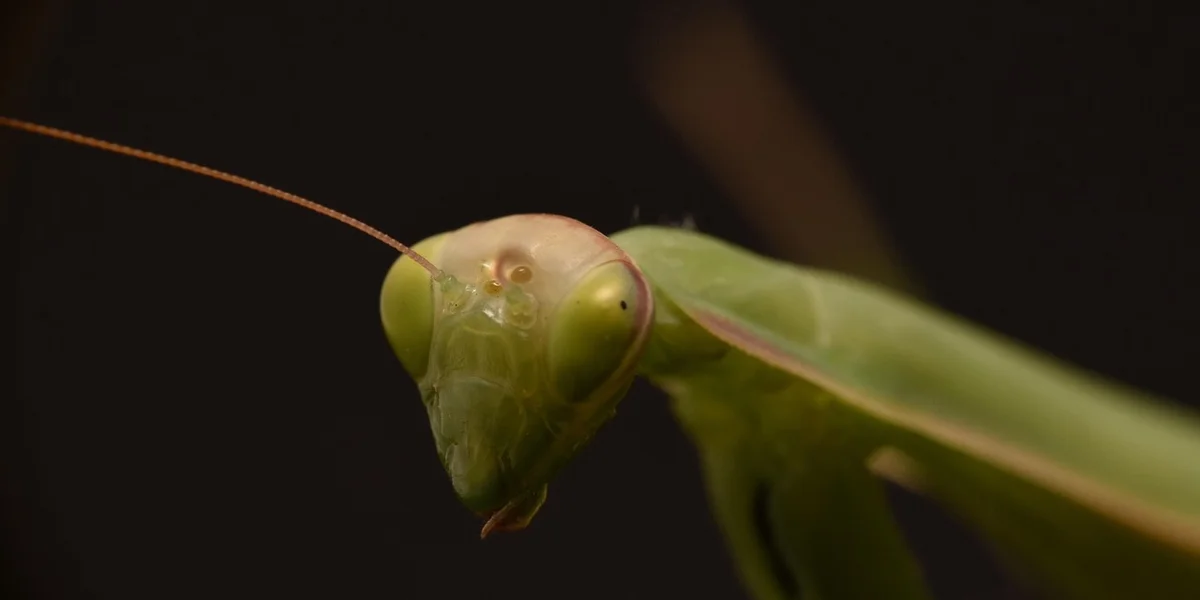
Breeding mantises is a rewarding venture, but it asks for a gentle, ethical hand from the start. We view each clutch not just as a project, but as a commitment to the welfare of every tiny life that may emerge. It’s a practice rooted in patience and foresight, much like tending a delicate plant that will soon bear fruit. Within our ethical guide, line breeding and selective breeding are approached with safeguards to preserve genetic diversity and welfare. We document pedigrees to guide decisions and minimize inbreeding while aiming for healthy, robust mantises.
Avoid overbreeding by giving your females ample recovery time between clutches. Observing our Ghost Mantis, Luna, taught us that a rested mother produces healthier oothecae and maintains her own vibrant energy. Breeding back-to-back can drain her resources, leaving her listless and frail.
Always secure loving homes for your nymphs before they hatch. Reach out to local enthusiast groups or have a waiting list of prepared keepers to avoid being overwhelmed by dozens of hungry mouths. When Sprig’s first ootheca hatched, having homes arranged in advance made the experience joyful, not frantic.
Select breeding pairs for robust health and natural vigour, not merely for rare colours. Choose mantises with strong grips, clear eyes, and hearty appetites to pass on the best traits to their offspring. We skip pairing any individual that seems sluggish or has limb issues, focusing on vitality over vanity.
Never release captive-bred mantises into the wild, even if your garden seems inviting. These insects lack the adaptations and immunity to survive outdoors, and their introduction could disrupt local ecosystems. It’s a quiet rule we keep to protect both our pets and the environment they came from.
Simple Record Keeping for Success
Keeping records transforms breeding from a hopeful experiment into a repeatable art. A dedicated log, whether paper or digital, becomes your personal field guide to what works and what needs tweaking. We keep a small notebook next to Moss’s enclosure, its pages filled with dates and little sketches.
Track these essential details for each breeding pair to spot patterns and improve your approach:
- Mating date: Note when you introduced the pair and any courtship behaviours, like the male’s cautious approach or the female’s stillness.
- Ootheca laying time: Record the date the egg case appears, its size, shape, and where the female anchored it in the habitat.
- Hatch date: Mark the day nymphs emerge, which helps predict incubation times for future oothecae.
- Nymph count: Jot down a rough number of hatchlings, giving you a sense of fertility and hatch success rates.
Consider using a digital log for easy searching and long-term trends. A simple spreadsheet or note app on your phone lets you quickly reference past data while misting or feeding. Flipping through our records, we noticed that warmer humidity levels led to better hatch rates for Luna’s oothecae, a detail we might have missed otherwise.
Review your notes after each breeding cycle to learn and adapt. This habit builds confidence, turning small observations into reliable wisdom for your next successful hatch. It’s how we’ve refined our care, one careful entry at a time.
Questions from Fellow Mantis Friends
What do adult mantises eat during breeding?
Adult mantises need nutrient-rich, high-protein prey like gut-loaded crickets or roaches to sustain energy for mating and egg development. Offer these meals every two to three days, keeping portions ample but not overwhelming to avoid obesity or lethargy. For a detailed feeding timetable, check out how often you should feed a praying mantis.
Which substrates are best for breeding containers?
Opt for moisture-friendly substrates such as coco fiber or damp paper towels to hold humidity and simplify cleanup in breeding enclosures. Ensure the material is flat and secure to provide a safe footing for adults and prevent tiny nymphs from becoming stuck or lost.
How long do mantis nymphs take to molt into adults?
Mantis nymphs generally take between 3 to 6 months to complete their molts and reach adulthood, influenced by species, temperature, and diet. They undergo several molts at intervals of a few weeks, with the final molt revealing their full adult form and wings.
Stepping Back from the Nursery: A Keeper’s Reflection
True success in mantis breeding blossoms from a foundation of patient habitat preparation and attentive timing, much like tending a delicate garden. Your most reliable guide will be the insects themselves, so observe their body language closely and always err on the side of caution during introductions. Safely introducing male and female mantises requires a neutral space and careful, gradual exposure. Monitor their interactions closely and be prepared to separate them if aggression appears.
Caring for the next generation is a beautiful commitment that extends far beyond the hatch. Embrace the journey of learning, share your experiences with our community, and let every ootheca remind you of the quiet responsibility we hold.
Further Reading & Sources
- Breeding mantids | Jenny Read
- Breeding praying mantises | Keeping Insects
- How to Breed Praying Mantis – Time to Breed
- r/mantids on Reddit: Breeding praying mantis tips.
Rowan Hale is a lifelong insect enthusiast who fell in love with mantises for their calm presence, alien elegance, and surprising personalities. After years of keeping and raising a variety of species, Rowan shares practical tips, creative insights, and real-world experience to help others enjoy the quiet magic of mantis care. From setting up the perfect enclosure to understanding their subtle behaviors, Rowan invites readers into a gentle, curious world where every tiny movement feels like a discovery.
Breeding Practices