
Are Chinese Praying Mantises Invasive in the US?
Hello, mantis friend-have you ever watched a Chinese Praying Mantis sway gently on a garden stem, its slender green body poised like a living sculpture? These captivating insects often spark curiosity and concern among nature lovers.
Yes, Chinese Praying Mantises are generally considered invasive in many parts of the United States. They were introduced decades ago for pest control and have since spread widely, sometimes disrupting local ecosystems.
But this issue isn’t simple-it weaves together history, ecology, and our own role in their story. We’ll explore the nuances, drawing from hands-on care and observations of mantises like Moss, my energetic Giant Asian, to give you a clear picture.
- How and why they were brought to the US
- Their impact on native insects and gardens
- Ways to observe them responsibly without harming local wildlife
Meet the Chinese Praying Mantis
With its scientific name Tenodera sinensis, the Chinese praying mantis stands out as one of the larger species you might welcome into your home. Adults often reach four to five inches long, sporting slender green or tan bodies that help them vanish among garden foliage. Their long, spiky forelegs are perfect for snatching prey, and you might notice a distinctive yellow spot between their front legs when they’re at rest.
- Compared to other pet mantises, Chinese mantises are more robust and active than the delicate Ghost Mantis, which moves slowly with leaf-like camouflage. They’re also hardier and less finicky about humidity than the stunning but sensitive Orchid Mantis, making them a solid choice for beginners.
- In terms of life cycle, these mantises start as tiny nymphs hatching from a foamy egg case called an ootheca. They molt several times over months, shedding their skin like a soft, crinkly shell before reaching adulthood. Pet keepers should note that each molt is a vulnerable time, requiring a quiet space and high humidity to prevent complications.
- From my own experience with Moss, a Giant Asian Mantis, I’ve seen how their energetic curiosity contrasts with the calm patience of species like the Ghost Mantis. Chinese mantises often perch with a watchful stillness, then strike with surprising speed when food is near.
How Chinese Mantises Came to the US
Chinese praying mantises were first brought to the United States over a century ago, introduced by gardeners hoping to control pest insects naturally. They arrived as tiny egg cases shipped from Asia, intended to devour aphids and caterpillars without chemicals. That moment is part of the broader history of discovering praying mantises and their global journeys. Scientists and historians now trace these introductions as early chapters in mantis biogeography.
Since then, their range has expanded dramatically across states like Florida and Ohio, where they’ve adapted to both urban gardens and wild meadows. In Florida’s warm, humid climate, they breed rapidly, while in Ohio’s cooler temps, they survive winters by sheltering in leaf litter. Their ability to thrive in varied environments has fueled their spread from coast to coast.
- Climate tolerance plays a big role; these mantises handle temperature swings well, from hot summers to mild frosts. This resilience lets them colonize new areas quickly, outcompeting local species for food and space.
- We often find them in backyards or parks, their green bodies blending into shrubs like living statues. If you spot one, it’s a reminder of how a well-intentioned introduction can reshape local ecosystems over time.
Understanding the Invasive Status Debate
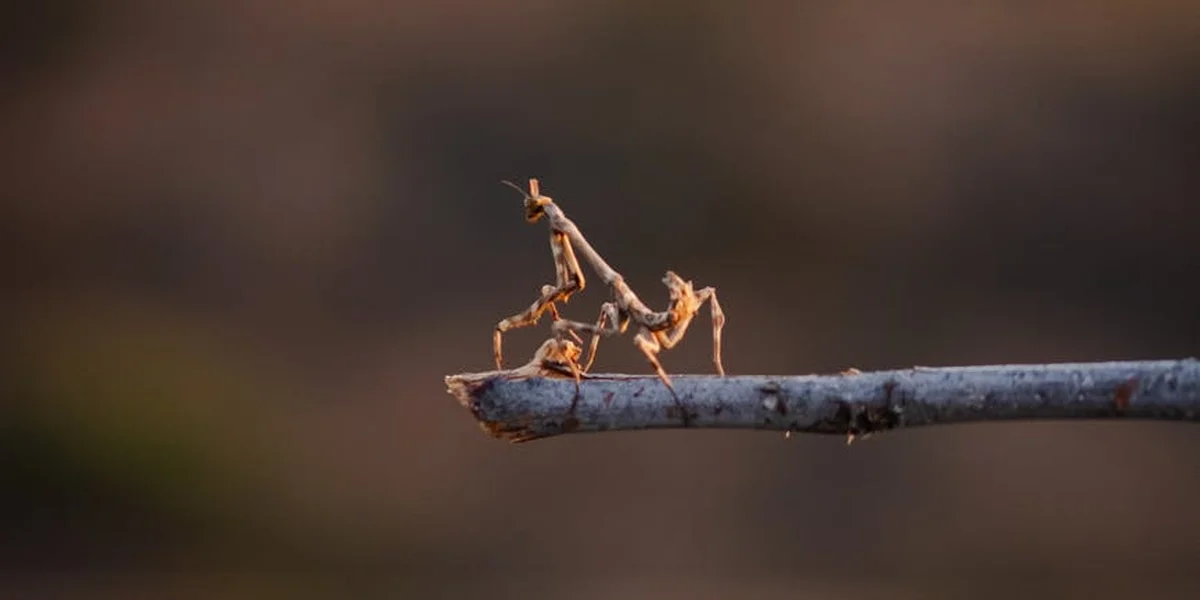
Whether the Chinese mantis is truly invasive sparks thoughtful discussion among gardeners, ecologists, and keepers like us. Many scientists classify them as invasive due to their widespread establishment and potential ecological impacts, whilst other observers view them as naturalised residents that provide pest control services.
Their reputation as a beneficial insect in agriculture is significant. Farmers and gardeners often appreciate their voracious appetite for crop-damaging insects like caterpillars, grasshoppers, and beetles. This natural pest suppression can reduce the need for chemical pesticides, creating a healthier growing environment.
Online forums like Reddit are filled with questions from concerned hobbyists. A common query is whether releasing a pet Chinese mantis into a local park is harmful, to which the responsible answer is a firm no-captive-bred individuals should never be introduced to wild ecosystems. Other keepers wonder if they should feel guilty for caring for this species. We believe responsible pet ownership, which includes secure enclosures and never releasing pets, is the key to enjoying these fascinating insects ethically.
Ecological Effects on Native Species
The introduction of Chinese mantises has created tangible shifts in local food webs. Their larger size and generalist appetite allow them to dominate habitats that were once the sole domain of smaller native mantids like the Carolina mantis. This can lead to a slow, quiet disappearance of our native species from an area.
Beyond other mantids, their predation patterns pose a broader risk. Chinese mantises are opportunistic hunters, known to capture and consume pollinators like bees and butterflies, small amphibians, and even hummingbirds. This dietary flexibility can unexpectedly reduce populations of beneficial and vulnerable native animals. When non-native mantis species establish themselves, they can intensify predation pressures on native insects. They may outcompete native mantids and disrupt local pollinator communities, further threatening ecosystem balance.
Researchers and community scientists actively monitor these ecosystem effects. Organisations like iNaturalist encourage people to log mantis sightings, helping build a clearer picture of their distribution and interactions with native wildlife. This collective data is vital for understanding the long-term consequences of their presence.
Competition for Resources
Chinese mantises outcompete native species in several key ways. Their impressive size gives them a direct advantage, allowing them to claim the best hunting perches and basking spots. They are also less picky eaters, consuming a wider variety of prey which can leave fewer insects for specialist native hunters.
- They consume larger prey items, depleting food sources that could support multiple native individuals.
- They are highly effective at ambush hunting, often intercepting prey before smaller, slower native mantids can react.
- Their egg cases (oothecae) contain hundreds of eggs, leading to a higher population density that can overwhelm an area’s resources.
- They adapt readily to human-disturbed habitats like gardens and fields, areas where native species may also try to thrive.
Predation Patterns
The diet of a Chinese mantis is remarkably broad. They are formidable predators that will strike at almost any living thing they can overpower, from common garden pests to other beneficial creatures. My own male, Moss, demonstrates this relentless drive during feeding time, eagerly accepting whatever suitably-sized insect is offered.
- Their common targets include grasshoppers, crickets, flies, and moths.
- Notably, they frequently prey on pollinators such as bees, hoverflies, and monarch butterflies.
- Larger females are capable of capturing small vertebrates, including tree frogs and juvenile rodents.
- This indiscriminate hunting can disrupt local pollination cycles and reduce food availability for animals higher up the food chain.
What Pet Mantis Owners Should Know
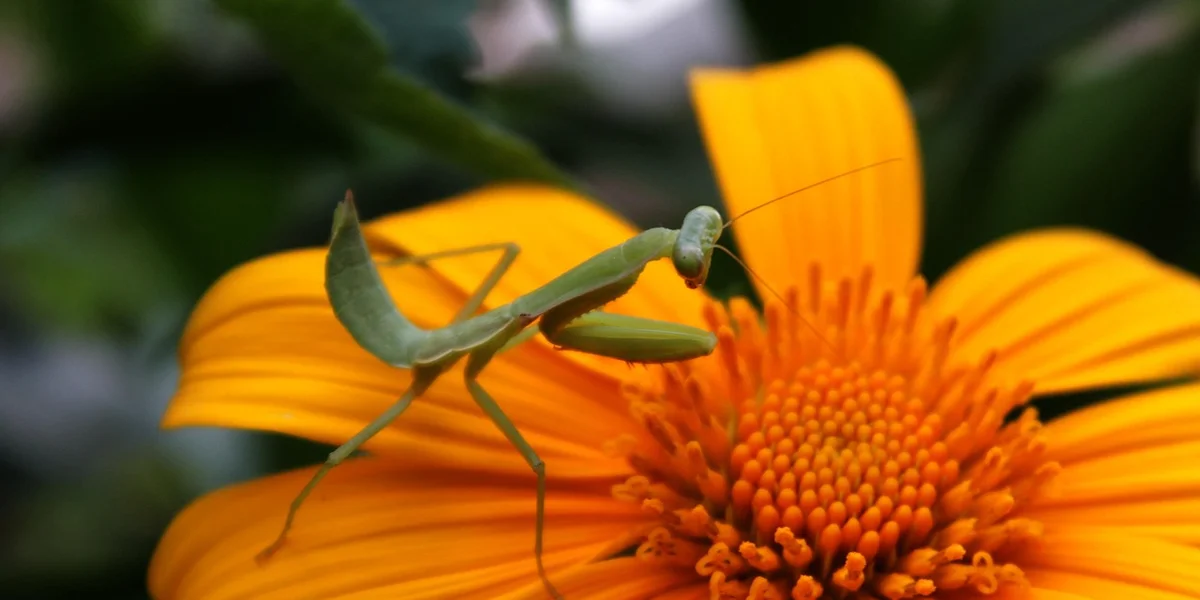
Keeping a Chinese praying mantis as a pet means creating a home that mirrors their wild surroundings while ensuring they can’t wander off into local ecosystems. Understanding essential habitat requirements is key to keeping a healthy praying mantis. Proper enclosure size, humidity, and temperature support their health, growth, and natural behavior. By focusing on habitat replication and secure care, you help protect both your mantis and the environment.
- Replicate their natural East Asian habitat with proper temperature, humidity, and climbing surfaces to keep them healthy and content.
- Feed a balanced diet and maintain a tightly sealed enclosure to minimize any chance of escape into non-native areas.
- Practice ethical pet keeping by never releasing mantises outdoors and handling them with mindful respect for their well-being.
Setting Up a Safe Enclosure
A secure enclosure starts with the right size and materials to prevent escapes and support your mantis’s needs. Choose a tall, well-ventilated container with a snug-fitting lid to mimic the vertical space they love in the wild. Different mantis species have different space and climbing needs. Tailor the enclosure to the species you keep.
- Select an enclosure at least three times the mantis’s height, like a mesh or acrylic terrarium, and check for any gaps where tiny legs could slip through.
- Add a substrate of peat moss or coconut fiber to hold moisture, and include branches or artificial plants for climbing and hiding-our mantis Moss enjoys perching on twisted vines.
- Maintain a warm climate between 70-80°F (21-27°C) with a small heat mat if needed, and mist lightly daily to keep humidity around 50-60% for comfortable molting.
Feeding and Handling Tips
Feeding your mantis a varied diet and handling them gently reduces stress and prevents behaviors that might lead to escape attempts. Offer live prey like fruit flies or small crickets every few days to satisfy their hunting instincts without overfeeding. This approach aligns with a complete diet feeding guide for mantises, and a balanced regimen also considers prey size and feeding frequency to prevent overfeeding.
- Stick to appropriately sized insects to avoid injury, and dust prey with calcium powder weekly for strong exoskeletons.
- Handle your mantis sparingly by letting them walk onto your hand, and avoid sudden movements-our Ghost Mantis Luna appreciates slow, calm interactions.
- Watch for signs of stress, like frantic climbing or refusal to eat, and return them to their enclosure promptly to keep them settled.
Responsible Ownership and Regulations
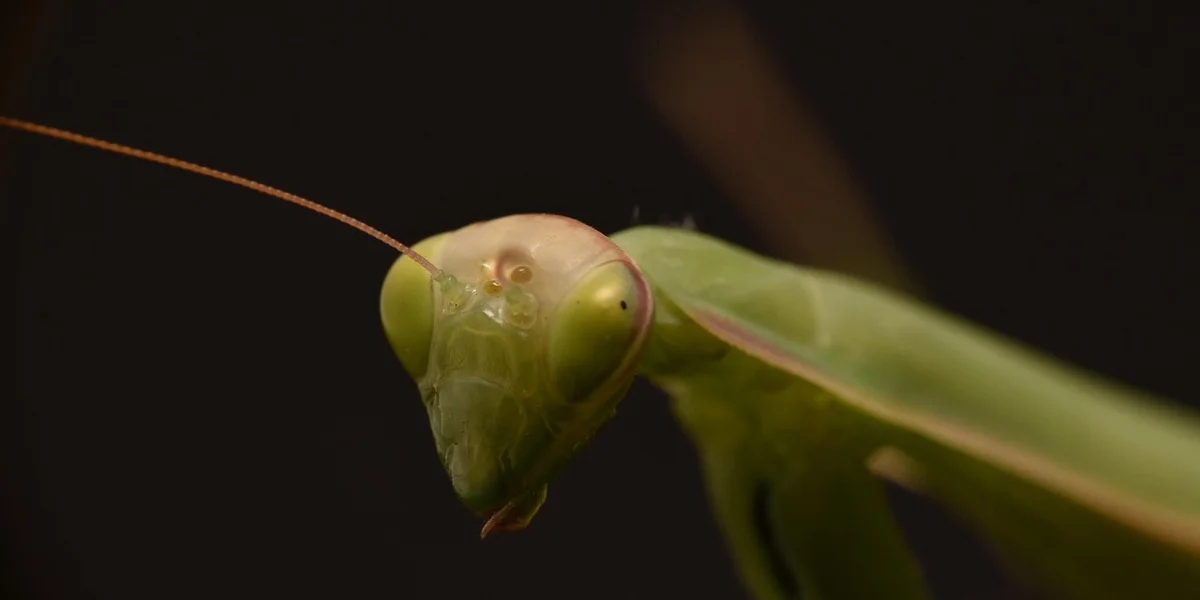
As a pet owner, you play a key role in preventing the spread of non-native species through careful management and awareness of local rules. Staying informed about regulations and taking prompt action if a mantis gets loose helps safeguard native wildlife.
- Implement control measures like double-checking enclosure locks and supervising outdoor time to avoid accidental releases.
- Check US federal and state guidelines, as some regions may restrict ownership of Chinese mantises due to their invasive potential-always verify with your state’s agriculture department.
- If a mantis escapes, try to recapture it safely or contact local wildlife authorities to prevent establishment in the wild.
Managing Chinese Mantis Populations
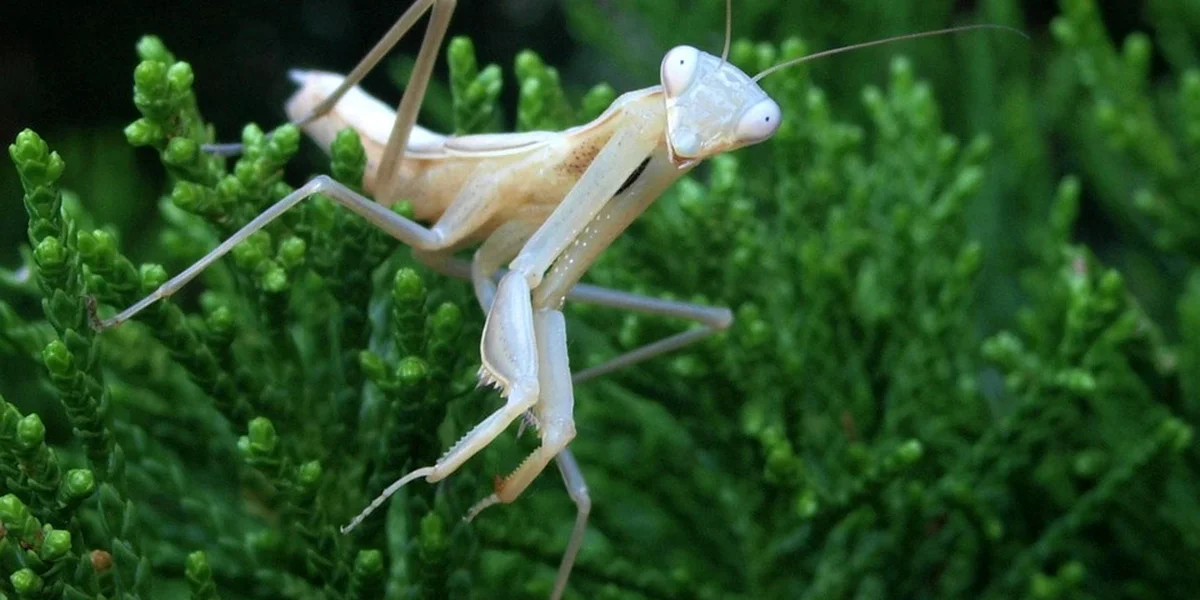
Public and Scientific Control Measures
Public efforts often focus on education and reporting, where local wildlife agencies share guidelines to identify and document Chinese mantis sightings. We encourage everyone to report unusual mantis activity through official channels, helping track their spread without harming beneficial insects. Scientific approaches include studying their impact on native pollinators and testing habitat modifications that discourage establishment. Researchers might introduce natural predators in controlled settings, but this is done cautiously to avoid new ecological imbalances.
In our own experience with mantis care, we’ve seen how simple actions like securing screen lids on enclosures prevent accidental releases. Proper containment is a key step in curbing wild population growth, especially in urban gardens where mantises might thrive unchecked. If your mantis escapes its enclosure, calmly search your home and recapture it with a container. Then reinforce lids and seams to prevent future escapes. Some regions use targeted removal programs during egg-laying seasons, focusing on oothecae (egg cases) in high-risk areas. Always check with local experts before attempting any control methods yourself.
How Pet Keepers Can Support Biodiversity
As mantis enthusiasts, we can make choices that protect local ecosystems while enjoying our pets. Opt for captive-bred specimens from reputable sources to reduce demand for wild-caught individuals that might disrupt native species. When setting up habitats, use plants and decor that mimic natural environments without introducing invasive flora. For instance, Moss, our Giant Asian Mantis, lives in an enclosure with safe, non-toxic foliage that we source locally to avoid cross-contamination.
Feeding practices matter too—offer prey like fruit flies or crickets bred in captivity rather than collecting wild insects. This small habit helps maintain food web stability and prevents unintended spread of diseases or parasites. Hand-feeding can help you control prey size and monitor feeding, but it can also stress the mantis if overdone. We’ll outline the pros and cons and share simple techniques for safe hand-feeding. If you no longer can care for your mantis, reach out to pet stores or enthusiast groups for rehoming instead of releasing them. We’ve found that connecting with other keepers fosters a community committed to ethical stewardship.
Community Monitoring Initiatives
Many regions have citizen science projects where volunteers help monitor mantis populations through apps like iNaturalist or local wildlife surveys. Joining these initiatives lets you contribute valuable data while learning about your area’s insect diversity firsthand. These programs often provide training on distinguishing Chinese mantises from native species, turning a hobby into a conservation effort. We’ve participated in local counts and found it rewarding to share observations that inform broader research.
Community groups sometimes organize “bioblitz” events where teams document species in parks or reserves. Your involvement can highlight shifts in mantis numbers and prompt early interventions if needed. Look for workshops or online forums through nature centers; they often welcome pet keepers’ insights into mantis behavior and habitat preferences. If you’re new to mantises, choose the right mantis species for beginners that are easier to care for and tolerate standard enclosures. These starter species can help build confidence as you learn about diet, housing, and observation. By staying engaged, we help create a network of watchful eyes that supports balanced ecosystems.
FAQs on Mantis
What do Reddit users commonly ask about Chinese mantis invasiveness?
Reddit discussions often focus on whether it’s ethical to keep Chinese mantises as pets given their invasive status. Many users seek advice on secure enclosure practices to prevent accidental releases into local ecosystems.
How does the invasive impact of Chinese mantises differ in states like Florida and Ohio?
In Florida’s humid climate, Chinese mantises reproduce quickly, potentially displacing native species in gardens and parks. Ohio pet owners should monitor for wild populations and avoid outdoor releases to minimize ecological disruption.
Does the size of Chinese mantises contribute to their invasive nature?
Their large size allows them to dominate habitats and consume a wider range of prey, including beneficial insects. For pet keepers, this means providing ample space and appropriate food to meet their needs responsibly.
Caring for Chinese Mantises with Confidence
Chinese Praying Mantises can impact local insect populations if they escape, so we always recommend keeping them in well-sealed enclosures. To support their well-being, create a naturalistic, safe habitat for your praying mantis with live plants, branches, and proper ventilation. By choosing secure habitats and monitoring your pet closely, you help preserve native species while enjoying your mantis’s unique behaviors.
Embrace your role as a caretaker by committing to lifelong learning and adapting your care routines as new information emerges. We find that sharing stories and tips with fellow enthusiasts deepens our connection to these fascinating creatures and their needs.
Further Reading & Sources
- The Invasive Mantis Species | Brandywine Conservancy and Museum of Art
- Praying Mantids – Piedmont Master Gardeners
- Chinese Mantid | NC State Extension
- Chinese mantis – Wikipedia
Rowan Hale is a lifelong insect enthusiast who fell in love with mantises for their calm presence, alien elegance, and surprising personalities. After years of keeping and raising a variety of species, Rowan shares practical tips, creative insights, and real-world experience to help others enjoy the quiet magic of mantis care. From setting up the perfect enclosure to understanding their subtle behaviors, Rowan invites readers into a gentle, curious world where every tiny movement feels like a discovery.
Exotic Mantids