
How to Calm a Pheromone-Crazed Male Praying Mantis
Published on: February 5, 2026 | Last Updated: February 5, 2026
Written By: Rowan Hale
Hello there, fellow mantis friend.
Have you ever watched your normally placid male mantis suddenly transform into a frantic, vibrating acrobat, pacing his enclosure with a single-minded intensity?
This wild, restless behaviour is almost always a sign he has detected a female’s mating pheromones. The most effective way to calm a pheromone-crazed male mantis is to completely remove the source of the pheromones and provide a calm, stable environment to help him reset.
While the solution sounds straightforward, the situation itself can be quite complex and stressful for both you and your mantis.
Here is a quick look at what we will cover to help you and your mantis find peace:
- Identifying the unmistakable signs of pheromone-driven behaviour.
- Practical, immediate steps to de-escalate the situation safely.
- Long-term strategies to prevent future episodes of frantic searching.
- Understanding the risks to his health and wellbeing during this time.
What Sparks Pheromone Craziness in Male Mantises?
Male mantises live by scent-driven instincts, especially when mating season arrives.
Their tiny antennae detect female pheromones drifting on the air, triggering a deep biological urgency to find a mate.
This isn’t a choice-it’s a powerful, innate drive that can completely consume their focus and behavior.
Think of it as a biological clock that rings loudly, telling him it’s time to seek a partner before his season ends.
Environmental cues act like a starting pistol for this frantic search.
Longer daylight hours and warmer temperatures signal that conditions are right for breeding.
Even the gentle hum of life outside a window can stir that ancient, restless energy within him.
We often notice our male mantises, like Moss, become far more active and alert as spring deepens into summer.
- Nearby female mantises, even in separate enclosures, releasing pheromones.
- Seasonal shifts, particularly the increasing light and warmth of spring and summer.
- Sudden changes in their habitat’s temperature or humidity levels.
- Catching sight of other insects or movement that he interprets as potential mates or rivals.
- The general increase in ambient activity and noise in your home during breeding seasons.
How to Recognize Signs of Mantis Agitation
You’ll notice a distinct shift from his usual calm, statuesque posture to something far more restless.
A pheromone-crazed male often paces his enclosure, climbing the sides and ceiling with a frantic, determined energy.
His head will swivel constantly, and those large, compound eyes seem to scan everything with intense, hyper-vigilant focus.
The most telling sign is a persistent attempt to escape, as if he’s convinced the female is just on the other side of the plastic or glass.
Beyond the obvious frantic motion, subtler changes in his daily routine can be just as revealing.
He might lose interest in food, ignoring prey he would normally snatch up eagerly.
His resting periods may become shorter and more fitful, lacking the deep, peaceful stillness of a content mantis.
Our Ghost Mantis, Luna, who is normally so slow and deliberate, will start twitching her raptorial arms when she’s picked up on the scent of a male.
- Rapid, repetitive pacing along the walls and lid of his habitat.
- Constant head turning and heightened alertness to all movement.
- Repeated, vigorous attempts to find an escape route.
- Refusing food or showing a sudden lack of interest in hunting.
- Abnormal twitching of the antennae or raptorial arms.
- Resting in exposed, unusual locations instead of his favorite hiding spots.
- A general air of tension, making him seem “on edge” and easily startled.
Watching for these cues helps you understand his state of mind and respond with calming measures before his stress peaks.
Learning to read these subtle behavioral shifts is key to providing timely comfort and reducing his agitation.
Immediate Steps to Soothe an Overstimulated Mantis
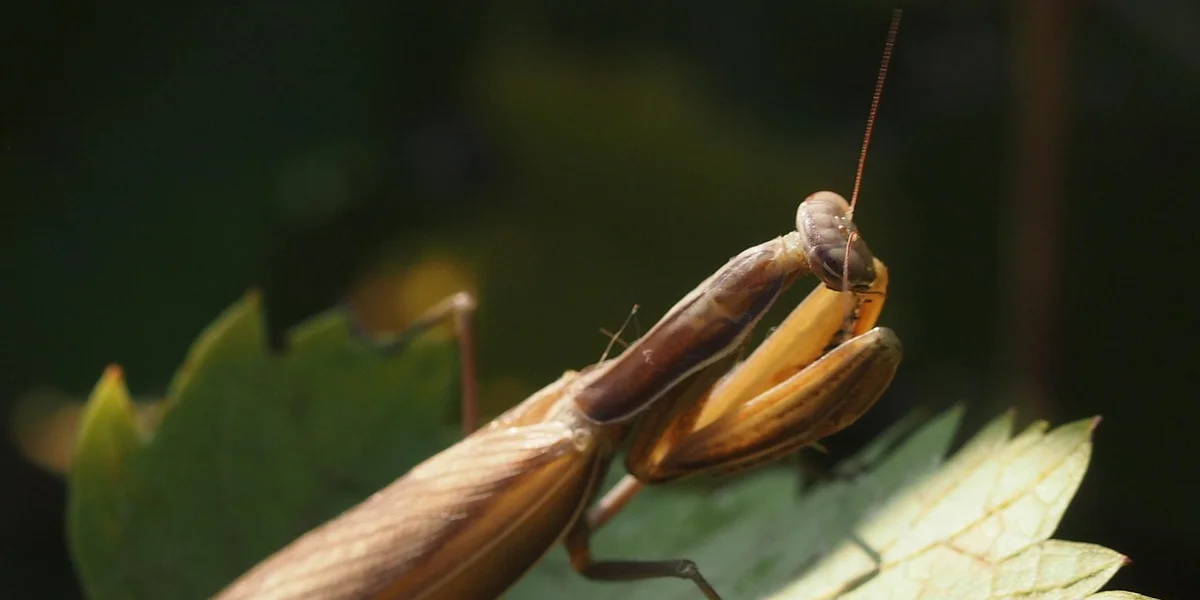
-
Begin by approaching your mantis with slow, steady motions to avoid startling him. Quick movements or vibrations can heighten his excitement, so keep your hands calm and predictable as you gently coax him onto a soft brush or your finger. I recall how Moss, my Giant Asian Mantis, would freeze and then relax when I moved at a snail’s pace during his restless phases. It’s especially important when you’re handling wild or newly acclimated mantises.
-
Offer a brief time-out in a smaller, plain container if he remains agitated. Short-term isolation in a quiet jar with a ventilated lid can reset his focus, away from any pheromone triggers in his main home. Alternatively, distract him with a small, easy prey item like a fruit fly-this redirects his energy toward feeding instead of frantic searching.
-
Set up a soothing space with dim lighting and minimal background noise. A softly lit corner away from household activity mimics the calm of early dusk, encouraging him to perch still and breathe slowly. You might play gentle nature sounds or simply ensure the room is hushed to help him unwind.
Creating a Calming Habitat to Reduce Stress
-
Adjust the enclosure by adding cosy hiding spots like curled leaves or small bark tunnels. These nooks provide safe retreats where your mantis can feel shielded from visual stressors, much like Luna, my Ghost Mantis, tucks herself into foliage when overwhelmed. Maintain temperatures around 22-26°C and humidity levels at 50-70% using a misting bottle—sudden changes can spike anxiety. Plants are safe and beneficial in a praying mantis enclosure, providing camouflage and helping regulate humidity. Choose non-toxic, pesticide-free plants to keep the setup natural and secure.
-
Incorporate live or silk plants for dense foliage and sturdy, varied perches at different heights. Secure branches and vines prevent slips and falls, giving your mantis confidence to rest without constant vigilance. A clutter-free layout with ample climbing options mimics their natural habitat, reducing the urge to roam aimlessly. For more suggestions, check out the best enrichment items for a praying mantis habitat.
-
Stick to a consistent feeding routine, offering prey every two to three days to avoid overstimulation. Regular meals at set times help regulate his energy levels, preventing frantic hunting behavior that fuels pheromone-driven restlessness. Allow for undisturbed resting periods by limiting handling and enclosure disturbances, especially after feeding. For a complete feeding schedule, tailor frequency to the mantis’s life stage and species, starting with every two days for many juveniles and adjusting as he grows. Keep notes on growth and behavior to refine the timetable over time.
Safe Handling and Long-Term Prevention
Gentle Handling for a Stressed Mantis
When your male mantis is caught up in pheromone-driven excitement, handling him requires a soft touch and the right tools to keep both of you safe. We recommend using clean, soft gloves or a small paintbrush to gently guide him, rather than picking him up directly. Slow, deliberate movements mimic the calm of a forest breeze, helping to soothe his nerves without triggering a defensive strike. To handle and interact with your praying mantis safely, proceed slowly and allow him to approach at his own pace. If he shows signs of stress, stop and try again later. Allow him to step onto your hand or the brush at his own pace—forcing contact can lead to injury or increased stress.
I’ve found that with Moss, my Giant Asian Mantis, letting him explore a familiar perch first makes handling smoother. His vibrant green body relaxes when he feels the steady surface of a warmed branch. Always support his entire body to prevent falls, and avoid handling during his most active periods, like right after misting or feeding. The goal is to make him feel secure, not cornered.
Reducing Stress Through Consistent Routines
Establishing a predictable daily routine can work wonders for calming a pheromone-crazed mantis. Feed him at the same times each day, and mist his enclosure lightly to maintain humidity without sudden changes. Consistency in his environment-like steady temperatures and familiar hiding spots-helps lower his stress levels by creating a sense of stability. For distraction, try introducing mild, natural scents like a drop of diluted lavender oil on a cotton ball placed near his enclosure; this can mask female pheromones and redirect his focus.
With Sprig, my Orchid Mantis, I’ve noticed that a quiet, dimly lit space during handling sessions reduces her skittishness. Incorporating short, positive interactions, like offering a favourite treat after gentle handling, builds trust and reduces overall anxiety. Over time, these small rituals help him associate your presence with safety rather than frenzy.
Preventive Strategies to Avoid Future Episodes
To prevent your male mantis from becoming overwhelmed by pheromones again, focus on long-term habitat management and mindful practices. Creating a naturalistic, safe habitat for your praying mantis helps reduce stress and promotes healthier behavior. By mimicking their native environment, you can better control pheromone exposure and overall well-being. Here’s a simple list of strategies we’ve found effective:
- Clean his enclosure weekly to remove pheromone buildup, using eco-friendly, unscented cleaners.
- Avoid housing multiple mantises in close proximity unless breeding is intended.
- Provide ample visual barriers, like live plants or cork bark, to reduce exposure to potential stressors.
- Monitor humidity and temperature closely, as fluctuations can heighten sensitivity to pheromones.
- Rotate enrichment items, such as new branches or safe toys, to keep his mind engaged and less fixated on mating cues.
Regular observation lets you spot early signs of agitation, like rapid pacing or heightened alertness, so you can intervene before frenzy sets in. If you notice stress signs, it’s often a cue that the habitat isn’t right; adjusting elements like enclosure size, temperature, humidity, and hiding spots can fix the issue. By weaving these habits into your care routine, you’ll create a peaceful home where your mantis can thrive without constant distraction.
FAQs on Mantis
Can a male mantis become exhausted from constant pheromone-driven activity?
Yes, prolonged frantic behavior can lead to physical exhaustion and weaken his overall health. It’s important to monitor his energy levels and provide rest to prevent injury or stress-related issues.
What are the signs that my mantis is calming down after being overstimulated?
You’ll notice him returning to his usual perching spots and displaying slower, more deliberate movements. A calmer mantis may also show renewed interest in food and resume normal resting patterns. If a mantis is stressed, you’ll see the opposite: sudden, jerky movements, defensive postures with forelegs raised, or reluctance to feed. Recognizing the signs of a stressed mantis can help you adjust their environment to reduce stress.
How does the presence of other insects in the room affect a pheromone-crazed mantis?
Seeing or sensing other insects can heighten his agitation by mimicking potential mates or rivals in the wild. To reduce stress, keep his enclosure away from areas with high insect activity and maintain a controlled environment.
Gentle Reminders for Your Mantis Companion
To ease a pheromone-crazed male mantis, we recommend isolating him from female scents and offering a quiet, stable habitat with minimal disturbances. Consistent routines and gentle handling can help him settle back into his usual calm demeanor, much like our own Moss who perks up after a peaceful misting session. Spending time with him patiently is key to taming any skittish mantis.
As mantis keepers, we embrace the responsibility of observing and adapting to our pets’ unique needs, ensuring their comfort and safety. Continuing to learn about mantis behaviour and care practices enriches our journey, fostering a deeper bond with these fascinating creatures. To make this practical, a complete care and handling behavior guide for praying mantises offers clear, step-by-step tips for safe handling and welfare. It also helps us recognize stress signals and tailor enclosure and care to support wellbeing.
Further Reading & Sources
- This praying mantis inflates a strange pheromone gland to lure mates
- Five animals who may have a worse Valentine’s Day than you | Mass.gov
- The World of Praying Mantids: A Question Posed, A Question Answered | UC Agriculture and Natural Resources
- Exploring Nature’s Playground – Insects and Mantids – Agway of Cape Cod
Rowan Hale is a lifelong insect enthusiast who fell in love with mantises for their calm presence, alien elegance, and surprising personalities. After years of keeping and raising a variety of species, Rowan shares practical tips, creative insights, and real-world experience to help others enjoy the quiet magic of mantis care. From setting up the perfect enclosure to understanding their subtle behaviors, Rowan invites readers into a gentle, curious world where every tiny movement feels like a discovery.
Breeding Practices