
Temperature and Humidity: 10 Common Control Mistakes
Published on: February 2, 2026 | Last Updated: February 2, 2026
Written By: Rowan Hale
Hello fellow mantis friend, have you ever noticed your mantis perched a little too still, its vibrant colours seeming faded, or perhaps it’s taking longer to shed its skin than expected? These subtle signs often point to one thing: the delicate balance of temperature and humidity in its home.
Many mantis health issues stem from simple, overlooked errors in managing temperature and humidity, which we can easily correct with a bit of know-how.
Getting it right isn’t always straightforward-factors like room drafts, seasonal shifts, and even the type of enclosure can turn a simple task into a puzzle. We’ve seen this with our own mantises, like Luna, whose slow molts taught us the importance of steady humidity.
In this article, you’ll gain insights to sidestep common blunders. Key takeaways include:
- Recognizing the ideal ranges for your mantis species to thrive.
- Avoiding over-misting or under-heating that stresses your pet.
- Using reliable tools to monitor conditions without guesswork.
Why Temperature and Humidity Matter for Your Mantis
Getting the temperature and humidity just right makes a huge difference in how your mantis thrives day to day. Proper environmental control supports everything from healthy growth and smooth molting to active, curious behavior. When conditions are off, you might notice your mantis becoming sluggish or stressed, which can lead to longer-term health issues. Different mantis species require different temperature and humidity ranges, so tailor your enclosure to the species you’re keeping. This species-specific care helps your mantis stay healthy and active.
Molting is a delicate process where your mantis sheds its old exoskeleton to grow. I’ve seen firsthand how low humidity can cause molting problems, like when Luna, my Ghost Mantis, struggled with a stuck skin because the air was too dry. She tilted her head in that thoughtful way she has, but her movements were strained until we adjusted the misting schedule. Recognizing the earliest signs of molting trouble—restlessness or hesitation to move—lets you intervene early. A quick humidity check and misting tweak can prevent a stuck molt.
Imagine the ideal habitat: a gentle warmth that feels like a soft sunbeam, with moisture levels that keep the air fresh and earthy. Understanding these essential habitat requirements is key to a healthy praying mantis. Meeting warmth, humidity, and space needs helps keep your mantis thriving. This balanced setup helps your mantis feel secure, encouraging natural behaviors like hunting and exploring. In our experience, a well-regulated environment reduces stress and keeps your pet vibrant and engaged.
Monitoring Mistakes: Sensor Errors and Oversights
Many keepers run into issues with their monitoring tools, which can throw off your entire care routine. Common errors include using inaccurate thermometers, placing sensors in poor spots when setting up your first mantis habitat, or forgetting to calibrate them regularly. These oversights often lead to incorrect readings that don’t reflect the true conditions your mantis is experiencing. When you’re setting up your first mantis habitat, these mistakes are common traps for beginners. Take care with equipment choices and sensor placement to ensure readings truly reflect your mantis’s environment.
- Inaccurate thermometers: Cheap or old devices may show wrong temperatures, risking overheating or chilling.
- Poor sensor placement: Putting sensors too close to heat lamps or in drafty areas causes measurement lag.
- Neglected calibration: Over time, sensors drift from their original settings, giving false data.
To avoid these pitfalls, follow these steps for proper sensor setup. Calibrate your tools by comparing them with a trusted reference, like a laboratory-grade thermometer, and adjust as needed. Place sensors in a central part of the enclosure, away from direct heat or ventilation, to get accurate, real-time readings.
- Check your sensor against a known accurate device monthly.
- Position it at mantis level, not too high or low in the habitat.
- Ensure it’s shielded from direct light or moisture splashes.
Sensor aging is another sneaky problem that creeps up over months of use. As components wear out, setpoint drift can slowly change your readings, so we recommend testing sensors every few weeks. With Moss, my Giant Asian Mantis, a simple recalibration caught a gradual shift that could have left him too cool. Regular checks keep your setup reliable and your mantis comfortable.
Control System Blunders: From Deadband to Overshoot
Many new keepers rely on basic on-off controllers for heat or humidity, which can cause wild swings that stress your mantis. Imagine a heater clicking on full blast, then shutting off completely—this rapid cycling creates an unstable environment where temperatures spike and plummet. Sudden changes in warmth or moisture levels can disrupt your mantis’s natural behaviors, like feeding or preparing to molt.
Deadband refers to the range where no action is taken, preventing constant switching. Think of it as a comfort zone where your mantis feels at ease without frequent adjustments. Hysteresis adds a buffer, so the system doesn’t react to tiny fluctuations. By widening the deadband slightly, you mimic the gentle stability of a forest understory, where conditions shift slowly and predictably.
Overshoot happens when a system races past the target, like humidity soaring too high after misting, while undershoot leaves it too low. To avoid this, make small, gradual changes-raise the thermostat by just a degree or two, and mist lightly rather than drenching the enclosure. We’ve found that using a thermostat with adjustable settings keeps our Ghost Mantis, Luna, calm and steady in her leafy home.
- Choose controllers with programmable deadbands to reduce on-off cycling.
- Monitor changes over hours, not minutes, to prevent overcorrection.
- Test adjustments during the day when you can observe your mantis’s reaction.
Environmental Oversights: Insulation and Ventilation Issues
Poor insulation lets heat escape quickly, forcing your heating elements to work overtime and creating cold spots that chill your mantis. Inadequate ventilation, on the other hand, traps stale air, raising the risk of mold or respiratory issues. A well-insulated enclosure holds warmth like a cosy nook, while proper airflow whisks away excess moisture and odors.
Environmental fluctuations from drafts or direct sunlight can trigger rapid shifts in temperature and humidity. Dew point management is key-this is when air becomes saturated and condensation forms, which can lead to mold if unchecked. Keeping the dew point in mind helps you balance conditions so your mantis’s skin stays supple during molts without fostering dampness.
In small enclosures, it’s vital to balance supply air temperature and humidity by positioning vents away from heat sources and using breathable materials like mesh lids. We often place Moss, our Giant Asian Mantis, in a terrarium with cross-ventilation that lets fresh air circulate without drafts. Regularly checking for condensation on walls tells you if humidity is too high, prompting a gentle airing-out.
- Wrap enclosures in foam or use double-walled containers to minimise heat loss.
- Add adjustable vents or small fans to maintain airflow without causing drafts.
- Place hygrometers and thermometers at mantis-level to monitor real-time conditions.
Species-Specific Slip-Ups: Ignoring Individual Needs
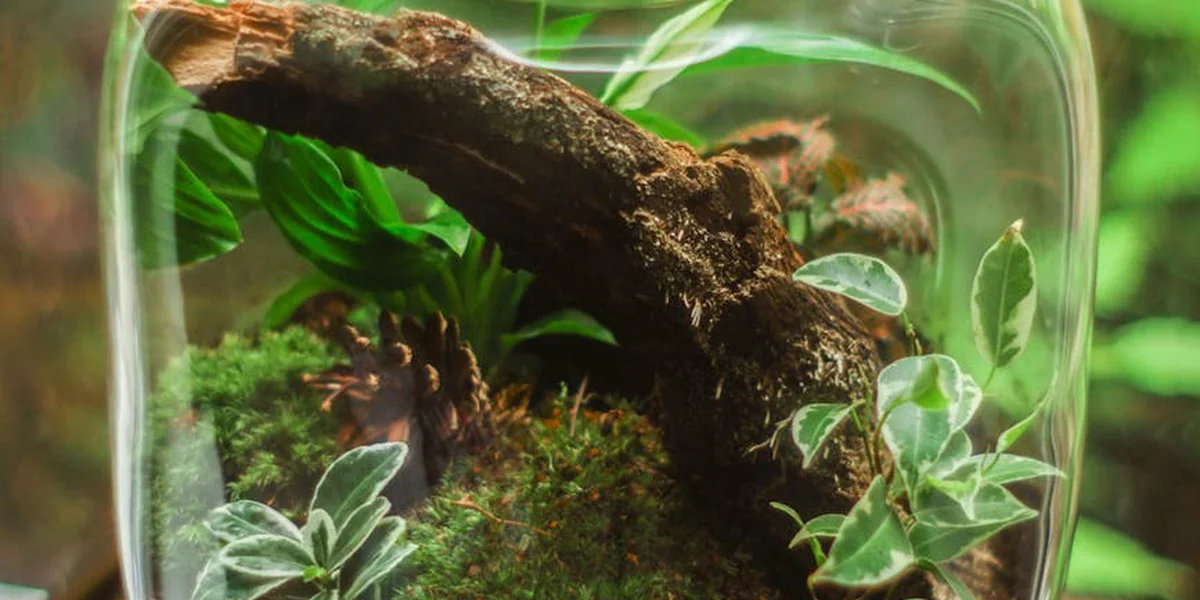
We often treat all mantises the same, but each species has unique climate needs shaped by their native habitats. Overlooking these differences can lead to stress, poor molting, or even illness in your delicate pet. Different mantis species live in diverse biomes—from tropical forests to temperate woodlands—so their enclosure should mirror their native conditions. Understanding where they come from helps you recreate the right temperature, humidity, and space in captivity.
Tropical mantises like our Orchid Mantis, Sprig, thrive in warm, humid conditions reminiscent of rainforests, while temperate species prefer cooler, drier setups. My Ghost Mantis, Luna, perks up in slightly cooler air, her frills rustling softly when the temperature dips just right.
Here’s a quick-reference table to guide you through common species and their ideal ranges.
| Species | Temperature Range (°C) | Humidity Range (%) |
|---|---|---|
| Ghost Mantis | 20-28 | 60-80 |
| Giant Asian Mantis | 24-30 | 50-70 |
| Orchid Mantis | 25-30 | 70-90 |
| European Mantis | 18-26 | 40-60 |
Adjusting for your mantis’s background helps them feel at home, much like Moss, my Giant Asian, who explores eagerly when his enclosure mimics the warm, leafy forests he’d find in the wild. Tailoring the environment to their origins supports natural behaviors and overall well-being.
Data and Alert Failures: Logging and Threshold Neglect
Keeping a close eye on temperature and humidity data helps you catch problems before they harm your mantis. Regular logging gives you a clear picture of daily fluctuations that might otherwise go unnoticed.
Set simple alarm thresholds on your thermometer or hygrometer to alert you when levels stray from the ideal range. Early warnings prevent issues like dehydration or respiratory troubles from sneaking up on your pet.
Data reconciliation involves comparing your logs over time to spot trends, such as gradual humidity drops that could lead to difficult molts. Noticing these patterns early stops contamination risks, like mold growth from persistently high moisture.
Follow these steps to implement a basic control system in your home setup.
- Place a digital thermometer and hygrometer inside the enclosure for accurate readings.
- Set alarm limits based on your mantis species’ needs, checking them weekly.
- Log readings each morning and evening in a notebook or app to track changes.
- Review the data every few days to adjust misting or heating as needed.
This feedback loop keeps conditions stable, much like the gentle hum of a well-tuned terrarium. Simple routines build a safer space where your mantis can thrive without constant worry.
Practical Fixes: How to Correct and Prevent Mistakes
-
Step 1: Regularly Calibrate and Reposition Sensors
Your digital hygrometer is your most trusted scout, but its reports can drift over time. We make it a habit to check ours every few months using a simple salt test. Place your sensor in a small, sealed container with a teaspoon of damp table salt for several hours; it should read a steady 75% humidity, confirming its accuracy. Aging components can cause slow, sneaky errors you might not otherwise notice.
Placement is just as critical as calibration. A sensor stuck directly on a warm enclosure wall or right under a heat lamp will give you a false picture of the overall conditions. We suspend ours from the enclosure’s ceiling or attach it to a central branch, giving a true reading of the air our mantis actually lives in. My Ghost Mantis, Luna, spends most of her time on a central twig, so that’s precisely where we need the most reliable data.
-
Step 2: Adjust Control Settings Gradually
Thermostats and humidistats can be a bit stubborn, often overshooting your target before settling down. This hysteresis effect can cook or parch your delicate pet if you’re not careful. When you need to change the temperature, nudge the thermostat by just a degree or two at a time, waiting several hours between adjustments for the environment to fully stabilize. Think of it like gently warming a bowl of soup rather than blasting it in the microwave.
The same principle applies to humidity. Cranking a fogger to its highest setting creates a temporary swamp, but the moisture will quickly plummet afterward. A light, frequent misting schedule or a low-output fogger on a timer provides a much gentler, more consistent humidity level that mimics a natural, dewy morning. This prevents the wild swings that stress a mantis during its delicate molting process.
-
Step 3: Improve Insulation and Ventilation
Your mantis’s home interacts with your home, and seasonal shifts demand different strategies. A glass tank on a cold windowsill in winter will leach heat relentlessly. We use simple polystyrene panels cut to fit the back and sides of enclosures during colder months, creating an insulating buffer that keeps warmth where it belongs. It’s a cheap, effective fix that makes your heater’s job much easier.
When summer humidity rolls in, stagnant air becomes the enemy, inviting mold and bacteria. Strategically opening a top mesh vent or adding a small, silent computer fan for a few minutes a day can exchange the air without causing a draft directly on your mantis. My Giant Asian mantis, Moss, seems to perk up on days we give his enclosure a gentle airing, often moving to a fresher spot to perch.
-
Step 4: Tailor Conditions and Log Data
A one-size-fits-all approach is a fast track to an unhealthy mantis. An Orchid Mantis like my juvenile Sprig thrives in steamy, tropical conditions, while a species from arid regions would struggle. Research the specific climate of your mantis’s native habitat and use that as your true north for temperature and humidity targets, not a generic care sheet. For Hymenopus coronatus—the orchid mantis—a dedicated care guide helps you recreate its tropical microclimate. Following that species-specific guidance leads to healthier, more vibrant nymphs and adults. This simple act of personalization makes all the difference.
Finally, your memory is not a reliable data logger. A small notebook or a simple spreadsheet by the enclosure is your best friend. Jot down the daily highs and lows from your sensors, and you’ll quickly spot patterns, catch problems early, and understand exactly how your adjustments are affecting the environment. This creates a stable, predictable world for your mantis to thrive in.
Common Mantis Queries
How often should I check and adjust the humidity levels in my mantis enclosure?
Monitor humidity at least twice daily with a calibrated hygrometer to catch any deviations early. Make small adjustments to misting or ventilation as needed to keep levels steady and avoid stressing your mantis. This is part of setting up the perfect humidity level for your praying mantis enclosure. Aim for the species-specific humidity range and adjust misting and airflow to maintain it.
What are the immediate steps to take if I notice my mantis is having trouble molting due to humidity issues?
Increase enclosure humidity slightly by misting lightly around the mantis without directly spraying it. Temperature and humidity are important for mantis nymphs, which need a warm, stable environment to molt. Ensure the area is quiet and undisturbed to help your mantis complete the molting process safely.
Are there any low-cost methods to accurately monitor temperature and humidity without buying expensive equipment?
Opt for affordable digital thermometer-hygrometer units that are widely available online for basic monitoring. You can also use DIY checks, like the salt test for humidity calibration, to verify readings without a big investment.
Your Mantis’s Comfort Zone: Key Insights
Always monitor temperature and humidity with simple tools like digital thermometers to prevent stress from sudden changes. Use gentle, regular misting to keep the air moist without soaking the enclosure, mimicking their natural habitat.
Responsible mantis care means observing your pet closely and adapting routines to their unique needs, just as we do with our own mantises like Luna. Stay curious and keep learning about their species to create a safe, thriving environment that supports their well-being. For a complete handling and behavior guide, check out our step-by-step tips on safe handling. Learn to read your mantis’s body language to keep Luna calm and comfortable.
Further Reading & Sources
- Cleanroom Humidity and Temperature Control Strategies
- 5 Common Temperature Monitoring Mistakes That Cost Businesses Thousands | BCI
- Understanding Relative Humidity and How to Control it Indoors | Dehumidifier Corporation of America
- A review on temperature and humidity control methods focusing on air-conditioning equipment and control algorithms applied in small-to-medium-sized buildings – ScienceDirect
Rowan Hale is a lifelong insect enthusiast who fell in love with mantises for their calm presence, alien elegance, and surprising personalities. After years of keeping and raising a variety of species, Rowan shares practical tips, creative insights, and real-world experience to help others enjoy the quiet magic of mantis care. From setting up the perfect enclosure to understanding their subtle behaviors, Rowan invites readers into a gentle, curious world where every tiny movement feels like a discovery.
Temperature and Humidity