
Praying Mantis Life Cycle: From Egg to Adult Behavior Changes
Hello there, mantis friend! It’s a joy to share the quiet wonders of these graceful insects with you.
Picture a tiny, frothy egg case clinging to a twig, holding the promise of a predator that will one day move with the precision of a leaf in the wind.
The praying mantis life cycle unfolds through a series of molts, from egg to nymph to adult, with behavior shifting dramatically as they grow and mature.
This journey is more than a simple progression-it’s a dance of instinct, adaptation, and subtle changes in how they hunt, communicate, and even perceive their surroundings.
Here’s a peek at what we’ll explore together:
- The stages of development and what triggers each molt
- How hunting tactics and social behaviors evolve
- Spotting the signs of growth in your own mantis
- Why adult behavior can surprise even seasoned keepers
The Egg Stage: Ootheca and Hatching
An ootheca is the protective case where mantis eggs develop, resembling a small, frothy pouch that hardens into a sturdy shell. This natural structure forms after the female lays her eggs, often attaching it to twigs or enclosure walls where it remains safely tucked away. Its role is to shield the developing nymphs from predators and harsh conditions, ensuring they hatch when the environment is just right.
Understanding the Ootheca
Inside, the ootheca contains dozens of eggs arranged in layers, surrounded by a foam-like substance that dries to a papery toughness. A healthy ootheca feels firm and has a uniform color, usually tan or brown, without any soft spots or mold. This design offers excellent insulation and moisture control, though species like the Ghost Mantis produce smaller, more delicate oothecae compared to the robust ones of Giant Asian Mantises.
Incubation and Hatching Process
To encourage hatching, keep the ootheca in a stable setup with gentle airflow and consistent moisture. We recommend following these steps for a smooth incubation period to mimic springtime conditions that trigger emergence. To stay on track, use an ootheca watch with a 6-week countdown checklist to monitor progress toward hatching day. This helps you time care steps and anticipate when nymphs will emerge.
- Place the ootheca in a ventilated container away from direct sunlight.
- Lightly mist it with water every few days to maintain humidity without soaking.
- Monitor for tiny splits in the case, which signal hatching is near.
- Avoid moving the ootheca once nymphs start to appear to prevent stress.
Ideal Incubation Conditions
Maintaining the right environment is key for nymphs to develop properly inside the ootheca. Stick to these parameters to support a successful hatch and give the young mantises a strong start.
- Temperature: 22-26°C (72-79°F), with slight drops at night to simulate natural cycles.
- Humidity: 50-70%, adjusted by misting with lukewarm water to avoid dryness.
- Ventilation: Use a mesh-covered enclosure to prevent mold and allow fresh air flow.
Post-Hatching Care for First Instar
Newly hatched nymphs, called first instars, are fragile and need immediate attention to thrive. Set up a small habitat with fine mesh or soft plants to give them footholds and reduce escape risks.
- Housing: Use a tall container with ventilation, adding twigs or fake leaves for climbing.
- Feeding: Offer flightless fruit flies or pinhead crickets within 24 hours of hatching.
- Handling: Limit contact to avoid injury; observe from outside the enclosure instead.
- Prevention: Secure lids tightly and check for gaps to keep nymphs safely contained.
Nymph Development: Instars and Molting
As nymphs grow, they go through several instar stages, each marked by a molt where they shed their exoskeleton. This process allows them to expand in size and develop adult features over time, with most species undergoing 5 to 7 molts before maturity. Between molts, you’ll notice gradual changes in color, limb length, and behavior that reflect their progress.
What Are Instars?
Instars are the distinct growth phases between molts, similar to a mantis outgrowing its skin like a tight jacket. Each instar brings a slight increase in size and refinement of features, such as wing buds appearing in later stages. For example, my mantis Moss went from a tiny nymph to a vibrant emerald adult through six molts, with noticeable leaps in agility after each one.
The Molting Process Explained
Molting begins when the mantis hangs upside down, gripping a surface tightly as it splits its old exoskeleton and wriggles free. Provide a safe space with sturdy perches and high humidity to help them shed smoothly without interruptions. Follow these steps to support your mantis during this vulnerable time.
- Observe pre-molt signs: reduced appetite, lethargy, and a duller exoskeleton.
- Increase humidity by misting the enclosure lightly to soften the old skin.
- Ensure plenty of vertical space and secure branches for hanging.
- Do not disturb the mantis during the molt; it can take several hours.
- After molting, allow time for the new exoskeleton to harden before feeding.
Common Molting Issues and Solutions
Sometimes, molting doesn’t go perfectly, leading to issues like stuck limbs or incomplete shedding. Early intervention can prevent long-term harm, so keep an eye out for trouble and act gently if needed.
- Stuck molt: Raise humidity with a warm mist and avoid pulling on the mantis; it may resolve on its own.
- Incomplete shedding: Check for obstructions in the enclosure and ensure perches are rough enough for grip.
- Dehydration: Offer a shallow water dish or mist more frequently before the next molt.
- Injury: Isolate the mantis in a quiet area and consult a vet if mobility is affected.
Adult Phase: Final Molt and Maturation
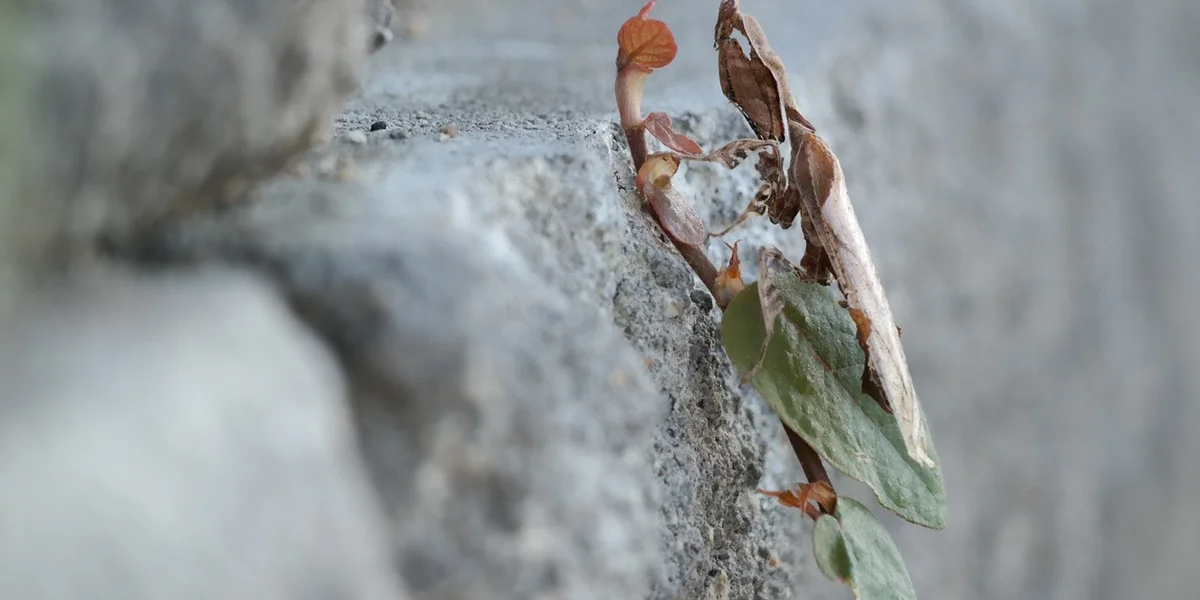
When your mantis approaches adulthood, its final molt marks a dramatic shift in both body and behavior. This last shed transforms them from a gangly juvenile into a fully formed adult, complete with wings and reproductive capabilities. You will notice their colors deepen, their movements become more deliberate, and their appetite may change as they settle into their mature form. Caring for an adult mantis requires a few tweaks to keep them healthy and content through this final stage of life.
- Offer larger prey items like flies or small crickets to match their size.
- Ensure the enclosure has ample vertical space for climbing and perching.
- Maintain consistent humidity levels to support their hardened exoskeleton.
- Provide a secure lid to prevent escapes, as adults can be surprisingly agile.
- Monitor their weight and activity to catch any health issues early.
The Final Molt: Reaching Adulthood
The final molt is a tense, quiet event where your mantis hangs upside down and slowly wriggles free of its old skin. Unlike earlier molts, this one brings full wing development and a stop to further growth, leaving them with a sturdy, permanent frame. Signs they are fully grown include vibrant, fixed coloration, fully expanded wings that they may flutter in display, and a noticeable increase in confidence when hunting. I remember Moss, my Giant Asian Mantis, emerging from his last molt with emerald wings that caught the light-he spent days testing them out with short, clumsy flights around his home.
Adult Behavior and Long-Term Care
Adult mantises often become more sedentary, spending long hours perched like statues while watching for prey. Their feeding habits shift toward larger, less frequent meals, and they may go days between hunts as their metabolism slows. Lifespan varies by species, but many adults live several months to a year, with females often outlasting males. You might see territorial postures, like raised forearms, or mating readiness in males who become more restless and females who emit pheromones.
Mating, Courtship, and Cannibalism
Mating in mantises involves a delicate dance where the male cautiously approaches the female, often vibrating his abdomen to signal his intentions. Cannibalism can occur if the female is hungry or stressed, so it is wise to feed her well before introductions. To observe courtship safely and reduce risks, follow these steps carefully.
- Place the female in a neutral, spacious area to minimize territorial behavior.
- Introduce the male slowly, allowing him to approach from a distance.
- Watch for mutual antennae flicking and gentle touches as positive signs.
- Keep a small paintbrush handy to gently separate them if aggression arises.
- Remove the male promptly after mating to prevent potential harm.
Behavioral Evolution: From Hatchling to Hunter
Watching a praying mantis grow is like observing a tiny, green-clad warrior refine its skills with each molt. Their behavior shifts dramatically from clumsy hatchlings to stealthy adults, shaped by instincts for survival and reproduction. Early on, nymphs rely heavily on camouflage and quick reflexes, while adults develop more complex tactics and social cues.
- Hatchlings start with erratic movements and simple ambushes, often missing prey.
- As nymphs mature, they use mimicry to blend into leaves or twigs, waiting motionless for hours.
- Adults exhibit precise strikes, territorial postures, and seasonal mating rituals.
- Social interactions change from solitary avoidance to cautious encounters during breeding.
- Camouflage evolves from basic color matching to intricate body shapes that mimic flowers or bark.
Juvenile Behaviors: Learning to Hunt
Young mantises, or nymphs, spend their first days practicing the art of the hunt in short, focused bursts. They often target small, slow-moving insects like fruit flies, using trial and error to perfect their aim. Their mobility is a mix of quick hops and cautious crawls, as they learn to judge distances without the full coordination of adults.
Nymphs rely on natural mimicry to stay hidden-think of Sprig, our juvenile orchid mantis, whose pink and white petals let her vanish among blossoms. This camouflage isn’t just for defense; it helps them ambush prey by remaining utterly still until the perfect moment. We’ve noticed that younger mantises tend to strike more frequently but with less accuracy, building muscle memory with each attempt.
Adult Behaviors: Mastery and Mating
Adult mantises move with a quiet confidence, their hunting skills honed to near perfection. They can take down larger prey like moths or crickets with a single, lightning-fast grab of their spiked forelegs. Territorial displays become common, with raised wings and swaying motions to ward off rivals or attract mates.
Seasonal changes, like cooler temperatures or shorter days, can make adults more active in seeking partners or preparing for egg-laying. In group settings, cannibalism risks rise sharply, especially if space is tight or food is scarce-always house adults separately to avoid tragic encounters. Mating rituals involve delicate dances, but we keep a close eye to intervene if aggression flares.
Pet Care Guide: Stage-Specific Tips
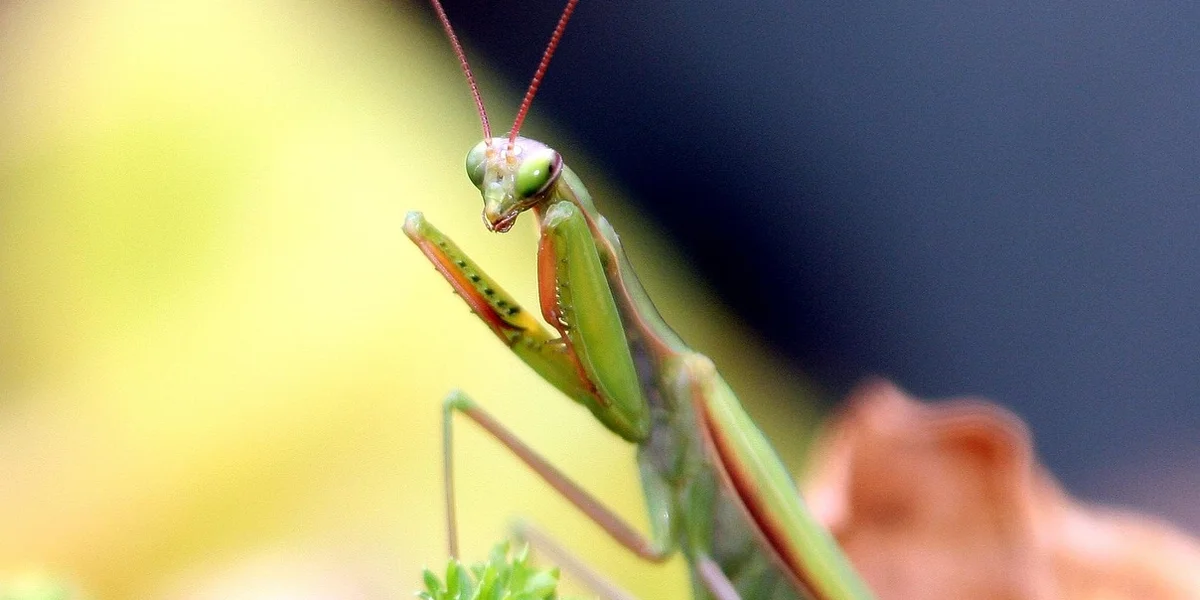
We guide you through each life stage with tailored advice on housing, feeding, humidity, and temperature to keep your mantis thriving. Adjusting care as your mantis grows prevents stress and supports healthy development, much like tending to a delicate plant in a varied garden. If you spot signs of stress, such as reduced appetite, lethargy, or erratic movement, revisit the habitat. Adjusting enclosure size, humidity, and temperature can help fix the issue and support recovery.
Housing Requirements Through the Life Cycle
Enclosures must evolve with your mantis to provide safety and space for natural behaviors. Proper housing mimics their wild habitats, reducing escape risks and encouraging confident postures, such as when Moss perches high to survey his domain.
- Egg Stage (Ootheca): Use a small, ventilated container like a mason jar with mesh lid; keep it upright and undisturbed in a warm spot to simulate natural incubation.
- Nymph Stage (Instars): Start with a 0.5-1 litre enclosure for early instars, upgrading as they grow; include fine mesh for climbing and a secure lid to prevent escapes, as tiny nymphs are surprisingly agile.
- Adult Stage: Provide a 2-5 litre tall enclosure with branches and foliage for perching; ensure ample vertical space for molting and hunting, similar to Luna’s setup with twisted vines that support her leaflike camouflage.
Feeding and Nutritional Needs
Diet shifts from tiny prey for nymphs to larger insects for adults, matching their growing appetite and hunting skills. Offering appropriately sized food prevents injury and ensures your mantis gets the energy needed for molting and activity.
- Early Nymphs (1st-3rd Instar): Feed daily with flightless fruit flies or pinhead crickets; prey should be no larger than the mantis’s head to avoid overwhelming them.
- Mid-Stage Nymphs (4th-6th Instar): Offer food every 2-3 days, switching to small crickets or houseflies; watch for eager strikes, like Sprig’s sudden boldness during mealtime.
- Adults: Provide larger prey such as crickets, moths, or roaches every 3-5 days; adjust frequency based on appetite, and always gut-load insects for optimal nutrition.
Humidity and Temperature Control
Maintaining stable humidity and temperature supports molting and overall health, much like creating a microclimate in a terrarium. Consistency in these factors reduces molting failures and keeps your mantis active and alert. For mantis nymphs, stable, species-appropriate temperature and humidity are essential for successful molts. Stay within the mantis’s preferred range to support healthy growth.
| Life Stage | Humidity Range | Temperature Range | Care Tips |
|---|---|---|---|
| Egg (Ootheca) | 60-70% | 22-26°C | Mist lightly every few days; avoid direct water on ootheca to prevent mold. |
| Nymph | 50-70% | 24-28°C | Increase humidity before molts; use a hygrometer to monitor levels daily. |
| Adult | 40-60% | 22-26°C | Provide a gradient with warmer spots for basking; mist enclosure lightly to maintain moisture. |
Troubleshooting Common Health Issues
Watch for signs like sluggish movement or difficulty molting, which signal it’s time to tweak your care routine. Quick action during emergencies can save your mantis, much like how we gently assisted Luna when her molt seemed stuck.
- Molting Failures: If skin remains attached, raise humidity to 70-80% and avoid handling; use a soft brush to lightly mist the area if needed.
- Signs of Illness: Look for lethargy, loss of appetite, or discoloration; isolate the mantis and check temperature and humidity for imbalances.
- Emergency Adjustments: For falls or injuries, move to a smaller, padded enclosure; consult a vet specializing in invertebrates if symptoms persist beyond 24 hours.
Species-Specific Life Cycle Insights
We often see that mantis species unfold their lives at different paces, much like flowers blooming in varied seasons. Ghost, Orchid, and Giant Asian mantises each bring unique rhythms to their development, influencing how we tailor their care from nymph to adult. Observing these subtle shifts in growth and behavior allows us to create a nurturing environment that matches each species’ natural pace.
- Ghost Mantises mature slowly, with molts spaced weeks apart, demanding consistent humidity and gentle handling to avoid stress.
- Orchid Mantises undergo vivid color transformations, needing specialized diets to maintain their floral camouflage and vibrant hues.
- Giant Asian Mantises grow rapidly, shedding skin fewer times, and adapt well to varied conditions, making them resilient for new keepers.
Ghost Mantis Care
Luna, our Ghost Mantis, teaches us that patience is key with her species. She molts less frequently than others, often staying still for days as her delicate, leaflike body prepares for a new skin. We keep her enclosure misty and warm, mimicking the humid forests she calls home. Providing a calm space with minimal disturbances helps her navigate molting with ease, reducing the risk of complications.
Orchid Mantis Care
Watching Sprig, our Orchid Mantis, evolve is like seeing a painting come to life. Her juvenile stage starts with soft whites and pinks that deepen into striking marbled patterns as she matures. She thrives on small, active prey like fruit flies, using her petal-like limbs to ambush with precision. Regular, light misting not only hydrates her but also enhances the color shifts that make her such a mesmerising companion.
Common Mantis Queries
Is there a simple mantis life cycle diagram for kids?
A simple diagram would show three main stages: egg (ootheca), nymph, and adult. This helps children visualize the mantis’s growth without the complex details of molting.
How can I explain the praying mantis life cycle to a child?
You can explain it as the mantis growing from a tiny egg, to a smaller version of an adult called a nymph, and finally becoming a full-grown insect with wings. It’s a simple story of transformation that skips the technical terms for younger audiences.
Where can I find a mantis life cycle PDF for my records?
Many exotic pet care websites and entomology groups offer free, downloadable PDF guides. These resources are great for keeping stage-specific care notes and tracking your mantis’s development. For first-time mantis owners, a week-by-week care guide can simplify the early weeks.
Guiding Your Mantis Through Life’s Phases
Observing each stage of your mantis’s life helps you respond to their changing needs with care and precision. Adjust feeding schedules and habitat conditions as they grow to support smooth transitions and prevent common issues. To support that, create a naturalistic, safe habitat for your praying mantis. Include safe plants, branches, and proper ventilation to mimic their native environment.
We believe responsible pet ownership starts with creating a safe, enriching home that honors their natural instincts. Stay curious and connected to fellow enthusiasts to deepen your understanding and joy in mantis care.
Further Reading & Sources
- Life Cycle of a Praying Mantis – Insect Lore
- Observing the Praying Mantis Life Cycle with Your Children – Connecting with Littles
- Praying Mantis | Yard and Garden
- How Long Do Praying Mantis Live? | Terminix
Rowan Hale is a lifelong insect enthusiast who fell in love with mantises for their calm presence, alien elegance, and surprising personalities. After years of keeping and raising a variety of species, Rowan shares practical tips, creative insights, and real-world experience to help others enjoy the quiet magic of mantis care. From setting up the perfect enclosure to understanding their subtle behaviors, Rowan invites readers into a gentle, curious world where every tiny movement feels like a discovery.
Egg Care