
What Are the Essential Habitat Requirements for a Healthy Praying Mantis?
Published on: December 4, 2025 | Last Updated: December 4, 2025
Written By: Rowan Hale
Hello fellow mantis friend, have you ever watched a praying mantis perch like a living statue, its delicate form still against a leafy branch? That quiet grace thrives only when we craft a home that feels as natural as a sun-dappled forest edge.
A healthy mantis needs an enclosure that carefully balances space, temperature, humidity, ventilation, and safe furnishings to mimic its wild habitat. It is more than just a container; it is a tiny ecosystem we build with our hands.
Setting up the perfect habitat involves a few key elements, each working together to support your mantis’s daily life and molting cycles. Getting these details right means the difference between a struggling insect and a vibrant, observant pet like my gentle Ghost Mantis, Luna, who explores every new twig with thoughtful curiosity.
- A properly sized and ventilated enclosure for security and fresh air.
- Stable, warm temperatures and consistent humidity levels.
- Safe climbing structures and hiding spots for molting and rest.
- Appropriate substrate and careful placement away from drafts.
The Perfect Enclosure: Size, Material, and Security
Think of your mantis’s home as a miniature biome, a self-contained world where everything from the walls to the latch plays a part in their wellbeing. Getting this foundation right is the single most impactful thing you can do for your mantis’s long-term health and happiness.
Finding the Right Size and Shape
A common mistake is choosing a home that’s too large. Mantises are ambush predators, not marathon runners. An overly spacious enclosure can make it difficult for them to find their food and may even stress them out. The golden rule is an enclosure height at least three times the mantis’s length and width at least twice its length.
My Ghost mantis, Luna, thrives in her tall, slender home that lets her climb but keeps her prey within a quick strike’s distance. Shape matters, too. Taller is nearly always better than wider. This vertical space is non-negotiable for successful molting, as they need to hang upside-down with plenty of room to emerge safely from their old skin.
- For nymphs (babies): A 32-ounce deli cup or large mason jar works perfectly as a starter home.
- For small species (Ghost, European): A 12″ tall, 6″x6″ footprint enclosure is ideal.
- For large species (Giant Asian, Chinese): Aim for 18″ tall with an 8″x8″ or 10″x10″ base.
Choosing Between Mesh, Glass, and Plastic
Each material has its own personality, much like the mantises themselves. Your choice will dictate airflow, visibility, and how you manage moisture.
Mesh or Screen Enclosures offer superb ventilation, which is fantastic for preventing mold and mimicking a breezy natural environment. They are the top choice for species from arid climates. The textured sides also give tiny claws perfect grip. The trade-off? They can lose humidity quickly, requiring more attentive misting.
Glass Terrariums provide a crystal-clear view and excellent humidity retention. They feel substantial and showcase your pet and their décor beautifully. The critical factor with glass is airflow; you must choose a front-opening terrarium with a mesh top or significant ventilation panels to avoid stagnant, stuffy air.
Plastic or Acrylic Cages are the lightweight, versatile all-rounders. They retain humidity better than mesh but offer more ventilation points than solid glass. Many feature fine mesh panels on the sides and top. My Giant Asian mantis, Moss, lives in a plastic enclosure with a full mesh lid-it holds the gentle humidity he likes while letting air move through freely.
| Material | Best For | Key Consideration |
|---|---|---|
| Mesh / Screen | Arid species, maximum ventilation | Humidity drops fast; mist more frequently. |
| Glass | High-humidity species, display | Must have ample mesh ventilation to prevent mold. |
| Plastic / Acrylic | Most beginner species, balanced environments | Ensure mesh panels are fine enough to contain tiny feeder insects. |
Climate Control: Balancing Warmth and Moisture
In their little glass or mesh worlds, mantises rely on us to recreate the gentle cradle of their native climate. This balance between warmth and moisture is the invisible architecture of their health, influencing everything from digestion to the delicate process of shedding their skin.
Setting the Ideal Temperature Range
Most common pet mantis species are comfortable in a range that also feels pleasant to us. Aim for a gradient between 70°F (21°C) on the cooler end and 85°F (29°C) on the warmer end. This allows your mantis to move to their preferred spot.
A simple low-wattage heat mat placed on the side of the enclosure (never underneath) is often enough. Always use a thermostat with any heat source to prevent overheating. At night, a slight drop to room temperature is perfectly natural and beneficial. Watch your mantis’s behavior: if they are consistently hanging at the top nearest the heat, they might want it a bit warmer; if they stay low and away, it might be too hot. Ensure you monitor the temperature diligently.
Managing Humidity Through Misting
Humidity is not about creating a rainforest, but about providing moments of moisture. In the wild, mantises drink from dew and raindrops. We replicate this with a gentle spray bottle. Use distilled or filtered water to prevent unsightly mineral spots on the glass and mist lightly once or twice a day, depending on your enclosure’s material.
Focus the spray on the sides of the enclosure and any leaves or décor, creating droplets for drinking. A light mist in the morning often triggers natural drinking behavior. For my Orchid mantis, Sprig, I provide a slightly higher humidity which helps her delicate, flower-like appendages stay supple.
- Invest in a small hygrometer to monitor humidity levels; aim for 50-70% for most tropical species right after misting, letting it fall between sprays.
- Mist in the early morning and early evening to mimic natural dew cycles.
- Never soak the substrate or leave standing water; this can lead to harmful mold and bacteria.
- Increase misting frequency slightly when you see your mantis become lethargic or its skin look dull, as these are signs a molt is approaching.
The soft hiss of the spray bottle, the clean scent of fresh water, the way your mantis might turn its head to catch a droplet-this simple ritual is a direct and gentle connection to their world. Observing how they respond to these climate cues is one of the quiet joys of keeping mantises, a daily conversation in care.
Crafting the Interior: Substrate, Greenery, and Climbing Furniture
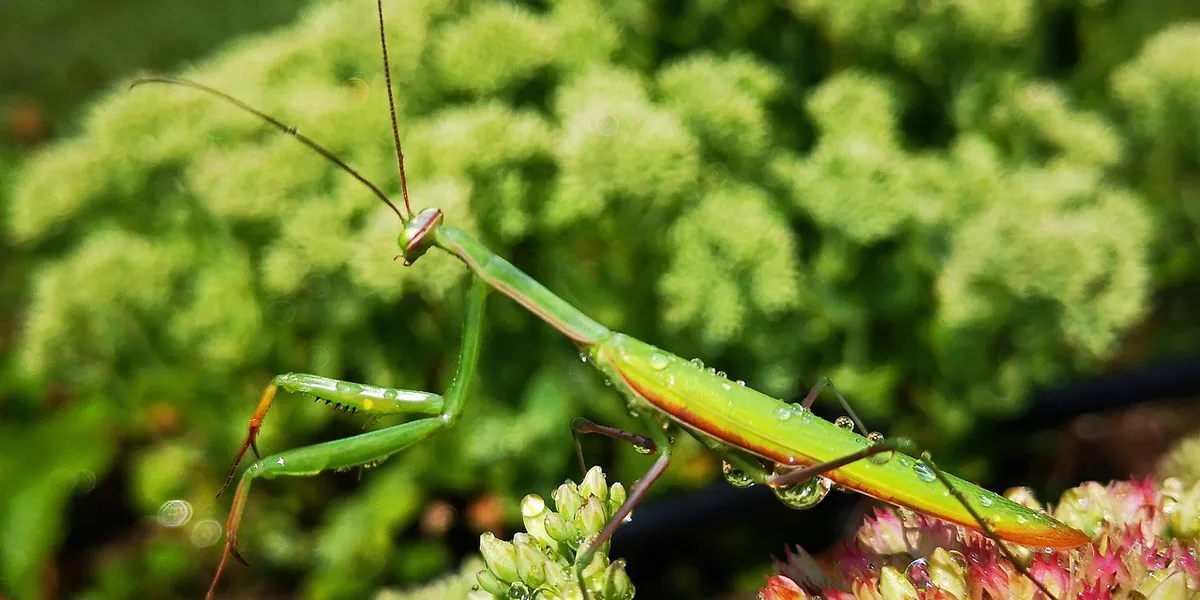
Think of the inside of your mantis enclosure as a miniature stage. We are not just filling empty space; we are designing a landscape that supports every part of their natural behaviour, from hunting to the delicate drama of molting.
Selecting a Safe and Simple Substrate
The floor of your mantis home, the substrate, is more about function than fancy decoration. Your primary goal is to choose a material that maintains humidity without posing any risk to your delicate insect. A damp substrate slowly releases moisture into the air, which is vital for successful skin sheds.
For most keepers, a simple, damp paper towel is the perfect starting point. It is cheap, easy to replace, and lets you monitor your mantis’s health at a glance. You can see everything. I used this for my Ghost mantis, Luna, throughout her entire life with no issues.
If you prefer a more natural look, a shallow layer of coconut fibre or peat moss works beautifully. These materials hold moisture well and give the enclosure an earthy, forest-floor scent. Just press it down firmly to avoid loose, dusty particles. Avoid any loose, granular substrates like sand, small bark chips, or gravel, as a falling mantis can be injured on a hard surface or get particles stuck during a vulnerable molt.
Adding Foliage and Branches for Enrichment
This is where we build the third dimension. Mantises are climbers, not ground dwellers. They need a network of surfaces at various heights to feel secure and exercise their remarkable grip.
Start with a few sturdy, clean branches arranged diagonally and vertically. Twigs from untreated fruit trees or manzanita wood are excellent choices. Create a highway system that reaches all the way to the top mesh, giving your mantis multiple routes to explore its territory. My Giant Asian mantis, Moss, would spend hours meticulously patrolling every new branch I introduced.
Now, weave in the greenery. This provides visual breaks, hiding spots, and perfect ambush points. You can use safe, washed live plants like pothos or spider plants, or opt for soft, silk artificial plants. Clusters of leaves near the top of the enclosure offer critical hiding spots and anchor points for the molting process, which always happens while hanging upside down. Ensure all décor is securely placed so it cannot topple over onto your pet.
Finally, leave some open space. A busy, cluttered interior can make it difficult for a mantis to hunt or molt without obstruction. Aim for a balanced layout—think “structured wilderness” with clear pathways and designated perches. Watching your mantis choose its favourite lookout spot, much like my Orchid mantis Sprig does on her particular pink vine, is one of the quiet joys of keeping them. Also, be mindful of mistakes when setting up your first mantis habitat. Avoid overcrowding and ensure good ventilation so your mantis thrives.
Light and Air: Photoperiod and Healthy Airflow
Just like us, praying mantises thrive on routine and fresh air, but their needs are beautifully simple. Think of their habitat as a tiny, self-contained world where light tells time and air carries health. A naturalistic, safe habitat makes care intuitive and rewarding. We’ll walk through how to get both right, creating a space where your mantis feels secure and vibrant.
Providing a Natural Light Cycle
Mantises don’t have eyelids, so they rely on the rise and fall of light to regulate their daily rhythms. A consistent photoperiod-the cycle of light and dark-signals when to hunt, rest, and even prepare for molting. In my experience, a stray beam of evening lamp light can confuse them, making Luna, my Ghost Mantis, pause her slow, deliberate movements as if waiting for a cue that never comes.
You don’t need fancy grow lights or heat lamps. Place the enclosure in a room with indirect natural sunlight, or use a standard room light on a simple timer for about 12 hours a day. This mimics a temperate day, offering a gentle structure. I’ve found that Moss, my Giant Asian male, becomes most curiously active during the “dawn” and “dusk” periods when the light first fades.
Here’s a straightforward way to set it up:
- Use a plug-in timer for a desk or ceiling light to automate a 12-on, 12-off schedule.
- Avoid placing the tank in direct, hot sunlight, which can dangerously overheat the space.
- During the dark phase, ensure the room is reasonably dim to support proper rest.
This rhythm supports everything from digestion to that critical shedding process. Watch how your mantis settles into the pattern, and you’ll see a creature in tune with its miniature world.
Ensuring Adequate Ventilation
Stagnant air is a silent issue in mantis keeping, leading to mold growth on feeder insects and decorations, and making respiration difficult for your pet. Good ventilation creates a gentle exchange, carrying away excess moisture without drying out the entire enclosure. It’s that soft, almost imperceptible breeze you feel near a slightly open window.
The goal is cross-ventilation. Enclosures with mesh panels on at least two sides, or a secure mesh lid, allow air to flow through rather than just sit at the top. My Sprig’s orchid mantis home has a fine mesh ceiling and side vents, and the air always carries a faint, earthy scent of clean moss and nothing else.
Balancing airflow with humidity is key. Here are the main options for a healthy setup:
- Mesh or Screen Lids: Ideal for most setups. Ensure the mesh is fine enough to prevent tiny fruit flies from escaping if you have a small nymph.
- Side Ventilation Panels: Often found in acrylic or plastic enclosures, these circular or slotted vents promote air movement at habitat level.
- DIY Adjustments: For a temporary jar home, you can carefully poke small holes in the lid-just cover them with a fine netting to be safe.
If you notice condensation constantly pooling on the walls, you might need a bit more airflow. A well-ventilated home feels fresh and alive, much like the soft rustle of leaves in a terrarium. It prevents problems before they start, letting your mantis breathe easy.
Ongoing Habitat Care: Water, Cleaning, and Mold Prevention
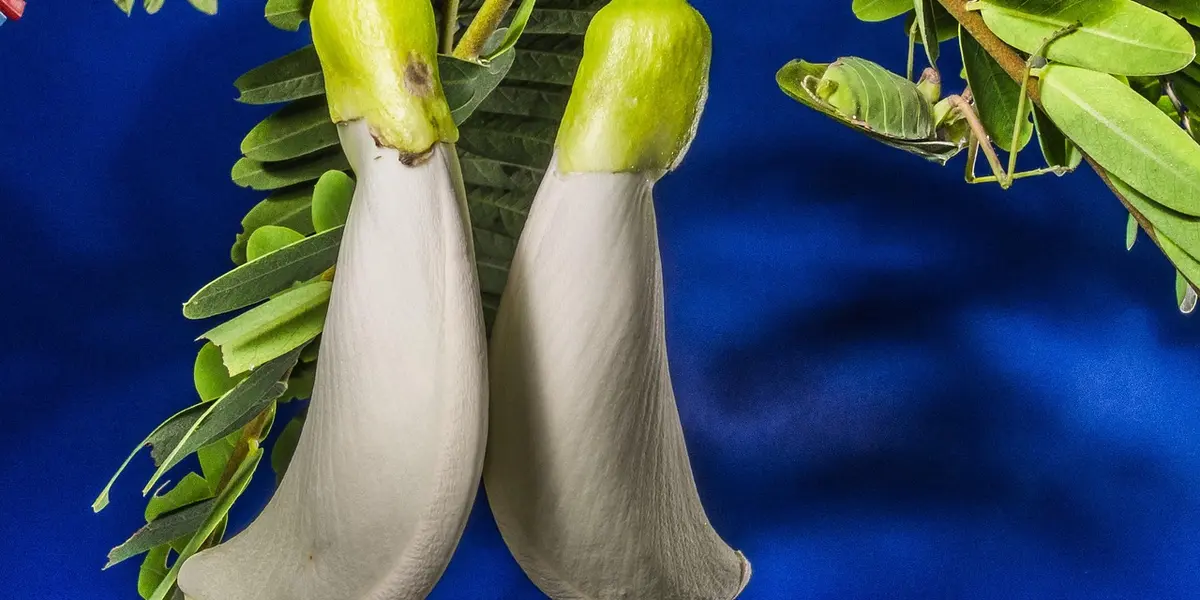
Keeping a mantis habitat healthy is less about grand gestures and more about gentle, consistent routines. Think of it as tending a miniature garden where balance prevents problems before they start. We focus on two pillars: providing clean water without drenching the space, and maintaining tidiness to stop mold from taking hold. It is a calm rhythm that becomes second nature, much like checking the soil of a favourite plant. Practically, that means cleaning and maintaining your praying mantis habitat. By routinely wiping surfaces, refreshing water, and tidying the enclosure, you keep the environment calm and mold-free.
Hydration Through Misting and Water Droplets
Praying mantises do not drink from bowls or dishes. They sip moisture directly from tiny droplets that form on leaves, twigs, and the sides of their enclosure. In a complete hydration guide, you’ll learn how to maintain a steady supply of droplets and the right humidity for ongoing hydration. Your main tool for this is a simple spray bottle filled with room-temperature water. Let the water sit out overnight if your tap is chlorinated, as chemicals can irritate their delicate systems.
Mist the habitat lightly once or twice a day, aiming for a fine dew that glistens. You want to hear the soft pssht of the spray and see the glass fog slightly, not watch water run down in streams. Over-misting creates a soggy floor, which invites mold and can chill your mantis. My ghost mantis, Luna, shows me when it is right; she slowly extends a foreleg to taste a bead of water on the mesh above her.
Here is a simple guide to effective misting:
- Use a clean spray bottle dedicated to your mantis care.
- Spray in the morning or early evening, mimicking natural dew cycles.
- Target the enclosure walls and any silk plants or branches.
- Avoid directly spraying your mantis, as some dislike the sensation.
- Watch for drinking behaviour-a quick flick of the tongue-to know they are using the moisture.
The goal is humidity you can feel, not wetness you can see. A well-misted home has that fresh, earthy scent of damp soil after a light rain, which keeps your mantis comfortably hydrated.
A Simple Cleaning Schedule
A clean enclosure is a safe enclosure, preventing mould growth and bacterial issues. We break tasks into daily quick checks and weekly deeper cleans, so it never feels overwhelming. Always wash your hands before and after, and use separate cloths or paper towels just for your mantis habitat to avoid cross-contamination. Considering a cleanup crew for a mantis enclosure has its pros and cons. Weigh the trade-offs to decide if it’s right for your setup.
Daily, take a moment to observe. Remove any uneaten prey insects and small droppings, called frass, using soft tweezers or a bit of tissue. This quick spot-clean keeps the space fresh and deters pests. My giant Asian mantis, Moss, is quite tidy, but I still check his perch each evening for leftovers.
Once a week, perform a more thorough clean. Follow these steps:
- Gently move your mantis to a secure temporary container, like a large jar with air holes.
- Remove all decorations and wipe them with a cloth dampened with warm water. No soap is needed.
- Wipe the interior walls and lid of the enclosure with the damp cloth to clear residue.
- Check the substrate. If it is soil or coconut fibre, replace it if it looks damp or soiled.
- Allow everything to air-dry completely before reassembling the habitat and returning your mantis.
Mold prevention hinges on this dryness. Good ventilation is your best ally, so ensure the mesh lid is clear and air can flow through freely. If you ever see fuzzy white or green patches, remove the affected item immediately and replace the substrate. A simple schedule turns worry into routine, giving you more time to enjoy the quiet company of your green friend.
Tailoring the Habitat to Your Mantis Species
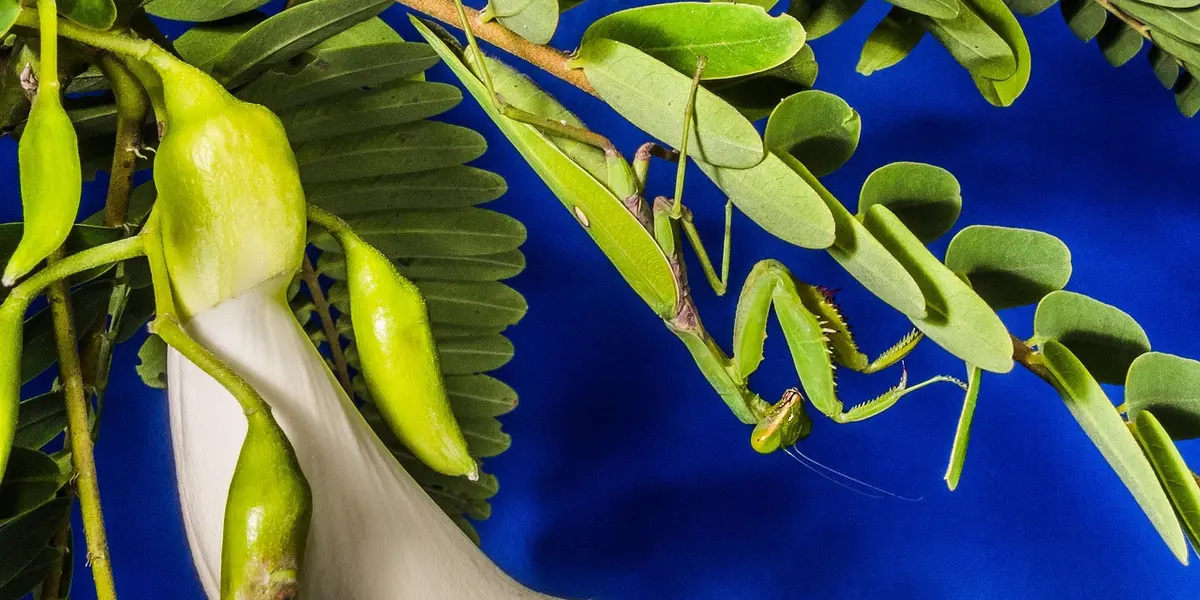
Just like people, every mantis species has its own comfort zone, a little microclimate where it thrives best. We build their home not just to contain them, but to mimic the specific slice of nature they originate from, which directly supports their health and natural behaviors. Getting this right means observing a happier, more active mantis, from the way they perch to the ease of their molts.
Adjustments for Common Pet Species
Think of habitat setup as a recipe-the base ingredients are similar, but the amounts change for each species. The key differences often boil down to humidity, ventilation, and the amount of climbing space they crave. Here’s how we adjust for a few popular friends.
- Ghost Mantis (like my Luna): These delicate, leaf-mimics prefer a taller enclosure with plenty of thin twigs and dried leaves for hiding. Moderate humidity (around 60-70%) is vital to keep their frilly skin from drying out, but good airflow prevents mould. A simple mesh-sided terrarium works beautifully, and they rarely need intense heat-room temperature with a gentle warm spot is perfect.
- Giant Asian Mantis (like Moss): Hardy and energetic, these mantises need space! A taller, well-ventilated cage is non-negotiable for their active climbing. They tolerate a wider humidity range (50-70%), but appreciate a daily light misting, especially as they prepare to molt. Provide sturdy branches; Moss spends hours patrolling his, surveying his domain.
- Orchid Mantis (like Sprig): This species requires a more attentive touch. They need consistently higher humidity (70-80%) and warmer temperatures, which we maintain with a small heat mat on one side and regular, fine misting. Ventilation is still crucial, so we use a partly mesh enclosure. Artificial silk flowers or smooth branches give them the pristine perches their elegant feet prefer.
For common species like the European or Chinese mantis, a standard well-ventilated terrarium with a humidity gradient works well. Always cross-check the natural history of your specific mantis; a quick search for its native region’s climate gives you the best blueprint.
Accommodating Growth from Nymph to Adult
Your mantis’s home must grow and change with them, much like swapping out a child’s clothes as they get taller. The most critical period is during their molts, where a poorly suited habitat can lead to fatal complications. We plan ahead to make each stage seamless.
Start nymphs in a smaller, simpler enclosure-a large mason jar or a small plastic terrarium works wonderfully. This makes it easier for them to find food and helps you monitor their health closely. Ensure the sides are climbable and the lid is secure; nymphs are expert escape artists.
- Increase Height with Each Melt: After every successful molt, your mantis needs more vertical space to hang freely for the next one. By the time they reach sub-adult stage, they should be in their permanent adult enclosure. This gives them time to acclimate and find favorite perches.
- Adjust Humidity Needs: Nymphs are more vulnerable to drying out. We mist a little more frequently for tiny nymphs, then taper to the adult species-specific schedule as they mature. Watch for signs like drinking droplets or a plump abdomen to gauge if humidity is right.
- Upgrade Furnishings: Twigs suitable for a small nymph become unstable for a heavy adult. Swap out flimsy sticks for sturdier branches that can support their adult weight, ensuring perches are at varying heights and distances from the heat source. This creates a gradient they can choose from.
We always check the ceiling of the enclosure before a molt is due, making sure there’s a clear, unobstructed space at least twice the mantis’s body length for them to hang upside-down. A simple adjustment like removing a decoration can be the difference between a smooth shed and a stressful one. Watching Moss successfully molt in a well-prepared habitat, emerging fresh and vivid, is a quiet reward for getting these details right.
Avoiding Common Habitat Setup Mistakes
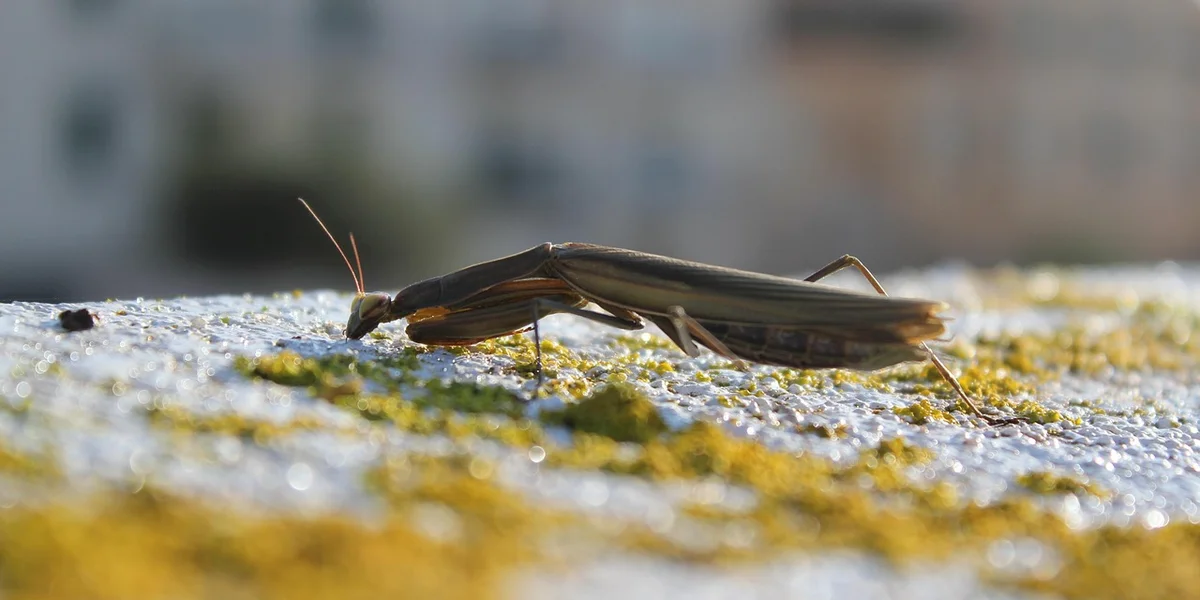
We all want the best for our mantis friends, but even with the best intentions, a few common oversights can creep into their habitat setup. Spotting and correcting these mistakes early can make the difference between a stressed insect and a thriving, content pet. If you notice signs of stress—like erratic movement, refusal to eat, or unusual lethargy—consider whether the habitat needs adjusting. Often, fine-tuning factors like temperature, humidity, and space can fix the issue and restore comfort.
Think of it like tending a miniature garden; every element needs balance, from the air flow to the perch placement. Your careful attention to these details creates a sanctuary where your mantis can molt, hunt, and rest with ease.
Top Setup Errors and Quick Fixes
Let’s walk through the missteps we see most often, paired with simple solutions you can apply today. These fixes often require just a quick swap or a slight adjustment, not a full rebuild.
- Error: An enclosure that’s too spacious. A vast tank can leave a mantis feeling exposed and insecure, making it difficult for them to find food. Quick fix: Choose a terrarium height that is at least three times your mantis’s length, but ensure the width is cozy-a large mason jar can work perfectly for many smaller species.
- Error: Poor ventilation leading to stale air or excessive dryness. Screened lids are great, but placing the entire home in a direct draft strips away crucial humidity. Quick fix: Use a partially covered mesh top or add a small, live plant to help regulate moisture without creating a wind tunnel.
- Error: Decor with sharp edges or toxic materials. Rough plastic flowers or painted sticks can injure delicate limbs or introduce harmful chemicals. Quick fix: Stick to natural, sterilised branches, smooth bamboo, and silk or live plants-I always boil twigs for Moss’s home to ensure they’re safe.
- Error: The wrong substrate for your species’ needs. Using plain paper towels for a tropical mantis like an Orchid can cause humidity to plummet. Quick fix: Match the substrate to the habitat: coconut fibre or sphagnum moss for tropical species, and paper towel or vermiculite for arid-loving ones.
Remember Luna, my Ghost Mantis? Her first enclosure had a mesh side that was too coarse, and she struggled to grip it during her molt. Switching to a finer mesh on just one wall gave her the secure footing she needed, and her next shed was flawless.
Handling Real-World Temperature and Humidity Swings
Our homes aren’t climate-controlled laboratories, and daily swings in temperature and humidity are perfectly normal. The goal isn’t perfect stillness, but rather creating a stable buffer that protects your mantis from sudden extremes.
You might notice the air get drier when the heating comes on, or a cool draft from a window at night. Monitoring these changes is your first line of defence-a simple digital hygrometer and thermometer placed inside the enclosure are your best friends.
- Track the patterns. Check your gauges morning and evening for a week to see your room’s natural rhythm. This tells you if the challenge is a nightly drop or an afternoon dry spell.
- Create gentle stabilisers. For a humidity dip, place a small water bowl near (not under) a low-wattage heat source. The warm water will slowly evaporate, boosting moisture without making things soggy.
- Use strategic placement. Keep the terrarium away from radiators, air conditioners, and sunny windowsills. The interior of a room, on a stable shelf, often provides the most consistent microclimate.
- Employ a two-step misting routine. Lightly mist the enclosure walls and plants in the evening to mimic natural dew. Avoid spraying your mantis directly; instead, let them enjoy the humid, earthy scent that rises from the damp substrate.
With Sprig, my juvenile Orchid Mantis, I found her delicate pink petals seemed dull when the room humidity fell below 60%. Adding a clump of damp sphagnum moss in a corner of her tank created a perfect, localised humid pocket she could move toward if she wished.
Temperature swings can be managed with a reliable heat mat on one side of the enclosure, never underneath. This setup creates a vital thermal gradient, letting your mantis choose its perfect spot, much like they would in the dappled sunlight of a real garden. To create a vertical temperature gradient in your mantis enclosure, place heat sources at multiple heights and provide elevated perches. This lets your mantis choose warmth or shade by moving up or down.
Questions from Fellow Mantis Friends
How large should the enclosure be for different mantis species?
The ideal size is primarily determined by the mantis’s adult length and its need for vertical space to molt. A good rule is an enclosure at least three times the mantis’s length in height and twice its length in width.
Do mantises require a lid or secure top to prevent escapes?
Yes, a secure, escape-proof lid is absolutely essential for any mantis enclosure. Mantises are adept climbers and can fit through surprisingly small gaps, so all ventilation must be covered with fine mesh.
How should you handle temperature fluctuations?
Use a small heat mat on one side of the enclosure to create a gentle temperature gradient, allowing your mantis to self-regulate. Avoid placing the habitat in direct sunlight or drafts, and monitor with a reliable thermometer to prevent sudden extremes, as temperature stress can be harmful.
A Quiet Corner for Your Green Companion
At its heart, a healthy mantis habitat rests on three pillars: a secure enclosure that allows for natural movement, stable warmth akin to a sun-dappled leaf, and humidity that whispers of morning dew. When these elements are in balance, your mantis can focus on the important things-growing, hunting, and simply being.
Responsible keeping means observing the small changes, like how Luna tilts her head before a meal or how Moss explores a new vine, and letting those moments guide your care. We find the journey itself, with its gentle lessons in attention and adaptation, to be the most rewarding part of sharing our home with these remarkable insects.
Further Reading & Sources
- Praying Mantis – Facts, Diet & Habitat Information
- Mantis – Wikipedia
- Should You Keep a Praying Mantis as a Pet?
- How to Set up a Praying Mantis Habitat (Step-by-Step) – Insect Keeper
Rowan Hale is a lifelong insect enthusiast who fell in love with mantises for their calm presence, alien elegance, and surprising personalities. After years of keeping and raising a variety of species, Rowan shares practical tips, creative insights, and real-world experience to help others enjoy the quiet magic of mantis care. From setting up the perfect enclosure to understanding their subtle behaviors, Rowan invites readers into a gentle, curious world where every tiny movement feels like a discovery.
Temperature and Humidity