
Why Do Praying Mantises Eat Themselves?
Hello mantis friend. Few sights in the terrarium are as unsettling as watching your elegant predator suddenly turn its raptorial claws on itself.
Praying mantises sometimes eat themselves primarily due to extreme stress, dehydration, or a neurological misfire that disrupts their normal feeding inhibition.
This act, known as autophagy, is a complex behaviour rooted in the mantis’s unique biology and the pressures of its environment. We’ve seen it happen, and it’s a jarring moment that leaves any keeper with questions.
Let’s look at the main reasons behind this startling behaviour:
- Severe dehydration and the desperate search for moisture.
- Overwhelming stress from improper habitat conditions.
- A neurological glitch triggered by grooming or injury.
- Post-molt confusion and physical vulnerability.
What Is Self-Cannibalism in Pet Mantises?
- Self-cannibalism, or autophagy, occurs when a mantis bites and consumes parts of its own body, such as legs or antennae. In captive settings, this might look like your mantis curiously nibbling on a limb, often starting with the delicate tarsi or smaller appendages during quiet moments.
- This behavior is quite rare and starkly contrasts with their normal predatory instincts. Healthy mantises focus on hunting live prey, so self-cannibalism usually signals an underlying issue rather than a typical habit.
- From my own experience, I recall watching Luna, my Ghost Mantis, gently mouth her front leg after a tricky molt-though she never harmed herself, it highlighted how easily stress can trigger unusual actions. These subtle signs remind us to stay observant and responsive to our mantis’s needs.
Common Causes of Self-Cannibalism
Several factors can lead a mantis to turn on itself, each affecting their well-being in distinct ways. Recognizing these triggers early helps you create a safer, more comforting environment for your pet. By recognizing specific behavioral signs, you can tell if a praying mantis is stressed and respond appropriately. This awareness lets you adjust care to reduce stress and support your mantis’s well-being.
- Hunger: When a mantis isn’t fed enough, it may mistake its own moving limbs for prey. This desperation-driven behavior can cause injuries, especially in growing juveniles who need frequent meals.
- Molting issues: After a difficult molt, a mantis might chew on stuck or damaged skin, accidentally harming healthy tissue. Poor humidity or cramped spaces often worsen molting problems, leading to confusion and self-directed nibbling.
- Stress: Loud noises, excessive handling, or sudden habitat changes can unsettle a mantis. Stress pushes them into abnormal behaviors, much like how Moss, my Giant Asian Mantis, would retreat and fidget when his enclosure was disturbed too often.
- Environmental triggers: Incorrect temperature, low humidity, or lack of hiding spots create discomfort. A well-balanced habitat mimics their natural surroundings, reducing anxiety that could provoke self-harm.
For hunger-driven scenarios, the process often unfolds step by step. Understanding this sequence allows you to intervene before serious harm occurs.
- Your mantis goes without food for several days, triggering intense hunger pangs.
- It begins actively searching for anything edible, moving more erratically.
- In this heightened state, it might snap at its own legs or antennae, misidentifying them as prey.
- Without quick action, this can lead to limb loss or infection, stressing the mantis further.
Self-Cannibalism vs. Mating Cannibalism
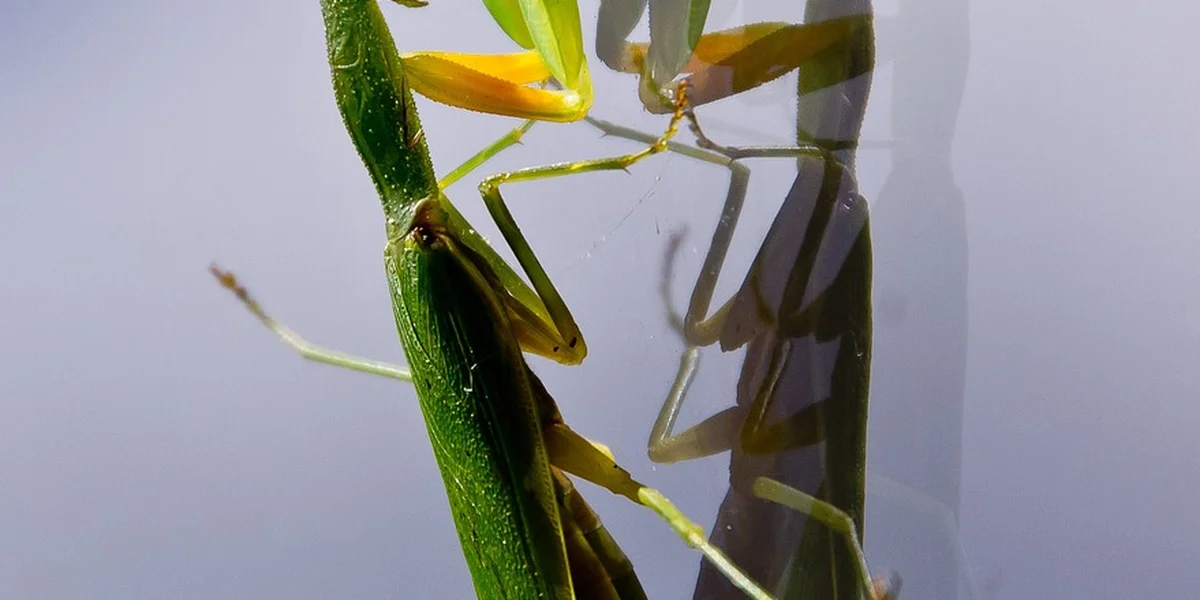
When mantises turn to eating their own bodies or partners, it can feel unsettling, but each behavior has distinct triggers and purposes. Self-cannibalism, where a mantis chews on its own limbs or abdomen, often stems from extreme stress, injury, or nutrient shortages, while mating cannibalism is a calculated survival tactic during reproduction. We see self-cannibalism as a last-resort response—like when a mantis, confused or in pain, nibbles at a damaged leg—whereas mating cannibalism is more strategic, with females sometimes consuming males to fuel egg development. Do mantises understand their own carnivorous drive, or is cannibalism just a reflex tied to stress and reproduction? Exploring this helps shed light on how much awareness, if any, these predators have of their predatory nature.
Evolutionarily, these acts serve different roles in a mantis’s life. Self-cannibalism may arise from captivity-induced stressors, such as poor humidity or inadequate feeding, pushing a mantis to reabsorb nutrients from its body in desperation. In contrast, sexual cannibalism can boost a female’s reproductive success; by eating the male, she gains extra protein for her eggs, which might hatch stronger nymphs. Think of it as nature’s way of prioritizing the next generation over individual survival.
Many keepers worry that female mantises are inherently aggressive, but that’s not always true. In reality, mating cannibalism isn’t a given—males often use cautious approaches, like slow movements or choosing well-fed females, to reduce their risk. My own Moss, a Giant Asian Mantis male, would wait patiently near a female before mating, and he never fell victim to her. This dispels the myth that females are always hunters; they’re simply following instincts shaped by environmental cues.
Signs Your Mantis Might Be at Risk
Spotting early warnings can help you prevent self-cannibalism or other stress-related issues. Look for lethargy, where your mantis sits unusually still for hours, or repetitive leg-chewing, which signals discomfort or nutrient deficiency. Other red flags include refusal to eat, frequent falls from perches, or a dull, discolored exoskeleton-all hints that something’s amiss in their environment.
To catch problems early, use this simple checklist during your daily observations:
- Check for consistent appetite and regular feeding responses.
- Monitor hydration by watching for active drinking after misting.
- Inspect limbs for any signs of injury or unusual nibbling.
- Note activity levels; a sudden drop in movement warrants attention.
- Observe molting cycles, as stress peaks before and after sheds.
Life cycle stages greatly influence risk, with juveniles and adults during molting being most vulnerable to self-harm behaviors. For instance, my Ghost Mantis Luna once grew sluggish before a molt, and I adjusted her humidity to ease the process. Younger mantises might chew legs if they’re struggling to shed old skin, while adults in breeding season face higher mating-related risks. By tuning into these phases, you can tailor care to keep your mantis safe and content. Recognizing the earliest signs of molting trouble helps you intervene before harm occurs. Watch for subtle cues such as reduced activity, reluctance to feed, or a delayed molt.
Immediate Care If Self-Cannibalism Occurs
-
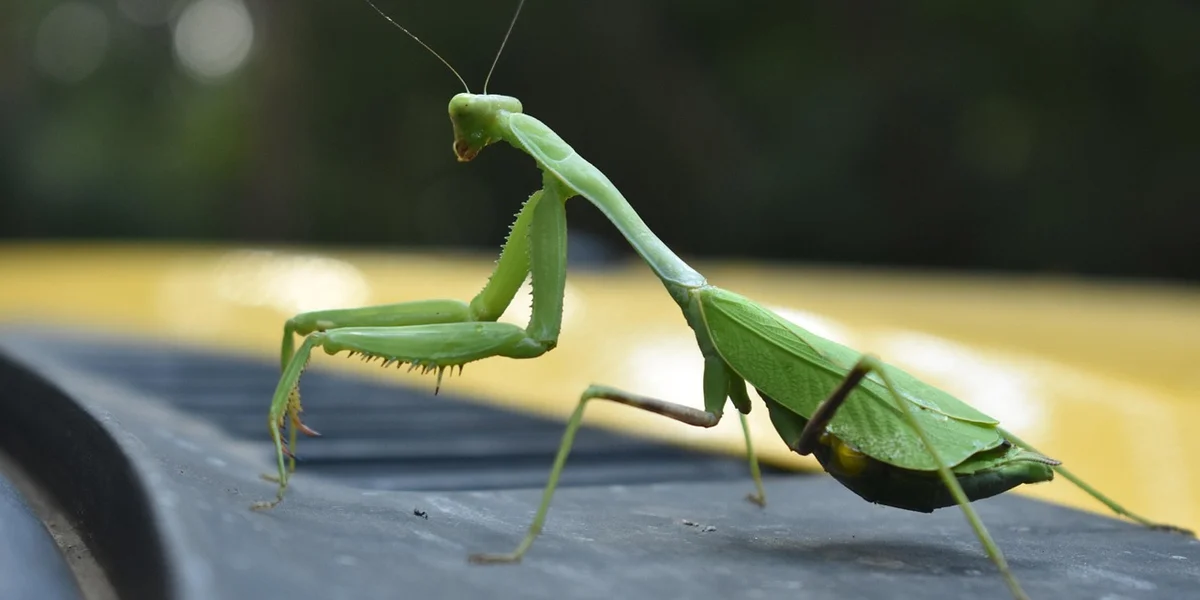
Quickly move your mantis to a simple, clean container like a spare jar or small critter keeper to stop any more self-harm. Isolating them cuts down on stress and gives you a chance to observe their behaviour without distractions. We’ve found that a quiet spot away from loud noises or vibrations helps our mantis Luna settle when she’s feeling fragile.
-
Look for clues like a shrunken abdomen, dull colour, or frantic movements that point to hunger or poor habitat conditions. Addressing the root cause swiftly-such as offering a small, soft-bodied prey item if they’re starved-can turn things around before the habit sets in. With Moss, our Giant Asian Mantis, we once noticed he’d skipped a meal and started fussing with his own limbs; a gentle misting and a cricket helped him calm right down.
-
Use a soft paintbrush or your cupped hands to guide your mantis without squeezing, and tweak their temporary home by adding a damp paper towel for humidity or a twig to perch on. These small adjustments mimic a safer, more comforting space while they recover their composure. A bit of warmth from a low-wattage lamp can also soothe them, much like a sunny patch in a terrarium. For long-term care, ensure you create a naturalistic and safe environment that meets their needs.
Preventing Self-Cannibalism in Your Mantis
-
Stick to a regular feeding routine-every two to three days for most adults-and choose prey that’s smaller than their head, like fruit flies for juveniles or crickets for larger species. Varied diets with gut-loaded insects ensure they get all the nutrients they need, reducing the urge to nibble on themselves out of deficiency. We always watch how our orchid mantis Sprig reacts to different foods; her enthusiasm for flightless fruit flies tells us she’s content.
-
Keep the enclosure between 70-80°F with a gentle heat mat and maintain 50-70% humidity through daily misting with lukewarm water. For mantis nymphs, temperature and humidity are essential—they’re more sensitive to dry air and temperature swings than adults. Ensuring stable conditions helps them molt smoothly and stay healthy. A stable environment with proper ventilation prevents the dry, stressful conditions that can trigger anxious behaviors. Think of it as crafting a miniature greenhouse where your mantis feels nestled in a dewy, leaf-strewn haven.
-
Pick species known for calm temperaments, such as Ghost Mantises, and provide ample hiding spots like fake plants or bark to lower aggression. Tailoring care to your mantis’s natural habits-like giving climbers vertical space-fosters a sense of security that wards off stress-induced habits. For instance, our shy Sprig thrives with extra foliage to blend into, making her feel less exposed and more at ease.
FAQs on Mantis
Is it true that female mantises always eat the male after mating?
No, this is a widespread myth; sexual cannibalism is not a guaranteed outcome and depends on factors like the female’s hunger and stress levels. In many cases, males escape unharmed, especially in well-managed captive environments.
Why do videos of praying mantis cannibalism often go viral online?
These videos attract attention due to their shocking and dramatic nature, showcasing rare behaviors that intrigue viewers. They are frequently shared on platforms like YouTube and Reddit to spark discussion, but they can exaggerate how common cannibalism is in pet mantises.
Are there any recent insights into sexual cannibalism from 2021 studies?
Research from 2021 emphasized that cannibalism rates are species-specific and often tied to environmental cues like food scarcity. This helps clarify misconceptions and guides keepers in reducing risks through proper feeding and habitat setup.
A Gentle Farewell on Mantis Care
To prevent self-cannibalism, focus on reducing stress through proper enclosure setup and consistent feeding schedules. We’ve seen with our own mantises, like Moss, that a calm, well-maintained space keeps them content and secure. Live plants can provide natural shelter and humidity, making the enclosure safer and more beneficial for the mantises.
Embrace your role as a caretaker by staying informed and adapting to your mantis’s unique needs over time. Continuous learning through trusted sources ensures you can offer a thriving, gentle home for your pet. Know how to care for a pet praying mantis for complete handling and behavior tips.
Further Reading & Sources
- Mantids and Cannibalism: a Surprisingly Complicated Affair. | Ask an Entomologist
- Yes, It Happens: Sexual Cannibalism in Praying Mantids | UC Agriculture and Natural Resources
- Having your partner for dinner? Mantis cannibalism boosts fertility – study | Reproduction | The Guardian
- Courtship, mating behaviour and sexual cannibalism in the praying mantis, Sphodromantis lineola – ScienceDirect
Rowan Hale is a lifelong insect enthusiast who fell in love with mantises for their calm presence, alien elegance, and surprising personalities. After years of keeping and raising a variety of species, Rowan shares practical tips, creative insights, and real-world experience to help others enjoy the quiet magic of mantis care. From setting up the perfect enclosure to understanding their subtle behaviors, Rowan invites readers into a gentle, curious world where every tiny movement feels like a discovery.
Feeding