
Common Pet Mantis Health and Behavior Issues
Published on: October 18, 2026 | Last Updated: October 18, 2026
Written By: Rowan Hale
Hello there, mantis friend. Watching your mantis perch like a tiny green statue, you might wonder what’s happening behind those watchful eyes. We’ve all been there-that quiet moment when you notice a subtle shift in behavior and feel a gentle tug of concern.
The most frequent health and behavior challenges pet mantises face include molting difficulties, unusual lethargy, appetite changes, and odd posture or movement. These delicate hunters communicate through their bodies, not their silence.
While mantises are wonderfully hardy creatures, they aren’t invincible. Their needs are specific, and small missteps in care can lead to noticeable issues. We’ll walk through the key areas to watch for, so you can feel confident supporting your mantis through each life stage.
Here are the primary topics we’ll explore together:
- Recognizing and preventing molting troubles
- Understanding changes in activity and appetite
- Identifying signs of stress or illness
- Supporting your mantis through common life stages
With careful observation and a gentle hand, you can help your mantis thrive through each curious behavior and delicate molt. Knowing how to handle and interact with your praying mantis safely is key to building trust and ensuring its well-being.
Spotting Early Signs of Trouble in Your Mantis
Common Symptoms to Watch For
- Lethargy: Your mantis may sit motionless for long periods, unlike its usual alert self.
- Reduced appetite: It might ignore prey for over a day, which is unusual for most species.
- Abnormal posture: Look for odd stances, like a hunched back or limbs held at strange angles.
We noticed this with our Ghost Mantis, Luna; when she stopped her gentle head tilts before strikes, we knew to investigate. Catching these symptoms early can help you address issues before they worsen, keeping your mantis comfortable and healthy.
How to Monitor Daily Behavior
Spend a few quiet moments each day observing your mantis’s routines, such as how it perches or responds to movement. Subtle changes, like a slower gait or less interest in its surroundings, often signal underlying problems that need attention. For example, our Giant Asian Mantis, Moss, typically explores new branches eagerly-if that curiosity fades, it’s a clue something’s off.
Keep a simple journal to note feeding habits, activity levels, and any unusual actions. Regular checks let you build a baseline, making it easier to spot deviations that could indicate stress or illness.
Signs of Dehydration
- Wrinkled skin: The exoskeleton appears dry and slightly crumpled, especially around joints.
- Lack of movement: Dehydrated mantises often become still and unresponsive to gentle prodding.
- Reduced grooming: They may stop cleaning themselves, leading to a dull appearance.
If you see these, gently mist the enclosure with lukewarm water. Proper hydration supports molting and overall vitality, so it’s a simple yet vital part of care.
How Humidity and Temperature Impact Mantis Health
Effects of Improper Conditions
Fluctuations in humidity and temperature can cause stress, leading to issues like failed molts or weakened immunity. Mantis nymphs are especially sensitive to temperature and humidity during molts, so knowing their needs matters. Understanding their preferred ranges helps you maintain healthy development. Stable environments mimic their natural habitats, reducing risks and helping your mantis thrive. Too dry, and dehydration sets in; too humid, and mold or respiratory troubles may arise.
We’ve seen how a sudden drop in humidity affected our Orchid Mantis, Sprig, making her shy away from misting. Consistent conditions prevent unnecessary strain, allowing your mantis to focus on growth and behavior.
Signs of Heat Stress, Cooling Stress, and Dehydration
- Heat stress: Panting, rapid leg movements, or seeking shade in the enclosure.
- Cooling stress: Sluggishness, refusal to eat, or curling into a tight ball.
- Dehydration: As mentioned, wrinkled skin and lethargy are key indicators.
Moss once showed heat stress by clinging to the cooler side of his tank-a reminder to check temperatures daily. Recognizing these signs promptly lets you adjust the environment before health declines.
Steps to Maintain Stable Enclosure Conditions
- Use a hygrometer and thermometer to monitor humidity and temperature regularly.
- Mist the enclosure with warm water to raise humidity, aiming for species-specific levels.
- Place a heat mat on one side to create a gentle temperature gradient.
- Ensure good airflow with ventilation holes to prevent stagnant, humid air.
We find that a steady routine, like misting in the morning, keeps conditions ideal. By maintaining balance, you support natural behaviors and reduce the risk of common health issues.
Understanding and Preventing Molting Problems
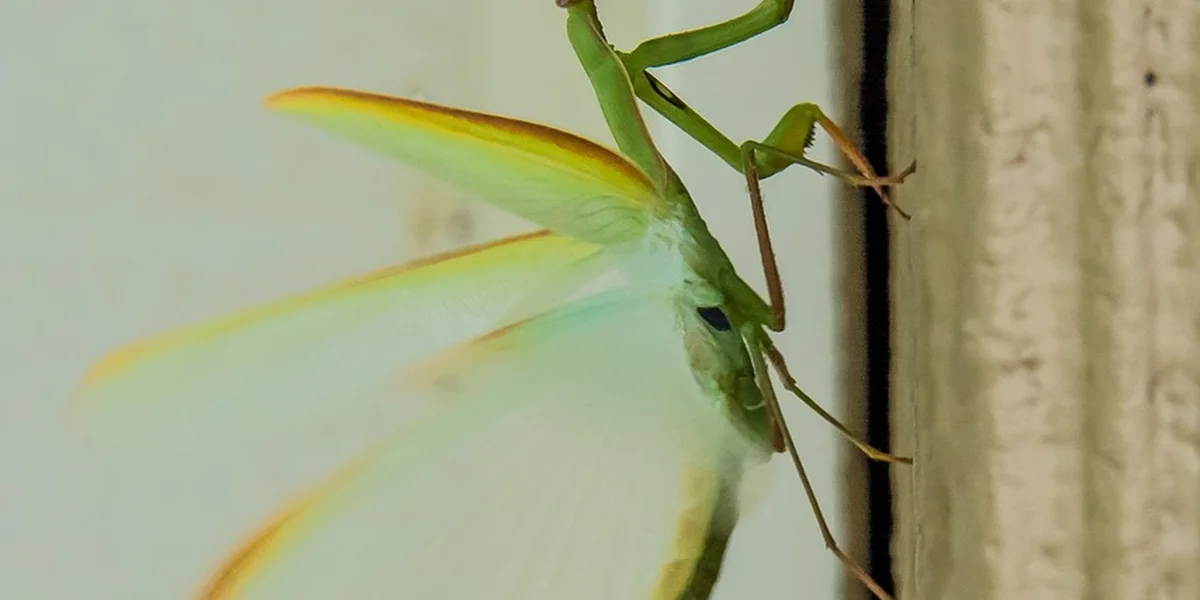
Molting is a vulnerable time for your mantis, where even small environmental errors can have serious consequences. We see failed molts most often when humidity is too low, leaving the old exoskeleton stiff and difficult to split. Preventing these issues by maintaining proper humidity and providing ample hanging space can prevent most common molting problems. Incomplete molts, where a leg or antenna remains trapped, often stem from a lack of suitable hanging space. A quick check of enclosure conditions can help ensure smooth molts.
Common Causes of Molting Issues
- Low Humidity: The old skin becomes dry and brittle, acting like glue instead of a shed shell.
- Inadequate Perches: Your mantis needs textured surfaces or mesh to grip securely upside-down.
- Nutritional Deficits: A poor diet fails to provide the energy and building blocks for a new exoskeleton.
- Handling or Disturbance: Any stress during the pre-molt lethargic period can interrupt the process.
Creating a Safe Molting Environment
A proper setup makes all the difference. We gently mist the enclosure walls daily when we notice our mantis, like Luna, has stopped eating and her skin appears dull. Proper ventilation is essential for a healthy enclosure. Ensure there is good airflow to prevent mold and stale humidity. Follow these steps for a secure space.
- Increase humidity by 10-15% above normal levels through light, frequent misting.
- Ensure multiple sturdy hanging points from the enclosure ceiling, like twigs or mesh.
- Stop all feeding attempts at least two days before the expected molt.
- Place the enclosure in a quiet, vibration-free area away from direct sunlight.
What to Do If a Molt Goes Wrong
Acting calmly can sometimes save a mantis from a bad molt. Never pull on stuck shed, as this will tear their delicate new body underneath. If a limb is stuck, you can try raising the humidity dramatically by placing a small, warm water bowl nearby to create a localized steam room. For a torso or head that remains trapped, the outcome is often poor, but increasing humidity offers the only chance for the mantis to work itself free.
Dealing with Infections, Injuries, and Parasites
Mantises are resilient, but their small size means health issues can progress quickly. Regular, quiet observation is your best tool for catching problems early, before they become severe. We check our mantises each morning during feeding, looking for changes in posture, appetite, and coloration.
Identifying Fungal and Bacterial Infections
Infections often appear as discolored or unusual spots on the body. A black or brown spot that spreads, especially in a humid enclosure, is a classic sign of a fungal issue. Bacterial problems might show as a cloudy, sunken area on an eye or limb. Both require immediate isolation and a thorough habitat cleaning.
- Fungal Signs: Fuzzy growths, expanding dark patches, lethargy.
- Bacterial Signs: Localized swelling, oozing, loss of appetite.
Spotting Parasitic Infestations and Injuries
Parasites are less common but distressing. Look for tiny mites moving at the leg joints or under the wings, or a mantis that constantly scratches one area. Physical injuries, like a bent leg from a fall or a missing raptorial arm from a fight with prey, are more obvious. Moss once lost a foot to an overly ambitious cricket, reminding us to always offer pre-killed food to vulnerable mantises.
Basic Treatment and Prevention Tips
Quick action can make a significant difference. For minor surface wounds or suspected mites, a tiny dab of raw, unpasteurized honey acts as a natural antiseptic and can smother small parasites. Always move an affected mantis to a simple, clean quarantine enclosure with paper towel substrate.
- Isolate the sick or injured mantis immediately.
- Clean the main enclosure thoroughly with hot water and allow it to dry completely.
- Adjust habitat conditions-often, reducing humidity can halt a fungal outbreak.
- Offer easy-to-eat, pre-killed prey to conserve the mantis’s energy for healing.
Prevention is always simpler than cure. Maintaining a clean habitat with good ventilation is the single most effective way to prevent the vast majority of health issues. Remove uneaten prey and mantis waste promptly to deny bacteria and fungus a place to grow.
Behavioral Issues: Cannibalism, Aggression, and Stress
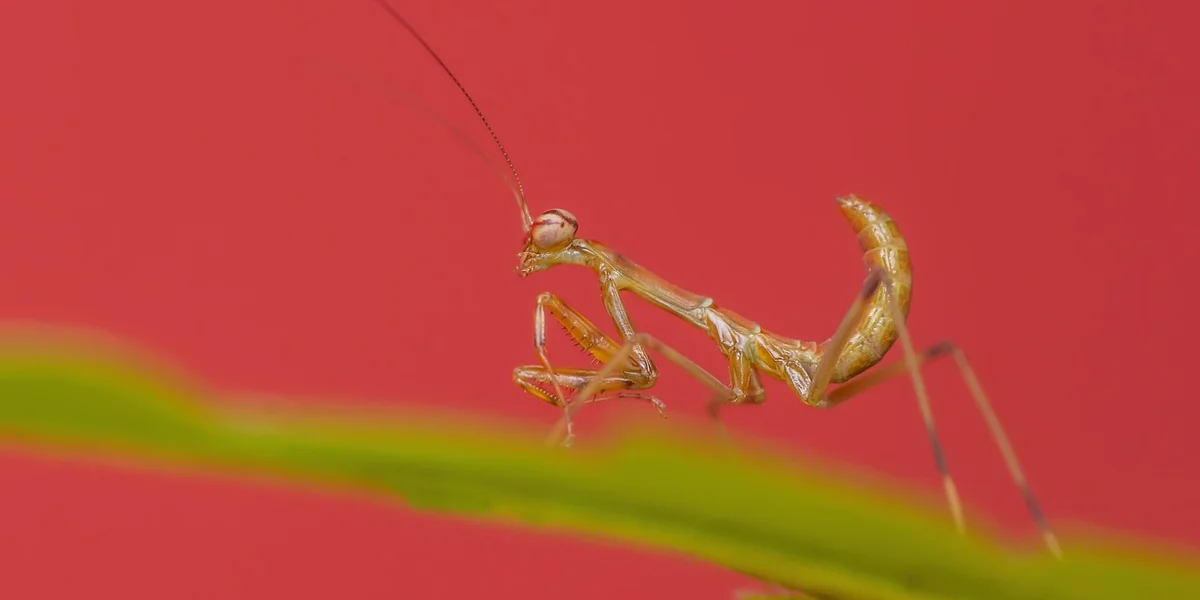
Mantises often display cannibalism and aggression when they feel crowded or hungry. Hunger is the top trigger for these behaviors, especially if prey is scarce or the enclosure feels too small. In our care, we’ve seen Moss, our Giant Asian Mantis, get feisty when his feeding schedule slipped—a reminder to keep portions regular. In a praying mantis feeding schedule species comparative guide, we compare how feeding frequency and prey size vary across species. This helps hobbyists tailor schedules to the needs of each species and avoid aggression.
- Overcrowding: Mantises need personal space to feel secure; housing them together risks fights.
- Mating encounters: Females may attack males after breeding, so supervise closely and separate them post-courtship.
- Resource competition: Limited hiding spots or perches can spark territorial disputes.
Stress shows up in subtle ways, like pacing the enclosure walls or refusing meals. Reducing stress involves creating a calm environment with plenty of cover and stable routines. Luna, our Ghost Mantis, perks up when we add fresh leaves for her to blend into-her gentle head tilts signal she’s at ease.
- Provide hiding places: Use soft, silk plants or bark to mimic natural cover.
- Maintain consistent lighting: Avoid sudden bright lights or loud noises that startle them.
- Monitor handling: Limit interactions to short, gentle sessions to build trust without overwhelm.
Handling mantises requires a soft touch and patience. Always approach from the front with a slow hand, letting them step onto you rather than grabbing. We’ve found that Sprig, the Orchid Mantis, responds best to early morning handling when she’s alert but calm.
- Social dynamics: Keep mantises solo to prevent aggression; they’re not social creatures.
- Watch for stress signs: If they hiss or flail, give them space immediately.
- Build familiarity: Regular, brief handling can help them recognize you as non-threatening.
Proactive Care for a Healthy Mantis
Setting up the right enclosure prevents many health woes. A well-designed habitat supports molting, digestion, and overall vitality through proper substrate and humidity control. We use a mix of coconut fibre and sphagnum moss for substrate, which holds moisture without getting soggy.
- Substrate choices: Opt for organic, pesticide-free materials like soil or peat to maintain humidity.
- Humidity levels: Aim for 50-70% depending on species; mist lightly daily to mimic dew.
- Ventilation: Include mesh tops or side vents to prevent mould and ensure fresh air flow.
Quarantining new mantises is a simple step that wards off illness. Isolate newcomers for at least two weeks to observe for mites or infections before introducing them to your collection. Following a quick, step-by-step quarantine protocol helps ensure you’re covering all bases. When we brought home Moss, a brief quarantine revealed he was healthy and ready to join his own space.
- Set up a separate enclosure: Use a spare jar or small tank with basic furnishings.
- Monitor feeding and behavior: Note any lethargy or unusual spots that could indicate problems.
- Clean tools between uses: Sterilize tweezers or misters to avoid cross-contamination.
Diet plays a huge role in preventing weight issues and nutrient gaps. Offer varied, gut-loaded insects like fruit flies or crickets to ensure a balanced intake of proteins and vitamins. We dust Sprig’s meals with calcium powder occasionally to support her delicate exoskeleton during growth spurts.
- Feeding frequency: Juveniles eat daily; adults can go every 2-3 days to avoid obesity.
- Prey size: Choose insects no larger than the mantis’s head to prevent choking.
- Hydration: Mist the enclosure or offer water droplets on leaves for drinking.
FAQs on Mantis
How can you tell if a mantis has a dietary deficiency?
Look for a dull or soft exoskeleton and unusual lethargy in your mantis. Providing a varied diet with gut-loaded insects can help correct and prevent these issues. In the ultimate mantis health troubleshooting checklist, these signs are flagged as early red flags of illness. Follow the checklist to diagnose causes and apply appropriate remedies if your mantis is sick.
What are signs of parasitic mites in mantises?
Watch for tiny mites moving around leg joints or under the wings, along with constant scratching. Isolate the mantis and consider using natural treatments like raw honey to address minor infestations.
How do you safely quarantine a new mantis to prevent disease?
House the new mantis in a separate, simple enclosure for at least two weeks to observe for any health problems. Clean all handling tools thoroughly between uses to minimize the risk of spreading diseases, especially when transferring a stressed mantis between enclosures.
A Gentle Parting Word for Mantis Keepers
Stay vigilant for subtle shifts in your mantis’s behavior and habitat needs, as early attention can prevent many common issues. When you spot stress signals, check for habitat problems. Addressing those conditions—space, temperature, and humidity—often eases stress and supports recovery. Consistent care routines and a calm, stable environment help your mantis feel secure and thrive.
Embrace the role of a thoughtful guardian by always seeking to deepen your knowledge of mantis health and habits. Your dedication to learning ensures your pet enjoys a comfortable, enriching life under your watchful eye. Before bringing a mantis home, consult a pre-purchase mantis health checklist to look for a healthy specimen. This helps ensure your new pet is active, alert, and free of visible issues.
Further Reading & Sources
- Description of the behavior of praying mantis with particular reference to grooming – PubMed
- r/mantids on Reddit: Understanding mantis behavior (Understanding mantis body language)
- r/barstoolsports on Reddit: figured out whats wrong with mantis
- praying mantis behavior: Topics by Science.gov
Rowan Hale is a lifelong insect enthusiast who fell in love with mantises for their calm presence, alien elegance, and surprising personalities. After years of keeping and raising a variety of species, Rowan shares practical tips, creative insights, and real-world experience to help others enjoy the quiet magic of mantis care. From setting up the perfect enclosure to understanding their subtle behaviors, Rowan invites readers into a gentle, curious world where every tiny movement feels like a discovery.
Common Health Issues