
How Many Species of Praying Mantis Are There? A Global Count
Hello, mantis friend! Have you ever watched a praying mantis hold perfectly still on a leaf, its green body blending into the foliage, and wondered just how many different types exist in our world? Scientists currently recognize over 2,400 species of praying mantis across the globe. Yet arriving at that number is far from simple, as new species are still being found and classifications shift with fresh research.
We will walk through the reasons this count is always evolving and what it means for mantis enthusiasts like us. Getting a clear picture helps us better care for these remarkable insects and protect their diverse habitats. Here are the key points we will uncover together:
- Why the exact species count changes over time
- How mantises adapt to environments from rainforests to deserts
- The role of mantis anatomy and behavior in identification
- Personal observations from tending to mantises like Luna and Moss
Introduction to Praying Mantis Species Diversity
When you start caring for a praying mantis, knowing how many species exist opens up a world of tailored choices for your pet’s well-being. Understanding species diversity lets you match a mantis to your experience level and home setup, ensuring a happier, healthier companion. We find it awe-inspiring to think that from tropical rainforests to arid grasslands, over 2,400 described species offer unique behaviours and care needs-much like selecting a plant from a lush garden where each bloom has its own light and water preferences.
-
Species knowledge guides you in picking mantises with manageable humidity or size requirements, preventing common rookie mistakes. This awareness turns pet selection from a guess into a confident, informed decision. A pre-purchase mantis health checklist helps you verify vitality before bringing one home. Look for signs like active movement, responsive antennae, and a clean, undamaged exoskeleton.
-
The global variety connects directly to your choice-whether you prefer the hardy Giant Asian or the delicate Orchid Mantis. Each species brings a distinct personality, much like how our Moss zips around whilst Luna observes quietly from her perch.
-
Imagine species diversity as a thriving garden where every mantis is a unique flower; some need shade and moisture, others bask in warmth. This analogy helps visualise why research matters before inviting one into your home.
The Science of Mantis Taxonomy and Species Count
Mantodea is the scientific order that includes all praying mantises, and taxonomy is simply how scientists classify them into groups based on shared traits. Experts count species using global catalogues like the Mantodea Species File, which compiles data from research worldwide. Currently, entomologists recognise over 2,400 described species, but this number grows as new ones are found and studied.
-
Morphological variation means mantises can look nearly identical yet belong to different species, complicating counts. Subtle differences in wing shape or colour often reveal separate lineages upon closer inspection.
-
Nomenclature revisions occur when genetic data shows two “species” are actually one, or vice versa. These updates ensure the count reflects true biological diversity, not just naming conventions.
How Entomologists Track Mantis Species
-
Field surveys and specimen collection involve scouting habitats to gather mantises, noting their environment and behaviour. This hands-on work provides the raw material for identifying potential new species.
-
Morphological and genetic analysis compares physical features and DNA to confirm identities and relationships. Combining these methods reduces errors from look-alike species, giving a clearer picture of diversity.
-
Updating global databases with new findings ensures that counts stay current and accessible to researchers and keepers alike. This step turns isolated discoveries into shared knowledge that benefits everyone in the mantis community.
Key Terms in Mantis Species Identification
-
Phylogeny refers to the evolutionary family tree of mantises, showing how species are related over time. Species richness measures how many different types live in an area, highlighting biodiversity hotspots.
-
Type specimens are preserved examples used as references for comparing and naming new species. Identification keys are tools that guide you through traits like leg spines or head shape to pinpoint a mantis’s identity.
-
Regional diversity affects global counts because some areas, like Southeast Asia, host hundreds of species whilst others have few. This uneven distribution means counts can shift as unexplored regions are studied.
Global Distribution and Diversity Hotspots
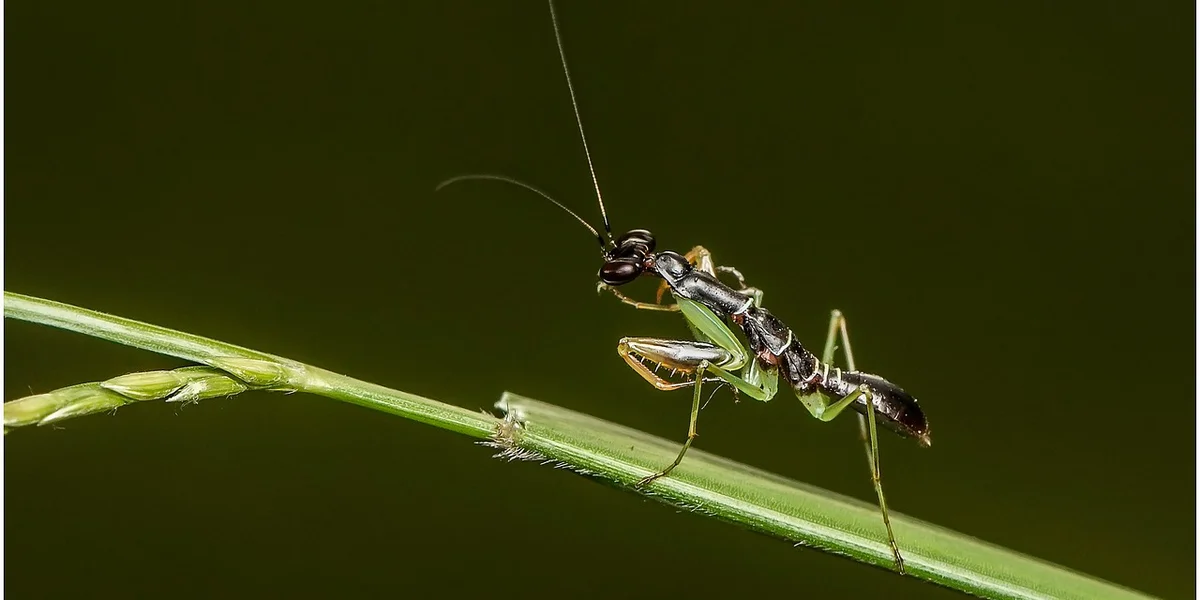
Praying mantises span every continent except Antarctica, thriving in warm climates where insects abound. Their global spread means you can find species adapted to deserts, forests, and even urban gardens, making them fascinating subjects for pet keepers everywhere. Understanding their natural habitat and distribution is crucial for providing appropriate care.
- Geographic distribution shows dense populations in tropical and subtropical zones, with fewer species in temperate areas.
- Regions with the highest species richness include tropical rainforests in the Amazon Basin, Southeast Asia, and Central Africa.
- Countries with the most recorded species are Brazil, Indonesia, and Madagascar, each hosting hundreds of unique mantis types.
- Biome diversity shapes mantis habitats by influencing humidity, temperature, and prey availability, which directly affects their survival and behavior.
Regional Highlights of Mantis Species
Asia boasts incredible variety, from the vibrant Giant Asian Mantis to delicate flower mimics, while Africa shelters species like the Spiny Flower Mantis with its thorny appearance. In the Americas, native species such as the Carolina Mantis adapt well to seasonal changes, offering insights for indoor care.
- Compare diversity: Asia leads in numbers, Africa in unique adaptations, and the Americas in widespread hardy species.
- Introduced species outside native ranges include the European Mantis in North America, often thriving in gardens without disrupting local ecosystems.
- Link regional traits to pet care: Tropical Asian species may need higher humidity setups, whereas African desert types prefer drier enclosures.
Major Mantis Families and Their Characteristics
Mantidae, the largest family, includes common pets like the Chinese Mantis, known for its size and hardy nature. Each family plays a distinct ecological role, from ground-dwelling hunters to arboreal specialists that blend into foliage.
- Prominent families include Mantidae, Hymenopodidae (flower mantises), and Empusidae, with examples like the Orchid Mantis for its petal-like camouflage.
- Ecological roles range from generalist predators to niche hunters, with morphological variations in size, color, and wing development aiding their survival.
- Connect family traits to pet choices: Mantidae species are often beginner-friendly due to their resilience, while Hymenopodidae require more precise humidity control.
- Personal anecdotes: Caring for Moss, our Giant Asian Mantis, taught us how active and curious Mantidae can be, often exploring new branches with energetic strikes.
Common Families for Pet Mantis Enthusiasts
Families like Mantidae and Hymenopodidae are popular among keepers for their striking looks and manageable care. Choosing based on family characteristics helps match a mantis to your experience level and enclosure setup, ensuring a happier pet.
- Highlight families often kept as pets: Mantidae for beginners, Hymenopodidae for those seeking visual appeal, and Empusidae for unique behaviors.
- Note differences: Mantidae tend to be larger and green or brown, Hymenopodidae display bright colors and slower movements, and Empusidae may have elaborate appendages.
- Suggest how to choose: Opt for Mantidae if you are new to mantis care, as their hardy nature forgives minor mistakes in humidity or feeding.
Conservation Status and Global Threats

While many praying mantis species thrive across the globe, some face real extinction risks due to human activities and environmental shifts. Habitat loss from deforestation and urban expansion is a primary threat, stripping away the dense foliage and diverse ecosystems mantises rely on for hunting and shelter. Unlike well-maintained artificial habitats for pet mantises, natural environments are being rapidly degraded.
- Discuss extinction risk for certain species: Rare or specialized mantises, like those in isolated rainforests, are most vulnerable as their limited ranges make recovery difficult.
- List threats like habitat loss and climate change: Beyond deforestation, climate change alters seasonal patterns, disrupting breeding cycles and food availability for insects.
- Emphasize conservation efforts and ethical pet keeping: Supporting protected areas and choosing captive-bred mantises helps reduce pressure on wild populations.
- Mention how pet owners can support species preservation: By sourcing from ethical breeders and sharing knowledge, we contribute to conservation awareness.
Impact of Environmental Changes on Mantis Species
- Step 1: How habitat loss reduces species richness: When forests are cleared, mantis populations fragment, leading to fewer interactions and genetic diversity among species.
- Step 2: Effects of climate change on geographic distribution: Rising temperatures can force mantises to migrate or adapt, but some cannot keep pace, risking local extinctions.
- Step 3: Ways to mitigate risks in home terrariums: We mimic stable conditions by using thermostats and humidifiers, creating a safe haven that buffers against external changes.
Applying Global Knowledge to Pet Mantis Care
Understanding the vast diversity of mantis species helps you select a pet that matches your home environment and care abilities. Each species carries clues from its native land, guiding everything from humidity levels to feeding routines in your setup. For beginners, choosing the right mantis species is a smart first step. It helps keep care simple and sets you up for success.
- Relate species diversity to choosing the right pet mantis: Beginners might start with hardy species like the Giant Asian Mantis, while experts can try delicate ones like the Orchid Mantis.
- Explain how origin affects care, like humidity and diet: A mantis from tropical regions needs frequent misting and varied prey, unlike desert dwellers that prefer drier conditions.
- Offer tips for mimicking natural biomes in enclosures: Add live plants and bark to recreate a forest floor, or use sand and rocks for arid species, enhancing their comfort.
- Share personal experiences with different species in captivity: Our Ghost Mantis, Luna, thrived in a humid, leafy terrarium, while Moss, the Giant Asian, loved climbing branches we foraged locally.
Practical Tips from Global Insights
Drawing from global mantis habitats, we can fine-tune care to keep our pets healthy and content. Using identification keys or online resources lets you pinpoint your mantis’s species and tailor its environment precisely. To support a healthy pet mantis, assemble a complete supplies checklist covering enclosure, substrate, humidity, heating, and appropriate food. Keeping track of these essentials helps ensure steady care.
- Use identification keys to learn about your mantis: This helps you understand its life cycle and specific needs, preventing common care mistakes.
- Adapt care based on species’ native regions: Research rainfall and temperature patterns to set up enclosures that feel like home, reducing stress.
- Encourage responsible sourcing to protect wild populations: Opt for breeders who prioritize sustainability, ensuring your hobby doesn’t harm natural ecosystems.
FAQs on Mantis
How many mantis species are endangered globally?
Comprehensive data is limited, but conservationists estimate that a small number of mantis species are threatened with extinction due to factors like habitat destruction. As pet enthusiasts, choosing captive-bred mantises helps reduce pressure on vulnerable wild populations.
Where are mantis species introduced outside their native range?
Mantis species have been introduced to regions such as North America and Europe, where they often adapt to local gardens and urban areas. Knowing about these introductions can guide ethical pet ownership by avoiding releases that might disrupt ecosystems, as non-native mantis species can be harmful to local ecosystems.
What is the evolutionary history of mantis species worldwide?
Mantises have evolved over millions of years, diversifying into various families with unique adaptations for camouflage and hunting. Understanding this history can enrich pet care by appreciating the natural behaviors and traits of different species in captivity. They vary in hunting strategies, from ambush to active stalking. Observing how mantises hunt—where they watch, when they strike, and how they use their vantage point—reveals the depth of their hunting behavior and helps tailor care in captivity.
Final Reflections on Mantis Diversity and Care
With thousands of praying mantis species worldwide, selecting one suited to your home setup ensures a smoother start. Researching species-specific needs helps you create a comfortable habitat from day one. Understanding essential habitat requirements is key to a healthy praying mantis. When you tailor enclosure size, humidity, and temperature to the species, your mantis stays healthy and stress-free.
As mantis keepers, we must always prioritise our pet’s well-being through attentive care and proper enclosures. Staying informed about mantis behaviour and health lets you grow alongside your fascinating insect friend. A care pet praying mantis complete handling behavior guide can help translate that knowledge into confident, safe handling. It also covers signs of stress, posture, and the basics of daily care to keep your mantis thriving.
Further Reading & Sources
- Mantis – Wikipedia
- Praying Mantis | National Geographic Kids
- Praying mantis, facts and photos | National Geographic
- Praying Mantis Facts
Rowan Hale is a lifelong insect enthusiast who fell in love with mantises for their calm presence, alien elegance, and surprising personalities. After years of keeping and raising a variety of species, Rowan shares practical tips, creative insights, and real-world experience to help others enjoy the quiet magic of mantis care. From setting up the perfect enclosure to understanding their subtle behaviors, Rowan invites readers into a gentle, curious world where every tiny movement feels like a discovery.
Common Species