
Ghost Mantis (Phyllocrania paradoxa) Care Guide for Beginners
Published on: June 16, 2026 | Last Updated: June 16, 2026
Written By: Rowan Hale
Hello, mantis friend! The Ghost Mantis drifts into view like a wisp of autumn leaf litter, its delicate form and cryptic colours inviting you into a world of quiet wonder. Watching one perch motionless, you might almost miss it-until it turns its head with thoughtful curiosity.
Caring for a Ghost Mantis is a gentle, manageable journey that brings daily moments of fascination and calm. With the right approach, your new companion will settle in beautifully.
We know starting out can feel a bit intricate, but we’ve distilled the essentials into clear, easy steps. Here’s a quick look at what we’ll cover together.
- Choosing and setting up a simple, safe enclosure
- Feeding your mantis with confidence and care
- Supporting healthy molts and handling with respect
- Spotting signs of well-being and common issues
Meet Your Ghost Mantis: Understanding Phyllocrania paradoxa
Ghost Mantis Appearance and Lifespan
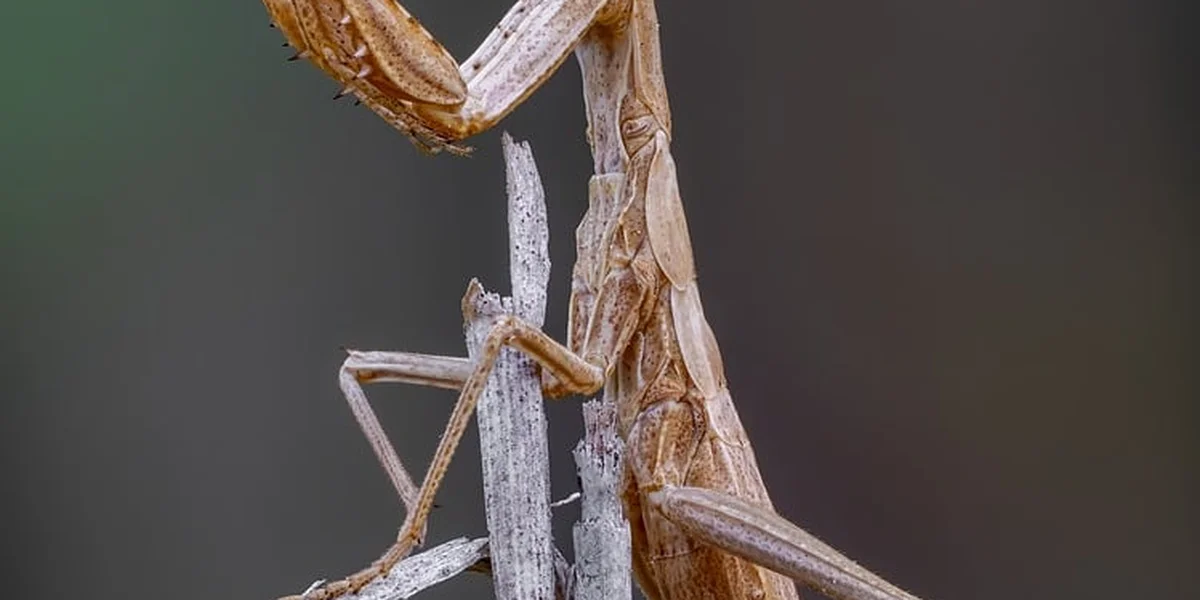
Ghost mantises boast a delicate, leaf-like appearance with misty brown or green hues and intricate frills that help them blend into foliage. Their camouflage is so effective they often resemble dried leaves swaying in a gentle breeze, making them masters of disguise in their natural habitat. From nymph to adult, they undergo several molts, each stage revealing more of their elegant form; my own Ghost Mantis, Luna, has a thoughtful way of tilting her head before striking, adding to her enigmatic charm.
These mantises typically live for about 6 to 12 months, with females often outlasting males due to their slightly larger size and slower metabolism. Providing consistent care through each life stage ensures they thrive, much like tending a slow-growing plant that rewards patience with quiet beauty. In captivity, their average mantis lifespan in captivity generally remains within this 6–12 month window when kept under stable temperatures and reliable food. You will notice subtle changes in colour and texture as they age, with adults developing fuller frills and a more pronounced, statuesque posture.
- Appearance features muted colours, frilled limbs, and a slender body that mimics dead leaves.
- Lifespan ranges from 6 months for males to up to a year for females, influenced by diet and environment.
- Growth involves regular molting; handle with care during this fragile period to avoid stress.
Why Ghost Mantises Are Perfect for Beginners
Ghost mantises are ideal for newcomers because of their calm demeanor and low maintenance needs. Unlike more aggressive species, they rarely show territorial behavior, making them a peaceful addition to any home setup. We have found that their slow movements and tendency to perch for hours reduce the risk of escape or injury, giving beginners confidence as they learn.
Their hardy nature means they tolerate minor fluctuations in temperature and humidity, which is common in household environments. With a diet of small insects like fruit flies or pinhead crickets, feeding is straightforward and less daunting for those new to insect care. For a fuller feeding plan, you can consult a comprehensive list of insects mantises eat. It helps ensure you provide a balanced menu with options beyond fruit flies and pinhead crickets. Think of them as the gentle guardians of the mantis world, offering a soothing introduction to pet keeping without overwhelming demands.
- Docile temperament reduces handling risks and eases bonding.
- Adaptable to typical room conditions, forgiving occasional caretaker errors.
- Simple feeding requirements using readily available live prey.
Setting Up a Cozy Ghost Mantis Home
Choosing the Right Enclosure Size
Select an enclosure that allows your mantis to move freely but feels secure, like a small terrarium or repurposed glass jar for juveniles. A good rule is to choose a container at least three times the mantis’s length in height to support climbing and molting without crowding. Note that different mantis species have species-specific enclosure needs. When selecting a home, tailor the size and features to the species you are keeping to ensure proper habitat and behavior. For adults, a 12x12x20 cm enclosure works well, providing ample space for perching and hunting while maintaining a cozy atmosphere.
We often use clear plastic or mesh-sided habitats to ensure proper ventilation and visibility. Avoid overly large enclosures for young nymphs, as they can struggle to find food and may feel exposed, leading to stress. My mantis Moss, a Giant Asian variety, taught me that the right size encourages natural behaviors like exploring and resting in elevated spots.
- Juveniles thrive in smaller setups like 500 ml containers, upgrading as they grow.
- Adults need taller enclosures with vertical space for molting and perching.
- Ensure the lid is secure but breathable to prevent escapes and maintain airflow.
Creating the Ideal Environment: Temperature and Humidity
Maintain a temperature between 22°C and 28°C using a low-wattage heat mat or room heater, avoiding direct heat sources that could dry out the enclosure. Consistent warmth mimics their native tropical habitats, promoting healthy digestion and activity levels throughout the day. We have noticed that a slight drop at night to around 18°C is natural and helps simulate their wild rhythm.
To set up the perfect humidity level in your praying mantis enclosure, use a controlled misting routine and a reliable hygrometer. This helps you dial in the right moisture for healthy molts. Humidity should stay at 60% to 80%, achieved by misting the enclosure with warm water once or twice daily. The earthy scent of freshly dampened substrate not only boosts humidity but also encourages drinking, as ghost mantises often sip droplets from leaves. Use a hygrometer to monitor levels, adjusting misting frequency to prevent mold while keeping the air comfortably moist for molting.
- Check temperature daily with a thermometer, placing heat sources on one side for gradient.
- Mist lightly in the morning and evening, focusing on decor rather than the mantis directly.
- Watch for condensation on walls as a sign of balanced humidity, tweaking as needed.
Safe Substrate and Decor Tips
Choose a substrate like coconut fiber or paper towels for moisture retention and easy cleaning, avoiding soils with fertilizers or sharp particles. This layer acts as a soft carpet that holds humidity and reduces stress, much like forest floor litter in their natural setting. We prefer eco-friendly options that are biodegradable and safe if ingested accidentally during feeding.
Add decor such as thin branches, silk plants, or dried leaves for climbing and hiding, ensuring all items are securely placed to prevent falls. Natural elements not only enhance the enclosure’s beauty but also provide mental stimulation, encouraging your mantis to exhibit wild-like behaviors such as stalking and perching. My orchid mantis Sprig loves weaving through faux flowers, showing how decor can boost confidence in shy individuals.
- Substrate options include coconut coir, sphagnum moss, or plain paper towels for simplicity.
- Decor should be non-toxic and free of pesticides, with varied heights for exploration.
- Clean and replace substrate monthly to prevent bacterial growth and maintain a fresh environment.
Feeding Your Ghost Mantis: Prey and Schedule
What to Feed and How Often
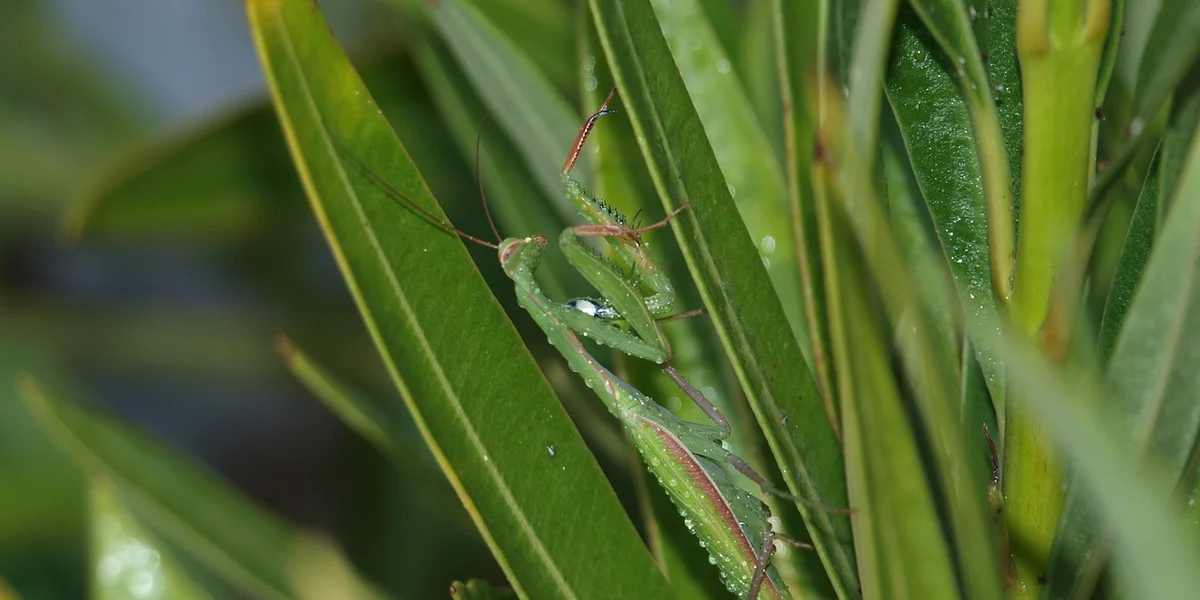
Ghost mantises thrive on small, soft-bodied insects that match their delicate size and hunting style. We recommend starting with flightless fruit flies for young nymphs, then moving to small crickets or houseflies as they grow. Their appetite changes with each life stage, so adjust portions to keep them nourished without overloading.
For a clear feeding routine, follow this simple schedule based on age:
- Nymphs (L1-L3): Offer food every 2-3 days, using pinhead crickets or fruit flies.
- Subadults: Feed every 4-5 days with slightly larger prey like small crickets.
- Adults: Provide meals every 5-7 days, using houseflies or similar-sized insects.
Watch how your mantis responds during feeding-Luna, our ghost mantis, often tilts her head slowly before striking, a sign she’s ready. Always choose prey that’s smaller than the mantis’s head to prevent injury and ensure easy digestion. A varied diet helps mimic their natural foraging, so rotate between flies and crickets for balanced nutrition.
Avoiding Common Feeding Mistakes
Many new owners accidentally stress their mantis by using prey that’s too large or aggressive. Avoid feeding wild-caught insects, as they might carry pesticides or parasites that harm your pet. Stick to captive-bred options for safety and consistency. The most common health and behavior issues in pet mantises are stress-related, often from improper feeding or housing. Being aware of these patterns helps you prevent problems early.
Here are key mistakes to steer clear of:
- Overfeeding: This can lead to obesity or difficulty molting. Offer just enough that your mantis eats within a few hours.
- Leaving uneaten prey: Remove any uneaten insects to prevent them from bothering or injuring your mantis.
- Ignoring hydration: Mist the enclosure lightly before feeding to provide water, as mantises often drink droplets from leaves.
We’ve seen Moss, our giant Asian mantis, get fussy if prey is too lively-so crush the heads of larger insects slightly to slow them down. Hand-feeding with soft-tipped tweezers can build trust and reduce chase stress for shy individuals. Keep feeding sessions calm and predictable to support their well-being.
Molting and Health: Keeping Your Mantis Happy
Recognizing and Supporting Molting
Molting is a vulnerable time when your mantis sheds its old exoskeleton to grow. You’ll notice signs like reduced appetite, lethargy, and hanging upside down from a secure spot. If you’re wondering whether these signals indicate an imminent molt, they usually do. Signs of imminent mantis molt can help you prepare a safe enclosure. The air fills with a quiet tension as they prepare, much like the stillness before a soft rain.
To support a smooth molt, follow these steps:
- Increase humidity by misting the enclosure lightly-aim for 60-70% to soften the old skin.
- Ensure plenty of vertical climbing space with twigs or mesh for them to grip securely.
- Avoid disturbing them completely; even gentle touches can cause falls or molting errors.
Sprig, our orchid mantis, once molted under warm light, her new petals emerging shimmering and perfect. After molting, wait at least 24 hours before offering food to let their new exoskeleton harden properly. A successful molt leaves them brighter and more active, ready to explore their tiny world anew.
Monitoring for Health Issues
Regular checks help catch problems early, from dehydration to infections. Look for clear eyes, smooth movements, and a plump abdomen as signs of good health. Any changes in behavior or appearance warrant closer attention.
Common issues and what to do:
- Dehydration: Shrivelled abdomen or lethargy-mist more frequently and offer water droplets.
- Injury: Broken limbs or difficulty moving-isolate in a smaller, safe container to reduce stress.
- Molting issues: Stuck skin or incomplete sheds-raise humidity gently and avoid handling.
We keep a small journal for each mantis, noting feeding times and molts to spot patterns. If your mantis stops eating for over a week without molting signs, consult a vet experienced with invertebrates. Watch for hunger cues: a hungry mantis will eagerly stalk and grab prey. When full, it may ignore offered food for a day or two. For more information on recognizing these signs, you can read about them here. A healthy mantis moves with purpose, its delicate form a testament to your careful stewardship.
Handling and Observing Your Ghost Mantis Safely
How to Handle With Care
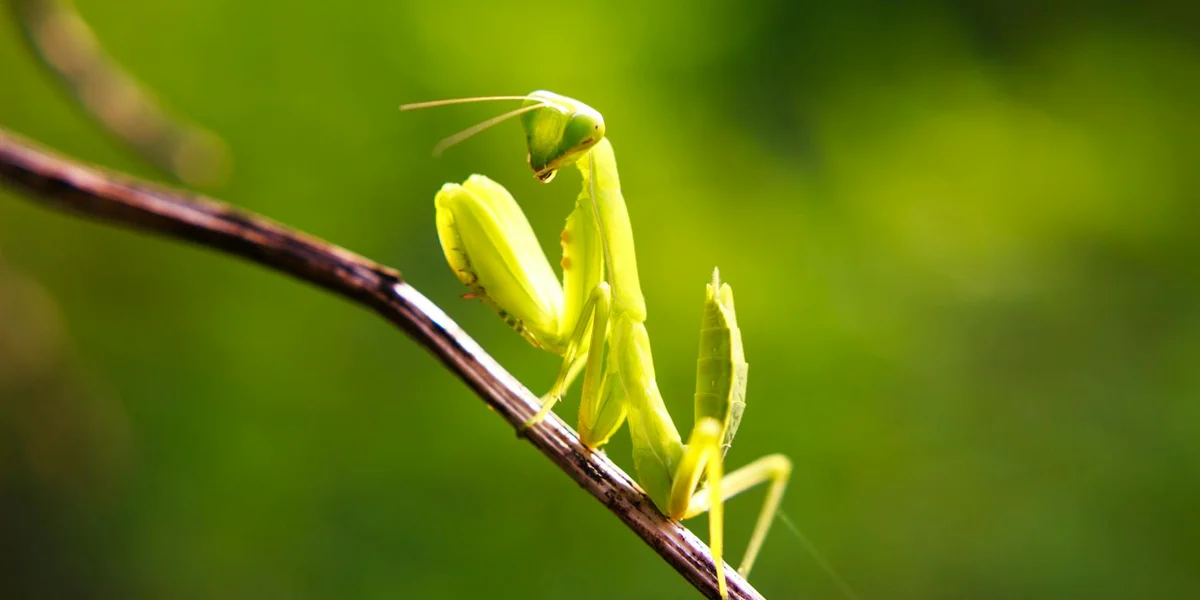
Handling your Ghost Mantis should be a rare, gentle event to keep stress low and prevent injury. Always use slow, deliberate movements to let your mantis feel secure and in control. Start by placing your hand near them and allowing them to step onto you willingly; never grab or force them.
We find that our Ghost Mantis, Luna, responds best when we handle her just after she’s eaten and is feeling calm. Keep handling sessions short-under five minutes-and always do it over a soft surface like a towel to cushion any accidental falls. Their delicate legs can snap easily, so support their body fully with your palm or fingers.
- Wash your hands with warm water first to remove any scents or residues.
- Approach from the front so they can see you coming.
- Let them walk onto your hand; avoid touching their abdomen or wings.
- Return them gently to their enclosure if they show signs of stress, like rapid movement or rearing up.
Ghost Mantises are not pets for frequent cuddling; they thrive on observation. Minimising handling helps mimic their natural, undisturbed life in the wild. We’ve noticed Luna becomes more active and curious when we respect her space, often tilting her head as if studying us back.
Enjoying Quiet Observation
Quiet observation lets you appreciate your Ghost Mantis’s unique behaviours without causing them distress. Set up a comfortable spot near their enclosure where you can watch without casting shadows or making sudden noises. Their leaf-like camouflage and slow, deliberate movements are a joy to witness over time.
We love watching Luna during her evening hours, when she might stretch her legs or groom her antennae with delicate precision. Notice how they respond to light and humidity changes; a soft rustle might mean they’re preparing to molt or hunt. Use a small notebook to jot down patterns, like feeding times or favourite perches.
- Observe from a distance to avoid startling them.
- Use dim lighting to see their natural colours and textures.
- Listen for subtle sounds, like the whisper of molting skin or the tap of feet on branches.
- Take photos to track growth and health over weeks.
Observation builds a deeper connection and helps you spot early signs of issues. Regular, peaceful watching teaches you their rhythms and needs better than any guide. Luna’s quiet presence reminds us that these creatures offer a window into a slower, more mindful world.
Troubleshooting Common Beginner Questions
When Your Mantis Won’t Eat or Molt Properly
If your Ghost Mantis refuses food, it’s often due to stress, upcoming molting, or incorrect prey size. Check that live food like fruit flies or small crickets are no larger than the space between their eyes to prevent choking. Sometimes, they fast for a day or two before shedding their skin, which is normal.
We’ve seen Moss, our Giant Asian Mantis, go off food when humidity drops too low. Maintain enclosure humidity around 60-70% by misting with warm water daily, especially before a molt. If they don’t eat after three days, try offering a different prey type or gently warming the habitat with a low-wattage bulb.
- Ensure prey is alive and moving to trigger their hunting instinct.
- Remove uneaten food after an hour to keep the enclosure clean.
- Watch for molting signs: lethargy, hanging upside down, or whitish skin.
- If molting fails, increase humidity and avoid disturbing them entirely.
Molting issues can stem from low humidity or insufficient climbing surfaces. Provide plenty of vertical branches and silk plants for them to grip securely during this vulnerable time. Sprig, our Orchid Mantis, once struggled until we added a small mesh panel for better footing.
Ensuring Long-Term Safety and Comfort
Long-term care focuses on consistent habitat checks and gentle adjustments to keep your Ghost Mantis thriving. Inspect the enclosure weekly for hazards like sharp edges, mold, or escape routes around lids. We use a simple magnifying glass to examine Luna’s frills and legs for any signs of damage or parasites.
Rotate and clean décor with a mild vinegar solution to prevent bacterial buildup. Replace substrate every few months to maintain a fresh, earthy scent and reduce stress from overcrowded conditions. Keep the temperature steady between 22-28°C using a small heat mat if needed, but avoid direct heat sources.
- Monitor for common health issues: lethargy, discoloration, or loss of appetite.
- Ensure ventilation is adequate to prevent stagnant air without causing drafts.
- Use natural materials like cork bark or dried leaves to mimic their habitat.
- Record feeding and molting dates in a journal to track patterns.
Regular, gentle care builds a foundation for a happy, long-lived mantis. Small, attentive changes make a big difference in preventing problems before they start. We’ve found that Moss enjoys a occasional spritz of warm water, which seems to soothe him and keep his colours vibrant.
Questions from Fellow Mantis Friends
What should I look for in a ghost mantis care sheet?
A reliable care sheet summarizes key aspects like enclosure setup, feeding routines, and molting support. It helps beginners quickly reference essential information without sifting through lengthy guides.
How does ghost mantis care differ in the UK climate?
In the UK, use a heat mat to maintain stable temperatures despite cooler indoor conditions. Increase misting frequency to counteract dry air from central heating, ensuring proper humidity for molting.
Where can I find a PDF care guide for ghost mantises?
Many online invertebrate communities and pet supply sites offer free PDF care guides for download. Store a digital copy on your device for easy access during routine checks or emergencies.
Your Ghost Mantis Care Adventure Continues
We suggest providing a well-ventilated, humid enclosure with climbing branches and feeding small, live insects like fruit flies. Regularly mist the habitat and observe your mantis’s behaviour to catch any early signs of moulting or stress. These are essential habitat requirements that promote a healthy praying mantis. Proper conditions support moulting and overall health.
As keepers, we must always prioritize our mantis’s comfort and safety by adjusting care based on its unique needs. A complete care, handling, and behavior guide for pet praying mantis helps translate these principles into daily practice. Stay curious and connected with fellow enthusiasts to keep growing your knowledge and skills in pet mantis care. It offers practical steps on safe handling, observation, and enrichment.
Further Reading & Sources
- Ghost Mantis Care Sheet | Dubia.com
- Ghost Mantis Care Sheet (Phyllocrania paradoxa) – Mantis Universe
- ghost mantis care guide – Marshall Arachnids
- Ghost Mantis – Portland Insectarium
Rowan Hale is a lifelong insect enthusiast who fell in love with mantises for their calm presence, alien elegance, and surprising personalities. After years of keeping and raising a variety of species, Rowan shares practical tips, creative insights, and real-world experience to help others enjoy the quiet magic of mantis care. From setting up the perfect enclosure to understanding their subtle behaviors, Rowan invites readers into a gentle, curious world where every tiny movement feels like a discovery.
First-Time Mantis Owners