
Your First Pet Mantis: A Week-by-Week Care Guide for New Owners
Published on: December 6, 2025 | Last Updated: December 6, 2025
Written By: Rowan Hale
Hello chap, and welcome to the gentle art of mantis keeping! There’s a special quiet in watching a mantis-like my Ghost Mantis, Luna, with her misty brown frills-tilt her head in thoughtful stillness before a careful step.
This guide walks you through each week of your mantis’s early life, offering practical, experience-based steps to create a thriving home for your new insect friend.
Starting out can feel like a delicate balance of humidity, temperature, and feeding schedules, but we’ll make it simple and reassuring.
Here are the key pieces you’ll gather from our week-by-week journey:
- How to set up a safe, breathable enclosure right from day one.
- A clear feeding plan that adapts as your mantis grows.
- Simple ways to spot healthy molts and keep your pet comfortable.
Before You Begin: Choosing Your Mantis and Gear
Selecting the right mantis species sets the stage for a joyful journey. For beginners, choosing the right mantis species is essential to ensure a smooth start. We recommend beginners start with hardy, calm-natured types like the Ghost Mantis or Giant Asian Mantis. These species forgive minor missteps and adapt well to captive life, making your first experience much smoother. Consider your lifestyle—some mantises are more active, whilst others prefer to perch quietly, observing their world. Take time to compare options and pick a match that fits your routine.
| Species | Adult Size | Temperament | Care Difficulty |
|---|---|---|---|
| Ghost Mantis | 1.5 – 2 inches | Very calm, slow-moving | Easy |
| Giant Asian Mantis | 3 – 4 inches | Curious, moderately active | Easy |
My Ghost Mantis, Luna, embodies that gentle patience-she moves like a drifting leaf, always taking her time. Starting with a species known for resilience lets you focus on learning care basics without constant worry.
Gather your gear before your mantis arrives. Having everything ready prevents last-minute scrambles. A prepared habitat means your new friend can settle in straight away, reducing stress for both of you. For a healthy praying mantis, meeting essential habitat requirements is key. Knowing what those requirements are helps you keep your mantis healthy and comfortable. Here is what you will need:
- Enclosure: A small terrarium or mesh cage, at least three times the mantis’s height.
- Substrate: Coconut fiber or peat moss to hold moisture.
- Climbing decor: Twigs, thin branches, or artificial plants for perching.
- Misting bottle: For fine water sprays to maintain humidity.
- Small water dish: A bottle cap or shallow dish, kept very shallow.
- Thermometer and hygrometer: To monitor temperature and humidity levels easily.
Choose a healthy mantis from a trusted breeder. Look for active movement, clear eyes without cloudiness, and intact limbs. Avoid individuals that seem lethargic or have difficulty clinging. A reputable breeder will answer questions about the mantis’s age and feeding history, giving you a solid start.
Week One: Welcome Home and First Steps
Bring your mantis home with a calm approach. Keep handling to a bare minimum this week. Let your mantis explore its new space undisturbed, which helps it feel secure faster. We often want to interact, but patience now builds trust later.
Follow these simple steps for the initial setup:
- Gently place your mantis in the habitat using a soft brush or by coaxing it onto a stick.
- Perform the first misting, lightly spraying the enclosure walls and decor to boost humidity.
- Offer small live food, like fruit flies or aphids, placed near where the mantis is perched.
Use this daily observation checklist to track your mantis’s adjustment:
- Appetite: Does it show interest in food?
- Activity: Is it moving to different perches or staying still?
- Hydration: Check if it drinks water droplets from misted leaves.
Maintain a stable environment with good airflow. Proper ventilation prevents mold growth, while consistent warmth supports digestion and activity. Here are the ideal conditions for most beginner species:
| Aspect | Ideal Range |
|---|---|
| Temperature | 22°C – 28°C (72°F – 82°F) |
| Humidity | 60% – 70% |
| Lighting | Indirect natural light or low-wattage bulb |
Setting Up the Habitat
Create a cosy, secure home before your mantis arrives. A well-set enclosure mimics the humid, earthy nooks mantises find in nature, promoting natural behaviours. A naturalistic, safe habitat supports healthy behavior and stress-free observation. By prioritizing safety and natural features from the start, you’ll create a thriving home for your praying mantis. Follow these numbered steps for a smooth setup:
- Clean the container with warm water-avoid soaps or chemicals that leave residues.
- Add a layer of substrate, about one to two inches deep, to help with humidity.
- Arrange climbing branches and leaves, ensuring multiple perch points at different heights.
- Secure the lid with fine mesh or ventilation holes to allow airflow but prevent escapes.
Position the habitat in a quiet spot with gentle, indirect light. Think of it as crafting a miniature greenhouse, where the air feels softly damp and the lighting is dappled, like under a forest canopy. My mantis Moss thrives in such a setup, his emerald green body vivid against the fresh branches.
First Feedings and Hydration
Nymphs, or young mantises, need tiny, live prey. Offering appropriately sized food prevents intimidation and ensures successful hunting. Start with flightless fruit flies or pinhead crickets, which are easy for small mantises to catch.
Feed every two to three days, providing one or two prey items at a time. Overfeeding can stress your mantis, so observe if it eats readily before offering more. For hydration, mist the enclosure leaves lightly each morning, creating droplets for drinking. If using a water dish, keep it shallow—a bottle cap works—and change water daily to avoid bacteria. Always supervise to prevent any risk of drowning, as mantises are not strong swimmers. Often mantises do need water, primarily from drinking droplets rather than standing pools. A complete hydration guide recommends daily misting and using a shallow water source only under supervision to prevent drowning.
Monitoring Health in Week One
Watch for subtle signs that indicate how your mantis is settling in. Early detection of issues allows for quick adjustments, keeping your mantis comfortable and healthy. Be alert for these common warnings:
- Lethargy or unusual stillness for long periods.
- Refusal to eat over several days.
- Discolored or darkened skin, which might signal impending molt or stress.
- Difficulty molting, such as remaining stuck in old skin.
Establish a simple health check routine each day. Spend a few minutes observing your mantis’s posture-it should stand tall with a slight arch, not slumped. Check for any injuries on limbs or antennae, and ensure the humidity stays consistent with your hygrometer readings. This quiet vigilance helps you catch problems before they grow, giving your mantis the best start in its new home. If you notice anything off, reference the ultimate mantis health troubleshooting checklist to help diagnose why your mantis seems sick. Keeping a simple symptom log will make that checklist more effective.
Week Two: Routine Care and Molting Watch
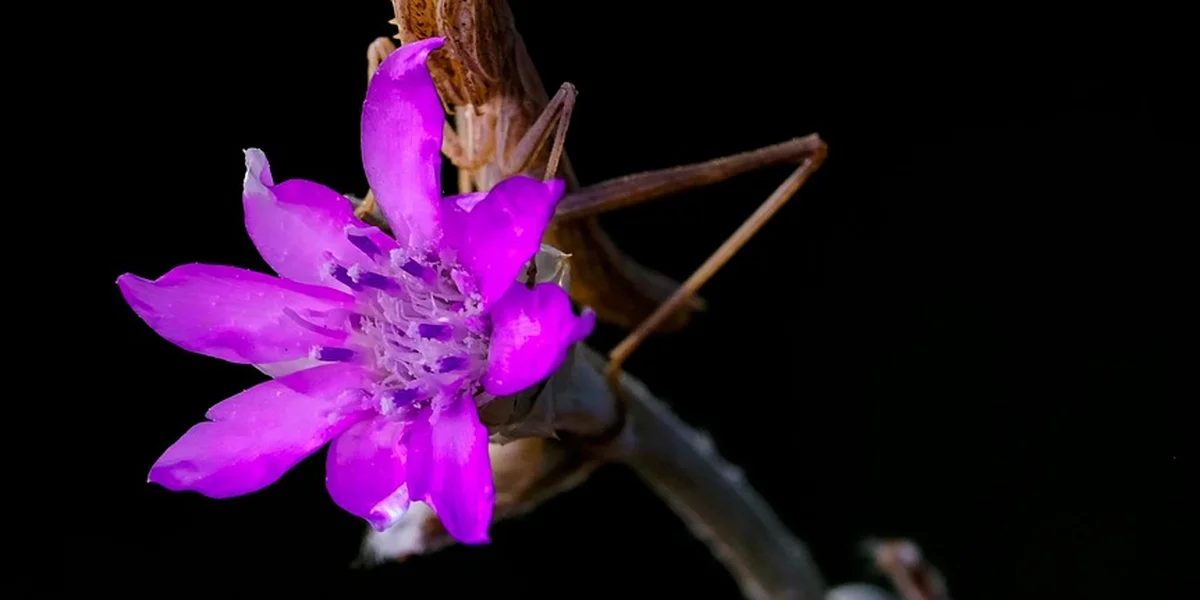
Your mantis is now acclimating to its new home, and this week focuses on building a calm, predictable routine. Setting regular misting and feeding times creates a secure environment where your mantis can thrive. We like to mimic the gentle predictability of a greenhouse schedule, with morning misting and evening checks. My ghost mantis, Luna, always perks up when her habitat gets that soft, early spray, her frills trembling with tiny droplets.
Stay alert for molting signs, a quiet but critical process. You might notice reduced appetite, long periods hanging upside down from the mesh, or an unusual increase in stillness. Moss, my giant Asian mantis, becomes a vivid green statue for days before a molt, barely twitching even for a passing fly. This is perfectly normal behavior signaling a growth spurt.
When you see these signs, take a few simple steps to support a successful molt. Boost humidity slightly with an extra, gentle mist using lukewarm water, avoid any enclosure disturbances, and double-check that plenty of climbing space is available overhead. A stressed mantis can fall during molting, so we keep the room quiet and lights dim. I often drape a light cloth over Sprig’s enclosure when she’s preparing, which seems to soothe her.
As your mantis grows, its appetite will change. Adjust feeding schedules this week, offering slightly larger prey like small crickets or fruit flies in greater numbers. A good rule is to provide food every two to three days, observing how quickly it’s consumed. This cadence helps establish a complete feeding schedule you can follow as it develops. Keep notes on feeding times to maintain consistency. This gradual increase fuels healthy development without overwhelming your pet.
Feeding Schedule Adjustments
Growth happens quickly, and portion sizes need to keep pace. Increase food amounts gradually, offering one or two more prey items per feeding session than you did in week one. Watch your mantis’s abdomen; a slightly rounded shape after eating is ideal, but a swollen, drum-tight belly means you’ve offered too much.
Here is a list of appropriate live foods for this juvenile stage:
- Small crickets (pinhead size)
- Flightless fruit flies (Drosophila melanogaster)
- Small dubia roach nymphs
- Green bottle flies
Observation is your best tool for gauging health. Take note of hunting behavior; a swift, accurate strike indicates robust appetite and good coordination. If your mantis ignores moving prey or seems sluggish, it might be nearing a molt or require a humidity adjustment. Luna sometimes toys with her food before eating, a quirky habit that reminds me she’s more thoughtful predator than mindless insect.
Managing Humidity and Temperature
Steady humidity and warmth are the bedrock of mantis comfort, preventing bad molts and promoting activity. Maintain these levels using daily misting and thoughtful room placement away from drafts or direct sunlight. A simple spray bottle with warm water works wonders; the gentle steam mimics a dewy morning in their natural habitat. We often place enclosures on interior shelves, where room temperature stays consistent.
Use this table as a quick reference for ideal ranges among common pet species:
| Species | Temperature Range (°C) | Humidity Range (%) |
|---|---|---|
| Ghost Mantis | 22-28 | 60-70 |
| Giant Asian Mantis | 24-30 | 50-60 |
| Orchid Mantis | 25-30 | 60-80 |
Household solutions can help you hit these targets without fancy gear. A shallow water dish with pebbles placed near a heat source can gently elevate humidity, while a warm water mist in the evening holds moisture longer. For my mantises, I use a small hygrometer tucked in the corner-it lets me make tiny adjustments before any issue arises. Remember, a stable environment is always better than perfect but fluctuating numbers.
Weeks Three and Four: Growth Spurts and Health Checks
Weeks three and four often bring a delightful surge of activity and change. Your mantis is likely experiencing its first significant growth spurt, which means attentive monitoring and slight tweaks to your care routine.
- Watch for cramped spaces: If your mantis starts to look large in its enclosure or hangs near the top frequently, consider upgrading to a taller, roomier habitat.
- Spot developmental cues: Subadults may show small, nub-like wing buds on their thorax, a sure sign adulthood is approaching, just as we saw with Moss, our energetic Giant Asian Mantis.
- Perform weekly health checks: Look for a clean molt without stuck skin, a consistent appetite, and that characteristic alert, perching posture.
- Establish a cleaning rhythm: A simple schedule for substrate and decor keeps the environment fresh and prevents issues before they start.
Observing Behavior and Development
Daily observation becomes a quiet joy during this phase. Normal, healthy behavior includes lightning-fast strikes at prey, meticulous grooming of antennae and forelegs, and long periods of still, statue-like perching.
You might notice your mantis slowly swaying or turning its head to track movement. This curious, deliberate action is a sign of good eyesight and comfort in its surroundings.
Take note of physical transformations after a molt. Luna, our Ghost Mantis, gained more intricate frills and a paler, leafier complexion with each shed, helping her vanish into the foliage.
Colour can intensify with growth, too, like how Sprig’s soft pink blooms deepened as she matured.
Enclosure Maintenance
A clean home is a safe home for your growing insect. Follow this straightforward upkeep routine to promote health and prevent mold.
- Remove uneaten food daily: Take out any dead crickets or flies by the next morning to avoid odor and bacterial growth.
- Spot-clean the substrate weekly: Use a small spoon or tweezers to gently pick out molted skin, waste, and debris from the enclosure floor.
- Refresh decor every month: Gently rinse sticks, leaves, or artificial plants with warm water, letting them air-dry completely to eliminate mold spores.
Always choose gentle, non-toxic methods for cleaning. A mix of one part white vinegar to three parts warm water makes a safe spray for wiping down enclosure walls and lid.
Maintaining Your Mantis: Beyond the First Month
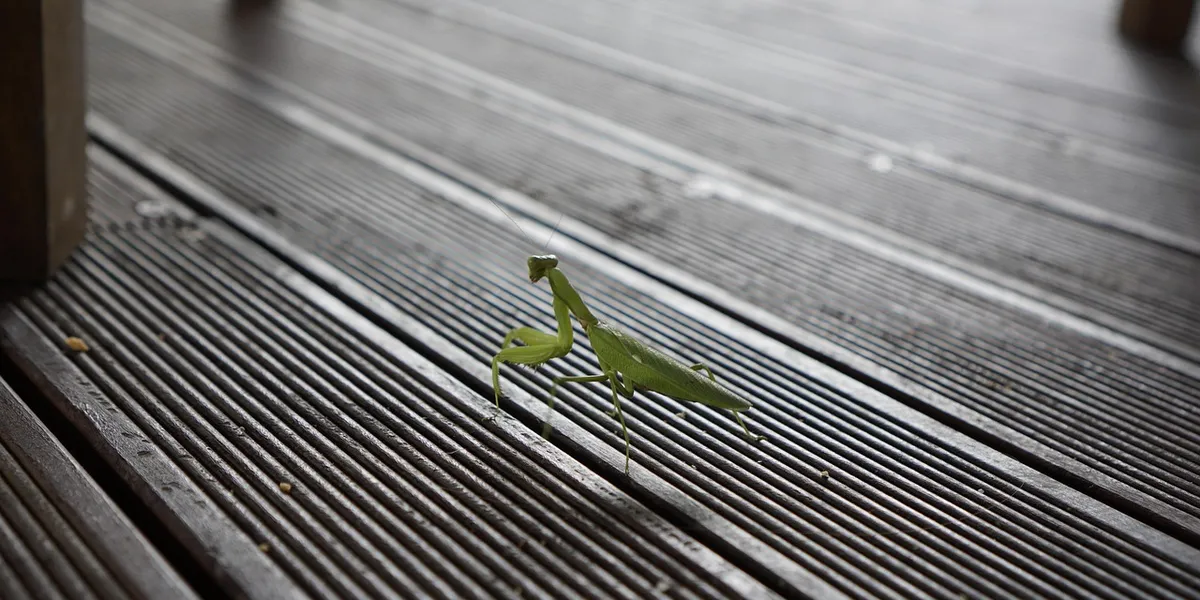
Reaching this point is a quiet victory. Your mantis is no longer a delicate nymph, but a sturdy, established creature with its own distinct personality. Long-term care shifts from daily vigilance to a steady, observant rhythm, much like tending a slow-growing houseplant that occasionally needs a fly. The focus moves to sustaining a stable environment and supporting their adult lifestyle.
Prey options can now diversify. While fruit flies served us well, adult mantises can tackle larger meals. Our Moss, the Giant Asian, relishes a blue bottle fly. Luna, our Ghost Mantis, prefers the slower flutter of a small moth. Offering a variety, like houseflies, moths, or the occasional small cricket, provides enrichment and complete nutrition. Feed adults once every three to four days, removing any uneaten prey to keep their home tidy.
Your Monthly Care Checklist
Set a reminder for a gentle monthly routine. This keeps their world secure and spotless.
- Deep Clean the Enclosure: Carefully transfer your mantis to a secure temporary jar. Remove all décor, rinse it with hot water, and scrub the enclosure walls with a reptile-safe disinfectant. Allow everything to air dry completely to prevent mould.
- Equipment Health Check: Test your thermometer and hygrometer for accuracy. Ensure any mesh ventilation is intact and that lights or heat sources are functioning safely, without exposed wires.
- Seasonal Adjustment: Feel the air in your room. Is the heating on, making it drier? Has a humid summer moved in? This monthly check-in is your moment to subtly tweak misting frequency or enclosure placement in response to your home’s changing climate.
Winter brings particular challenges with dry, heated air. Humidity can plummet. To set up the perfect humidity level for your praying mantis enclosure, keep a hygrometer inside and adjust the moisture as needed. Fine-tuning humidity helps with shedding and overall health, especially during winter. A simple room humidifier near the enclosure works wonders. Alternatively, a slightly larger water dish or a damp sheet of sphagnum moss placed inside can gently boost moisture. Just ensure there’s no soggy substrate where your mantis stands.
Adult Mantis Care Essentials
An adult mantis has different needs and manners than the tiny nymph you first brought home. Here’s how their world changes.
- Feeding: Nymphs needed daily or every-other-day feeds of tiny fruit flies. Adults eat larger prey, like flies or moths, but only 2-3 times a week. Their metabolism slows.
- Enclosure: That small deli cup must be upgraded. An adult needs an enclosure at least three times its body length in height for molting, with ample width for movement. Good cross-ventilation is non-negotiable.
- Temperature: While nymphs thrived in steady warmth, many adult species tolerate a slight, natural nighttime drop. Avoid drastic chills, but a gradient from 22°C to 26°C is often perfect.
- Behaviour: Nymphs are often bold explorers. Adults can be more sedate and deliberate. Females, especially, become less mobile and more focused on hunting from a chosen perch.
Handling an adult requires even more reverence. Their bodies are heavier, and a fall is more dangerous. Let your mantis walk onto your hand voluntarily, and keep sessions very brief-a couple of minutes at most. We rarely handle our adults, preferring to watch them rule their own beautiful, glass-walled kingdoms.
Seasonal Considerations
Your mantis lives in your home’s microclimate. As the seasons turn outside, a few small adjustments inside will keep them perfectly content.
In warmer months, increased room temperature can lead to faster dehydration. You might need to mist lightly twice a day, focusing on early morning and early evening to mimic natural dew. Ensure the enclosure is not in direct sunlight, which can create a dangerous oven effect, but in a bright, indirectly lit spot.
For cooler months, the battle is against dry air and cold drafts. Move the enclosure away from frequently opened windows or doors. A small heat mat on one side of the tank (never underneath) can create a gentle warmth gradient. Using a room humidifier is the single most effective way to combat winter dryness for both you and your pet. If you see your mantis drinking from droplets more eagerly, it’s a sign the air is too parched.
Listen to your home. The rustle of the heating system, the stillness of a summer afternoon-these are the cues for a thoughtful keeper. Your mantis, perched like a living jewel, relies on you to smooth these seasonal edges.
Quick Troubleshooting Guide for New Owners
Every new mantis keeper hits a small snag now and then, but with a gentle hand and a keen eye, you can smooth things over in no time. Most mantis troubles are easily solved with a bit of patience and a simple adjustment to their care. If you spot signs of a stressed mantis—unusual stillness, erratic movements, or poor appetite—it’s a cue to review its habitat. Often, tweaking humidity, temperature, and enclosure setup fixes the issue and brings back calm behavior.
Let’s walk through some common worries you might face in those first few weeks. Remember, your mantis is more resilient than it looks, and your calm response is its best support.
- Mantis Not Eating: First, check for pre-molt signs like a dull, cloudy exoskeleton, lethargy, or a plump abdomen. My orchid mantis, Sprig, turns into a quiet, motionless statue for days before a shed, utterly ignoring her favourite fruit flies. Simply remove any uneaten prey and try feeding again after the molt is complete.
- Molting Problems: If your mantis seems stuck or struggles during a shed, gently increase the enclosure’s humidity by misting with lukewarm water. When my ghost mantis, Luna, had a tough molt, a soft rise in moisture-like a warm, misty morning-helped her skin slide off smoothly.
- Low Humidity: Dry air can cause dehydration and failed molts. Mist the habitat more frequently, creating a fine spray that coats the leaves without drenching the mantis. My giant Asian mantis, Moss, always becomes more active after a light misting, as if revived by a forest breeze.
Aside from these, a couple of other hiccups might surprise you. A prepared owner is a confident one, so here’s a handy reference for swift action.
| Concern | Quick Fix | Notes |
|---|---|---|
| Dehydration | Place a small water droplet on a leaf near your mantis or lightly mist its front legs with a spray bottle. | I once found Sprig looking quite limp; a single bead of water on a rose petal had her perked up and grooming in moments. |
| Enclosure Escapes | Ensure the lid fits snugly, seal any tiny gaps with tape, and use a fine mesh screen for ventilation. | Moss is an escape artist; after one late-night adventure across my desk, I now give the lid a proper click-check every time. |
| Lethargy or Low Activity | Check the temperature-a slight increase with a low-wattage bulb or heat pad can often restore energy. | Luna prefers a warmer spot; moving her enclosure just a bit closer to indirect sunlight brought back her curious head tilts. |
Keep this guide close for those first uncertain moments. Trust your instincts, observe quietly, and your mantis will thank you with its quiet, graceful presence.
Common Mantis Queries
How often should I handle my pet mantis, and is it safe?
Handling should be infrequent and always gentle to avoid stressing your mantis. It is safest to let the mantis walk onto your hand voluntarily and to keep sessions very brief.
What is the typical lifespan of a pet praying mantis?
Lifespan varies by species but generally ranges from 6 to 12 months as adults. The total life cycle from nymph to adult is typically under a year.
Should I move or feed my mantis if it is hanging upside down and not moving?
This is likely a sign of an impending molt, so you should not disturb or feed it. Simply ensure the humidity is adequate and avoid any enclosure disturbances during this critical time.
Your Gentle Path as a Mantis Keeper
Week by week, your care builds a quiet rhythm of misting, feeding, and observing that lets your mantis thrive. Focus on creating a stable, humid home with safe perches and appropriate live food, and you’ll witness their fascinating world unfold right before your eyes. Watching my Ghost Mantis, Luna, methodically explore a new branch each week reminded me how small, consistent actions foster trust and health.
Keeping a mantis is a wonderful commitment to understanding a unique life. Let your curiosity grow alongside your pet by connecting with fellow keepers and reading about their natural behaviours; the more you learn, the richer your shared experience becomes.
Further Reading & Sources
- Should You Keep a Praying Mantis as a Pet?
- How to Care for a Praying Mantis : 4 Steps – Instructables
- How to Care for a Pet Praying Mantis – PetHelpful
- Taking care of your pet praying mantis | Keeping Insects
Rowan Hale is a lifelong insect enthusiast who fell in love with mantises for their calm presence, alien elegance, and surprising personalities. After years of keeping and raising a variety of species, Rowan shares practical tips, creative insights, and real-world experience to help others enjoy the quiet magic of mantis care. From setting up the perfect enclosure to understanding their subtle behaviors, Rowan invites readers into a gentle, curious world where every tiny movement feels like a discovery.
First-Time Mantis Owners