
What to Do if Feeder Insects Escape in Your House
Hello mantis friend, we’ve all felt that heart-skip moment when a feeder insect makes a daring leap for freedom, its tiny form vanishing into the shadows of your home. Escaped insects can stir up worry, but with a calm and methodical approach, you can safely recapture them without harm.
Start by staying composed and using gentle recapture methods tailored to the insect type. A quick, quiet response often prevents the little escapee from finding a hard-to-reach hiding spot.
Handling escaped feeders isn’t always straightforward, as factors like insect species and your home’s layout add layers of complexity. To guide you through, here are the key steps we’ll cover:
- Safe and humane ways to catch different feeder insects
- Essential tools to keep on hand for quick recapture
- Simple tips to prevent future escapes and maintain peace of mind
Stay Calm and Secure Your Mantis First
When feeder insects escape, your first instinct might be to panic, but taking a deep breath helps you think clearly and act wisely. Keeping a level head ensures you can protect your mantis and handle the situation without causing more stress.
Assess the Immediate Situation
Quickly scan the area to gauge what’s happened, focusing on your mantis’s well-being and the extent of the escape. A swift, calm assessment lets you prioritize actions and prevent the problem from spreading. Remember to handle your mantis gently to avoid causing it stress or injury.
Check Your Mantis’s Safety
Gently look over your mantis for any signs of agitation, like rapid movements or a defensive posture, and ensure its enclosure is fully sealed. Noting signs of stress is a cue to inspect and fix the habitat. If conditions like temperature, humidity, or hiding places are off, adjusting them can reduce stress and support your mantis’s health. Securing your mantis’s habitat first stops more insects from getting out and keeps your pet from harm.
- Observe if your mantis is perched calmly or showing stress-my Ghost Mantis, Luna, often freezes when disturbed, so I wait for her to settle before proceeding.
- Close any gaps in the enclosure lid and remove uneaten prey to avoid further escapes.
- If needed, move the enclosure to a quiet spot to reduce noise and movement that could startle your mantis.
Evaluate the Escape Scope
Estimate how many insects are loose and note their likely hiding spots, such as under furniture or in dark corners. Understanding the scale of the escape helps you plan a targeted recovery without overwhelming yourself.
- Count any visible insects and listen for sounds like chirping or rustling to track their locations.
- Check nearby rooms if the door was open, as some insects can travel farther than expected.
- Keep pets and children away from the area to avoid accidental squashing or bites.
Identify the Escaped Feeder Insects
Recognizing the type of insect that got loose guides your approach to catching them safely and efficiently. Knowing their habits and risks makes the cleanup process smoother and less stressful for everyone involved.
Common Species and Their Traits
Different feeder insects have unique behaviors that affect how they spread and where you might find them. Familiarizing yourself with these traits lets you predict their movements and choose the best retrieval method.
- Crickets: Noisy chirpers that jump frequently; they often hide in warm, dark places like under cushions or behind appliances.
- Mealworms: Slow crawlers that burrow into soft materials; check carpets, bedding, or pet food bowls where they might seek shelter.
- Fruit flies: Tiny fliers attracted to light and sweet smells; they cluster around windows, fruit bowls, or sink drains.
- Dubia roaches: Quiet and fast-moving; they prefer humid spots like bathrooms or kitchen sinks, making them trickier to spot.
Handling Risky or Biting Insects
Some insects, like larger crickets or roaches, can nip if handled roughly, so it’s wise to use gentle techniques to avoid injuries. Protecting yourself while retrieving insects ensures the process is safe and humane for both you and the bugs.
- Wear lightweight gloves or use a small container to scoop up insects without direct contact-I do this with Moss, my Giant Asian Mantis’s feeders, to prevent accidental bites.
- For biting species, lure them into a jar with a bit of food, like a vegetable scrap, and cover it once they enter.
- Avoid squashing insects, as it can attract pests; instead, release them outdoors or back into a secure feeder container if they’re still viable.
Capture and Contain the Escapees Step-by-Step
Step 1: Gather Your Capture Tools
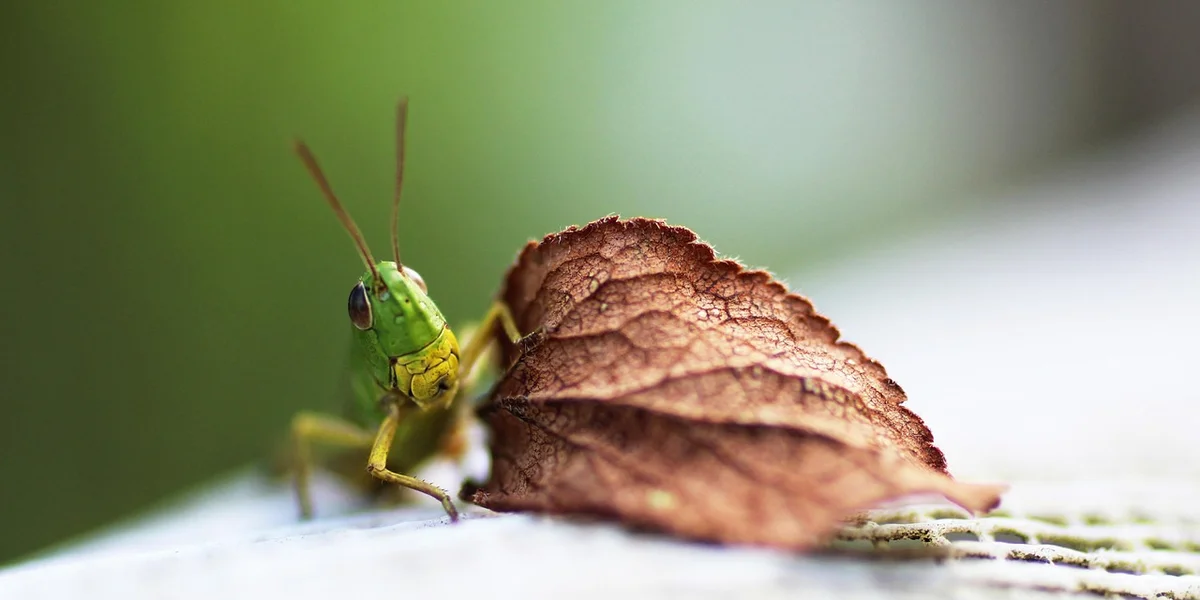
Start by collecting a few simple items from around your home to make the capture process smooth and stress-free. A small, clear container like a mason jar works wonders for scooping up insects without harming them. Keep a soft paintbrush or piece of cardstock handy to gently guide escapees into the container without squashing their delicate legs. Add a torch for peering into dim corners and a pair of tweezers for precise handling if needed. We always have these tools in a dedicated “mantis kit” after a few unexpected adventures with Luna, our Ghost Mantis, who once hid behind a bookshelf.
- Clear jar or plastic cup with a lid
- Soft brush or index card
- Flashlight or phone light
- Tweezers for careful lifting
Step 2: Search Methodically Room by Room
Move through your space slowly, beginning with the room where the escape happened and working outward in a systematic way. Check under furniture, along baseboards, and inside curtains where insects might seek shelter. Listen for faint rustling sounds or watch for subtle movements in quiet spots, as many feeder insects freeze when startled. Close doors to limit their roaming, and use your torch to illuminate shadows-this method helped us find Moss, our Giant Asian Mantis’s escaped cricket, nestled in a potted plant after a thorough sweep.
- Start in the escape room and seal off other areas.
- Inspect dark, warm places like under radiators or behind appliances.
- Use a gentle touch to avoid crushing insects during retrieval.
Step 3: Use Safe Traps and Baits
If manual searching doesn’t yield results, set up harmless traps using items from your kitchen. Place a small dish with a bit of fruit or vegetable scrap in corners to lure insects out. Avoid chemical baits or sticky traps that could harm your mantis or other pets, and opt for eco-friendly options like a damp paper towel in a jar to create a humid hideaway they’ll crawl into. For instance, a slice of apple drew out a stray mealworm for Sprig, our Orchid Mantis, within an hour, making it easy to scoop up without fuss.
- Bait with cucumber slices or oatmeal in shallow containers
- Set up a “pitfall” trap with a smooth-sided bowl and a ramp
- Monitor traps regularly to prevent stress to the insects
Step 4: Quarantine Recaptured Insects
Once you’ve caught the escapees, place them in a separate, clean container for at least 24 hours before considering them as food. This step ensures they haven’t picked up dust, pesticides, or other contaminants during their adventure. Observe them for any signs of illness or injury, and only offer healthy, active insects to your mantis to maintain their well-being. We use a spare deli cup with ventilation holes for quarantine, which gives us peace of mind before feeding time. Following this, the ultimate guide on gut-loading feeder insects for mantises recommends enriching quarantined prey with nutritious foods to boost their value. This helps ensure a healthier, more balanced mantis meal.
- Transfer insects to a temporary enclosure with air holes.
- Provide a small bit of their usual food and a damp cotton ball for moisture.
- Discard any that appear sluggish or abnormal to avoid risks.
Thorough Cleanup and Sanitation After an Escape
Vacuuming and Sweeping for Remnants
After capturing the main escapees, give your floors and surfaces a careful clean to remove any leftover bits or eggs. Use a vacuum with a hose attachment to reach into crevices and under furniture where tiny remnants might linger. Sweep hard floors with a soft-bristled brush to gather debris without scattering it, and empty the vacuum bag or canister outside to prevent reinfestation. This approach keeps your home fresh and reduces the chance of attracting other pests, something we do routinely after any mantis-related mishaps.
- Vacuum carpets and rugs thoroughly, focusing on edges
- Wipe down shelves and windowsills with a damp cloth
- Dispose of collected waste in an outdoor bin immediately
Disposal and Odor Control
Properly dispose of any dead insects or soiled materials to prevent odors and maintain a pleasant environment. Seal them in a biodegradable bag before tossing them out, and consider sprinkling baking soda in areas where smells might develop. A quick spritz of diluted white vinegar on surfaces can neutralize odors naturally without harsh chemicals that could affect your mantis. We find this method effective for keeping our space smelling clean, especially in humid weather when odors can build up faster.
- Bag debris securely and take it outside right away.
- Use essential oil diffusers with lavender or citrus for a fresh scent.
- Avoid aerosol sprays near your mantis enclosure to protect their sensitive respiratory system.
Hygiene Checks for Your Mantis Enclosure
Finally, inspect your mantis’s home to ensure no escape-related issues have compromised its cleanliness. Look for gaps or damage in the lid or walls that might need repair, and wipe down the interior with a mild, pet-safe disinfectant. Replace substrate and decor if they were disturbed, and mist the enclosure lightly to restore humidity levels for your mantis’s comfort. Regular checks like this help prevent future escapes and keep your pet healthy, as we learned after Sprig’s enclosure needed a quick tweak post-escape.
- Examine seals and locks on the enclosure for tightness
- Clean water dishes and feeding areas with warm, soapy water
- Monitor your mantis for stress signs and adjust care as needed
Prevent Future Escapes with Smart Habits
Secure Feeder Storage and Handling
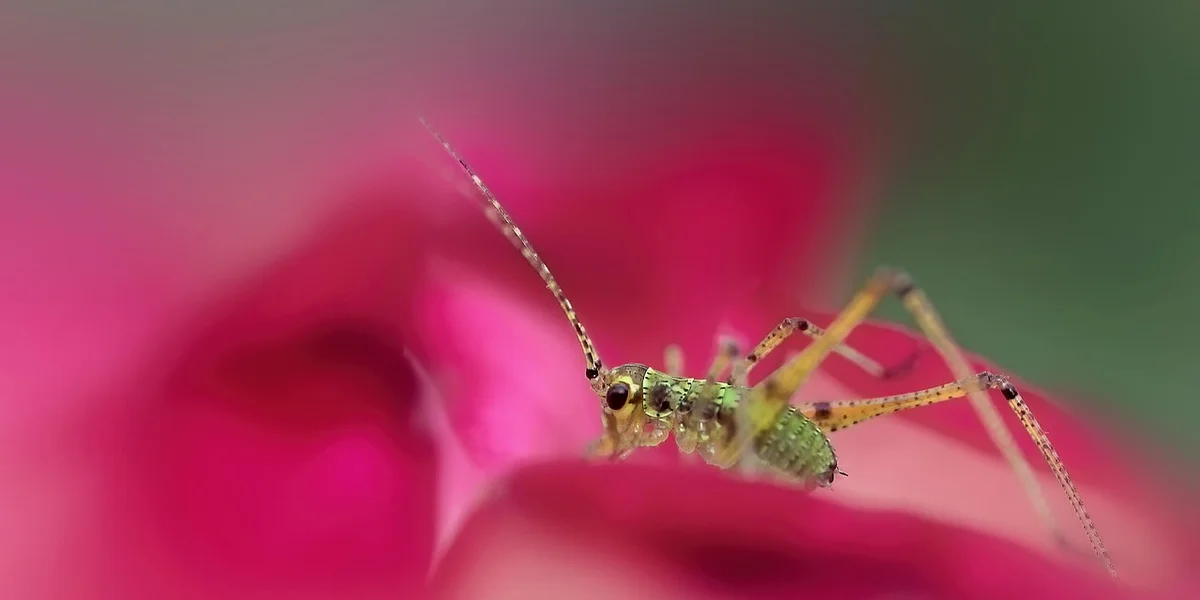
Store your feeder insects in sturdy, escape-proof containers with tight-fitting lids—we prefer clear plastic tubs with small air holes drilled carefully to prevent nibbling escapes. Always handle feeders over a large, shallow tray or inside a bathtub to catch any quick movers before they scatter. When feeding mantises like my curious Moss, I gently tap insects from their container directly into the enclosure, avoiding loose handling that invites trouble. To create and maintain a clean feeder insect culture, implement regular sanitation of containers and routine stock rotation.
Choose feeders that match your mantis’s size and agility; for smaller nymphs, opt for flightless fruit flies in ventilated jars. Quarantine new feeder batches for a day or two to observe for mites or illness that could stress your pets or lead to messy breakouts. This simple step keeps your mantis home safe and reduces the urge for insects to flee unhealthy conditions.
- Use containers with smooth interiors and no climbable textures.
- Label bins with purchase dates to track freshness and reduce overstocking.
- Handle during daylight hours when insects are less active and easier to manage.
Enclosure Inspection and Sealing Gaps
Inspect your mantis enclosure weekly for tiny gaps around doors, vents, or mesh panels where determined feeders might slip through. Run a finger along seams and edges-if light peeks through, it’s a potential escape route that needs sealing with non-toxic aquarium silicone or breathable tape. My Ghost Mantis Luna’s home taught me that even pin-sized holes can let prey vanish overnight. Bioactive enclosures often have more seams and hiding spots, so extra vigilance is needed.
Focus on ventilation areas; fine metal mesh is better than cloth or plastic that insects can chew. Check for warping or damage after cleaning, as humidity and time can weaken seals and create new openings. A quick monthly tighten of screws and hinges ensures everything stays snug and secure.
- Remove your mantis to a temporary container before inspecting.
- Use a flashlight to highlight hidden cracks in corners or lids.
- Test seals by misting lightly-if water seeps out, reseal promptly.
Routine Monitoring and Moisture Control
Set a regular schedule to monitor feeder levels and enclosure conditions, noting any spikes in humidity that might encourage insects to seek drier spots. Keep a simple journal tracking feeding times and any near-misses, which helps spot patterns before escapes happen. We’ve found that maintaining a steady 50-60% humidity deters many feeders from wandering, as they prefer consistent moisture.
Avoid over-misting or leaving damp substrate uneaten, which can attract mold and prompt insects to bolt. Use a hygrometer to watch levels, and adjust ventilation or watering habits to keep the environment stable and less appealing for escape attempts. For my Orchid Mantis Sprig, I mist lightly at dawn when feeders are calm, reducing their urge to explore.
- Wipe down enclosure exteriors to remove moisture trails that insects might follow.
- Place enclosures away from direct heat or drafts that stress feeders.
- Rotate feeder types to prevent boredom and reduce frantic activity.
When Escapees Persist or Cause Concerns
Monitoring for Uncaught Insects
If a few insects evade capture, set up simple monitoring stations like small dishes of oatmeal or fruit slices in corners where they might hide. Check these traps daily at dusk when many feeders become active, giving you a quiet chance to scoop them up safely. I’ve spotted stray crickets this way near Moss’s setup, using a soft brush to guide them into a jar.
Listen for subtle rustles or chirps at night, and use a red-light torch to observe without disturbing your mantis or the escapees. Keep an eye on plant pots or dark crevices-common hideouts that can harbour insects for weeks if overlooked. Regular sweeps with a handheld vacuum on a low setting can suck up strays without harm, ready for release outdoors.
- Place sticky insect boards away from mantis areas to avoid accidental catches.
- Note any increase in mantis hunting behaviour-it might signal unseen prey.
- Seal room doors with draft stoppers to contain escapes to one area.
Safe Pest Control and Pesticide Avoidance
Never use chemical sprays or powders near your mantis enclosure, as residues can cling to surfaces and harm your pet through contact or ingested prey. Stick to physical methods like gentle trapping or manual removal, which protect your mantis’s delicate health and the natural balance of your home. Pesticide sprays are harmful to praying mantises and can affect them through contact or contaminated prey. If you must manage pests, rely on non-chemical methods and keep any pesticides completely away from enclosures. For persistent issues, diatomaceous earth sprinkled in out-of-reach areas dries out insects safely, but keep it far from your pets.
Encourage natural predators like house spiders in unused spaces, or introduce predatory mites that target pest insects without bothering mantises. If you must address a broader issue, opt for pet-safe essential oil blends like peppermint or neem in diffusers, which repel escapees without toxic risks. We’ve found that a clean, clutter-free space reduces hiding spots and makes control easier.
- Isolate the mantis enclosure during any treatment to prevent exposure.
- Ventilate rooms well after using natural repellents to avoid overwhelming scents.
- Wash hands thoroughly after handling any control measures to keep mantises safe.
Seeking Help for Stubborn Infestations
If escapees multiply into a full infestation, contact a pest control service experienced with pet-safe, integrated pest management approaches. Ask specifically about non-chemical options like heat treatments or biological controls that won’t endanger your mantis or home environment. I once consulted a local entomologist when fruit flies overran my space, and their advice on sanitation and traps resolved it without stress.
Reach out to online mantis communities or veterinarians specialising in invertebrates for tailored advice-many share free resources on managing feeder outbreaks. Document the issue with photos or notes to help professionals assess the situation quickly and recommend effective, mantis-friendly solutions. Temporary relocation of your pet to a friend’s secure setup might be needed during severe cases, ensuring their comfort while you sort the problem.
- Provide details on feeder types and enclosure setup when seeking help.
- Choose services that guarantee no pesticide use in living areas.
- Monitor your mantis for stress signs like refusal to eat, and adjust care as needed.
Questions from Fellow Mantis Friends
How long should I quarantine recaptured insects before feeding them to my mantis?
Quarantine them for at least 24 hours in a clean container to check for contaminants or illness. This ensures they are safe and healthy for your mantis to eat. This quarantine also helps prevent common parasites and diseases from spreading to your praying mantises by catching issues early. Keeping a watchful eye during quarantine supports healthier mantises overall.
What are the risks of escaped insects breeding in my home?
If conditions are ideal, escaped insects may reproduce and lead to a larger infestation. Regularly inspect and clean potential hiding spots to prevent this issue.
Can escaped feeder insects attract other pests into my house?
Yes, leftover insects or debris might draw in predators like spiders or ants. Keeping your space tidy helps minimize this risk and maintains a safe environment.
Final Steps for a Peaceful Home
Act swiftly to recapture escaped insects using gentle methods like jar traps or manual pickup to keep your space tidy. Preventing escapes starts with secure enclosures and careful feeding routines that protect both your mantis and your home. For a naturalistic, safe habitat for your praying mantis, include plants and hiding spots to mimic its natural environment. This design supports natural behaviors and reduces stress.
Responsible mantis care means always staying curious and open to new tips from fellow keepers. We find that continuous learning helps us provide the best life for our mantises, from handling escapes to perfecting their habitat.
Further Reading & Sources
- Will feeder insects breed in enclosure? | Our Reptile Forum
- No-Escape Feeder Dish The Bug Shed
- r/reptiles on Reddit: Feeder insect advice for someone who’s scared of bugs?
- Why do feeder insects want to escape? | Arachnoboards
Rowan Hale is a lifelong insect enthusiast who fell in love with mantises for their calm presence, alien elegance, and surprising personalities. After years of keeping and raising a variety of species, Rowan shares practical tips, creative insights, and real-world experience to help others enjoy the quiet magic of mantis care. From setting up the perfect enclosure to understanding their subtle behaviors, Rowan invites readers into a gentle, curious world where every tiny movement feels like a discovery.
Common Pests