
What Are the Essential Habitat Requirements for a Healthy Praying Mantis?
Published on: December 4, 2025 | Last Updated: December 4, 2025
Written By: Rowan Hale
Greetings, mantis keeper! Have you ever been mesmerized by the quiet grace of a praying mantis, its body poised like a living sculpture? To keep your mantis healthy, you need a habitat that provides security, the right climate, fresh air, and natural surroundings for climbing and hiding.
Setting up this space is more art than science, blending careful observation with a touch of greenery. My Ghost Mantis, Luna, taught me that a well designed enclosure reduces stress and encourages natural behaviors, from hunting to molting.
While it might seem complex, focusing on a few core areas makes all the difference. Here are the key takeaways we will cover:
- A secure enclosure that prevents escapes and supports growth.
- Stable temperature and humidity levels tailored to your mantis species.
- Proper ventilation to keep the air fresh and prevent mold.
- Enriching decor like branches and leaves for climbing and comfort.
The Foundation: Temperature, Humidity, and Airflow
Think of your mantis’s habitat as a tiny, personalised weather system. Getting the balance of warmth, moisture, and fresh air right is what transforms a simple cage into a thriving home. Regular cleaning and quick habitat maintenance help keep that climate stable and healthy, so your mantis can thrive. A clean enclosure makes routine checks easier and keeps pests away. We watch our own mantises, like Luna our Ghost, visibly relax and become more active when their climate feels just right.
Finding the Right Temperature Range
Mantises are cold-blooded, so they rely on their surroundings for warmth. The ideal range for most common species is a comfortable 22°C to 28°C (72°F to 82°F). Consistency within this band is often more helpful than chasing a perfect single number. A sudden drop at night is natural, but avoid letting it fall below 18°C (65°F).
You can monitor this with a simple digital thermometer placed at mid-height in the enclosure. For gentle heating, a small heat mat on the side of the tank (never underneath) works well. Always provide a temperature gradient by placing the heat source at one end, letting your mantis choose its preferred spot. Our Giant Asian mantis, Moss, often basks near the warmth after a meal but retreats to the cooler foliage to digest.
Managing Humidity Levels and Misting
Humidity supports healthy molting, which is when your mantis is at its most vulnerable. Think of humidity as the invisible helper that keeps their new skin soft enough to wriggle out of the old one. Aim for 50% to 70% for tropical species like Orchid Mantises, and 40% to 60% for hardier types like the Giant Asian. To set up the perfect humidity level in your praying mantis enclosure, use a reliable hygrometer and mist as needed. Regular checks keep you within the target range.
A handheld spray mister is your best tool. Use lukewarm, dechlorinated water and lightly mist the enclosure sides and foliage once or twice a day. The goal is fine droplets that mimic morning dew, not a soaking rain that leaves everything dripping wet. Watch for your mantis drinking the beads of water-it’s a charming sight and a sure sign you’re providing well.
Building Helpful Humid Microclimates
You can create little pockets of higher humidity that your mantis can seek out. A simple trick is to add a small pot of damp sphagnum moss or a piece of moistened cork bark tucked into a corner. This creates a localised humid hide without raising the overall enclosure moisture too high, which can lead to mould.
Another method is partial covering. If you’re using a mesh cage, covering one-third of the ventilation with a piece of cling film can help retain moisture where it’s needed most. Just ensure there is still plenty of cross-ventilation to stop the air from becoming stagnant.
Choosing and Preparing the Perfect Enclosure
The enclosure is your mantis’s entire world. Selecting the right one isn’t just about containment; it’s about creating a secure, stimulating, and manageable environment for you both. Different mantis species have varying space, height, and humidity needs. Choose an enclosure tailored to the specific species you plan to keep. A well-set-up home makes routine care simpler and reduces stress for your tiny predator.
Getting the Enclosure Size and Ventilation Right
The golden rule is that the enclosure should be at least three times the mantis’s length in height and twice its length in width. Height is absolutely vital, as mantises need ample space to hang upside-down for successful molting. A cramped mantis is a mantis at risk of a bad molt.
Ventilation is the silent partner to humidity management. Good airflow prevents the growth of harmful mould and bacteria, but too much will whisk all your carefully created humidity away. Mesh or screen enclosures are fantastic for air flow, while glass or acrylic terrariums need well-placed ventilation panels. Look for cross-ventilation-mesh on two opposing sides-to create a gentle, healthy draft.
DIY and Budget-Friendly Enclosure Ideas
You don’t need an expensive tank to create a wonderful home. With a little creativity, everyday items can be repurposed into perfect, cost-effective mantis palaces. We’ve raised many happy nymphs in thoughtfully adapted containers.
- A large, clean plastic sweet jar or Kilner jar makes a brilliant temporary or permanent home for smaller species. Simply drill or melt small air holes into the lid and sides for ventilation.
- Plastic mesh laundry baskets or pop-up mesh hampers offer fantastic ventilation and can be lined with fine mesh netting for tiny nymphs.
- For a more permanent DIY project, consider building a simple frame from untreated wood and stapling fine aluminium mesh to it. This allows for completely custom sizing.
No matter what you choose, always ensure the interior is safe. File down any sharp edges from drilled holes and securely fasten any mesh to prevent delicate feet from getting snagged. Pay attention to details when setting up the habitat, and add plenty of sticks, artificial or live plants, and textured backgrounds to create a landscape your mantis will love to explore.
Creating a Comfortable Interior with Substrate and Decor
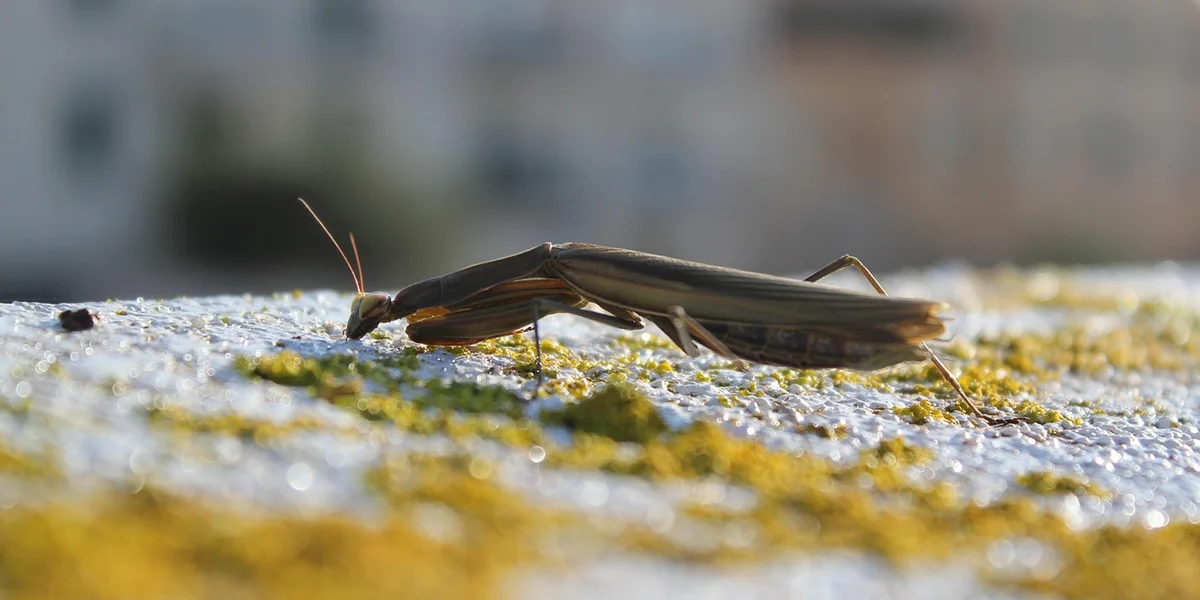
Think of your mantis enclosure as a tiny, living diorama where every detail supports their well-being. We craft this interior not just for looks, but to mimic the gentle textures and secure spaces they’d find in the wild. To create a bioactive enclosure for your praying mantis, you can incorporate live plants and safe microfauna to sustain a miniature ecosystem. This natural setup supports enrichment and easier maintenance.
Selecting a Safe Substrate
The floor of your mantis home, called substrate, does more than sit there. It quietly manages humidity for healthy molts and gives your mantis a soft landing pad for those occasional clumsy moments. For my Ghost Mantis Luna, I learned that a damp substrate base helps keep the air around her misty frills just right.
Choose materials that hold moisture without turning soggy or dusty. Here are safe, keeper-tested options:
- Coconut fiber (coir): This is our go-to for most species. It’s earthy, holds humidity well, and is digestible if accidentally eaten during feeding.
- Peat moss: Excellent for moisture retention, but ensure it’s chemical-free. We slightly dampen it to create a gentle humidity boost.
- Paper towels: A simple, sterile choice for young nymphs or hospital setups. Change them frequently to prevent mold.
- Sphagnum moss: Perfect for topping other substrates. It adds texture and helps maintain that crucial, even dampness.
Avoid potting soil with fertilizers, plain sand that dries too quickly, or any cedar-based products. Spread the substrate about an inch deep-this is enough to aid humidity but not so deep that small feeder insects can hide completely from your mantis. A quick mist every other day usually keeps it perfectly damp to the touch.
Adding Branches, Plants, and Hiding Spots
Now, let’s build upwards. Mantises are climbers by nature, needing vertical space to hunt, molt, and simply observe their world. Decor isn’t just decoration; it’s the framework for their daily life and critical for safe skin-shedding. My Giant Asian Mantis, Moss, will spend hours patrolling a well-placed twig network.
Focus on variety and safety. Every item you add should be clean and free of sharp edges or pesticides. We often boil branches or wash plastic plants in warm, soapy water.
Create a layered environment with these elements:
- Branches and twigs: Use thin, rough-barked sticks like manzanita or bogwood. Arrange them at angles to give multiple climbing paths and perching spots near the top.
- Foliage for cover: Silk or plastic leaves work beautifully. They offer shade and hiding places, making shy mantises like Sprig, my Orchid, feel secure enough to venture out.
- Hiding spots: A piece of cork bark leaned against the wall or a simple paper tube provides a dark retreat for resting. This reduces stress immensely.
- Molting anchors: Ensure the highest point has a sturdy grip. Mantises hang upside down to molt, so a secure branch or mesh lid is non-negotiable.
Arrange your decor before introducing your mantis. Leave some open space for easy feeding and cleaning, but aim for a lush, textured landscape that encourages natural behaviors. Watch how your mantis uses each element-it’s the best guide for making tiny adjustments.
Daily Care: Misting, Feeding, and Cleanliness
While their enclosure provides the stage, daily care is the gentle rhythm that keeps your mantis thriving. This routine is less about chore lists and more about quiet observation and small, consistent acts of care.
Misting and Water Source Management
Praying mantises rarely drink from a dish. They get their moisture by lapping delicate droplets from leaves and enclosure walls. Proper misting is your primary tool for providing water and maintaining the humidity they need to molt successfully.
Use a clean, fine mist spray bottle filled with dechlorinated or bottled spring water. Tap water can contain minerals and chemicals that may irritate your pet.
- Aim for a light, rain-like mist across one side of the enclosure and the foliage.
- You want visible droplets, not running streams or puddles.
- Most species need this once a day, though some from arid climates may only need it every other day.
Watch your mantis after misting. My Ghost mantis, Luna, will often slowly turn and drink beads of water from her own forearm, a sight of quiet focus. The goal is to let the enclosure dry out almost completely between mistings to prevent mold growth.
An overly wet environment is a bigger risk than a slightly dry one. If you see persistent condensation or a musty smell, reduce misting frequency and improve ventilation.
Maintaining Cleanliness and Managing Prey
A clean home is a healthy home, and for a mantis, this means staying ahead of two things: their waste and their leftovers.
Mantises produce small, solid droppings called frass. Remove these daily with tweezers or a tissue. Left uneaten prey, like a deceased cricket, can quickly decay and harbor bacteria or mites.
- After every feeding, check the enclosure within 12-24 hours.
- Remove any uneaten insect prey with long tweezers.
- Gently wipe away any frass from leaves or the enclosure floor.
- Check for and remove any discarded molt skin once the mantis has fully hardened.
This quick check becomes a moment of connection. You see how much was eaten, you note your mantis’s posture and activity. This simple daily habit prevents most common health issues and lets you spot small changes in behavior early.
For substrate, a light spot-cleaning is usually enough. Every few weeks, you can replace the paper towel or gently sift bioactive soil to remove waste. Avoid full, deep cleans unless absolutely necessary, as they stress your pet. A calm, predictable environment, maintained with gentle consistency, is the greatest daily care you can provide.
Tailoring the Habitat to Your Mantis Species
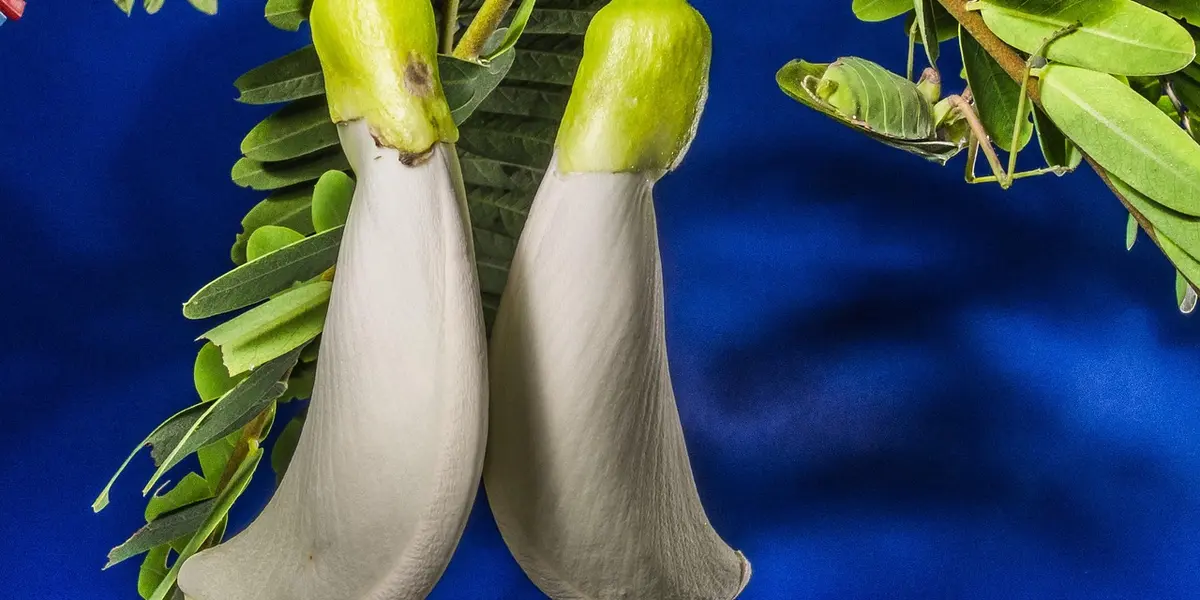
One of the most beautiful parts of keeping mantises is learning that each species whispers its own needs. Creating a truly healthy habitat means listening to those subtle whispers-matching your setup to their natural history and behavior. What works for a bold, hardy species could overwhelm a delicate one.
Housing for Smaller and Delicate Species
Think of mantises like Ghosts, Orchids, or tiny Flower mantises as the porcelain figurines of the insect world. Their care revolves around safety and subtle support. A common beginner mistake is placing a small, fragile mantis in an oversized container, where it can feel exposed and struggle to find its prey. We aim for a secure, cozy space.
Ventilation is their lifeline, but drafts are their enemy. For my Ghost mantis, Luna, I use a tall, mesh-sided enclosure. The fine mesh provides superb air flow without letting tiny feeder insects escape or creating a wind tunnel. A simple large glass jar with a mesh lid can be a perfect starter home.
Focus on these elements for delicate species:
- Enclosure Size: A height of 8-12 inches is often plenty. The width should allow them to hang and moult without touching the sides.
- Secure Closures: Ensure all openings are fine enough to prevent escapes. Baby mantises can fit through shockingly small gaps.
- Soft Landings: Line the floor with a paper towel or a thin layer of coconut fiber. A fall from the top is less risky with cushioning below.
- Perfect Perches: Use slender twigs, soft fake foliage, or delicate vines. Orchid mantises, like my Sprig, blend into fluttery artificial flowers beautifully.
Accommodating Tropical Species with Higher Needs
Step into the warm, damp air of a rainforest canopy, and you understand the world of mantises like the Giant Asian, African, or Idolomantis. Replicating that consistent humidity and gentle warmth is non-negotiable for their long-term health and successful shedding. If you’re planning a vacation, set up a reliable climate routine that can run while you’re away. Consider a programmable misting timer or a trusted caregiver. Their enclosures become miniature biomes.
Humidity is a daily practice, not an occasional thought. I maintain my Giant Asian mantis Moss’s home with a light morning and evening mist, letting the droplets bead on the leaves for him to drink. We watch the glass for a gentle fog that clears within a few hours.
Heating requires thoughtful placement. Never use heat lamps directly overhead, as they can desiccate your mantis. A small under-tank heat mat on one side of the enclosure creates an essential temperature gradient, allowing your mantis to choose its comfort zone. This aligns with the enclosure heating heat mat vs heat lamp safety efficiency guide, emphasizing safety and energy efficiency. Localized heat mats provide warmth with less risk than overhead lamps.
- Choose a Solid-Sided Enclosure: Glass or acrylic terrariums retain humidity far better than all-mesh cages. Ventilation panels at the top are still vital.
- Master the Substrate: Use moisture-retaining materials like sphagnum moss, coconut fibre, or a bioactive soil mix. This base layer slowly releases humidity.
- Monitor Relentlessly: A simple digital hygrometer and thermometer are your best friends. Aim for 60-80% humidity and 75-85°F for most tropical species, adjusting per their specific needs.
- Provide Drinking Opportunities: Beyond misting, a small, shallow water dish with pebbles in it can offer a hydration station and boost local humidity.
The reward for this attentive care is vibrant activity and natural behaviors. You will see your tropical mantis bask, hunt with confidence, and perform its delicate, intricate moults with greater success, a true sign of a contented inhabitant.
Troubleshooting Common Habitat Issues
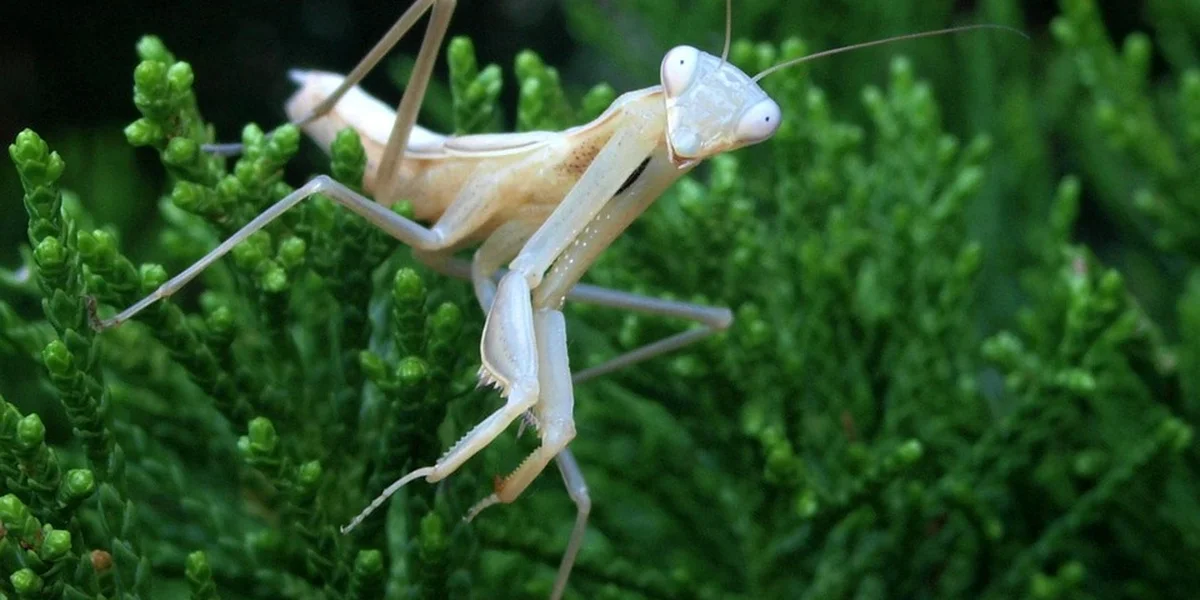
Even with a perfect setup, small problems can pop up in your mantis home. We find that most issues stem from tiny adjustments in humidity, temperature, or enclosure clutter, and they’re often easy to fix once you know what to look for. Think of it like tuning a delicate instrument; a gentle touch and observant eye keep everything in harmony.
Addressing Molting Difficulties
Molting is when your mantis sheds its old exoskeleton to grow, and it’s a vulnerable, breathtaking process to witness. The single most common cause of molting trouble is humidity that’s just a little too low for that particular species. You might notice your mantis hanging upside down for a day or more, then struggling to free itself, or ending up with crumpled, stuck limbs afterwards.
I remember watching my Ghost Mantis, Luna, during a difficult molt; her usually graceful movements became strained, a quiet reminder of how delicate this phase is. To prevent this, mist the enclosure lightly but thoroughly in the evening before you suspect a molt, creating a temporary, gentle spike in moisture. This soft humidity helps the old skin split cleanly.
Here are steps to take if you see molting difficulties:
- Do not disturb: Never touch a molting mantis. Interference can cause severe injury.
- Boost humidity safely: Add a warm water mist around (not directly on) the mantis, or place a small cup of very warm water in the enclosure to raise steam.
- Check the ceiling: Ensure the lid or top mesh has a rough texture or plenty of grip points. A smooth surface offers nothing to hang from during the critical shed.
- Post-molt care: After shedding, leave your mantis alone for at least 24 hours. Its new exoskeleton is soft and needs time to harden.
If a limb remains stuck, it may naturally fall off, and your mantis can often adapt remarkably well, continuing to hunt and climb with its remaining legs. Providing a varied diet afterwards helps support recovery and future healthy molts.
Spotting and Reducing Stress
A stressed mantis isn’t always obvious, but its behaviour tells a clear story. Stress can weaken their immune system, leading to refusal of food, lethargy, or even a shortened lifespan. Look for signs like spending all day on the ground instead of climbing, frantic pacing on the enclosure walls, or displaying a dark, flattened posture rather than a tall, alert stance. Behavioural signs of stress can be subtle, so it’s essential to observe them closely.
My Giant Asian mantis, Moss, once showed stress by repeatedly dropping from his favorite branch-a sure sign his environment needed a rethink. Common stressors include excessive handling, vibrations from loud sounds, the presence of other pets like cats staring at the enclosure, or temperatures that swing too hot or cold.
Use this list to spot and soothe stress:
- Behavioural signs: Refusing food for more than a week, falling frequently, or rubbing its face repeatedly.
- Environmental checks: Is the enclosure in direct sunlight? Is there a draft? Are there enough leaves and twigs to provide hiding spots?
- Peacekeeping actions: Move the habitat to a calm, low-traffic area. Cover three sides of the enclosure with paper to create a secure, private feel. Ensure prey insects like crickets are not left unattended, as they can nibble on a resting mantis.
Sometimes, the simplest fix is to step back and let the enclosure be a quiet, predictable space for a few days, allowing your mantis to settle into its own gentle rhythm. A content mantis will spend hours perched still, turning its head slowly to watch the world, a picture of green, quiet confidence.
Your Mantis Habitat Quick-Start Checklist
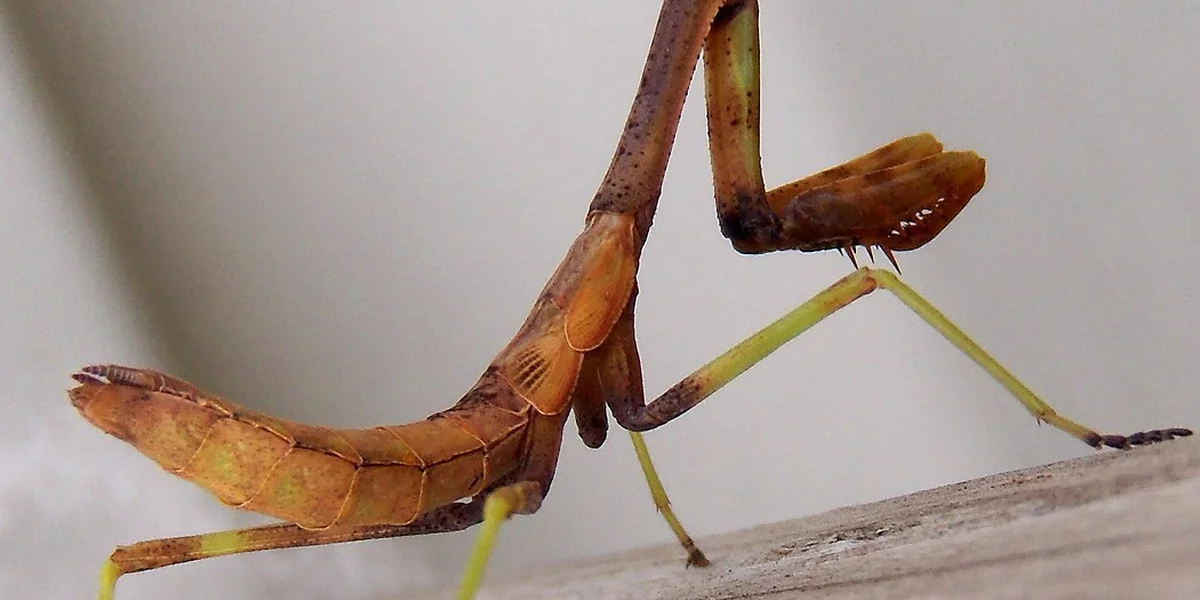
Setting up a new home can feel overwhelming, but breaking it down into a simple list makes it manageable. Think of this as your blueprint for a secure, comfortable space where your mantis can thrive from day one. We’ll walk through each item, explaining the ‘why’ so you can build with confidence.
1. The Enclosure: A Secure Foundation
Your mantis’s world is defined by its walls. The right enclosure prevents escapes and supports their unique behaviors.
- Type: A mesh or screened cage is our top choice. It offers unbeatable ventilation, which is vital for preventing mold, and gives plenty of grip for molting. A well-ventilated glass terrarium is a good second option.
- Size: The enclosure should be at least three times the mantis’s length in height and twice its length in width. Height is non-negotiable-they need room to hang upside-down for successful, drama-free molting.
- Security: Double-check all closures. Mantises are clever escape artists with surprising strength for their size. A simple magnetic latch or secure clip lid works wonders for peace of mind.
- Furnishings: Start with two key items: a branched twig or thin dowel for climbing and perching, and a mesh or fabric top they can hang from. Avoid bulky decorations that clutter their molting space.
2. Temperature & Humidity: The Invisible Essentials
These factors are the silent caretakers of your mantis’s health, influencing everything from appetite to successful skin-shedding.
- Thermometer & Hygrometer: These are your essential monitoring tools. Small digital units that stick to the side of the enclosure are perfect for keeping a constant, easy read.
- Heat Source (if needed): Most room-temperature homes are fine, but if your space dips below 68°F (20°C), a small, low-wattage heat mat on one side of the enclosure creates a gentle warmth gradient. Never use heat lamps directly overhead-they can desiccate your mantis.
- Misting Bottle: Use a clean spray bottle filled with dechlorinated or bottled water. A light daily mist provides drinking water and creates the brief humidity spike that mimics a morning dew, which is crucial for hydration and softens old skin before a molt.
3. Feeding & Maintenance: The Daily Rhythm
A simple routine keeps your mantis healthy and lets you observe its fascinating world.
- Food Supply: Keep a small culture of live feeder insects like flightless fruit flies for nymphs or small crickets for adults. Gut-load them with fresh vegetables 24 hours before feeding to pass on nutrients.
- Feeding Tongs: Soft-tipped tweezers allow you to offer food precisely and safely, preventing feeder insects from hiding or bothering your mantis.
- Spot-Cleaning Tools: Keep some cotton swabs and paper towels handy. Quickly removing leftover food and waste maintains cleanliness and detests tiny pests like mites. A full substrate change is only needed occasionally.
- Observation Time: This isn’t a tool, but a vital step. Spend a few quiet minutes each day watching your mantis’s posture and activity level-it’s the best way to learn its normal behavior and spot any early signs of concern.
My ghost mantis, Luna, taught me the value of this checklist. Her first enclosure was a bit too wide and shallow. When she needed to molt, she struggled to find a perfect hanging spot, a stressful lesson that a few more inches of height would have prevented entirely. Now, with her taller, well-furnished mesh home, she prepares for each molt with a calm, deliberate focus that’s beautiful to witness.
Common Mantis Queries
What should I look for in a pre-made praying mantis habitat kit?
Prioritize kits that feature a mesh or well-ventilated enclosure of appropriate height, as this is crucial for molting. Avoid sets with overpowerful heat lamps and ensure included decor, like branches, is safe and free of sharp edges to protect your mantis.
How can I make a praying mantis habitat safe and engaging for children?
Opt for a sturdy, escape-proof enclosure with simple, easy-to-clean decor to minimize risks during interaction. Supervise children during feeding and misting routines, turning these tasks into educational moments about insect care and responsibility.
Is there a recommended map or layout for arranging a praying mantis habitat?
Focus on a vertical design where climbing structures reach the top for molting, with foliage below for hiding and hunting. Position any heat mat on one side to establish a warm zone, and arrange ventilation sources to promote healthy air flow across the space.
Crafting a Complete Mantis Home: Final Reflections
Focus on providing a secure, airy enclosure with proper humidity through gentle misting and offering safe branches for climbing and molting. A naturalistic setup helps your praying mantis feel at home and encourages natural foraging and climbing. It also helps mimic the ecosystem the mantis would explore in the wild. When you balance space, moisture, and temperature, you create a naturalistic mantis habitat where your mantis can exhibit its natural behaviors without fear.
True care extends beyond the initial setup into daily, attentive observation and a commitment to grow alongside your pet. Keep your knowledge fresh by engaging with fellow enthusiasts and trusting the quiet lessons your own mantis teaches through its movements and moods.
Further Reading & Sources
- Praying Mantis – Facts, Diet & Habitat Information
- Praying Mantids – Wisconsin Horticulture
- Should You Keep a Praying Mantis as a Pet?
- How to Set up a Praying Mantis Habitat (Step-by-Step) – Insect Keeper
Rowan Hale is a lifelong insect enthusiast who fell in love with mantises for their calm presence, alien elegance, and surprising personalities. After years of keeping and raising a variety of species, Rowan shares practical tips, creative insights, and real-world experience to help others enjoy the quiet magic of mantis care. From setting up the perfect enclosure to understanding their subtle behaviors, Rowan invites readers into a gentle, curious world where every tiny movement feels like a discovery.
Temperature and Humidity