
Top 10 Enclosure Setup Mistakes That Secretly Stress Your Mantis
Published on: December 30, 2025 | Last Updated: December 30, 2025
Written By: Rowan Hale
Hello there, fellow mantis friend. Have you ever watched your elegant insect companion and noticed a subtle change? A slight twitch, a reluctance to eat, or perhaps they just don’t seem as vibrantly present as before.
The most common source of these quiet worries isn’t illness or age-it’s a series of small, often overlooked mistakes in their home environment. These hidden stressors chip away at their wellbeing, and we often don’t connect the dots until our mantis shows clearer signs of discomfort.
Setting up a perfect mantis home is a delicate art, blending science with a gentle understanding of their wild instincts. It’s easy to focus on the big things like food and heat, while the subtle details whisper in the background.
To guide you, here are the key mistakes we’ll gently explore:
- Choosing the wrong enclosure size and type.
- Providing incorrect or dangerous climbing surfaces.
- Getting humidity and ventilation fatally out of balance.
Is Your Mantis Enclosure the Wrong Type or Size?
Selecting the right enclosure is more than just picking a container-it shapes your mantis’s daily comfort and long-term health. Glass enclosures without proper ventilation can quickly turn into humid, stuffy spaces that encourage mold and make your mantis feel trapped. We’ve seen many setups where the dimensions are off, leaving mantises either cramped and restless or lost in vast areas that hinder their natural hunting instincts.
Common errors in enclosure choice include:
- Using sealed glass tanks that block essential airflow.
- Picking enclosures that are too small, limiting movement and molting space.
- Choosing overly large habitats that make it hard for mantises to find prey or feel secure.
Ideal enclosure sizes depend on the species, so here’s a handy reference list:
- Ghost Mantis (like my subadult female, Luna): 15 cm x 15 cm x 20 cm for juveniles, 20 cm x 20 cm x 30 cm for adults.
- Giant Asian Mantis (such as Moss, my adult male): 20 cm x 20 cm x 30 cm for subadults, 30 cm x 30 cm x 45 cm for adults.
- Orchid Mantis (like Sprig, my juvenile): 15 cm x 15 cm x 20 cm throughout growth to support their delicate structure.
To assess space requirements for your mantis, follow these simple steps:
- Measure your mantis from head to abdomen to determine its current size.
- Ensure the enclosure height is at least three times the mantis length for safe molting.
- Check that the width allows easy perching and turning without obstructions.
Drafty spots near windows or vents can chill your mantis and disrupt its delicate balance. Always position the enclosure in a stable, warm area away from direct air currents to maintain a consistent microclimate. Make sure to heat the enclosure properly, but not excessively. For example, I keep Luna’s home on a shelf away from breezes to mimic her natural, sheltered environment.
Netting or mesh tops provide excellent ventilation and help regulate humidity levels. They allow fresh air to circulate while reducing the risk of mold and respiratory stress, much like a gentle breeze in a forest canopy. Moss’s enclosure features a mesh top that keeps the air feeling fresh without drying out his surroundings too quickly.
Are You Making Substrate and Plant Choice Errors?
Substrate and plants form the foundation of your mantis’s world, but mistakes here can lead to hidden stress. Incorrect substrate depth or type may create unstable footing or trap excess moisture, fostering bacteria that unsettle your mantis. Introducing plants treated with pesticides is a common oversight that can introduce toxins into the enclosure, affecting your mantis’s well-being.
Typical substrate and plant errors involve:
- Laying substrate too deep, which holds too much water and risks root rot or mold.
- Using rough materials like gravel or sand that don’t support humidity or gentle movement.
- Adding store-bought plants without verifying they are free from chemicals.
Safe substrate options that we recommend include:
- Coconut fiber: Retains moisture well and is easy to spot-clean.
- Peat moss: Offers a natural texture but must be untreated to avoid acidity.
- Sphagnum moss: Helps maintain humidity and provides a soft surface for molting.
To ensure plants are mantis-friendly, take these practical steps:
- Source plants from organic or trusted suppliers that avoid pesticides.
- Isolate new plants for about a week to monitor for pests or residue.
- Gently rinse leaves with lukewarm water before placing them in the enclosure.
Pesticide-free materials are essential for reducing stress and promoting a healthy habitat. Even small amounts of chemicals can cause lethargy or digestive issues, so always opt for natural, untreated elements. When I added a fern to Sprig’s setup, I made certain it was thoroughly cleaned to prevent any unseen threats from disturbing her peaceful routine.
How Can Humidity and Temperature Mismanagement Cause Stress?
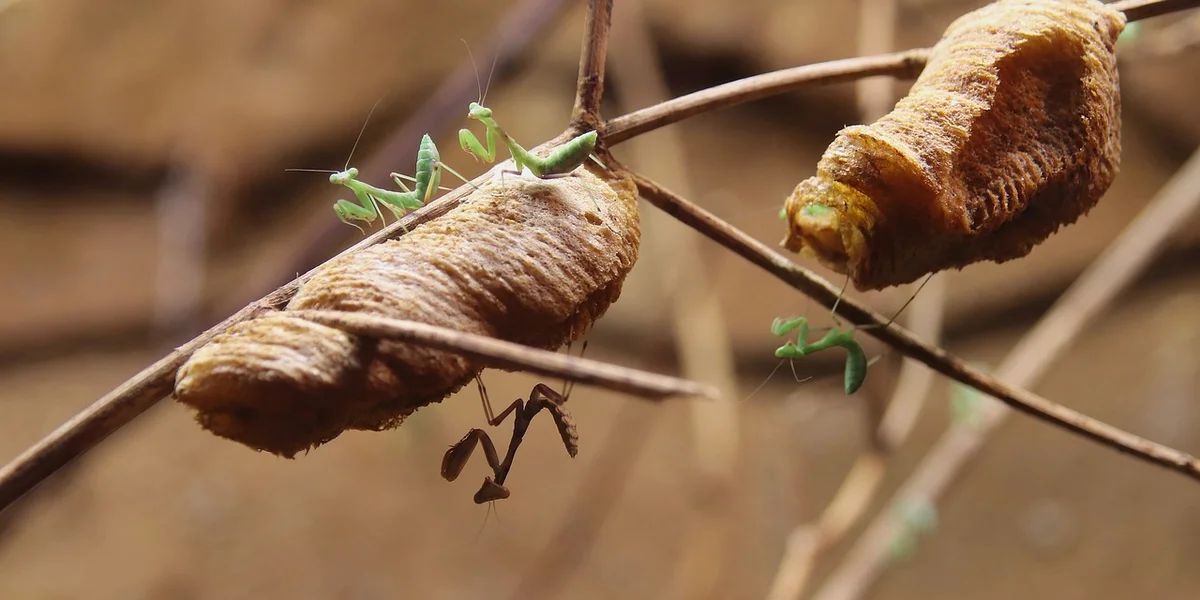
Mantises rely on their surroundings to regulate body functions, and unstable humidity or temperature can trigger hidden stress. Fluctuating moisture levels often lead to difficult molts, where the old skin sticks and causes injury or exhaustion. We’ve seen this with our Ghost Mantis, Luna; her delicate frills need consistent humidity to shed smoothly, or she becomes lethargic and hesitant to eat.
Incorrect temperatures disrupt their metabolism, making them too sluggish or overly active. Maintaining a steady warmth helps your mantis digest food properly and stay alert without burning excess energy. For instance, Moss, our Giant Asian Mantis, perks up when his enclosure stays between 22-26°C, but he hides and refuses prey if it dips suddenly. Extreme temperatures can be harmful to their health.
Steps for Proper Humidity Management
Start by monitoring levels with simple tools like a digital hygrometer, which you might find in a kitchen supply shop. Regular checks prevent surprises, allowing you to adjust misting before issues arise.
- Use a spray bottle with lukewarm water to mist the enclosure lightly once or twice daily, focusing on plants and sides rather than directly on your mantis.
- Choose moisture-retaining substrates like coconut fibre or sphagnum moss to help sustain humidity between 50-70%, depending on your mantis species.
- Place a shallow water dish or add live plants to naturally boost moisture, but avoid over-saturation that encourages mould.
Maintaining a Consistent Temperature
Keep a small thermometer inside the enclosure to track changes, much like we do with Sprig’s terrarium. Sudden drops or spikes can leave your mantis disoriented and vulnerable to illness.
- Position the enclosure away from direct sunlight or heating vents to avoid hot spots; a stable shelf in a room-temperature area works well.
- If needed, use a low-wattage heat mat placed on one side of the habitat, creating a gentle gradient for your mantis to move between warmer and cooler zones.
- Check temperatures morning and evening, adjusting based on your mantis’s behaviour-like if they’re clinging to the top (too warm) or staying low (too cool).
We once used a simple desk lamp with a timer for Moss during cooler months, and it kept him active and content. Small, consistent adjustments make a big difference in reducing stress and promoting healthy growth.
Is Poor Ventilation or Enclosure Placement a Hidden Stressor?
Inadequate airflow or risky placement can create drafts and stagnant air, leading to discomfort you might not notice at first. Poor ventilation traps humidity and allows harmful bacteria to build up, which can cause respiratory troubles or skin irritations. We learned this when Luna’s enclosure had too little airflow, and she started avoiding her favourite perches, seeming uneasy.
Drafts from windows, doors, or vents introduce sudden temperature shifts that stress mantises. Even gentle breezes can make them feel exposed, prompting them to hide or adopt defensive postures. Moss, for example, began pacing his enclosure when we temporarily placed it near a frequently opened patio door-a clear sign he felt unsettled by the constant air movement.
Ideal Locations in Your Home
Choose spots that mimic a mantis’s natural calm environment. Quiet, low-traffic areas away from noise and vibrations help your mantis feel secure and reduce startle responses.
- On a sturdy bookshelf or side table in a living room or bedroom, avoiding direct sunlight or heating/cooling sources.
- In a corner with consistent ambient light, but not under bright lamps that could overheat the enclosure.
- Away from kitchens or bathrooms where humidity and temperature swings are common, ensuring a more stable microclimate.
Ventilation Tips for a Healthy Habitat
Good airflow prevents moisture buildup without creating harsh drafts. Mesh or screen lids are excellent for cross-ventilation, allowing fresh air to circulate while keeping humidity in check.
- Ensure at least two sides of the enclosure have small vents or mesh panels to promote air exchange without strong currents.
- Avoid overcrowding with decorations; leave space for air to move freely around plants and perches.
- Clean the enclosure regularly to remove debris that might block vents and reduce airflow efficiency.
Stress Indicators to Watch For
Observe your mantis daily for subtle changes that signal discomfort. Unusual behaviours like frequent pacing, refusing food, or staying in one spot for hours can indicate signs of environmental stress. Noting these signs can guide habitat fixes. If stress is suspected, reassess enclosure conditions and adjust temperature, humidity, lighting, and hiding spots to support recovery.
- Look for mantises hanging upside down more than usual, which might mean they’re seeking better air or temperature.
- Notice if they rub their eyes or body against surfaces-a sign of irritation from poor conditions.
- Watch for colour changes or lethargy; for instance, Sprig’s pink hues dulled when her placement was too drafty, but she brightened after we moved her.
By tuning into these cues, you can quickly address issues before they affect your mantis’s well-being. Being aware of common mistakes when setting up your first mantis habitat helps you prevent problems from the start. Simple adjustments, like relocating the enclosure or adding a mesh cover, often restore their calm and curiosity.
Do You Lack Essential Climbing Structures and Hiding Spots?
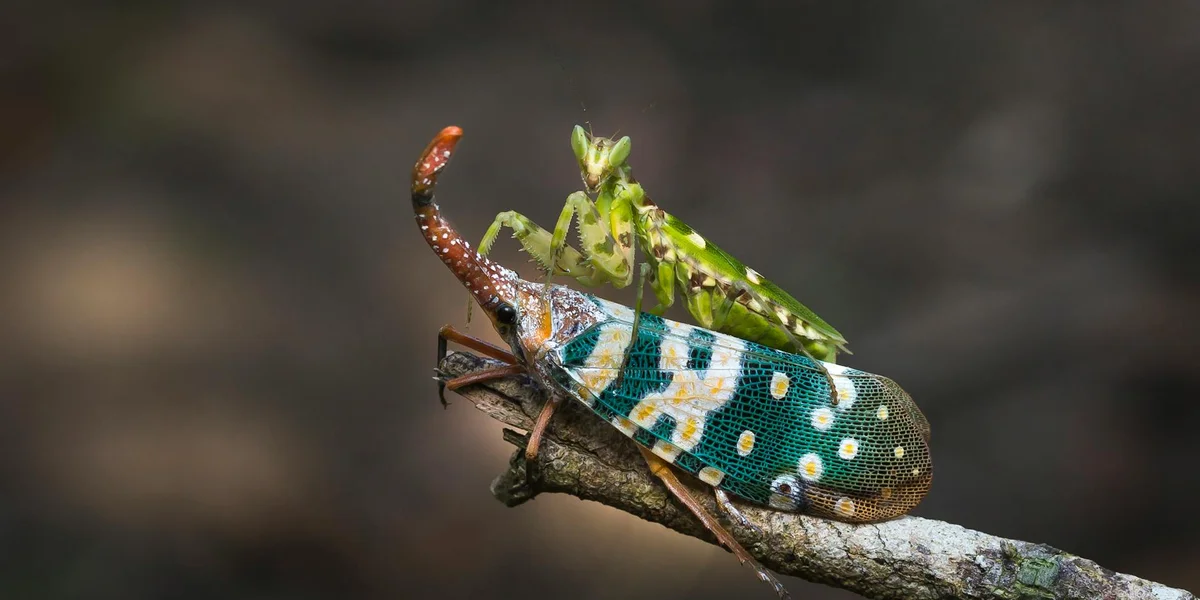
Setting up a bare enclosure might seem tidy, but it leaves your mantis feeling exposed and anxious. Mantises are arboreal creatures that rely on vertical climbing and secure perches to hunt, molt, and rest comfortably. Without these elements, they can become stressed, leading to poor feeding or failed molts. To create a naturalistic, safe habitat for your praying mantis, provide vertical space, secure perches, and leafy cover. This setup supports their hunting, molting, and resting as they would in nature.
In the wild, mantises blend into foliage and use branches to ambush prey. Replicating this environment with varied textures and heights helps reduce stress and supports their natural instincts. My Ghost Mantis, Luna, often tilts her head while perched on a twig, showing how these structures encourage curious, confident behavior.
Must-Have Accessories for a Thriving Mantis
- Thin branches or twigs: Choose non-toxic woods like oak or bamboo for sturdy perches at different angles.
- Artificial plants or netting: Soft, silk plants provide cover and mimic natural hiding spots without sharp edges.
- Cork bark or driftwood: These add texture and create shaded areas where mantises can retreat.
- Vines or lightweight ropes: Ideal for species like Orchid Mantises that enjoy delicate climbing surfaces.
Simple DIY Hiding Spot Ideas
You can craft affordable hiding spots using household items to make your mantis feel at home. Rolled-up paper tubes or small cardboard boxes with entry holes offer quick, disposable shelters that mimic leaf litter. For a more natural look, attach dried leaves to enclosure walls with non-toxic glue. This approach easily scales into creating a complete DIY mantis enclosure from everyday materials you already have at home. You can mix and match items to customize the habitat while keeping costs low.
- Repurpose clean mason jars by placing them sideways with moss inside for a humid hide.
- Use suction cups to hang fabric scraps or mesh from the lid, creating elevated resting spots.
- Weave thin sticks into a loose lattice against the enclosure back for climbing and molting support.
Observing Moss, my Giant Asian Mantis, I noticed he explores every new branch within hours. Adding these elements not only prevents stress but enriches your mantis’s daily life, much like a miniature forest adventure.
What Are the Common Hydration and Lighting Setup Blunders?
Many beginners assume mantises need water dishes, but these can drown small insects or create overly damp conditions. Mantises hydrate by drinking droplets from misted surfaces, not from standing water. Using a dish can lead to mold growth and increase stress from improper humidity levels.
Instead, lightly mist the enclosure walls and plants once or twice daily with warm water. This mimics morning dew and allows your mantis to drink safely while maintaining ideal humidity. For species like Sprig, my Orchid Mantis, I mist early in the day to replicate her native tropical climate.
Steps for Safe Hydration Without Stress
- Use a fine spray bottle to mist the enclosure interior, focusing on leaves and branches.
- Avoid spraying directly on your mantis to prevent startling them; let droplets form on surfaces.
- Monitor humidity with a hygrometer, aiming for 50-70% depending on the species.
- Adjust misting frequency based on enclosure ventilation-less for screen tops, more for glass.
Lighting is another area where mistakes creep in. Direct sunlight or intense bulbs can overheat the enclosure, causing dehydration or fatal stress. Mantises thrive in indirect, natural light or low-wattage LED bulbs placed outside the habitat.
Position enclosures away from windows to avoid temperature spikes. Ambient room lighting is usually sufficient, as mantises are crepuscular and prefer dim conditions for activity. I keep Luna’s setup in a shaded corner, where she remains active without exposure to harsh rays.
Feeding Schedule Influenced by Enclosure Design
Your enclosure’s layout directly affects how and when your mantis feeds. Include perches near feeding areas to make hunting easier and reduce competition stress. For example, place branches close to where you introduce prey, so your mantis can strike from a comfortable position. When choosing which species to keep, pick one that fits your enclosure size and perching options, since different species have different habitat needs. Matching the species to your setup helps support natural feeding behavior and easier care.
- Offer food every 2-3 days for adults, adjusting based on species and appetite.
- Use feeding tongs to place prey like fruit flies or crickets on accessible surfaces.
- Remove uneaten prey after a few hours to prevent harassment and enclosure contamination.
- Observe feeding behavior; if your mantis avoids food, check for stressors like poor lighting or lack of cover.
With Moss, I’ve found that a well-designed enclosure with proper hydration and lighting leads to consistent, enthusiastic feeding. By avoiding these common blunders, you create a calm environment where your mantis can flourish without hidden pressures.
Common Mantis Queries
How often should I replace the substrate in my mantis enclosure?
Substrate should be replaced every 1-2 months to prevent mold and bacteria buildup. Regular spot-cleaning can extend this interval while maintaining a healthy environment.
What are the benefits of using live plants over artificial ones?
Live plants help regulate humidity and provide a more natural, engaging environment for your mantis. They also improve air quality but require more care to avoid pesticides and overwatering.
How can I create a temperature gradient in the enclosure?
Place a heat mat on one side of the enclosure to create a warm zone, while the other side remains cooler. To create a vertical temperature gradient in your mantis enclosure, position heat sources at different heights. This allows your mantis to self-regulate its body temperature by moving between areas.
Your Mantis’s Peaceful Paradise: Wrapping Up
Steering clear of enclosure mistakes like improper humidity or unsafe decorations prevents hidden stressors that disrupt your mantis’s calm. Focus on mimicking their natural habitat with steady temperatures, gentle ventilation, and secure perches to encourage healthy, stress-free behaviors.
Keeping a mantis is a thoughtful commitment that grows with each observation and adjustment you make. We invite you to deepen your care by staying curious-watch your mantis closely and explore trusted resources to nurture a lasting, joyful partnership.
Further Reading & Sources
- How To Set Up A Praying Mantis Enclosure: 7 Easy Steps Checklist | Keeping Bugs
- r/mantids on Reddit: Why Mantis Die In Captivity – The Biggest Mistakes Beginner Keepers Make
- Enclosure Size Guide for Different Mantis Species – DiscoverMantises.com
- DIY Mantis Enclosure Ideas | EmethZoo
Rowan Hale is a lifelong insect enthusiast who fell in love with mantises for their calm presence, alien elegance, and surprising personalities. After years of keeping and raising a variety of species, Rowan shares practical tips, creative insights, and real-world experience to help others enjoy the quiet magic of mantis care. From setting up the perfect enclosure to understanding their subtle behaviors, Rowan invites readers into a gentle, curious world where every tiny movement feels like a discovery.
Temperature and Humidity