
The Mantis Death Curl: Causes and Recovery
Published on: February 14, 2026 | Last Updated: February 14, 2026
Written By: Rowan Hale
Hello there, mantis friend. You’ve likely come across a sight that tightens your chest-your mantis, usually so poised, now hunched oddly, its legs curling unnaturally beneath it.
This posture, often called the ‘death curl,’ is a serious sign of distress or severe illness, but in some specific cases, it can be reversible with immediate and correct intervention.
This topic is complex because the curl itself is merely a symptom; the true challenge lies in identifying the underlying cause. My own Giant Asian mantis, Moss, once displayed a mild version of this after a bad molt, and our quick action made all the difference.
Here’s what we’ll gently explore together:
- What the death curl truly looks like and why it happens.
- The most common reasons, from dehydration to fatal illness.
- Clear, step-by-step actions you can take to try and help.
- How to differentiate between a hopeful situation and a final farewell.
Understanding the Death Curl: More Than Just a Posture
When a praying mantis enters the death curl, its body contracts inward, legs tuck tightly, and its abdomen may curl under the thorax. This posture is a clear distress signal from your mantis, indicating its body is struggling to function normally. It’s not merely a resting position but a visible sign of internal crisis. We often see this in mantises like our Ghost, Luna, when they are severely dehydrated or nearing the end of their natural lifespan. Other signs of stress to watch for include reduced activity, slower movements, and decreased feeding. These cues can help you tell if your mantis is stressed.
The stillness is profound, broken only by a faint, papery rustle if you gently adjust their position. Recognizing this posture early gives you the best chance to intervene and provide supportive care.
What Causes the Death Curl in Pet Mantises?
The death curl has several potential triggers, ranging from fixable environmental issues to more serious health declines.
Environmental Stressors: Heat, Humidity, and Habitat
Your mantis’s enclosure is its entire world, and small imbalances can have large consequences.
- Extreme Temperatures: Excessive heat will rapidly dehydrate a mantis, while prolonged cold can shut down its metabolism. A temperature gradient is vital.
- Incorrect Humidity Levels: Low humidity is a primary cause of failed molts and dehydration. High humidity without ventilation encourages mold and bacterial growth.
- Poor Ventilation: Stagnant, stuffy air prevents proper respiration and can lead to a slow, suffocating decline.
- Chemical Exposure: Pesticides on feeder insects or airborne cleaners are toxic. Always source food from reputable suppliers.
Creating a stable, well-ventilated habitat with the right heat and moisture is your first line of defense against environmental stress.
Health and Nutritional Factors
Internal health is just as critical as the external environment.
- Severe Dehydration: This is one of the most common causes. A dehydrated mantis will have a shrunken, wrinkled abdomen and will be unable to molt properly.
- Starvation or Malnutrition: Offering only one type of feeder insect can lead to nutritional deficiencies. A varied diet is key for health.
- Failed Molt: If a mantis gets stuck during its molt, it can suffer physical damage or exhaustion that leads to the death curl.
- Old Age: For adult mantises, especially males, the death curl is often the natural and peaceful end of their lifecycle.
- Internal Infection or Injury: Falls, fights with prey, or bacterial infections can cause internal damage that manifests in this posture.
Observing your mantis’s daily habits and physical condition helps you catch these health issues before they become critical. Our Giant Asian, Moss, once showed early signs of dehydration which we corrected with gentle misting, preventing a full death curl. Low humidity can silently cause dehydration in mantises, a hidden danger that often presents as subtle lethargy. Staying mindful of enclosure humidity helps you spot and prevent these issues before they escalate.
Is the Death Curl Reversible? Assessing Prognosis and Hope
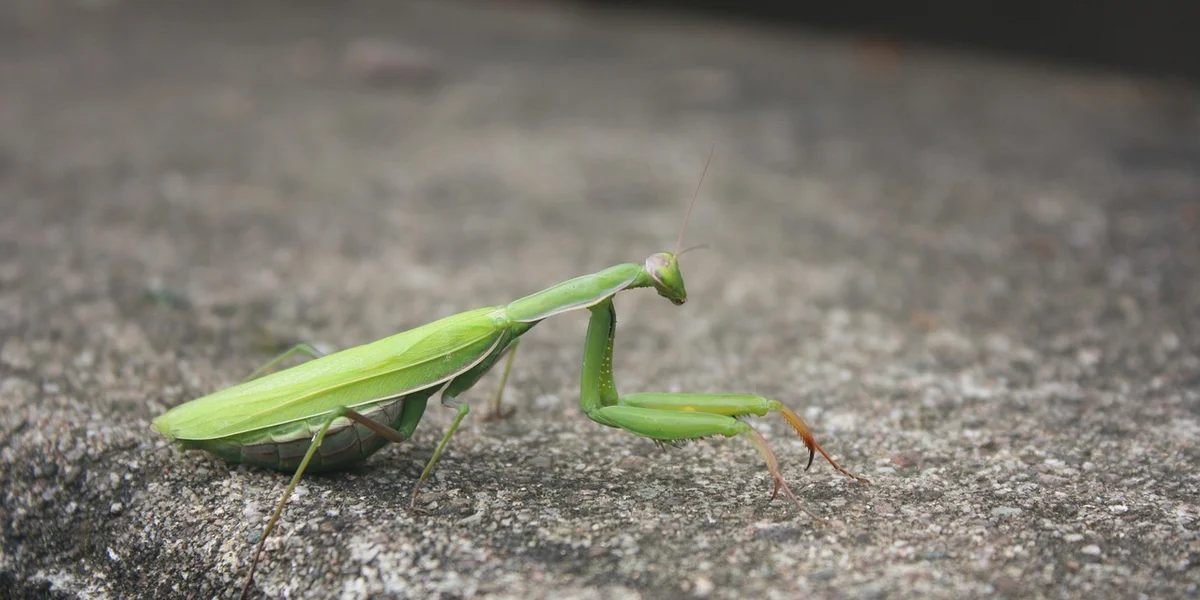
When you see your mantis curled and still, your heart might sink-we’ve been there too. The death curl’s reversibility hinges on its root cause and how swiftly you act. Early intervention often turns the tide, especially if dehydration or a minor setback is to blame. With Luna, our Ghost Mantis, a slight curl appeared after a warm spell dried her terrarium; a gentle misting and some quiet time saw her uncurl and resume her watchful perch.
Age and underlying illness play roles here. Older mantises, like Moss in his prime, may show the curl as a natural end, but juveniles can bounce back with care. Watch for subtle signs: a twitch of an antenna or a slow leg adjustment can signal hope. If the curl stems from severe injury or disease, recovery chances slim, but never rule out a mantis’s quiet resilience.
We focus on creating a nurturing space that supports their delicate bodies. Simple adjustments to humidity and warmth can coax a mantis back from the brink, buying precious time. If temperatures get too cold, their metabolism slows and movement may stall; if they get too hot, dehydration and stress can increase. Remember, each mantis is unique—observe closely and trust your instincts as their keeper.
Step-by-Step: What to Do If You Spot the Death Curl
Step 1: Quick Health Check
Start by assessing your mantis’s condition without delay. Gently tap the enclosure glass or use a soft brush to see if they respond with movement. A slight shift in posture or a slow antenna wave means there’s life to work with. Look for these key indicators in your quick check: If anything seems off, refer to the ultimate mantis health troubleshooting checklist for guidance on why my mantis might be sick. This quick reference helps you decide the next steps, from adjusting enclosure conditions to seeking expert help.
- Breathing movements: Watch the abdomen for subtle expansions.
- Leg flexibility: Are the legs stiff or do they give slightly when prodded?
- Eye response: Shine a dim light to see if the eyes track or react.
With Sprig, our Orchid Mantis, a curled stance once hid a molting prep-so patience and observation are vital. This initial check guides your next steps and helps avoid unnecessary stress.
Step 2: Hydration and Nutrition First Aid
Dehydration is a common culprit, so offer water right away. Use a clean spray bottle to mist the enclosure walls lightly, creating droplets they can sip. A drop of honey-water on a toothpick can provide quick energy if they’re too weak to hunt. For nutrition, try these gentle options:
- Place a small, live fruit fly near their mouthparts.
- If they show interest, offer pre-killed prey to reduce exertion.
- Avoid large insects that could overwhelm them.
We’ve found that a warm, moist cotton ball held near can encourage drinking without force. Hydration often revives a mantis within hours, so keep the environment damp but not soggy.
Step 3: Environmental Adjustments
Tweak the habitat to support recovery, focusing on comfort and stability. Raise humidity by misting more frequently or adding a shallow water dish. Ensure temperatures stay in the ideal range-around 75-85°F-using a low-wattage heat mat if needed. Make these adjustments to ease their stress:
- Increase ventilation to prevent mold without drying the air completely.
- Dim the lighting to mimic a calm, shaded spot in nature.
- Remove any loud noises or vibrations that could startle them.
In Moss’s case, a slight uptick in warmth and moisture helped him uncurl after a chilly night. Small changes in their surroundings can make a big difference in their will to recover.
Preventing the Death Curl: Proactive Care for a Happy Mantis
Diet and Hydration Best Practices
A well-fed mantis is a resilient one, and we’ve learned that variety in their meals makes all the difference. Offer a mix of live prey like fruit flies, small crickets, or moths to mimic their natural hunting instincts and provide essential nutrients. Juvenile mantises need daily feeding, whilst adults can eat every two to three days, adjusting based on their appetite and species. For a complete diet feeding guide, learn which prey to include and how to balance portions. We’ll also show how to tailor feeding to different life stages, so you can keep your mantis thriving.
Hydration is just as vital, and a simple spray bottle can work wonders. Lightly mist the enclosure walls and leaves once or twice daily, creating tiny water droplets for your mantis to drink from, much like morning dew in a garden. Make sure not to overdo it — knowing how much water they actually need is key. Watch for signs they’re thirsty-our Ghost Mantis, Luna, often tilts her head toward the mist, a quiet cue she’s enjoying the moisture.
- Feed prey that’s no larger than the mantis’s head to prevent injury or stress.
- Gut-load insects with nutritious greens before offering them, boosting your mantis’s health.
- Avoid overhandling during feeding times to keep mealtimes calm and predictable.
Dehydration can creep up quietly, so check for sunken eyes or lethargy as early warnings. If your mantis seems dry, a gentle mist with lukewarm water can often revive them, much like it did for our Giant Asian Mantis, Moss, who perked up after a spritz. Always use filtered or dechlorinated water to avoid irritating their delicate systems. Learn more about signs of dehydration in praying mantises and how to fix it.
Creating a Low-Stress Habitat
Your mantis’s home should feel like a safe, miniature jungle, with plenty of perches and hiding spots. Choose an enclosure that’s tall rather than wide, as mantises love to climb and observe from high vantage points, reducing their anxiety. A well-ventilated terrarium with mesh lids helps maintain fresh air flow, preventing mould and stagnation. This is part of creating a naturalistic, safe habitat for your praying mantis. A realistic setup supports natural behaviors and reduces stress.
Add natural elements like twigs, silk plants, or live pothos to create a lush environment. These not only provide climbing opportunities but also mimic the dense foliage where mantises feel most secure, much like the setup for our Orchid Mantis, Sprig, who blends into her floral decor. Avoid sharp objects or overcrowding, which can cause injury or stress.
- Maintain temperatures between 22-28°C using a low-wattage heat lamp if needed, avoiding direct heat on the mantis.
- Keep humidity levels around 50-70% with regular misting, using a hygrometer to monitor conditions.
- Place the enclosure in a quiet area away from loud noises or vibrations, as sudden disturbances can startle them.
Handling should be minimal and gentle, using a soft brush or your hand to guide them. By observing your mantis’s behaviour-like whether they readily climb onto your finger or retreat-you can gauge their comfort and adjust interactions accordingly. Handling and interacting with your praying mantis properly ensures stress-free encounters. A calm habitat encourages natural behaviours, from molting peacefully to hunting with confidence.
Myths vs Facts: Clearing Up Death Curl Misconceptions
Many keepers panic at the first sign of a death curl, but not all hope is lost. Understanding the truth behind common myths can help you respond effectively and potentially save your mantis’s life. We’ve sorted through the folklore to bring you evidence-based clarity.
| Myth | Fact |
| A death curl always means the mantis is dying. | It can indicate stress, dehydration, or illness, but with prompt care-like rehydration or adjusting habitat conditions-recovery is possible, especially in younger mantises. |
| Mantises don’t need water because they get it from prey. | While prey provides some moisture, mantises require direct hydration from misting or drinking droplets to thrive, as dry conditions quickly lead to decline. |
| Handling a mantis in a death curl will hasten its death. | Gentle handling to offer water or move them to a better environment can help, but avoid excessive disturbance to minimise stress. |
| Only old mantises get the death curl. | Age can be a factor, but juveniles and adults alike can experience it due to poor care, such as incorrect humidity or inadequate feeding. |
Another widespread belief is that a death curl is irreversible, but we’ve seen mantises bounce back with attentive support. Early intervention, like offering honey-water on a cotton swab for energy or ensuring proper warmth, can turn things around, much like it did for Luna when she was lethargic from low humidity. Trust your observations and act quickly-your calm approach makes all the difference.
Common Mantis Queries
Can a mantis recover from a death curl on its own without intervention?
It is unlikely for a mantis to recover without help, as the death curl typically signals severe distress requiring immediate care. Providing hydration and environmental adjustments can significantly improve their chances of survival.
What is the typical recovery time if a death curl is reversible?
Recovery can begin within hours if the cause, like dehydration, is addressed quickly, but full recuperation may take a day or more. The timeline depends on the mantis’s age and the severity of the underlying issue.
Are there any species-specific considerations for the death curl?
While the death curl is a general distress signal, some species may have varying tolerances to factors like humidity or temperature. Always tailor care to your mantis’s specific needs for the best outcomes.
Gentle Reflections on Mantis Care
Recognising the death curl early allows you to assess hydration and stress levels, giving your mantis the best chance for recovery. Offering a light misting or adjusting the enclosure’s warmth can sometimes reverse the curl if it’s caught in time.
We encourage all keepers to observe their mantises daily and respond promptly to any signs of distress. Staying curious and expanding your knowledge about mantis behaviour and habitat needs helps build a safer, happier home for your pet. Understanding the essential habitat requirements is key to a healthy, thriving praying mantis. Ensuring the enclosure size, humidity, and temperature meet species-specific needs supports ongoing well-being.
Further Reading & Sources
- Mantis died but no death curl…? | Mantid Forum – Mantis Pet & Breeding Forum
- Help me understand how my Praying Mantis has passed away | Arachnoboards
- What to do when your praying mantis dies – Chicago Parent
- Praying Mantis dead!? | Arachnoboards
Rowan Hale is a lifelong insect enthusiast who fell in love with mantises for their calm presence, alien elegance, and surprising personalities. After years of keeping and raising a variety of species, Rowan shares practical tips, creative insights, and real-world experience to help others enjoy the quiet magic of mantis care. From setting up the perfect enclosure to understanding their subtle behaviors, Rowan invites readers into a gentle, curious world where every tiny movement feels like a discovery.
Common Health Issues