
Recognizing the Earliest Signs of Molting Trouble in Mantises
Published on: August 19, 2026 | Last Updated: August 19, 2026
Written By: Rowan Hale
Hello fellow mantis friend, have you ever watched your mantis pause mid-stalk, its usual grace replaced by a hesitant stillness? That quiet shift in behavior is often the first whisper of molting trouble, and catching it early can save your mantis from a risky shed. We’ve all been there, peering into the enclosure with a mix of concern and curiosity.
The earliest signs include prolonged inactivity, refusal to eat even favorite prey, and subtle changes in posture or coloration. These clues, while faint, are your mantis’s way of signaling that all is not well.
Molting is a intricate dance of growth and vulnerability, shaped by factors like humidity and stress that can easily go awry. It demands a watchful eye, as the smallest misstep-like a drop in moisture or a sudden disturbance-can lead to stuck skin or worse.
In this guide, we’ll walk you through the key takeaways to stay ahead of trouble:
- How to spot pre-molt warning signs before they escalate
- Common molting issues and what they look like up close
- Simple steps to support your mantis through a safe molt
- Preventive care to reduce risks in future sheds
Understanding the Normal Molting Process
Molting is a natural, recurring event where your mantis sheds its old exoskeleton to grow. We like to think of it as a quiet, transformative rest period—much like a caterpillar in its chrysalis, but with more delicate precision. Does it work in practice? In healthy mantises, molts usually go smoothly when conditions—humidity, temperature, and nutrition—are right.
The Three Key Phases of Molting
- Pre-molt phase: Your mantis will slow down, stop eating, and often hang motionless from a branch or lid. Its skin may appear dull or slightly darker as it prepares to split.
- Molting phase: This is the actual shedding, which usually happens over a few hours. The mantis hangs upside down, gently wriggling free from its old skin-imagine it stepping out of a tight, papery suit.
- Post-molt phase: After the shed, your mantis rests while its new exoskeleton hardens and dries. It might not eat for a day or two but should gradually become more active.
A healthy molt follows a predictable rhythm. For younger mantises, molts can occur every few weeks, while adults may molt only once or twice before maturity.
Typical behaviors include seeking a secure, elevated spot and remaining still for long periods. My ghost mantis, Luna, always positions herself under a leaf days in advance, her frilled body poised like a curled autumn leaf waiting to fall.
After a successful shed, you’ll find the old skin intact nearby, and your mantis will look brighter and more vibrant. Normal recovery includes slight trembling as muscles adjust, followed by cautious movement and eventual interest in food or water.
Early Warning Signs of Molting Trouble
Spotting molting issues early can make all the difference for your mantis. We’ve gathered insights from our own keeping experiences and community discussions to help you recognise when something’s amiss. This is part of our ultimate mantis health troubleshooting checklist, including guidance on why your mantis might be sick and what steps you should take next.
Behavioral Changes to Watch For
- Lethargy: If your mantis lies flat on the enclosure floor for hours instead of perching, it might be struggling. Healthy pre-molt stillness still involves hanging, not lying down.
- Reduced appetite: While skipping meals before a molt is normal, refusing food for more than a week in younger mantises could signal stress or weakness.
- Refusal to eat even after molting: A mantis that shows no interest in prey 48 hours post-molt may be experiencing complications like mouthpart damage or dehydration.
Physical Symptoms That Raise Concern
- Cloudy eyes: While a slight cloudiness is typical pre-molt, persistently milky or swollen eyes can indicate infection or a stuck shed.
- Wrinkled skin: If the new exoskeleton remains crinkled or doesn’t smooth out within hours, humidity might be too low, risking deformities.
- Abnormal postures: Twisted limbs, a hunched back, or inability to grip properly often point to molting mishaps that need quick attention.
Many keepers report noticing these signs more at night, when mantises are naturally active. On forums like Reddit, users often share stories of mantises falling during the molt or getting stuck mid-shed-early intervention with gentle misting or adjusted perches can sometimes help.
Trust your instincts and observe quietly. Just as Moss, my Giant Asian Mantis, taught me, even the smallest shift in behaviour can whisper volumes about their wellbeing.
Common Causes Behind Molting Issues
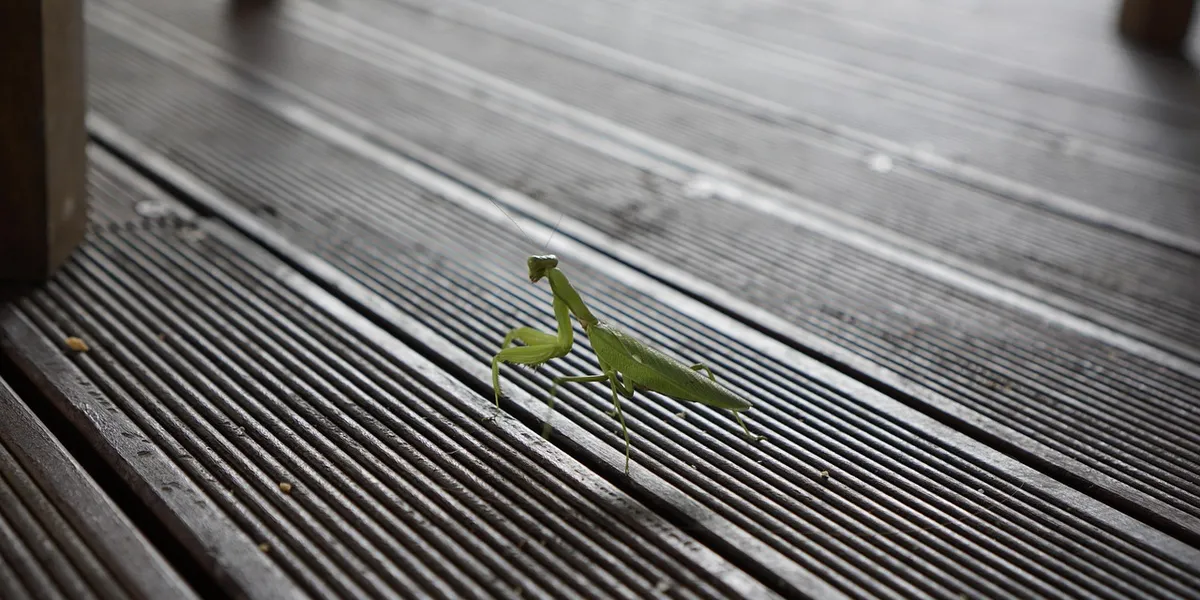
Molting troubles often stem from simple oversights in care that we can easily correct with a bit of attention. Spotting these root causes early helps you create a safer, more comfortable space for your mantis to shed successfully. After a molt, your mantis needs a bit of extra care as its new exoskeleton hardens. Keep the enclosure calm and maintain proper humidity to support a smooth recovery.
Improper Humidity Levels
Humidity acts like a gentle, invisible helper during molting, softening the old skin for a clean break. If the air is too dry, the exoskeleton hardens prematurely, trapping your mantis mid-shed-a risk we saw with Moss, our Giant Asian Mantis, when his enclosure dipped below ideal moisture. Aim for 60-80% humidity, using a hygrometer to monitor levels, and mist with warm water to mimic a soft, dewy morning.
Temperature Fluctuations
Mantises rely on steady warmth to fuel their energy for molting, much like a cozy greenhouse nurtures tender plants. Sudden drops or spikes can halt the process, leaving your pet weak and vulnerable; we keep our enclosures between 75-85°F (24-29°C) to avoid this stress. Use a reliable thermostat and place habitats away from drafts or direct sun to maintain that consistent, nurturing heat. It’s important to know how to safely heat your mantis enclosure without overheating to create the ideal environment for your pet.
Dehydration
A thirsty mantis lacks the fluid needed to split its old skin, leading to frustrating struggles. Watch for wrinkled abdomens or lethargic behavior-subtle hints that it’s time for a gentle misting or a droplet of water on leaves. We’ve found that a light spray each morning keeps our mantises, like Sprig the Orchid, hydrated and ready for smooth transitions.
Enclosure Setup Mistakes
Your mantis’s home should offer secure footing and ample height for hanging upside down during molts. Avoid cramped spaces or slippery surfaces; instead, include branches, mesh lids, or textured backgrounds for confident gripping. From personal trials, we learned that a well-ventilated, vertically oriented enclosure prevents falls and reduces panic, much like a sturdy tree limb in a quiet forest.
Stress from Handling
Handling your mantis too often, especially near molting time, can trigger anxiety that disrupts their delicate process. We treat our pets with quiet respect, limiting contact to essential checks and admiring them from a distance to keep their world calm. Remember, a stressed mantis may delay or abort a molt, so let them be the still, green statue they’re meant to be.
Nutritional Problems
A balanced diet rich in nutrients supports strong exoskeletons and healthy shedding cycles. Feeding low-quality prey or skipping gut-loading can lead to weak, incomplete molts; we dust insects with calcium and offer varied foods like fruit flies or small crickets. For instance, Luna, our Ghost Mantis, thrives on this approach, her frilled body shedding neatly with each growth spurt.
Immediate Steps to Assist a Struggling Mantis
-
Assess the mantis for signs of dehydration or stuck molt. Look for leftover skin clinging to limbs, a hunched posture, or sluggish movements—these clues tell you it’s time to act gently and quickly. Check if the abdomen appears shrunken or the eyes are dull, which often points to thirst. If dehydration is suspected, lightly mist the enclosure to provide drinking droplets for the mantis. Avoid over-wetting the enclosure and monitor the mantis closely for signs of improvement.
-
Adjust humidity and temperature in the enclosure gently. Raise humidity by misting with lukewarm water, avoiding direct sprays on the mantis, and ensure temperatures stay in the ideal range without sudden shifts. We use a small humidifier or covered ventilation to create a steady, moist environment that eases the shedding process. This is part of setting up the perfect humidity level for your praying mantis enclosure. Keeping humidity balanced supports healthy molts and overall well-being.
-
Provide supportive care without handling, and monitor closely. Place soft perches near the top for easy hanging, offer a shallow water dish, and resist the urge to touch-your calm observation is the best medicine. Keep the enclosure dim and quiet, checking every few hours for progress or new concerns.
-
Explain when and how to seek further help if no improvement. If your mantis remains stuck after 24 hours or shows signs of distress like labored breathing, consult an experienced keeper or exotic vet for guidance. We recommend snapping a photo to share details, as this helps others offer tailored advice for your pet’s unique situation.
Preventing Molting Problems Before They Start
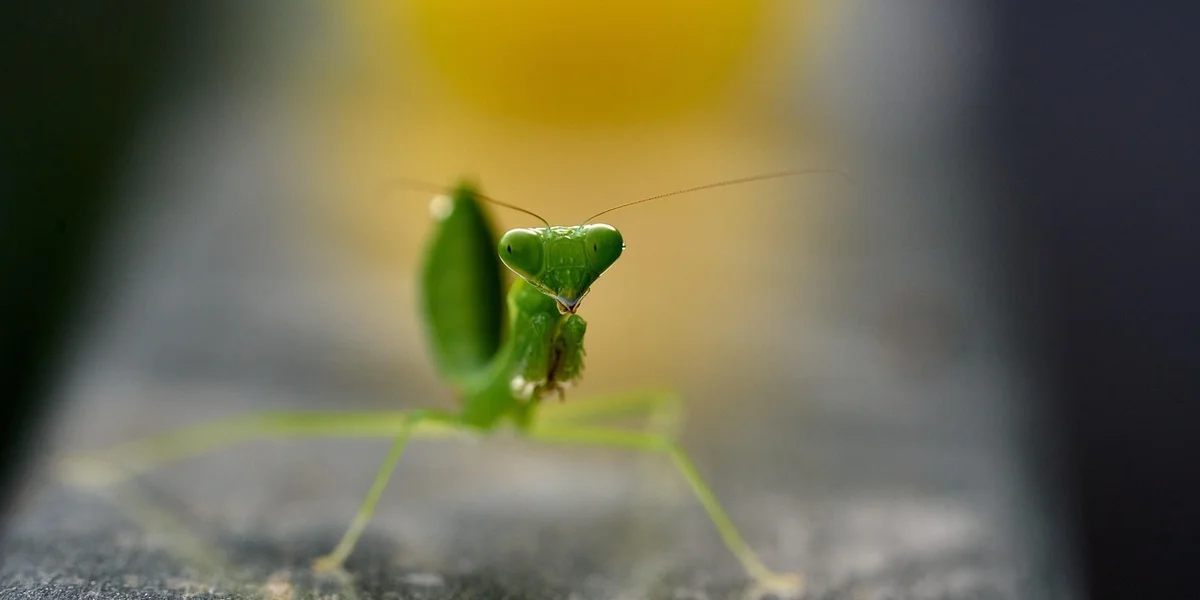
Setting up the right environment from the start gives your mantis the best chance for smooth, trouble-free molts. Think of their enclosure as a tiny, controlled ecosystem where every detail matters for their comfort and safety.
Humidity and Temperature Control
Maintaining stable humidity is one of the most powerful ways to support a healthy molt.
- Use a small spray bottle to mist the enclosure lightly once or twice daily.
- Warm water creates a gentler steam that mimics a natural, dewy morning.
- Place a shallow water dish or add damp sphagnum moss to boost moisture.
- Keep temperatures between 22-28°C, avoiding cold drafts or direct heat sources.
Consistent humidity helps the old skin separate cleanly, preventing it from sticking to the new exoskeleton. We’ve noticed our Ghost Mantis, Luna, becomes much more active just after misting, often drinking droplets from her forearms.
Enclosure Setup and Safety
A well-designed habitat reduces physical stress and injury risks.
- Ensure the ceiling and upper walls have a textured surface or mesh for secure hanging.
- Provide several vertical twigs or branches at different heights.
- Remove any sharp or rough decorations that could snag delicate limbs.
- Keep the enclosure clean to prevent mould or mite buildup.
Your mantis needs a safe, stable anchor point from which to hang upside-down during the entire molting process. A smooth-sided jar or slick plastic won’t give them the grip they desperately need.
Feeding and Handling Guidelines
Stress from overhandling or improper feeding can disrupt the molting cycle.
- Reduce handling as you notice pre-molt signs-your mantis needs quiet and stillness.
- Offer smaller, easy-to-catch prey like fruit flies or pinhead crickets.
- Stop feeding entirely once your mantis refuses food and hangs motionless.
- Never offer food during or immediately after a molt-wait at least 24-48 hours.
Handling a mantis close to molting can cause them to fall or startle, risking a mismolt or physical damage. Our Giant Asian Mantis, Moss, once dropped a leg after an ill-timed branch adjustment-it taught us to step back and let nature take its course.
Routine Observation and Early Detection
Daily checks help you spot subtle changes before they become serious.
- Note changes in appetite, colour, or activity level each day.
- Watch for cloudy eyes, a rounded abdomen, or restless climbing.
- Keep a simple journal if it helps track patterns over time.
- Learn your mantis’s normal behaviour so unusual stillness or agitation stands out.
Familiarity with your mantis’s habits is your greatest tool for catching molting trouble early. Even five minutes of quiet observation each day can make all the difference. Knowing how often mantises molt and how long the process takes can help you anticipate changes. Most molts last a few hours, with the new skin hardening over the next day.
When to Contact a Vet for Molting Emergencies
While most molting issues can be managed at home, certain situations require professional help. Exotic vets with invertebrate experience are rare, but invaluable in a crisis.
Recognizing Critical Scenarios
You should contact a vet if you observe any of the following:
- An incomplete molt where parts of the old skin remain stuck, especially on the head or limbs.
- Prolonged lethargy or weakness more than two days after molting.
- Visible injuries, bleeding, or a severely crumpled wing or leg.
- Signs of infection like blackening tissue, fuzzy mould, or unusual discharge.
- Severe dehydration-sunken eyes, a shriveled abdomen, or inability to grip.
Stuck shed around the mouthparts or eyes can prevent feeding and lead to starvation if not addressed quickly. Time is especially critical in the first few hours after a problematic molt.
How to Prepare for a Vet Visit
Being prepared helps the vet assess your mantis effectively.
- Take clear photos or a short video of the problem area and your mantis’s behaviour.
- Note the last successful molt, recent feeding history, and enclosure conditions.
- Bring your mantis in a small, secure container with ventilation and a soft paper towel.
- Share your mantis’s species, age, and any previous health issues.
Having a timeline of your mantis’s recent behaviour and habitat conditions helps the vet pinpoint the underlying cause. We always keep a little log for each of our mantises-it’s come in handy more than once.
Remember, severe molting emergencies are uncommon, but acting quickly when they occur can save your mantis’s life. If you’re wondering whether your mantis is about to molt, look for signs like a duller color, slower movements, or a tucked posture. Recognizing these signs a mantis is molting can help you prepare and seek expert advice promptly. Trust your instincts—if something feels seriously wrong, seeking expert advice is always the right choice.
FAQs on Mantis
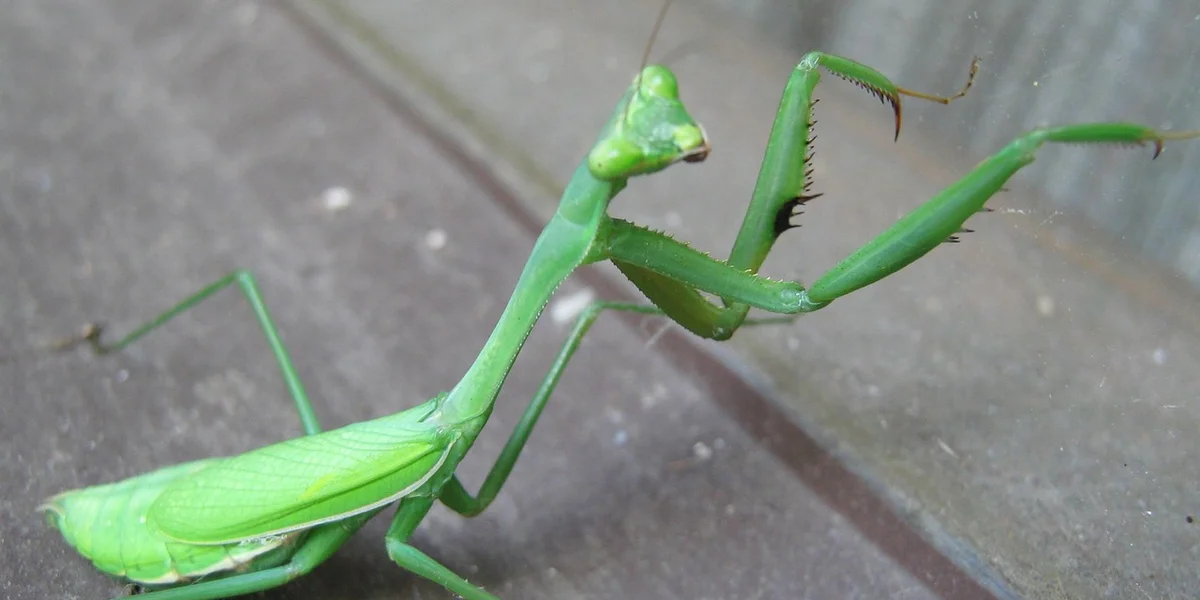
What subtle behaviors indicate molting trouble in mantises?
Watch for unusual grooming neglect or a sudden drop in responsiveness to movement nearby, as these can hint at underlying stress. Consistent failure to assume a hanging posture when resting may also point to weakness or discomfort before a molt.
Why are molting signs often more apparent at night?
Mantises are naturally crepuscular or nocturnal, so their increased activity after dark makes behaviors like restless climbing or molting attempts more visible. This timing allows observant keepers to catch issues like falls or stuck sheds when they are most likely to occur.
What common molting issues do mantis keepers report on platforms like Reddit?
Reddit communities frequently highlight incidents of mantises falling during the molt or retaining old skin on critical areas like the eyes. Users often share tips on gentle humidity adjustments and providing textured surfaces to minimize these risks.
Caring for Your Mantis Through Molting
Stay observant and responsive to subtle changes in your mantis’s behaviour and appearance, as early detection is your most powerful tool. Regular cleaning and routine habitat maintenance help keep the enclosure clean and healthy. Creating a stable, stress-free habitat with proper humidity and secure footholds gives your mantis the best chance for a successful molt.
Your dedication to learning and attentive care makes all the difference in your mantis’s wellbeing. We encourage you to keep observing, keep asking questions, and continue growing alongside your fascinating pet.
Further Reading & Sources
- Praying Mantis Molting: Everything You Should Know
- How Can I Tell If My Praying Mantis Is Molting? | Pets on Mom.com
- My praying mantis has been showing clear signs of molting. It’s been hanging upside down for days, but today it came down and I didn’t see it molt, nor do I see its shed skin. What happened? – Quora
- r/mantids on Reddit: Signs Of Mantis Molting?
Rowan Hale is a lifelong insect enthusiast who fell in love with mantises for their calm presence, alien elegance, and surprising personalities. After years of keeping and raising a variety of species, Rowan shares practical tips, creative insights, and real-world experience to help others enjoy the quiet magic of mantis care. From setting up the perfect enclosure to understanding their subtle behaviors, Rowan invites readers into a gentle, curious world where every tiny movement feels like a discovery.
Common Health Issues