
Is a Praying Mantis an Insect or Bug? The Simple Truth
Hello, mantis friend! Have you ever spotted a praying mantis perched on a leaf, its slender body still as a statue, and wondered exactly what kind of creature you’re admiring? That moment of curiosity is where many of us begin our journey into the world of these captivating hunters.
Yes, a praying mantis is definitely an insect, but it isn’t considered a ‘true bug’ in the scientific sense. We often use the word ‘bug’ for all sorts of small, many-legged animals, which makes the question a bit trickier than it first appears.
The distinction lies in specific biological details that entomologists use to classify living things. Getting this right helps us appreciate the incredible diversity within the insect world.
In this article, we’ll walk through the key differences together. You’ll come away with a clearer picture of what sets insects and bugs apart.
- Precise definitions that separate insects from true bugs
- Unique features that make praying mantises such special insects
- Why common names can sometimes lead to mix-ups
Understanding the Basics: Insect or Bug?
Defining Insects and True Bugs
When we talk about insects, we’re referring to a specific group of animals with six legs, three main body parts, and often wings. True insects belong to the class Insecta, and they share these core features that set them apart from other critters. You can spot them by their segmented bodies, antennae, and the way they molt their exoskeletons as they grow.
True bugs, on the other hand, are a smaller category within insects, known scientifically as Hemiptera. These creatures have piercing-sucking mouthparts that let them feed on plant sap or other fluids, unlike the chewing jaws of many insects. Think of aphids or shield bugs-they’re classic examples that fit this precise definition.
- Insects: Six legs, three body segments (head, thorax, abdomen), and usually one or two pairs of wings.
- True bugs: A subset of insects with specialized mouthparts for sucking, and often triangular shapes on their backs.
In our mantis care, noting these differences helps us understand their feeding habits better. Praying mantises use grasping forelegs to catch prey, not sucking mouthparts, which clearly places them outside the true bug group. To answer whether they eat a complete diet, our feeding guide outlines their needs. For a full overview, see our complete diet feeding guide for mantises.
Everyday Language vs Scientific Terms
In casual chats, many of us call any small, crawling creature a “bug,” from spiders to beetles. This everyday use is broad and friendly, but it can blur the lines between scientific categories. It’s a bit like how some folks refer to all fizzy drinks as “pop,” even though there are many distinct types.
Scientifically, terms are precise to avoid confusion in research and care. Using accurate language ensures we provide the right environment and diet for our pet mantises, based on their true insect nature. For instance, knowing they’re insects guides us on molting support and habitat setup.
- Everyday terms: “Bug” often means any tiny animal, including insects, spiders, and more.
- Scientific terms: “Insect” specifies a class with defined traits, while “bug” refers only to Hemiptera.
We’ve found that clarifying this helps new keepers feel more confident. Embracing the scientific terms deepens our connection to these fascinating pets and their unique needs.
The Science Behind Mantis Classification
Taxonomy of the Praying Mantis
Taxonomy is the science of naming and grouping living things, and it places the praying mantis firmly in the insect world. Starting from the broadest group, mantises belong to Kingdom Animalia, as they’re multicellular organisms that consume food for energy. From there, they fall into Phylum Arthropoda, sharing traits like jointed legs and exoskeletons with crabs and spiders.
Diving deeper, mantises are in Class Insecta, Order Mantodea. This order includes over 2,400 species, each with variations in color and behavior, like our own Luna, a Ghost Mantis with her leaf-like camouflage. Common pet species, such as the Giant Asian Mantis, often belong to the family Mantidae.
- Kingdom: Animalia
- Phylum: Arthropoda
- Class: Insecta
- Order: Mantodea
- Family: Mantidae (for many popular species)
- Species: Examples include Mantis religiosa (European Mantis) or Hierodula membranacea (Giant Asian Mantis).
Understanding this hierarchy helps us appreciate their place in nature. It reminds us that each mantis, from Moss’s energetic climbs to Sprig’s shy hunts, is part of a diverse and ancient lineage.
Key Insect Traits in Mantises
Praying mantises exhibit all the hallmark features of insects, making them a perfect example for study. They have six legs, with the front pair adapted into raptorial arms for capturing prey, which we see in action during feeding time. Their bodies are divided into head, thorax, and abdomen, allowing for efficient movement and sensory processing. For readers curious about exactly how many legs a mantis has and how they’re arranged, this Praying mantis leg anatomy will break down the leg structure in detail. We’ll look at each leg segment and its function.
Another key trait is their exoskeleton, which they shed periodically through molting. We’ve watched our mantises, like Moss, carefully split their old skin and emerge softer and larger, a process that requires high humidity and stillness. This molting is crucial for growth and is a sign of healthy development in captivity.
- Six legs: The forelegs are modified for grasping, while the others support perching and walking.
- Three body parts: Head holds large compound eyes for keen vision, thorax anchors legs and wings, and abdomen contains organs.
- Exoskeleton: Made of chitin, it provides protection but must be molted to allow expansion.
- Incomplete metamorphosis: Young mantises, called nymphs, resemble adults and grow through successive molts without a pupal stage.
These traits not only define them as insects but also influence how we care for them. By recognizing these characteristics, we can create enclosures that mimic their natural habitats, ensuring they thrive under our watch.
Why Praying Mantises Aren’t True Bugs
What Makes a True Bug?
In the world of science, the word “bug” has a very specific meaning. True bugs belong to the insect order Hemiptera, a group defined by their unique mouthparts designed for piercing and sucking. Think of an aphid on a rose stem or a cicada on a tree trunk; they use their sharp, straw-like beaks to drink plant sap or, in some cases, the bodily fluids of other creatures.
Their wings are another giveaway. Many true bugs have forewings that are half leathery and half membranous, creating a distinctive X-shaped pattern on their backs when at rest. This specialized wing structure is a hallmark of the Hemiptera order and something a mantis simply doesn’t possess.
Unique Mantis Adaptations
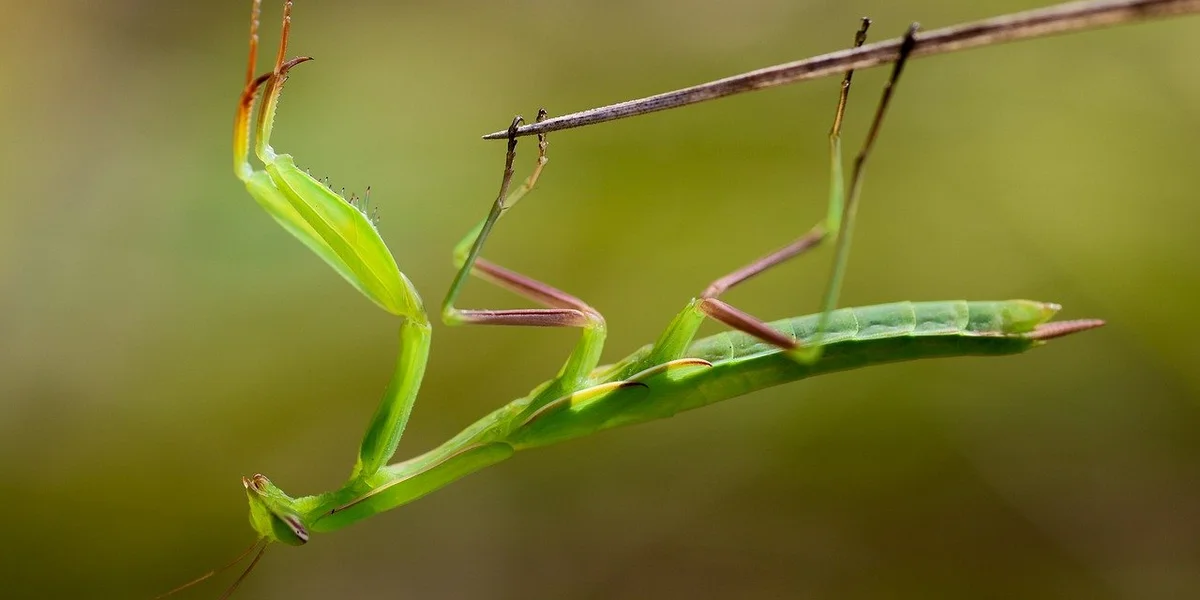
Praying mantises, on the other hand, belong to the order Mantodea. Their entire body plan is built for a different lifestyle: that of an ambush predator. While a true bug is a sipper, a mantis is a grabber, a holder, and a biter. Are those arms really claws? In scientific terms, they’re called the raptorial forelegs—specialized for grabbing prey, with claw-like spines. Their front legs are the most obvious clue, evolved into spectacular raptorial claws that snap shut on prey in a fraction of a second.
Their head is another masterpiece of adaptation. A mantis can rotate its triangular head nearly 180 degrees, granting it an almost unnerving field of vision to spot potential meals or threats. This is a far cry from the more fixed head position of most true bugs. We’ve watched our own Moss, a Giant Asian mantis, track a fly’s every movement with this precise, calculating head-turn before launching his attack.
Key Characteristics of Praying Mantises
Physical Features and Body Structure
Every mantis shares a common body blueprint that makes them instantly recognizable. Their body is neatly divided into three main sections: the head, thorax, and abdomen. This three-part structure is a classic feature of all insects, but the mantis wears it with a certain graceful authority.
Let’s break down their most notable features:
- Raptorial Forelegs: These are their signature weapons. The femur and tibia are lined with sharp spines that interlock like a trap, ensuring whatever is caught cannot escape.
- Triangular Head: This shape accommodates their large, wide-set compound eyes, which are superb at detecting movement. They also have three simple eyes (ocelli) on their forehead for detecting light.
- Flexible Neck: The connection between the head and thorax is remarkably flexible, allowing for that characteristic swivel.
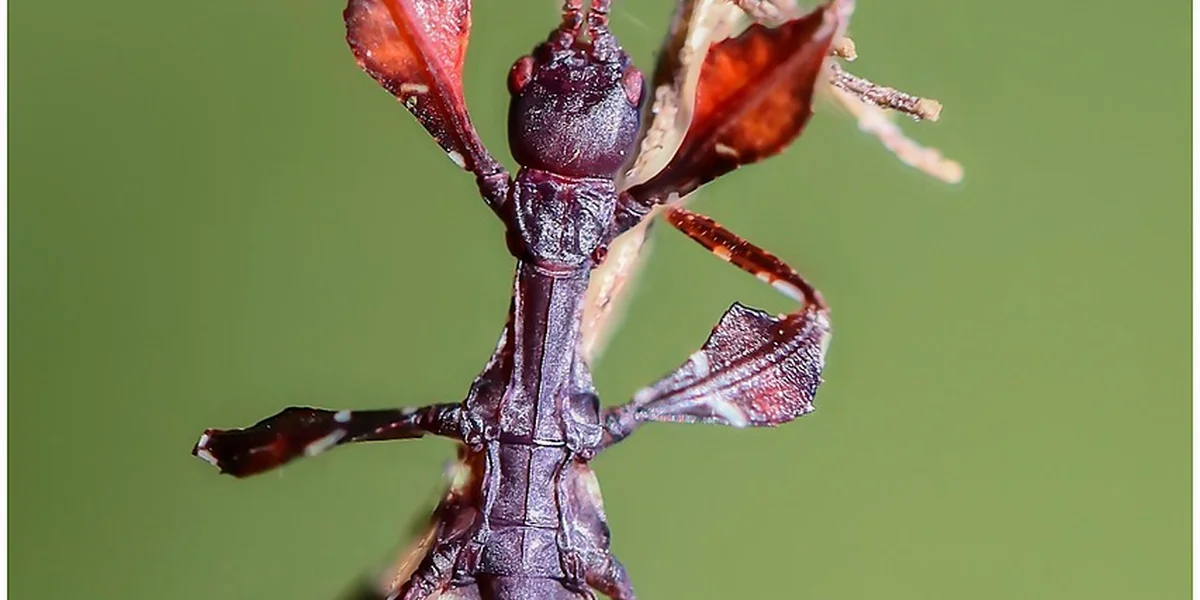
- Camouflage: From the leaflike frills of a Ghost Mantis like our Luna to the flower-petal mimicry of an Orchid Mantis, their bodies are masters of disguise.
Behavioral Traits for Pet Owners
Understanding how a mantis behaves is the key to being a good keeper. Their hunting style is one of immense patience; they will remain perfectly still for hours, waiting for the perfect moment to strike. This isn’t a sign of boredom, but of ingrained predatory instinct.
Another critical behavior to understand is molting. In order to grow, a mantis must periodically shed its old, tight exoskeleton in a process called ecdysis. In the days leading up to a molt, your mantis will likely stop eating and hang motionlessly from the top of its enclosure. It’s a vulnerable time, and it requires a humid environment for the new skin to soften and the mantis to emerge safely.
You might also notice a gentle, rhythmic rocking from your mantis. This swaying motion is a brilliant piece of behavioral adaptation, helping them blend in with vegetation moving in the breeze and making them less detectable to both prey and predators. It’s a beautiful, hypnotic behavior that reminds us of their deep connection to the natural world.
How Classification Informs Pet Care
Linking Taxonomy to Mantis Needs
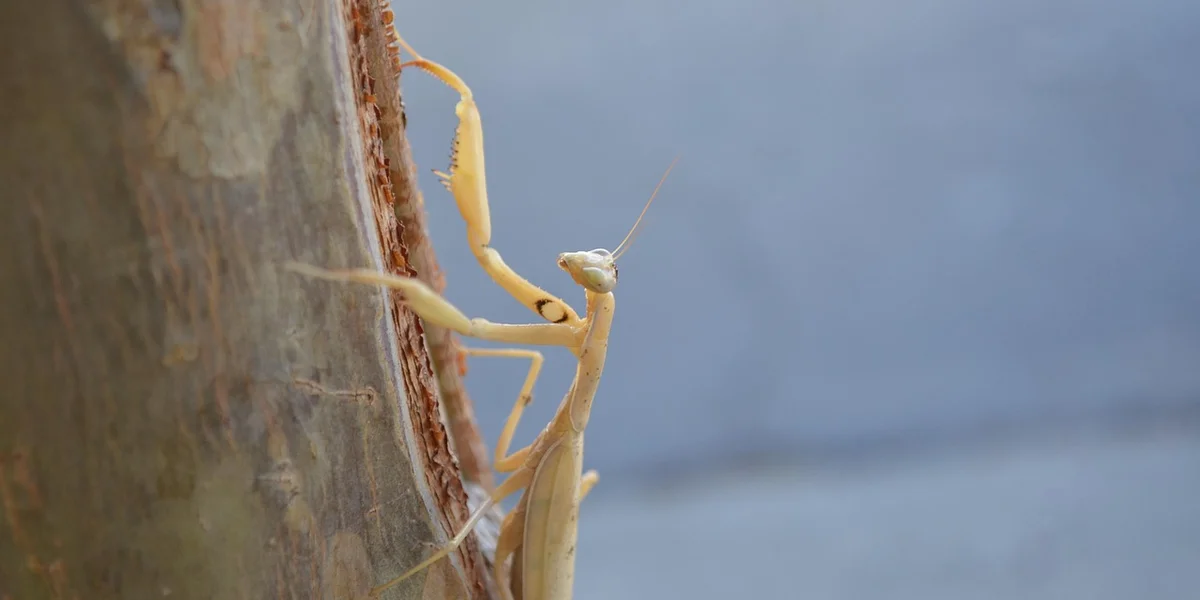
Knowing that praying mantises belong to the insect order Mantodea helps us tailor their care precisely. Their insect classification means they rely on external factors like humidity and temperature to thrive, much like many garden-dwelling creatures. For instance, mantises molt their exoskeletons as they grow, so maintaining proper moisture levels prevents stuck skin. When our Ghost Mantis, Luna, prepared to molt, we misted her enclosure lightly each morning to mimic dew-kissed leaves. It’s one of the many special characteristics of praying mantises that endear them to enthusiasts.
Their predatory nature as insects shapes their feeding habits. We offer live prey like fruit flies or crickets, which encourages natural hunting behaviours and keeps them engaged. A varied diet supports their health, and observing their strikes reminds us of their wild instincts.
- Humidity control: Aim for 50-70% to ease molting.
- Temperature ranges: Most species prefer 20-30°C, similar to temperate climates.
- Enclosure setup: Include vertical branches for climbing, reflecting their arboreal insect traits.
Handling and Safety Insights
Handling your mantis gently respects their delicate insect physique. We always approach slowly and let them step onto our hand voluntarily to reduce stress. Moss, our Giant Asian Mantis, often explores fingers with cautious curiosity, but we avoid sudden movements that might startle him.
While mantises rarely bite, their spiny forelegs can pinch if they feel threatened. Wash your hands before and after handling to protect both you and your pet from contaminants. This simple step prevents transferring oils or residues that could harm their sensitive exoskeletons.
- Support their body fully when lifting to avoid falls.
- Handle during calm periods, not before or after molting.
- Supervise interactions with children to ensure gentle touches.
Common Mantis Species for Pet Owners
Popular Pet Mantis Types
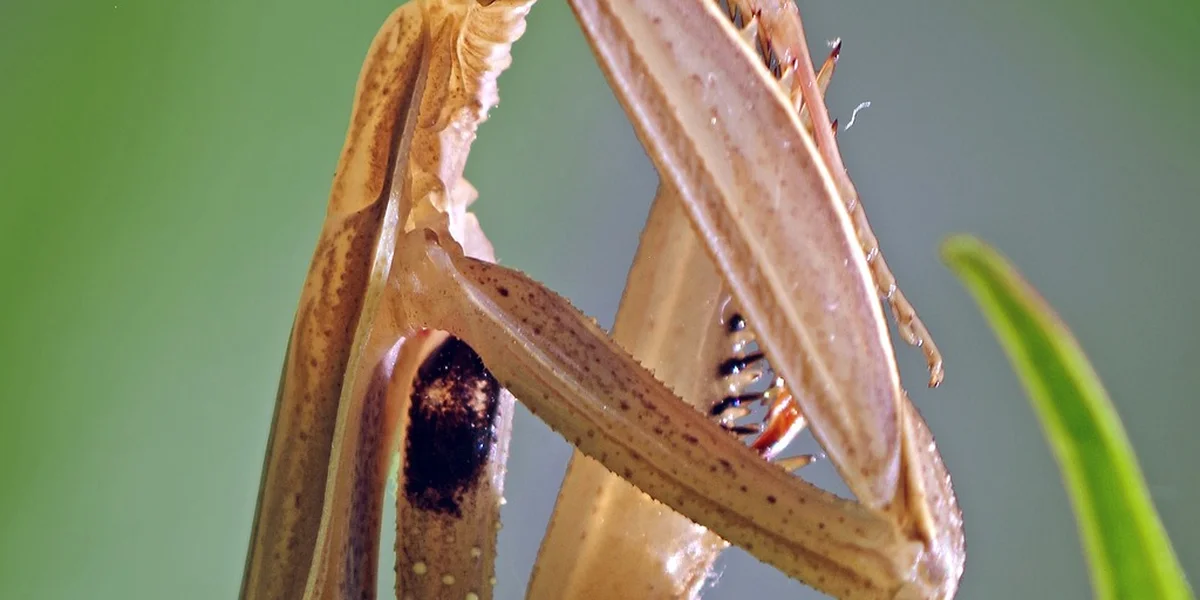
Many mantis species make wonderful pets, each with unique charms. Ghost Mantises (Phyllocrania paradoxa) are ideal for beginners due to their calm demeanour and leaf-like camouflage. Luna, with her misty brown frills, spends hours perched motionless, blending into her surroundings.
- Giant Asian Mantis (Hierodula membranacea): Vibrant green and energetic, they enjoy exploring new branches. Moss eagerly climbs any fresh addition to his home.
- Orchid Mantis (Hymenopus coronatus): With pink-and-white petals, they require higher humidity. Our juvenile Sprig thrives in a warm, misty environment.
- European Mantis (Mantis religiosa): Hardy and widespread, they adapt well to various setups, making them a reliable choice.
Choosing the Right Mantis for You
Selecting a mantis depends on your experience and lifestyle. We recommend starting with a hardy species like the Ghost Mantis if you are new to insect care. Their low maintenance needs let you focus on learning basics without overwhelm.
Consider the space and time you can dedicate. Smaller species fit neatly in compact enclosures, whilst larger ones may need more room to roam and hunt. Sprig’s orchid-like beauty demands attentive humidity checks, perfect for those who enjoy daily interactions.
- Assess your comfort with feeding live insects.
- Check local availability and legal restrictions.
- Match the species’ temperament to your handling preferences.
Debunking Myths About Mantises
Many people hold curious ideas about praying mantises, often shaped by stories or quick glances. We find that gently correcting these myths helps new owners feel more at ease with their fascinating pets.
Common Misconceptions Explained
Let’s clear up a few widespread misunderstandings with facts from our hands-on experience.
One common belief is that mantises are not true insects due to their unique appearance. Praying mantises are indeed insects, belonging to the order Mantodea, with six legs, three body segments, and often wings in adults. To contrast them with grasshoppers, mantises belong to Mantodea while grasshoppers belong to Orthoptera. Mantises have grasping forelegs for catching prey, whereas grasshoppers have large hind legs adapted for jumping.
Some worry that mantises pose a danger to humans, perhaps from venom or aggression. In reality, mantises are harmless to people; they might pinch if mishandled, but it’s rare and feels like a mild pinch, not a sting.
Another myth suggests they can change color at will, like chameleons. While species like the Orchid Mantis blend with flowers, this is camouflage through natural coloration, not rapid change-we’ve seen Sprig, our juvenile Orchid, remain softly pink for weeks.
People sometimes think mantises are easy to care for without specific needs. They thrive with proper humidity, temperature, and live food, much like our Moss, who perks up after a gentle misting.
- Myth: Mantises are bugs, not insects. Fact: Scientifically, “bug” refers to hemipterans, but mantises are insects; both terms are used loosely in pet care.
- Myth: They only eat other insects. Fact: They enjoy a varied diet, including small crickets and fruit flies, which keeps them active and healthy.
- Myth: Mantises are solitary and aggressive. Fact: They can be kept alone peacefully, but introductions to others should be done with care to avoid stress.
Cultural Beliefs and Name Origins
The name “praying mantis” stems from their folded forelimbs, which resemble hands in prayer. This posture isn’t just for show—it’s a patient hunting stance we’ve admired in Luna, our Ghost Mantis, as she waits motionless for prey.
In various cultures, mantises symbolize patience, meditation, and good fortune. Their quiet, deliberate movements evoke a sense of calm, much like the stillness in a well-tended garden.
Some folklore portrays them as wise or mystical creatures. We’ve found that observing their behavior can feel like a gentle lesson in mindfulness, with each slow turn of the head hinting at ancient wisdom.
- Origin: The term “mantis” comes from Greek, meaning “prophet” or “seer,” reflecting their perceived wisdom.
- Cultural significance: In parts of Asia, they are seen as symbols of good luck and are sometimes kept to ward off negative energy.
- Modern interpretations: Many pet owners, including us, appreciate them for their eco-friendly role in controlling pests naturally.
Questions from Fellow Mantis Friends
Is a praying mantis dangerous to humans?
A praying mantis is not dangerous to humans and possesses no venom. They are generally docile pets but may pinch with their spiny forelegs if they feel threatened. Unlike some other insects, they do not have any venom or poison.
Does a praying mantis bite, and does it hurt?
A mantis may bite if extremely provoked, but it is very rare and typically feels like a slight pinch. Their small jaws are not powerful enough to break human skin, making them safe to handle with care.
Are praying mantises poisonous?
Praying mantises are not poisonous to humans or other pets if touched or accidentally ingested. They are safe insects to keep, as they do not produce or carry any toxins. Additionally, they can help control common garden pests by preying on them. However, they are generalist predators and may occasionally eat beneficial insects.
Final Thoughts on Your Mantis’s Identity
Praying mantises are true insects from the order Mantodea, not bugs, which shapes how we approach their care with specific habitat and dietary needs. Understanding this biological distinction allows you to create a comfortable home that mirrors their natural instincts, whether it’s providing proper perches or managing humidity. In the wild, praying mantises occupy a variety of habitats—from forests and grasslands to gardens—where distribution is shaped by temperature, vegetation, and prey availability. Matching these natural habitat patterns in captivity helps support their innate behaviors.
As pet owners, we hold the responsibility to observe and adapt our care routines to support their health and happiness over time. Staying curious and seeking out new insights on mantis behavior, like how our Luna responds to gentle handling, deepens the bond and ensures your pet thrives.
Further Reading & Sources
- Mantis – Wikipedia
- Praying Mantis | National Geographic Kids
- Praying Mantids – Wisconsin Horticulture
- Praying mantis insect facts and features
Rowan Hale is a lifelong insect enthusiast who fell in love with mantises for their calm presence, alien elegance, and surprising personalities. After years of keeping and raising a variety of species, Rowan shares practical tips, creative insights, and real-world experience to help others enjoy the quiet magic of mantis care. From setting up the perfect enclosure to understanding their subtle behaviors, Rowan invites readers into a gentle, curious world where every tiny movement feels like a discovery.
Common Species