
My Mantis’s Wings Are Deformed After Molting: Causes & Care
Published on: January 25, 2026 | Last Updated: January 25, 2026
Written By: Rowan Hale
Hello there, fellow mantis friend.
Finding your mantis with crumpled, uneven wings after a molt is a moment that can make any keeper’s heart sink. That delicate, papery structure you watched so patiently for is now imperfect.
The immediate answer is to ensure your mantis is safe and stable, then focus on supportive care and adjusting its habitat to prevent future issues; a mantis with deformed wings can still live a full and healthy life.
Wing deformities are a complex topic, influenced by everything from humidity levels to the mantis’s own positioning during its vulnerable shed.
- Why wing deformities happen in the first place.
- Immediate steps to take for your mantis’s safety and comfort.
- Long-term care adjustments for a happy, healthy life.
- How to prevent this from occurring in future molts.
Is This an Emergency? Assess Your Mantis’s Condition Now
First, take a deep breath and observe your mantis from a short distance without disturbing it. Watch for any signs of immediate distress, like frantic movements or a hunched posture that suggests pain or discomfort.
- Check if your mantis can move its legs and antennae normally-stiffness or paralysis is a red flag.
- Look for bleeding or fluid leaks, which can indicate internal injury from a bad molt.
- See if it attempts to eat or drink; refusal over several hours might mean it’s too weak.
- Monitor for stuck shed on its body, especially around the wings or legs, as this can restrict movement.
- If it’s lying on its back or side and can’t right itself, that’s a critical situation needing quick action.
We once noticed our Ghost Mantis, Luna, staying unusually still after a molt-her delicate frills seemed tangled. Gently assessing her helped us spot a tiny piece of old skin stuck near a wing, which we carefully removed with a damp cotton swab.
How to Gently Examine Your Mantis for Serious Issues
Start by washing your hands with warm water to avoid transferring oils or germs. Approach your mantis slowly from the front so it sees you coming, reducing stress and sudden reactions.
- Use a soft paintbrush or your finger to coax it onto a clean surface, like a piece of paper or your palm.
- Inspect its wings for wrinkles, tears, or asymmetry-deformities often show as crumpled or misaligned parts.
- Check the abdomen and joints for any remnants of old skin; stuck shed can cause long-term issues if not addressed.
- Look closely for bleeding or discoloration, which might need immediate care to prevent infection.
- Observe its breathing and leg movements; labored breaths or tremors could signal underlying problems.
When Moss, our Giant Asian Mantis, had a rough molt, we held him under a soft light to spot a barely visible crack in his exoskeleton. Handling him with patience allowed us to apply a tiny dab of honey-water to the area, which helped it heal without further harm.
When to Seek Help from a Mantis-Savvy Veterinarian
If your mantis shows persistent symptoms beyond a day or two, it’s time to consider professional input. Contact a vet if you notice continuous lethargy, where your mantis doesn’t respond to food or gentle touches.
- Seek help for visible injuries like open wounds or broken limbs that don’t improve with home care.
- Consult a specialist if it can’t eat or drink on its own, leading to dehydration or weakness.
- Reach out if there’s signs of infection, such as swelling, unusual discharge, or a foul smell.
- Find a mantis-savvy vet through online exotic pet forums, local reptile clubs, or veterinary directories that list invertebrate experts.
We once had to rush Sprig, our Orchid Mantis, to a vet after she developed a wing deformity that made her lose balance. Finding a specialist through a trusted online community gave us peace of mind and a tailored treatment plan for her recovery.
Common Causes of Wing Deformities After Molting
Understanding why wings deform can help you prevent future issues and support your mantis better. Molting is a vulnerable process where even small environmental or dietary missteps can lead to lasting wing problems.
- Humidity imbalances-too low or high-can cause the new exoskeleton to dry unevenly or stick, resulting in crumpled wings.
- Nutritional gaps, especially in protein and calcium, weaken the structural integrity needed for wing expansion.
- Genetic predispositions mean some species are naturally more prone to deformities due to their delicate build.
In our experience, Luna’s Ghost Mantis lineage made her wings more susceptible to humidity shifts, while Moss’s robust Giant Asian type handled molts better with consistent care. Observing these patterns over time taught us to tailor our approach to each mantis’s unique needs.
The Impact of Humidity and Temperature on Molting
Humidity and temperature work together like a gentle greenhouse for your mantis’s molt. If levels are off, the new skin can harden too quickly or stay stuck, leading to wing deformities that are hard to reverse. Different mantis species have different ideal humidity and temperature ranges. Tailor conditions to your specific species, and refer to care guides for exact targets.
For instance, low humidity might make the shed skin brittle and difficult to shed fully, while high humidity can promote fungal growth that interferes with wing development. We’ve found that maintaining a steady environment mimics the soft, moist air of a tropical morning, helping wings unfold smoothly.
| Mantis Species | Ideal Humidity Range | Ideal Temperature Range |
|---|---|---|
| Ghost Mantis | 60-70% | 22-26°C |
| Giant Asian Mantis | 50-60% | 24-28°C |
| Orchid Mantis | 70-80% | 25-30°C |
When Sprig molted in slightly dry conditions, her wings came out wrinkled-a lesson that inspired us to use a small humidifier for her enclosure. Keeping a hygrometer nearby lets you monitor these levels easily, ensuring your mantis has the best chance for a perfect molt.
Nutritional Deficiencies: Protein and Calcium Matters
A balanced diet is the foundation for strong wing development during molting. Protein provides the building blocks for new tissue, while calcium ensures the exoskeleton hardens properly without weaknesses.
- Feed gut-loaded insects like crickets, fruit flies, or roaches to boost protein intake-these are rich in nutrients your mantis needs.
- Dust feeders with calcium powder before offering them; this supplements natural sources and supports skeletal health.
- Include variety in the diet, such as occasional waxworms or mealworms, to cover any nutritional gaps.
- Avoid overfeeding or underfeeding; aim for portions that match your mantis’s size and activity level.
We noticed Moss’s wings improved after we started dusting his crickets with calcium-his emerald green hue seemed brighter and his movements more confident. Providing a diverse menu not only prevents deformities but also enriches your mantis’s overall vitality and colour.
Genetic and Species-Specific Factors in Wing Development
Some mantises are simply more delicate by nature, making wing issues more common in certain breeds. Genetic traits can influence how wings form, with species like Ghost or Orchid Mantises having finer structures that are prone to bending or curling if conditions aren’t ideal.
- Ghost Mantises often have leaf-like wings that may not fully expand if humidity dips too low during molting.
- Orchid Mantises, with their petal-like appendages, require high humidity to prevent shrivelling or misshapen wings.
- Larger species, like the Giant Asian Mantis, might have sturdier wings but can still suffer if nutrition is lacking.
With Luna, her Ghost Mantis genetics meant we always kept a close eye on her enclosure’s moisture levels to avoid wing troubles. Embracing these innate differences helps you provide personalised care that honours each mantis’s unique beauty and resilience.
Immediate Steps to Support Your Mantis’s Recovery
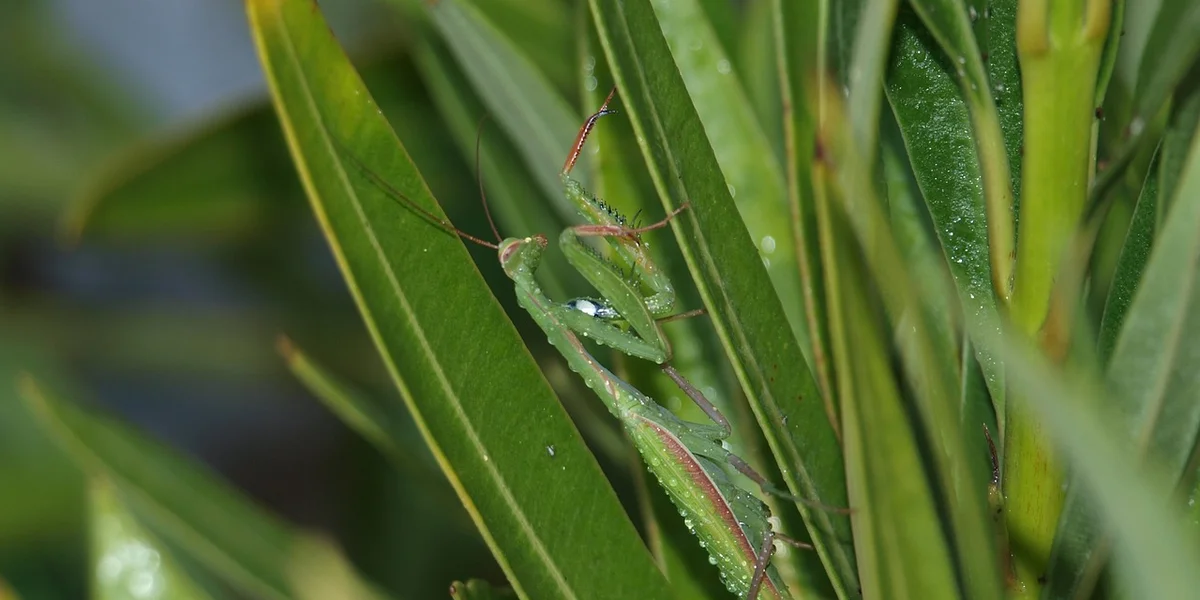
When your mantis has deformed wings after molting, swift and gentle care can make all the difference. We recommend starting with a calm environment, adjusted humidity, and easy-to-eat meals to support their healing process. It’s crucial to know how to care for a praying mantis after molting.
- Stabilize the enclosure by placing it in a quiet, draft-free area away from loud noises or vibrations.
- Adjust humidity levels with light misting using lukewarm water to keep the air moist and soothing.
- Offer soft, small prey like fruit flies or pinhead crickets that require little effort to catch and digest.
- Handle your mantis only when necessary, using slow, deliberate movements to avoid stress or injury.
Step 1: Create a Calm and Safe Enclosure Setup
Modifying the habitat helps your mantis feel secure and prevents further harm. Use soft substrates such as damp paper towels or sphagnum moss to cushion any accidental falls and learn how to create a naturalistic and safe habitat for your praying mantis.
- Add low, sturdy perches with a rough texture for better grip, like untreated twigs or bamboo skewers.
- Remove any sharp or loose decorations that could cause injury or increase anxiety.
- Keep the enclosure in a low-traffic spot to minimize disturbances-think of it as creating a peaceful retreat.
With Luna, our Ghost Mantis, we found that a simplified setup with fewer items reduced her stress after a difficult molt. Her slow, deliberate movements became more confident once she had secure places to rest.
Step 2: Adjust Humidity and Feeding for Healing
Proper moisture and nutrition are vital for recovery after wing deformities. Lightly mist the enclosure once or twice daily to maintain humidity, which helps soften old skin and ease discomfort.
- Offer hydrated foods like small crickets or flightless fruit flies, lightly dusted with calcium powder for strength.
- Avoid overcrowding the space with too many decorations, as this can hinder movement and increase stress.
- Ensure prey is an appropriate size-no larger than your mantis’s head-to prevent choking or struggle.
We’ve noticed that Moss, our Giant Asian Mantis, perks up when the air feels humid and earthy after misting. His appetite returns quickly with soft, easy meals that don’t require much effort to consume.
Long-Term Care for a Mantis with Deformed Wings
Caring for a mantis with wing issues means making thoughtful adaptations to their daily routine. Focus on enclosure tweaks and gentle handling to ensure their comfort and well-being over time.
- Do’s: Handle with care using a soft brush or your hand, provide low perches for easy access, and offer water via misting or a shallow dish.
- Don’ts: Avoid high perches that could lead to falls, don’t force interactions, and steer clear of large or aggressive prey.
Modifying the Enclosure for Safety and Comfort
Adapt the habitat to suit your mantis’s limited mobility and prevent accidents. Install perches no more than a few inches high to reduce the risk of falls from impaired wings. These are essential habitat requirements that help keep a healthy praying mantis. A healthy mantis remains active and displays normal feeding behavior.
- Use padded surfaces like foam or soft cloth on the enclosure floor to cushion any landings.
- Include wide, stable leaves or branches that offer resting spots without requiring flight.
- Since climbing may replace flying, ensure all surfaces are secure and easy to grip with their legs.
For Sprig, our Orchid Mantis, we added broad silk leaves near the bottom-her pink and white marbling stands out against the green, and she navigates them with ease. These changes help her move confidently despite her wing limitations.
Monitoring Health and Behavior Over Time
Keep a close watch on your mantis’s habits to catch any changes early. Note their appetite—a sudden drop might signal discomfort or underlying health issues. To tell if your mantis is hungry or full, watch how it responds to prey and whether it finishes meals quickly. A well-fed mantis may show less interest in food but remain active.
- Observe activity levels: reduced movement could indicate pain, while normal exploration is a positive sign.
- Watch for molting attempts, as deformed wings can complicate future sheds; be ready to assist if needed.
- Reassess your care plan if you see persistent lethargy, refusal to eat, or signs of injury.
We check on our mantises daily, noting the gentle rustle of movement or the stillness that signals contentment. Regular monitoring lets us adjust humidity or feeding routines to match their evolving needs.
Preventing Wing Deformities in Future Molts
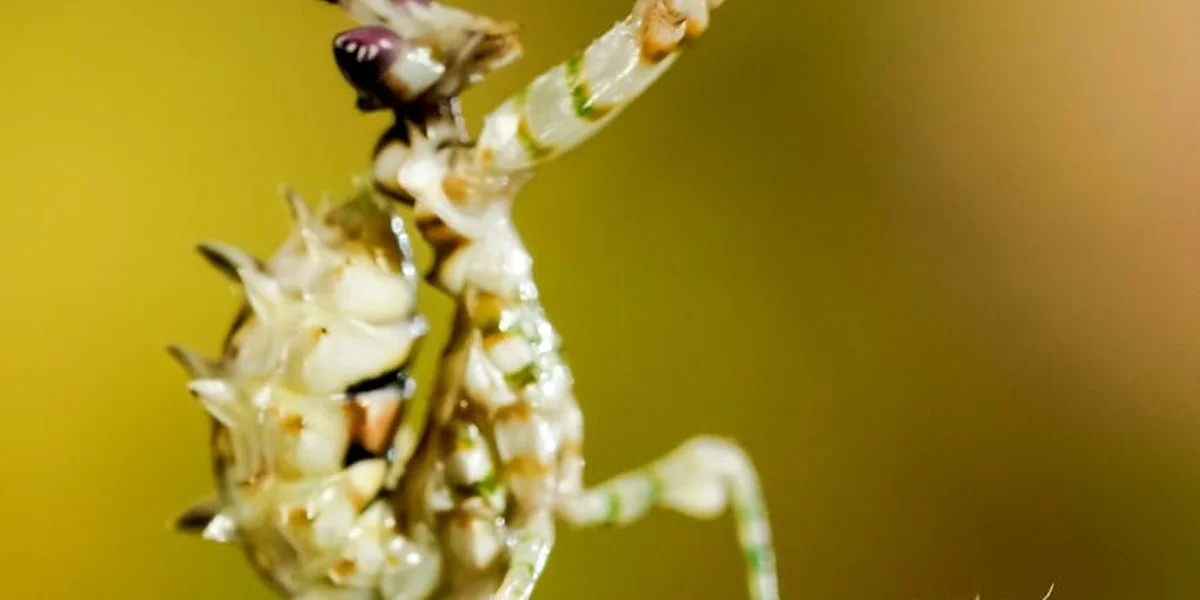
We can take proactive steps to support our mantis through smooth molts ahead. Focusing on humidity, diet, and enclosure setup has helped our mantises like Luna and Moss thrive without wing issues.
- Optimise humidity levels to mimic a natural, damp environment.
- Provide a varied, nutrient-rich diet for strong exoskeleton development.
- Design the enclosure with safe perches and proper ventilation.
Following these practices reduces the risk of deformities in future sheds. Small adjustments now can lead to big improvements for your mantis’s next molt.
Step 1: Maintain Ideal Humidity and Temperature Levels
Think of the enclosure as a cosy greenhouse—warm, misty, and consistently humid. This steady environment helps the mantis shed its skin without it sticking or tearing. When you create a bioactive enclosure for your praying mantis, you include live plants and microfauna to help maintain humidity and break down waste. This natural setup also offers stimulation and can reduce the need for frequent cleaning.
Use a digital hygrometer and thermometer to monitor conditions daily. Ideal humidity ranges from 60% to 80% during molting periods, while temperatures should stay between 22°C and 28°C.
- Mist the enclosure with lukewarm water once or twice a day to boost humidity.
- Place a heat mat on one side to create a gentle temperature gradient.
- Avoid soggy substrates; opt for damp sphagnum moss that holds moisture well.
With Luna, I found that lightly misting her tank in the morning and evening kept the air just right. Consistency here is key-sudden changes can stress your mantis during this delicate time.
Step 2: Ensure a Balanced Diet Rich in Nutrients
A varied diet builds strong wings and a healthy body for molting. Offer feeders that are gut-loaded with fresh vegetables for extra vitamins and minerals.
Hydration is just as important as food-mantises drink water droplets from leaves. Mist the enclosure lightly to provide drinking opportunities, especially before a molt.
- Fruit flies and small crickets are excellent staple feeders for juveniles.
- Dust insects with calcium powder weekly to support exoskeleton strength.
- Include occasional treats like flightless fruit flies or small roaches for variety.
Moss enjoys a rotation of crickets and flies, and I always gut-load them with carrot slices. This routine has kept his molts trouble-free and his wings perfectly formed.
Making Compassionate Decisions: Euthanasia and Rehoming
When a mantis faces ongoing struggles, we must consider their comfort above all. Evaluating quality of life with empathy ensures we act in their best interest.
Look for signs of persistent suffering or an inability to perform basic behaviours. Providing a peaceful end or a new home can be the kindest choice we make.
Signs That Euthanasia May Be the Kindest Choice
Watch for behaviours that indicate pain or a decline in well-being. If your mantis shows multiple of these signs, it might be time to consider euthanasia.
- Refusal to eat for over a week, even when offered favourite foods.
- Constant falling or inability to grip perches securely.
- Visible distress, such as prolonged trembling or laboured movement.
- No improvement after supportive care like adjusted humidity or hand-feeding.
We had to make this difficult decision for a mantis who couldn’t recover from a bad molt. It’s a heart-wrenching step, but it spares them from ongoing suffering. Recognizing the earliest signs of molting trouble—such as lethargy, reluctance to molt, or changes in movement—can help caretakers act before it escalates.
How to Rehome Your Mantis Responsibly
Finding an experienced keeper ensures your mantis receives proper care. Start by reaching out to local reptile or invertebrate enthusiast groups online. For a pet praying mantis, a complete handling and behavior guide is essential to keep you both safe. It also helps you recognize stress signs and apply proper handling techniques.
Share clear details about your mantis’s species, age, and any special needs. This honesty helps match them with someone prepared for the responsibility, especially when choosing the right species for beginners.
- Post on dedicated mantis forums or social media groups with photos and care history.
- Ask potential adopters about their experience and enclosure setup.
- Package the mantis securely in a ventilated container with a soft perch for transport.
When rehoming Sprig, I made sure her new keeper had kept orchid mantises before. A smooth transition minimises stress and gives your mantis a fresh start in a loving home.
Common Mantis Queries
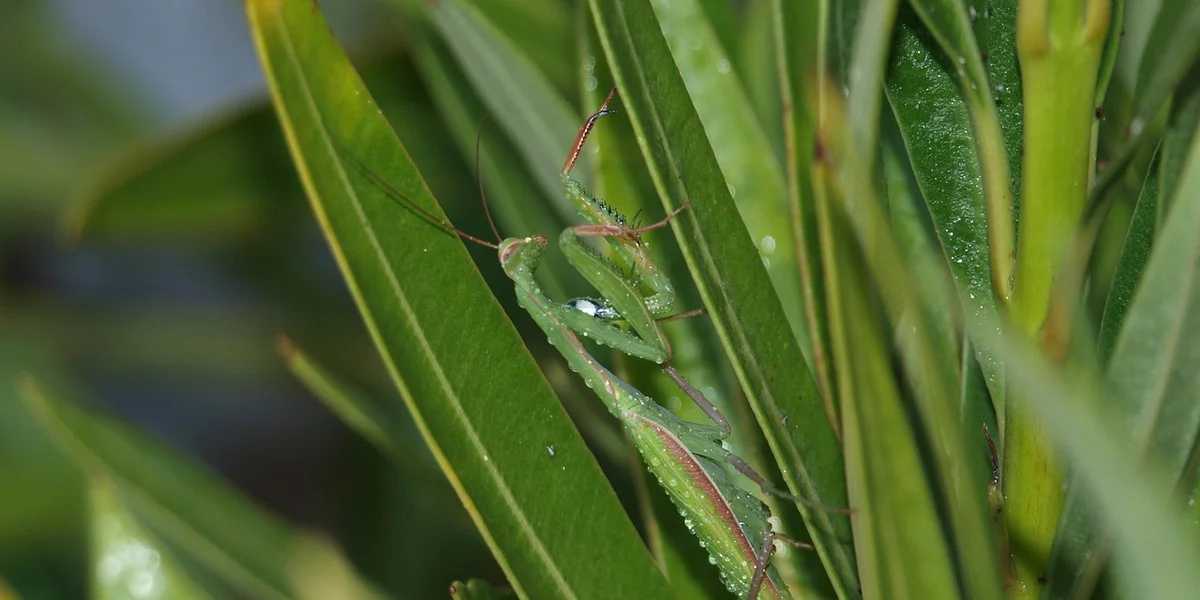
Can a mantis with deformed wings still live a full life?
Yes, a mantis with deformed wings can absolutely live a full and healthy lifespan. They will simply adapt by relying more on climbing than flying for movement.
Will my mantis be able to fly with deformed wings?
No, a mantis with crumpled or malformed wings will not be able to fly. Their mobility will be limited to walking and climbing within their enclosure.
Should I handle my mantis differently now?
Yes, you should always handle a mantis with deformed wings with extra care and gentleness. Avoid high perches to prevent dangerous falls that they can no longer fly away from.
Supporting Your Mantis Through Recovery
If your mantis’s wings are deformed after molting, focus on maintaining optimal humidity and offering easy-to-eat prey like fruit flies to prevent stress. Adjusting the enclosure’s conditions now can greatly improve their comfort and chances of a healthier next molt. Be sure to check the temperature and humidity requirements for mantis nymphs to ensure their environment is suitable.
We believe responsible mantis care means observing their unique needs and adapting as they grow. Embrace the learning process-each challenge deepens your connection and helps your mantis thrive.
Further Reading & Sources
- Ugh, deformed wings… | Mantid Forum – Mantis Pet & Breeding Forum
- Deformed Giant Asian Mantis | Arachnoboards
- r/mantids on Reddit: Help! My mantis molted more than 36 hours ago, yet she looks like this! Can i (without harming her) clip off her deformed wings?,or is there a way i can fix them?
- Praying mantis molting care. Mismolt The Mantis Top Killer. – USMANTIS
Rowan Hale is a lifelong insect enthusiast who fell in love with mantises for their calm presence, alien elegance, and surprising personalities. After years of keeping and raising a variety of species, Rowan shares practical tips, creative insights, and real-world experience to help others enjoy the quiet magic of mantis care. From setting up the perfect enclosure to understanding their subtle behaviors, Rowan invites readers into a gentle, curious world where every tiny movement feels like a discovery.
Treatment Options