
Crickets vs. Dubia Roaches: Which Feeder Insect is More Nutritious?
Hello, mantis friend. You stand before the deli counter of the invertebrate world, pondering the same question we all face: which feeder insect truly nourishes your predatory pet best?
While both are popular choices, dubia roaches generally offer superior and more consistent nutrition for your mantis compared to crickets.
But the full answer isn’t quite that simple, as the “best” choice often depends on your specific pet, your setup, and your own comfort level.
Let’s look at the key takeaways you’ll find in our complete comparison:
- The distinct nutritional profiles of each insect, from protein to fat and crucial moisture content.
- How safety, smell, and ease of care differ dramatically between the two feeders.
- Why cost-effectiveness over the long term might surprise you.
Choosing the right feeder is one of the most impactful decisions you make for your mantis’s health and vitality. You’ll also want to consider whether you should hand-feed your mantis, and weigh the pros, cons, and practical feeding techniques involved.
Meet Your Mantis’s Meal Options: Crickets and Dubia Roaches
We often find ourselves weighing the pros and cons of feeder insects, much like choosing ingredients for a delicate recipe. Both crickets and Dubia roaches bring unique traits to your mantis’s dining experience, and understanding their differences helps you make the best choice for your pet’s health and happiness. Beyond feeder choices, consider a praying mantis-friendly garden that attracts beneficial insects. A thriving, pesticide-free patch with flowering plants provides natural prey and hunting grounds for your mantis, supporting its health and the garden ecosystem.
Getting to Know Crickets
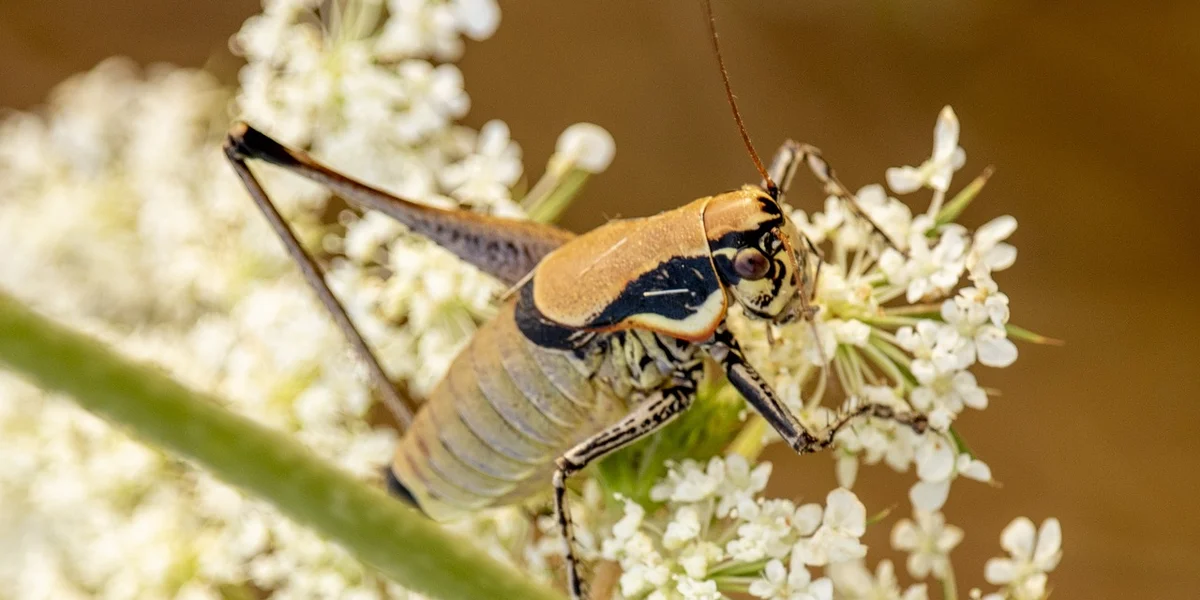
Crickets are lively, chirping insects that many mantis keepers start with due to their availability. Their active nature encourages natural hunting behaviors in mantises, providing mental stimulation and exercise during feeding time.
We’ve noticed our Ghost Mantis, Luna, tilting her head thoughtfully before pouncing on a cricket’s erratic movements. This interaction mimics wild foraging, keeping your mantis engaged and alert.
- Commonly found in pet stores and online suppliers
- Produce a soft, rhythmic chirping that can add ambient sound to your space
- Require regular feeding and hydration to maintain nutritional value
Handling crickets calls for care, as their jumping can startle both you and your mantis. We recommend using tweezers or a small container to transfer them, reducing stress for everyone involved.
Introducing Dubia Roaches
Dubia roaches offer a quieter, slower-moving alternative that many mantises find easier to catch. Their calm demeanor makes them less likely to escape or disturb your mantis during meals, creating a peaceful feeding environment.
Our Giant Asian Mantis, Moss, eagerly explores branches when we introduce Dubia roaches, their emerald bodies contrasting with his green hue. These roaches are hardy and can be kept in simple setups, making them a low-maintenance option for busy keepers.
- Ideal for mantises that prefer less active prey, like younger or shyer individuals
- Produce minimal noise and odor when housed properly
- Thrive in warm, humid conditions similar to a mantis enclosure
Dubia roaches climb smooth surfaces poorly, which helps prevent escapes. This feature gives you peace of mind, especially if you’re using a terrarium with glass or acrylic walls.
Nutritional Showdown: Breaking Down the Numbers
When we compare the nutritional profiles of crickets and Dubia roaches, the details matter for your mantis’s growth and vitality. A balanced diet supports everything from molting to energy levels, so let’s examine the key nutrients side by side.
Protein and Fat: The Energy Essentials
Protein fuels your mantis’s muscle development and hunting prowess, while fat provides sustained energy. Dubia roaches typically edge out crickets with a slightly higher protein content, making them excellent for active, growing mantises.
| Nutrient | Crickets (approx. per 100g) | Dubia Roaches (approx. per 100g) |
|---|---|---|
| Protein | 20-25g | 22-28g |
| Fat | 6-10g | 7-12g |
We’ve seen our Orchid Mantis, Sprig, gain a healthy sheen on her petal-like wings after regular Dubia roach meals. Moderate fat levels in both insects help prevent obesity, but always vary their diet to avoid nutritional imbalances.
Crickets can be a good choice for mantises needing a quick energy boost. Their leaner profile suits older mantises or those with slower metabolisms, reducing the risk of excess weight gain.
Calcium, Phosphorus, and Mineral Balance
Calcium is vital for strong exoskeletons and successful molts, whilst phosphorus must be balanced to ensure proper absorption. Dubia roaches often have a more favourable calcium-to-phosphorus ratio, which supports bone health and reduces the need for supplements.
- Crickets: Calcium-to-phosphorus ratio around 1:12, requiring gut-loading with calcium-rich foods
- Dubia roaches: Calcium-to-phosphorus ratio closer to 1:1.5, offering a more natural mineral balance
We dust our feeder insects with a light calcium powder, especially for crickets, to boost their nutritional value. This simple step can make a big difference in preventing soft exoskeletons or molting issues in your mantis. After a molt, give your mantis time to harden and avoid handling. For more information, you can refer to our guide on how to care for mantis after molt. Maintain steady humidity and keep offering calcium-rich prey to support the exoskeleton’s hardening process.
Minerals like zinc and magnesium found in both insects contribute to overall well-being. Rotating between crickets and Dubia roaches ensures your mantis receives a broad spectrum of nutrients, much like a varied garden supports diverse life.
Feeding by Mantis Life Stage: Size and Age Matters
Feeding Baby Mantids (First and Second Instar)
Baby mantids are incredibly delicate, with bodies no bigger than a grain of rice, and they need prey that matches their tiny size. We always choose soft-bodied insects like flightless fruit flies or pinhead crickets to prevent any risk of injury during feeding. Their small mouths and fragile limbs can’t handle larger prey, so offering anything too big could lead to stress or failed molts.
For my Ghost Mantis Luna in her first instar, I noticed she preferred the gentle movement of fruit flies over more active options. You’ll want to feed them every day or two, providing just one or two small insects at a time to avoid overwhelming them. Watch for that quiet, focused stance as they stalk their meal-it’s a sign they’re settling in well. For nymphs, fruit flies are typically the best starter prey because of their tiny size. Houseflies can be too large or vigorous for a first instar.
- Select prey smaller than the mantis’s head to ensure easy consumption.
- Use fruit flies or springtails for first instar, moving to micro crickets in second instar.
- Monitor feeding closely; remove uneaten prey to keep the enclosure stress-free.
Feeding Juvenile and Adult Mantids
As mantises grow into juveniles and adults, their dietary needs expand, and they can tackle larger, more substantial feeders. Dubia roaches often work better than crickets at this stage because they’re less likely to bite or harass your mantis. Their slower movement makes them easier to catch, reducing the chance of your pet getting hurt during the hunt.
My Giant Asian Mantis Moss, now an adult male, eagerly pounces on medium-sized Dubia roaches, which provide a balanced meal without the frantic energy of crickets. Feed juveniles every three to four days and adults once a week, adjusting based on their appetite and activity level. You might see them perch patiently, then strike with lightning speed-a satisfying glimpse into their natural instincts.
- Offer prey no larger than the mantis’s thorax to prevent choking or injury.
- Rotate between Dubia roaches and crickets to vary nutrients and keep meals interesting.
- Reduce feeding frequency as they age to mimic natural hunting cycles and prevent obesity.
Enhancing Nutrition: Gut Loading and Supplementation
Gut Loading Steps for Optimal Health
Gut loading is the practice of feeding your feeder insects nutritious foods before they become a meal, boosting the vitamins and minerals passed to your mantis. We start this process 24 to 48 hours before feeding, using fresh vegetables like carrots, leafy greens, or squash to enrich the insects’ guts. This simple step can make a huge difference in your mantis’s vitality, especially during molting periods. For a deeper dive, check our ultimate guide on gut loading guide for mantises. It walks you through best foods, timing, and how to balance nutrients for peak vitality.
I often use a small container with slices of apple and kale for my feeder roaches, and the earthy scent reminds me of a well-tended garden. Always remove any uneaten gut load food after a day to prevent mold and keep the insects healthy. It’s a gentle way to ensure every bite your mantis takes is packed with goodness — especially considering the importance of proper nutrition for mantises.
- Place feeder insects in a separate container with high-quality fruits and vegetables.
- Allow them to feed for at least 24 hours, ensuring they consume the nutritious items.
- Remove and offer the gut-loaded insects to your mantis immediately for maximum benefit.
Supplementation Strategies
Even with gut loading, supplementing with calcium and vitamins helps prevent deficiencies that could affect molting or overall health. Lightly dust feeder insects with a calcium powder without vitamin D3 once or twice a week, focusing on periods of rapid growth. This mimics the mineral intake they’d get in the wild from diverse prey.
For my Orchid Mantis Sprig, I alternate between calcium and a multivitamin supplement to support her vibrant colors and strong limbs. Use a small bag or container to toss the insects in powder, coating them evenly but not heavily, to avoid over-supplementation. You’ll notice your mantis becomes more active and resilient with this extra care.
- Dust prey with calcium powder for juveniles and adults to support exoskeleton development.
- Introduce a multivitamin supplement monthly for a balanced nutrient profile.
- Avoid over-dusting; a light coating is sufficient to meet dietary needs without harm.
Health and Safety: Disease Risks and Digestibility
Assessing Disease and Parasite Risks
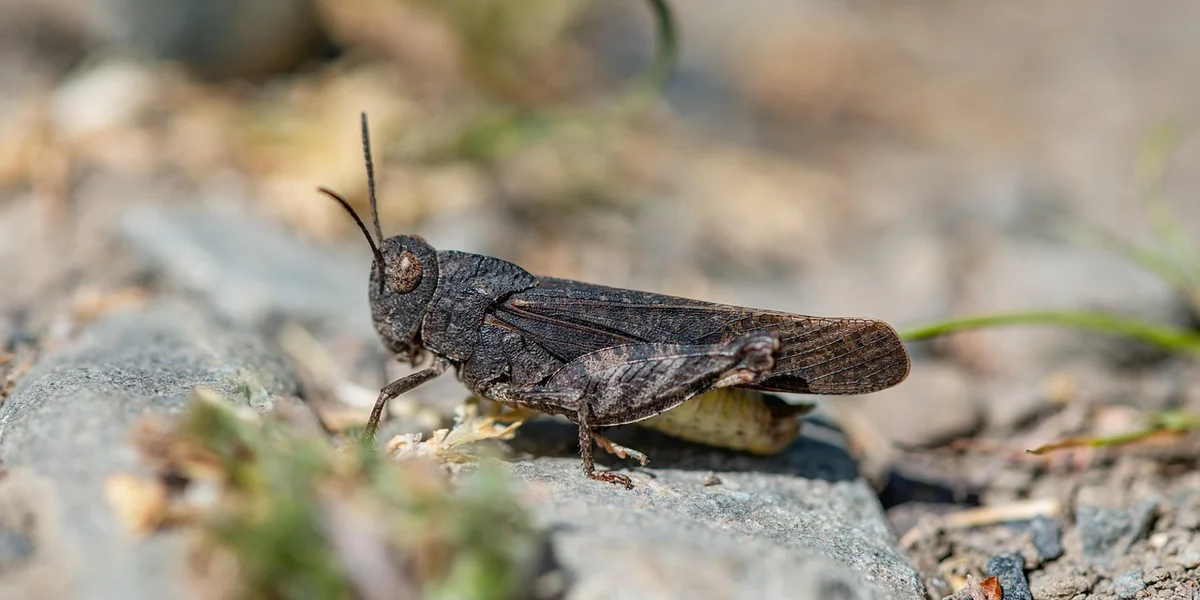
Crickets often come from crowded breeding facilities where mites and bacteria thrive. We once noticed Luna, our Ghost Mantis, turning away a cricket that moved sluggishly-a sign it might have been carrying parasites. Regularly inspecting feeders for odd behavior or visible mites can prevent health issues in your mantis.
Dubia roaches tend to be cleaner because they breed in controlled, dry environments. Their slower metabolism reduces the risk of spreading diseases. Choosing dubia roaches from reputable suppliers lowers the chance of introducing harmful organisms into your mantis’s home.
- Crickets: Prone to nematodes and fungal infections; require quarantine.
- Dubia Roaches: Less likely to host parasites; ideal for sensitive species like Orchid Mantises.
Digestibility and Mantis Well-being
Crickets have a tough exoskeleton that can be hard for mantises to break down, especially for juveniles. Sprig, our young Orchid Mantis, once had a slight impaction after a large cricket meal. Gut-loading crickets with nutritious greens softens their shells and boosts digestibility. Curious about whether mantises can thrive on a complete diet? A short complete diet feeding guide recommends offering a variety of appropriately sized prey and gut-loaded insects to ensure balanced nutrition.
Dubia roaches offer a softer body and higher moisture content, making them easier to digest. Moss, our Giant Asian Mantis, always seems more energetic after a dubia snack. Their balanced protein-to-fat ratio supports steady growth without straining your mantis’s digestive system.
- Crickets: Best for adult mantises with stronger jaws; monitor for overfeeding.
- Dubia Roaches: Suitable for all life stages; reduce risk of dehydration.
Practical Care: Cost, Availability, and Maintenance
Cost and Sourcing Considerations
Crickets are inexpensive and sold at most pet shops, but they die quickly if not used. We’ve found that buying in small batches cuts down on waste. Budget-friendly crickets work well for occasional feeders, though frequent replacements add up over time.
Dubia roaches cost more upfront, yet a small colony can last months with proper care. Online stores often offer bulk discounts. Investing in dubia roaches saves money long-term and ensures a steady food supply.
- Crickets: Low initial cost; ideal for beginners testing mantis care.
- Dubia Roaches: Higher purchase price; cost-efficient for dedicated keepers.
Housing and Longevity of Feeders
Crickets need well-ventilated containers with egg cartons for hiding, but they can escape and are noisy. Their short lifespan means weekly restocks. Keeping crickets in a secure bin with fresh vegetables extends their usability for a few days.
Dubia roaches thrive in simple plastic tubs with minimal maintenance. They live longer and breed slowly, reducing how often you need to buy more. A small dubia colony in a warm spot provides reliable feeders without the hassle of constant upkeep.
- Crickets: Require daily attention; good for temporary setups.
- Dubia Roaches: Low-maintenance; perfect for busy households.
Questions from Fellow Mantis Friends
Are dubia roaches easier to handle than crickets during feeding?
Dubia roaches move slowly and are less likely to jump or escape, reducing stress for both you and your mantis. Their calm nature makes them simpler to transfer with tweezers or a container compared to crickets.
How do long-term costs compare between keeping dubia roaches and crickets?
Dubia roaches may cost more initially but often save money over time due to their longer lifespan and ability to breed in captivity. Crickets are cheaper per purchase but typically require more frequent buying and care, increasing overall expenses.
What size of feeder insect is safest for my mantis to prevent injury?
Always offer prey no larger than the width of your mantis’s thorax to avoid choking or harm during feeding. For young or small mantises, choose insects like pinhead crickets or small dubia roaches to match their delicate size. Praying mantises eat a wide range of insects, and keeping a comprehensive list of acceptable prey can help you plan meals. Examples include tiny crickets, fruit flies for very young nymphs, aphids, beetles, moths, and small caterpillars, all scaled to the mantis’s size.
Your Mantis’s Nutritional Journey
We find that Dubia roaches often provide a richer, more balanced meal for your mantis, packed with protein and easier to digest. Rotating between Dubia roaches and crickets can add valuable variety, keeping your mantis both healthy and engaged during feeding time.
Observing how your mantis responds to different feeders helps you tailor their care with greater precision. Staying curious and learning alongside your pet ensures they enjoy a long, vibrant life in your care; you can find more information about their dietary needs in our praying mantis feeding schedule by species guide.
Further Reading & Sources
- r/reptiles on Reddit: Crickets vs. Dubia Roach
- r/reptiles on Reddit: Hi, are dubia roaches or crickets more cost effective when bought (rather than bred at home)?
- 5 Reasons why Dubia Roaches are better than Crickets!
- Dubia Roaches vs Crickets: Which Is the Better Feeder Insect? | Bearded Dragon Care – Dragon’s Diet
Rowan Hale is a lifelong insect enthusiast who fell in love with mantises for their calm presence, alien elegance, and surprising personalities. After years of keeping and raising a variety of species, Rowan shares practical tips, creative insights, and real-world experience to help others enjoy the quiet magic of mantis care. From setting up the perfect enclosure to understanding their subtle behaviors, Rowan invites readers into a gentle, curious world where every tiny movement feels like a discovery.
Feeding