
Breeding Mantis Species Successfully: A Gentle, Step-by-Step Keeper’s Guide
Published on: December 5, 2025 | Last Updated: December 5, 2025
Written By: Rowan Hale
Hello, fellow mantis friend! There’s a profound stillness that fills the room when you witness the intricate dance of mantis courtship-the slow arch of a back, the deliberate turn of a head, a communication written in movement and light.
Breeding mantises successfully is a rewarding journey that unfolds when you carefully replicate nature’s cues, from habitat setup to the first delicate steps of the nymphs. We’ll walk through each stage together, with the calm, attentive pace these fascinating insects deserve.
It’s a process with layers, where a missed detail can mean the difference between a thriving ootheca and a failed attempt. My own Ghost Mantis, Luna, taught me that success often lies in the quiet observations-noticing the subtle shift in her posture that said she was ready.
To make your path clearer, here are the key steps we’ll cover in this guide:
- Selecting healthy, mature mantises and ensuring they are truly ready for breeding.
- Creating the perfect, stress-free enclosure environment for introductions.
- Managing the mating process safely to protect both the male and female.
- Caring for the ootheca (egg case) through proper incubation.
- Rearing the tiny nymphs with the right food and habitat from their first day.
Preparing for Mantis Breeding: The Best Approach
Is Breeding Your Pet Mantis Right for You?
Breeding mantises is a rewarding journey, but it begins with honest reflection. We always suggest looking beyond the fascination of tiny nymphs to the daily reality of caring for them, including the ethical considerations involved in line breeding and selective breeding. Think of it like tending a delicate garden; the initial bloom is beautiful, but it needs consistent watering and attention to thrive.
Consider your mantis’s species and age, as some are easier to breed than others. My Ghost Mantis, Luna, reached breeding readiness with subtle cues like increased appetite and restless movement in her enclosure. Younger mantises or those from pet stores might not be ideal candidates due to unknown health histories.
Ask yourself a few simple questions to gauge your readiness.
- Do you have space for multiple separate enclosures for hatchlings?
- Can you source a reliable supply of small feeder insects, like fruit flies, for future nymphs?
- Are you prepared for the possibility of dozens of offspring needing homes?
Breeding is not for every keeper, and that is perfectly fine. Providing a wonderful life for a single mantis is a complete and joyful success in itself. Some breeders eventually retire their breeding pair and shift toward sharing care knowledge. For mantis breeders seeking guidance, a when to retire a breeding pair guide can help plan a smooth, humane transition.
Essential Supplies and Diet for Breeding Mantises
Gathering your tools beforehand makes the process smoother and less stressful for your mantises. A well-stocked breeding station feels like a calm, organised potting bench for your insects. You will need more than just their usual home.
Start with these core supplies to create a safe environment.
- Two spacious enclosures: one for the female and a separate, smaller introduction cage for mating.
- Plenty of twigs and soft netting for climbing and egg-laying surfaces.
- A fine misting bottle for gentle humidity control.
- Small paintbrushes or tweezers for handling delicate nymphs and food.
- Numerous small deli cups or jars for separating hatchlings if needed.
Diet becomes especially important for breeding females, who need extra nutrition to produce healthy oothecae (egg cases). We fed our Giant Asian Mantis, Moss, a varied diet of gut-loaded crickets and the occasional moth, which kept him energetic and strong. Offer your female more frequent, nutritious meals in the weeks before introduction.
Do not forget hydration. Regular, light misting on the enclosure walls provides necessary drinking water and helps maintain the humid microclimate nymphs will later need. A well-fed and hydrated mantis is a more receptive and healthier breeder.
Setting Up the Perfect Breeding Habitat
Temperature, Humidity, and Lighting for Reproduction
Mantis reproduction is deeply tied to their environment, mimicking the gentle shift of seasons. Think of the breeding habitat as a controlled spring morning, warm and slightly damp, inviting new life. Getting these conditions right encourages natural behaviour. To achieve this, create a naturalistic, safe habitat for your praying mantis. A well-designed enclosure with proper ventilation, appropriate humidity, and secure surroundings helps support breeding and natural behaviour.
Temperature acts as a silent signal. Most common species, like the Giant Asian, breed best at a steady 24-28°C (75-82°F), which you can maintain with a low-wattage heat mat placed on one side of the enclosure. This gradient lets the mantis choose its comfort, much like finding a sunny spot on a leaf.
Humidity should be consistent but not overwhelming. We keep our Orchid Mantis Sprig’s environment at 60-70% humidity, which we monitor with a simple digital hygrometer. Use your misting bottle to create a fine dew on the foliage each evening, filling the air with a fresh, earthy scent.
Lighting is often overlooked but vital. Avoid direct, harsh sunlight but provide a regular day-night cycle of about 12 hours of gentle, indirect light. This rhythmic pattern helps regulate their internal clocks for mating. A soft LED lamp on a timer works beautifully.
Here is a quick reference for three popular species.
| Mantis Species | Ideal Temperature | Ideal Humidity |
|---|---|---|
| Ghost Mantis | 22-26°C (72-79°F) | 50-60% |
| Giant Asian Mantis | 24-28°C (75-82°F) | 60-70% |
| Orchid Mantis | 25-30°C (77-86°F) | 60-80% |
Listen to your mantis. If you see your female actively exploring or the male displaying his wings, these are good signs your habitat feels right. Adjust conditions slowly, watching for their quiet, contented stillness that says everything is in balance.
Understanding the Mantis Breeding Cycle and Timing
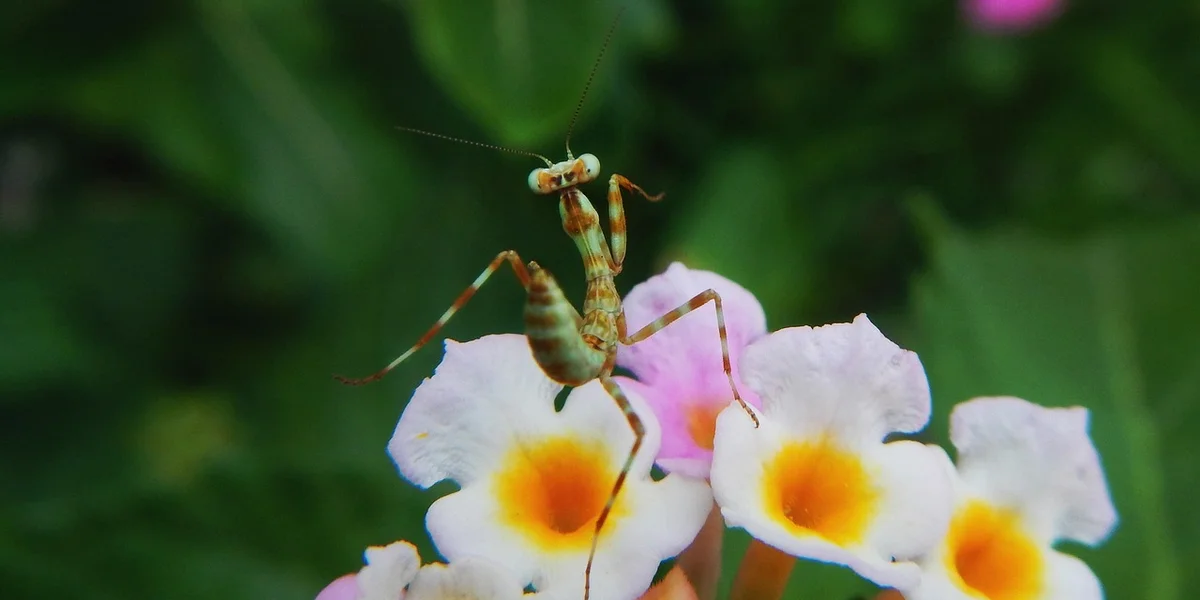
Successful breeding begins long before you introduce two mantises. It starts with knowing their internal clock. Think of it as learning the quiet, seasonal rhythm of a miniature world inside your terrarium.
Recognizing the signs of readiness is your first and most important step, as introducing mantises at the wrong life stage can be stressful or dangerous.
The Stages of Readiness
Mantises cannot breed until they reach full adulthood, marked by their final molt. The timeline varies dramatically by species. To introduce them safely, place a mature male and female in a neutral, spacious enclosure and monitor their first interaction closely for signs of aggression. Be prepared to separate them and try again later if needed.
- Ghost Mantises (like my Luna): Mature quickly, often ready to breed just 2-3 weeks after their final molt.
- Giant Asian Mantises (like Moss): Take longer to develop, typically requiring 3-4 weeks of adulthood before they show interest.
- Orchid Mantises: Are among the slowest, often needing a full 4-6 weeks as adults to be physiologically prepared for breeding.
You will see physical and behavioral clues. A well-fed female’s abdomen will become plump and rounded. Males become restless, actively scanning their enclosure and waving their antennae, driven by a new urgency to find a mate.
The Critical Pre-Breeding Diet
Nutrition fuels everything. For two to three weeks before any introduction, we step up their feeding regimen significantly.
- For the Female: Feed her daily or every other day with hearty, nutritious prey like fatty crickets or roaches. A well-nourished female is less likely to see the male as her next meal.
- For the Male: Build his strength and agility with consistent feeding. A fit male is a confident suitor and a quicker escape artist if needed.
This period of abundance mimics the natural plenty of late summer, triggering their instincts that conditions are ideal for raising the next generation.
Syncing Your Mantises for Breeding
Syncing is about gentle preparation. We don’t just place them together; we orchestrate their environment to encourage a peaceful meeting.
Step 1: The Visual Introduction
Place their enclosures side-by-side for a few days. Let them see and sense each other. This simple act reduces the shock of a sudden encounter. You might see the male become more alert and the female observe him with a calm, calculating stillness.
Step 2: Choosing the Right Arena
The introduction should always happen in the female’s territory or a large, neutral space. Her enclosure is familiar to her, which can make her less defensive.
- Ensure the space has plenty of climbing twigs and foliage up high.
- Remove any large prey items that might distract her.
- Mist the enclosure lightly beforehand; the humidity seems to have a calming effect.
A cluttered, vertical environment gives the male places to approach from above and, crucially, escape routes after mating.
Step 3: The Introduction and Supervision
Always introduce the male to the female. Gently place him on a twig or the mesh lid at the top of her enclosure, letting him descend on his own terms.
- Watch Closely: Do not leave them unattended. Have a soft paintbrush or long tweezers ready to gently intervene if the female strikes out of hunger, not courtship.
- Look for Courtship Dance: A ready male will often start a slow, rocking movement, swaying side to side as he cautiously approaches.
- Be Patient: The initial approach can take time. They may sit motionless for an hour, simply assessing one another. This is normal.
If the female appears aggressive, calmly remove the male and try again in a day or two after another hearty meal for her. Success often comes down to reading their subtle body language and never forcing an interaction.
Selecting and Pairing Your Mantis Breeders Safely
Identifying Healthy Breeders and Avoiding Inbreeding
Choosing your breeding pair feels a bit like matchmaking for tiny, leafy royalty-you want both partners to be vibrant and full of life to give their offspring the best start. Focus on adults that are alert, active, and have a hearty appetite, as these are the clearest signs of a mantis in prime condition. Watch for smooth, intact limbs and a plump abdomen, which tells you they’re feeding well. My ghost mantis, Luna, always showed her health through her deliberate movements and keen interest in anything that rustled near her enclosure.
Age is a silent partner in this process. Target females that have matured for at least two to three weeks after their final molt and males that are fully winged and actively roaming. Breeding too early can stress a mantis that’s still hardening its new skin, while waiting too long might reduce fertility. It’s a gentle balance, much like misting-enough humidity to thrive, but not so much that it drowns the delicate details.
To avoid the hidden pitfalls of inbreeding, which can lead to weaker, less viable oothecae, you must trace your mantises’ origins. Always source your breeders from separate, unrelated colonies or reputable keepers who maintain detailed lineage records. If you’re raising siblings from the same egg case, plan to trade with another enthusiast or introduce new blood from a different clutch. This simple step preserves the genetic diversity that keeps your mantis line vigorous and resilient.
- Examine the eyes and antennae: Clear, dark eyes and constantly twitching antennae signal sharp senses and good health.
- Check for symmetrical posture: A mantis that stands tall and evenly on all six legs, like my Giant Asian male Moss, is likely free from injury or weakness.
- Observe feeding response: A healthy breeder should strike at prey with confidence and consume it readily.
- Verify the source: Ask breeders about the parents of your potential pair to ensure they are not closely related.
- Consider physical size: For many species, a robust, larger female often produces more eggs and a sturdier ootheca.
Introduce your chosen pair with a watchful eye and a calm setting. Place the male gently into the female’s spacious, well-furnished enclosure during her less active period, often in the late afternoon when the light is soft. Have a soft paintbrush or a clear container ready to separate them if the female shows immediate aggression. We’ve found that a few leaves or a thin branch between them can ease that first tense moment, letting curiosity bloom instead of fear.
The Mating Process: Courtship, Risks, and Success Signs
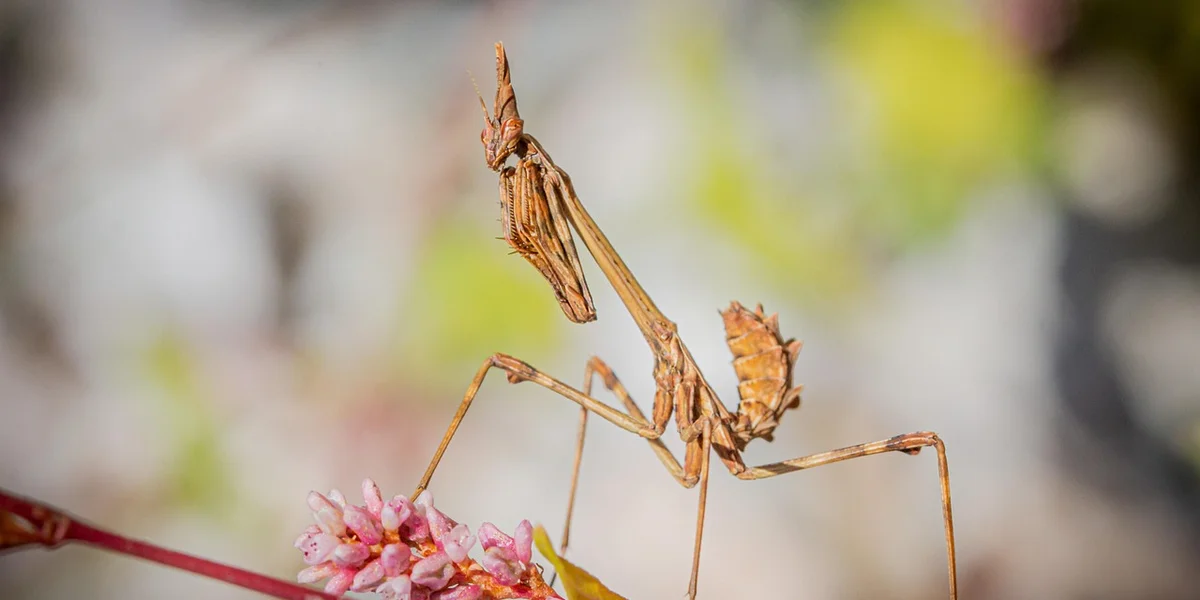
Watch a male mantis approach his potential mate, and you’ll see a delicate dance of survival. He often moves with slow, deliberate steps, antennae twitching to read her mood from a safe distance. Successful courtship hinges on the female’s receptiveness, which you can gauge by her calm posture and lack of aggressive lunges. We’ve observed Moss, our Giant Asian mantis, flutter his wings in a soft whirr before inching closer to a female, a common display to avoid startling her.
Risks are woven into this natural ritual. The male may be rejected or attacked if the female is hungry or stressed. You must supervise every introduction in a neutral, spacious area to give the male escape routes. A successful mating often lasts from a few minutes to several hours, with the male carefully transferring his sperm packet.
Look for clear success signs once the pair separates. The male will typically dismount and retreat quickly if all went well. Within a day or two, a well-fed, content female will often start grooming her abdomen, a promising hint that she’s preparing to lay an ootheca. Her abdomen may also appear slightly fuller and she’ll show renewed interest in food.
What is Sexual Cannibalism and How to Reduce It
Sexual cannibalism occurs when the female mantis consumes the male during or immediately after mating. This isn’t malice; it’s a natural behavior driven by hunger and instinct. In the wild, this provides the female with vital nutrients for egg production, but in captivity, we can often prevent it with careful planning. I recall Luna, our Ghost mantis, once considered a male for a long moment before simply ignoring him-her calm temperament made all the difference.
Reducing the risk starts long before you introduce the pair. Always feed the female a substantial meal, like a plump cricket or roach, 24 to 48 hours prior to mating. A satiated female is far less likely to view her partner as food, shifting her focus to reproduction instead. Use a large, clean enclosure with plenty of twigs and leaves for the male to hide behind or climb away on.
Supervise closely and have a soft paintbrush or stick ready to gently intervene if the female becomes aggressive. Schedule introductions during the early afternoon, when mantises are naturally more active and alert, which can improve communication between them. If the female does attack, separate them immediately and try again in a few days after another hearty meal for her.
- Feed the female generously before any mating attempt.
- Choose a neutral, well-furnished enclosure for the meeting.
- Never leave the pair unattended; watch for raised front legs or sudden moves.
- If cannibalism seems imminent, use a brush to distract the female and guide the male to safety.
After Mating: Separation and Health Monitoring
Once mating concludes, promptly separate the mantises into their own homes. This prevents further stress or post-mating aggression. Return each mantis to a familiar, comfortable enclosure with fresh water and a quiet spot to rest. The male may be tired and should be offered a small, easy meal to recover his strength. If you’ll be breeding again, set up a perfect breeding enclosure for mantises in advance to streamline future matings.
Focus your health monitoring on the female, as she carries the next generation. Ensure she has constant access to food and lightly mist her enclosure daily to maintain humidity. A well-hydrated female is more likely to produce a healthy, robust ootheca, which she’ll usually attach to a branch or lid within one to three weeks. Watch for her abdomen swelling and increased time spent probing surfaces with her abdomen tip.
Keep an eye on both mantises for signs of undue stress, like refusing food for more than four days or unusual lethargy. Provide a warm, stable environment around 24-28°C to support their metabolic recovery after the energetic mating process. With Sprig, our Orchid mantis, we added an extra språk of foliage for privacy after her mating, which seemed to soothe her.
- Separate male and female immediately after mating ends.
- Offer the male a small insect like a fruit fly to regain energy.
- Increase the female’s feeding schedule with nutrient-rich prey.
- Mist the female’s enclosure gently each morning to aid ootheca formation.
- Check daily for the ootheca, which looks like a frothy, tan foam that hardens.
Caring for the Ootheca: From Collection to Hatching
Once your female mantis has laid her egg case, or ootheca, your role shifts to guardian of these precious, dormant lives. This frothy capsule holds the future of your mantis line, and gentle, informed care from now until hatching makes all the difference.
Think of the ootheca as a tiny, self-contained nursery-it needs quiet stability, much like a seed waiting for spring. We’ve found that a calm, consistent approach here prevents most common issues before they start.
How to Collect and Store Mantis Egg Cases
Collecting an ootheca feels a bit like harvesting a very delicate fruit. Always wait a full 24 to 48 hours after laying for the foamy substance to harden completely into a firm, cork-like case.
With Luna’s ghost mantis oothecae, we watch for that shift from shiny wet to a dull, matte brown. Her leaflike egg cases attach to twigs and need extra care to remove without damage.
- Lightly mist the area around the ootheca with lukewarm water to loosen any natural adhesives.
- Gently slide a blunt plastic card or a butter knife underneath it, applying steady, upward pressure.
- Cradle the ootheca in your palm, avoiding any squeezing or pressing on the central bulge where the eggs lie.
For storage, you want a setup that breathes but doesn’t dry out. A simple glass jar with a piece of muslin cloth secured over the top works brilliantly for most species.
- Line the jar’s bottom with a single layer of slightly damp kitchen paper-not wet, just moist to the touch.
- Rest the ootheca on top, ensuring it isn’t submerged or in standing water.
- Store the jar in a cupboard or shelf where the temperature stays a cool, steady 18 to 22°C (64-72°F).
- Check weekly; if the paper feels dry, give the jar interior one or two light sprays from a mister.
We once stored Sprig’s orchid mantis ootheca in a vintage teacup with a breathable lid. That soft pink case needed nothing more than ambient room humidity and stillness to develop perfectly.
Incubation Time and Hatching Preparations
Incubation is a patient game, dictated by warmth and species. Higher temperatures generally shorten the wait, but sudden swings can harm the developing nymphs inside.
A useful rule of thumb is to match the incubation heat to the mantis’s natural habitat. Here’s a quick guide based on our own rearing notes: Temperature and humidity ranges vary by species, so tailor both to the mantis’s native climate. Different mantis species need different temperature and humidity levels to thrive.
- Ghost Mantis (Phyllocrania paradoxa): 5 to 7 weeks at 22-26°C (72-79°F).
- Giant Asian Mantis (Hierodula membranacea): 3 to 4 weeks at 24-28°C (75-82°F).
- Orchid Mantis (Hymenopus coronatus): 6 to 8 weeks at 25-30°C (77-86°F).
About a week before the expected hatch, you’ll see tiny, dark specks appear inside the ootheca’s walls. This is your signal to move from storage to active hatching preparations.
Set up a dedicated hatchling enclosure a few days in advance. This prevents last-minute scrambles and gives the environment time to stabilize for the fragile new nymphs.
- Choose a clear plastic container or small glass tank, roughly 1 to 2 litres in volume.
- Create ventilation by melting small holes in the plastic lid or using fine metal mesh on a glass tank.
- Cover the bottom with a fresh, damp paper towel or a thin layer of sphagnum moss.
- Add several small, clean twigs or soft plastic plants that reach nearly to the top-nymphs need to climb right away.
- Place the ootheca near the top of this foliage, securing it with a dab of harmless glue or a loose thread.
When hatching begins, it happens quickly-dozens of tiny mantises will stream out. Have a culture of flightless fruit flies or freshly hatched pinhead crickets ready to offer food within their first day.
We remember Moss’s hatch day: the ootheca split with a soft rustle, and a wave of emerald nymphs flowed out, each one a perfect replica of their father. That first successful hatch, with everything prepared and waiting, is a quiet joy every keeper deserves to feel.
Raising Mantis Nymphs: Brood Care and Health Management
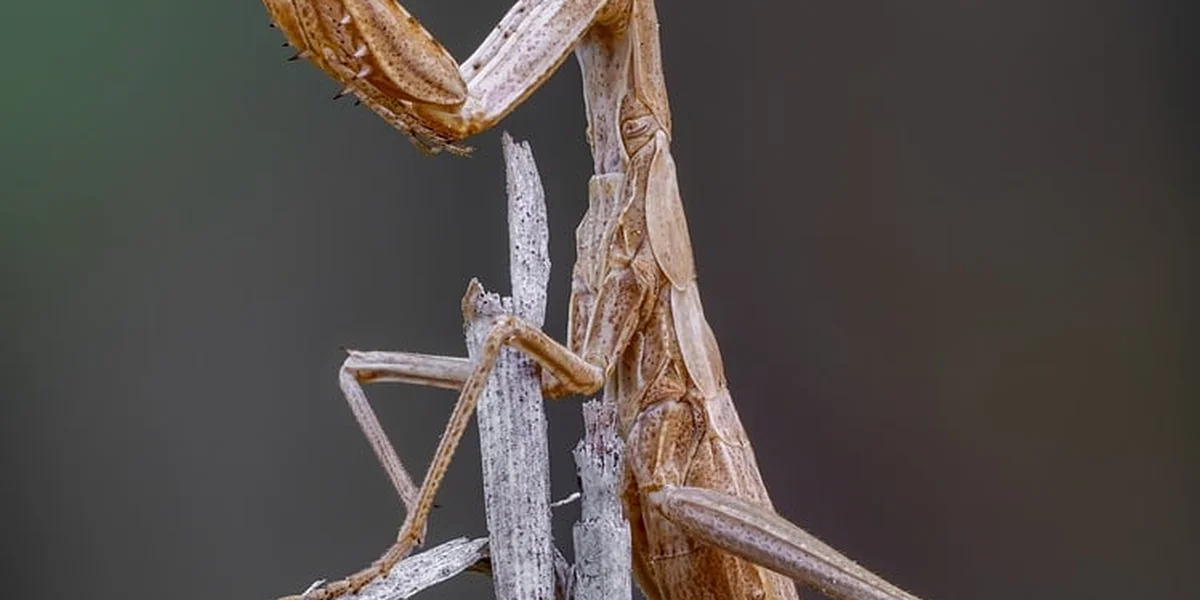
Watching a brood of nymphs emerge is pure magic. One moment you have an ootheca, the next, dozens of tiny, curious beings are exploring their world. Successfully shepherding them from this delicate stage requires a blend of routine, keen observation, and a gentle touch. We’ll walk through the essentials of feeding and health to give your little ones the best start.
Feeding Your Mantis Brood for Healthy Growth
Feeding a crowd of fast-growing nymphs is different from caring for a single adult. Their metabolism is incredibly high, and their tiny bodies need constant fuel for proper development. Think of them as athletes in training, needing frequent, high-quality meals.
The golden rule for nymph feeding is “little and often,” with prey that is always smaller than the mantis’s head or thorax. An oversized cricket can injure or intimidate a young mantis, halting feeding altogether.
Here is a simple prey size guide by nymph stage:
| Nymph Stage (Instar) | Ideal Prey Options | Feeding Frequency |
|---|---|---|
| L1 (Freshly Hatched) | Flightless Fruit Flies (Drosophila melanogaster) | Offer daily, ensure constant availability. |
| L2-L3 | Larger Fruit Flies (D. hydei), Pinhead Crickets, Springtails | Every 1-2 days. |
| L4-L5 | Small Crickets, Curly-Wing Flies, House Flies | Every 2-3 days. |
| Sub-Adult | Medium Crickets, Blue Bottle Flies, Moths | Every 3-4 days. |
My Ghost Mantis, Luna, was a dainty eater even as a nymph. She preferred fruit flies she could stalk slowly, while my Giant Asian, Moss, would pounce on anything that moved with explosive energy. Observing your nymphs’ individual hunting styles will help you gauge their health and confidence. If a nymph consistently refuses food, it may be approaching a molt or feeling unwell.
For housing many nymphs, we use individual deli cups or a well-planted communal enclosure for peaceful species. Feeding in individual containers prevents competition and lets you monitor each nymph’s intake. A well-fed nymph has a slightly rounded, plump abdomen, not a pinched or shriveled one.
Health Management for Young Mantises
Nymphs are resilient but vulnerable. Most health issues stem from three factors: humidity, nutrition, and enclosure hygiene. Catching problems early makes all the difference.
The most common challenge is a mismolt, where the nymph struggles to free itself from its old skin. This is often due to low humidity or a lack of suitable hanging space. Ensure the enclosure has plenty of mesh or twiggy branches at the top and is lightly misted in the evening, especially before you suspect a molt is due.
Watch for these key health signs in your brood:
- Good Health: Active hunting, alert posture, clean body, plump abdomen, successful molts.
- Potential Concern: Lethargy, refusing food for more than 4-5 days, hanging low in the enclosure, discolored or misshapen body after a molt.
Dehydration is a silent threat. A dehydrated nymph will have a sunken abdomen and may seem listless. A gentle mist on the enclosure foliage provides drinking water; watch for them to sip droplets delicately from leaves. Never spray water directly onto the nymphs.
Keep enclosures meticulously clean. Remove uneaten prey and frass (droppings) every day to prevent mold and mite infestations. If you see tiny, fast-moving dots on the mantis or enclosure walls, those are likely parasitic mites. Isolate the affected nymph immediately and transfer it to a clean, sparse enclosure, gently brushing off any mites with a soft, dry paintbrush. To prevent common parasite diseases in praying mantises, quarantine new arrivals and monitor their health closely. Regular checks help catch infections early and keep mantises healthy.
Remember, growth is a vulnerable time. Providing a stable, stress-free environment with perfect humidity and ample food is the most powerful preventative medicine you can offer. It’s a quiet commitment, rewarded by the profound trust of a creature that grows more fascinating with every shed skin.
Species-Specific Breeding Considerations
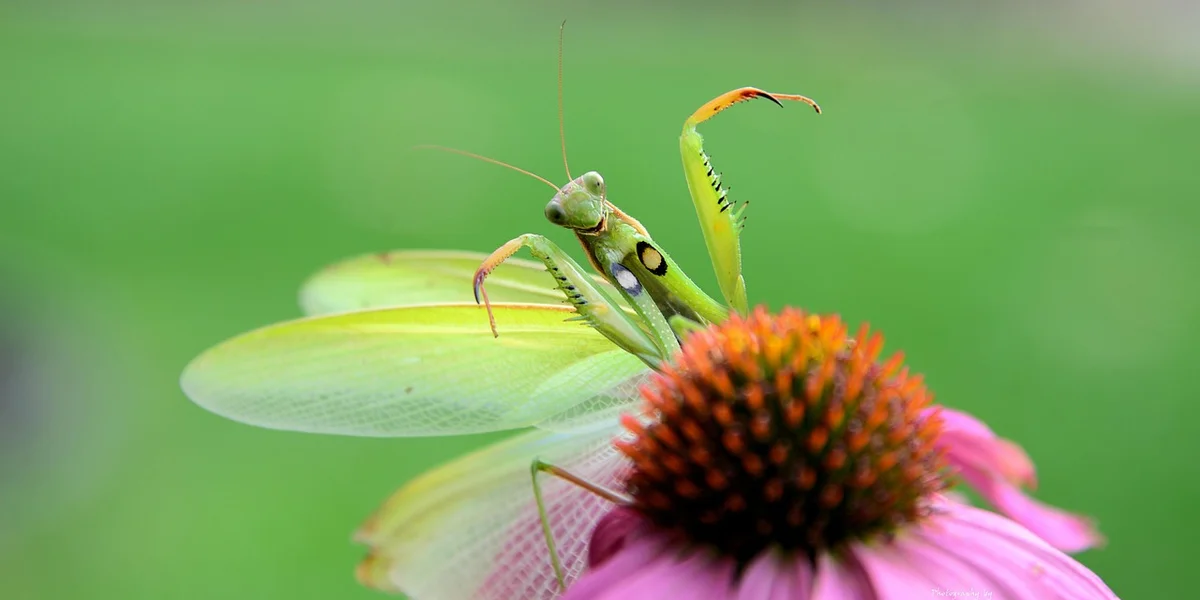
While the fundamentals of mantis breeding are similar, each species brings its own quirks and requirements to the process. Tailoring your approach to their specific natural history is the single most reliable way to encourage successful mating and rearing. What works for a robust, hardy species might spell disaster for a delicate, humidity-loving one. For beginners, choosing the right species is the first crucial step—look for a hardy, forgiving mantis that fits your space and local conditions. Starting with the right species reduces stress and boosts your chances of success.
Breeding Ghost Mantises (Phyllocrania paradoxa)
These cryptic, leaf-mimicking mantises are often a keeper’s first foray into breeding due to their generally calm disposition. My ghost mantis, Luna, watches the world with a slow, thoughtful curiosity that is typical of the species. Their breeding ritual is less frantic than others, but it requires precise environmental cues to trigger their instincts.
Start by ensuring your pair are truly adult, which you can confirm about two weeks after their final molt. Ghost mantises thrive at slightly cooler temperatures than many tropical species.
- Preparation: House the male and female separately but within sight of each other for a week or two. This allows them to become accustomed to each other’s presence.
- The Introduction: Place the male into the female’s enclosure in the evening, when they are most active. Her enclosure should have plenty of twigs and foliage reaching to the top, giving the male escape routes.
- Key Environmental Triggers: Simulate a subtle seasonal shift. A slight drop in nighttime temperature to around 20°C (68°F) and a gentle increase in misting frequency can signal breeding time.
- During the Act: Copulation can last many hours. The male will often remain attached even after dismounting. Always, always remove the male promptly once they separate, as the female’s post-mating appetite is formidable.
- Ootheca Care: Females will lay their frothy, tan-coloured oothecae on sturdy branches or the enclosure mesh. Mist the area lightly every other day to prevent the egg case from drying out. Incubation takes 4 to 6 weeks at 24-26°C (75-79°F) with good humidity.
Breeding Orchid Mantises (Hymenopus coronatus)
Breeding these breathtaking flower mimics is a pinnacle achievement for many hobbyists, but it demands heightened attention to detail. My juvenile orchid, Sprig, embodies their delicate beauty and specific needs. Their stunning appearance is matched by a fragility in the early stages of life, making nymph management the greatest challenge.
Orchid mantises require consistently warm and very humid conditions to thrive and feel secure enough to breed.
- Conditioning is Critical: Feed both male and female exceptionally well for several weeks before introduction. A plump, content female is less likely to see the male as a snack. The male must be agile and strong for his aerial approach.
- The Setup: Use a tall, well-planted enclosure for the female. Live or artificial orchids and broad leaves provide the visual breaks and landing pads the male needs for his cautious, fluttering approach.
- The Introduction Ritual: Never simply drop the male in. Allow him to spot the female from a container nearby, then let him enter her space of his own volition when he begins to show interest-a slow, deliberate stalk is a good sign.
- Post-Mating Protocol: Have a catch container ready. The moment they disconnect, gently coax the male onto a stick and remove him to safety. Even a well-fed orchid female can have a sudden change of heart.
The real work begins with the ootheca and nymphs. The egg case is small, beige, and resembles a lump of dried foam.
- Incubate it at a steady 28°C (82°F) with 80% humidity. Fluctuations here are a common cause of failure.
- Upon hatching, you may have 30 to 80 tiny, crimson nymphs. They must be separated within 48 hours to prevent cannibalism, using small deli cups or individual vials.
- Their first food should be flightless fruit flies (Drosophila melanogaster), and the enclosure must have fine mesh for climbing and a daily light misting for drinking.
Patience with orchid mantises is non-negotiable. Rushing any step, from introduction to nymph dispersal, often leads to heartbreak. Success comes from replicating the warm, damp, flower-filled security of their native rainforest understory.
Common Mantis Queries
How long does the mantis breeding cycle typically last?
The full cycle, from mating to nymphs reaching independence, generally spans two to three months. The duration is highly species-dependent, with the incubation period for the ootheca itself being the most variable phase.
What signs indicate successful mating between mantises?
The male will typically dismount and retreat safely, often within a few hours. A successfully mated female will often groom her abdomen and lay an ootheca within one to three weeks.
What common diseases or parasites can affect mantis breeders and how can they be prevented?
Parasitic mites and fungal infections are the primary concerns, often stemming from poor enclosure hygiene. Prevent issues by removing uneaten prey and frass daily, and isolate new or affected individuals immediately.
Your Mantis Breeding Journey: A Gentle Close
Breeding mantises successfully hinges on patient preparation-ensuring your adults are robust, well-fed, and introduced in a calm, spacious setting to ease their natural rhythms. From there, attentive post-mating care for the female and creating the perfect humid, secure spot for her ootheca form the quiet foundation for new life.
We embrace a keeper’s responsibility by committing to the entire cycle, ensuring every nymph has the best start through informed, gentle care. Let your curiosity grow alongside them; sharing notes with fellow enthusiasts or observing your own mantises, like our thoughtful Ghost Luna, deepens both your skill and the quiet joy of this hobby.
Further Reading & Sources
- Breeding mantids | Jenny Read
- Breeding praying mantises | Keeping Insects
- How to Breed Praying Mantis – Time to Breed
- r/mantids on Reddit: Breeding praying mantis tips.
Rowan Hale is a lifelong insect enthusiast who fell in love with mantises for their calm presence, alien elegance, and surprising personalities. After years of keeping and raising a variety of species, Rowan shares practical tips, creative insights, and real-world experience to help others enjoy the quiet magic of mantis care. From setting up the perfect enclosure to understanding their subtle behaviors, Rowan invites readers into a gentle, curious world where every tiny movement feels like a discovery.
Breeding Practices