
How to Breed Mantis Species Successfully: A Step-by-Step Guide
Published on: December 5, 2025 | Last Updated: December 5, 2025
Written By: Rowan Hale
Hello there, mantis friend. Imagine the soft rustle of tiny legs as a new generation hatches, each nymph a perfect miniature of its parents-a quiet miracle right in your care.
Breeding mantis species successfully is a gentle art of timing, environment, and attentive observation, turning a curious hobby into a cycle of life.
It is more complex than simply introducing two mantises; it demands we understand their rhythms, from courtship dances to ootheca placement.
Here are the key steps we will explore together:
- Selecting healthy, compatible pairs for breeding.
- Preparing a safe and stress-free habitat for introduction.
- Managing the mating process and post-mating care.
- Incubating oothecae and caring for hatchling nymphs.
Drawing from experience with mantises like Luna, my ghost mantis who watches with thoughtful tilts, we will walk through each phase with calm, practical guidance.
Preparing for the Breeding Journey
Understanding Mantis Breeding Basics
What Praying Mantis Breeding Entails
Breeding mantises is a quiet dance of timing and care, starting with a healthy pair and ending with a delicate ootheca, or egg case. The process involves introducing a well-fed female to a male, observing their cautious courtship, and ensuring she has a safe space to lay her eggs afterwards. We learned this with our Ghost Mantis Luna, whose misty brown frills seemed to soften as she accepted a mate, moving with a thoughtful slowness that told us she was ready. You’ll need to watch for the male’s approach, often a hesitant creep, and be prepared to separate them if the female shows aggression post-mating.
After a successful connection, the female will produce an ootheca, a frothy mass that hardens into a protective shell for her eggs. This ootheca requires specific humidity and temperature to hatch, mirroring the gentle, damp mornings of their natural habitat. It’s not just about pairing; it’s about creating a whole cycle of comfort, from the first introduction to the careful incubation of those future nymphs.
Recognizing the Breeding Season and Habits
Mantises often breed when they reach adulthood, which for many species aligns with warmer, longer days in spring or summer. You can spot breeding readiness by changes in behaviour, like increased activity in males or a plumper abdomen in females. Our Giant Asian Mantis, Moss, became notably more energetic, his vivid green body almost shimmering as he explored every corner of his enclosure in search of a mate. In captivity, you might simulate seasonal shifts with slight increases in temperature and light exposure to trigger their natural instincts.
Different species have unique habits; some, like the Orchid Mantis, are solitary and require careful monitoring during introductions. Pay attention to subtle cues, such as the female raising her forelegs in a non-aggressive pose, which can signal receptivity. We’ve found that offering a light misting session beforehand helps calm them, the humid, earthy scent setting a tranquil stage for their encounter.
Gathering Your Breeding Supplies
Essentials for a Starter Breeding Setup
You don’t need fancy gear, but a few key items make the journey smoother and safer for your mantises. Start with a spacious enclosure for the female, at least three times her body length in height, to give her room for laying eggs. A simple mesh or glass terrarium works well, lined with coconut fibre or paper towel for easy cleaning. We often use a spare large jar for temporary housing, ensuring it’s well-ventilated with a secure lid.
Here’s a basic list to gather before you begin:
- A separate smaller container for the male, to introduce him safely without stress.
- Fine mist sprayer for maintaining humidity around 60-70%, which mimics dew-kissed leaves.
- Thermometer and hygrometer to monitor conditions, avoiding sudden swings.
- Soft tweezers for handling prey and moving mantises gently if needed.
- Branches or silk plants for perches, giving the female vertical surfaces to attach her ootheca.
Keep everything clean with eco-friendly, non-toxic wipes to prevent mould, which can harm both mantises and eggs. A calm setup reduces risks, letting you focus on the gentle rhythm of breeding rather than last-minute scrambles.
Selecting Your Mantis Species and Pair
Choosing the Right Species for Breeding Success
Factors in Species Selection
Pick a species that matches your experience level and environment, as some are far easier to breed than others. Consider the adult size, temperature needs, and how readily the female accepts mates, as aggressive species require more hands-on management. For beginners, we recommend starting with hardy types like the Giant Asian or European Mantis, which adapt well to home conditions. Our Moss, a Giant Asian, proved resilient, his emerald body thriving even with minor fluctuations in care.
Think about these points when choosing:
- Climate compatibility: Can you maintain the warmth and humidity they naturally prefer?
- Space requirements: Larger species need bigger enclosures for breeding activities.
- Egg-laying habits: Some produce many oothecae, offering more chances for nymphs.
- Your local regulations, as certain species might be restricted to protect ecosystems.
By matching the species to your routine, you create a stable foundation for breeding, reducing stress on both you and the mantises. It’s like picking a garden plant that suits your soil-thriving comes more naturally.
Avoiding Hybridization and Sourcing Healthy Stock
To keep bloodlines pure, source your mantises from reputable breeders who track their lineages. Hybridization can lead to weak offspring or infertile eggs, so always ask for details on the mantis’s origin and parents. We’ve found that joining online mantis communities helps verify sources, as fellow keepers share trusted recommendations. When we added Sprig, our Orchid Mantis, we ensured she came from a breeder specialising in that species, her soft pink marbling a sign of robust health.
Look for mantises with clear eyes, active movements, and no signs of injury or lethargy. Avoid wild-caught individuals if possible, as they might carry parasites or stress from capture, complicating breeding efforts. Instead, opt for captive-bred stock, which is often more acclimated to enclosure life and regular handling.
Preparing Your Adult Mantises for Breeding
Health and Diet Conditioning
Well-conditioned mantises are more likely to breed successfully, so focus on a nutrient-rich diet in the weeks before introduction. Feed them a variety of live insects, like gut-loaded crickets or flies, to boost their energy and reproductive health. We conditioned Luna by offering her extra fruit flies dusted with calcium powder, watching her delicate strikes become more precise and confident. This period, often called “fattening up,” helps females produce strong eggs and males sustain their vigour during courtship.
Ensure both mantises are fully mature, usually after their final molt, and free from any illnesses. After molting, give the newly moulted mantises 24–48 hours to harden their exoskeletons and settle before weighing or handling. Monitor their weight gently; a plump but not obese female indicates readiness, while a male should be agile and responsive. Regular misting supports hydration, and a warm spot in the enclosure, around 24-28°C, encourages their natural rhythms without overheating.
Here’s a simple conditioning routine to follow:
- Increase feeding frequency to every other day, offering prey slightly larger than their head.
- Provide fresh water through misting, avoiding direct sprays that might startle them.
- Observe their behaviour for signs of peak health, such as alert posture and clean molts.
- Limit handling to reduce stress, letting them settle into a calm, predictable routine.
This careful preparation mirrors the abundant seasons in the wild, giving your mantises the best start for their gentle breeding journey. This approach aligns with line breeding and selective breeding, guided by an ethical mantis breeding guide that emphasizes welfare and genetic diversity. By applying responsible selection, you’ll balance traits while safeguarding health. With patience, you’ll see them flourish, ready for the next steps in creating new life.
Creating the Ideal Breeding Environment
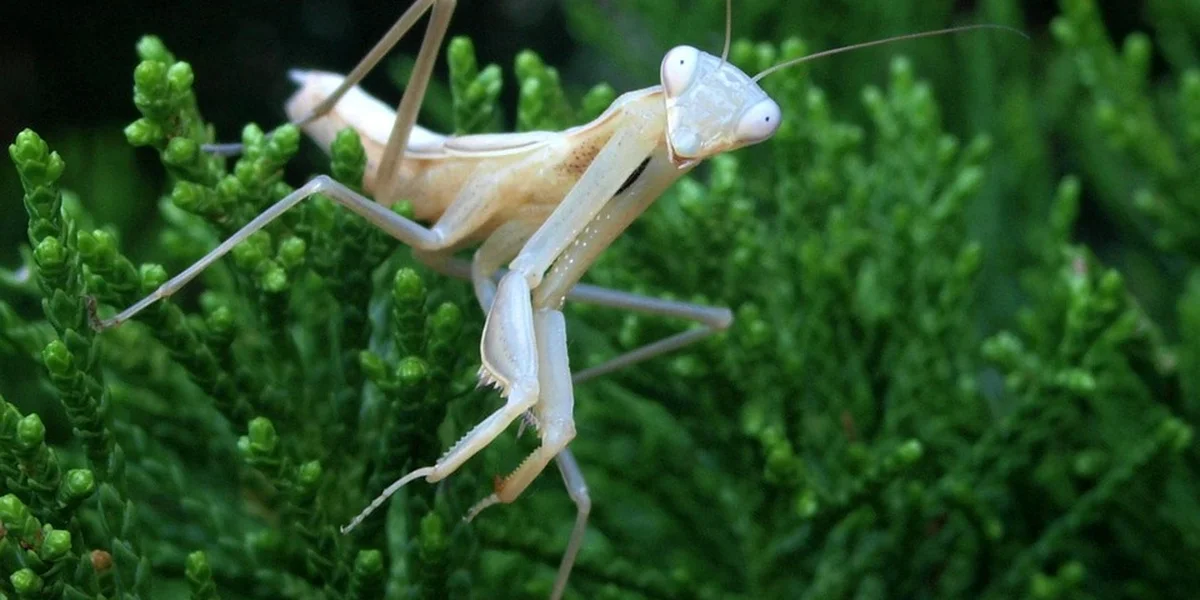
The space where you introduce your mantises is more than a container-it’s a stage for a delicate natural performance. Getting the environment right from the start drastically reduces stress and increases the chances of a peaceful, successful pairing. Think of it as setting a quiet, comfortable scene where both insects can behave as naturally as possible.
Setting Up the Breeding Terrarium
We do not typically house mantises together, but for breeding, a temporary, thoughtfully arranged enclosure is key. This isn’t their permanent home, but a neutral meeting ground designed for safety. When selecting this enclosure, it’s important to choose one suitable for the praying mantis species.
Enclosure Size and Layout for Pairing
Size matters, but bigger isn’t always better. A cramped space forces interaction and can lead to immediate conflict. An overly vast one can make the male too difficult to find. A tall enclosure around 30cm in height is our sweet spot. The vertical space is non-negotiable, giving the female multiple levels to occupy and allowing the male to approach from above-their instinctive preference.
Layout is your best tool for managing risk. We create a miniature landscape with intention:
- Use several sturdy, vertically-oriented branches or twigs, reaching to the top. These are the highways for movement.
- Add broad, anchored leaves or artificial foliage near the top and sides. This provides visual breaks and hiding spots.
- Ensure the ceiling has a textured surface, like mesh, for the male to hang from after mating.
- Keep the bottom clear of complex decor. A simple substrate like coconut fibre or paper towel makes it easy to spot the male if he falls and needs a quick rescue.
My male Moss was always more confident in a well-furnished space where he could use foliage as a moving screen between himself and his potential mate.
Perfecting Temperature, Humidity, and Lighting
Stability in these three factors signals to your mantises that conditions are favourable for reproduction. Sudden changes can halt the entire process.
- Temperature: Aim for the higher end of your species’ comfortable range. For many common species, this is 24-27°C (75-80°F). A gentle, consistent warmth from a small heat mat on one side of the enclosure can encourage activity. Always use a thermostat to prevent overheating.
- Humidity: Slightly elevated humidity helps ensure the female is well-hydrated and receptive. Increase your misting frequency gently a few days before introduction. Target a humidity spike of 60-70% after misting, letting it fall back to 50% before rising again, mimicking a natural morning dew. Use a simple hygrometer to monitor this-the earthy, moist scent after misting is a good sensory clue.
- Lighting: Provide a consistent day/night cycle of about 12 hours on, 12 hours off using indirect, ambient light. Avoid bright, hot lights directly on the enclosure. The dim, diffused light of a cloudy day is what we’re emulating. I’ve noticed Luna, my Ghost mantis, is most active and perceptive under these calm lighting conditions.
These elements work together to create a serene, spring-like atmosphere. When the air is warm, slightly humid, and the light is soft, your mantises are more likely to feel the instinctive cues to begin their courtship rituals. It’s about crafting a slice of their ideal seasonal moment right on your shelf.
Facilitating the Mating Process
Setting the stage for mantis breeding feels a bit like preparing a quiet, green sanctuary where two lives might gently intersect. We focus on creating a calm, safe space that encourages natural behaviours without pressure. To set up the perfect breeding enclosure for mantises, we tune size, airflow, and perching for their needs. We also optimize temperature, humidity, and plant layout to encourage mating and protect egg cases.
Your role is that of a mindful observer, ensuring both mantises are comfortable and ready for this delicate interaction.
Timing and Introducing the Pair
Getting the timing right is the most thoughtful gift you can give your mantises. Introduce them when they are physiologically and behaviourally primed, which greatly reduces stress and risk.
Rushing this step is the most common misstep new keepers make, but with a little patience, you can avoid it entirely.
When and How to Introduce Mantises for Mating
The ideal moment is usually 7 to 10 days after the female’s final molt, and always after she has eaten a substantial meal. A well-fed female is far less likely to view her suitor as food.
We always feed the female a favourite prey item, like a plump cricket, a few hours before any introduction.
For the male, ensure he is agile and confident, which often comes a week after his own final molt. Here is our gentle method, refined from years of trial and error:
- Prepare a neutral, spacious enclosure free of heavy décor-a simple, clean tank or large jar works wonderfully.
- Place the female inside first and let her acclimate for at least thirty minutes until she is perched calmly.
- Introduce the male carefully, lowering him onto a branch or the enclosure wall opposite the female, never directly in front of her.
- Keep the room dim and quiet, and have a soft paintbrush ready to gently guide them apart if needed, though direct contact is best avoided.
I remember introducing Moss, my energetic Giant Asian male, to a potential mate this way; his initial curiosity, expressed through slow antennae waves, was a good sign we’d timed it well.
This methodical approach mimics a natural, unforced meeting in the wild, giving courtship its best chance to unfold.
Observing Courtship and Mating Behaviors
Once together, your job shifts to quiet vigilance. Mantis courtship is a subtle language of movement and posture, easy to miss if you’re not looking closely.
You’ll learn to read the room-or rather, the enclosure-by watching for specific, calming signals from both insects.
The male often initiates with a slow, rocking gait, imitating a leaf swaying in a breeze. He may freeze for long moments, assessing the female’s reaction. The female might turn her head slightly or remain perfectly still, which is usually a positive sign.
With my Ghost Mantis, Luna, her courtship was a study in stillness; she’d tilt her spiny head just so, a silent permission for the male to advance.
Successful courtship is marked by a palpable drop in tension, where both mantises seem to acknowledge each other without alarm.
Signs of Successful Courtship and Pairing
The actual mating is a quiet event. Look for these specific indicators that the pair has connected successfully:
- The male carefully climbs onto the female’s back, aligning his abdomen with hers. There is no struggle or fleeing.
- They remain coupled, often for several hours, with only occasional slight adjustments in position.
- The female stays relatively placid, perhaps grooming her forelegs or remaining motionless, while the male holds on.
During a successful pairing, I’ve noticed a soft, focused stillness descend on the enclosure, broken only by the occasional rustle of a leg.
The ultimate sign of success is a peaceful conclusion where the male detaches and retreats unharmed, often with a quick, cautious departure.
If you witness this full, undisturbed sequence, you can be quietly confident the mating was effective. It’s a humble, profound moment to observe in your care.
Nurturing the Ootheca Through Incubation
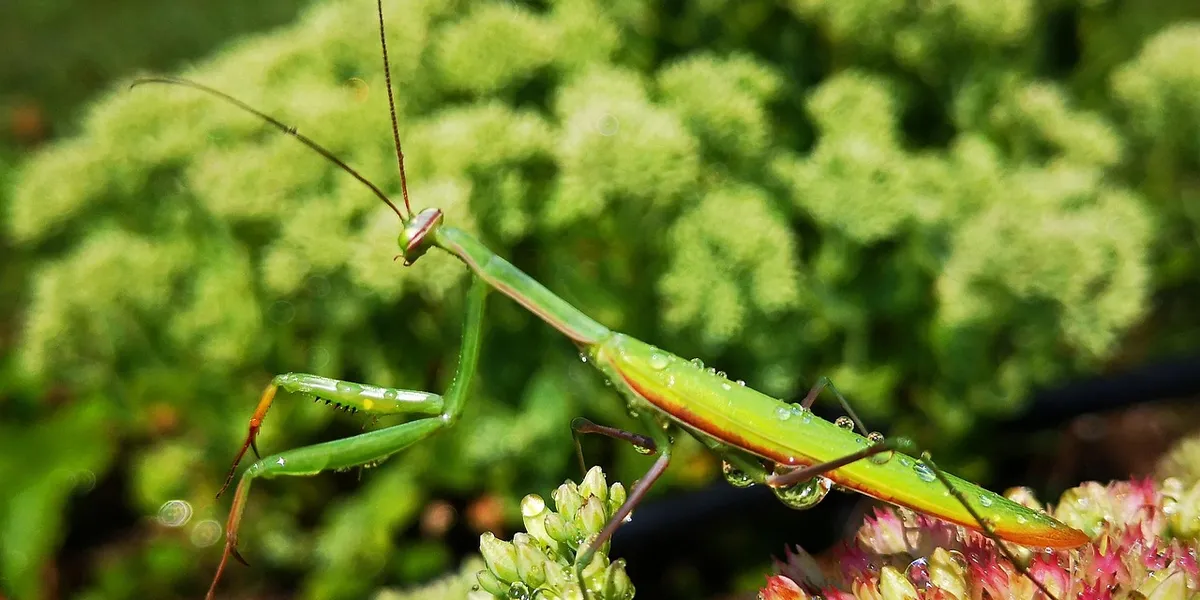
The quiet period after mating is a time of patient guardianship. Your role shifts from matchmaker to caretaker of the next generation, held safely within a remarkable structure: the ootheca.
After Mating: Ootheca Formation and Care
You will know success when you see your female begin to swell and then produce a frothy mass from her abdomen. She will sculpt this foam against a twig, the lid of her enclosure, or another surface, working it into its final form. This process is a massive energy expenditure, so always offer her a substantial, nutritious meal immediately after she finishes laying.
Observing my Giant Asian mantis, Moss, create his mate’s first ootheca was a lesson in stillness. She chose the corner of her mesh ceiling, and for nearly two hours, she meticulously layered and shaped the foam until it hardened into a perfect, peanut-sized fortress. She was utterly spent afterwards, gratefully accepting a plump cricket.
What is an Ootheca and How to Handle It
Think of an ootheca as a natural nursery capsule. It is a hardened foam case, produced by the female, that contains dozens to hundreds of eggs arranged in neat rows. Its spongy, cured exterior protects the developing nymphs from drying out, minor bumps, and even some parasites.
Handling requires a light touch and infinite patience.
- Never pull it off a surface. If attached to mesh or a removable twig, you can carefully cut the material around it, leaving the ootheca undisturbed.
- For oothecae on fixed surfaces, like glass, let them be. The female may produce several, so plan your incubation setup around a fixed object if needed.
- If you must move one, wait at least 48 hours for it to fully cure and harden. Then, use a flat, thin tool like a butter knife to gently pry it up, supporting the entire base.
The golden rule is to avoid rotating or inverting the ootheca once it’s laid, as this can disrupt the delicate internal chambers where nymphs develop.
Incubation Conditions for Hatching Success
Replicating the gentle promise of spring is your goal. This doesn’t require fancy equipment, just consistent, watchful care.
Setting Up Your Incubation Station:
- Container: A small, well-ventilated container is perfect. A clean deli cup with a mesh lid works beautifully.
- Mounting: Secure the ootheca to the inside of the lid or an upper side wall using a tiny dab of non-toxic glue (like hot glue, cooled slightly) or a soft tie. Position it with the natural seam lines facing downward, mimicking how the female placed it. This ensures nymphs can exit easily.
- Substrate (Optional): A damp paper towel or a shallow layer of moist sphagnum moss at the bottom maintains humidity without touching the ootheca directly.
The Two Pillars: Temperature and Humidity
These are the dials you gently turn to signal “time to hatch.”
- Temperature: Aim for a stable range between 22°C to 26°C (72°F to 79°F). Room temperature often works, but avoid cold drafts or direct heat sources. A consistent, slightly warm spot is key.
- Humidity: This is about misting with care. You want the air to feel gently humid, not wet. Lightly mist the sides of the container and the substrate every 2-3 days, allowing it to almost dry out between mistings. A soggy ootheca can foster mold, while a bone-dry one may desiccate the eggs inside.
- Patience: Incubation can take anywhere from 3 to 10 weeks, depending on the species and conditions. Check daily for tiny ants or pinhead-sized mites, which can be predators, and for the first incredible sight of miniature mantis faces peeking from the split seam.
When my Ghost mantis Luna’s ootheca finally hatched, it was on a quiet morning. Dozens of tiny, thread-like nymphs emerged, each a perfect, silent copy of their mother. That moment of new life, successfully shepherded from egg to emergence, is the quiet reward for your careful incubation watch.
Raising the Next Generation: Nymph Care
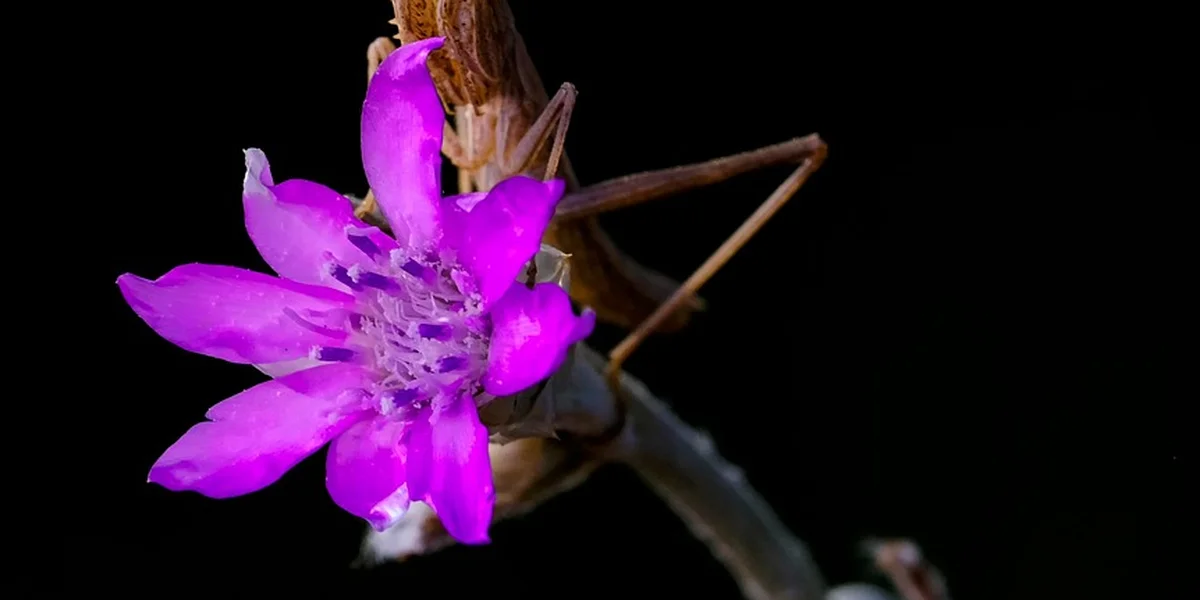
After the delicate dance of mating and the patient wait for eggs, the real magic begins with a chorus of tiny clicks and a cloud of miniature mantises. Your role shifts from breeder to guardian, a gentle steward for these fragile new lives. We’ll walk you through each step, from their first bewildering moments to their steady growth into confident juveniles.
Welcoming and Housing Baby Mantis Nymphs
Picture a hatchery not as a cage, but as a soft, safe nursery. A simple setup works best: a well-ventilated container like a large deli cup or a small critter keeper. Line the bottom with a damp paper towel or coco fibre to hold humidity, and add a few twigs or soft mesh for the nymphs to climb and hang from during molts.
First Days After Hatching
When the ootheca finally splits, you’ll see dozens of nymphs, each no larger than a grain of rice, tumbling out. Resist the urge to handle them immediately; their exoskeletons are soft and they need calm to harden. Gently mist the enclosure walls with warm water to provide droplets for drinking. I remember Luna’s ghost mantis nymphs hatching-they clung together in a quiet, misty cluster, slowly exploring their new world.
Within 24 to 48 hours, you’ll need to separate them to prevent cannibalism. Use a soft paintbrush to coax individual nymphs into their own small containers, replicating the humid, simple setup of the main hatchery. This early move is stressful but vital for their survival.
Feeding and Growing Healthy Juveniles
As your nymphs settle, their appetite grows alongside them. Feeding tiny mantises requires patience and the right-sized prey, always smaller than the width of their heads. Start with fruit flies (Drosophila melanogaster), which you can culture at home or buy from pet shops. Sprinkle a few into each container every other day, watching for the quick, precise strikes that signal a healthy feed.
Diet for Young Mantids and Feeding Schedules
Variety is the spice of life, even for mantids. Rotate between fruit flies, pinhead crickets, and small aphids to ensure a balanced diet rich in nutrients. Here’s a simple feeding schedule to follow:
- First Instar (L1): Offer flightless fruit flies every two days. Provide a light misting daily for hydration.
- Second to Third Instar (L2-L3): Introduce small pinhead crickets or more fruit flies every three days. Increase misting slightly as they grow.
- Fourth Instar Onwards (L4+): Move to larger prey like houseflies or small crickets, feeding every three to four days. Always remove uneaten prey to reduce stress.
My mantis Moss, as a juvenile, had a particular fondness for small moths I’d catch in the garden-a treat that seemed to boost his energy before a molt. Observing your mantis’s feeding response tells you much about its health and mood.
Monitoring Health and Preventing Common Issues
Keep a watchful eye on your growing nymphs. Common pitfalls include dehydration, failed molts, and fungal infections, all preventable with attentive care. Signs of trouble include lethargy, refusal to eat, or a mantis stuck in its old skin.
To prevent issues:
- Maintain humidity: Light misting keeps their skin supple for molting. Use a hygrometer to aim for 50-70% humidity, adjusting for species like Sprig the orchid mantis, who prefers it higher.
- Ensure proper ventilation: Stagnant air breeds mould. Cross-ventilation with mesh lids is key.
- Provide climbing space: Vertical sticks or mesh give them room to hang upside-down, essential for a clean molt.
- Avoid overfeeding: A plump abdomen is good, but bloating can hinder molting. Feed modest portions and watch their growth.
If a nymph struggles to molt, increase humidity gently with a warmer mist and ensure it has a quiet, undisturbed perch. Most health issues resolve with small adjustments to their environment, reflecting the delicate balance they need. Remember, each molt is a rebirth, and with your gentle guidance, they’ll emerge stronger each time.
Overcoming Breeding Hurdles
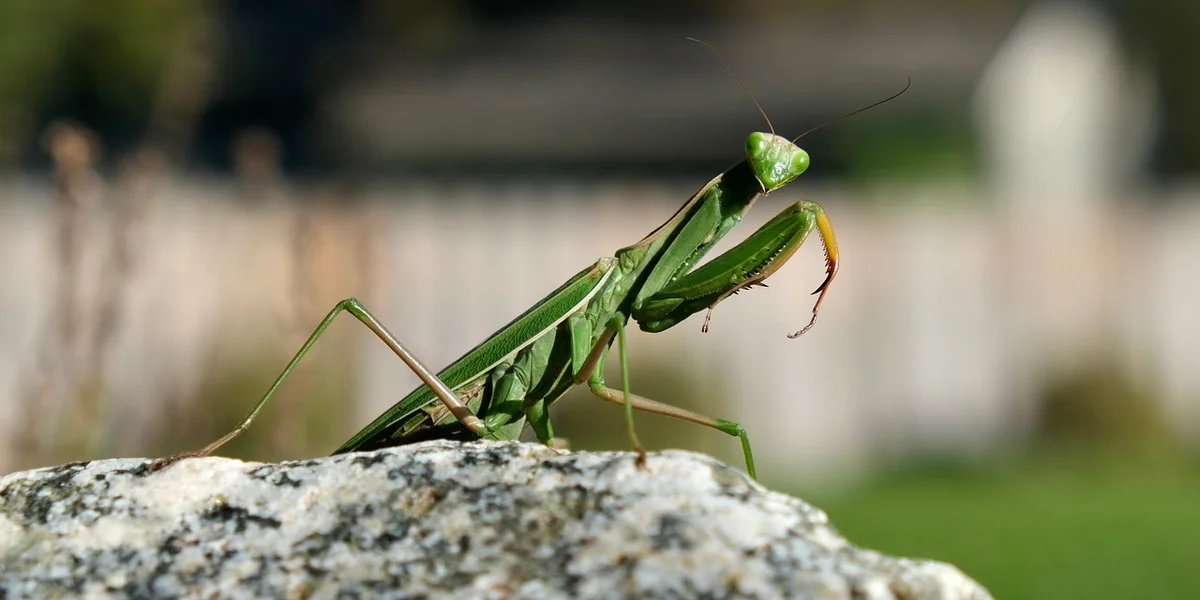
Even with perfect preparation, breeding mantises presents unique challenges. Seeing a pairing fail or an ootheca come to nothing can be disheartening, but these moments are rich with information for a careful keeper. We learn as much from what goes awry as from what goes smoothly. For new breeders, these missteps are often the result of a few common pitfalls. In a guide on the 6 mistakes new breeders make when mating praying mantises, we’ll break down those errors and how to avoid them.
Troubleshooting Failed Pairings and Ootheca Problems
When a carefully orchestrated introduction doesn’t go to plan, it’s time for some gentle detective work. The reasons often trace back to timing, environment, or individual temperament.
Common Challenges in Mantis Breeding
Let’s walk through the frequent setbacks and their solutions.
- The Female Rejects or Attacks the Male Immediately: This is the most dramatic hurdle. It usually signals the female is not yet receptive. Her body isn’t sending the right chemical signals. The fix is simple: wait. Separate them immediately and try again in 3-5 days after feeding her well. A plump, content female is often a more patient one.
- The Male Shows No Interest: A hesitant male might be immature, underfed, or simply cold. Mantises are ectotherms; their activity levels depend on warmth. Ensure his enclosure is at the ideal higher-end temperature for his species and that he’s been fed recently to build confidence and energy.
- Pairing Seems Successful, But the Ootheca is Infertile: This quiet disappointment means no nymphs will hatch. It can happen if the male was too young and his sperm wasn’t viable, or if the female wasn’t quite ready and disposed of the sperm. Sometimes, the environment was too dry after mating, affecting the ootheca’s internal development. Misting a little more frequently in the days following a pairing can help.
- The Ootheca Appears Misshapen or Small: A female’s first ootheca is often a practice run and may be smaller. Consistently poor ootheca shape can indicate nutritional deficiency. Review her diet-is she getting enough varied, gut-loaded prey?
My male Moss, for all his curiosity, needed a full week of extra feeding and basking time before he summoned the courage for a successful courtship dance. Patience truly is the keeper’s greatest tool.
Ensuring Long-Term Breeding Success
Breeding isn’t a one-time event but a sustainable cycle. Long-term success hinges on vigilant care and the quiet habit of observation, transforming brief moments into a meaningful record.
Health Monitoring and Record Keeping
Keeping simple notes prevents history from repeating itself and helps you spot patterns invisible in the day-to-day.
- Maintain a Breeding Log: Use a notebook or a simple digital spreadsheet. Note the dates of molts to adulthood, pairing attempts, observed matings, and ootheca deposition.
- Track Lineage: If you raise multiple generations, note parentage. This avoids accidental inbreeding, which can weaken nymphs over time, and lets you trace desirable traits.
- Watch for Signs of Stress or Decline: Post-mating, monitor both individuals. A sudden lack of appetite in the female or lethargy in the male warrants a closer look. A comfortable mantis is an alert mantis, perched with a slight readiness in its stance.
- Ootheca Incubation Diary: Label each ootheca with its lay date and the parents’ names. Record temperature and humidity near it. When it hatches, note the number of nymphs and their vigour. This data is gold for perfecting your conditions.
We keep a small journal on the shelf near our enclosures. It smells faintly of moss and has quick sketches next to dates-a reminder that breeding is as much about the story as the science.
| What to Record | Why It Matters |
|---|---|
| Date of Final Molt (Adulthood) | Calculates the optimal breeding window for maturity. |
| Pairing Introductions & Outcomes | Identifies receptive individuals and tracks temperament. |
| Ootheca Lay Date & Location | Predicts hatch timeline and informs safe relocation. |
| Nymph Count & Health at Hatch | Measures breeding success and initial brood vitality. |
| Parentage (Male & Female IDs) | Manages genetic diversity for robust future generations. |
Common Mantis Queries
What is a praying mantis breeding kit?
A praying mantis breeding kit is a curated set of tools and enclosures designed to simplify the initial setup for breeding. It often includes items like a terrarium, misting bottle, and thermometers to help maintain ideal conditions for mating and egg care. Understanding when mantises lay their eggs helps you plan the process. Timing can vary by species and climate; in many cases, females lay eggs in fall with hatchlings emerging in spring.
How do you breed praying mantis in Texas?
Breeding mantises in Texas involves adapting to the state’s warm climate by ensuring consistent humidity and avoiding overheating in enclosures. Different mantis species have distinct temperature and humidity needs. Knowing each species’ preferred ranges helps you adjust the enclosure accordingly. Focus on using well-ventilated setups and monitoring local seasonal changes to time introductions effectively.
How do you breed praying mantis in Texas for profit?
To breed mantises for profit in Texas, prioritize efficient nymph rearing and target markets like pet stores or online sales. Maintain detailed records and comply with state regulations to ensure a sustainable and legal breeding operation.
Your Mantis Breeding Journey: A Gentle Close
Successful breeding rests on patient preparation and mimicking the quiet, stable conditions of their natural world. By carefully introducing mates and safeguarding the ootheca with perfect humidity, you give the next generation its very best start.
As pet keepers, our duty is to offer compassionate, informed care at every life stage, celebrating each small success. We find that the most rewarding part is the learning itself-each clutch teaches us more about these remarkable creatures we’re privileged to nurture.
Further Reading & Sources
- Breeding mantids | Jenny Read
- Breeding praying mantises | Keeping Insects
- How to Breed Praying Mantis – Time to Breed
- r/mantids on Reddit: Breeding praying mantis tips.
Rowan Hale is a lifelong insect enthusiast who fell in love with mantises for their calm presence, alien elegance, and surprising personalities. After years of keeping and raising a variety of species, Rowan shares practical tips, creative insights, and real-world experience to help others enjoy the quiet magic of mantis care. From setting up the perfect enclosure to understanding their subtle behaviors, Rowan invites readers into a gentle, curious world where every tiny movement feels like a discovery.
Breeding Practices