
Breeding Mantis Species Successfully: Your Step-by-Step Guide
Published on: December 5, 2025 | Last Updated: December 5, 2025
Written By: Rowan Hale
Hello mantis friend,
Picture the moment a ghost mantis pair sways in a silent dance, or the hush when dozens of tiny nymphs emerge like living confetti. Breeding these captivating insects connects you deeply to their private, rhythmic world.
Successful mantis breeding is a step-by-step journey that blends careful preparation, species-specific timing, and gentle, observant care from pairing to hatchling.
While the process involves precise steps-like syncing molts and managing delicate introductions-it becomes clear and rewarding with a trusted roadmap.
Here are the key areas we’ll cover together:
- Selecting healthy, mature adults ready for breeding.
- Preparing enclosures that mimic natural courtship conditions.
- Orchestrating the mating encounter to keep both mantises safe.
- Incubating the ootheca (egg case) for optimal hatch rates.
- Raising the tiny nymphs with appropriate food and housing.
Starting with the Right Foundation: Choosing Your Breeding Species
Your breeding journey begins with a simple choice: which mantis species will share this experience with you? Selecting a species that matches your skill level and resources sets the stage for a smooth, rewarding project. We often think of mantises as solitary hunters, but in breeding, their needs become a shared dance of timing and care.
What Mantis Species Are Easiest for Beginners to Breed?
For new keepers, some species are more forgiving and straightforward. The Giant Asian Mantis (Hierodula membranacea) is a classic first choice, known for its hardy nature and predictable breeding behaviors. My male Moss, a Giant Asian, showed such consistent interest in feeding that his transition to breeding felt almost seamless. Other beginner-friendly options include the Ghost Mantis (Phyllocrania paradoxa), like my Luna, whose slow, deliberate movements make introductions less stressful.
Here are three species we recommend for your first attempt:
- Giant Asian Mantis: Large, robust, and less fussy about humidity swings.
- Ghost Mantis: Smaller and calmer, with a lower risk of aggression during pairings.
- Chinese Mantis (Tenodera sinensis): Widely available and tolerant of beginner mistakes.
Each has its own charm-imagine the soft rustle of a Ghost Mantis moving like a brown leaf, or the vibrant green of a Giant Asian perched alertly. Starting with these species builds confidence, letting you focus on the breeding process itself.
Key Factors for Your First Mantis Breeding Project
Beyond species selection, consider these practical elements to avoid common pitfalls. Always source your breeding pair from reputable breeders to ensure healthy, disease-free stock. Look for mantises that are active, with bright eyes and no signs of injury. Age matters too—most species breed best when the female is subadult or newly adult, giving her time to mature without rushing. These considerations echo the seven deadly sins of mantis breeding—rushing, neglecting health checks, and poor housing—that can endanger your pair. By avoiding these mistakes, you improve your odds of a successful, healthy pairing.
We also weigh these factors:
- Temperament: Choose species with lower aggression rates to reduce cannibalism risks.
- Availability of Food: Ensure you can provide a steady supply of live prey, like fruit flies or crickets.
- Climate Compatibility: Pick a species that thrives in your local humidity and temperature ranges, minimizing setup costs.
From my experience with Sprig, the Orchid Mantis, even delicate species can breed well with careful planning. Patience and observation are your best tools, letting you read their body language for signs of readiness.
Building the Breeding Sanctuary: Enclosure Setup and Climate
Once you’ve chosen your species, it’s time to craft their home. A well-designed enclosure mimics the natural rhythms of their habitat, encouraging natural breeding behaviors. Think of it as building a tiny, living world where every detail supports their comfort and success.
Selecting the Perfect Enclosure Size for Breeding Pairs
Space is crucial for mantis breeding pairs. An enclosure that’s too small can lead to stress and aggression, while one that’s too large might make introductions difficult. For most medium-sized species like the Giant Asian Mantis, a terrarium around 30 centimeters tall and 20 centimeters wide works well. This gives the male room to approach cautiously and the female space to retreat if needed. For a perfect breeding enclosure, ensure secure, escape-proof walls with good ventilation and plenty of hiding spots. Introduce the pair gradually and monitor initial interactions.
Consider these guidelines:
- For small species (e.g., Ghost Mantis): Use a 15x15x20 cm enclosure-cozy enough for closeness but with vertical climbing space.
- For large species (e.g., African Mantis): Opt for 30x30x45 cm to accommodate their wingspan and movement.
- Always include plenty of twigs, leaves, or mesh for perching, as mantises feel safer when they can climb and observe from above.
Vertical space often matters more than floor area, mimicking the tall grasses and shrubs they inhabit in the wild. This setup reduces stress, making those first cautious encounters between pairs more likely to succeed.
Temperature and Humidity Control for Mantis Reproduction
Climate control is the heartbeat of successful breeding. Mantises rely on specific temperature and humidity levels to trigger reproductive instincts and ensure egg development. Most species prefer daytime temperatures between 24°C and 28°C, with a slight drop at night to mimic natural cycles. Humidity should hover around 60-70%, but this varies—for instance, Ghost Mantises like Luna thrive in higher humidity, around 80%, while others prefer it drier. However, different mantis species have distinct optimal ranges for temperature and humidity, as outlined in the Temperature and humidity ranges for mantises. Knowing these species-specific needs is key to successful breeding and healthy offspring.
Use a simple digital hygrometer and thermometer to monitor conditions. Small adjustments, like moving the enclosure away from drafts or using a heat mat on one side, create gentle gradients that let mantises choose their comfort zone. For humidity, mist the enclosure lightly each morning with warm water, avoiding direct sprays on the mantises to prevent shock.
Daily Terrarium Maintenance for Consistent Conditions
Consistency is key, and daily checks keep your sanctuary stable. Set aside five minutes each morning to assess the enclosure, ensuring nothing disrupts the delicate balance. Start by observing the mantises-are they active and perched normally? Then, feel the air; if it’s too dry, a quick mist can boost humidity without overdoing it.
Follow this simple routine:
- Check temperature and humidity: Note any drifts and adjust heaters or misting accordingly.
- Remove uneaten prey: Leftover insects can stress mantises or mold the substrate.
- Inspect for mold or waste: Wipe down walls with a damp cloth if needed, using eco-friendly, scent-free cleaners.
- Ensure ventilation: Good airflow prevents stagnation but avoid direct drafts that chill the enclosure.
We find that keeping a small journal helps track patterns-like how Moss becomes more active after misting. These daily rituals build a rhythm that both you and your mantises will come to rely on, making breeding feel like a shared, mindful practice.
The Courtship Introduction: Preparing and Pairing Mantises
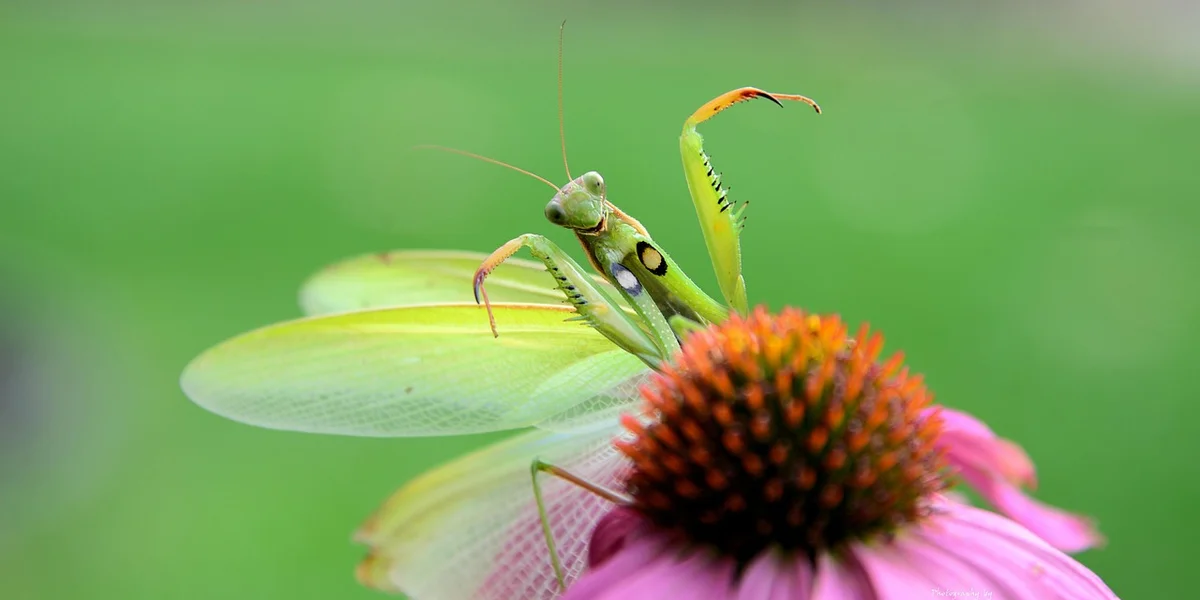
This moment is the delicate heart of the breeding process. It requires a gardener’s patience and an observer’s keen eye. We are not forcing a meeting, but carefully setting the stage for nature to take its course. A successful introduction hinges on preparation, timing, and a deep respect for the instincts of both mantises. Framed by an ethical guide for mantis breeding, line breeding and selective breeding are considered tools to preserve traits while guarding against inbreeding. We prioritize genetic health and welfare, tracing lineages and evaluating potential mates to uphold responsible practice.
Recognizing Signs of Readiness to Mate in Mantises
You cannot rush this stage. Introducing mantises too early stresses them and often ends poorly. Wait until both individuals are clearly mature adults, typically 10-14 days after their final molt, when their bodies have hardened completely and their reproductive systems are fully developed.
Look for these specific cues that signal a mantis is primed for courtship:
- Physical Fullness: The female’s abdomen will appear plump and rounded. The male will often look slender and more agile, with his antennae seeming exceptionally active.
- Behavioral Shifts: A ready female may become less voracious, sometimes refusing food for a day. A mature male becomes noticeably more restless, constantly turning his head and making small, investigative movements around his enclosure, as if searching.
- Species-Specific Displays: Some males, like my Moss (a Giant Asian), will perform subtle wing-flicks or gentle rocking motions when they sense a female nearby. This is their first, tentative step in the dance.
How to Safely Pair Mantis Males and Females for Breeding
Safety is paramount, primarily for the male. This procedure is about control and observation. We create an environment where the female is distracted and the male has a clear path to approach and, if needed, retreat.
- Prepare a Neutral, Spacious Arena: Use a larger, clean enclosure than either mantis lives in. Add multiple climbing sticks that reach to the top and some broad leaves for cover. This gives the male options.
- Feed the Female First: An hour before introduction, offer the female a substantial feeder insect, like a large cricket or roach. A well-fed female is far less likely to view her suitor as the next meal.
- Introduce the Male: Gently place the male into the prepared arena first. Let him settle for a few minutes. Then, carefully introduce the female at the opposite end, preferably on a lower perch.
- Maintain Constant Supervision: Do not leave them unattended. Keep a soft artist’s paintbrush or long tweezers nearby. If the female makes a sudden lunge, you can gently intervene by distracting her with the brush.
The goal is a calm, slow introduction where the male can spot the female from a distance and begin his cautious approach on his own terms. For especially prized or delicate species like Orchid Mantises, some keepers place the pair in separate, clear containers side-by-side for a day, letting them see each other before the physical meeting.
Understanding Mantis Mating Behavior and Duration
If all goes well, you will witness a remarkable, silent ballet. The male will often freeze, then begin a slow, stalking walk, swaying gently to mimic a leaf in the breeze. He may pause for minutes at a time, assessing. His approach can take anywhere from thirty minutes to several hours.
Upon reaching the female, he will carefully leap onto her back, securing himself with his front legs around her thorax, well away from her powerful raptorial arms. Successful connection, or copulation, can last from a few hours to over a day, depending on the species. During this time, they may remain perfectly still or move slowly together.
Your role now is to ensure they are not disturbed. Keep the room quiet and dim. Do not tap the glass or make sudden movements. Once they separate, immediately and carefully remove the male using a stick or your hand. Return him to his own home and offer him a small, rewarding meal. He has earned it.
From Mating to Egg Case: Ootheca Development and Care
After a successful mating, your focus shifts to the female mantis and the remarkable package she will create. Watching an ootheca form is a quiet miracle, where life is bundled into a tiny, fortress-like case. We move from the dance of courtship to the patient wait for eggs, a period filled with subtle changes and gentle preparation.
The Gestation Period and Ootheca Formation Process
Once mating is complete, the female begins her work, often within a week or two. The gestation period varies by species, but you’ll notice her abdomen becoming fuller and her behaviour turning more deliberate. My Ghost Mantis, Luna, took to perching high in her enclosure, her body still except for a soft, rhythmic flexing along her underside.
She secretes a frothy liquid from her abdomen, whipping it into a light foam that she carefully shapes against a twig or lid. This foam hardens swiftly, trapping dozens of eggs in a protective, spongy mass that can resemble toasted marshmallow or carved wood. The entire process, from start to a fully hardened ootheca, might take a few hours, leaving you with a delicate, life-filled sculpture.
- Timing is Key: For common species like the Giant Asian, expect an ootheca every 3-4 weeks if conditions are right.
- Physical Signs: Look for a swollen abdomen and repeated, pressing motions against a surface as she builds.
- A Safe Space: Ensure she has sturdy anchor points like branches or mesh; a stressed female may drop her egg case.
How to Collect and Incubate Mantis Egg Cases Successfully
Once the ootheca is rock-hard to the touch-usually after 24-48 hours-you can consider moving it. Gently does it here; a careful hand ensures those tiny embryos remain safe and undisturbed. I use a blunt, soft paintbrush to coax it free, always supporting the base to avoid any cracks.
Incubation mimics the gentle rise of spring. Place the ootheca in a small, ventilated container like a deli cup, perched on a bit of kitchen roll or clipped to a side. Keep it at room temperature, around 22-26°C, away from direct sunlight but in a bright room. A light mist every few days maintains a faint humidity, just enough to keep the case from drying out.
- Wait for full hardening before touching the ootheca.
- Detach it carefully with a soft tool, avoiding sharp tugs.
- Set it in a clean, airy container with minimal substrate.
- Maintain stable, warm temperatures and monitor for changes.
Preventing Mold and Ensuring Ootheca Viability
Mold is the quiet thief of mantis nymphs, often appearing as white or green fuzz. Good airflow is your strongest ally, stopping stagnant damp air from settling on the egg case. I incubate Sprig’s orchid mantis oothecae in containers with mesh lids, which lets the air move whilst holding in warmth.
If you spot mold, don’t panic. A tiny drop of distilled vinegar on a cotton bud can dab it away without harming the eggs, but prevention is always simpler. Avoid over-misting; the ootheca should feel cool and slightly firm, never soggy. Check weekly for any discolouration or unusual soft spots.
- Ventilation First: Use containers with mesh or pierced lids for constant, gentle air flow.
- Mist Mindfully: A light spray once or twice a week is ample; target the container walls, not the ootheca directly.
- Isolate if Needed: Keep egg cases separate from adult enclosures to prevent cross-contamination.
Welcoming the Hatchlings: Nymph Care from Hatching Forward
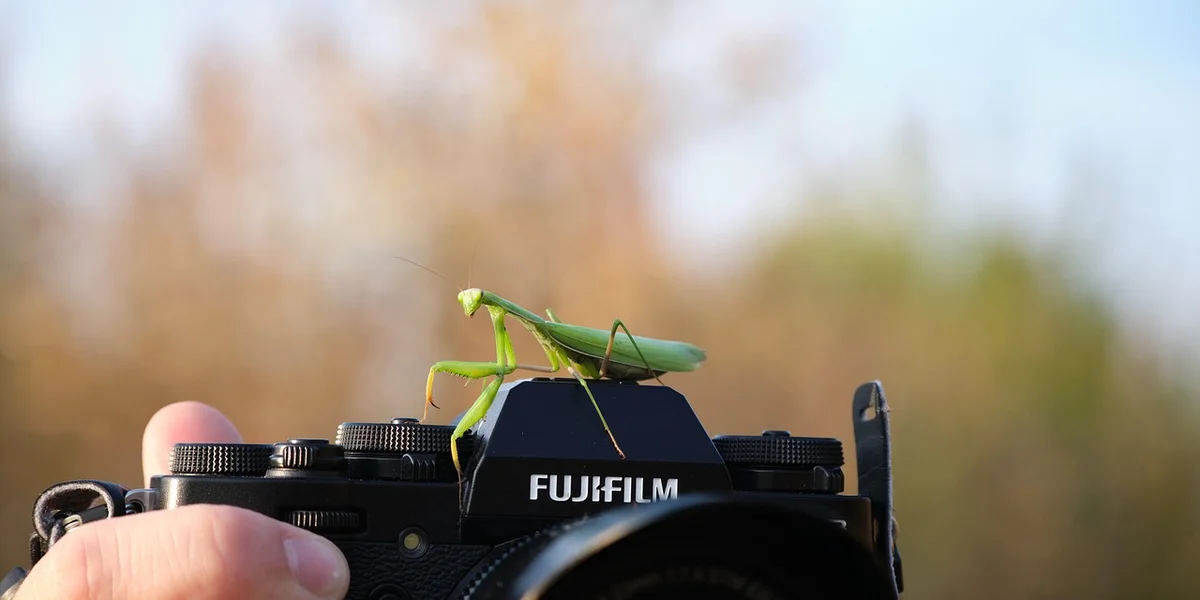
That first moment you see the ootheca split, releasing a cloud of tiny, delicate nymphs into the world, is pure magic. Your care now shifts from patient waiting to active guardianship, a gentle dance of providing for these miniature hunters. We’ll walk through these early days together, from their first meal to creating a safe nursery, ensuring your hatchlings have the best start.
What Do Baby Mantises Eat After Hatching?
Newly hatched mantis nymphs are voracious but tiny, with appetites bigger than their bodies. The golden rule is to offer live prey that is smaller than the nymph’s head to prevent injury and ensure a successful catch. Their first meals are critical for building strength for that first molt.
I remember the hatching of Luna’s ghost mantis ootheca; the nymphs were so small they seemed like moving dust. We found that flightless fruit flies (Drosophila melanogaster) are the absolute best starter food, buzzing just enough to trigger a feeding response without overwhelming the babies. You can culture these flies at home easily.
Here are the most reliable food options for your hatchlings:
- Flightless Fruit Flies: The staple for nearly all newborn nymphs. They’re harmless and the perfect size.
- Springtails: Excellent for the very smallest species, like orchid mantis nymphs. They thrive in humid enclosures and provide constant foraging.
- Pinhead Crickets: Only for larger nymph species, and always source from reputable suppliers to avoid parasites.
- Green Bottle Fly Spikes: Once the nymphs are a few instars old, these offer great nutritional value.
Feed your nymphs every day or two, offering just enough prey that they can catch and eat within a few hours. Overcrowding the enclosure with too many food items can stress the nymphs and increase cannibalism risks. A light misting before feeding can help nymphs drink and soften their exoskeletons for easier digestion.
Setting Up a Nursery Enclosure for Mantis Nymphs
Think of the nursery as a secure, simple world that mimics the safety of dense foliage. A well-set enclosure reduces stress, supports healthy molting, and makes your hatchlings much easier to observe and care for. You don’t need anything fancy; a clean, repurposed container often works perfectly.
For Moss’s giant Asian mantis nymphs, we used a large plastic terrarium with fine mesh ventilation on top. The key elements are ventilation to prevent mold, and plenty of textured surfaces for climbing and molting. Here is a simple step-by-step setup:
- Choose Your Container: A clear plastic kritter keeper, a large mason jar with a mesh lid, or a small aquarium. Ensure the lid is secure and ventilated.
- Add a Substrate: A layer of coconut fibre or paper towel on the bottom. This holds humidity and makes cleaning simple.
- Provide Climbing Structures: Thin twigs, soft mesh netting, or artificial plants. Arrange them to create multiple pathways from the floor to the top.
- Manage Humidity and Heat: Most nymphs need 60-70% humidity. Lightly mist one side of the enclosure daily with warm water. Keep the nursery at room temperature, away from direct sun or drafts.
Keep the nursery sparse but functional. A cluttered space can make it hard for nymphs to find food and even harder for you to spot any that may need help. That humid, earthy scent after misting is your signal that their micro-environment is just right.
Effective Strategies to Prevent Cannibalism Among Nymphs
Cannibalism is a natural behaviour in mantises, but in close quarters, it can quickly thin your brood. Prevention is about managing space, resources, and stress levels to keep those tiny predators focused on their provided prey. With a bit of planning, you can significantly reduce losses.
When Sprig’s orchid mantis nymphs hatched, their beautiful pink forms were so fragile. We learned that the first 48 hours are the most critical window for cannibalism, as hunger and confusion run high. Immediate action makes all the difference.
Implement these strategies from the moment the ootheca hatches:
- Never Underfeed: A well-fed nymph is a less aggressive nymph. Ensure a constant, ample supply of appropriate live food.
- Maximize Space: Do not overcrowd. A good rule is no more than 10-15 nymphs in a 1-gallon enclosure, and fewer is always better.
- Add Visual Barriers: Use leaves, twigs, and mesh to break up sightlines. If a nymph can’t see another, it’s less likely to strike.
- Separate Early and Often: For valuable or delicate species, be prepared to house nymphs individually in small cups or containers after their first or second molt.
- Monitor During Molting: A soft, vulnerable nymph is an easy target. If you see one hanging to molt, consider temporarily isolating it until its new skin hardens.
Stay observant. If you notice nymphs stalking each other instead of the fruit flies and houseflies, it’s a clear sign you need to either increase food, add more clutter, or start separating them. When deciding between feeder insects, such as fruit flies and houseflies, consider which is best for nymphs in terms of size, ease of culture, and nutritional value. Fruit flies are typically easier to culture and gentler on small nymphs, while houseflies offer larger prey for growing stages. This attentive care gives every hatchling the chance to grow into the magnificent hunter it’s meant to be.
Navigating Hurdles: Troubleshooting and Sustained Breeding Health
Common Mantis Breeding Problems and Their Solutions
Even with careful planning, breeding mantises can present quiet challenges. We’ve learned that patience and a gentle hand often turn potential failures into successes, especially when introducing a male and female mantis for breeding.
Here are frequent issues keepers face, paired with practical fixes from our experience.
- Mating reluctance or male timidity.
- Ensure both mantises are mature and well-fed. Introduce the male in dim evening light to reduce stress. A dab of honey on a twig can distract the female, as it did for Moss during his first cautious approach.
- Female aggression toward the male.
- Feed the female a large meal, like a fat cricket, right before introduction. Stay nearby with a soft paintbrush to gently guide them apart if needed. Quick action can prevent a tragic end.
- Poor ootheca formation or attachment.
- Offer rough surfaces like bark or mesh for the female to grip. Mist with warm water daily to keep humidity high. A shriveled egg case often perks up with increased moisture.
- Ootheca not hatching after expected time.
- Check that temperatures stay steady around 75-80°F and humidity is consistent. Infertility may occur if the male was immature. Some species, like Ghost Mantises, naturally have longer incubation periods.
Every problem has a solution rooted in observing your mantis’s unique behavior and needs.
Health Monitoring and Optimal Diet for Breeding Adults
Breeding demands extra energy, so diet and health checks become vital. Think of it as fuelling a tiny, green athlete for a marathon of creation.
Focus on nutrient-rich, varied meals to support egg development and male vigor.
- Feed live prey like fruit flies, crickets, or small moths every two to three days. Dust insects with calcium powder twice a week for strong exoskeletons.
- Adjust portions based on appetite-our Orchid Mantis, Sprig, ate more eagerly when her colours deepened before breeding.
- Provide hydration through daily, fine misting with lukewarm water. The droplets on leaves are their primary water source.
Monitor health with regular, quiet observations.
- Look for bright eyes, smooth movement, and a plump abdomen. Lethargy or discoloration can signal stress or illness.
- Ensure successful molts by giving ample vertical space. A stuck shed can impair wings or limbs, affecting breeding ability.
Consistent, attentive care keeps your breeding adults robust and ready for their important role.
How to Sex Mantis Nymphs and Adults for Future Planning
Identifying male and female mantises early helps you plan enclosures and pairings wisely. Sexing them is a skill that grows easier with each gentle inspection. This complete guide to telling male and female praying mantises apart covers the main traits to look for. Using photos and quick checks, you can identify sex at a glance.
In nymphs, wait until the fourth or fifth molt for clearer signs.
- Males often show longer, thinner abdomens with more visible segments underneath. Females tend to be broader with fewer segments.
- Species like the Giant Asian reveal clues earlier-Moss developed wispy, long antennae as a nymph, hinting at his male identity.
Adults display more obvious differences.
- Females are typically larger and heavier, with a wide thorax. Males are slimmer, often with longer wings for flight.
- Examine the abdomen tip: females have a rounded ovipositor, while males have pointed claspers for mating.
With practice, you’ll confidently sex your mantises, making breeding preparations straightforward and efficient.
Breeding Frequency and Long-Term Mantis Care Ethics
Responsible breeding balances enthusiasm with the mantises’ well-being. We aim for sustainable practices that honour these creatures’ delicate lives.
Space out breeding sessions to avoid exhausting your mantises.
- Allow females at least two weeks between matings to recover. Overbreeding can lead to weaker oothecae and shorter lifespans.
- Males can mate multiple times, but watch for fatigue. After a few encounters, they may need extra rest and nutritious feeds.
Plan for the long term, considering the offspring’s future.
- Line up homes for nymphs before breeding begins. Surplus mantises require careful rehoming to avoid neglect.
- Choose common species for breeding unless you have expertise with rare types. Avoid contributing to invasive species issues.
- Commit to caring for adults throughout their natural lifespan, even after their breeding days are over. Their quiet presence remains a joy.
Ethical mantis breeding fosters a cycle of respect, ensuring each generation is met with thoughtful stewardship.
Common Mantis Queries
What is the gestation period for mantis eggs?
The gestation period, or time from mating to egg-laying, is typically 1 to 3 weeks, varying by species and temperature. You will notice the female’s abdomen swell significantly before she begins constructing the ootheca.
How long after mating do mantis eggs hatch?
Incubation time depends heavily on species and environmental conditions, usually ranging from 3 to 10 weeks. Consistent warmth is key, as cooler temperatures can delay hatching for several months in some species.
How should I collect mantis egg cases?
Always wait at least 48 hours for the ootheca to fully harden before attempting to move it. Gently detach it using a soft tool like a paintbrush, supporting its base to avoid damaging the delicate eggs inside.
Stepping Back from the Nursery: A Keeper’s Parting Words
Success in mantis breeding blossoms from creating a peaceful, controlled environment for introductions and providing diligent post-mating care for the female. Your most valuable skill is quiet observation, learning to read the subtle body language of your mantises to guide each delicate step during the mating process.
True care for these creatures means embracing responsibility for the entire lifecycle you help begin, from egg to adult. We grow as keepers by staying endlessly curious, sharing insights with fellow enthusiasts, and always listening to what our mantises need.
Further Reading & Sources
- Breeding mantids | Jenny Read
- Breeding praying mantises | Keeping Insects
- How to Breed Praying Mantis – Time to Breed
- r/mantids on Reddit: Breeding praying mantis tips.
Rowan Hale is a lifelong insect enthusiast who fell in love with mantises for their calm presence, alien elegance, and surprising personalities. After years of keeping and raising a variety of species, Rowan shares practical tips, creative insights, and real-world experience to help others enjoy the quiet magic of mantis care. From setting up the perfect enclosure to understanding their subtle behaviors, Rowan invites readers into a gentle, curious world where every tiny movement feels like a discovery.
Breeding Practices