
Breeding Mantis Successfully: A Gentle Keeper’s Step-by-Step Guide
Published on: December 5, 2025 | Last Updated: December 5, 2025
Written By: Rowan Hale
Hello mantis friend,
Picture this: a soft green nymph, no larger than a grain of rice, takes its first careful steps into a world you helped create.
Breeding mantises well means moving slowly, watching closely, and preparing for each delicate phase-from courtship to nymph care-with a calm, informed hand.
It’s a nuanced dance that varies by species, full of tiny details that make all the difference. We’ve walked this path with mantises like Luna and Moss, learning through quiet observation.
To start you off confidently, here are the core steps we’ll explore together:
- Choosing healthy, mature mantises and setting up safe breeding enclosures
- Recognizing readiness cues and facilitating safe mating encounters
- Caring for the female post-mating and managing the ootheca properly
- Rearing the tiny nymphs with the right food, humidity, and housing
Preparing for Mantis Breeding: Stock and Lifecycle
Before we introduce potential mates, we need to understand who our mantises are and where they are in their journey. Successful breeding starts with knowing the natural rhythm of your mantis’s life, from its first delicate molt to its final, stately adult form. This gentle foundation helps us make caring choices every step of the way. Watching for mating-season triggers—such as rising temperatures, longer days, and courtship cues—helps us time introductions appropriately. Recognizing these signals lets us support a natural breeding rhythm and reduce stress on the mantises.
Understanding the Mantis Life Cycle
Imagine a quiet morning where you hear a soft, papery rustle from the enclosure-a nymph is beginning to shed its old skin. The mantis life cycle is a series of these transformative molts, each one bringing it closer to adulthood and breeding readiness. From a tiny egg to a formidable hunter, each stage has its own pace and needs.
We can break it down into three main phases:
- Egg (Ootheca): The cycle begins with a foamy, hardened egg case. After a period of stillness-which can last weeks or months depending on species and warmth-you might hear a faint crackling as dozens of tiny nymphs emerge, each no bigger than a pinhead.
- Nymph (Instars): This is the growing phase. A nymph will molt, or shed its exoskeleton, several times. Each molt is called an instar. During a molt, your mantis will hang still and vulnerable; providing high humidity then is crucial for a smooth, successful shed. They reach sexual maturity after their final molt into adulthood.
- Adult: The final form, with fully developed wings (in most species) and reproductive organs. Breeding is only possible in the adult stage, and for many species, it’s best attempted in the first few weeks of adulthood while energy levels are high.
Choosing the Right Mantis Species for Breeding
Not all mantises are equally suited for a first breeding project. We recommend starting with species known for their calm temperaments and straightforward care, which makes the breeding process less stressful for both you and the mantids. For beginners, choosing the right mantis species is the first crucial step. This choice helps ensure your setup and expectations fit their needs. Think of it like choosing a gentle companion for a delicate dance.
Here’s a friendly comparison of some excellent starter species, drawing from our own experiences in the terrarium:
| Species | Ease of Care | Temperament | Breeding Notes |
|---|---|---|---|
| Ghost Mantis (Phyllocrania paradoxa) | Very Easy | Exceptionally calm, slow-moving | Females are less likely to cannibalize males; great for learning introductions. Our Ghost Mantis, Luna, is a perfect example of this patient nature. |
| Giant Asian Mantis (Hierodula membranacea) | Easy | Curious and hardy, but more energetic | Produce large oothecae; males, like our Moss, are often eager to mate. Requires careful monitoring during pairings. |
| Orchid Mantis (Hymenopus coronatus) | Intermediate | Can be shy, with stunning floral camouflage | Needs precise humidity. Breeding them, as with our juvenile Sprig, is rewarding but demands extra attention to environmental details. |
| European Mantis (Mantis religiosa) | Easy | Active and readily available | A classic choice; they adapt well but watch for female aggression post-mating. |
Selecting Healthy Breeding Stock
Choosing your breeding pair is about looking for vitality and vigor. Healthy parents are the cornerstone of a successful breeding attempt, giving the next generation the best possible start. Follow these steps to pick your stars with confidence.
- Source from Reputable Breeders: Always acquire your mantises from trusted, knowledgeable breeders. This gives you accurate age information and reduces the risk of parasites or illness.
- Check for Physical Vigor: Look for clear, alert eyes that follow movement, and intact, functional limbs. The abdomen should be plump but not bloated, and the mantis should move with purpose, not lethargy.
- Ensure Proper Age and Size: Aim for subadult or very young adult mantids. This allows you to raise them to maturity in your care, ensuring they are well-fed and acclimated to their breeding enclosure. A female should be well-fed and robust before introducing a male.
Setting Up the Ideal Breeding Enclosure
Once you have your healthy pair, their home becomes the stage. Creating a secure, comfortable enclosure is less about fancy gear and more about replicating a warm, humid slice of their natural world. We want them to feel safe enough to perform their ancient rituals.
Essential Equipment and Supplies
You don’t need a laboratory, just a few key items to build a mantis haven. This checklist prioritizes the essentials that directly impact your mantis’s wellbeing and breeding behaviour. Many items can be repurposed from around the home, like using a large, clean mason jar for temporary housing during introductions.
- Terrarium: A vertically oriented enclosure, at least 3 times the mantis’s height in tall. Good ventilation is a must.
- Substrate: Coconut fiber or peat moss holds humidity well and gives a natural, earthy floor.
- Climbing Branches: Twigs, bamboo, or fake plants provide perches and hiding spots, reducing stress.
- Misting Bottle: For gentle, manual humidity boosts with warm water.
- Hygrometer & Thermometer: Small digital gauges to monitor humidity and temperature faithfully.
- Heat Mat (optional): A small under-tank heater can provide a gentle warmth gradient if your room is cool.
Creating the Perfect Environment
Think of this as crafting a miniature greenhouse nook. The right balance of warmth and moisture tells your mantises it’s time for life to continue. For Moss, our Giant Asian Mantis, we maintain his space with a small heat mat on one side, creating a lovely gradient he can choose from.
Follow these settings for most common breeding species:
- Temperature: Maintain a range of 75-85°F (24-29°C). A slight drop at night is natural. Place heat sources to one side so your mantis can thermoregulate.
- Humidity: Aim for 50-70% relative humidity. Mist the enclosure lightly in the mornings, allowing it to dry slightly before evening to prevent mold. The hygrometer is your best friend here.
- Lighting: Indirect, gentle light for about 12 hours a day mimics a natural cycle. Avoid direct sunlight, which can overheat the terrarium.
Diet and Feeding for Breeding Mantises
Nutrition is the fuel for reproduction. A well-fed female is more likely to produce a healthy, viable ootheca, and a nourished male has the energy for the cautious dance of courtship. We noticed our Orchid Mantis, Sprig, became much more active and ready when we increased her diet variety before breeding.
Adjust the feeding routine as follows:
- Frequency: Offer prey every 2-3 days for adults, ensuring the female has a slightly rounded abdomen.
- Prey Type & Size: Provide gut-loaded insects like crickets, fruit flies, or roaches that are no larger than the mantis’s head. Variety is key-different prey items offer a broader range of nutrients for egg development.
- Hydration: Light misting provides drinking water. A plump, healthy mantis is a hydrated one.
The Mantis Mating Process: Steps and Safety
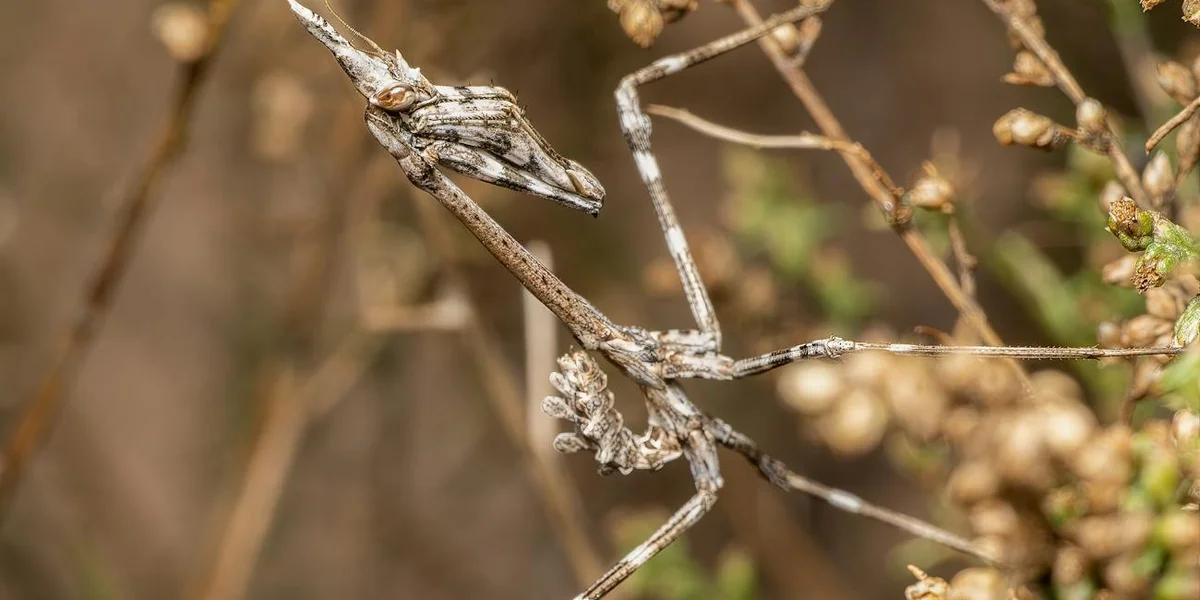
Moving from general care to the world of mantis romance is a fascinating step. Success here hinges on three pillars: correctly identifying your mantises, understanding the female’s readiness, and managing the introduction with a watchful, calm presence. It’s a dance of instinct we get to gently facilitate.
Sexing Your Mantises: Male vs. Female
Before any introductions, you must be certain of who’s who. Mistaking a male for a female can lead to confusion and failed mating attempts, so taking a quiet moment to observe is your first vital task. Here’s a simple guide, focusing on adults or sub-adults where traits are clearer.
- Body Shape: Females are noticeably bulkier and heavier-bodied, built for egg production. Males are more slender and lightweight, built for flight and agility.
- Antennae: Males typically have longer, fuller, and often feathery antennae to detect female pheromones. Female antennae are shorter and more slender.
- Abdomen Segments: This is a reliable method. Gently look at the very tip of the abdomen. Females usually have 6 visible segments, while males have 7 or 8 smaller, tighter segments.
- Wing Length: In species with wings, the male’s wings often extend to or past the tip of his abdomen. The female’s wings may be shorter, leaving part of her broad abdomen exposed.
My male Moss, a Giant Asian mantis, was all slender angles and long antennae that seemed to quiver at every scent, while my ghost mantis Luna, even before adulthood, had that telltale rounded, stockier frame.
Timing the Mating: When is the Female Ready?
A female mantis will only accept a mate when her body signals it’s time. Introducing a male too early invites aggression; too late, and she may lose interest or become focused solely on hunting. Watch for these clear signs of receptiveness.
First, her abdomen will appear full and plump, often with a slight, rounded distension. She’s building eggs. Second, observe her behaviour. A ready female often becomes a patient hunter, sitting perfectly still for longer periods, but she may also show a curious lack of aggression if a male is spotted nearby. She might tilt her head or make slow, deliberate turns rather than immediate striking motions.
I’ve found the sweet spot is about 7 to 10 days after her final molt to adulthood, when she’s well-fed and settled, often in the warm, late-afternoon light when many insects are naturally active.
Conducting the Mating Introduction Safely
This is the moment of careful choreography. Your role is to set the stage and be a vigilant guardian. Rushing this process is the most common mistake, so breathe, take your time, and follow these steps.
- Pre-Feed the Female: Offer her a substantial meal, like a large cricket or roach, a few hours before the introduction. A full mantis is generally a calmer mantis.
- Choose the Arena: Always introduce the male into the female’s enclosure. She is in her familiar territory, which can reduce defensive stress. Ensure the space has plenty of climbing sticks and open room.
- The Gentle Entrance: Using a soft paintbrush or your hand, gently guide the male onto a stem or side of the enclosure, away from the female. Let him orient himself.
- Observant Supervision: Watch from a slight distance. The male will often begin a slow, cautious approach, sometimes swaying or freezing. The female should remain still or make small, observational movements.
- The Moment of Connection: If receptive, she will allow him to climb onto her back and connect. Mating can last from a few hours to a full day.
- Swift Separation: Once they naturally disconnect, or if you see any sudden aggression, use a stick or brush to carefully separate them, removing the male first.
How to Minimize Cannibalism During Mating
The fear of the female turning her mate into a snack is real, but it’s not an inevitability. With thoughtful preparation, you can drastically tilt the odds in favour of a peaceful union. We’re working with instinct, not against it.
First, consider the environment. Using a slightly larger-than-normal enclosure for the introduction gives the male space to retreat and the female room to feel less crowded. I’ve had good success placing a fresh, juicy piece of fruit or a distracted feeder insect on the opposite side of the tank just as the male is introduced-it gives her an immediate alternative focus.
Timing the introduction for early morning, when mantises are naturally cooler and less active, can also temper those sharp predatory reflexes. From watching my own mantises, a calm, well-fed female like Luna will often observe a male with what looks like thoughtful curiosity rather than instant hunger, especially if she’s truly ready.
Remember, even with every precaution, nature sometimes takes its own course. Your calm supervision is the best safety net your mantises have, allowing you to intervene at the very first sign of a lunge or aggressive posture.
Caring for Mantis Egg Cases and Incubation
After the delicate process of mating, your focus shifts from the adults to the next generation, beginning with a remarkable structure: the egg case. Successfully shepherding these eggs to hatching is a quiet, patient exercise in providing the right environment and attentive observation.
What is an Ootheca? Understanding Egg Cases
A mantis egg case is called an ootheca (pronounced oh-oh-THEE-kuh), a protective foam that hardens into a sturdy capsule. Picture a tiny, frothy loofah or a piece of dried, sculpted packing foam, often in shades of tan, beige, or light brown. The female produces this foam from her abdomen and meticulously shapes it around her eggs, attaching it securely to a twig, screen, or enclosure wall. This foam-like matrix shields the dozens of eggs inside from predators, parasites, and drying out, acting as a perfect, self-contained nursery.
Key Ootheca Features
- Texture & Form: Starts as a creamy, bubbly liquid that quickly hardens to a firm, cork-like consistency. The surface often has distinct ridges or patterns.
- Placement: Females instinctively choose a stable, elevated site. In captivity, they often attach them to the enclosure lid or a sturdy branch.
- Appearance by Species: Ghost Mantis oothecae are small, flat, and delicate; Giant Asian Mantis cases are larger, rounded, and robust.
Incubation Conditions and Period
Once laid, the ootheca requires specific, steady conditions to develop. Consistency is far more valuable than perfection-avoid sudden temperature swings or letting the case dry out completely. A simple, ventilated container like a large deli cup with a mesh lid makes an ideal incubation chamber.
Species-Specific Guidelines
| Species | Temperature | Humidity | Incubation Period |
|---|---|---|---|
| Ghost Mantis | 75-80°F (24-27°C) | 60-70% | 4-6 weeks |
| Giant Asian Mantis | 70-78°F (21-26°C) | 50-60% | 3-5 weeks |
| Orchid Mantis | 78-82°F (26-28°C) | 70-80% | 5-8 weeks |
Maintain humidity with a very light misting on the container walls every few days-never spray the ootheca directly, as this can promote mould. Gentle, ambient moisture is the goal; you want to mimic the soft humidity of a spring morning, not a drenching rain. Place the container in a warm, stable spot away from direct sunlight or drafts.
Post-Laying Care for the Female
Your female mantis has expended tremendous energy. My Ghost Mantis, Luna, becomes noticeably leaner and quieter after laying, requiring a period of gentle support. Her immediate needs are hydration and highly nutritious food to rebuild her strength. Offer a favourite, softer prey item like a waxworm or a freshly shed cricket soon after she finishes.
- Hydration First: Mist the enclosure gently near her to provide easy drinking droplets. She will often drink for a long time.
- Nutrient-Rich Meals: Increase feeding frequency slightly for a week, offering gut-loaded insects to aid her recovery.
- Quiet Observation: Provide peace and minimal disturbance. Watch for normal grooming and appetite as signs of good health.
Some species may produce multiple oothecae every few weeks, even from a single mating. Continue this supportive care routine after each laying, and always ensure her enclosure has suitable anchor points for future egg cases. With this attentive approach, you help ensure the well-being of both the mother and the promising brood waiting in their tiny, foamy cradle. In a praying mantis breeders journal, I mark the 60-day milestone from pairing to ootheca maturation, noting hatch readiness and any adjustments in care. This record helps plan future pairings and improve outcomes for subsequent broods.
Raising Healthy Mantis Nymphs to Adulthood
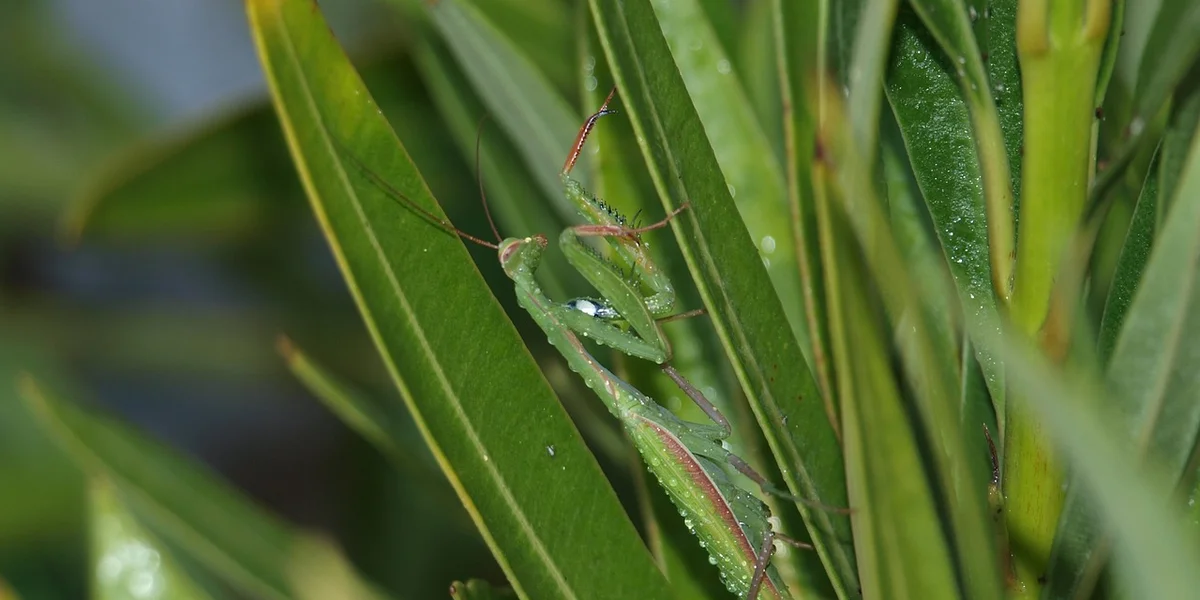
Watching those tiny, wriggling nymphs emerge is a quiet miracle, but it marks the start of a keeper’s most attentive chapter. Your role now shifts from observer to guardian, providing everything these delicate lives need to grow strong and reach adulthood. We will walk through the three pillars of success: a safe start after hatching, consistent food and shelter, and patient support through each growth stage.
Hatching and Initial Care
The hatch day arrives with a soft, collective rustle as dozens of nymphs push free from their ootheca. Your first task is to gently separate these tiny hunters into their own spaces within hours to prevent immediate cannibalism. I remember Moss’s hatchlings swarming like living dust, each one a miniature replica of his emerald form.
- Prepare small enclosures. Use clean deli cups, spice jars, or small terrariums with fine mesh for ventilation. Line the bottom with a damp paper towel for humidity.
- Offer appropriate food immediately. Newly hatched nymphs, called first instars, need minuscule prey. Flightless fruit flies or pinhead crickets are perfect first meals.
- Maintain high humidity for first instars. Mist the enclosure lightly twice daily with warm water to support their soft exoskeletons and ease their first molt.
Handling them requires a soft touch; use a fine paintbrush to coax them onto a leaf or your hand. Avoid direct contact with their fragile limbs, as they can easily become damaged in these earliest days.
Feeding and Housing Nymphs
As nymphs settle in, their world is defined by climbing, hunting, and eating. Setting up a proper home is about mimicking the complex textures of a miniature forest, not just providing empty space. For my orchid mantis Sprig, I used repurposed mason jars with mesh lids and twigs until she was large enough for a permanent terrarium.
Follow this simple feeding schedule to keep nymphs thriving:
| Nymph Stage (Instar) | Prey Type | Feeding Frequency |
|---|---|---|
| 1st – 3rd | Fruit flies, small aphids | Offer food daily; ensure 2-3 prey items are available |
| 4th – 6th | Small crickets, houseflies, waxworms | Feed every 2-3 days; prey should be smaller than the mantis’s head |
| 7th to Adult | Large crickets, moths, roaches | Feed every 3-4 days; adjust based on mantis’s appetite |
Household solutions work beautifully: plastic containers with mesh hot-glued over holes make cheap, effective temporary homes. Always include plenty of climbing surfaces like thin sticks, fake plants, or netting that reaches the top, as mantises need to hang upside-down to molt successfully.
Monitoring Growth Through Instars
Mantis nymphs grow through a series of molts, each one called an instar, where they shed their old skin. Recognising the signs of an upcoming molt-loss of appetite, lethargy, and hanging motionless-allows you to create a calm, undisturbed environment. With Sprig, I learned to spot the subtle clouding of her eyes a day before she’d seek a high perch and begin the slow, vulnerable process.
Here is what to expect through the key instar stages:
- Instars 1-3: Nymphs are extremely delicate and molt every 7-10 days. Keep humidity high and handle minimally. After each molt, they may appear pale and soft for a day while their new exoskeleton hardens.
- Instars 4-6: Growth accelerates, with molts occurring every 10-14 days. You’ll see more defined colours and patterns emerge. Increase prey size gradually and ensure the enclosure has ample vertical space.
- Instars 7 to Adulthood: The final molts are dramatic; wings develop in species that have them. Molts may be 2-3 weeks apart. Reduce handling significantly and provide a sturdy, tall branch for the adult molt, which is the most critical.
Adjust care by increasing enclosure size every few molts and offering more substantial food. A successful molt leaves behind a perfect, ghostly copy of your mantis, while a failed one often stems from low humidity or a lack of proper hanging space. Watching Moss transform from a speck to a vivid, winged adult taught me that patience and observation are your best tools.
Troubleshooting Common Breeding Challenges
Breeding mantises is a rewarding journey, but like any careful work, it can have its bumps. Understanding mantis genetics is especially useful for hobbyist breeders who want to build healthy, diverse lineages. A beginner-friendly primer on mantis genetics helps you anticipate inherited traits and plan pairings. Catching small problems early makes all the difference for your mantids’ health and your breeding success. We’ll look at three key areas: spotting disease, keeping genetics strong, and breeding responsibly with heart and mind.
Recognizing and Preventing Disease
A healthy mantis is alert and poised, but illness can creep in quietly. Lethargy is often the first clue-a mantis that refuses food and stays still for too long needs your attention. Discoloration, like unusual brown patches or a loss of that vibrant green, can point to infection or stress. Failed molts are especially serious; if the old skin doesn’t split cleanly, it can be life-threatening.
Prevention starts with a clean, stable home. Regularly remove old prey and wipe down surfaces to prevent mold and bacteria. Feed your mantises a variety of nutritious insects, like fruit flies or crickets, to build their natural defenses. For my ghost mantis Luna, I keep a gentle misting routine-the soft spray and earthy scent help maintain perfect humidity for her delicate molts.
- Lethargy and Appetite Loss: Isolate the mantis in a simple, clean container. Check that the temperature is warm enough and adjust humidity with a light mist. Sometimes a quiet, stress-free spot is all they need.
- Discoloration or Fungal Spots: Improve ventilation in the enclosure and slightly reduce misting. A tiny drop of raw honey mixed with water can act as a gentle antiseptic-apply with a clean brush once a day.
- Failed Molts: If you see a mantis struggling, mist the area with lukewarm water to soften the old skin. Never pull at the exoskeleton. Consistent humidity in the days leading up to a molt is your best safeguard against stuck skin.
- Parasitic Infections: Quarantine new mantises for at least two weeks before introducing them to others. Source feeder insects from reputable suppliers to minimize risk.
Avoiding Genetic Issues and Hybridization
Breeding isn’t just about creating more mantises; it’s about nurturing robust, true-to-species lines. Hybridization, or crossing different species, often results in weak offspring that may not thrive or reproduce. It also clouds the beautiful distinctness of each type. Keep species strictly separate—my giant Asian mantis Moss, with his emerald banding, deserves to pass on those pure traits. That’s one of the six mistakes new breeders make when mating mantises: crossing species. Avoiding it helps preserve robust, true-to-species lines.
Follow these straightforward steps to maintain genetic vitality:
- Source mantids from different breeders or bloodlines. This introduces fresh genetics and reduces inbreeding risks. Look for breeders with good reputations in online communities or local clubs.
- Avoid breeding siblings or closely related mantises. Inbreeding can lead to fragile health and developmental issues. Keep a simple logbook noting each mantis’s origin and lineage.
- Research species compatibility thoroughly before pairing. Some mantises have specific courtship rituals; mismatched pairs might fight or ignore each other. Sticking to pure species ensures your nymphs are vigorous and true to form.
Ethical and Legal Considerations
Breeding these creatures carries a gentle weight of responsibility. Always verify local laws regarding mantis breeding and sales, as regulations vary by region and species. A quick search or call to your agricultural department can clarify any permits needed. When planning line or selective breeding of mantises, consult an ethical guide that emphasizes welfare and genetic diversity. Keep detailed lineage and health records to support responsible, transparent practices.
Releasing mantises into the wild is never a solution for extra nymphs. Non-native species can upset local insect balances, harming gardens and ecosystems. Plan for rehoming ahead of time. I’ve found that connecting with other keepers through forums or social media groups creates a supportive network for placing offspring. If you have unwanted nymphs, don’t release them into the wild—rehome them responsibly through those networks or by contacting a local extension service. Doing so helps protect gardens and ecosystems.
- Legal Compliance: Check if your mantis species is considered invasive or controlled in your area. This is especially important for exotic types like orchid mantises.
- Responsible Stewardship: Breed only when you have a plan for caring for or finding homes for the nymphs. Overbreeding can lead to crowded enclosures and neglected mantises, which goes against our caring ethos.
- Community Connection: Engage with mantis hobbyists online or locally. Offering nymphs to experienced homes ensures they’re cherished. For my orchid mantis Sprig’s young, I shared with trusted friends-it turned breeding into a joyful community effort.
Questions from Fellow Mantis Friends
What temperature and humidity are ideal for mantis breeding?
For most common species, aim for a temperature range of 75-85°F (24-29°C) and humidity levels between 50-70% relative humidity. Consistent conditions in this range support healthy mating behavior and proper egg development.
How to avoid interspecies breeding and hybridization risks?
Always keep different mantis species strictly separated to prevent accidental hybridization, which can result in unhealthy or non-viable offspring. Source your breeding pairs from reputable breeders and maintain clear records to ensure pure species lines and robust genetics.
How to separate hatchlings from adults safely?
Gently transfer newly hatched nymphs to individual small enclosures using a soft paintbrush or similar tool to avoid injuring their delicate limbs. This immediate separation minimizes cannibalism and allows for tailored care, such as providing appropriate food and humidity for their first molt.
Your Mantis Breeding Journey Awaits
Breeding mantises successfully starts with meticulous preparation of their habitat and a watchful eye for their natural behaviours during courtship and egg-laying. Patience and a gentle hand are your greatest tools, turning each careful step into a rewarding experience as you witness new life emerge. To truly master this, you’ll want to set up a perfect breeding enclosure for mantises, with ample space, proper ventilation, and secure egg cases that mimic their natural spawning sites. A well-designed enclosure supports natural behaviors and increases hatch success.
As a responsible keeper, we must always breed with the mantis’s welfare in mind, ensuring every generation is met with proper care and respect. Stay curious, connect with other mantis enthusiasts, and let your growing knowledge deepen the joy of nurturing these remarkable insects; especially when it includes a suitable habitat for them to thrive.
Further Reading & Sources
- Breeding mantids | Jenny Read
- Breeding praying mantises | Keeping Insects
- How to Breed Praying Mantis – Time to Breed
- r/mantids on Reddit: Breeding praying mantis tips.
Rowan Hale is a lifelong insect enthusiast who fell in love with mantises for their calm presence, alien elegance, and surprising personalities. After years of keeping and raising a variety of species, Rowan shares practical tips, creative insights, and real-world experience to help others enjoy the quiet magic of mantis care. From setting up the perfect enclosure to understanding their subtle behaviors, Rowan invites readers into a gentle, curious world where every tiny movement feels like a discovery.
Breeding Practices