
Live Prey vs. Pre-Killed: A Mantis Feeding Guide
Hello mantis friend. Watching your mantis hunt is a captivating dance of precision and stillness, a moment where your living room becomes a miniature wilderness.
Both live prey and pre-killed food are valid feeding methods, and the best choice often depends on your specific mantis, your comfort level, and the situation at hand.
This topic is far from simple, weaving together threads of pet health, keeper ethics, and practical daily care.
We will explore:
- The vital health benefits and potential risks of each method.
- How your mantis’s species and age influence what you offer.
- The ethical considerations for the prey and the predator.
- Practical tips for safely sourcing and handling feeder insects.
Our goal is to give you the confidence to make an informed, compassionate choice for your unique eight-legged companion.
Understanding Your Mantis’s Natural Feeding Behavior
In the wild, mantises act as patient ambush predators, perching silently on plants while their camouflage blends them into the background. This stealthy approach lets them conserve energy and strike with lightning speed when unsuspecting prey wanders too close. They rely on keen eyesight to detect motion, making every hunt a test of stillness and timing. They also hunt at different depths within the vegetation, using depth cues to judge distance before a strike. Watching their hunting behavior, you can see deliberate head tilts and careful stillness that signal a calculated ambush.
Movement is the key trigger for their feeding response, much like a gentle rustle in the leaves that signals mealtime. Without that visual cue, your mantis might ignore food entirely, as their instincts are wired to pursue only what moves. We’ve seen Luna, our Ghost Mantis, tilt her head thoughtfully before pouncing on a quivering fly-a reminder of how deeply ingrained this behavior is.
Offering a variety of prey mimics their diverse diet in nature and supports overall health. Rotating different insects ensures your mantis receives a range of nutrients, from proteins to fats, which can prevent deficiencies. If you’re looking for a comprehensive list of insects mantises do eat, this guide covers the most common prey items. It helps you tailor feeding to your mantis’s size and species. Common prey types include:
- Fruit flies: Ideal for young mantises, they’re small and easy to catch.
- Crickets: A nutritious staple, but choose sizes that match your mantis’s head width.
- Moths and flies: These provide enrichment and encourage natural hunting postures.
- Small beetles: Use cautiously, as some have hard shells that can be difficult to digest.
Health and Safety: Weighing the Risks of Live Prey
Live feeders can carry parasites or diseases, especially if caught from outdoors where contaminants lurk. Captive-bred insects from reputable sources reduce the risk of introducing harmful organisms that could sicken your mantis. We always quarantine new feeders for a day or two to observe their health before offering them.
Hunting live prey isn’t without danger; agile insects like crickets might bite or scratch your mantis during struggles. Injuries to delicate legs or antennae can occur if the prey is too feisty or left unsupervised in the enclosure. From our experience, Moss once had a close call with an overly energetic cricket, reminding us to stay vigilant during feedings.
Minimizing hazards involves careful selection and supervision to keep your mantis safe. Follow these steps to reduce risks while maintaining the benefits of live feeding:
- Choose prey that is smaller than the distance between your mantis’s eyes to prevent choking or defensive fights.
- Opt for less aggressive species, such as flightless fruit flies, for younger or more delicate mantises.
- Never leave live prey unattended for long periods; remove uneaten insects after an hour to avoid stress or injury.
- Gut-load feeders with nutritious foods like carrots or leafy greens before offering them, boosting their vitamin content.
Live prey supports a balanced diet by providing fresh, moving meals that encourage natural behaviors and nutrient intake. The act of hunting stimulates your mantis mentally and physically, helping them stay active and engaged in their environment. Varied live insects offer essential nutrients like chitin for molting and proteins for growth, which can be more readily absorbed than from pre-killed options.
Health and Safety: Assessing Pre-Killed Feeding Methods
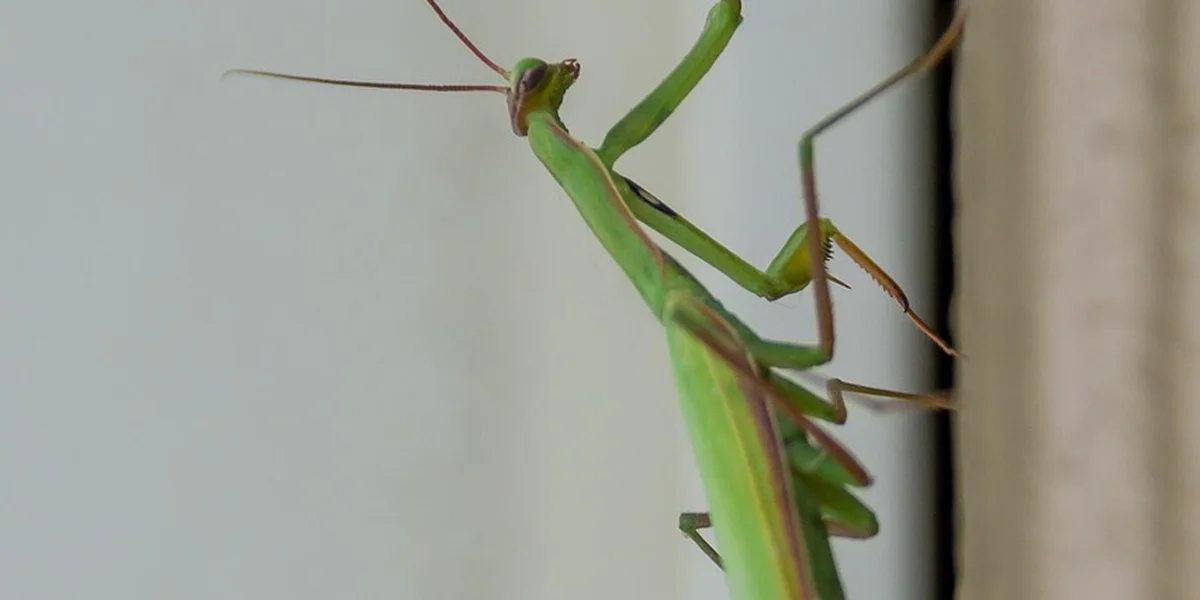
Switching to pre-killed prey can feel like giving your mantis a peaceful mealtime, free from the scuffles that sometimes come with live feeding. Pre-killed options significantly lower the risk of your mantis getting nipped or stressed by a wriggling insect, which is especially helpful for delicate species like our Ghost Mantis Luna. She tilts her head with a calm curiosity when we offer still prey, and we’ve seen fewer signs of agitation in her leafy enclosure.
Some keepers worry that pre-killed feeders might lack the same nutritional punch as fresh ones, but with careful handling, you can maintain their quality. Freezing prey right after sourcing locks in vital nutrients, and thawing them gently helps preserve those benefits for your mantis’s health. We always check that the prey feels firm and smells earthy, not sour, to ensure it’s still rich in the proteins and vitamins our mantises need.
Steps for Safe Handling, Thawing, and Storage
- Thaw frozen prey in a small container of lukewarm water for about five minutes-never use hot water, as it can cook the insects and ruin their texture.
- Handle pre-killed insects with clean tweezers to avoid transferring oils or germs from your hands to your mantis’s food.
- Store unused prey in airtight bags in the freezer, labeling them with dates to use within a month for peak freshness.
Tips for Sourcing Quality Feeders
- Buy from trusted breeders who raise insects on clean, nutrient-rich diets to minimize contamination risks.
- Look for feeders that are active and vibrant before freezing, as this indicates good health and higher nutritional value.
- Avoid insects from overcrowded bins, which can harbor mites or bacteria that might affect your mantis.
Ethical Dimensions: Considering Prey Welfare and Humane Treatment
When we feed live insects, it’s worth pausing to think about the tiny lives involved and the stress they might feel in their final moments. Live prey often experiences fear and discomfort as they’re hunted, which can weigh on a keeper’s conscience if you value minimizing suffering. In our terrarium, we’ve noticed that pre-killed meals create a quieter, more serene atmosphere, letting our mantises like Sprig eat without the frantic energy of a chase.
Ethically, causing pain to feeder insects raises questions about how we balance our pet’s needs with compassion for all creatures. Many keepers find that using pre-killed prey aligns with a gentler approach, reducing the moral dilemma of watching an insect struggle. It’s a personal choice, but one that can reflect a deeper care for the web of life in your home.
Perspectives on humane treatment vary-some argue that live feeding mirrors natural behaviors, while others advocate for education on kinder alternatives. By learning about insect sentience and welfare, you can make informed decisions that resonate with your values and respect for nature. We often share stories with fellow enthusiasts about how small changes, like sourcing from ethical suppliers, can make a big difference.
To align your feeding habits with your beliefs, start by reflecting on what feels right for you and your mantis. Consider gradually introducing pre-killed options or mixing methods to find a balance that supports both your pet’s health and your ethical comfort. If you’re seeking a practical reference, a complete diet feeding guide can help you ensure you’re providing the right prey types, sizes, and feeding frequencies for a balanced diet. We’ve found that this mindful approach fosters a deeper connection to our mantises and the world they inhabit.
Practical Feeding Techniques for Everyday Care
We start by gently introducing prey to your mantis, whether it’s wriggling live or carefully pre-killed. Observing your mantis’s reaction helps you tailor feeding to their comfort and appetite, especially when considering differences between species. Understanding varied feeding schedules can be crucial—check out our comparative guide for praying mantis feeding schedules by species.
Step-by-Step Prey Introduction
For live prey, use soft-tipped tweezers to place insects like fruit flies or small crickets near your mantis. This method reduces escape risks and lets your mantis practice natural strikes. In the ultimate guide to gut-loading feeder insects for mantises, prep prey to maximize nutrition before feeding. Gut-loaded prey provides extra nutrients and can support growth and molting.
- Choose prey sized no larger than your mantis’s head to prevent injury.
- Release one insect at a time into the enclosure, away from the mantis to encourage hunting.
- Watch for the mantis to tilt its head or raise its arms-a sign of interest.
With pre-killed prey, warm the insect slightly under a lamp to mimic body heat. Gently wiggle it with tweezers to trigger your mantis’s predatory instincts.
- Hold the prey in front of the mantis until they grab it.
- If ignored, try again later or switch to a different insect type.
- Remove uneaten prey after 15 minutes to keep the enclosure clean.
Environmental Enrichment for Natural Hunting
Add twigs, leaves, or small climbing structures to create hiding spots and perches. A naturalistic, safe habitat for your praying mantis supports its well-being by mirroring its wild environment. Varying where you release prey encourages your mantis to explore and stay active.
- Scatter prey at different heights to simulate wild foraging.
- Use a small fan for gentle air movement, mimicking outdoor breezes that stir prey.
- Rotate enrichment items weekly to prevent boredom.
Our Ghost Mantis, Luna, loves perching on dried fern frills-we often drop fruit flies there to watch her slow, deliberate strikes.
Frequency, Portions, and Observation
Young mantises eat daily, while adults thrive on meals every 2-3 days. Adjust portions based on your mantis’s abdomen size-plump but not bloated is ideal.
- Juveniles: Offer 2-3 small insects per feeding.
- Adults: Provide one larger insect, like a moth or cockroach.
- Note if your mantis refuses food; it might signal molting or stress.
Moss, our Giant Asian Mantis, once skipped a meal before shedding-we learned to check for dull skin as a warning sign.
Handling and Transport to Reduce Stress
When moving prey or your mantis, use a small paintbrush to guide them instead of bare hands. Keeping movements slow and predictable helps your mantis feel secure.
- Transport live prey in ventilated containers with a damp paper towel for humidity.
- For pre-killed, store in a sealed jar in the fridge for up to two days.
- Always wash hands before and after to avoid transferring oils or scents.
We recall Sprig, our Orchid Mantis, calming down when we hummed softly during feedings-now it’s our go-to trick for nervous moments.
Balancing Health and Ethics in Your Feeding Routine
Weigh your mantis’s species and age to choose feeding methods that support both vitality and humane practices. Every mantis has unique needs-what works for one might not suit another.
Evaluating Species and Age Needs
Delicate species like Orchid Mantises prefer slower, pre-killed prey to avoid injury. Active hunters, such as Giant Asians, benefit from live insects for mental stimulation.
- Nymphs and juveniles need frequent, small meals for growth.
- Older mantises may prefer easier-to-catch pre-killed options.
- Observe energy levels; low activity might mean a diet change is due.
Mixing Methods for Nutrition and Welfare
Combine live feedings for exercise with pre-killed for convenience and safety. This blend ensures your mantis gets varied nutrients without constant stress.
- Use live prey 2-3 times a week to maintain hunting skills.
- Offer pre-killed on busy days or if your mantis seems lethargic.
- Supplement with gut-loaded insects for extra vitamins.
We rotate between live crickets and pre-killed flies for Luna, noticing she’s more alert on hunting days.
Sourcing and Quality Factors
Buy prey from reputable breeders to avoid pesticides or diseases. Healthy prey means a healthier mantis, so inspect insects for bright colors and active movement.
- Choose organically raised insects when possible.
- Avoid wild-caught prey due to parasite risks.
- Store prey in clean, spacious containers with fresh food.
Adapting Routines Through Behavior
Watch for clues like increased grooming or changed posture after meals. Your mantis’s habits will guide you to refine feeding times and methods over weeks.
- Keep a simple journal to track preferences and reactions.
- Adjust if your mantis avoids certain prey or shows signs of boredom.
- Be patient-it might take a few tries to find the perfect balance.
When Moss started ignoring mealworms, we switched to moths, and his enthusiasm returned instantly.
FAQs on Mantis
How can I transition my mantis from live to pre-killed feeding?
Start by offering pre-killed prey alongside live insects during regular feedings to help your mantis adjust. Gradually reduce the live offerings as your mantis shows acceptance of the still prey. For more information on feeding live prey, check out our guide on the best live food for your praying mantis and what to avoid.
What should I do if my mantis refuses to eat during molting?
Refraining from feeding is normal as mantises are vulnerable and may not eat before or after shedding their exoskeleton. Ensure a humid environment and wait until your mantis hardens completely before resuming meals.
Are there safe ways to source feeder insects to avoid ethical concerns?
Purchase from reputable breeders who prioritize insect welfare and raise feeders on organic diets to reduce ethical dilemmas. Avoid suppliers with poor conditions to support humane practices and your mantis’s health. Also, to prevent common parasites and diseases in praying mantises, maintain clean enclosures. Quarantine new specimens before introducing them to existing mantises.
Finding Your Feeding Philosophy
We recommend observing your mantis closely to decide whether live or pre-killed prey best supports their health and your comfort with ethical considerations. Tailoring their diet to individual needs ensures they receive proper nutrition while honoring your values as a keeper.
Responsible mantis care means committing to lifelong learning and adapting your methods as new information emerges. Embrace the journey of discovery, and your dedication will help create a thriving, happy home for your remarkable pet.
Further Reading & Sources
- How the Praying Mantis Hunts Its Prey | Britannica
- Mantis – Wikipedia
- General Mantis Care – Praying mantis care sheet and feeding
- Praying Mantids – Wisconsin Horticulture
Rowan Hale is a lifelong insect enthusiast who fell in love with mantises for their calm presence, alien elegance, and surprising personalities. After years of keeping and raising a variety of species, Rowan shares practical tips, creative insights, and real-world experience to help others enjoy the quiet magic of mantis care. From setting up the perfect enclosure to understanding their subtle behaviors, Rowan invites readers into a gentle, curious world where every tiny movement feels like a discovery.
Feeding