
Are Praying Mantises Good Pets? Pros and Cons Explained
Published on: December 2, 2025 | Last Updated: December 2, 2025
Written By: Rowan Hale
Greetings, fellow insect lover,
There’s a quiet magic in watching a praying mantis-its body poised like a living sculpture, then striking with a whisper-quick precision that leaves you in awe. From my own shelves, mantises like Luna, my ghost mantis with her misty brown frills, have shown me how these small beings can fill a room with gentle fascination.
Praying mantises can be wonderful pets for the right person, offering a unique window into nature’s quiet drama, but they do come with specific needs that might not suit every household.
This isn’t a simple yes-or-no question; it’s about matching your lifestyle with the mantis’s delicate world, from their humid enclosures to their brief, brilliant lives.
Here’s a quick look at what we’ll cover to help you decide:
- The appealing pros: low space requirements, mesmerising behaviour to observe, and generally eco-friendly care routines.
- The honest cons: relatively short lifespans, need for precise temperature and humidity, and a diet of live insects.
- Personal insights from keeping mantises, so you know exactly what to expect day by day.
The Unique Appeal of Praying Mantis Pets
Understanding Mantis Behavior and Temperament
Praying mantises don’t fetch, purr, or curl up on your lap. Their charm is quieter, found in the art of stillness and sudden, precise motion. Watching a mantis is like observing a tiny, living sculpture that occasionally decides to have lunch. Most of their time is spent perched, absorbing warmth and surveying their domain with a slow, deliberate turn of the head. Their eyes give them depth perception, helping them judge distance before a strike. When prey glints within reach, their hunting behavior combines patient stillness with a sudden, precise lunge.
Each species, and even each individual, has its own personality. My Ghost Mantis, Luna, moves with a thoughtful, almost cautious grace. My Giant Asian, Moss, is far more inquisitive, often the first to investigate a new vine or climbing stick. This individuality means you’re not just keeping an insect; you’re learning the habits of a unique little creature.
Their famous feeding ritual is a masterclass in patience and biomechanics. They track prey with laser focus before striking with arms faster than you can blink. Afterwards, they often perform a fastidious cleaning routine, wiping their face and forearms like a cat. This combination of sudden violence and fastidious grooming is endlessly fascinating to witness.
While they won’t bond with you like a mammal, many mantises become calm and tolerant with gentle, consistent handling. They learn you are not a threat. The key is to let them walk onto your hand, never grabbing them. Feeling those delicate, prickly feet step across your skin is a uniquely gentle connection to the natural world.
Praying Mantis Ownership: The Pros and Cons Balanced
The Pros: Why Mantises Can Be Wonderful Pets
For the right person, a praying mantis is a nearly perfect pet. Their benefits are specific and significant.
- Minimal Space and Cost: A suitable enclosure can be a simple, well-ventilated jar or a small terrarium. Initial setup is often less than the cost of a week’s groceries for a dog.
- Quiet and Clean: They are silent companions. Their waste is minimal and dry, making spot-cleaning a quick weekly task. There’s no odour if you maintain their home.
- Fascinating Educational Value: From molting to hunting, they provide a live window into insect life cycles and behaviours. It’s a brilliant way to learn about nature’s intricacies up close.
- Low Time Commitment: Beyond ensuring their food and humidity needs are met, they require no daily walks or constant attention. They are perfect for busy or contemplative people.
- Eco-Friendly and Simple Diet: Feeding them responsibly sourced feeder insects has a tiny ecological footprint compared to manufacturing tinned pet food.
The greatest pro is the mindful calm they inspire; caring for a mantis forces you to slow down and observe the small, deliberate rhythms of life.
The Cons: Real Challenges to Prepare For
Honesty is vital. Mantis keeping isn’t for everyone, and knowing the challenges upfront prevents heartache.
- Short Lifespan: This is the most significant emotional consideration. Most species live less than a year as adults. You commit knowing you will say goodbye relatively soon.
- Fragility: They are delicate. A fall from a table can be fatal. Handling must always be supervised and gentle, and young children may lack the required carefulness.
- Live Food Requirement: You must be comfortable keeping and offering live insects like fruit flies, crickets, or roaches. This is a non-negotiable part of their care.
- Limited Interaction: If you crave a pet to cuddle or play with, a mantis will disappoint. Their appeal is purely observational and subtle.
- Molting Vulnerabilities: The molting process is stressful and dangerous. Incorrect humidity or a disturbance can lead to deformities or death. Creating the perfect, quiet conditions for a molt is a keeper’s most critical responsibility.
Seeing my Orchid Mantis, Sprig, emerge safely from a molt, her new colours still soft, is a huge relief. These cons aren’t deal-breakers, but they are sobering realities that require a specific kind of commitment.
Essential Praying Mantis Care Requirements
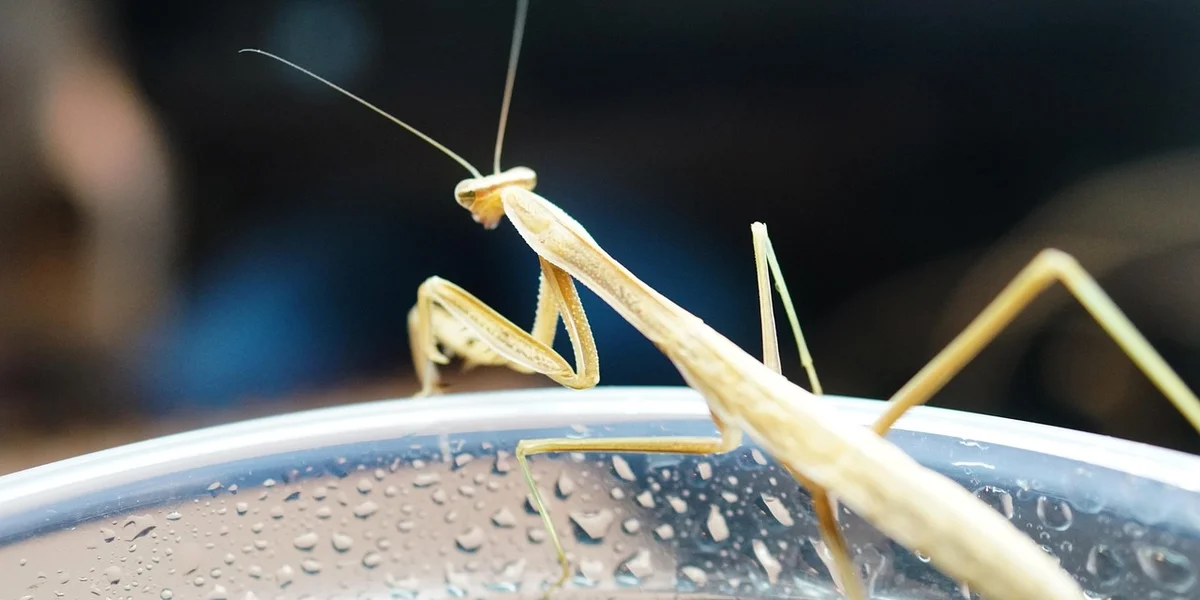
Welcoming a mantis into your home is a quiet promise to recreate a slice of their world. Good care hinges on replicating the subtle environmental details they instinctively need to thrive, not just survive. We’ll walk through the four pillars of their wellbeing, from their first home to the gentle art of sharing space.
Housing Your Mantis: Enclosure Setup
Think of the enclosure as your mantis’s entire universe. Size and ventilation are the two most critical factors. A tall container is best, as mantises climb and hang from the ceiling to molt. For most common species, an enclosure at least three times the mantis’s length in height is perfect. Enclosure choice is species-specific—different mantis species reach different sizes and have different space needs. Research your chosen species to determine the right size before setting up the habitat. For more guidance, visit this guide on enclosure selection.
Mesh or screened siding is superior to glass or plastic alone, as it allows crucial air flow and gives their delicate feet perfect grip. My Ghost Mantis, Luna, spends her days perched gracefully on the fine mesh, surveying her domain.
Furnish their space with purpose:
- Ceiling: A mesh or fabric lid for hanging during molting.
- Climbing Structures: Twigs, thin branches, or soft fake plants. Avoid anything with sticky sap.
- Flooring: A simple substrate like coconut fibre or paper towel to manage humidity and catch debris.
- Avoid Overcrowding: Too many decorations can hinder their movement and make finding prey difficult.
Creating the Right Climate: Temperature and Humidity
Mantises are exothermic, meaning they rely on external warmth. Each species has a sweet spot. Tropical varieties like the Orchid Mantis need steady warmth around 24-28°C, while temperate species are comfortable at room temperature (20-24°C). A small, low-wattage heat mat on one side of the enclosure creates a gentle thermal gradient, letting your mantis choose its comfort.
Humidity supports healthy molting. The air should feel faintly earthy, not wet. We achieve this through light, regular misting.
- Use a fine spray bottle with dechlorinated water.
- Mist the sides and decorations, not the mantis directly, once daily or every other day.
- Watch for clues: a mantis drinking droplets is a good sign; constant condensation on the walls means you’re overdoing it.
My Giant Asian mantis, Moss, often takes a delicate drink from a misted leaf, a moment of pure, quiet focus.
Diet and Feeding: The Live Prey Routine
Praying mantises are obligate predators; they only eat live food. This is a non-negotiable part of their biology. The key is providing appropriately sized, safe feeders. Prey should never be larger than the space between the mantis’s eyes to prevent injury or fatal refusal.
Suitable feeders include:
- Fruit Flies (Drosophila): Ideal for tiny nymphs.
- House Flies & Blue Bottle Flies: Excellent staple for juveniles and adults.
- Small Crickets or Roaches: Use cautiously; some can bite. Never leave uneaten aggressive prey in the enclosure.
- Moths & Butterflies: A nutritious, wild-caught treat if you’re sure they’re pesticide-free.
Adults typically eat every 2-4 days. An abdomen that looks slightly plump means they’re well-fed; a very skinny, flattened abdomen signals hunger. Remove any uneaten prey after a few hours to keep your mantis stress-free.
Safe Handling and Interaction
Handling is less about cuddling and more about mindful coexistence. Always let the mantis walk onto you-never grab. Offer your hand or a stick slowly in front of them. The best time for brief interaction is when they are active and alert, usually in the warmer part of the day.
Follow these simple rules for their safety:
- Wash your hands first to remove salts or lotions.
- Handle them close to a soft surface like a bed or table to cushion any falls.
- Avoid handling entirely for 48 hours after feeding and for at least two days before and after a molt, when they are extremely fragile.
- Keep sessions short, just a few minutes, to minimise stress.
Observing is often the richest interaction. Watching my juvenile Orchid, Sprig, patiently stalk a fly is a lesson in stillness and precision far more rewarding than any forced hold. Their trust is shown in calm behaviour, not affection, and that is a beautiful thing to earn.
Choosing Your Mantis: Species and Ethical Sources
Picking your mantis companion feels like choosing a living jewel for your home. We’ll help you match a species to your lifestyle and find a source that treats these insects with respect. This careful selection builds a foundation for a healthy, fascinating pet from the very start.
Beginner-Friendly Pet Mantis Species
For your first foray into mantis keeping, certain species are wonderfully forgiving. They typically have simple habitat needs and calm dispositions. Starting with one of these friends lets you learn the rhythms of care without overwhelming stress. When you’re choosing the right mantis species for beginners, look for hardy, low-maintenance options. A wisely chosen starter species sets you up for success from the start.
Here are four excellent choices for new keepers:
- Ghost Mantis (Phyllocrania paradoxa): These mantises resemble delicate, dried leaves with frilly extensions. My Ghost Mantis, Luna, moves with a slow, thoughtful grace. They require moderate humidity and enjoy a diet of small flies, making them perfect for a tranquil desktop enclosure.
- Giant Asian Mantis (Hierodula membranacea): Known for their vibrant emerald color and hearty appetite, they are robust and engaging. Moss, my male, surveys his territory with bright-eyed curiosity every morning. They adapt well to handling and common feeder insects like crickets.
- European Mantis (Mantis religiosa): A familiar sight in gardens, they are incredibly adaptable to captivity. Their serene, statuesque poses bring a calm energy to any space. They thrive with basic misting and enjoy perching on simple twigs.
- Chinese Mantis (Tenodera sinensis): Another hardy species, they grow to a impressive size and are very food-motivated. Their hunting strikes are swift and decisive, offering exciting feeding observations for a new owner.
Watch how a Ghost Mantis sways like a leaf in the breeze or a Giant Asian meticulously cleans its face after a meal. These small behaviors become daily highlights that deepen your connection to the hobby.
Finding a Healthy Mantis: Where to Look
Locating a healthy mantis from an ethical source is your first act of care. It ensures your pet has the best start in its new home. Prioritize sellers who are passionate about mantis welfare and can answer your questions in detail. Before you buy, use a simple pre-purchase mantis health checklist to look for signs of vitality. Choose a specimen that appears alert and healthy.
Before you buy, know what a healthy mantis looks like. Check for these key signs:
- Bright, Focused Eyes: The compound eyes should look clear and alert, tracking movement in their environment.
- Firm, Intact Exoskeleton: The body and limbs should be free of cracks, dents, or obvious scars. Limbs must be complete for proper climbing and hunting.
- Active Posture: A healthy mantis holds itself upright, ready to move. It should not cling lethargically to the enclosure walls.
- Recent Feeding History: A reputable source will share when the mantis last ate. A good appetite is a strong indicator of well-being.
Now, let’s explore where to find them. Follow these steps for a responsible search:
- Connect with Specialized Breeders: Dedicated breeders are often your best bet. They raise nymphs in controlled conditions and can provide specific care sheets. I found my Orchid Mantis, Sprig, through a breeder who noted her preference for warmer perches.
- Visit Reputable Online Stores: Many established websites sell captive-bred mantises. Look for sites with clear photos, detailed species information, and live arrival guarantees.
- Check Local Exotic Pet Expos: These events sometimes have insect vendors where you can see the mantises in person and speak directly with the keeper.
- Assess General Pet Stores Carefully: If a chain store carries mantises, examine the enclosure conditions closely. Ask staff about their supplier and how often the insects are fed and misted.
Trust your instincts when talking to a seller. A keeper who happily discusses molting cycles and favorite foods usually raises their mantises with genuine attention.
Is a Praying Mantis the Right Pet for You?
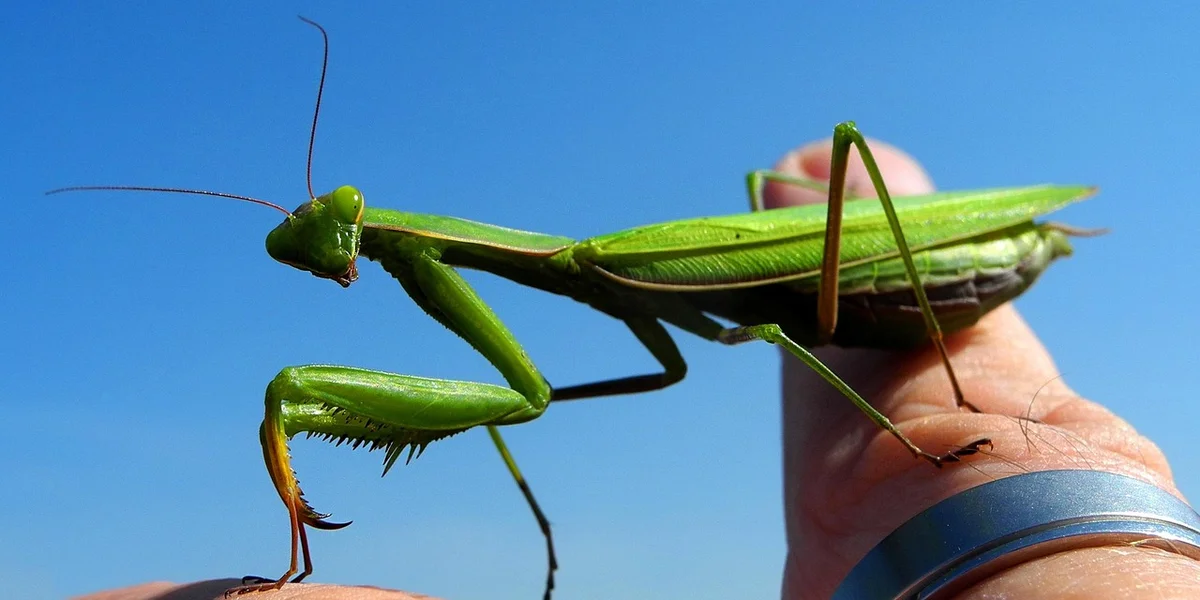
Choosing a pet often means weighing noise, space, and time against the joy they bring. Praying mantises sit quietly in that balance, offering captivating observation without the fuss of traditional pets. Their world is one of patient stillness and sudden, precise movement. For new keepers, the care pet praying mantis complete handling behavior guide offers practical steps on safe handling, enclosure setup, and daily care. This resource helps translate the mantis’s quiet cues into confident, respectful care.
Think about your own rhythm and what you seek in a companion. We find that mantises, like our gentle Ghost Mantis Luna, thrive in calm environments where their subtle behaviors can be appreciated. If you enjoy quiet moments and natural drama, a mantis might just fit.
Mantis Pets for Children and Families
Bringing a mantis into a family home can turn daily care into a shared adventure. Children are often mesmerized by their sculptural forms and the way they pivot their heads to watch the room. This fascination naturally leads to questions about nature and responsibility.
Handling requires a gentle, teachable approach. Mantises have delicate exoskeletons, so we always supervise interactions, showing kids how to offer a steady hand for the mantis to climb onto voluntarily. It is a lesson in respect for fragile life.
- Focus on observation: Encouraging watching over frequent handling protects the mantis and builds patience.
- Manageable lifespan: Most species live around a year, providing a complete life cycle lesson without a multi-decade commitment.
- Safe feeding practices: Using small, flightless fruit flies allows children to participate safely under guidance.
- Educational moments: From molting to hunting, each stage is a live science demonstration right on the kitchen counter.
The emotional journey is part of the experience. The natural lifespan helps families discuss life cycles with honesty and care, fostering resilience in young keepers. It is a gentle introduction to the rhythms of nature.
Mantis Pets for Beginner Adults and Classrooms
For adults starting their insect-keeping journey or teachers seeking an engaging classroom resident, mantises are remarkably suited. Their care is minimalist, often requiring just a modestly sized enclosure, some twigs, and a spray bottle for misting. To support natural behaviors, create a naturalistic, safe habitat for your praying mantis. This makes them perfect for flats, studios, or school shelves.
There is a meditative quality to their upkeep. Watching our energetic Giant Asian Mantis, Moss, methodically explore a new branch reminds us to pause and focus on the present. That daily stillness can be a welcome respite from a busy world.
In educational settings, a mantis is a silent professor. It demonstrates concepts like camouflage, incomplete metamorphosis, and predator-prey relationships with effortless clarity. Students can chart molts, sketch poses, and learn about ecosystems firsthand.
- Select a hardy species: Start with a resilient type like the European Mantis, which adapts well to beginner care.
- Create a simple habitat: A well-ventilated jar or terrarium with climbing space and a secure lid is often enough.
- Establish a routine: Light misting every other day and feeding small crickets or roaches once a week maintains health.
- Observe and learn: Note behaviors like grooming or pre-molt lethargy to understand your mantis’s needs better.
The practicalities align with a busy life. A weekly check for food, water, and cleanliness takes mere minutes, leaving more time for the pure enjoyment of watching your pet. This ease makes the hobby sustainable and deeply rewarding.
Starting Your Mantis Journey: Practical First Steps
Once you’ve decided a mantis might be your kind of companion, the real adventure begins. Setting up for success from the very first day makes all the difference for both you and your new friend.
Questions to Ask Before You Buy or Adopt
Bringing any living creature home is a commitment. Asking these questions helps ensure you’re ready and choose the right mantis for your lifestyle.
Legality is your absolute first stop: some areas have strict regulations on non-native insects, so a quick check with your local wildlife authority saves heartache later.
- Which species suits a beginner? Start with hardy, readily available types like the Giant Asian, European, or Chinese mantis. Their care is straightforward and forgiving.
- What is its current life stage? Nymphs (babies) are tiny and need daily food, while adults are larger and may live only a few more months. Knowing this sets your timeline.
- Where will it come from? Reputable breeders often provide healthier stock and specific care advice. Wild-caught mantises can carry parasites or be gravid (carrying eggs).
- What is the true, ongoing cost? Beyond the insect itself, budget for its enclosure, decor, a reliable food culture (like fruit flies or crickets), and a misting bottle.
My first mantis, Moss, was a Giant Asian male from a dedicated breeder. That choice gave me a healthy start and peace of mind.
Bringing Your Mantis Home: Acclimation and Daily Rhythm
The first days are about quiet observation. Your mantis needs to settle into its new surroundings without stress.
Gently introduce your mantis to its prepared enclosure by letting it walk from the transport container onto a stick or your hand, then into its new home. If your mantis is stressed, use extra care when transferring it between enclosures.
- Leave it completely alone for 24-48 hours to explore and find its favourite perching spots. No handling, no feeding.
- Offer a first, small meal after this quiet period. Use tweezers to dangle a prey item near it; if it isn’t interested, remove the food and try again the next day.
- Establish a simple daily rhythm: a light morning misting for humidity, a quick visual health check, and feeding every 2-3 days for adults. They thrive on predictability.
I remember Luna, my Ghost mantis, spent her first day perfectly still, just turning her head slowly to take in every detail of her terrarium. That quiet start built her confidence.
Caring Through Molting and Common Health Notes
Watching your mantis molt-shed its old exoskeleton to grow-is one of the most fascinating parts of keeping them. It’s also the time they are most vulnerable.
When you see your mantis hanging upside down, still and refusing food, it is preparing to molt; do not disturb it for any reason, as interference can be fatal.
- Ensure perfect conditions: Maintain higher humidity and never, ever offer food during or right after a molt. Its new skin is soft and easily damaged.
- Watch for common issues: Dehydration shows as a wrinkled abdomen or difficulty shedding. Lack of appetite can signal impending molt, illness, or simply that it’s not hungry.
- Keep the enclosure clean: Remove uneaten prey and any mold growth promptly. A simple spot-clean with a paper towel is often all that’s needed.
- Accept the natural lifecycle: Mantises are short-lived. An adult showing signs of slowing down is often nearing its natural end. Providing comfort is the final act of care.
Sprig, my Orchid mantis, would always seek out the highest point in her enclosure, a delicate lattice of fake flowers, when she felt a molt coming on. That taught me to trust her instincts completely.
Common Mantis Queries
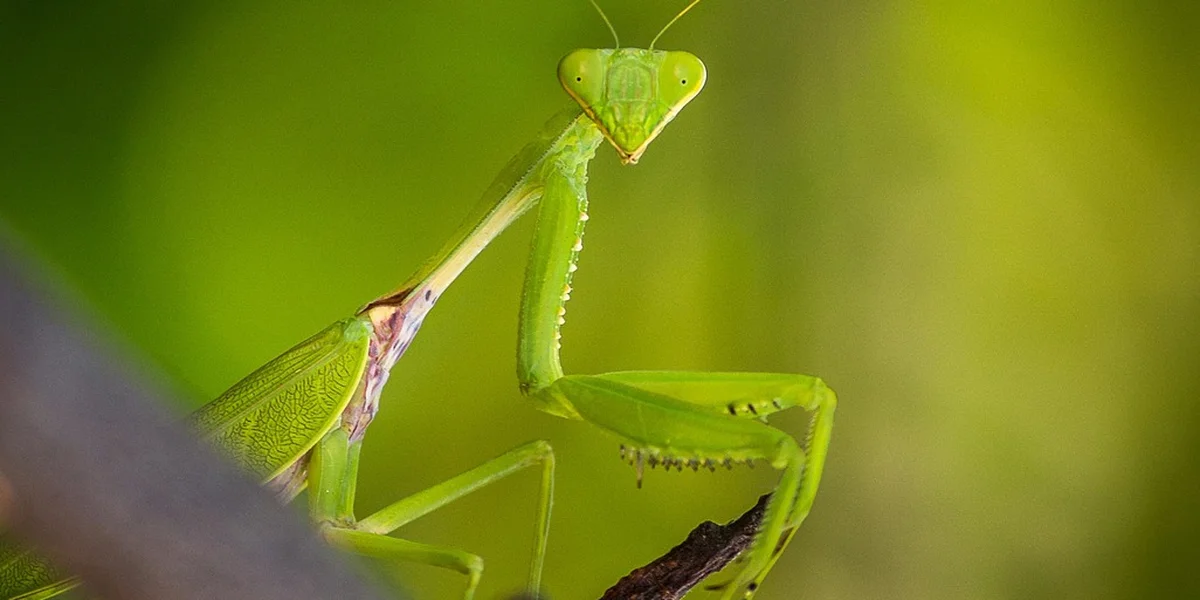
Can I buy a praying mantis at Petsmart or a general pet shop?
It is uncommon to find praying mantises at large chain pet stores like Petsmart. You will have much better luck, and find healthier specimens, by purchasing from specialized online breeders or reputable exotic insect dealers. For a trusted buyers guide on where to buy pet praying mantises, check our recommended sources. Our guide highlights reputable sellers and what to look for when buying.
What is the typical price range for a pet praying mantis?
The price varies greatly by species and rarity, ranging from $20 to over $100 for more exotic types. Common beginner species like the Giant Asian or European mantis are usually at the lower end of this scale.
How do I find ‘praying mantis pets for sale near me’?
Search for local exotic pet expos, reptile shows, or specialized invertebrate breeders in your area. Online breeder directories and forums often have regional sections where you can find sellers near specific locations, like Detroit, MI.
Making Your Decision
Choosing a mantis means matching their quiet, observational care with your own lifestyle and expectations. Their unique charm lies in their stillness, offering a window into a miniature, green world that rewards patience over play.
Caring for any living creature is a commitment to learning and adapting as they grow. We encourage you to read more, ask questions, and feel fully prepared before welcoming one of these remarkable insects into your home.
Further Reading & Sources
- Garden Dilemmas, Delights & Discoveries, Ask Mary Stone Praying Mantises Beneficial or Bad – Garden Dilemmas, Delights & Discoveries, Ask Mary Stone
- Should You Keep a Praying Mantis as a Pet?
- Should I Release Praying Mantis into My Garden? | Extension
- Praying Mantis: Friend or Foe? – The Observant Gardener
Rowan Hale is a lifelong insect enthusiast who fell in love with mantises for their calm presence, alien elegance, and surprising personalities. After years of keeping and raising a variety of species, Rowan shares practical tips, creative insights, and real-world experience to help others enjoy the quiet magic of mantis care. From setting up the perfect enclosure to understanding their subtle behaviors, Rowan invites readers into a gentle, curious world where every tiny movement feels like a discovery.
First-Time Mantis Owners