
What Insects Do Praying Mantises Eat? A Comprehensive List
Hello, mantis friend.
In the quiet of a terrarium, a praying mantis waits. It is a patient predator, a living sculpture of stillness and focus, and its world revolves around one simple, ancient question: what’s for dinner?
Praying mantises are carnivorous hunters that primarily eat live insects, from fruit flies and crickets to moths and grasshoppers, with larger species even tackling small vertebrates.
But the full menu is more nuanced than a simple bug buffet. Offering the wrong insect can be harmful, while the right prey supports a vibrant, healthy mantis.
We will cover:
- The core list of safe, nutritious insect prey
- Which common bugs to absolutely avoid
- How a mantis’s age and species changes its diet
- Simple feeding tips from our own experience
Understanding Praying Mantis Feeding Habits
Praying mantises are ambush predators that rely on stealth and patience to catch their meals. We find their hunting style fascinating, as they remain perfectly still before striking with lightning speed. Their diet consists solely of live insects, which keeps their instincts sharp and provides essential nutrients. These adaptations—camouflage, quick strikes, and a highly mobile neck—are what make praying mantises so special. They showcase the unique characteristics that set them apart in the insect world.
Young mantises, or nymphs, need smaller prey that matches their tiny size. Offering appropriately sized insects ensures they can capture and digest food safely without stress. As they grow, their appetite increases, and they can handle larger, more active prey.
In our experience, mantises like Luna show clear preferences for certain insects based on movement and scent. The humid, earthy air in their enclosure seems to amplify their alertness when prey is near. This behaviour helps them thrive in varied environments, from terrariums to garden settings.
A Comprehensive List of Mantis Prey Insects
Small Insects Perfect for Nymphs and Smaller Species
Nymphs and petite species such as Ghost Mantises benefit from tiny, easy-to-catch insects. These small prey items prevent injury and support healthy growth during early life stages. We often use fruit flies or springtails for our juvenile mantises, as they are readily available and nutritious.
- Fruit flies: Soft-bodied and highly mobile, they stimulate hunting behaviour in young mantises.
- Springtails: Minute and abundant in moist setups, ideal for very small nymphs.
- Pinhead crickets: Small cricket varieties that provide protein without overwhelming tiny jaws.
- Aphids: Found on garden plants, they offer a natural food source but should be pesticide-free.
- Small moths: Captured indoors or bred, their fluttering motion attracts mantis attention.
Sprig, our Orchid Mantis, eagerly hunts fruit flies in her early days. Watching her delicate strikes reminds us how vital proper prey size is for developing mantises. Always source insects from safe, uncontaminated areas to avoid health risks.
Larger Insects for Adult Mantises
Adult mantises require more substantial meals to maintain energy and support molting. Larger prey like crickets or roaches offer robust nutrition and satisfy their heightened appetite. We’ve noticed that species like the Giant Asian Mantis handle these with ease, displaying impressive strength.
- Crickets: A staple food, rich in protein and easy to gut-load for added vitamins.
- Roaches: Dubia or discoid varieties are slow-moving and nutritious, reducing escape chances.
- Moths and butterflies: Their erratic flight patterns challenge adult mantises, enhancing mental stimulation.
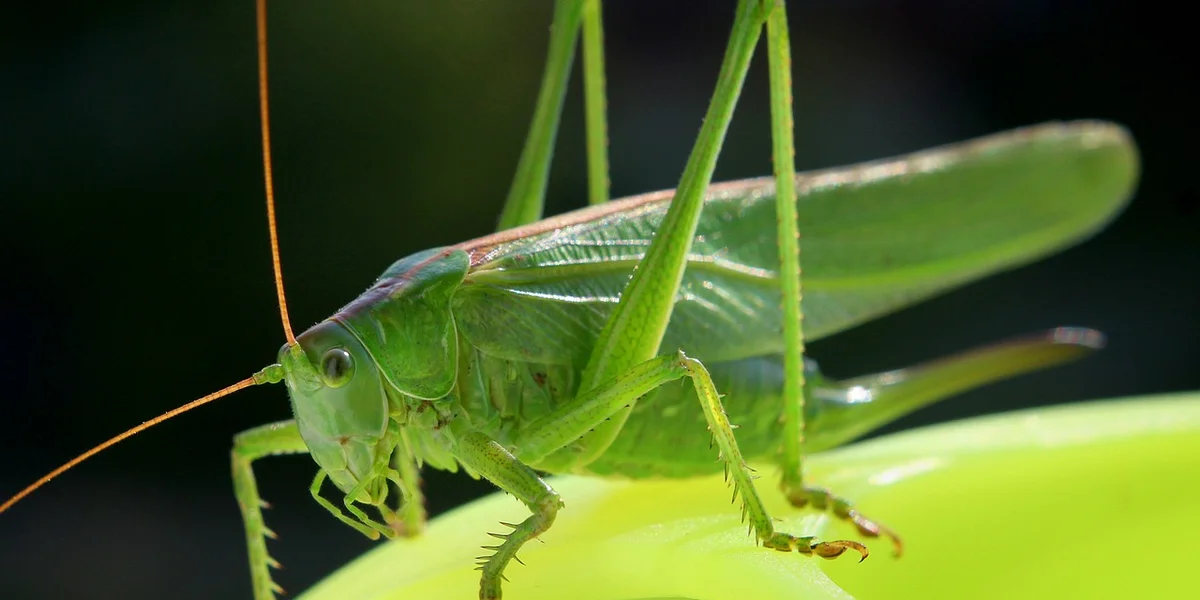
- Grasshoppers: Provide a crunchy, fibrous meal that aids in jaw exercise and digestion.
- Beetles: Hard-shelled insects that require careful handling, best for experienced mantises.
Moss, our adult male Giant Asian Mantis, relishes gut-loaded crickets after a warm misting. Feeding larger insects mimics their wild diet, promoting natural behaviours and overall well-being. Rotate prey types to prevent boredom and ensure a balanced intake of nutrients.
Feeding Your Mantis by Life Stage
What Baby Mantises (Nymphs) Need
Baby mantises, or nymphs, have tiny mouths and high energy demands, so they need frequent, small meals to support their rapid growth. We find that offering live prey no larger than the space between their eyes prevents choking and ensures they can handle each bite safely. Their diet should consist of soft-bodied insects that are easy to catch and digest, like flightless fruit flies or pinhead crickets.
In our experience, nymphs eat daily or every other day, depending on their appetite and species. Observing your mantis after feeding helps you gauge if they’re full-look for a slightly rounded abdomen and reduced interest in movement. For instance, when Sprig was a juvenile orchid mantis, she’d perk up at the sight of fruit flies, her delicate pink legs poised like flower petals ready to strike.
- Flightless fruit flies: Ideal for first instars; they’re slow-moving and nutrient-rich.
- Small aphids: Gathered from pesticide-free plants; provide hydration and protein.
- Springtails: Tiny and abundant in terrariums; great for encouraging natural hunting behavior.
- Pinhead crickets: Suitable for larger nymphs; dust with calcium powder for bone health.
Mist their enclosure lightly before feeding to mimic morning dew, which nymphs might sip for extra moisture. This gentle hydration boost supports molting, a vulnerable time when they shed their skin to grow. We’ve noticed that a well-fed nymph like Moss, our giant Asian mantis, would often perch quietly after a meal, his emerald body glowing under warm light as he digested.
Adult Mantis Dietary Needs
Adult mantises require less frequent but larger meals to maintain their size and reproductive health. Feeding them every three to five days with appropriately sized insects helps prevent obesity and keeps them active. Their diet shifts to include harder-bodied prey, such as crickets or moths, which provide the extra chitin needed for strong exoskeletons.
We recommend varying their diet to mimic wild foraging, which enriches their nutrient intake. A mix of flying insects and crawlers stimulates their hunting instincts and prevents dietary boredom. Luna, our ghost mantis, would tilt her head thoughtfully before lunging at a moth, her leaflike frills blending into the foliage-a reminder of how their natural behaviors shine with diverse meals.
- Crickets: A staple; gut-load them with vegetables like carrot or leafy greens for added vitamins.
- Waxworms: High in fat; offer sparingly as a treat to avoid weight gain.
- Moths and flies: Encourage aerial hunting; catch them outdoors in safe, unpolluted areas.
- Roaches: Nutrient-dense and easy to breed; smaller species like dubia roaches work well.
Adults may eat less during cooler months or before molting, so adjust feeding based on their behavior. Always remove uneaten prey after a few hours to reduce stress and keep the enclosure clean. This attentive approach ensures your mantis stays healthy and content, much like how we’ve cared for our own over the years. A mantis feeding schedule comparative guide shows how different species vary in appetite and prey needs. Use that guide to tailor feeding routines to each species.
How to Source and Prepare Feeder Insects
Safe Sourcing of Mantis Prey
Finding safe feeder insects starts with reliable sources to avoid pesticides, parasites, or diseases. We prefer buying from reputable pet shops or online suppliers that specialize in live feeders, as they often guarantee insect health and traceability. This reduces risks compared to wild-caught prey, which might carry hidden contaminants from treated plants or polluted environments.
If you collect insects outdoors, choose areas far from roads or farms to minimise chemical exposure. Stick to common, non-venomous species like grasshoppers or beetles, and avoid anything with bright warning colours that could signal toxicity. We’ve had success with gently netting moths at dusk in our garden, where the air smells of damp earth and blooming jasmine-a peaceful way to gather fresh food.
- Pet stores: Offer crickets, mealworms, and fruit flies; check for active, clean colonies.
- Online breeders: Provide variety like silkworms or blue bottle flies; read reviews for quality assurance.
- Home breeding: Cultivate your own fruit flies or springtails for a constant, cost-effective supply.
- Wild harvesting: Use a fine mesh net; only collect from organic gardens or wild meadows.
Quarantine new insects for a day or two in a separate container with food and water to monitor for illness. This simple step helps prevent introducing harmful bacteria or mites into your mantis’s home. This practice also helps prevent common parasites and diseases that affect praying mantises. It’s a habit we’ve adopted after a scare with store-bought crickets, and it’s made all the difference in keeping our mantises like Sprig thriving.
Prepping Insects for Feeding
Preparing feeder insects involves gut-loading and supplementing to boost nutritional value for your mantis. Gut-loading means feeding the insects nutritious foods like oats, carrots, or commercial gels 24 hours before offering them, which passes those nutrients to your mantis. This topic is a core part of the ultimate guide to gut loading feeder insects for mantises. It covers practical steps, best foods, and timing to maximize benefits. This process enriches prey with vitamins and minerals, supporting overall health and vibrant coloration.
Dusting insects with calcium or vitamin powders just before feeding ensures your mantis gets essential nutrients, especially for nymphs and breeding females. Lightly coat the prey by shaking it in a small bag with powder-too much can deter eating, so aim for a fine, even layer. We often do this with fruit flies for our nymphs, watching them buzz in a cloud of white dust before being served.
- Select appropriately sized prey: No bigger than your mantis’s head to prevent injury.
- Gut-load with fresh veggies: Carrots, spinach, or apples work well for hydration and nutrients.
- Dust with supplements: Use calcium powder for bone strength and multivitamins for immune support.
- Offer live and moving: Mantises are triggered by movement, so ensure prey is active to encourage hunting.
Remove any uneaten insects after feeding to maintain a stress-free environment. This prevents the prey from bothering your mantis or soiling the enclosure, which we’ve found key to preventing mold and keeping things tidy. With these steps, feeding becomes a smooth ritual, much like the quiet moments we share with Luna as she dines in her terrarium.
Common Feeding Mistakes and How to Avoid Them
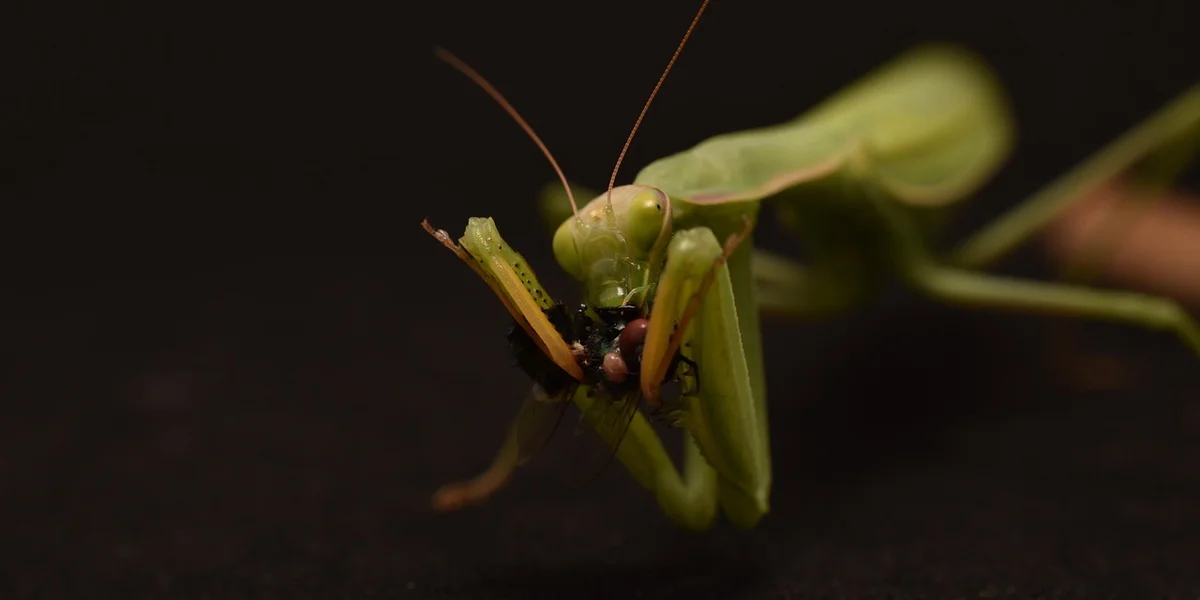
Many new mantis keepers accidentally choose the wrong prey, which can stress or harm their pet. Picking safe, appropriate insects is the first step to a thriving mantis.
Insects to Steer Clear Of
Not every insect is a suitable meal for your mantis, as some pose hidden dangers. Avoiding these risky choices helps prevent illness and injury.
- Fireflies: Their bright glow may attract curiosity, but they contain toxins called lucibufagins that are lethal to mantises. Even one firefly can cause fatal poisoning.
- Bees and Wasps: These insects can sting defensively, injuring your mantis’s delicate body. We once saw Moss attempt a bee and learned to stick to safer options like flies.
- Large Grasshoppers or Beetles: Prey that’s too big might fight back, risking damage to your mantis’s limbs or eyes. Always select insects smaller than your mantis’s head.
- Wild-Caught Insects from Gardens: They could carry pesticides, parasites, or diseases. Opt for farm-raised feeders to ensure a clean, safe diet.
Other common errors include overfeeding, which can lead to obesity, or offering prey at the wrong time. Watch your mantis’s behavior; a healthy one will hunt eagerly but not appear bloated.
Optimizing Your Mantis’s Diet for Health
A varied, balanced diet supports your mantis’s growth and longevity, much like a well-tended garden nurtures plants. Mixing different prey types mimics their natural foraging and boosts nutrition.
Follow these steps to enhance their meals:
- Provide Dietary Variety: Rotate between fruit flies, crickets, moths, and other small insects. This prevents deficiencies and keeps meals interesting-Sprig loves the occasional moth for its fluttering challenge.
- Set a Feeding Schedule: Juveniles need food every 1-2 days, while adults can eat every 3-5 days. Adjust based on your mantis’s activity level and species.
- Check Prey Size Carefully: The insect should be no larger than the width between your mantis’s eyes. This simple rule reduces the risk of injury during captures.
- Incorporate Hydration: Lightly mist the enclosure daily with warm water, creating droplets that mimic natural dew. Your mantis will drink from leaves, adding essential moisture to its diet.
Observe how your mantis responds to different foods; a content one will perch calmly with bright colours and alert movements. Regular variety and proper hydration make for a resilient, happy pet.
FAQs on Mantis
How does a praying mantis’s diet vary in Florida?
In Florida, praying mantises may encounter more tropical insects like palmetto bugs or lubber grasshoppers due to the warm, humid climate. This mirrors their natural habitat distribution, which favors warm, vegetation-rich environments. In Florida, that means mantises are commonly found in gardens, shrubs, and hedgerows where prey is abundant. Always source prey from safe, pesticide-free areas to mimic their natural diet and avoid potential toxins.
What are essential diet care tips for beginner mantis keepers?
Begin with small, manageable prey such as fruit flies for nymphs and gradually introduce variety to prevent nutritional gaps. Observe your mantis’s appetite and adjust feeding frequency to maintain a healthy weight and avoid stress.
How does a praying mantis’s natural habitat influence its diet?
In diverse habitats, mantises adapt to available prey, such as flying insects in meadows or ground-dwelling bugs in forests. Offering a mix of prey types in captivity supports their instinctual hunting and promotes overall well-being. Different mantis species live in a range of habitats—from tropical forests to deserts. Knowing where they naturally occur helps tailor their care in captivity.
Feeding Your Mantis with Care and Confidence
Provide a varied diet of live insects like crickets, moths, and fruit flies to keep your mantis healthy and engaged. Always match prey size to your mantis’s head to prevent stress and ensure safe, enjoyable meals. This is part of a complete diet feeding guide for praying mantises. For a full overview of what to feed, how often, and any seasonal adjustments, see our complete feeding guide.
Observe your mantis’s eating habits closely to spot any changes early and adjust care as needed. We invite you to explore more resources and connect with fellow keepers to build your skills in pet mantis care. For first-time mantis owners, our week-by-week care guide walks you through the essentials of care in your early days. It explains what to monitor and how to respond to common issues.
Further Reading & Sources
- What Do Praying Mantis Eat? – A-Z Animals
- r/mantids on Reddit: The Best Diet For Your Praying Mantis – A Nutritional Breakdown On Prey Insects And Why You Should Keep Healthy Feeders
- What do manthis eat other than flies?
- Praying Mantids – Wisconsin Horticulture
Rowan Hale is a lifelong insect enthusiast who fell in love with mantises for their calm presence, alien elegance, and surprising personalities. After years of keeping and raising a variety of species, Rowan shares practical tips, creative insights, and real-world experience to help others enjoy the quiet magic of mantis care. From setting up the perfect enclosure to understanding their subtle behaviors, Rowan invites readers into a gentle, curious world where every tiny movement feels like a discovery.
Feeding