
5 Costly Mistakes to Avoid When Buying Your First Praying Mantis
Published on: February 2, 2026 | Last Updated: February 2, 2026
Written By: Rowan Hale
Hello mantis friend, Welcoming a praying mantis into your home feels like inviting a miniature, living sculpture to perch in your space, full of quiet intrigue and gentle movements.
Skipping these common errors can prevent wasted money and ensure your new pet thrives from day one.
Buying a mantis involves more than just picking a pretty insect; it’s a decision layered with details that affect their health and your budget.
In this article, we’ll walk through the top pitfalls to watch for, so you can start your journey with confidence.
- Choosing a species that doesn’t match your care skills
- Overlooking hidden health issues during selection
- Underestimating the full cost of habitat and supplies
- Ignoring critical environmental needs like humidity
- Buying from sources with poor reputations or practices
Mistake 1: Picking the Wrong Mantis Species Without Proper Research
Choosing a mantis without learning about its specific needs can lead to stress for both you and your new pet. We often see new keepers drawn to flashy colours or unusual shapes, only to find the care demands are far beyond their experience level.
- Beginner-friendly species include the Ghost Mantis, which has a gentle temperament and thrives in simple setups, and the Giant Asian Mantis, known for its hardiness and adaptability. Their care levels are generally low, making them ideal starters.
- Costs vary widely; a Ghost Mantis might cost £15-£25, while a Giant Asian could be £10-£20, with lifespans around 6-12 months for females and slightly less for males. Considering lifespan helps you plan for the commitment, as some species live longer and require more ongoing care.
- Common misconceptions include assuming all mantises are docile-aggressive species like the Chinese Mantis may not tolerate handling well, leading to escapes or injuries if mishandled.
Top Beginner Species for Easy Mantis Care
- Ghost Mantis: Pros include a calm demeanor and low maintenance, but cons are their smaller size, which means they eat tiny prey like fruit flies. My Ghost Mantis, Luna, moves slowly and rarely startles, perfect for gentle interactions.
- Giant Asian Mantis: Pros are their robust health and curiosity, though cons involve needing a bit more space and occasional assertive behavior. Moss, my Giant Asian, explores every new branch with energetic curiosity, making him a joy to watch.
- European Mantis: Pros cover wide availability and ease of care, but cons note they can be more skittish, requiring a patient approach to build trust.
Budgeting for Your First Mantis Purchase
- Expect to spend £10-£30 on the mantis itself, plus £20-£50 for an enclosure, £5-£15 for substrate and decor, and £5-£10 weekly for live food like crickets or fruit flies. Setting aside a small fund for unexpected vet-like issues ensures your mantis stays healthy without financial strain.
Mistake 2: Overlooking Essential Care Requirements Before Bringing One Home
Many new owners forget to prepare the habitat in advance, risking their mantis’s well-being from day one. We’ve seen mantises struggle in enclosures that are too small or lack proper humidity, leading to avoidable health problems. To prevent these mistakes, learn the common setup errors to avoid when setting up your first mantis habitat. We’ll guide you through the basics so your mantis has a healthy start.
- Key elements include an enclosure at least three times the mantis’s length in height, temperatures between 20-28°C, and humidity levels of 50-70% depending on the species. Maintaining these conditions mimics their natural environment, reducing stress and promoting natural behaviors.
- A proper diet consists of live prey like fruit flies for juveniles and crickets for adults, fed every 2-3 days to match their appetite. Offering varied prey prevents nutritional gaps and keeps your mantis engaged during feeding times.
- Pesticide-free environments are vital; even trace chemicals on plants or in the air can harm your mantis, so source all materials from trusted, organic suppliers.
Setting Up the Perfect Mantis Enclosure
- Select a well-ventilated container, such as a mesh terrarium or large jar, and line the bottom with coconut fibre or paper towel for moisture retention.
- Add climbing structures like twigs or artificial plants, ensuring they’re securely placed to prevent falls during molting. Position the enclosure in a quiet spot away from direct sunlight and drafts to maintain stable temperatures.
- Mist the interior lightly with warm water daily to boost humidity, creating a soft, dewy atmosphere that feels like a fresh morning in a shaded forest.
Feeding and Health Basics for New Owners
- Common health issues include dehydration, shown by lethargy and wrinkled skin, and molting difficulties due to low humidity. Prevent these by providing a shallow water dish for drinking and misting regularly to support smooth skin sheds.
- Diet-related problems like malnutrition can arise from feeding only one type of prey; rotate insects to ensure a balanced intake of nutrients. Observing your mantis’s feeding response helps you adjust portions, keeping them active and vibrant.
Mistake 3: Buying from an Unreliable Supplier Without Vetting
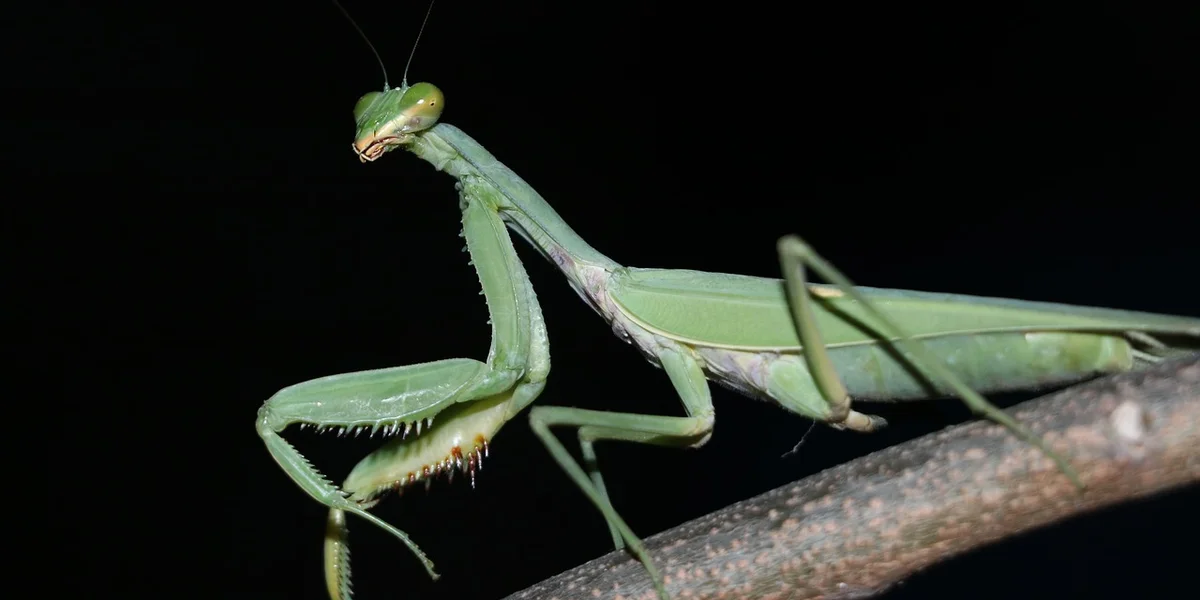
Your mantis’s health begins with its breeder. Choosing a responsible supplier is your first act of care, setting the stage for a thriving pet.
We always check reviews across multiple platforms, looking for consistent praise about healthy arrivals and good communication.
Red flags include sellers who avoid questions about lineage or age, offer unclear health guarantees, or have galleries filled with blurry, low-quality photos.
Shipping is a delicate process for these fragile creatures. A trustworthy seller will use insulated boxes, secure containers, and include heat or cool packs as needed for the season.
They should provide a tracking number and clear instructions for what to do the moment your new friend arrives.
How to Spot a Trustworthy Mantis Seller
Use this simple checklist to evaluate any potential supplier. A good breeder will tick every box.
- They are transparent about the mantis’s species, current life stage (instar), and sex.
- They have a clear, stated policy on live arrival guarantees and what to do if there’s an issue.
- Their online presence shows a genuine passion for mantises, not just a sales platform.
- They communicate promptly and knowledgeably, answering all your questions with patience.
- They can provide photos or a short video of the specific mantis you are interested in.
Taking these few extra minutes to vet a seller can save you from the heartache of a sick or stressed mantis.
Mistake 4: Not Preparing the Habitat Setup in Advance
Imagine moving into a new home where nothing is unpacked. That’s the stress your mantis feels in an unprepared enclosure. A ready habitat is a gift of security, allowing your mantis to settle in calmly from day one. To truly support its wellbeing, create a naturalistic safe habitat for your praying mantis. This means providing secure vegetation, branches, and appropriate humidity so it can explore freely and stay comfortable.
Having everything on hand prevents last-minute scrambles for the wrong items. It also lets you dial in the perfect temperature and humidity levels before your delicate pet arrives.
Common oversights include enclosures that are too large for a small nymph to find its food, screens that can damage tiny feet, or placing the tank in direct, harsh sunlight.
An enclosure that is prepared in advance is a silent promise to your new pet that it is coming home to a safe, stable world.
Step-by-Step Guide to Mantis Enclosure Setup
- Choose an appropriately sized container. For most nymphs, a 32-ounce deli cup or a small terrarium works perfectly. Adults need more vertical space to hang and molt safely.
- Add safe substrates and climbing structures. A light layer of coconut fibre or peat moss holds humidity. Twigs, fake plants, and mesh sides give your mantis plenty of surfaces to explore and cling to.
- Set up temperature and humidity controls. Use a small digital thermometer and hygrometer. Most species thrive between 22-28°C with 50-70% humidity, achieved with gentle misting and a small heat mat if your room is cool.
Completing this setup days ahead gives you time to make adjustments, ensuring a perfect welcome for your new mantis.
Mistake 5: Failing to Plan for Your Mantis’s Arrival and Long-Term Care
Bringing home a new mantis feels exciting, but skipping preparation can lead to stress for both you and your tiny friend. Planning ahead ensures your mantis settles in safely and thrives from day one.
-
Start with a simple quarantine setup in a separate, clean container for at least a week to monitor for mites, lethargy, or unusual behavior. This quiet observation period helps catch hidden health issues before they spread.
-
Molting is a delicate process where your mantis sheds its old skin to grow, and disruptions can cause falls or stuck limbs. Maintain steady humidity and avoid handling during this time to support a smooth molt. You may wonder if molting actually works for mantises—usually it does when conditions are right. With stable humidity and minimal disturbance, most mantises complete their molt and emerge ready to continue growing.
-
If you keep multiple mantises or a female, consider that mating might lead to egg-laying, even unexpectedly. Being ready for oothecae or nymphs prevents surprises and keeps your care routine manageable.
Initial Care Steps for a Smooth Transition
-
Gently inspect your mantis for clear eyes, intact limbs, and active movement right after arrival. Early detection of issues like weakness or parasites lets you address them quickly. This quick check is the first step in the ultimate mantis health troubleshooting checklist. If you notice signs of illness, refer to the ‘why my mantis is sick’ section for targeted steps and care guidance.
-
Place the enclosure in a calm, low-traffic spot and let your mantis adjust without sudden changes in light or noise. If you need to move a stressed mantis between enclosures, use a gentle transfer method (such as a breathable cup) and minimize handling to avoid further stress. Gradual acclimation reduces stress and encourages natural behavior.
-
Set consistent times for feeding and light misting to create a predictable environment. A steady routine helps your mantis feel secure and promotes healthy habits.
Understanding Molting and Common Health Pitfalls
-
Watch for reduced appetite, hanging upside down for long periods, or a dull appearance before molting. These are signs that your praying mantis is about to molt. Recognizing them helps you prepare. Assist by ensuring high humidity and a secure perch, and never disturb your mantis mid-molt.
Common Mantis Queries
What is the most common mistake that leads to a mantis’s death?
Improper humidity levels during molting are a primary cause of fatalities. This can cause the mantis to become stuck in its old skin, leading to severe injury or death.
What insect is a praying mantis most commonly mistaken for?
Praying mantises are often mistaken for stick insects or walking sticks due to their elongated bodies and camouflaging postures. However, mantises have distinct raptorial forelegs designed for catching prey, unlike the uniformly thin legs of stick insects. So, are they the same? Here are the key differences explained.
What does it mean when a praying mantis is mistaken for a different insect?
This confusion usually highlights the incredible camouflage and evolutionary adaptations of the praying mantis. It signifies how effectively they can blend into their environment to avoid predators and ambush their prey. Typically, its color matches the surrounding environment, boosting camouflage and mimicry. Color variation thus plays a crucial role in survival, aiding both predator avoidance and effective ambush.
Stepping Forward with Confidence
By steering clear of common errors like mismatched species choices or inadequate housing setups, you give your mantis the best start possible. For first-time mantis owners, a simple week-by-week mantis care guide can help you navigate those crucial early days with confidence. A little research and thoughtful preparation go a long way in preventing costly mishaps and ensuring your new pet thrives from day one.
Embrace the role of a caring guardian by staying attentive to your mantis’s daily needs and behaviors. We encourage you to keep exploring and asking questions, as the world of mantis care is full of fascinating details that make each experience uniquely rewarding. For practical guidance, see our care praying mantis complete handling guide. It offers safe handling tips and daily care cues.
Further Reading & Sources
- Frequently Asked Questions – Praying Mantis Shop – PrayingMantisShop.com
- r/praying_mantis on Reddit: Issues buying equipment!!!!
- Garden Dilemmas, Delights & Discoveries, Ask Mary Stone Praying Mantises Beneficial or Bad – Garden Dilemmas, Delights & Discoveries, Ask Mary Stone
- Should I Release Praying Mantis into My Garden? | Extension
Rowan Hale is a lifelong insect enthusiast who fell in love with mantises for their calm presence, alien elegance, and surprising personalities. After years of keeping and raising a variety of species, Rowan shares practical tips, creative insights, and real-world experience to help others enjoy the quiet magic of mantis care. From setting up the perfect enclosure to understanding their subtle behaviors, Rowan invites readers into a gentle, curious world where every tiny movement feels like a discovery.
First-Time Mantis Owners