
How to Safely Transfer a Stressed Mantis Between Enclosures
Published on: January 20, 2026 | Last Updated: January 20, 2026
Written By: Rowan Hale
Hello mantis friend, picture this: your delicate green companion clings to a leaf, its body still and watchful, as you consider the gentle rustle of a new habitat awaiting it.
To safely transfer a stressed mantis, we use patient, slow techniques that mimic natural calmness, ensuring the mantis feels secure and undisturbed throughout the move.
Moving a mantis isn’t just about picking it up-it’s a delicate dance where stress can spike if we rush, risking harm to their fragile bodies and sensitive nerves.
In this guide, you’ll find:
- Steps to calm your mantis before the transfer
- Tools that make the process smooth and safe
- Common mistakes to avoid for a stress-free move
- Tips to settle your mantis into its new home with ease
Recognizing Signs of Mantis Stress
When your mantis feels uneasy, its body language speaks volumes-like a tiny green whisper in the stillness of its home. We often notice stress through subtle shifts in behavior, such as a mantis that once perched proudly now huddling low or refusing its usual lively hunt. Watch for these common cues, as they signal it’s time for gentle intervention.
- Unusual stillness or lethargy, where your mantis stays in one spot for hours without its typical curious movements.
- Rapid, jerky motions or frequent attempts to hide, as if it’s seeking shelter from an unseen disturbance.
- Loss of appetite, where favorite prey like fruit flies or crickets go ignored for more than a day or two.
- Changes in coloration, such as a vibrant green mantis turning dull or pale, which can indicate discomfort.
- Aggressive posturing, like raising its forelegs high in a defensive stance, even when no threat is present.
I recall my Ghost Mantis, Luna, who would tilt her head and flatten her frilly body against a leaf when stressed-a quiet plea for calm. Noticing these details early helps you act before stress escalates, ensuring your mantis feels secure and cared for. Pay attention to the humid, earthy scent of its enclosure; a sudden aversion to misting or handling can be another telltale sign.
Preparing Your Tools and Environment
Before moving your mantis, gather everything you need in a quiet, well-lit space to keep the process smooth and stress-free. Having your tools ready minimizes surprises, much like setting up a cozy new room before a guest arrives. Start by choosing a soft-bristled paintbrush or a clean makeup brush for gentle coaxing, and a small, ventilated container-like a spare mason jar-for temporary holding.
- A soft brush or feather to guide your mantis without touching it directly, reducing the risk of injury.
- A clean, escape-proof container with air holes, such as a deli cup or small terrarium, lined with a damp paper towel for humidity.
- Your new enclosure, prepped with fresh substrate, branches for perching, and a light misting to mimic its natural habitat.
- Calm hands washed with unscented soap, as strong smells can startle these sensitive creatures.
- A timer or clock to keep transfers brief, aiming for under five minutes to limit exposure.
With Moss, my Giant Asian Mantis, I always double-check the new enclosure’s temperature and humidity-around 75°F with 60% humidity works well for most species. This preparation turns a potentially jarring experience into a seamless transition, much like shifting a delicate plant to a sunnier spot. Keep the room free of loud noises or sudden movements, and have a plan to move quickly but calmly, ensuring your mantis stays relaxed throughout.
Step-by-Step Guide to a Gentle Transfer
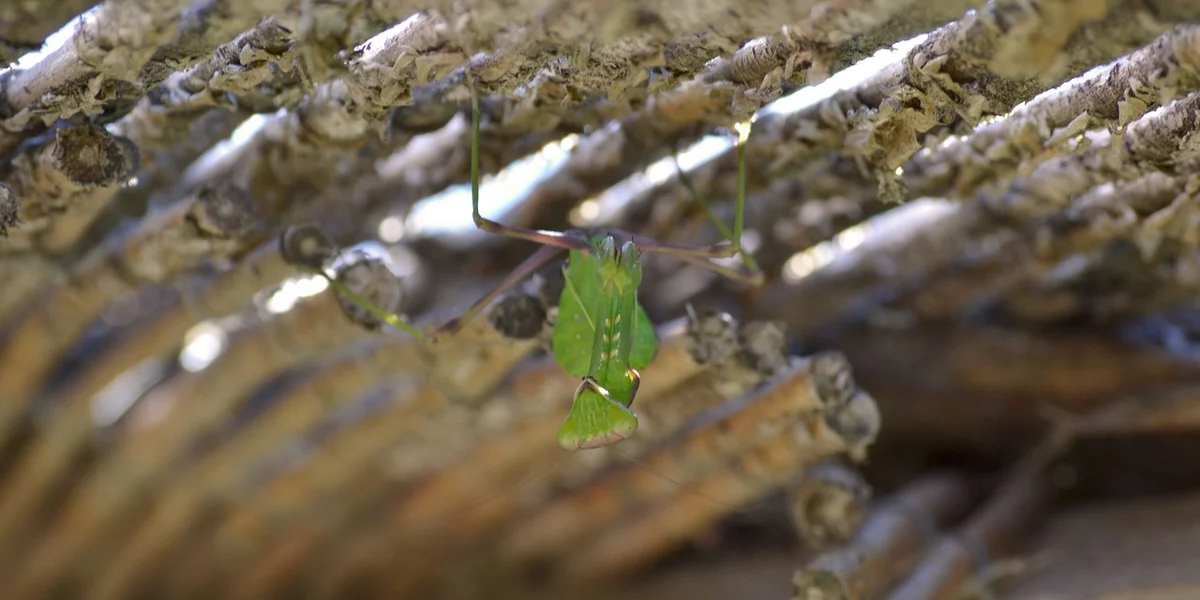
Moving your mantis can feel daunting, but a calm, methodical approach keeps everyone safe and settled.
Gathering your supplies ahead of time prevents last-minute scrambles that could startle your mantis. You will need the new enclosure fully set up, a soft artist’s brush or a clean makeup brush, and a small container like a deli cup if direct handling feels too risky. If you’ll be away, plan your mantis habitat for vacation by ensuring the enclosure remains escape-proof and humidity is stable. Arrange a trusted sitter to check in on feeding and environmental conditions while you’re gone.
Preparing the Enclosures
Before you even approach your mantis, ensure both habitats are ready for the switch.
A well-prepared new home mimics the familiar comforts your mantis relies on for security. Add fresh substrate, arrange perches at varying heights, and lightly mist the walls to create a humid, inviting environment. For more tips, learn how to create a naturalistic and safe habitat for your praying mantis.
Keep the old and new enclosures close together to shorten the travel distance and reduce exposure. We always place them side by side on a stable surface, which makes the transition feel less abrupt.
Approaching and Handling Your Mantis
Move slowly and deliberately to avoid triggering a stress response.
Gentle, predictable movements help your mantis perceive you as a non-threat rather than a predator. Open the old enclosure carefully, and allow your mantis a moment to observe you-many will tilt their heads curiously, much like my Ghost Mantis, Luna, does when she’s assessing a situation.
- Use a soft brush to coax your mantis onto your hand or the brush itself. Stroke its back legs lightly if it’s hesitant.
- If it climbs onto you, support its body fully and keep your movements fluid and steady.
- Transfer it directly to a preferred perch in the new enclosure, avoiding any sudden drops or shakes.
Always let the mantis move at its own pace-forcing the process can lead to bolting or defensive postures. For particularly skittish individuals, try using a small container as a “transfer tunnel” between enclosures.
Post-Transfer Adjustments
Once your mantis is in its new space, give it time to acclimate without disturbance.
A quiet, dimly lit room for the first few hours helps your mantis settle into its fresh surroundings. Avoid common mistakes when setting up your mantis habitat, such as overhandling the enclosure or exposing it to sudden temperature changes. Resist the urge to check on it constantly; instead, observe from a distance to see if it begins exploring its perches.
Lightly mist the enclosure again if the air feels dry, as humidity can have a soothing effect on recently moved mantises. My Giant Asian Mantis, Moss, often drinks droplets right after a transfer, which seems to calm him down.
Handling Challenges and Calming Techniques
Even with careful planning, you might encounter a stressed or uncooperative mantis.
Recognizing early signs of stress allows you to adjust your approach before the situation escalates. Look for rapid antennae twitching, frantic climbing, or that distinctive defensive pose with forearms raised.
Common Transfer Challenges
Each mantis has its own personality, and some transfers are trickier than others.
- Refusal to move: A mantis might cling stubbornly to its perch. Gently nudging its abdomen with a brush can encourage stepping forward.
- Aggressive posturing: If it strikes or flares its wings, back off immediately. Wait a few minutes before trying again with slower movements.
- Bolting or falling: Keep a soft surface below the workspace. My Orchid Mantis, Sprig, once made a leap for freedom, but a towel-covered table saved the day.
Staying patient is your greatest tool when faced with resistance-rushing only heightens anxiety for both of you. If your mantis remains highly agitated, consider postponing the transfer for a calmer time, like early evening when they’re naturally less active.
Effective Calming Methods
Simple adjustments to the environment and your technique can soothe a nervous mantis.
Dimming the lights in the room mimics the gentle dusk hours when mantises feel most secure. We often use a small desk lamp with a warm bulb pointed away from the enclosure to reduce glare.
- Speak in a soft, steady voice-your mantis may not understand words, but calm tones can have a reassuring effect.
- Use a hand warmer wrapped in a cloth beneath the enclosure to provide subtle, comforting warmth during cooler transfers.
- Offer a light misting post-move; the sound and feel of water droplets can distract and relax a stressed individual.
Remember that each mantis is unique, so observe what works best for yours and adapt your methods accordingly. With practice, you will develop a rhythm that makes future transfers smooth and stress-free.
Post-Transfer Care and Observation
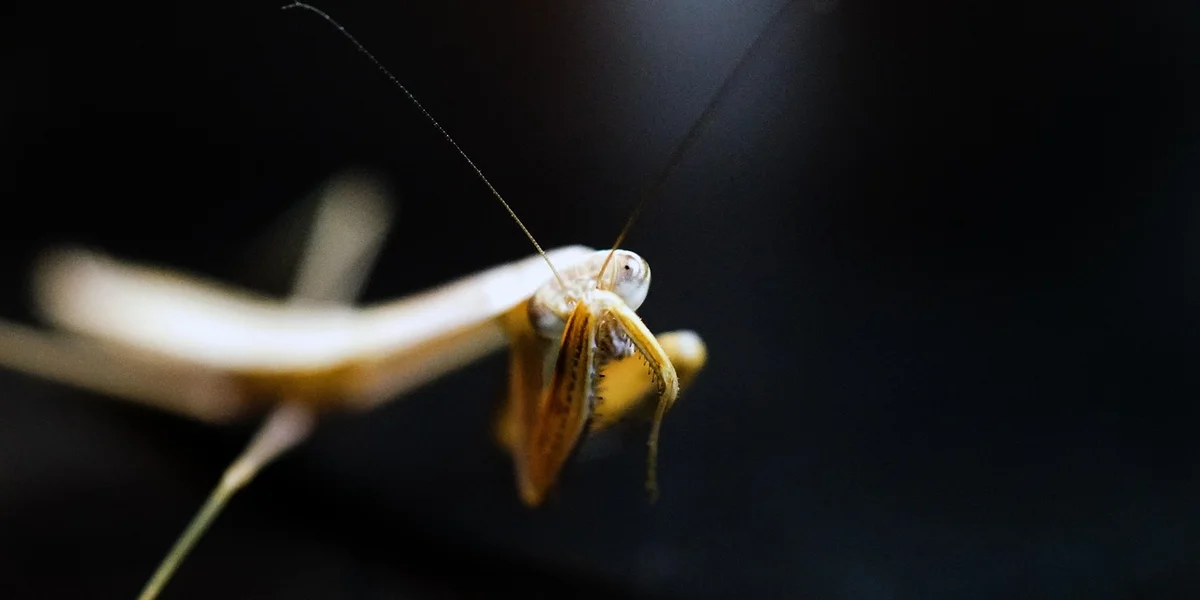
Once your mantis is in its new home, give it a moment to breathe and reorient itself. We always watch for those first gentle movements, like a slow tilt of the head or a careful leg stretch, which signal they’re starting to feel secure again.
Keep the enclosure in a calm, low-traffic spot to minimize disturbances. Avoid sudden noises or bright lights, as these can startle a mantis still settling in from the move. Also, make sure you choose an enclosure that’s suitable for your specific mantis species.
Key Behaviors to Monitor
Pay close attention to how your mantis acts over the next few hours. Healthy signs include perching steadily, grooming their antennae, or showing curiosity about their surroundings. Learn more about what to look for in a healthy praying mantis.
- Look for normal posture: a relaxed stance with legs tucked comfortably, not splayed or trembling.
- Check if they accept food; offer a small, live prey item like a fruit fly and see if they strike.
- Note any hiding or clinging to the top-this might mean they need more cover or time alone.
With our Ghost Mantis, Luna, we noticed she’d often freeze for a bit after transfers, but a soft misting helped her relax and start exploring. Gentle humidity boosts can ease stress, mimicking the dew-kissed leaves they’d find in nature.
Addressing Common Post-Transfer Issues
If your mantis seems overly jumpy or refuses to eat, don’t panic. Sometimes, a bit of patience is all that’s needed—they might just be acclimating to new scents and sights or stressed in their habitat.
- Ensure the temperature stays consistent; sudden drops can make them sluggish.
- Mist the enclosure lightly to maintain humidity, which soothes their delicate exoskeleton.
- Provide a familiar object, like a branch from their old setup, to offer comfort.
We’ve seen Moss, our Giant Asian Mantis, bounce back quickly when we kept his routine steady. Sticking to a regular feeding and misting schedule helps rebuild their confidence after a move.
Preventing Stress in Future Transfers
Learning from each transfer makes the next one smoother for both you and your mantis. We’ve found that planning ahead reduces fumbles and keeps the experience calm for everyone involved.
Start by preparing the new enclosure days in advance. Set up the plants, perches, and humidity levels so it feels like a ready-made home, not a blank slate.
Smart Handling Techniques
Use tools that feel natural and non-threatening to your mantis. A soft paintbrush or a clear plastic container can guide them without the need for direct contact.
- Choose a time when your mantis is calm, like after they’ve eaten or during a quiet part of the day.
- Move slowly and predictably; sudden gestures can trigger a stress response.
- Practice with short, positive interactions to build trust over time.
With Sprig, our Orchid Mantis, we learned that transfers during her active periods led to less resistance. Observing their daily rhythms helps you pick moments when they’re most receptive to change.
Enclosure Setup Tips for Easy Moves
Design your setups with future transfers in mind. Opt for enclosures with wide openings or removable lids to simplify access without crowding your mantis. Plan a graduated enclosure system that scales from nymphs to adults, moving them to progressively larger enclosures as they grow. This approach reduces stress during transfers and supports healthier development.
- Include multiple perches at different heights to give them options during the move.
- Use lightweight, easy-to-clean materials that won’t shift unexpectedly.
- Keep a “transfer kit” handy with a brush, container, and misting bottle for quick readiness.
We always double-check that everything is secure before starting. A well-prepared space means less last-minute scrambling, which keeps the energy peaceful and controlled.
Questions from Fellow Mantis Friends
How often is it safe to transfer my mantis to a new enclosure?
Transfer your mantis only when necessary, such as for cleaning or upgrading its habitat, to minimize stress. Aim for infrequent moves, ideally spacing them out by several months or when the enclosure is outgrown.
What precautions should I take if my mantis is preparing to molt during a transfer?
Avoid moving a mantis that is showing pre-molt signs, like reduced appetite or clinging tightly, as this can interrupt the process and lead to injury. If a transfer is urgent, wait until after molting when the exoskeleton has fully hardened to ensure safety.
Are there any signs that indicate a transfer was successful and stress-free?
Look for your mantis resuming normal behaviors, such as hunting or grooming, within a day of the move. A calm posture and curiosity about its surroundings also suggest a smooth adjustment to the new enclosure.
A Gentle Farewell to Mantis Moving
Always guide your mantis with a soft brush into a small container, moving slowly to keep stress low. Prepare the new enclosure with proper humidity and perches beforehand, so your pet settles in comfortably. For a breeding setup, you can refer to this guide and plan a larger enclosure with varied perches and safe egg-laying sites. Maintain stable humidity and temperature to support mating and ootheca development.
We believe responsible mantis care means committing to ongoing learning about their unique needs. Keep observing and reading up on pet mantis care, and you’ll build a trusting bond that helps your little friend flourish.
Further Reading & Sources
- Enclosures and Housing: The Basics | Mantid Forum – Mantis Pet & Breeding Forum
- How to Care for your Praying Mantis Pets | PanTerra Pets
- Enclosures – mantis monarch
- r/mantids on Reddit: Can you keep multiple mantids next to each other?
Rowan Hale is a lifelong insect enthusiast who fell in love with mantises for their calm presence, alien elegance, and surprising personalities. After years of keeping and raising a variety of species, Rowan shares practical tips, creative insights, and real-world experience to help others enjoy the quiet magic of mantis care. From setting up the perfect enclosure to understanding their subtle behaviors, Rowan invites readers into a gentle, curious world where every tiny movement feels like a discovery.
Preventative Care