
9 Common Nymph Rearing Mistakes That Lead to High Mortality
Published on: January 13, 2026 | Last Updated: January 13, 2026
Written By: Rowan Hale
Hello there, mantis friend. Have you ever watched a tiny nymph, no bigger than a thumbnail, and felt a wave of protectiveness? These miniature marvels are both resilient and remarkably fragile.
Most nymph mortality is caused by a handful of preventable husbandry errors, not bad luck or weak insects.
Raising them successfully means navigating a world of subtle needs, where a slight miscalculation can have serious consequences. We’ve distilled the core lessons into a few key points:
- Humidity and hydration are a delicate, life-sustaining dance.
- Their first meals are critical for building strength.
- A safe enclosure prevents more tragedies than you might think.
Avoiding Transfer Trauma and Escape Risks
Moving nymphs from their egg sac to their first home requires a gentle touch to prevent shock. We always prepare the enclosure in advance to create a safe, welcoming space that mimics their natural habitat. This reduces the risk of sudden changes that can startle these delicate creatures.
- Set up the enclosure beforehand with proper ventilation, humidity levels, and soft perches like twigs or fake plants.
- Use gentle tools such as a soft paintbrush or a small piece of paper to guide nymphs without direct contact.
- Watch for stress cues like frantic climbing or freezing in place, which indicate it’s time to slow down and reassess.
Nymphs can slip away in an instant if you’re not careful. I recall when Moss, our Giant Asian Mantis, once leaped onto a curtain during a transfer, and we used a moistened brush to gently steer him back. Keeping a small catch cup nearby helps quickly contain any escapees without harm.
Managing Crowding and Territorial Stress
High population density in a small enclosure often sparks fights as nymphs compete for space and food. Crowding amplifies their instinct to defend territory, leading to nipped limbs or worse. This stress can slow their growth and increase mortality rates.
Signs of aggression include missing legs, constant hiding, or one nymph persistently chasing others. If you notice these behaviors, it’s a clear sign the group needs more room or separation. Early intervention prevents injuries and ensures healthier development.
We recommend housing no more than five nymphs in a container the size of a large jar until their first molt. Separate them into individual enclosures by the third instar stage to minimize territorial disputes and support independent growth. This approach has helped our mantises like Sprig thrive without unnecessary conflict. This mirrors a graduated enclosure system for growing mantis nymphs, with space increasing at each instar. By transitioning nymphs to progressively larger enclosures, you support healthier development and easier care.
Balancing Temperature, Humidity, and Ventilation
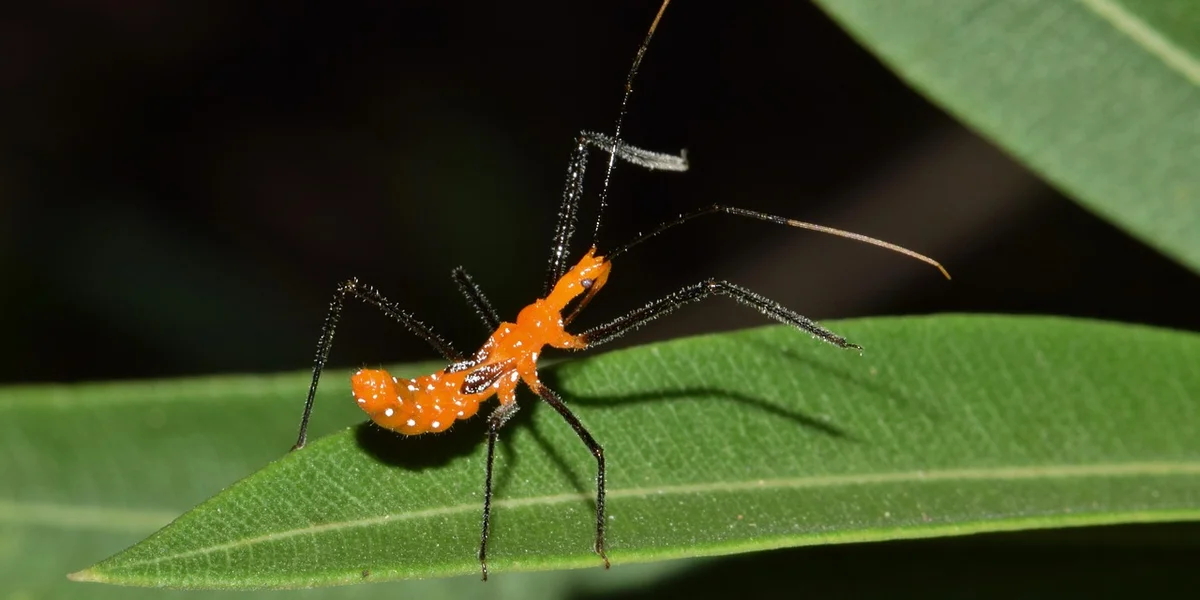
Getting the environment just right feels a bit like tending a miniature greenhouse-too much or too little of any element can throw everything off balance. We’ve noticed that nymphs thrive best when their home mimics the gentle, stable conditions of a warm, damp forest floor.
- Extreme heat speeds up their metabolism, often leading to rushed, incomplete molts where skin tears or limbs get stuck.
- Cold temperatures slow their growth dramatically, making molts risky and sometimes fatal as they struggle to shed old skin.
- Optimal ranges vary by species, but most nymphs do well between 22-28°C for temperature and 50-70% humidity-check your mantis type for specifics.
- Boost airflow with a mesh lid or small computer fan on low to prevent mold without drying out the enclosure too much.
Getting Temperature Right for Growth
Steady warmth encourages nymphs to develop at a calm, predictable pace, much like how sunlight coaxes seedlings to unfurl. Keeping temperatures consistent helps avoid the stress that disrupts their delicate molting cycles.
- Use a low-wattage heat mat placed beside the enclosure, not underneath, to provide gentle, even warmth.
- Household items like a warm water bottle wrapped in a towel can offer temporary heat if placed near the habitat.
Mastering Humidity for Successful Molts
Dry air turns their soft, pliable skin brittle, making it cling stubbornly during molts-imagine trying to peel off a tight, dried-on glove. A light daily misting keeps the air moist enough for smooth skin shedding, especially before a molt.
- Spray the enclosure walls and plants with lukewarm water once or twice a day, aiming for fine droplets that don’t drench the nymph.
- Check humidity with a cheap hygrometer or simply watch for light condensation on the glass-it should bead slightly, not pool.
Ensuring Clean Airflow to Cut Disease Risk
Stale, stagnant air lets harmful bacteria and fungi settle in, turning a safe space into a breeding ground for illness. Good ventilation sweeps away excess moisture and keeps the air fresh, reducing the chance of respiratory issues.
- Add extra ventilation holes near the top of plastic containers using a heated needle or small drill bit.
- Balance dampness and airflow by misting less frequently if you notice mold, or adding a breathable cloth cover for extra air exchange.
Feeding for Health: Diet and Frequency
Feeding your nymph is more art than science—it’s about reading their cues and offering just enough to fuel growth without overwhelming them. We’ve learned that a well-timed meal can mean the difference between a vigorous hunter and a sluggish, struggling mantis. To tell if your mantis is hungry or full, watch its hunting interest. A hungry mantis will actively stalk and strike at prey, while a full one may ignore food or stop feeding with a visibly rounded abdomen.
- Underfeeding leaves nymphs weak and prone to cannibalism, while overfeeding can cause obesity and molting difficulties.
- Suitable prey sizes: first instar nymphs take fruit flies, later stages handle small crickets or houseflies, always choosing prey no larger than their head.
- Feed every 2-3 days for young nymphs, tapering to once weekly as they near adulthood, and watch for eager hunting postures as hunger signs.
Choosing Nutritious Prey Items
Live foods like fruit flies and pinhead crickets pack the protein nymphs need, but some options can do more harm than good. Stick to gut-loaded, pesticide-free insects to ensure your mantis gets a balanced diet without hidden toxins.
- Fruit flies are ideal for tiny nymphs, while small crickets work for larger ones-avoid fireflies or wild-caught bugs that may carry pesticides.
- Oversized prey can injure or intimidate nymphs, leading to refusal to eat or even physical harm during attacks.
Setting a Smart Feeding Rhythm
Young nymphs burn energy quickly and need frequent meals, but as they grow, their appetite slows to match their development. Adjust feeding based on their activity level-a hungry nymph will actively stalk prey, while a full one ignores it.
- Feed L1 to L3 nymphs every other day, L4 and older every 3-4 days, reducing frequency if their abdomen looks rounded and taut.
- Signs of overfeeding include lethargy and a distended belly, while starving nymphs may wander constantly or nibble at enclosure walls.
Creating a Safe and Clean Enclosure
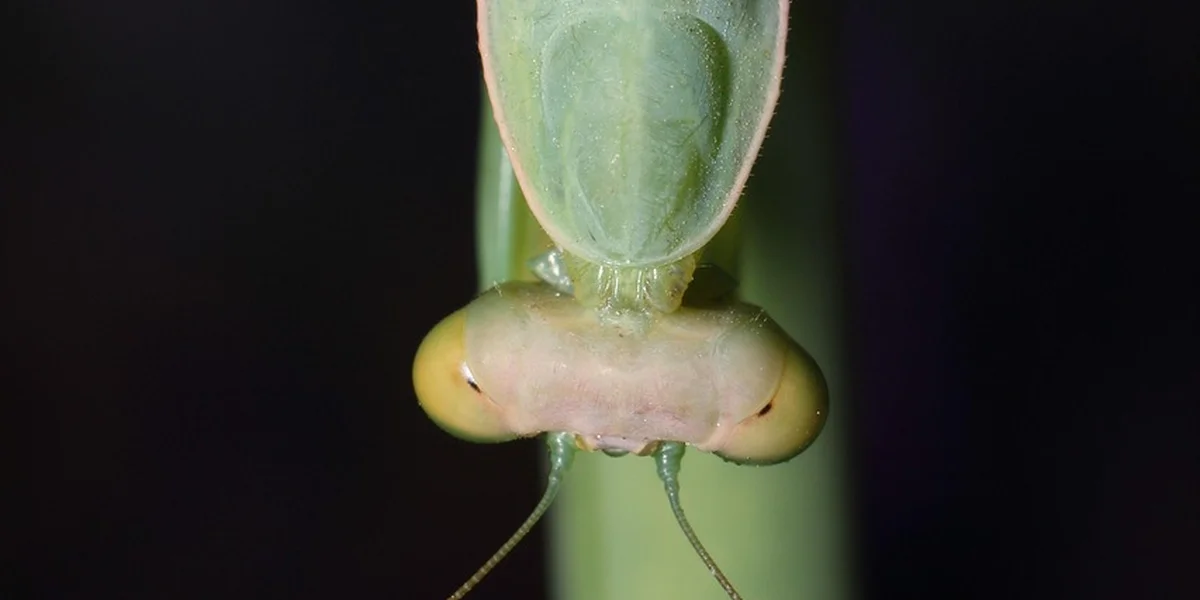
A clean tank is your first line of defence against illnesses that can swiftly overwhelm young mantises. Regular cleaning prevents mould and harmful bacteria from taking hold in the warm, humid environment nymphs thrive in. In addition, monitor and maintain the right temperature and humidity, since mantis nymphs need stable warmth and adequate moisture to molt and grow. Too dry or too damp conditions can stress them and affect development.
We recommend soft, absorbent substrates like paper towels or coconut fibre that are gentle on delicate feet and easy to replace. Choosing the right substrate reduces the risk of injury and makes post-molt clean-up a breeze. Stay tuned for a quick substrate showdown—coconut fibre vs sphagnum moss vs paper towel—to see which best protects delicate feet. We’ll compare absorbency, moisture control, and cleanup ease to help you decide.
Sanitize the enclosure every one to two weeks by removing all items, wiping surfaces with a mild vinegar solution, and rinsing thoroughly with warm water. A clean, well-maintained praying mantis habitat is essential for a healthy praying mantis. This routine keeps the habitat fresh without using harsh chemicals that could leave residues harmful to your mantis.
Picking Substrate and Furniture Wisely
Rough or abrasive surfaces can snag a nymph’s tender skin during molting, leading to fatal tears or deformities. Avoid any decor with sharp edges that might catch on their fragile exoskeletons.
Offer molting aids such as thin twigs, soft mesh, or sturdy artificial plants for secure hanging spots. These simple additions give nymphs the confidence to molt upright, which is crucial for a successful shed.
Keeping Water and Surfaces Spotless
Water quality matters immensely-use dechlorinated or distilled water to maintain a stable pH and avoid shocking their systems. Clean, fresh water supports hydration and prevents the buildup of contaminants that stress nymphs.
For busy keepers, a quick daily routine involves wiping down surfaces with a damp cloth and removing any uneaten prey or debris. Spot cleaning takes just minutes but dramatically cuts down on disease risks between deep cleans.
Supporting Lifecycle Transitions and Reducing Stress
Molting is a high-stakes event where nymphs are immobile and extremely vulnerable to falls or disturbances. Raise humidity levels slightly before a molt and ensure they have a secure, vertical grip to hang from. The most common molting problems can be prevented with proper preparation. Keep humidity steady and provide a stable, vertical anchor during molts.
Light cycles influence feeding and activity-aim for 12 hours of light and 12 of darkness to mimic natural rhythms. Consistent lighting helps nymphs feel secure and supports healthy development through each growth stage.
Handle nymphs as little as possible, and when you do, use a soft brush or let them walk onto your hand voluntarily. Gentle, infrequent handling minimises stress and prevents accidental injuries from sudden movements.
Common Mantis Queries
How can I recognize when my mantis nymph is preparing to molt?
Watch for a lack of interest in food and the nymph clinging motionless to a high spot. Its abdomen may appear swollen, and the exoskeleton can look dull or cloudy before shedding.
What should I do if my nymph consistently refuses to eat its prey?
First, check that the prey size is appropriate and try offering a different type of live insect. When deciding between feeder insects like fruit flies, houseflies, or nymphs, consider your animal’s size and nutritional needs. Fruit flies are tiny and easy for small pets, while houseflies or nymphs provide larger options. Ensure the enclosure conditions are stable, as stress from incorrect temperature or humidity can suppress appetite.
Is it beneficial to introduce live plants into my nymph’s enclosure?
Live plants can help maintain humidity and provide natural perches, but they must be non-toxic and free of pesticides. Monitor for mold growth and ensure the plants do not overcrowd the space or hinder ventilation.
Your Mantis Nymphs Thrive With Gentle Guidance
By sidestepping pitfalls like overcrowded enclosures and inconsistent feeding schedules, you give your young mantises the best start in life. Being aware of the common mistakes to avoid when setting up your first mantis habitat helps you apply these tips from day one. Small, daily observations and a stable habitat are your most powerful tools for reducing nymph losses.
We encourage every keeper to embrace the role of a lifelong learner, always refining techniques as your mantis grows. Your commitment to gentle, informed care ensures these delicate creatures live full, vibrant lives under your watch (especially when it comes to careful handling and understanding their behavior).
Further Reading & Sources
- Fly Fishing Nymphs Nymphing No-Nos | MidCurrent
- r/flyfishing on Reddit: Nymphing Advice
- r/flyfishing on Reddit: Nymphing tips and tricks?
- 9 Killer Nymphing Tips For Beginners – Fly Fishing Fix
Rowan Hale is a lifelong insect enthusiast who fell in love with mantises for their calm presence, alien elegance, and surprising personalities. After years of keeping and raising a variety of species, Rowan shares practical tips, creative insights, and real-world experience to help others enjoy the quiet magic of mantis care. From setting up the perfect enclosure to understanding their subtle behaviors, Rowan invites readers into a gentle, curious world where every tiny movement feels like a discovery.
Preventative Care