
Praying Mantis Ownership Laws and Permits: A Complete Guide
Published on: January 6, 2026 | Last Updated: January 6, 2026
Written By: Rowan Hale
Hello there, fellow mantis friend. You’ve likely been enchanted by their graceful poses and patient hunting style, imagining one of these remarkable insects perched quietly in your home.
Whether you need a permit to own a praying mantis depends entirely on your location, the specific mantis species you want to keep, and how you plan to acquire it.
It’s a surprisingly complex topic, with regulations differing between countries, states, and even cities. Navigating these rules can feel daunting, but we’re here to help you understand the landscape.
Your key takeaways from this guide will be:
- The common reasons behind mantis ownership regulations.
- How to check the legal status of a species in your area.
- The critical importance of permits for protected and non-native species.
- What you need to know about the legalities of shipping mantises.
Understanding General Legality of Pet Mantis Ownership
In most parts of the United States and many other countries like the United Kingdom and Canada, keeping a praying mantis as a pet is generally allowed without much fuss. We find that these fascinating insects often fall under low-risk categories, making them a welcoming choice for new hobbyists. If you’re wondering whether mantises are good pets, this explainer explains the pros and cons. This can help you decide if a mantis fits your lifestyle.
- Misconception: All insects require special permits or are banned outright.
- Misconception: Pet mantises can be released into the wild without ecological impact.
- Misconception: Laws are the same everywhere, so no need to double-check locally.
Pet mantis legality frequently hinges on state, county, or even city regulations rather than broad national rules. This layered approach means a species permitted in one area might face restrictions just a short drive away.
State-by-State Mantis Ownership Laws
Laws can shift like the seasons, so we always recommend confirming with your local wildlife agency for the most current details. A quick call or online search can save you from unexpected hurdles down the road.
| State | Legality Status | Key Points |
|---|---|---|
| California | Restricted | Permits needed for certain species; check specific lists. |
| Florida | Moderate | Exotic pet permits may apply; some natives allowed freely. |
| Maine | Generally Permissive | Few restrictions; focus on ethical collection practices. |
California
- Possession of non-native mantis species often requires a permit from the Department of Fish and Wildlife.
- Native species like the California Mantis are usually exempt, but always verify current regulations.
Florida
- Exotic pet permits are mandatory for many non-native mantis varieties to prevent ecological disruptions.
- Common species such as the Chinese Mantis might be allowed with proper documentation and adherence to state guidelines.
Maine
- Laws tend to be lenient, with no specific bans on mantis ownership or breeding for personal use.
- Collecting mantises from the wild is permitted in most cases, provided it’s done responsibly and without harming local populations.
Permits and Documentation for Mantis Keepers
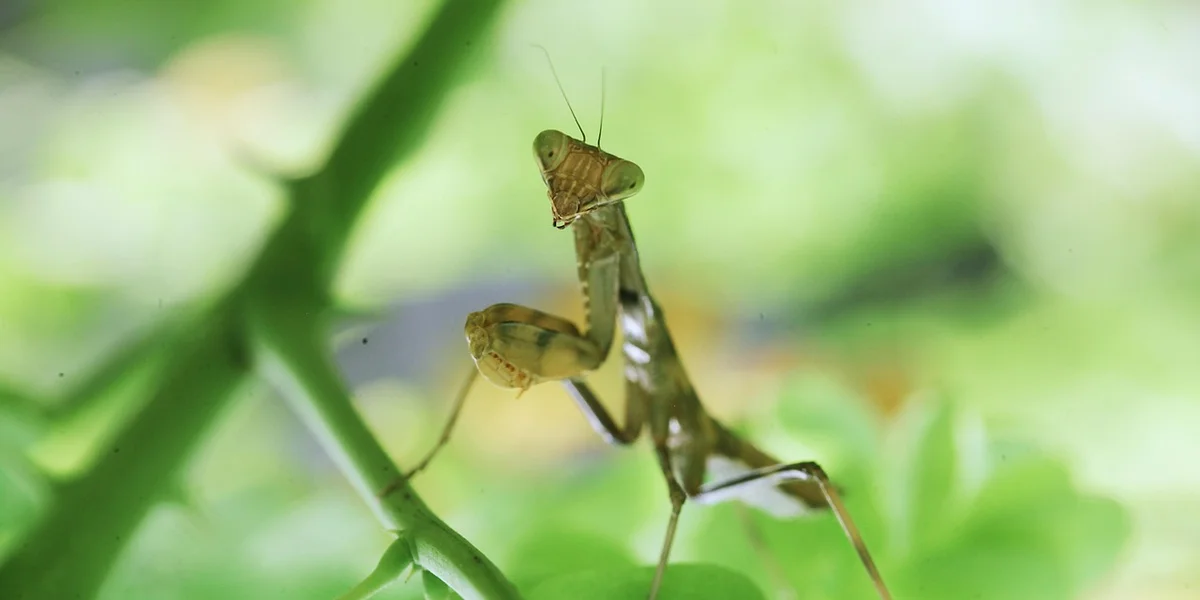
Owning a praying mantis often feels like tending a quiet, living garden, but some species come with legal strings attached. Permits are typically required for mantises listed as endangered, threatened, or regulated under wildlife protection laws to prevent illegal trade and support conservation. We’ll walk you through the process with clear, step-by-step advice to keep your hobby both joyful and lawful. If you ever encounter a protected or endangered mantis, do not handle it or disturb its habitat. Instead, leave it undisturbed and contact your local wildlife authority or a licensed rehabilitator for guidance.
- Permits are needed for species protected by international agreements like CITES or local endangered species acts.
- Step-by-step guidance helps you navigate application steps, from research to submission.
- Common permit types include import, breeding, and exhibition licenses, each with specific compliance needs like annual renewals or habitat checks.
Step 1: Identify If Your Mantis Species Requires a Permit
Start by gently researching your mantis’s conservation status, much like I did with Moss, my Giant Asian Mantis, to ensure his vibrant green presence was legally welcomed. Check official lists such as CITES Appendices or your country’s wildlife agency database to see if your species is protected. This first step saves you from unexpected legal tangles and keeps your mantis care on solid ground.
- Guide readers to consult online resources like the IUCN Red List or government wildlife departments for up-to-date status information.
- Look for species-specific notes on trade restrictions or special handling requirements.
Step 2: Gather Necessary Documentation
Once you know a permit is needed, gather your papers with the same care you’d use to prepare a fresh enclosure. Common documents include proof of legal acquisition, such as purchase receipts or breeder certificates, along with identification and enclosure details. Having these ready streamlines your application and shows you’re a responsible keeper.
- List of typical papers: sales invoices, import permits if applicable, and photos of your setup for verification.
- Keep records organized in a folder, much like a mantis molting log, for easy access during inspections or renewals.
Step 3: Submit Your Application
Submitting your application is the final stretch, where attention to detail pays off. Double-check all forms for accuracy, include clear photos of your mantis and habitat, and follow submission guidelines precisely to avoid delays. I’ve found that a neat, complete application moves through review faster, letting you focus on your mantis’s well-being.
- Tips for smooth processing: use certified mail for physical submissions, keep digital copies, and note application reference numbers.
- Be patient during review periods; agencies often process permits in order of receipt, so plan ahead for species with seasonal availability.
Species-Specific Regulations and Restrictions
Mantis ownership laws can vary as widely as the species themselves, from the delicate orchid mantis to the hardy ghost mantis. Regulations often hinge on a species’ rarity, origin, and potential impact on local ecosystems, so it’s vital to research before bringing one home. This section highlights key considerations to help you choose a mantis that fits both your heart and the law.
- Laws differ by species; for instance, orchid mantises may face stricter controls due to their popularity and conservation concerns.
- Commonly regulated species include the Orchid Mantis (Hymenopus coronatus) and some African or Asian varieties, often requiring permits for trade or breeding.
- Breeding legality varies; some species can be bred freely, while others need special licenses to prevent overharvesting or ecological disruption.
When I cared for Sprig, my juvenile Orchid Mantis, I learned that her pink-and-white beauty came with extra paperwork to ensure she wasn’t sourced from wild populations. Always verify breeding and sale sources to support ethical practices and avoid legal pitfalls. A little research upfront keeps your mantis-keeping experience peaceful and compliant.
Legal Acquisition: Buying and Importing Mantises
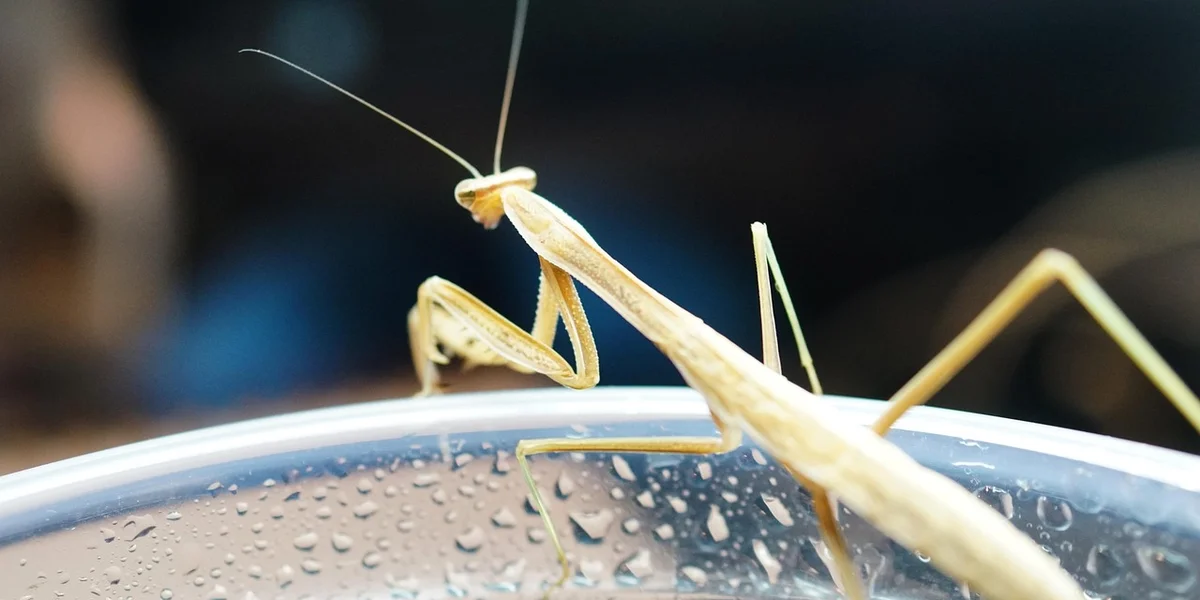
Finding a new mantis companion is exciting, but knowing where to look keeps everything above board. Your first step should always be reputable domestic sources to sidestep complex international paperwork. Many dedicated breeders sell online through specialist forums and websites, often shipping nymphs safely in insulated containers. For those planning to ship or receive mantises, a trusted packers guide helps ensure safe handling for both nymphs and adults. Following these guidelines with reputable breeders helps ensure healthy arrivals and compliance with local regulations.
Local exotic pet stores sometimes carry common species like the Chinese or European mantis. Always ask for the breeder’s information to verify the mantis was captive-bred, not wild-caught.
Import Permits and International Laws
Bringing a mantis from another country involves multiple government agencies. You will typically need permits from both the export country and your own national import authority, such as the USDA or DEFRA. These agencies check that the species is not protected or invasive. Once these permissions are in place, plan for safe, controlled breeding of male and female mantises in a secure enclosure. This approach helps ensure healthy offspring while preventing escapes and any risk to local ecosystems.
The process can take weeks and may require health certificates. Some countries completely ban the import of live insects to protect their local ecosystems.
Commerce Legality and Ethical Sourcing
Legal commerce hinges on the specific mantis species and its conservation status. Purchasing a mantis listed under CITES (the Convention on International Trade in Endangered Species) is illegal without special documentation. Always cross-reference the species name with current regulations.
Ethical sourcing means choosing captive-bred individuals from breeders who prioritize animal welfare. This practice supports healthy mantises and sustainable hobbyism, unlike taking them from the wild which can harm local populations. We found our Ghost Mantis, Luna, through a small-scale breeder who provided detailed care notes.
Traveling with Your Mantis: What You Need to Know
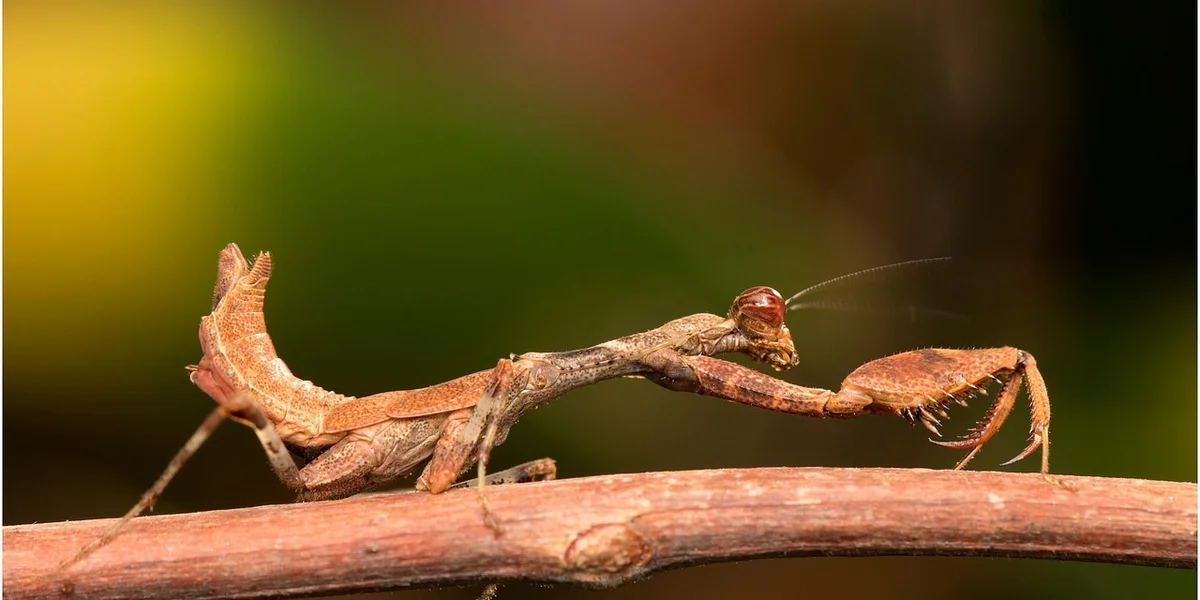
Planning a move or a long trip? Transporting your mantis requires foresight. Laws for moving mantises vary wildly, with some states and countries treating them as agricultural pests. Crossing a border without checking first could lead to your pet being confiscated. Learn how to travel safely with a pet praying mantis.
For interstate travel in the U.S., you must research the destination state’s department of agriculture regulations. Hawaii, for instance, has extremely strict biosecurity laws.
International Travel Considerations
Taking your mantis abroad is a significant undertaking. Many airlines will not accept live insects in cabin baggage, and cargo hold conditions are often fatal for delicate invertebrates. You must secure import permits from the destination country well in advance, a process that can be more complex than for initial acquisition.
Some keepers opt for a trusted pet-sitter instead of subjecting their mantis to the stress and legal hurdles of international travel.
Your Travel Checklist
Before any journey, run through this list to ensure a safe, legal trip for your mantis.
- Verify all state, national, and airline regulations for live insect transport.
- Secure a small, ventilated, and escape-proof travel container.
- Pack a copy of any required permits or purchase receipts.
- Include a fresh source of hydration, like a lightly misted piece of sponge.
- Plan for temperature control, avoiding direct sun or cold drafts.
- Do not feed immediately before travel to minimize waste.
A little preparation ensures your green friend, like our curious Moss, stays safe and sound throughout the journey. Keep all documentation handy in case officials have questions. Remember, the responsibility for legal possession rests entirely with you, the keeper.
Breeding and Selling Mantises Legally
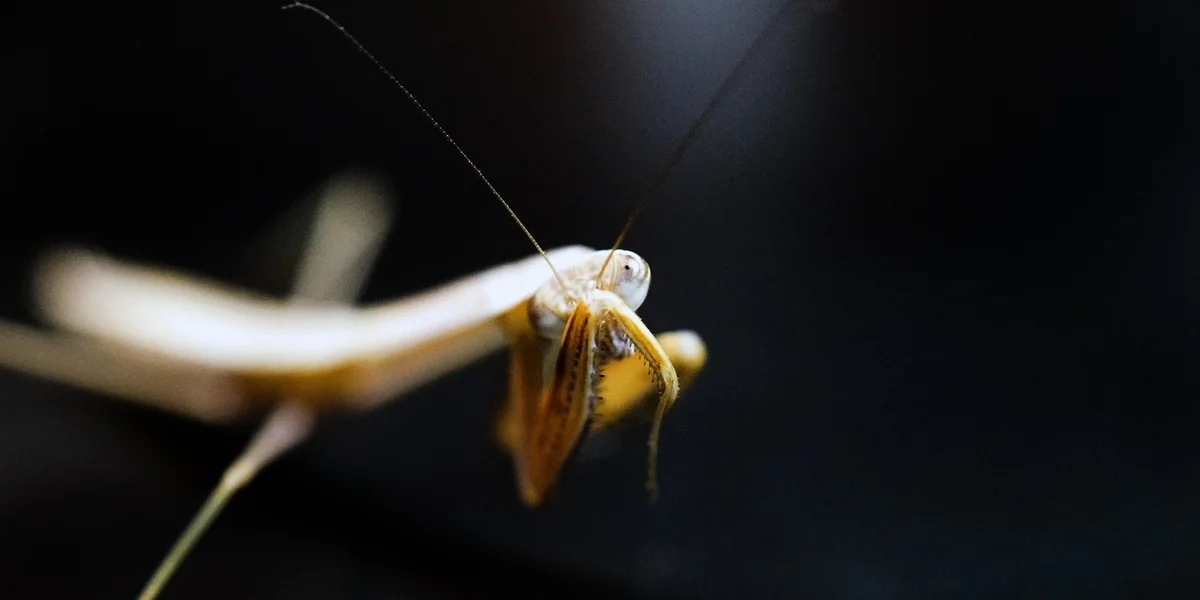
Breeding mantises can feel like a natural next step for passionate keepers, but it introduces a new layer of legal responsibility. Moving from hobbyist to breeder often means shifting from simple pet ownership regulations into the more complex world of wildlife commerce. The rules change depending on whether you’re giving away a few oothecae to friends or setting up a formal business. To do this well, many keepers turn to a reliable step-by-step guide on breeding mantis species that covers selection, mating, incubation, and care. Such a guide helps translate legal responsibilities into practical, ethical actions.
Understanding the Required Permits
The permits you’ll need depend entirely on your location and the scale of your operation. A casual hobbyist sharing offspring locally faces very different requirements than someone shipping mantises across state lines.
- Local Business Licenses: Most cities and counties require a basic business license if you’re selling any goods or services for profit.
- State Wildlife Vendor Permits: Many states classify the sale of certain invertebrates, including mantises, as a regulated activity. This often applies even to native species.
- USDA Permits: If you plan to ship mantises across state lines or internationally, a permit from the United States Department of Agriculture is frequently mandatory. They regulate the movement of potential plant pests.
- Special Commercial Breeder Licenses: Some states have specific licenses for those commercially propagating and selling wildlife, even if the species is not native.
Always check with your state’s department of fish and wildlife or agriculture first, as their definitions of “regulated species” can be surprisingly broad. We learned this the hard way when a routine inquiry revealed our state considered even common mantis species as requiring a vendor permit for sale.
How Commerce Laws Affect Small-Scale Keepers
You might not think of yourself as a business, but the law often does once money changes hands. This affects small-scale enthusiasts in several key ways.
- The “Casual Sale” Trap: Selling just a few nymphs on an online forum can still be considered commercial activity, triggering permit requirements you may not know exist.
- Online Marketplace Scrutiny: Platforms like eBay or specialized reptile sites are increasingly enforcing proof of permits for live animal sales.
- Liability Concerns: Breeding and selling without proper permits can void any insurance you have and leave you personally liable if issues arise.
- Impact on the Hobby: Unpermitted sales can lead to tighter restrictions for everyone, as authorities struggle to regulate an uncontrolled market.
Even a small-scale operation needs to treat its paperwork with the same care as its mantis enclosures to avoid unexpected legal complications. The quiet joy of watching a new generation hatch comes with the soft rustle of necessary permits.
Steps to Ensure Full Legal Compliance
Staying on the right side of the law is simpler when you follow a clear, methodical process. Think of it as setting up the perfect habitat for your new venture.
- Identify Your Governing Agencies: Make a list of all relevant bodies. This typically includes your city/county clerk, state wildlife agency, and the USDA APHIS unit.
- Request Specific Guidance in Writing: Contact each agency via email or formal letter. Describe your exact plans-species, scale, and sales method. Keep their responses for your records.
- Apply for Permits Sequentially: Some permits depend on others. Often, you’ll need your state permit before the USDA will process an application for interstate commerce.
- Check Your Local Zoning: If breeding at home, ensure your residential zoning allows for a small-scale animal breeding business. Some neighborhoods have restrictions.
- Implement Rigorous Record-Keeping: Maintain detailed logs of all breeding pairs, egg cases laid, nymphs hatched, and every individual sold or given away. This is your first line of defense in an audit.
- Review Laws Annually: Wildlife and commerce regulations can change. Set a calendar reminder to check for updates each year before your main breeding season begins.
Meticulous record-keeping is the cornerstone of compliant breeding, transforming a potential legal headache into a simple matter of organized habit. It’s the same attentive care you already give your mantises, applied to the paperwork that keeps your passion sustainable.
Common Mantis Queries
What penalties might I face for non-compliance with mantis ownership laws?
Penalties can include fines, confiscation of your mantis, or legal action depending on local regulations. Always adhere to permit requirements to avoid these consequences and protect both your pet and local ecosystems.
Do I need any documentation for domestic travel with my pet mantis?
For travel within your country, check state or provincial laws, as some areas may require permits or proof of legal acquisition. Carry relevant documents and use a secure travel container to ensure a smooth, lawful journey.
What is the proper way to rehome a mantis if I can no longer keep it?
Never release a mantis into the wild; instead, contact reputable breeders, pet stores, or online mantis communities for ethical rehoming. This prevents ecological harm and ensures your mantis finds a safe, caring new home. Ethical line breeding and selective breeding for mantises should prioritize genetic diversity and animal welfare. Keep transparent lineage records to support responsible decisions.
Your Path to Responsible Mantis Care
Always start by checking your local and national wildlife laws before welcoming a mantis into your home. Securing the correct permits ensures your pet stays safe and legal, preventing any unexpected disruptions to their peaceful life. Next, create a naturalistic, safe habitat for your praying mantis with a suitable enclosure, ventilation, and plants or decor that offer hiding spots. This setup helps mimic their wild environment and keeps them comfortable.
Owning a mantis is a rewarding journey that extends beyond paperwork to daily care and observation. Uncovering the truth behind common mantis myths can guide your care decisions. We encourage you to keep exploring mantis care tips and habits, as ongoing learning helps you provide the best possible home for your unique companion.
Further Reading & Sources
- U.S. Mantis Permit info | Mantid Forum – Mantis Pet & Breeding Forum
- Are mantis protected by laws. | Chameleon Forums
- Is it illegal to kill a praying mantis? Does PA have ‘murder hornets’? 3 summer bug facts to know | Home & Garden | lancasteronline.com
- r/mantids on Reddit: Mantid Owning in the us. Is it Illegal? Sort of
Rowan Hale is a lifelong insect enthusiast who fell in love with mantises for their calm presence, alien elegance, and surprising personalities. After years of keeping and raising a variety of species, Rowan shares practical tips, creative insights, and real-world experience to help others enjoy the quiet magic of mantis care. From setting up the perfect enclosure to understanding their subtle behaviors, Rowan invites readers into a gentle, curious world where every tiny movement feels like a discovery.
First-Time Mantis Owners