
Raising Praying Mantis Hatchlings: A Day-by-Day Guide
Published on: January 1, 2026 | Last Updated: January 1, 2026
Written By: Rowan Hale
Hello, fellow mantis friend. Do you remember the first time you saw a praying mantis ootheca begin to hatch? That quiet rustle, the sudden appearance of dozens of miniature, thread-like creatures, each a perfect, tiny replica of their parents. It’s a moment of pure magic, quickly followed by a pressing question: what happens now?
Raising praying mantis hatchlings from L1 nymph to their first molt is a delicate, day-by-day process that revolves around proper housing, humidity, and the right-sized food.
While the journey is incredibly rewarding, those first fragile days can feel daunting. Your L1 nymphs are at their most vulnerable, and the care they receive now sets the foundation for their entire lives.
This guide will walk you through the critical first stages:
- Setting up the perfect nursery enclosure for maximum survival rates.
- Mastering the art of feeding creatures smaller than a pinhead.
- Recognizing the subtle signs that your nymph is preparing to molt.
- Providing the precise humidity levels needed for a successful first shed.
Welcoming Your Tiny Hatchlings: First Steps with L1 Nymphs
L1 nymphs are the first stage after hatching, appearing as miniature versions of adult mantises but with an almost ethereal delicacy. Their tiny bodies are so fragile that a gentle breeze or rough handling could harm them, so we approach their care with a soft, steady hand from the very start. Over the first 30 days, their survival hinges on daily, gentle care and precise feeding. This is the core focus of the first 30 days: your mantis nymph complete survival guide.
Key characteristics help you understand their needs right away:
- Size: They measure just 5-10 millimetres, often no bigger than a grain of rice, making them easy to miss if you are not looking closely.
- Behavior: L1 nymphs move slowly and may stay perfectly still for hours, much like Luna who would perch with a thoughtful tilt before making her first strike.
- Initial Care Needs: They require a calm, stable environment with minimal disturbance and might not eat for up to 48 hours as they settle in.
Gather these essential supplies to give your hatchlings a strong start:
- A small, ventilated enclosure such as a clean deli cup or small plastic terrarium with a secure lid.
- A fine mist sprayer for gentle hydration that mimics morning dew without overwhelming them.
- Live food like flightless fruit flies or pinhead crickets, which are small enough for easy catching.
- Soft climbing surfaces such as thin twigs, fake plants, or mesh netting to encourage natural perching.
- A small hygrometer and thermometer to monitor humidity and temperature accurately.
Building a Safe Hatchling Home: Habitat Setup and Microclimate
-
Choose an appropriate enclosure size and type. Opt for a small, clear container like a 500ml plastic cup or miniature terrarium that allows easy viewing and prevents escapes. We have found that a snug space reduces stress and helps nymphs feel secure, just as Moss thrived in his first modest home.
-
Add safe substrates and climbing surfaces. Line the bottom with a damp paper towel or coconut fibre to hold moisture and include slender branches or plastic foliage for perching and molting. This setup mimics their natural habitat and supports healthy development from day one.
-
Regulate temperature and humidity levels. Maintain a temperature of 22-26°C using a low-wattage heat mat and keep humidity around 60-70% with light misting once or twice daily. Consistent conditions prevent dehydration and support smooth molting, which we have seen with Sprig in her early stages.
-
Ensure proper ventilation and lighting. Provide adequate air flow through small mesh vents to avoid mold and use indirect natural light or a soft LED to prevent overheating. Good ventilation keeps the environment fresh and reduces the risk of respiratory issues.
Your Daily Nymph Care Routine: A Step-by-Step Schedule
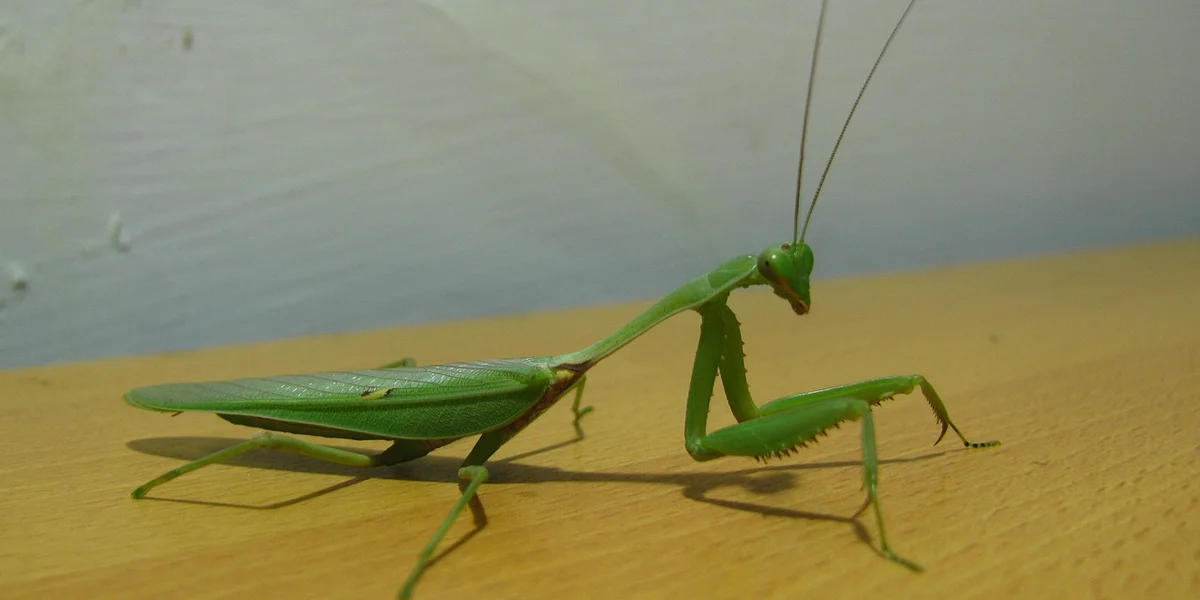
Establishing a gentle daily rhythm helps your L1 nymphs feel secure and supports their rapid growth. We find that a consistent morning-to-evening schedule reduces stress and mimics the natural cycles they’d experience in the wild. Start each day with quiet observation and end with a calming check-in, much like tending to a miniature garden.
Here is a sample routine we follow with our own nymphs, from dawn to dusk.
- Morning (7-9 AM): Gently mist the enclosure walls and any leaves to provide hydration droplets.
- Midday (12-2 PM): Offer live prey if it’s a feeding day, and observe nymph activity levels.
- Evening (6-8 PM): Perform a light health check and one final, soft misting if the air feels dry.
Your nymphs’ needs will shift slightly each day during their first week. This day-by-day table helps you adapt your care as they settle in and begin to explore. We’ve noted how our Ghost Mantis, Luna, often rests more on Day 1 but grows bolder by Day 3.
| Day | Morning Focus | Afternoon Focus | Evening Focus |
|---|---|---|---|
| 1 | Light misting; allow nymphs to acclimate without disturbance. | No feeding; simply observe for normal movement and perch selection. | Check that all nymphs are securely perched and not stuck. |
| 2 | Mist lightly; watch for nymphs drinking water droplets. | Introduce a few small fruit flies; remove uneaten prey after 1 hour. | Look for any signs of successful feeding or stress. |
| 3 | Increase misting slightly if the enclosure feels dry. | Offer prey again; note which nymphs are hunting actively. | Inspect for early molting postures, like hanging still from a branch. |
| 4 | Mist as needed; some nymphs may start avoiding direct spray. | Feed; consider adding a second prey item if all are eaten quickly. | Check enclosure temperature and humidity with a quick gauge reading. |
| 5 | Light misting; observe for any sluggish behavior that might signal an upcoming molt. | Feed; remove any leftover prey to keep the habitat clean. | Gently note nymph size increases and overall vigor. |
| 6 | Mist thoroughly if humidity is low; nymphs need moisture for skin softening. | Feed; watch for hunting strikes-our Moss often practices on tiny flies. | Health check: ensure no nymphs are lying on the enclosure floor. |
| 7 | Mist lightly; this is often a rest day as energy stores build for growth. | Optional light feeding; some nymphs may refuse food before molting. | Final observation; record any changes in color or behavior for the week. |
Adjust this schedule based on your nymphs’ individual responses and your local room conditions. Keeping a simple journal of their daily habits can reveal patterns that make care feel intuitive over time.
Feeding Your Growing Nymphs: Prey Sizes and Schedules
Feeding L1 nymphs requires attention to prey size and frequency to fuel their development without overwhelming them. We always choose live prey that is smaller than the nymph’s head to prevent injury and ensure easy capture. The soft buzz of fruit flies or the tiny hop of springtails becomes a familiar sound in a well-tended mantis nursery, especially when feeding baby mantis nymphs.
Start with these suitable live prey options for young nymphs.
- Flightless fruit flies (Drosophila melanogaster): Ideal for their size and slow movement.
- Springtails: Excellent for very small nymphs and help clean up leftover food.
- Pinhead crickets: Use sparingly and only if they are truly tiny, as some can be aggressive.
- Small aphids: A natural choice if you have a pesticide-free source from your garden.
Feed your nymphs every day or every other day, depending on their appetite and growth rate. As they mature, you can space out feedings to every two or three days, watching for a plump abdomen as a sign they are well-fed. Our Orchid Mantis, Sprig, often hunts eagerly one day and then fasts the next, teaching us to read her cues rather than stick rigidly to a calendar. Keep in mind that a complete feeding schedule isn’t one-size-fits-all; tailor it to the species and developmental stage. Use cues like hunting activity and abdomen fullness to adjust how often you feed.
Follow these steps to adjust feeding as your nymphs grow.
- Begin with daily offerings of 1-2 small prey items per nymph for the first week.
- If all prey is consumed quickly, gradually increase to 2-3 items per feeding after Day 5.
- Reduce frequency to every other day once nymphs show consistent hunting success and a rounded abdomen.
- After the first molt, introduce slightly larger prey like house flies or small crickets, always size-matched.
Gut-loading your prey with nutritious foods before feeding ensures your nymphs get vital nutrients. We gut-load fruit flies with a mix of mashed banana and commercial fly food for about 24 hours before offering them. This simple step boosts the vitamin and mineral content your nymphs need for strong exoskeletons and healthy molts. In the ultimate guide to gut loading feeder insects for mantises, we cover species- and stage-specific tips. This helps ensure your mantises get the right nutrients for smooth molts and steady growth.
Hydration is just as critical as food for growing nymphs. Light misting provides drinking water and helps maintain the humidity that supports smooth skin shedding. Avoid over-misting, which can lead to mold; instead, aim for a fine spray that leaves delicate beads on leaves and walls for nymphs to sip at their leisure.
Watching Them Grow: Monitoring Development and Milestones
-
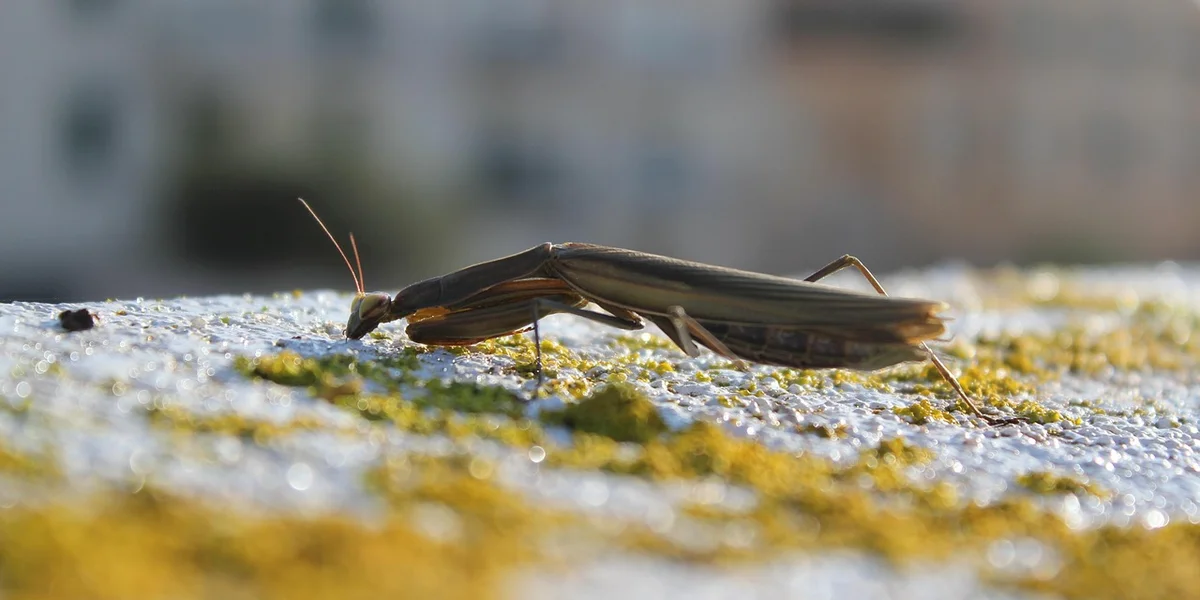
Track molting signs and frequency by watching for subtle cues like reduced movement and a duller exoskeleton. Your mantis may stop eating and hang upside down for hours, preparing to shed. We check our nymphs daily, noting how often molts occur-typically every 1-2 weeks for L1s-to ensure they’re on a healthy growth path. For more on the signs, check here. With Luna, our Ghost Mantis, we’d see her cling to a leaf, her body still as a whispered secret before the skin splits open.
-
Observe behavior changes and growth spurts by noting shifts in activity and appetite. After a molt, your hatchling might become more curious and hungry, exploring its space with renewed energy. A sudden burst of movement or increased feeding often means a growth spurt is underway, so adjust food portions gently to match their needs. Moss, our Giant Asian Mantis, would zip across branches after molting, his emerald body gleaming under the light.
-
Note any color or size variations by comparing your mantis over time, as some species shift hues with each molt. You might see a nymph’s pale brown deepen to vibrant green or notice its length increase visibly. Keeping a simple log with dates and photos helps you spot these tiny transformations, turning care into a quiet, observant ritual. Sprig, our Orchid Mantis, blossomed from soft pink to pearly white, each change a delicate surprise.
Troubleshooting Common Hatchling Challenges
-
Identify issues like refusal to eat or difficult molts by watching for telltale signs such as lethargy or incomplete shedding. A hatchling that ignores food might be stressed or nearing a molt, while one struggling to shed could face low humidity. Early detection lets you step in calmly, preventing small worries from growing into bigger problems. We’ve seen nymphs pause eating for a day or two before molting, a natural pause in their busy lives.
-
Offer practical solutions for each problem by adjusting their environment or routine. For refusal to eat, try offering smaller, live prey like fruit flies or gently warming the enclosure. If a molt seems stuck, a light misting boosts humidity, helping the skin slide off like a soft sigh. Always handle with care, using a soft brush to guide them if needed, and keep the space quiet to reduce stress.
-
Include a quick-reference list of symptoms and fixes in this handy table for easy scanning.
Symptom Possible Cause Quick Fix Refusal to eat Pre-molt stage or stress Wait 1-2 days, offer tiny prey, check temperature Difficult molt Low humidity or lack of grip Mist enclosure lightly, add rough branches for support Lethargy or weakness Dehydration or low energy Provide a shallow water dish or offer honey-water on a cotton swab Frequent falls Slippery surfaces or poor health Add textured perches, ensure stable climbing spots This table gives you a clear starting point, so you can respond with confidence and keep your tiny friend thriving.
Gentle Interaction: Handling and Enrichment for Nymphs
-
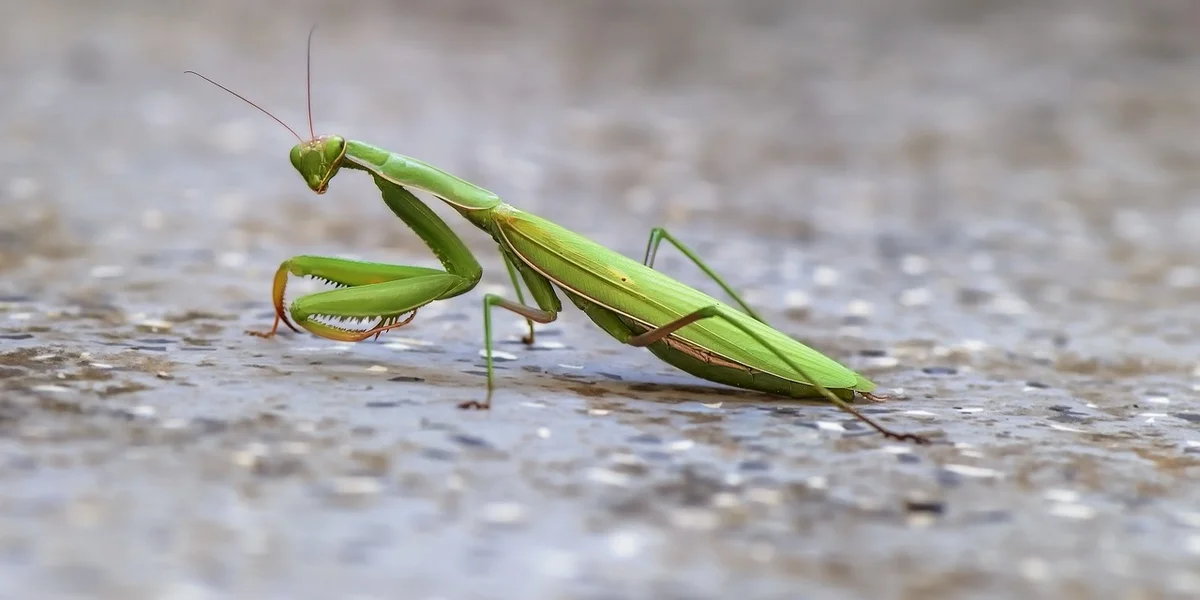
Wait until your nymph is calm and settled before attempting any handling, ideally a day or two after a successful molt when they feel secure.
Use a soft artist’s brush or your clean, dry finger to gently coax them onto a stable surface, moving slowly to avoid startling them.
Handling them for just a minute or two every few days helps build trust without overwhelming their tiny senses.
-
Add small, safe elements like twigs, dried leaves, or silk flowers to their enclosure to encourage natural climbing and exploration.
Vary feeding methods by occasionally placing prey on different surfaces, which mimics hunting in the wild and keeps their instincts sharp. This can be especially useful for an indoor pet mantis.
Simple changes, like rotating decor weekly, prevent boredom and promote healthy activity in your nymph’s daily routine.
-
Watch for stress signs such as rapid back-and-forth movements, refusal to eat, or darkening colors, which signal it’s time to back off.
If you notice any discomfort, reduce handling immediately and ensure their habitat has plenty of hiding spots for quick retreats.
Adjusting your approach based on their behavior ensures your nymph stays content and thrives in your care. When it comes to feeder insects, weighing fruit flies versus houseflies helps tailor the diet to your nymph’s size and needs. Fruit flies suit small nymphs well, while houseflies offer larger meals for bigger nymphs.
Keeping Your Nymph Diaries: Logs and Journal Tips
-
Maintaining a care journal lets you spot patterns in growth, feeding, and molting, making it easier to anticipate your nymph’s needs over time.
Recording daily observations helps you catch small changes early, ensuring your mantis gets consistent, attentive care. Keeping a mantis journal helps you track health trends over time. It makes it easier to spot issues early and adjust care to keep your mantis thriving.
-
Use a simple template with sections for date, feeding details, behavior notes, and molt dates to keep track of everything in one place.
For example, note what prey was offered, how much was eaten, and any unusual activity like restlessness or color shifts.
A clear log system turns random notes into a valuable resource for understanding your nymph’s unique habits.
-
Review your journal entries monthly to identify trends, such as how often molts occur or which foods they prefer, and adjust care plans accordingly.
Apply these insights to refine feeding schedules, habitat setups, or handling frequency for better long-term health.
Your notes become a personal guide that grows with your mantis, helping you provide tailored support through each life stage.
Questions from Fellow Mantis Friends
How frequently should I clean the nursery enclosure for L1 nymphs?
Clean the enclosure once a week to prevent mold and bacteria buildup. Remove any dead prey or waste promptly to maintain a healthy environment.
What steps can I take if my nymph refuses to eat for more than two days?
Ensure the temperature and humidity are optimal, as stress or improper conditions can reduce appetite. Try offering different prey types or a drop of honey-water to stimulate feeding.
Is it safe to house multiple L1 nymphs together in the same container?
It’s generally not recommended, as nymphs may cannibalize each other if food is scarce. Provide individual enclosures to ensure each hatchling has access to food and space.
Your Mantis Care Journey Ahead
Daily misting and offering tiny, live prey like fruit flies keep your hatchlings hydrated and nourished. Observing their behavior and molting patterns helps you catch any issues early and adjust their care gently, especially considering barometric pressure’s role in molting and hatching.
Responsible mantis ownership means creating a safe, enriching environment that mimics their natural habitat. A naturalistic, safe habitat for your praying mantis supports healthy behavior and reduces stress. Designing the enclosure to reflect their wild environment helps promote well-being. We invite you to keep learning through resources and fellow keepers, as every mantis teaches us something new about their quiet world.
Further Reading & Sources
- How to Raise Baby Praying Mantis’ : 6 Steps – Instructables
- How to Take Care of your Praying Mantis Egg Case
- Praying Mantis Eggs: What Do Praying Mantis Egg Sacs Look Like | Gardening Know How
- How to Rear Hatchling & Baby Praying Mantis | Keeping Exotic Pets
Rowan Hale is a lifelong insect enthusiast who fell in love with mantises for their calm presence, alien elegance, and surprising personalities. After years of keeping and raising a variety of species, Rowan shares practical tips, creative insights, and real-world experience to help others enjoy the quiet magic of mantis care. From setting up the perfect enclosure to understanding their subtle behaviors, Rowan invites readers into a gentle, curious world where every tiny movement feels like a discovery.
First-Time Mantis Owners