
Flower Mantises vs. Leaf Mantises: Care Comparison
Published on: December 28, 2025 | Last Updated: December 28, 2025
Written By: Rowan Hale
Hello there, fellow mantis friend. Imagine a living jewel, a creature of petals and thorns that moves with the slow, deliberate grace of a falling leaf. This is the world of the flower and leaf mantises, nature’s most exquisite insect impersonators.
While both types of mantises share a need for warmth, humidity, and live prey, their care diverges dramatically in enclosure setup, handling tolerance, and the precision required to maintain their delicate camouflage.
Choosing between a flower mantis and a leaf mantis isn’t just about picking a colour; it’s about committing to a specific kind of micro-world. To help you decide, here are the core differences we’ll explore.
- Habitat design: Recreating a floral bouquet versus a leafy thicket.
- Feeding strategies: The bold ambush versus the patient hide-and-seek.
- Handling and temperament: Which mantis might tolerate a gentle finger-perch.
Meet the Mantises: Flower vs Leaf
Flower mantises, like the stunning orchid mantis, dazzle with soft pinks, creamy whites, and delicate petal-like extensions on their legs and bodies. Their camouflage isn’t just about hiding-it’s an active lure, transforming them into living blossoms that tempt pollinators within striking range. Color plays a crucial role in this camouflage, helping them blend with blossoms and even tempt pollinators. In the wild, this color-mimicry can boost survival by reducing detection while increasing ambush opportunities. My own Sprig, an orchid mantis juvenile, perches with such grace that even I sometimes mistake her for a tiny flower unfurling in the morning light.
Leaf mantises, such as the dead leaf species, wear muted browns, tans, and subtle greens, with bodies shaped like crumpled, weathered leaves. They master stillness, often hanging upside down or blending into leaf litter, moving only when necessary to avoid detection. This cryptic behavior is a crucial part of their survival strategy throughout their lifecycle, making them experts at ambush and relying on patience rather than vibrant displays.
| Common Species | Origin | Popularity in Keeping |
|---|---|---|
| Orchid Mantis (Hymenopus coronatus) | Southeast Asia | High – prized for beauty and unique appearance |
| Ghost Mantis (Phyllocrania paradoxa) | Africa, Madagascar | Moderate – favoured for ease and leaf-like form |
| Dead Leaf Mantis (Deroplatys desiccata) | Southeast Asia | Moderate – popular among enthusiasts for realism |
| Jeweled Flower Mantis (Creobroter gemmatus) | Asia | Low to Moderate – less common but striking |
Their mimicry shapes every aspect of care, from enclosure height to humidity levels. Flower mimics thrive in vertical spaces that mimic flowering plants, while leaf dwellers need ground-level complexity to feel secure and hidden. We see this in how Sprig eagerly climbs tall stems, whilst a leaf mantis like Willow prefers to nestle among dried foliage on the enclosure floor.
Creating the Ideal Enclosure
Flower Mantis Terrarium Setup
- Choose a tall enclosure with ample vertical space for climbing and flowering plants. This mimics their natural habitat and supports their perching instincts.
- Select a substrate that holds humidity well, such as coconut fiber or sphagnum moss. These materials help maintain the moist environment flower mantises adore.
- Add slender branches and artificial flowers for perching and habitat mimicry. From experience, Sprig spends hours poised on silk blossoms, waiting patiently for prey.
- Ensure proper ventilation with screened lids to prevent mold while keeping moisture consistent. Good airflow stops stagnation without drying out the terrarium.
Leaf Mantis Terrarium Setup
- Opt for a wider enclosure with generous horizontal space and a leaf litter substrate. This layout encourages natural foraging and hiding behaviors.
- Use dried leaves, bark pieces, and twigs to replicate forest floor environments. Willow, my dead leaf mantis, vanishes into this setup, her form blending seamlessly with the debris.
- Focus on ground cover and multiple hiding spots to support their cryptic behavior. Leaf mantises feel safest when they can disappear into the scenery.
- Balance ventilation with humidity retention to preserve their leaf-like camouflage. Too much dryness can make them more visible, disrupting their stealthy nature.
Climate Control: Temperature and Humidity
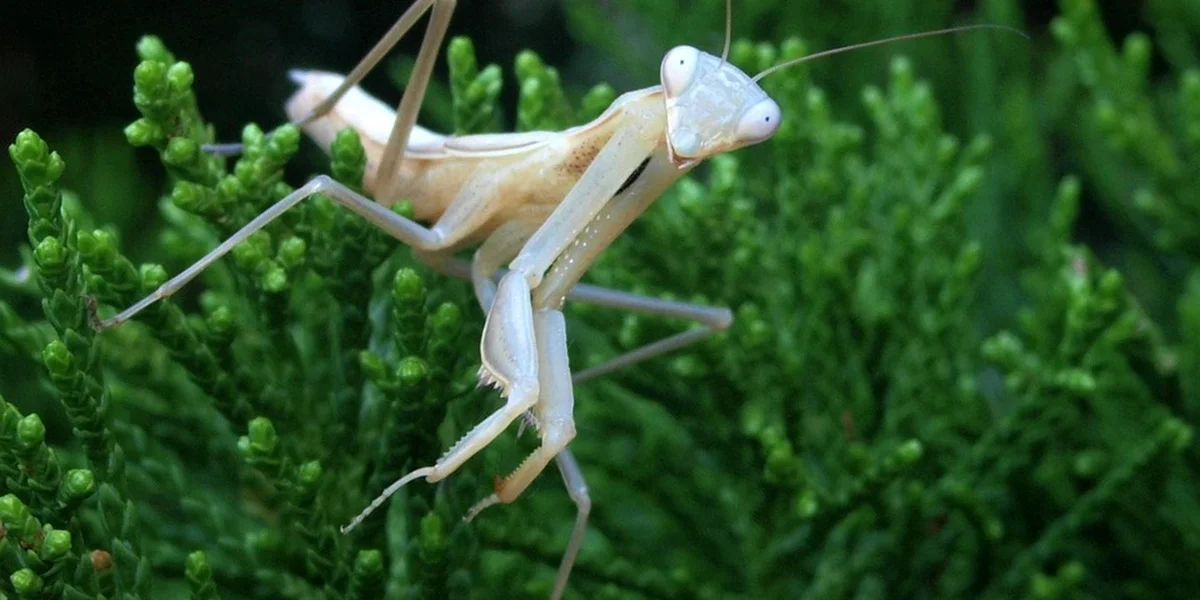
Keeping your mantis comfortable starts with mimicking their natural habitat’s climate. We find that flower mantises, like my Orchid Mantis Sprig, crave steady warmth around 75-85°F, while leaf mantises such as Luna adapt well to slight nightly dips between 70-80°F. Stability matters most for flower types, as sudden changes can stress them. Different species also have different humidity needs, so matching both temperature and humidity ranges is key to their well-being.
- Flower mantises thrive in humid environments, needing 60-80% humidity with daily misting to support their delicate forms. Leaf mantises are more forgiving, comfortable at 50-70% with misting every other day to prevent mold.
- Neither species requires UVB lighting, but a natural day-night cycle from indirect sunlight or a gentle lamp encourages healthy activity. Avoid direct sun to prevent overheating.
- A simple spray bottle with lukewarm water works wonders for quick humidity boosts, especially in drier rooms. Spritz the enclosure walls and plants to create a dewy, refreshing atmosphere without drenching your mantis.
Feeding Time: Diet and Hydration
Prey Insects for Flower Mantises
- Offer small, flying insects like fruit flies for nymphs and petite crickets for adults to match their agile hunting style. This variety keeps them engaged and mimics wild feeding habits.
- Rotating prey types, such as adding occasional moths or flies, prevents dietary boredom and supports overall health. My Sprig perks up when she spots a new fluttery treat in her tank.
Prey Insects for Leaf Mantises
- Ground-dwelling options like small roaches or crickets suit leaf mantises, who often ambush from perches closer to the enclosure floor. Choose prey that moves at a slower pace to trigger their natural strikes.
- Always match prey size to your mantis’s life stage-nymphs need tiny morsels, while adults handle larger insects without risk. Luna, my Ghost Mantis, confidently tackles prey up to her own size when she’s hungry.
Hydration Practices
- Mist enclosures regularly, aiming for daily for flower mantises and every other day for leaf types, to maintain ideal humidity without over-saturation. Watch for water droplets on leaves where they can sip easily.
- Observe your mantis drinking from leaves or enclosure surfaces to ensure they’re hydrated, but avoid creating puddles that could lead to respiratory issues. A gentle mist in the morning mimics natural dew and encourages drinking behavior.
Behavior and Handling Insights
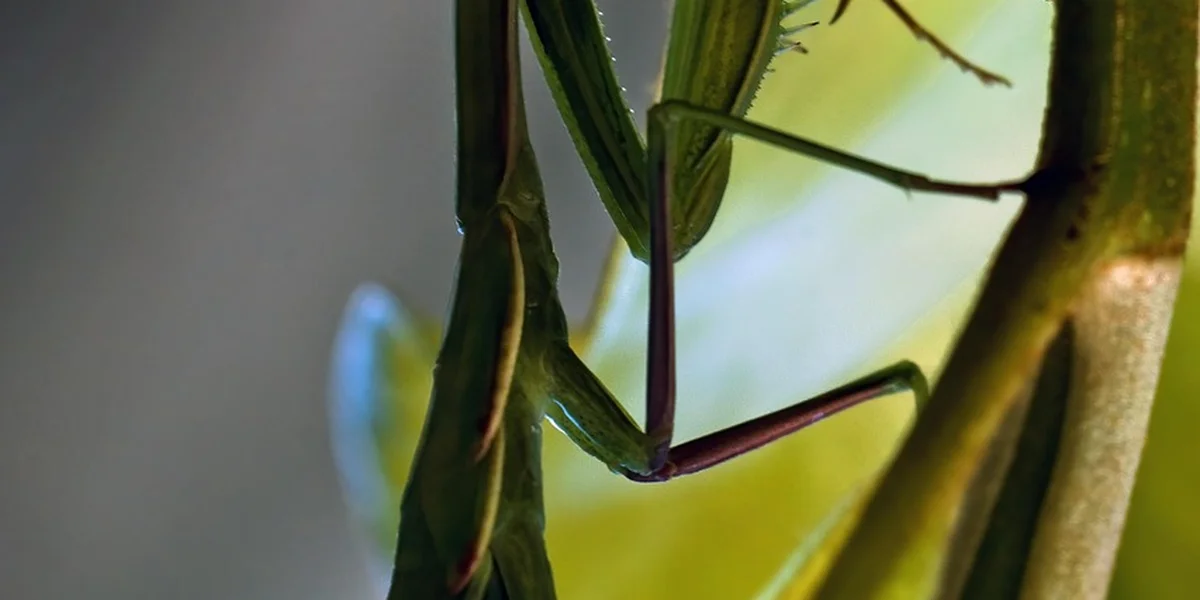
Flower mantises, like our delicate Sprig the Orchid Mantis, often display a more fragile temperament compared to the sturdier leaf mantises such as Luna the Ghost Mantis. Their slender builds and intricate petal-like appendages make them less suited for frequent handling, as they can startle easily and prefer to observe from a safe perch. These contrasts highlight the unique characteristics that make praying mantises so special. Their floral camouflage and swift predatory strikes exemplify what makes them so captivating. Leaf mantises tend to be more resilient, with Luna calmly tilting her head before a slow, deliberate movement that shows her comfort in her surroundings.
Typical behaviors include stealthy hunting where they remain motionless for hours, then strike with lightning speed when prey wanders close. You might notice flower mantises blending into blossoms with an almost floral stillness, while leaf mantises mimic foliage rustles with subtle sways. They hunt across different depths in the vegetation—from low stems to mid-height leaves. Their hunting behavior at each depth is marked by patient stillness, followed by a rapid strike when prey is within reach. Both types respond to environmental shifts—like a drop in temperature or sudden light—by adjusting their posture or retreating to shaded spots, so keeping their habitat stable is key to their calm.
- Approach your mantis slowly from the front, allowing it to see your hand to avoid surprises.
- Gently coax it onto a clean, dry finger or soft brush, supporting its body without squeezing.
- Limit handling to short sessions of just a few minutes, and always in a secure, enclosed space.
- Watch for signs of stress, such as rapid leg movements or attempts to flee, and return the mantis to its home immediately.
We find that handling leaf mantises like Moss the Giant Asian is often smoother, as his curious nature makes him more tolerant of brief interactions. Always prioritize the mantis’s comfort over your curiosity to build trust and reduce stress over time.
Life Stages and Molting Care
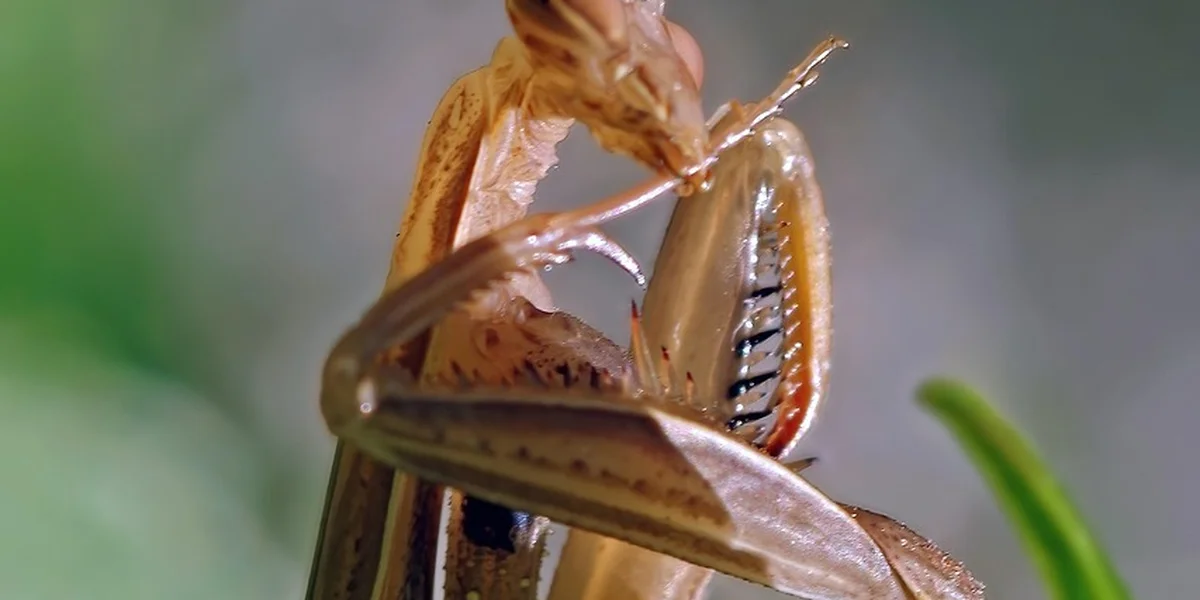
From tiny nymphs to graceful adults, flower and leaf mantises follow similar life cycles but at different paces-flower species may mature slightly faster, molting every few weeks, whilst leaf types like Luna take their time with longer intervals between sheds. Nymphs start as miniature versions of adults, growing through several instars where each molt reveals more detail in their camouflage patterns. By the final molt, they reach adulthood, with flower mantises often showcasing vibrant colours and leaf mantises perfecting their earthy disguises.
Supporting molting requires a humidity boost—mist the enclosure lightly with warm water to create a moist, gentle atmosphere that softens the old exoskeleton. Ensure the habitat has sturdy vertical surfaces, like twigs or mesh, for the mantis to hang upside-down safely during this vulnerable time. Creating a naturalistic and safe habitat for your praying mantis is essential for its overall health. Remove any sharp objects that could snag delicate new skin, and maintain a quiet environment to prevent disturbances.
In our experience, monitoring molts has taught us to spot early warnings-like Luna’s prolonged hanging or Sprig’s reluctance to eat before a shed. Once, Moss struggled with a stuck leg sheath, but a slight increase in humidity helped him wriggle free without harm, reminding us how attentive care prevents common issues. Keep a watchful eye post-molt for any leftover skin or weakness, offering easy prey once the mantis has hardened and regained strength.
Health and Wellness Tips
-
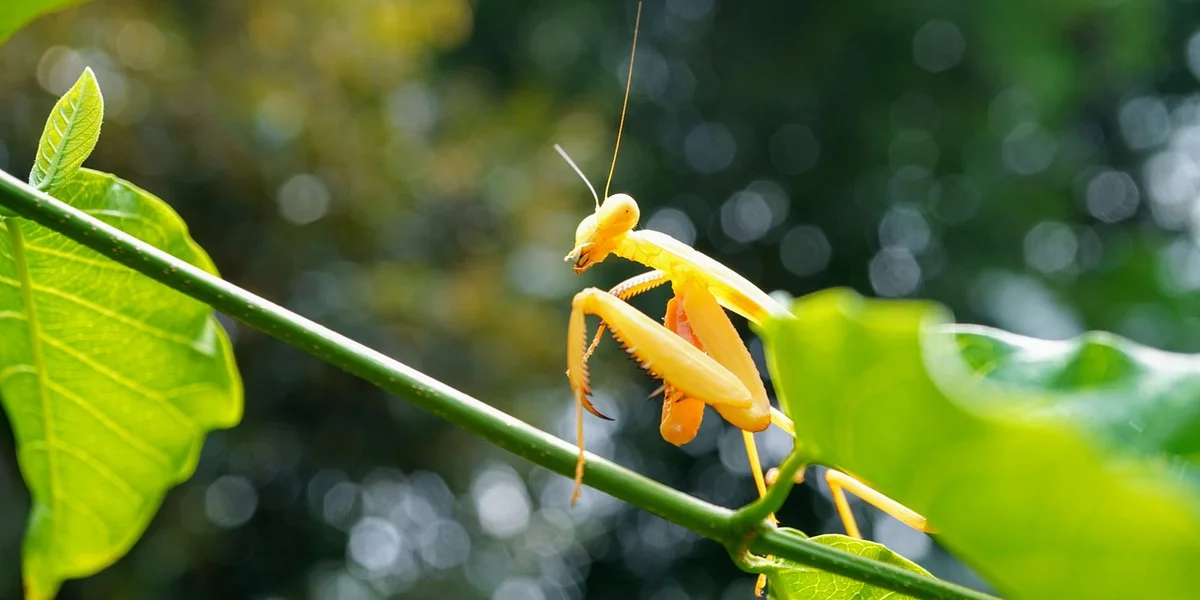
Watch for dehydration by checking if your mantis has wrinkled skin or seems sluggish.
Flower mantises often show subtle signs like reduced movement, while leaf mantises might darken in color when stressed.
We gently mist Luna’s enclosure each morning to keep her hydrated, as her delicate Ghost Mantis body thrives on consistent humidity.
Failed molts can happen if humidity drops too low, especially for species like Orchid Mantises that need extra care during shedding.
Lethargy might mean the temperature is off-flower varieties prefer warmth around 25°C, whilst leaf types do well at room temperature.
-
Keep enclosures clean by removing uneaten prey and old substrate weekly to stop mold or mites.
A simple wipe with warm water and a drop of vinegar works wonders for preventing bacteria without harsh chemicals.
For flower mantises, we avoid overcrowding with decor to let air circulate, reducing damp spots that could harm their health.
-
Reach out to experienced keepers if your mantis refuses food for over three days or has visible injuries.
Online forums and local pet groups are full of friendly advice-we’ve learned so much from sharing stories about Moss’s curious antics.
If multiple molts fail, it’s a sign to adjust care quickly, and trusted resources can guide you through fixes step by step.
Making Your Choice: Which Mantis for You?
-
Compare care needs at a glance with this handy table.
Aspect Flower Mantises Leaf Mantises Humidity Level High (70-80%) Moderate (50-60%) Temperature Range Warm, 24-28°C Room temp, 20-25°C Feeding Frequency Every 2-3 days Every 4-5 days Enclosure Height Tall, for climbing Medium, with foliage This quick reference helps you spot the key differences without getting lost in details.
-
Think about your experience level-flower mantises suit intermediate keepers ready for precise humidity control.
Leaf mantises like our sturdy Moss are forgiving for beginners, needing less daily attention.
Your time commitment matters; flower types demand regular misting and feeding, whilst leaf varieties are more independent.
Enclosure space should match the mantis; flower species thrive in vertical setups, and leaf ones enjoy broader, planted homes. Different mantis types have distinct enclosure needs, so matching the setup to the species matters. This is why there are various types of praying mantis enclosures, each suited to specific species.
-
Pick a mantis that fits your routine for a joyful pet-keeping journey.
We chose Sprig, our Orchid Mantis, because her care aligns with our love for nurturing delicate beauty.
If you have a busy schedule, a leaf mantis might bring calm companionship without constant demands.
Common Mantis Queries
How long do flower and leaf mantises typically live?
Flower mantises usually have a lifespan of 6 to 12 months as adults, depending on species and care. Leaf mantises often live slightly longer, averaging 12 to 18 months with proper environmental conditions. For dead leaf mantises, lifespan can be maximized by maintaining stable temperatures and humidity and providing a consistent diet.
Can I house different species of mantises together in one enclosure?
It is not recommended to co-house mantises, as they are cannibalistic and may attack each other. Always provide separate enclosures to ensure their safety and reduce stress. This is especially important when keeping different mantis species in the same room.
What should I do if my mantis refuses to eat for several days?
First, check for signs of impending molting, such as reduced activity or a swollen abdomen, and avoid handling during this time. If not molting, try offering different prey types or adjust humidity and temperature to stimulate appetite.
Making Your Choice
When deciding between a flower mantis and a leaf mantis, your choice ultimately depends on your ability to provide for their specific environmental needs and your personal preference for their distinct behaviors. Flower mantises demand meticulous humidity control and warmer temperatures, while leaf mantises thrive with more ventilation and slightly cooler, stable conditions.
Whichever captivating species you welcome home, commit to being an attentive and informed guardian, observing their habits and needs daily. The world of mantis care is always evolving, so continue learning from fellow keepers and trusted resources to ensure your pet thrives under your care. For praying mantis owners, a complete handling and behavior guide helps you learn safe handling, enclosure needs, and how to read your mantis’s signals. Using it alongside trusted care tips will keep your mantis comfortable and thriving.
Further Reading & Sources
- Yunnan Flower Mantis care / Invertebrates / Care | Ali’s Menagerie
- Mantis species and care for beginers | TheInsectNerd
- Spiny Flower Mantis Caresheet (P. wahlbergii) | PanTerra Pets
- Indian Flower Mantis Caresheet (Creobroter pictipennis) | PanTerra Pets
Rowan Hale is a lifelong insect enthusiast who fell in love with mantises for their calm presence, alien elegance, and surprising personalities. After years of keeping and raising a variety of species, Rowan shares practical tips, creative insights, and real-world experience to help others enjoy the quiet magic of mantis care. From setting up the perfect enclosure to understanding their subtle behaviors, Rowan invites readers into a gentle, curious world where every tiny movement feels like a discovery.
Exotic Mantids