
How to Set Up the Perfect Humidity Level for Your Praying Mantis Enclosure
Published on: September 20, 2026 | Last Updated: September 20, 2026
Written By: Rowan Hale
Hello, mantis friend! Picture your praying mantis resting in its habitat, the air around it holding just enough moisture to keep its skin supple for the next delicate molt-this quiet balance is what we aim to create.
The ideal humidity for your mantis enclosure is a dynamic, species-specific range, usually between 50% and 80%, achieved by combining gentle misting, proper airflow, and regular monitoring with a hygrometer.
Nailing this moisture balance feels complex because it shifts with your mantis’s type, its life stage, and even the seasons in your home.
In this guide, we’ll walk through the essentials together:
- The critical role humidity plays in safe molting and overall vitality
- Choosing and using a reliable hygrometer for accurate readings
- Tailoring levels for common species, from ghost to orchid mantises
- Easy, keeper-tested adjustments using household items
- Personal insights from caring for mantises like Luna, who perks up after a light spritz
Why Your Mantis Needs Just-Right Humidity
Imagine your mantis not just living, but thriving-each movement crisp, each molt a quiet success. Humidity makes that possible. It is the unseen embrace that supports every critical function, from drinking to breathing. I recall Luna, my Ghost Mantis, during a subadult molt. The enclosure held a gentle, damp stillness, and she began her delicate dance, slowly parting from her old skin like a leaf unfurling. That humidity was her ally, letting her emerge soft and new. Proper moisture balance is the silent guardian of every smooth shed and healthy appetite. A stuck molt, by contrast, is a heartbreaking sight-limbs trapped, energy sapped-often because the air was too dry.
Let us break down humidity’s quiet roles. Consistent moisture levels act as a life support system, quietly ensuring your mantis never faces a day without what it needs most. It’s crucial to prevent low humidity as it can lead to dehydration.
- Facilitating molts: Humidity softens the old exoskeleton, allowing for a clean, complete shed.
- Preventing dehydration: Mantises sip water from tiny droplets on leaves and enclosure walls; they rarely drink from bowls.
- Aiding respiration: Their spiracles, or breathing holes, function best when the air carries enough moisture to keep tissues supple.
Finding the Sweet Spot: Humidity Ranges by Species and Life Stage
Think of humidity as a tailored cloak, one you weave to match your mantis’s native home and current size. A Giant Asian Mantis from a humid jungle has different needs than a European Mantis from a sun-drenched field. Tailoring your enclosure’s moisture to your mantis’s origin and age is the first step to perfect humidity control. We always work with a percentage range, not a single number, to mirror the gentle rises and falls of a natural environment.
Humidity Needs for Popular Pet Mantis Species
This table is your quick-reference guide. Use these ranges as a comforting starting point, then watch your mantis for signs of contentment or discomfort.
| Species | Ideal Humidity Range | Notes |
|---|---|---|
| Ghost Mantis (Phyllocrania paradoxa) | 60-80% | Hails from African rainforests. My Luna enjoys this steady, high moisture, but she needs excellent ventilation to feel right. |
| Orchid Mantis (Hymenopus coronatus) | 70-90% | Native to misty Southeast Asian blooms. For my Sprig, I aim for the higher end, mimicking the damp air among flowers. |
| Giant Asian Mantis (Hierodula membranacea) | 50-70% | Adaptable across tropics. Moss, my male, does well with moderate humidity and a slight daily spike after misting. |
| Dead Leaf Mantis (Deroplatys desiccata) | 70-85% | Lives in forest leaf litter. They require consistently high humidity to maintain their perfect camouflage and health. |
| European Mantis (Mantis religiosa) | 40-60% | Prefers drier meadows and gardens. They are hardy but still appreciate a light morning mist for a drink. |
How Humidity Shifts from Nymph to Adult
Your care evolves as your mantis grows. A tiny nymph is like a seedling, needing extra protection, while an adult is a sturdy plant. In the first 30 days, your mantis nymph needs careful setup and daily checks. This complete mantis nymph survival guide covers feeding, housing, and early molts. Following these simple steps prevents molting disasters and supports robust growth through every life stage.
- Provide higher humidity for early nymphs (L1 to L3). Keep levels at the top of your species’ range. Their miniature bodies lose water rapidly, and frequent, gentle mists are crucial for hydration and successful, frequent molts.
- Begin a gradual reduction for subadults. From about L4 onward, slowly lower the humidity toward the middle of the range. This helps build a tougher exoskeleton and discourages mould growth in their now larger enclosure.
- Maintain a stable, species-specific level for adults. Once mature, your mantis will settle into its ideal range. Adults may molt less, but they still rely on that moisture for drinking and the final, critical shed to adulthood.
Your Humidity Toolkit: Measurement and Misting Mastery

Getting the humidity just right feels a bit like tuning an instrument for a soft, quiet song. We rely on a couple of simple tools to listen to what the enclosure is telling us. A reliable digital hygrometer and a gentle-hand spray bottle are your most trusted allies in humidity monitoring, turning guesswork into a calm, daily ritual. Let’s look at how to use them together to create that perfect, dewy environment your mantis thrives in. Maintaining proper humidity is especially crucial for delicate mantis nymphs, as it directly affects their health and development.
Choosing and Using a Hygrometer
Think of your hygrometer as a tiny weather station for your mantis’s home. I keep one in each enclosure, like with Moss’s terrarium, to avoid any surprises. Here’s how to get it set up properly.
- Select a digital hygrometer. We skip the old analog dials; digital models give you a clear, quick number without fuss. Look for one with a clear display and a small probe if you can.
- Place it at mantis perch height. Attach it to the side or back wall, right near where your mantis spends most of its time perched. This shows you the air moisture they actually experience, not just at the bottom.
- Calibrate if needed. Some units need a quick check. You can use the simple salt test: seal the hygrometer in a bag with a damp teaspoon of salt for a few hours; it should read close to 75%.
- Check readings daily. Make a habit of glancing at it each morning and evening. This daily log helps you spot trends before the air becomes too dry or damp for comfort.
Noticing the number dip below your target range is your cue to reach for the spray bottle, a signal as gentle as a change in the breeze.
The Art of Gentle Misting
Misting is more than adding water; it’s about mimicking a soft, morning dew. I learned this with Sprig, who would shy away from a heavy spray but would drink delicately from fine droplets on leaves.
- Use a fine spray bottle. A misting bottle with an adjustable nozzle lets you create a gentle cloud of tiny droplets, not a direct stream that can startle your mantis.
- Avoid spraying directly on your mantis. Aim for the walls, decor, and substrate. Let the moisture settle naturally so your mantis can drink from beads on leaves or the mesh.
- Time your mists for morning and evening. This rhythm mimics natural dew cycles and gives moisture time to evaporate slowly through the day.
- Use room-temperature, dechlorinated water. Let tap water sit out overnight or use filtered water to avoid any harsh chemicals that might affect your mantis or encourage mold.
Your misting frequency will dance with other factors: a large enclosure with deep soil holds humidity longer, while a small, bare tank in a dry room needs more frequent attention. Watch your hygrometer and adjust; sometimes every other day is plenty, other times a light daily spritz is just right.
Breathing Easy: Balancing Humidity with Ventilation
Humidity and fresh air need to exist in a careful balance, like the still, moist air under a canopy of ferns. Good ventilation prevents that stagnant, muggy feeling and keeps mold at bay without stealing all the precious moisture your mantis relies on for healthy molts. It’s about allowing a gentle exchange, not creating a draft.
Most enclosures use mesh tops or small side holes for airflow. With Luna’s setup, I found that a mesh top paired with a few lower ventilation holes created a nice, gentle circulation where fresh air could drift in without whisking all the humidity away. You want the air to feel fresh and alive, not still and heavy.
- Signs of poor ventilation: A persistent fog on the glass, a musty smell, or visible fuzzy mold spots on wood or substrate. Your mantis might also seem lethargic or avoid certain damp corners.
- How to fix it: If things feel too stagnant, try slightly increasing the size or number of ventilation holes on the upper sides of the enclosure. For mesh tops, ensure they are not blocked by decor. Sometimes, simply moving the enclosure to a room with better natural air flow makes all the difference.
Adjusting ventilation is often a gentle tweak—a small change watched over a day or two can restore that perfect, breathable humidity your mantis needs. That same care should extend to properly ventilating the praying mantis enclosure—aim for steady, gentle airflow through a breathable lid. Regularly monitor humidity and air exchange to prevent mold and stress.
Creative Humidity Control: Methods to Raise and Lower Levels
Adjusting humidity in your mantis home feels a bit like tuning an instrument—small changes make a big difference. Sometimes, raising the humidity is as simple as adding a shallow water dish near a gentle heat source. We find many solutions right in our cupboards, letting us create a comfortable microclimate without fancy gear. Being mindful of common lighting, heating, and humidity mistakes helps mantis keepers avoid problems. A quick check of temperature and moisture can save you from most issues.
Ways to Boost Humidity
A little extra moisture can help with molting and overall vigour. These methods use items you likely have at hand to create a gentle, rising dampness.
- Deeper substrate: A thick layer of coconut coir or organic soil acts like a sponge, holding water and releasing it slowly. My ghost mantis, Luna, seems to relish the soft, earthy scent it brings to her corner.
- Live plants: Pothos or peace lilies do more than look pretty-they transpire, adding a living source of humidity. Their leaves often gather tiny droplets, a perfect drinking spot for a curious mantis.
- Water dishes: A small, pebble-filled dish of water placed safely in the enclosure evaporates steadily. Position it away from direct climbing routes to prevent any slips.
- Grouping enclosures: Placing tanks close together can trap a shared pocket of moist air. Just ensure each mantis still has its own peaceful space to avoid stress.
Ways to Reduce Humidity
Too much damp can lead to mould or breathing troubles. Improving airflow is often the kindest and quickest fix for a stuffy enclosure.
- More ventilation: Add extra mesh panels or drill small, safe holes near the top of the tank. This lets the heavy, wet air drift out whilst bringing in fresher, drier air.
- Less frequent misting: Reduce your spraying schedule. Try misting every other day instead of daily, and watch how your mantis reacts-my orchid mantis, Sprig, prefers a drier hide for her delicate wings to harden.
- Using a drier substrate: Swap to paper towels or a thinner layer of dry orchid bark. These materials hold less water, keeping the base of the home from feeling clammy.
Crafting a Humidity Gradient for Natural Choice
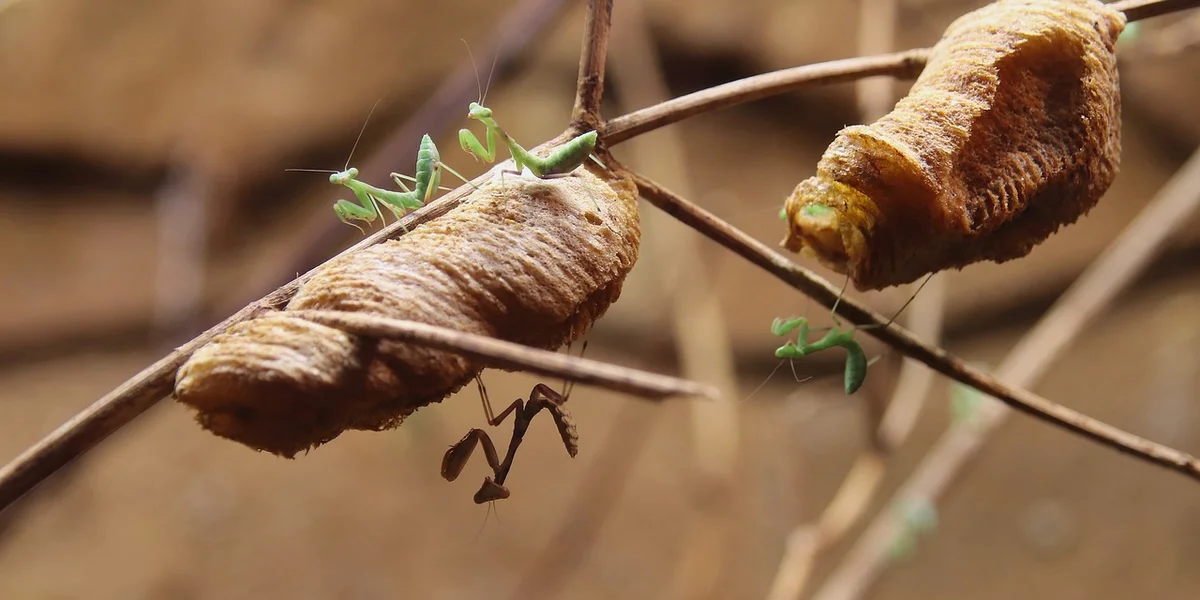
In the wild, a mantis moves from dewy leaves to sun-warmed branches. A humidity gradient turns your enclosure into a tiny landscape where your mantis can find its perfect comfort zone. It grants them autonomy, much like we choose a cosy spot or a breezy window seat. To support that in captivity, create a naturalistic, safe habitat for your praying mantis. A well-designed enclosure encourages natural movement, hunting instincts, and healthy molts.
Setting up this gradient is a straightforward process. Follow these steps to build a miniature world with distinct damp and dry areas.
- Place moisture-retaining substrate on one end. Choose the left or right side of the enclosure. Pile damp coconut coir or sphagnum moss there-it will be your humid hub, releasing a soft, steady moisture.
- Add a water dish or damp moss there. Nestle a small, shallow bowl or a clump of thoroughly soaked moss into that same corner. You might see tiny water beads form, glinting in the light.
- Ensure the other end has better airflow. Keep the opposite side clear with a thin layer of dry substrate or bare floor. Make sure vents are unobstructed so a gentle cross-breeze can flow through, creating a drier retreat.
- Let your mantis explore. Observe without interference. My giant Asian mantis, Moss, often patrols the gradient, spending humid mornings near the moss and afternos on the arid side, perched like a green sentinel.
Reading the Signs: Troubleshooting Humidity Problems
Watching your mantis closely reveals more than any digital gauge ever could. Subtle shifts in their posture, skin, and daily rhythms offer the clearest window into whether their home feels like a parched desert or a sodden swamp. We can learn to spot these clues early, turning worry into simple, corrective action.
| Signs of Low Humidity | Signs of High Humidity |
|---|---|
|
|
When the Air is Too Dry
Dry air is a quiet stressor, often noticed only after a difficult molt. I recall my Giant Asian mantis, Moss, becoming uncharacterstill still for days before a shed, a sure hint the air lacked its gentle humid hug. Look for these specific signs and act quickly with these gentle fixes.
- Key Signs to Spot:
- The mantis seems “stuck” during a molt, with the old skin clinging like brittle parchment.
- You notice a faint, papery rustle as they move, rather than a soft, fluid motion.
- Their usual perching spots are bone-dry to the touch within an hour of misting.
- Immediate, Simple Remedies:
- Increase misting frequency lightly, using warm water to create a fine, lingering fog.
- Add a humid hide-a small container with damp moss or paper towel tucked in a corner.
- Place a shallow water dish near a gentle heat source to boost evaporation.
- Temporarily cover part of the ventilation mesh with cling film to slow moisture escape.
When Moisture Lingers Too Long
Too much dampness invites mold and respiratory trouble, a problem I’ve seen in tightly sealed jars used as temporary homes. That musty, earthy smell of fungus is a warning you can’t ignore, signalling a need for fresh, moving air. Here’s how to recognise and resolve a soggy situation.
- Key Signs to Spot:
- Pinprick mold spots appear on cork bark or decaying feeder leftovers.
- Your mantis sits unusually high on the mesh top, seeking the driest air available.
- Condensation beads constantly on the glass, obscuring your view.
- Straightforward Solutions:
- Improve ventilation by uncovering mesh areas or adding small, extra air holes.
- Switch to a less water-retentive substrate, like dry coconut fiber or paper towels.
- Reduce misting volume, spraying only one side of the enclosure to create a humidity gradient.
- Ensure the room itself isn’t overly humid; a dehumidifier nearby can work wonders.
Questions from Fellow Mantis Friends
What tools or hygrometers do you recommend?
We strongly recommend using a digital hygrometer for the most accurate and reliable readings. Place the sensor at your mantis’s perch level and check it daily to monitor the environment they actually experience.
Are there different humidity needs for different mantis species?
Yes, humidity needs vary significantly by species, as each originates from a different climate. Always reference a trusted species guide and observe your individual mantis’s behavior to fine-tune the general range for their perfect comfort. (More info)
How can I create a humidity gradient?
You can create a gradient by concentrating moisture-retaining items like damp sphagnum moss on one end of the enclosure. Ensure the opposite side has better ventilation and drier substrate, allowing your mantis to choose its preferred spot. You can also create a vertical temperature gradient by placing a gentle heat source toward the top of the enclosure. Provide basking spots at different heights so the mantis can move to warmer or cooler zones as needed.
A Final Word on Humidity
Getting the humidity right is a gentle balancing act of misting, ventilation, and daily observation. With a reliable hygrometer and a consistent routine, you can create that perfect, dewy microclimate where your mantis can thrive, from soft molts to healthy adulthood. Over misting can disrupt your mantis’s hydration balance and cause mold or respiratory trouble. Aim for steady humidity rather than constant spraying.
Being a good mantis keeper means watching and learning from your unique insect, as each species—and each individual—has its own subtle preferences. We encourage you to enjoy this quiet part of the hobby, where a simple spray bottle becomes a tool for fostering life, and every misting is a small moment of care. A mantis-friendly garden that attracts beneficial insects can be part of that learning, balancing predators with pollinators. By choosing native plants and sheltered corners, you invite mantises and their prey into a thriving ecosystem.
Further Reading & Sources
- How to Care for your Praying Mantis Pets | PanTerra Pets
- Praying Mantis Care Guide | Ely Exotics
- Terrarium Instructions and Mantis Care
- 3 Ways to Make a Praying Mantis Habitat – wikiHow
Rowan Hale is a lifelong insect enthusiast who fell in love with mantises for their calm presence, alien elegance, and surprising personalities. After years of keeping and raising a variety of species, Rowan shares practical tips, creative insights, and real-world experience to help others enjoy the quiet magic of mantis care. From setting up the perfect enclosure to understanding their subtle behaviors, Rowan invites readers into a gentle, curious world where every tiny movement feels like a discovery.
Temperature and Humidity