
Your First Pet Mantis: A Week-by-Week Care Guide for New Owners
Published on: December 6, 2025 | Last Updated: December 6, 2025
Written By: Rowan Hale
Hello mantis friend, and welcome to the quiet, green-lit world of keeping these living sculptures. There’s a particular magic in watching a mantis perch, still as a leaf, before a sudden, precise strike-a tiny drama unfolding in your own home.
This gentle week-by-week guide will walk you through every stage of early care, from that first delicate arrival to establishing a confident routine for your new companion. We’ll blend practical steps with the why behind them, so you feel prepared, not overwhelmed.
While mantis care has its nuances-like managing humidity for a soft molt or choosing the right feeder insect-it’s deeply rewarding when broken down. Think of it as tending a small, moving garden. Here are the foundations we’ll cover together:
- Setting up a safe, comfortable enclosure from day one.
- Recognizing and responding to your mantis’s weekly needs and behaviors.
- Feeding routines that match their growth and natural hunting instincts.
- Spotting signs of health and contentment, from appetite to posture.
Your Gentle Start: Choosing the Right Mantis Companion
We find keeping mantises to be a wonderfully quiet and low-maintenance hobby, far removed from the noise and bustle of traditional pets. Their fascinating behaviours, from meticulous grooming to patient hunting, offer a daily dose of calm focus that we truly cherish. Curious whether praying mantises are good pets? Here’s a quick look at the pros and cons explained.
| Species | Temperament | Size (Adult) | Humidity Needs | A Personal Note |
|---|---|---|---|---|
| Ghost Mantis | Exceptionally calm, slow-moving | 4-5 cm | Moderate (60-70%) | My Ghost mantis, Luna, has delicate, leaflike frills and a wonderfully calm demeanour perfect for occasional handling. |
| Giant Asian Mantis | Curious and active, bold feeder | 7-9 cm | Moderate to High (60-80%) | Moss, my adult male, is a vivid emerald explorer who brings energetic charm to his enclosure. |
| Carolina Mantis | Hardy and observant, can be feisty | 5-7 cm | Moderate (50-70%) | A robust native species, ideal for learning mantis behaviours with a bit more character. |
Before you bring your new friend home, a quick chat with the breeder sets you up for success. If you’re considering breeding, discuss safe methods for introducing a male and female mantis and the best timing. Ask these three questions to ensure you’re starting with a healthy, well-cared-for mantis.
- Can you confirm the mantis’s current life stage (e.g., L3 nymph, adult) and its last molt date?
- What specific feeder insects has it been eating, and how often does it typically feed?
- May I see it move? A healthy mantis should be alert and able to grip firmly.
Week 1 & 2: The Settling-In Sanctuary
The First 48 Hours: Quiet Observation
Those initial days are all about providing a peaceful space for your mantis to acclimate. We always treat this time like a quiet library visit-minimal interaction lets them find their bearings.
- Place the sealed travel container directly inside the prepared, empty enclosure for about an hour, letting temperatures equalise.
- Gently open the travel container and angle it against a branch or the enclosure wall.
- Step back and allow the mantis to walk out on its own terms; avoid nudging or picking it up.
- Secure the lid and resist the urge to check on them for the next few hours.
Mantises communicate stress through subtle body language. Spotting these signs early helps you create a quicker retreat to comfort. To tell if a praying mantis is stressed, watch for cues such as a flattened posture, rapid head movements, or sudden freezes. Recognizing these signals lets you adjust handling or habitat to reduce stress.
- Rapid Side-to-Side Swaying: This “death sway” is a distress signal. Simply dim the lights or cover the enclosure with a light cloth.
- Flattening Against a Surface: They’re trying to hide. Ensure plenty of clutter, like fake leaves, is available.
- Refusing Food: It’s normal for the first day or two. Remove uneaten prey to avoid nuisance.
- Excessive Grooming: While normal, constant cleaning can indicate irritation. Check for mites or leftover feeder parts.
- Remaining Motionless for Hours: Unless it’s near molt time, this can signal shock. Move the enclosure to a warmer, draft-free spot.
Building a Perfect First Home
Your mantis’s enclosure is its entire world, so setting it up thoughtfully makes all the difference. We think of it as building a tiny, secure jungle gym that mimics the safety of a broad leaf. Creating a naturalistic, safe habitat helps reduce stress and supports healthy feeding and molting. By choosing realistic branches, plants, and textures, you recreate your mantis’s native environment at home.
- Must-Have Items:
- A well-ventilated tank or jar (1-2 gallons for most beginners).
- A secure, fine mesh lid-I use organza mesh for all my enclosures as Moss has never gotten a foot stuck.
- Several thin branches or twigs for climbing and molting.
- A small mister bottle for water.
- Nice-to-Have Upgrades:
- Artificial silk plants for extra cover and aesthetic appeal.
- A small digital hygrometer to monitor humidity levels accurately.
- A soft paintbrush for gentle guidance during enclosure maintenance.
Getting the humidity and temperature right isn’t about complex gadgets; it’s about understanding the quiet needs of your insect. Proper heat and moisture support healthy breathing and successful, stress-free molts.
- Check for Drafts: Place the enclosure away from open windows, air vents, or direct radiators to prevent sudden temperature drops.
- Mist with Warm Water: Use lukewarm water in your mister-it creates a finer, more comforting fog and raises humidity gently.
- Observe the Glass: Light condensation on the walls in the morning is good; heavy, persistent droplets mean you’re over-misting.
- Night-Time Drop: Allow the temperature to fall naturally by a few degrees at night, mimicking their natural environment.
Week 3 & 4: Finding a Rhythm with Feeding and Molting
The Dance of Feeding: Prey, Portions, and Patience
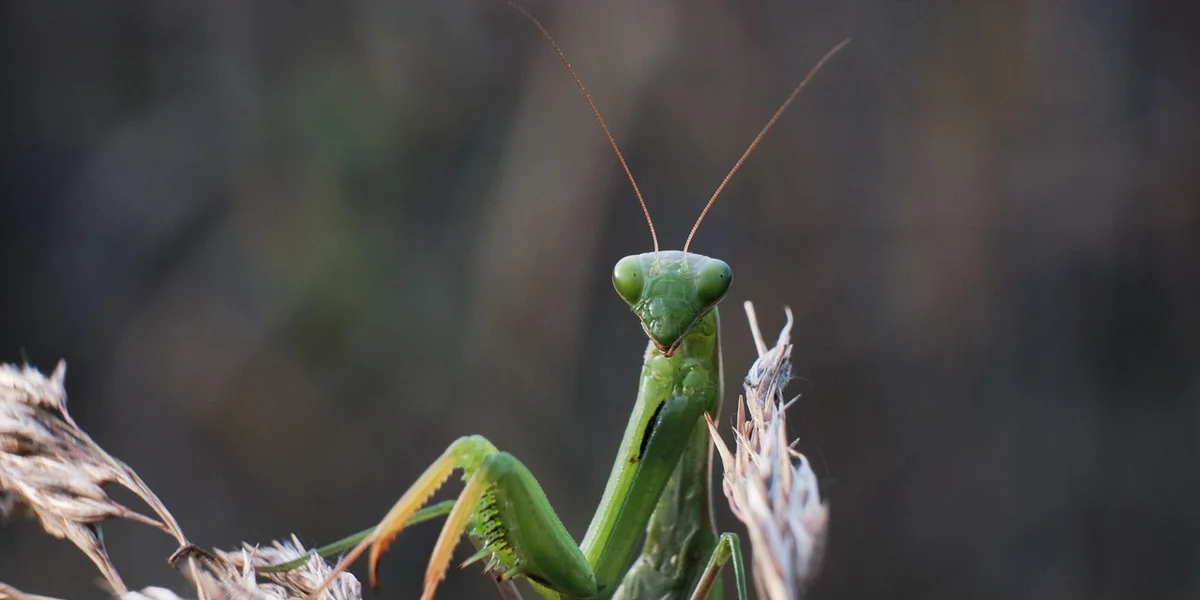
By now, you and your mantis are settling in, and feeding becomes a gentle routine rather than a worry. Establishing a consistent schedule prevents overfeeding and helps your mantis thrive without stress. A complete feeding schedule helps you know how often to feed your mantis without guesswork. Sticking to this rhythm makes the often-asked question of how often to feed a praying mantis straightforward. For juveniles, offer prey every two to three days, whilst adults do well with a meal every five to seven days. Always choose prey smaller than your mantis’s head to avoid injury.
Not all feeder insects are created equal, especially for beginners. Start with these easy-to-find options, listed from simplest to manage upward.
- Flightless Fruit Flies: Perfect for tiny nymphs; they can’t escape easily and are readily eaten.
- Small Crickets: A staple for many keepers; ensure they’re from a trusted source to avoid pesticides.
- Curated Mealworms: Use with care-supervise feeding as they can nibble on a soft mantis if left unattended.
Gut-loading simply means feeding your feeder insects nutritious foods before they become a meal. This passes vital vitamins and minerals to your mantis, boosting its health from the inside out. Think of it as preparing a wholesome snack for your pet’s dinner. In our ultimate guide to gut-loading feeder insects for mantises, you’ll learn which foods maximize nutrition and how to implement them. Follow the step-by-step tips to feed confidently and keep your mantis thriving.
Here’s a straightforward two-step method we use for our mantises, like Moss, who always perks up after a gut-loaded cricket. First, place your feeder insects in a container with fresh slices of carrot, apple, or leafy greens for 24 hours. This method is a core example in our praying mantis feeding schedule species comparative guide, used to contrast responses across species. It helps tailor regimens to different mantis species. Second, lightly dust them with a calcium powder supplement right before offering—this mimics the diverse nutrients they’d find in the wild.
The Sacred Silence of Molting
Molting is a vulnerable, awe-inspiring process where your mantis sheds its old skin to grow. Recognising the signs early allows you to create a safe, quiet space for this natural transformation. Look for these four unmistakable behaviours in the days before a molt.
- A sudden loss of appetite, even for favourite prey.
- Long periods of hanging completely still, often upside down.
- A dull, cloudy, or whitish appearance to the exoskeleton.
- Seeking a high anchor point and refusing to move from it.
When you spot these cues, follow this three-step protocol to support your mantis. Stop offering food immediately, as a full abdomen can complicate the shedding process. Gently mist the enclosure once or twice daily to raise humidity slightly, aiding skin separation. Most importantly, do not disturb-resist the urge to check on them, as any distraction can cause a fall.
A successful molt ends with your mantis emerging soft, pale, and larger, leaving behind a perfect ghost of its old self. The first 24 hours post-molt are critical; their new exoskeleton needs time to harden and darken. Keep humidity stable, withhold food, and let them rest undisturbed. My Orchid Mantis, Sprig, always hides in her foliage after molting, and I wait a full day before offering a tiny fruit fly.
Molting problems often stem from incorrect humidity levels. Low humidity can cause the old skin to stick, leading to trapped limbs or a fatal stuck shed. Conversely, excessive moisture might promote mold in the enclosure. Aim for that gentle balance-a light misting that evaporates within a few hours-to mirror the dew of a morning garden.
Week 5 to 8: Bonding, Handling, and Problem-Solving
Gentle Hands: The Art of Safe Handling
By now, your mantis recognises your routine-the soft tap of the feeder cup, the gentle mist from the spray bottle-and trust begins with slow, predictable movements. Handling isn’t about control; it’s an invitation, a quiet moment where your mantis chooses to explore your world. My Ghost Mantis, Luna, taught me this: she’d tilt her head, those leaf-like frills twitching, before ever stepping onto my finger. Let’s walk through how to extend that invitation safely.
-
Wash and dry your hands thoroughly with unscented soap, removing any residues that might confuse or irritate your mantis’s sensitive feet and antennae.
-
Approach the enclosure calmly, and open it slowly to avoid sudden shifts in air pressure that can startle your pet.
-
Place your clean, flat hand palm-up on the enclosure floor or near a perch, creating a steady platform-think of it as laying down a bridge, not a trap.
-
Use a soft brush or the back of a feeder cup to gently encourage the mantis toward your hand, but always let it make the first move; patience here is everything.
-
Once it steps on, keep your hand level and move with glacial slowness, limiting the session to two or three minutes to prevent stress or fatigue.
-
To return your mantis, guide it back onto a familiar branch or the enclosure wall, allowing it to walk off on its own terms without any pulling or shaking.
These short, positive interactions build a bond without pressure. Remember, a mantis that feels secure is more likely to greet you with curious climbs, not frantic escapes. Now, let’s cover the non-negotiables-the rules that keep both of you safe.
- Never grasp or grab your mantis from above. This mimics a predator’s attack and can cause injury or defensive strikes; always offer support from below.
- Avoid handling entirely in the days before, during, and after a molt. Their new exoskeleton is soft and fragile, and any disturbance can lead to deformities or falls.
- Do not handle your mantis in loud, brightly lit, or drafty areas. Sudden noises, strong breezes, or direct sunlight can induce panic, making them prone to jumping or falling.
Troubleshooting Common First-Time Hurdles
Even with the best care, little hiccups can arise-a refused meal, a mysterious spot in the corner. Seeing these issues early lets you act quickly, turning worry into simple, effective solutions. Here’s a quick-reference guide for those common first-time hurdles.
-
Issue: Mantis won’t eat. Likely cause: It might be approaching a molt, feel stressed, or the feeder insect is too large. Immediate action: Remove the uneaten prey, check for a plump abdomen (a sign it’s not hungry), and try a smaller, freshly killed insect next feeding day. To tell if your mantis is hungry or full, observe its feeding cues. A hungry mantis will eagerly strike at prey, while a full mantis may ignore it.
-
Issue: White fuzzy spots in the enclosure. Likely cause: Mold from excess moisture or decaying organic matter. Immediate action: Gently remove the affected substrate or decor, increase ventilation slightly, and spot-clean with a damp cloth-avoid chemicals entirely.
-
Issue: Mantis falls frequently. Likely cause: Slick surfaces from condensation, lack of grip due to old age, or weakness from improper humidity. Immediate action: Add more textured branches or mesh for climbing, ensure humidity is in the correct range, and place soft, dry paper towel at the bottom to cushion any tumbles.
-
Issue: Mantis spends all day at the bottom. Likely cause: It could be too cold, recovering from a molt, or the climbing materials aren’t appealing. Immediate action: Check the enclosure temperature with a thermometer, provide a shallow warm water mist, and introduce a fresh, rough-barked twig to spark exploration.
Beyond fixing problems, a bit of variety keeps your mantis engaged and mentally stimulated. Simple enrichment mimics the small changes of a natural habitat, preventing boredom and encouraging natural behaviours. My Giant Asian, Moss, always perked up when I swapped his sticks about-it’s like redecorating a room for a curious friend.
- Occasionally move or replace one climbing stick or piece of decor; even a slight shift in layout encourages investigation and new perching spots.
- Rotate feeder insects if possible-offer a small cricket one week, a flightless fruit fly the next-to provide different movement patterns and nutritional variety.
- Introduce a clean, dry leaf or a piece of cork bark temporarily; the novel texture and shape can prompt gentle tapping and climbing, adding sensory interest.
Looking Beyond the First Two Months: Your Mantis’s Lifespan
Once those first eight weeks are behind you, a comforting routine settles in, and your mantis begins to show its unique personality more clearly. This is when we start to see the full arc of their life, a quiet journey through distinct stages that each ask for slightly different things from us as keepers.
Lifecycle Stages and Shifting Care
A mantis grows through several molts, typically grouped into three main phases. Recognising these phases helps you provide the right support at the right time, ensuring your pet remains healthy and content.
- The Nymph Stages: From hatchling through several molts, your mantis is small, incredibly active, and a voracious eater. Feed daily or every other day with tiny prey like fruit flies, and house them in a simple, well-ventilated container they can’t get lost in. A clean mason jar or small deli cup is perfect for these early days.
- The Sub-Adult Phase: After about five molts, your mantis is larger and more robust-think of my Giant Asian mantis, Moss, at this stage, his emerald body almost at full size. Feeding slows to every two or three days with larger insects like blue bottle flies, and they’ll need an upgrade to a taller enclosure, roughly a gallon in volume, for climbing and molting space.
- Adulthood: The final molt brings wings and maturity. Adults often eat just once or twice a week. This is the time for their permanent home-a spacious, planted terrarium that allows for natural behaviours like perching, hunting, and, for females, potential egg-laying.
The Natural Lifespan and Signs of Ageing
Most common pet mantises, such as Ghost or Chinese Mantids, live for about 6 to 12 months from hatching. Their time with us is beautifully brief, a reminder to appreciate the quiet moments we share. As they enter their later months, you’ll notice gentle changes that signal a slowing down.
My Ghost Mantis, Luna, became more still, her movements thoughtful and deliberate rather than quick. You might see less interest in food, a preference for resting in one spot, or a slight fading of their vibrant colours. These are not signs of illness, but natural markers of a life well-lived.
Observe these changes with a soft heart and maintain their comfort with steady humidity, easy-to-catch prey, and a peaceful enclosure. It’s a part of the cycle we honour with the same care we’ve given all along.
Your Confident Journey Forward
By following this guide, you’ve learned the essential rhythms of mantis care-the misting, the feeding, the watchful eye. That knowledge now lets you relax into the unique companionship these creatures offer. The worries of the first week melt away, replaced by the simple joy of their presence.
You’ll find a deep satisfaction in the daily rituals: the morning check-in, the soft rustle of leaves as they climb, the patient wait for a hunt. Take pride in the thriving environment you’ve created and allow yourself to simply be with your mantis, enjoying the quiet bond you’ve nurtured together.
Common Mantis Queries
How do I care for an Orchid Mantis as a beginner?
Orchid mantises need higher humidity levels, around 70-80%, and delicate prey like fruit flies or small flies. Ensure their enclosure has ample floral decor for perching and camouflage to reduce stress.
What should I know about keeping praying mantises in California?
First, verify local regulations, as some native species like the California mantis are protected and cannot be kept without permits. Adjust humidity and temperature care to account for California’s varied climates, especially in arid areas.
Is mantis shrimp care similar to praying mantis care?
No, mantis shrimp are saltwater crustaceans requiring specialized aquarium setups with specific water parameters and diets. Praying mantises are land insects needing terrariums with climbing structures and insect prey, making their care fundamentally different. Praying mantises eat a variety of insects—from flies and crickets to moths and beetles—depending on size and species. A comprehensive list of insects they may eat helps hobbyists plan feeding regimens and ensure proper nutrition.
A Gentle Start to a Remarkable Journey
By taking things week-by-week, you build a confident routine focused on your mantis’s habitat, feeding, and quiet observation. This steady, attentive approach is the surest path to a healthy, fascinating pet.
We encourage every new keeper to connect with fellow enthusiasts, ask questions, and always prioritise the well-being of your miniature green companion. Caring for a mantis is a continuous lesson in patience and a unique way to appreciate a small, wondrous life.
Further Reading & Sources
- How to Care for a Praying Mantis : 4 Steps – Instructables
- General Mantis Care – Praying mantis care sheet and feeding
- r/mantids on Reddit: Advice on caring for mantises
- Mantis Care Sheet | Mantid Forum – Mantis Pet & Breeding Forum
Rowan Hale is a lifelong insect enthusiast who fell in love with mantises for their calm presence, alien elegance, and surprising personalities. After years of keeping and raising a variety of species, Rowan shares practical tips, creative insights, and real-world experience to help others enjoy the quiet magic of mantis care. From setting up the perfect enclosure to understanding their subtle behaviors, Rowan invites readers into a gentle, curious world where every tiny movement feels like a discovery.
First-Time Mantis Owners