
Essential Habitat Requirements for a Healthy Praying Mantis
Published on: December 4, 2025 | Last Updated: December 4, 2025
Written By: Rowan Hale
Hello, mantis friend! Picture this: a praying mantis perched like a living jewel in its enclosure, every movement a study in quiet precision. Creating that perfect home starts with knowing exactly what your mantis needs to thrive.
The essential habitat requirements for a healthy praying mantis are a secure enclosure, precise temperature and humidity, excellent ventilation, safe furnishings, and reliable access to food. It sounds straightforward, but each element weaves into the next, forming a delicate ecosystem in miniature.
Getting it right means looking beyond the basics to how warmth, moisture, and space interact. Think of it as crafting a tiny slice of nature, where every branch and droplet of water supports your mantis’s well-being.
Here are the key takeaways we’ll explore together:
- A properly sized and escape-proof enclosure that allows for molting and hunting.
- Stable temperature gradients and humidity levels tailored to your mantis species.
- Gentle airflow to prevent mold without drying out your mantis.
- Natural, safe furnishings like sticks and leaves for climbing and hiding.
- A consistent supply of appropriate live prey for nutrition.
The Foundation: Choosing the Right Enclosure
Selecting a home for your mantis feels a bit like setting up a miniature greenhouse-it needs to be safe, breathable, and just the right size for growth. The enclosure is more than a container; it’s the entire world your mantis will know, so getting it right from the start builds a foundation for their health and your peace of mind. We’ll walk through the key choices, from material to measurements, to help you create a secure and comfortable space, so it’s perfectly suited for your praying mantis species.
You’ll find several common options on the market, each with its own character. Glass terrariums offer crystal-clear viewing but can be heavy, while plastic critter keepers are lightweight champions for young nymphs. Acrylic cages strike a balance with good clarity and lighter weight, and DIY setups using large glass jars can be a clever, budget-friendly start for smaller species. Your choice often comes down to balancing visibility, cost, and how easy it is to maintain that just-right humidity.
When we talk size, think up, not out. Mantises need vertical room to hang freely and molt successfully. A good rule is an enclosure height at least three times the length of your mantis, giving them ample space to shed their old skin without bumping into the floor. For my ghost mantis Luna, her tall terrarium lets her perch high and molt with that delicate, leaflike grace she’s known for.
Ventilation is non-negotiable. Stagnant air invites mold and respiratory trouble. Look for enclosures with mesh tops or side vents that allow a gentle cross-breeze, mimicking the fresh air of their natural environment. Always double-check that lids clip or lock securely-these clever insects are master escape artists. Smooth interior surfaces without sharp edges keep those fragile legs and antennae safe from snags.
Your selection should grow with your mantis. A small plastic keeper is perfect for a wandering nymph, while a spacious glass terrarium suits an adult like Moss, my Giant Asian Mantis, who enjoys the room to explore. Starting with a simple, well-ventilated plastic box is a forgiving and affordable way to learn the ropes of daily care.
Enclosure Types and Their Trade-Offs
Let’s break down the common options in a simple comparison. This table should help you weigh the pros and cons at a glance.
| Type | Visibility | Weight | Cost | Ease of Cleaning |
|---|---|---|---|---|
| Glass Terrarium | Excellent | Heavy | Higher | Good (wide access) |
| Plastic Critter Keeper | Good (can fog) | Very Light | Low | Very Easy |
| Acrylic Cage | Very Good | Light | Moderate | Good (scratch-prone) |
| DIY Large Jar | Good | Medium | Very Low | Fair (limited access) |
Plastic keepers are our go-to for hatchlings and nymphs because their lightness makes frequent feeding and cleaning a breeze. Glass or acrylic displays truly shine for adult mantises you wish to observe, like an orchid mantis whose pink petals seem to glow under the light.
Getting the Dimensions Right
Use this chart as a starting point for matching enclosure size to your mantis’s life stage. These are minimum recommendations—when in doubt, taller is usually better. For a graduated enclosure system that grows with your mantis nymphs, start with a small nursery and expand to larger sections as they molt. This helps maintain appropriate space and airflow at each life stage.
| Mantis Life Stage | Approx. Length | Recommended Min. Enclosure Height |
|---|---|---|
| Small Nymph (L1-L3) | 1-2 cm | 10-15 cm |
| Large Nymph / Subadult | 3-5 cm | 15-25 cm |
| Adult | 6-10 cm+ | 20-30 cm+ |
Avoid the temptation to house a tiny nymph in a vast space; it can make finding their prey incredibly difficult and leave them stressed. We started Sprig, our juvenile orchid mantis, in a modest container she could patrol easily, ensuring every fruit fly was a simple catch.
Crafting the Perfect Microclimate: Temperature and Humidity
Inside that enclosure, we aim to build a consistent, gentle climate-a soft pocket of warmth and moisture that tells your mantis all is well. Most common pet species, like the Giant Asian or Ghost mantis, thrive in a daytime temperature range of 22 to 28 degrees Celsius, a warmth that feels like a mild summer’s day. At night, a slight drop is natural and welcome.
Humidity is the silent partner to heat, vital for hydration and that critical molting process. Target humidity levels typically sit between 50% and 70%, which you can measure reliably with a small, affordable hygrometer. We achieve this not by drenching the enclosure, but through gentle misting of the walls and decor with a fine spray bottle once or twice a day, creating a morning dew effect.
Heating should be subtle and safe. A small heat mat placed on one side of the enclosure, controlled by a thermostat, creates a gentle warmth gradient so your mantis can choose its comfort spot. Low-wattage lamps can work too, but always avoid direct, desiccating heat sources directly above the mantis. If the air feels too dry, a shallow bottle cap of water in a corner can help; if too damp, simply increase ventilation by opening vents slightly.
My routine with Moss involves a quick glance at a digital thermometer-hygrometer combo twice daily-it’s a small habit that prevents big surprises. Keeping a log for the first week helps you learn the rhythm of your own room’s climate and how your setup responds.
Setting Up Your Heat and Humidity Sources
-
Place the enclosure in a room with stable, indirect light, away from drafts, direct sun, or noisy radiators. This provides a neutral starting point.
-
Install a small, thermostat-controlled heat mat on the upper side of the enclosure glass or plastic. This setup gives your mantis a warm zone and a cooler retreat. To mimic the natural environment, aim for a vertical temperature gradient in your mantis enclosure, with the warm zone at the top and cooler air lower down. This lets your mantis thermoregulate by moving between levels as needed.
-
Use a fine mist spray bottle with lukewarm water to lightly mist the enclosure walls or any live plants each morning. You’re aiming for a soft glisten, not puddles.
-
Check your thermometer and hygrometer readings twice daily for the first week to establish a stable baseline. Adjust misting or ventilation slightly as needed.
This step-by-step approach builds stability gradually, which is far kinder than sudden changes.
Humidity Control for Molting Success
The link between humidity and molting is direct and undeniable. In the days before a molt, a mantis needs slightly higher humidity to soften its old exoskeleton, allowing for a clean, full separation without getting stuck. You might notice your mantis hanging still and refusing food – a quiet sign to tweak the environment, especially the temperature and humidity levels for mantis nymphs.
Consider creating a microhabitat within the enclosure. A small clump of damp sphagnum moss tucked in a corner acts as a humid hide, offering a perfect, localised boost for a pre-molt individual. For Luna, we often add a slightly damper patch of moss near her favourite perch when she seems restless, and it seems to ease her through the process with less stress.
Furnishing the Interior: Substrate, Climbing Stems, and Hiding Spots
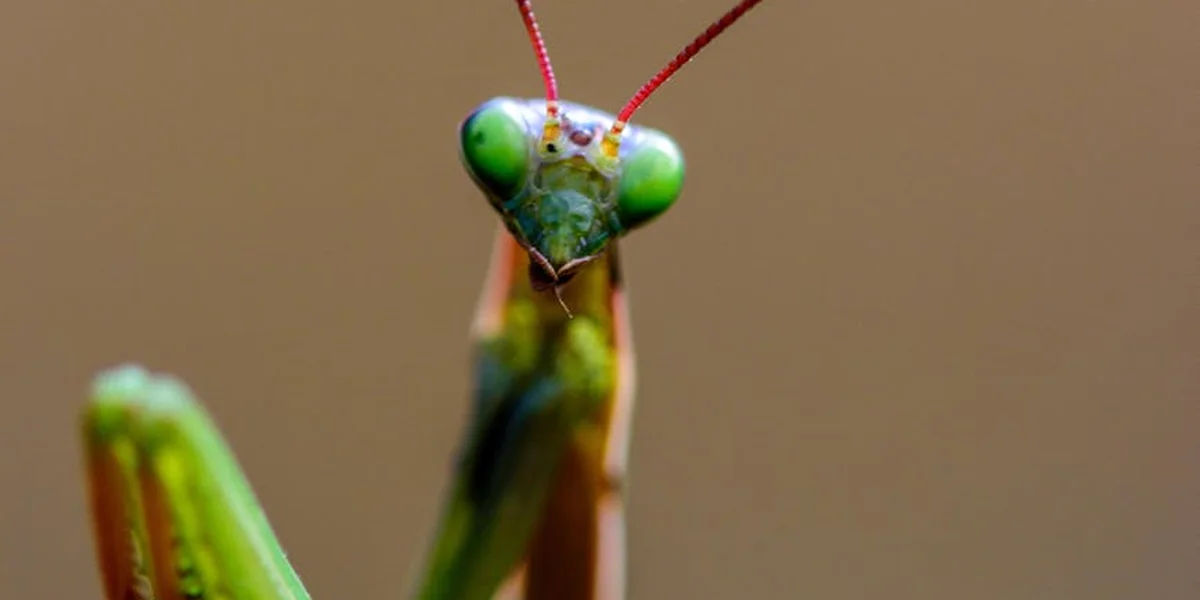
Let’s start from the ground up with your mantis’s flooring. The substrate you choose acts as a gentle humidity buffer, quietly helping to maintain the moist air your mantis needs between mistings. We favour coconut fibre for its excellent moisture retention and soft texture, whilst a simple paper towel layer is wonderfully safe and makes spot-cleaning effortless. A sprinkle of sphagnum moss on top can boost dampness, but always source it from a pet-safe supplier to avoid any hidden chemicals.
Next, look upwards. Mantises are arboreal acrobats who feel most at home off the ground. Providing an array of climbing stems like sanitised branches, twigs, or artificial vines turns the entire enclosure into a usable playground. My own Moss, a lively Giant Asian mantis, spends his days patrolling a lattice of slender apple wood twigs that reach nearly to the ceiling, using every inch of vertical space.
Security is just as vital as space for a healthy mantis. Hiding spots like a piece of curved cork bark or a loose pile of oak leaf litter offer a crucial sense of seclusion, allowing your mantis to regulate its exposure to light and movement. These aren’t just decorations; they are retreats where a mantis can digest a meal or simply rest its watchful eyes.
Greenery, whether real or faux, completes the picture. Safe live plants such as pothos can subtly improve humidity, but high-quality silk plants are often the simpler choice for easy cleaning and consistent appearance. Broad leaves, real or silk, create perfect perches for hunting and provide dappled shade that makes your mantis feel concealed.
Your goal is to craft a miniature landscape that serves multiple needs. Balance open areas for molting with denser vegetation for hunting and hiding, encouraging all your mantis’s natural instincts. Imagine creating a tiny world where your mantis can choose between a sunlit lookout and a quiet, shadowy nook.
Essential Decor Shopping List
- A few sturdy, sanitised branches taller than the enclosure.
- A handful of silk or live broad-leaf plants.
- A piece of cork bark or a small, clean jar lid as a potential hide.
- A shallow water dish or bottle cap for hydration (optional, as misting often suffices).
Arranging Your Mantis’s Furniture
- Step 1: Add a thin layer of your chosen substrate to the bottom, just enough to lightly cover the floor.
- Step 2: Anchor your climbing stems securely into the substrate or against the walls, making sure they extend close to the mesh ceiling.
- Step 3: Position hides and plants to form visual barriers and shaded areas, but avoid overcrowding.
- Step 4: Deliberately leave an open space near the top, free from decor, where your mantis can hang freely from the ceiling for its vital molting process.
Light and Air: Ventilation and Lighting Needs
Setting up the right light and air flow for your mantis is a bit like crafting a miniature ecosystem—it needs to feel alive and balanced. Praying mantises thrive under a consistent rhythm of day and night, much like the gentle cycle they would experience in a sun-dappled meadow. They don’t require special UVB lamps like some reptiles; their needs are beautifully simple and centred on a reliable photoperiod. In addition to a reliable photoperiod, maintain a comfortable, stable temperature—no sudden heat spikes. For most mantises, steady lighting and warmth are part of their ideal care, not harsh light or heat fluctuations.
Providing a Natural Day-Night Cycle
Your mantis uses light primarily to regulate its daily rhythms, influencing when it hunts, rests, and even molts. A stable light schedule helps prevent stress and supports their natural behaviours, from the patient stalk of a Giant Asian to the delicate perch of an Orchid mantis. My Moss, for instance, always becomes most active and curious during the simulated “daylight” hours in his enclosure.
- No UVB lighting is necessary for proper calcium metabolism, unlike with many other exotic pets.
- The core benefit is a predictable pattern of roughly 12 hours of light and 12 hours of darkness.
- This cycle signals safe times for activity and essential periods of rest for growth and development.
Ideal Enclosure Placement
Where you place the habitat is just as important as the light itself. Position the enclosure to receive plenty of bright, indirect natural light from a nearby window, but never in the path of direct sunbeams. Direct sunlight can quickly overheat the small space, creating dangerous conditions for your pet in a matter of minutes.
- An east or north-facing window often provides lovely, diffused light without the intense heat.
- Always touch the side of the enclosure during different times of day to check for warmth buildup.
- If the air near the window feels warm to you, it’s likely too warm for your mantis.
The Critical Role of Ventilation
Fresh, moving air is the unsung hero of a healthy mantis home. Proper cross-ventilation, achieved with mesh panels on at least two sides of the enclosure, is vital for preventing stagnant air and reducing the risk of mold. Mold can quietly develop in damp substrate or on leftover prey, and good airflow whisks away excess moisture while bringing in oxygen.
We learned this early on with Sprig’s first enclosure; without adequate mesh, the humid air became still and heavy. A well-ventilated space mimics the gentle breezes of their natural environment and keeps the atmosphere fresh and comfortable.
- Choose enclosures with large mesh panels or vents on opposite sides to allow air to pass through.
- This airflow helps manage humidity levels naturally after misting.
- It also ensures your mantis always has access to clean air, free from fumes or stuffiness.
Supplementing with Artificial Light
In rooms with little natural light, such as basements or interior spaces, a simple solution works wonders. Use a standard, low-heat LED desk light placed a few feet from the enclosure, connected to an inexpensive plug-in timer. Set the timer for a 10 to 12-hour “day” to maintain that consistent cycle your mantis relies on.
- The LED should be for ambient room lighting, not pointed directly at the enclosure as a basking spot.
- This method is energy-efficient and creates no significant heat, avoiding any risk of overheating.
- It’s a reliable way to maintain routine, which is especially helpful during shorter winter days.
The Daily Rhythm: Feeding, Hydration, and Spot Cleaning
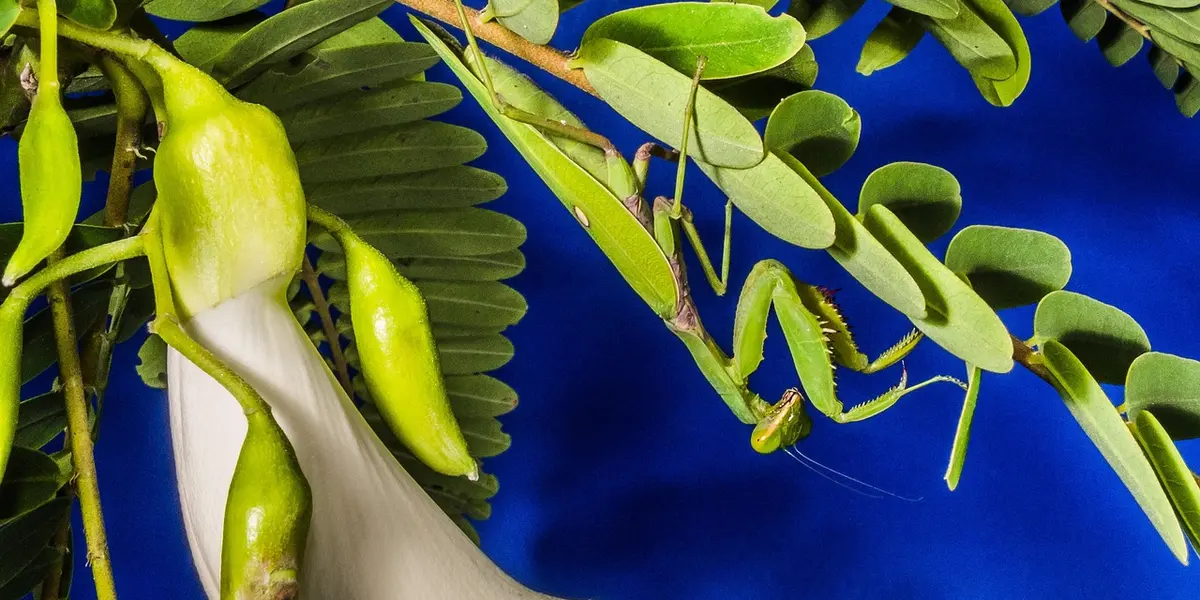
- Feeding is a direct link to your habitat’s health. Offer live prey like fruit flies or pinhead crickets that are no wider than your mantis’s head-this simple rule prevents choking and makes meals easy to catch. Most adult mantises eat well every two to three days, while growing nymphs might need food daily.
- Hydration comes from the gentle art of misting. Use a clean spray bottle with dechlorinated water to mist the enclosure lightly; you want to see fine droplets glittering on leaves and walls like morning dew. Your mantis will sip these beads, and the humid air helps with molting too.
- A daily check keeps small issues from growing. Each day, take a moment to remove any uneaten prey, wipe away frass (those tiny, dark droppings) with a damp paper towel, and scan for mold spots in damp corners. This quiet routine maintains a clean, stress-free home.
- Weekly tasks go a bit deeper for lasting comfort. Set aside a little time to inspect all decor for splits or loose bits, refresh those water droplets with a light mist, and give the substrate a full check for proper moisture and no foul smells. We find this prevents surprises and keeps everything fresh.
- Watch your mantis’s own clock for feeding cues. I feed my orchid mantis, Sprig, in the early evening when her pink-and-white petals perk up and she starts to slowly patrol her branch. Watching from a respectful distance lets her hunt naturally, a quiet moment we both enjoy.
Simple Weekly Maintenance Schedule
- Monday begins with light misting and a prey check. A gentle spray hydrates the enclosure, and clearing weekend leftovers keeps the space tidy for your mantis’s week ahead.
- Wednesday is for a quick visual inspection of all surfaces and climbing stems. Run your eyes over every twig and leaf, ensuring perches are secure and no mold has started in hidden nooks.
- Friday combines light misting with a feeding day. Mist the walls lightly, then offer a suitable meal. It’s a perfect time to note your mantis’s appetite and enjoy its poised hunting stance.
- Sunday wraps up with spot cleaning frass and rotating any soiled decor. Wipe away droppings, gently clean or turn decor pieces, and ensure the habitat feels completely refreshed for the new week.
Species-Specific Habitat Variations

Think of a mantis habitat like a tailored suit-it needs to fit the wearer perfectly. Orchid mantises crave steamy, tropical air, while ghost mantises are much happier in drier, cooler spaces that feel like a shaded forest floor. This isn’t just about comfort; it’s about mimicking the precise conditions where each species evolved to thrive.
We can see this beautifully in my own mantis family. Luna, my ghost mantis, lives in a setup packed with twisted vines and crinkled leaf litter, which lets her vanish into the background like a quiet secret. Her cousin Moss, the giant Asian mantis, has a taller enclosure with open flying room and robust branches, perfect for his energetic climbs and sudden pounces. These aren’t random choices-they’re deliberate designs for their wellbeing.
Your first task as a new keeper is to look up the specific needs of your mantis species. Trusted breeder guides and experienced keeper forums offer tailored charts for temperature and humidity, giving you a clear blueprint to follow from day one. A little research upfront prevents common pitfalls and builds your confidence.
Space is just as personal as climate. Larger species, like the hefty giant Asian, require more vertical room to move and molt safely, whereas petite ghosts feel secure and content in cosy, smaller homes. Match the enclosure to your mantis’s size, and you’ll create a space where natural behaviours can shine.
Quick Reference for Common Species
- Ghost Mantis (Phyllocrania paradoxa): Keep humidity higher at 60-70%, and fill the space with twiggy decor for perfect camouflage.
- Giant Asian Mantis (Hierodula membranacea): Maintain moderate humidity of 50-60%, and include sturdy branches for climbing and molting.
- Orchid Mantis (Hymenopus coronatus): Provide consistent warmth and high humidity of 70-80%, along with delicate flowering plants or artificial blooms for perching.
Deep Cleaning and Long-Term Habitat Health
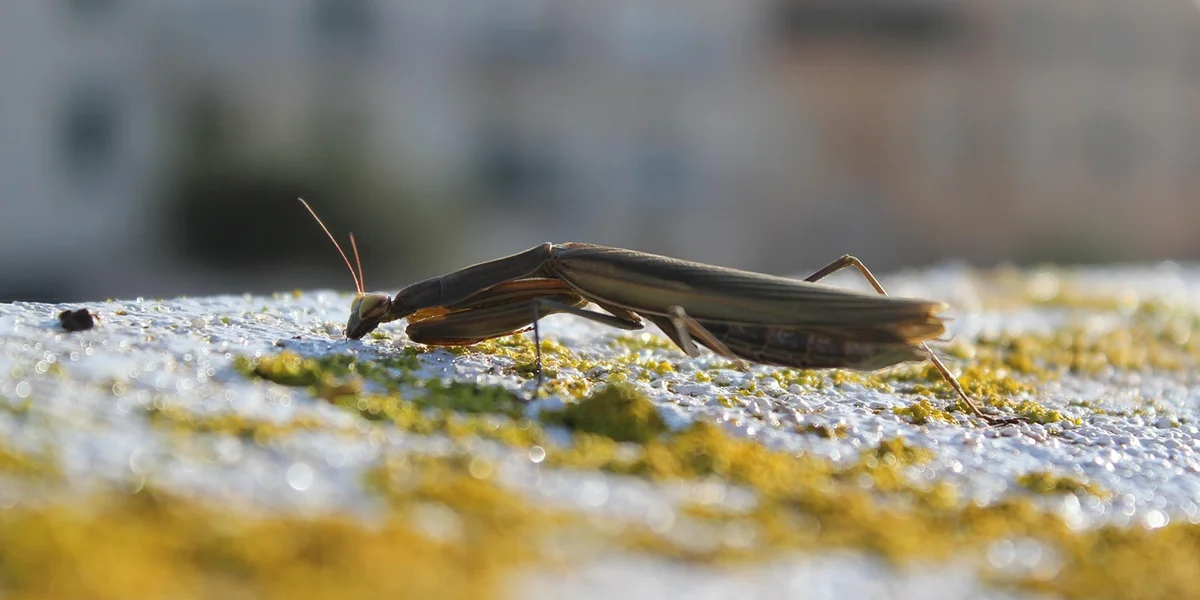
Think of habitat maintenance as a gentle ritual that safeguards your mantis’s world from unseen threats. A consistent deep-clean routine transforms the enclosure from a mere container into a thriving, breathable micro-habitat. Keeping things clean and well-maintained protects your mantis’s home. Regular cleaning prevents mold, odors, and stress.
- Guide on monthly deep cleaning: Plan a complete substrate change, sanitise all decor with warm water, and give the enclosure a thorough wipe-down to remove old skin, food bits, and hidden damp spots.
- Stress using pet-safe cleaners or diluted vinegar, never harsh chemicals. Harsh sprays can linger on surfaces; a simple mix of one part vinegar to ten parts water cleans effectively without risking your mantis’s delicate health.
- Monitor for wear: replace frayed mesh, check for cracks in plastic or glass. Over time, mesh lids can develop sharp edges that snag delicate legs, and tiny cracks might let in drafts or allow escapes-regular checks prevent these accidents.
- Warn against common mistakes: over-misting leading to soggy substrate, using toxic woods or paints in decor. Soggy bedding breeds mould spores, and woods like pine or painted items can off-gas toxins that stress your mantis’s respiratory system.
- Encourage observing your mantis’s behavior as the best indicator of a comfortable habitat. After a clean, watch how your mantis settles back in; a content mantis will perch calmly and explore freely, while stress might show in frantic climbing or refusal to eat.
Monthly Deep Clean Steps
When deep-cleaning day arrives, approach it with a calm, methodical pace. Having all your supplies ready-fresh substrate, clean cloths, and a temporary holding jar-makes the process smooth and keeps your mantis at ease.
- Gently move your mantis to a temporary, secure container. I use a large mason jar with a breathable mesh lid for my Ghost Mantis, Luna; she usually sits quietly on a curled leaf whilst I work, her misty brown frills barely stirring.
- Remove all decor and substrate, disposing of old material. Toss the old bedding into compost if possible, and give decor a quick inspection for wear or damage before washing.
- Wash the empty enclosure and decor with warm water and a soft cloth. A lukewarm rinse removes dust and debris without needing soap; for stubborn spots, a touch of diluted vinegar works wonders and leaves no harmful residue.
- Dry everything thoroughly to prevent mildew. Patience is key here-let items air-dry completely in a sunny spot, as even a hint of dampness can lead to mould outbreaks that compromise habitat health.
- Reassemble with fresh substrate and decor, then reintroduce your mantis calmly. Once everything is dry and back in place, offer your mantis a gentle hand or stick to climb back in; they often seem curious, like my Giant Asian, Moss, who taps his new leaves with antennae first before settling in.
Common Mantis Queries
Are praying mantis habitat kits a good option for beginners?
Pre-assembled kits can be an excellent starting point as they often include the essential basics like an enclosure, substrate, and decor. Just ensure the kit provides adequate height for molting and proper ventilation, which are non-negotiable for health.
What are the key considerations for a DIY praying mantis habitat?
When building your own, always prioritize safety by using clean, non-toxic materials like fine mesh for ventilation and untreated branches for climbing. The most critical step is creating a secure, escape-proof lid while ensuring the interior has no sharp edges that could injure your mantis.
How do I set up a praying mantis habitat that’s suitable for kids?
Focus on simplicity and safety by choosing an easy-to-clean enclosure with a secure, simple lid to prevent escapes. Opt for hardy, low-maintenance furnishings like silk plants and paper towel substrate to make daily care and observation a fun, manageable task for young keepers.
Your Mantis’s Sanctuary: A Final Whisper
At its heart, a healthy mantis habitat is a gentle balance of airy space, stable warmth, and just enough humidity to soften the air for molting. By offering secure climbing branches and a clean, simple setup, you build a dependable world where your mantis can perch, hunt, and grow with quiet assurance. To truly honor its nature, create a naturalistic, safe habitat that mimics its wild surroundings. Include realistic foliage, twigs, and secure hiding spots to keep your mantis calm and engaged.
Caring for these creatures is a lesson in attentive stewardship, inviting us to learn from each subtle shift in behavior or appetite. We grow as keepers by staying curious, connecting with fellow enthusiasts, and nurturing a deep respect for the delicate life in our care.
Further Reading & Sources
- Praying Mantis – Facts, Diet & Habitat Information
- Mantis – Wikipedia
- Should You Keep a Praying Mantis as a Pet?
- How to Set up a Praying Mantis Habitat (Step-by-Step) – Insect Keeper
Rowan Hale is a lifelong insect enthusiast who fell in love with mantises for their calm presence, alien elegance, and surprising personalities. After years of keeping and raising a variety of species, Rowan shares practical tips, creative insights, and real-world experience to help others enjoy the quiet magic of mantis care. From setting up the perfect enclosure to understanding their subtle behaviors, Rowan invites readers into a gentle, curious world where every tiny movement feels like a discovery.
Temperature and Humidity