
Your First Pet Mantis: A Week-by-Week Care Guide for New Owners
Published on: December 6, 2025 | Last Updated: December 6, 2025
Written By: Rowan Hale
Hello mantis friend, have you ever been captivated by the quiet grace of a praying mantis, its delicate form poised like a living sculpture in the greenery?
This guide provides a clear, week-by-week roadmap to help you confidently care for your new mantis, turning initial curiosity into a rewarding, long-term companionship.
While mantis care is beautifully straightforward, it does ask for attention to a few specific rhythms: enclosure setup, feeding routines, and the critical molting periods. We will walk through each stage together.
Here is what you can expect to learn:
- How to prepare a safe and comfortable home before your mantis arrives.
- A detailed feeding schedule tailored to each growth stage.
- Key signs to watch for during molting, the most vulnerable time.
- Simple, weekly checkpoints to ensure your mantis thrives.
Before Your Mantis Arrives: Preparation and Choice
Welcoming a mantis starts long before it scuttles into your life. Thoughtful preparation turns those first nervous moments into a calm introduction, setting a foundation of trust and comfort for both of you. Choosing a beginner-friendly species and having its home fully ready means your new friend can relax and explore without the stress of a hectic setup.
Selecting Your First Mantis Species
Your first mantis should be a hardy, forgiving teacher. We look for species that are adaptable, have straightforward care, and possess a calm disposition, making those early learning curves much gentler. For beginners, choosing the right mantis species is crucial, as it shapes how smooth the start will be. It can make care simpler and your first observations more rewarding. Here’s a comparison of common starters, drawn from years of keeper chats and personal time with my own.
| Species | Adult Size | Humidity Needs | Personality & Notes |
|---|---|---|---|
| Ghost Mantis (Phyllocrania paradoxa) | 2-3 inches | 60-70% | Exceptionally calm and slow-moving; masters of camouflage with leaflike frills. My ghost, Luna, observes the world with a quiet, almost thoughtful air. |
| Giant Asian Mantis (Hierodula membranacea) | 3-4 inches | 50-60% | Bold and inquisitive; a vigorous eater that’s fun to watch. Moss, my male, is endlessly curious and quick to investigate new decor. |
| Chinese Mantis (Tenodera sinensis) | 3-5 inches | 40-50% | Robust and adaptable; often found in gardens. They have a patient, watchful stance and are very tolerant of minor fluctuations. |
Save more delicate beauties, like the Orchid Mantis with its precise humidity needs, for your next pet mantis adventure. Starting with a resilient species lets you build confidence through simple, successful care.
Your Mantis Care Toolkit
Gathering supplies is like packing a bag for a tiny explorer-each item ensures their safety and sparks their natural behaviours. Follow these steps in order to create a complete and secure world from the very first day.
- Choose the right enclosure size. Select a tall, well-ventilated container like a mesh cage or glass terrarium, aiming for a height at least three times your mantis’s length to allow safe climbing and molting.
- Select a safe substrate. Add a one-inch layer of coconut fibre or peat moss to the bottom; it holds moisture for humidity and provides a soft landing spot.
- Source climbing branches and faux foliage. Use sticks from untreated trees or silk plants to create a network of perches and hiding spots, making the space feel enclosed and secure.
- Acquire tools for climate control. Pick up a small digital thermometer, a hygrometer to measure humidity, and a fine misting bottle for gentle watering-these are your eyes and hands for maintaining the perfect environment.
Week 1: Welcome Home and Habitat Setup
The arrival day is a quiet milestone. Your role this week is to be a steady, observant guardian, providing consistency so your mantis can map its new territory in peace. Think of it as giving them a quiet room to unpack and settle, without any rush or fuss.
Setting Up the Perfect Terrarium
If the enclosure isn’t ready, set it up now before introducing your mantis. A properly structured terrarium replicates the layered safety of a forest floor and canopy, offering immediate comfort. To create a naturalistic, safe habitat for your praying mantis, incorporate live plants, branches, and varied textures that mimic its wild environment. This approach helps boost realism and the mantis’s comfort. Follow these steps to get it just right.
- Layer the substrate. Evenly spread your moist coconut fibre across the bottom; this base manages humidity and makes cleaning easier.
- Arrange climbing surfaces. Position branches and leaves at various angles, ensuring some touch the top mesh to give ample space for the crucial molting process.
- Install climate monitors. Place your thermometer and hygrometer at the enclosure’s mid-level, where your mantis will spend most of its time, for accurate readings.
- Secure ventilation. Double-check that mesh lids or side vents allow for air exchange without creating a direct draft, which can chill your pet.
The First Days: Acclimation and Peace
Once your mantis is gently transferred into its prepared home, the real work is patience. Watchful waiting tells you more about your mantis’s wellbeing than any immediate interaction could. Keep the room quiet and avoid sudden movements near the enclosure.
- Watch for exploring or perching. A mantis that slowly climbs and chooses a favourite lookout point is adjusting well. If it stays low for a day, that’s normal too.
- Note if it refuses food initially. It’s common for mantises to skip a meal or two after the move; offer a small fruit fly but don’t insist if it’s ignored.
- Maintain consistent lighting. Provide indirect natural light or a gentle room lamp on a regular day/night cycle, avoiding direct sun which can quickly overheat the space.
- Minimize handling. Resist the temptation to hold your mantis this week; let it build confidence in its stationary world before introducing your moving hand.
You might notice your mantis grooming its antennae or sitting perfectly still for hours. These are signs of a content creature, simply being itself in its new green corner of your world.
Week 2: Establishing a Feeding Routine and Diet
This week, we turn our attention to nourishment. A steady feeding routine builds trust and fuels your mantis’s growth, much like regular meals help a seedling thrive. In our praying mantis feeding schedule species comparative guide, we compare feeding rhythms across species. Start with nymphs; their tiny bodies need careful, consistent care. This helps you tailor care to your mantis.
Young nymphs eat best every two to three days. Suitable live prey includes flightless fruit flies for hatchlings and pinhead crickets for more robust nymphs. Always select prey smaller than the width of your mantis’s head to keep meals safe.
Offer food with soft-tipped tweezers, holding the insect still. A good feeding response looks like a sudden, focused strike, often preceded by a subtle head tilt. My ghost mantis, Luna, watches a fruit fly with quiet intensity before she snatches it, her movements as precise as a falling leaf.
Hydration comes from gentle misting. Lightly spray lukewarm water on the enclosure walls and leaves, creating tiny droplets for drinking. Avoid spraying your mantis directly to keep them calm and comfortable.
What and How Much to Feed
Portion size changes with each life stage. Use this simple guide to match meals to your mantis’s size and appetite.
- Newly Hatched (L1-L2): Provide 2-3 fruit flies every 2-3 days.
- Growing Nymphs (L3-L4): Offer 1-2 pinhead crickets or small flies every 3 days.
- Older Nymphs to Adult (L5+): Feed one medium cricket or similar prey every 4-5 days.
Watch for signs of fullness after eating. A content mantis often cleans its forelegs and ignores further food, much like Moss, my giant Asian mantis, who always pauses to groom after a meal. Overfeeding can make molting difficult, so keep portions modest.
Adjust if prey remains uneaten. Sticking to a schedule helps prevent waste and keeps your pet at a healthy weight.
Hydration Through Misting
Humidity is vital for drinking and smooth molting. Misting replicates the dew your mantis would find in its natural habitat, adding a soft, moist touch to the air. It’s a simple act with a big impact.
Follow these steps for safe, effective misting:
- Fill a spray bottle with lukewarm, dechlorinated water.
- Lightly mist the enclosure walls and any foliage, aiming for a fine spray.
- Never spray your mantis directly; let them sip from the droplets on surfaces.
- Mist once daily, usually in the morning, to mimic dawn moisture.
Check humidity by looking for light condensation. The air should feel faintly damp, with droplets drying within a few hours-perfect for Sprig, my orchid mantis, whose colours stay vibrant without excess wetness.
Tailor misting to your home’s climate. Consistent humidity supports hydration and eases the delicate process of shedding old skin.
Week 3: Health Monitoring and Behavioral Insights
By week three, your focus shifts from pure survival to deeper care. This is the time for quiet observation, getting to know your mantis as an individual. A daily visual check becomes your most important tool. Spend a few moments each day simply watching. A healthy mantis holds itself in an alert, ready posture, its large, compound eyes clean and glossy like dark polished beads. All six legs and both powerful raptorial arms should be intact and used with purpose. Being familiar with these Signs of a healthy mantis helps you spot when something isn’t right. If you observe persistent lethargy, a limp limb, abnormal posturing, or a failure to eat or molt, these could indicate a problem that deserves attention.
Any sudden change in routine is your first clue that something might need your attention.
We like to keep a simple notebook-just the date, if they ate, and a note like “active climber” or “resting quietly.” This journal becomes a priceless record of their normal rhythm, so you’ll instantly spot when things are off. Red flags include prolonged lethargy (not just a day of rest), a persistent refusal of food they normally love, or any unusual discoloration like dark, spreading spots. Clear, runny fluid around the mouth or a kinked, drooping abdomen are also signs to watch for.
Reading Your Mantis’s Body Language
Your mantis communicates through stillness and subtle movement. Learning this silent language tells you everything about their comfort. Here are common behaviors and what they often mean:
- Swaying Gently: This isn’t dancing. It’s a brilliant camouflage technique, mimicking a leaf or twitchy twig in the breeze. My ghost mantis, Luna, does this perfectly, her frilly body becoming part of the foliage.
- Raptorial Arms Raised and Spread: This is a classic threat display. The mantis is trying to look larger and more intimidating. It means “I feel threatened.” Give them space and quiet.
- Gentle Head-Turning and Tracking: Those curious, tilting movements are a sign of a engaged and curious mantis. They are focusing their incredible binocular vision, often on you or a potential snack.
- Frequent Grooming: Using their mouthparts to clean their antennae and forearms is a sign of a content, healthy mantis. It’s their version of a cat washing its paws.
- Hanging Upside-Down, Motionless: If they’ve chosen a high spot and settled in, this is often a pre-molt position. They are securing themselves for the delicate process ahead.
Watch for clusters of behavior; a mantis that sways while slowly tracking your finger is likely just curious, not scared.
Spotting Early Signs of Molting
Molting is how your mantis grows, and the process starts quietly days before the actual skin-shedding. Recognising the signs prepares you to provide a safe, stress-free environment. Are these the signs that a praying mantis is about to molt? They’re the early indicators you should watch for to prepare a calm, safe enclosure. The first signal is usually a loss of appetite. Your voracious hunter might suddenly ignore a plump fruit fly. Don’t panic—this is normal. Their body is preparing, and eating could trap them in their old skin.
Increased stillness is another key pre-molt signal. They become a living statue, conserving all their energy for the big event. You might notice them seeking out the very top of their enclosure, a secure spot from which they can hang freely. The exoskeleton may appear dull or tighter than usual, and the area between their wing buds (in nymphs) might look swollen. Moss, my giant Asian mantis, always finds the highest crossbar in his mesh cage and refuses to budge for two days beforehand.
When you see these signs, ensure humidity is perfect, never disturb them, and remove any uneaten live food. Their upcoming molt is their most vulnerable time, and your calm preparation makes all the difference for their safety and success.
Week 4: Molting Milestones and Growth Checks
Week four often brings a quiet transformation-your mantis is getting ready to shed its old skin. This molting period is a fragile time where your calm, prepared actions make all the difference for a successful shed. Think of it as helping a friend through a sleepy, delicate change. My mantis Moss went through this just last week, and by following these simple steps, he emerged greener and larger, ready for his next adventure.
- Increase humidity slightly. A gentle rise in moisture helps soften the old exoskeleton. We lightly mist the enclosure walls the evening before we suspect a molt, avoiding spraying the mantis directly.
- Ensure no disturbances. Move the habitat to a quiet spot and resist the urge to peek. Any sudden movement can startle your mantis mid-molt, which risks injury.
- Do not offer food. A mantis cannot eat while molting, and live prey nearby poses a real threat. Remove any insects from the enclosure well beforehand.
- Post-molt care: wait for the exoskeleton to harden before feeding. After the shed, your mantis will be soft and vulnerable. Give it at least 24 to 48 hours for its new armour to fully harden and darken before offering a small, gentle meal.
The Molting Process Explained
Molting is how your mantis grows, literally stepping out of its confining old skin. Imagine wearing a stiff suit that you must carefully wriggle out of, leaving behind a perfect, fragile copy of your former self. Inside, a new, larger exoskeleton has formed, and over several hours, your mantis will hang upside down, split its back, and slowly extract its body and limbs. It’s a breathtaking sight of stillness and effort.
Here is a quick list of do’s and don’ts to keep your mantis safe during this critical hour.
- Do provide a sturdy ceiling or mesh for your mantis to hang from securely.
- Do keep the environment warm and consistently humid.
- Don’t touch or attempt to help your mantis if it seems stuck-interference usually causes more harm.
- Don’t panic if the mantis lies still for a long time afterwards; rest is vital for hardening.
After the Molt: Recovery and Next Steps
Once the delicate process is complete, your care shifts to supportive recovery. Your first task is a gentle visual check to confirm everything went smoothly. Look for the discarded skin, often a ghostly, complete shell left hanging. Watch that all new limbs are fully extended and not curled or misshapen. Within a day or two, you should see a return of that familiar, alert posture and interest in movement.
As your mantis grows, its needs will change. A larger body means a bigger appetite, but also a need for more strategic feedings. You might offer food every three to four days instead of five, and the prey size can increase slightly-think a medium cricket instead of a small fruit fly. With my juvenile Orchid Mantis, Sprig, I waited a full two days after her molt before offering a plump fly, which she took with delighted boldness.
Weeks 5-8: Settling Into Adult Care Rhythms
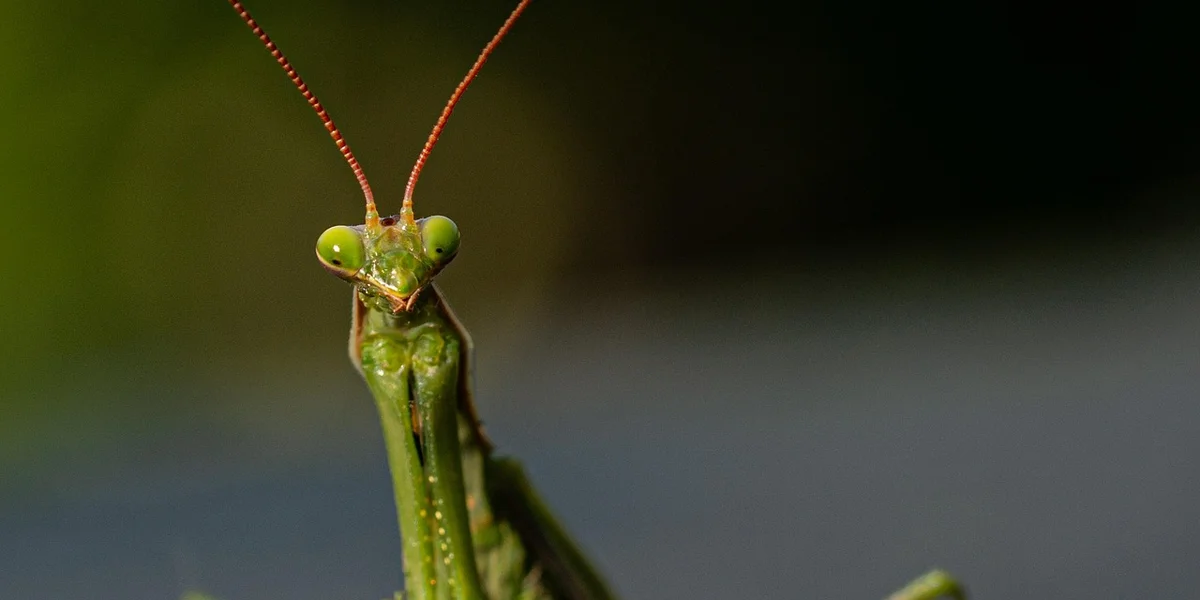
Your mantis now moves with a new, deliberate grace, its body fuller and its strikes more assured. These weeks are about shifting from intensive nymph care to a steadier, observant routine that supports your mantis’s adult life. We remember Moss, our adult male Giant Asian Mantis, becoming bolder in his explorations, his emerald body a vibrant contrast against fresh foliage.
Prey size needs to grow alongside your mantis—think larger fruit flies, small crickets, or even houseflies for bigger species. Offering appropriately sized food prevents wasteful hunts and ensures your mantis gets the nutrition it needs without stress. A quiet upgrade to a taller enclosure, perhaps a gallon-sized jar or a small terrarium, gives those long limbs room to stretch and molt safely. Essential habitat requirements—adequate enclosure size, ventilation, humidity, and perches—are crucial for a healthy praying mantis.
Handling can become a rare, gentle joy if your mantis shows a calm disposition, often seen in species like the Ghost Mantis. Males, typically slimmer and more active, may appreciate short, supervised climbs, while females, often larger and more sedentary, might prefer to observe from a comfortable perch. This difference isn’t strict, but noticing it helps you tailor your care to their individual rhythms.
Adjusting Your Care Routine
Adult care feels less frantic than the nymph stage, trading frequent feedings for deeper observation. The table below highlights key shifts to help you transition smoothly into this long-term maintenance phase.
| Care Aspect | Nymph Stage | Adult Stage |
|---|---|---|
| Feeding Intervals | Every 2-3 days with pinhead crickets or fruit flies | Every 4-7 days with larger prey like blue bottle flies or small crickets |
| Space Requirements | A small deli cup or vial is often sufficient | Upgrade to an enclosure at least 3 times the mantis’s length in height |
| Temperature Stability | Needs consistent warmth (70-80°F) without fluctuation | Can tolerate gentle, natural drops at night but avoid drafts |
Seasonal light changes in your home, like shorter autumn days, can subtly affect your mantis’s activity. Mimicking natural light cycles with a regular room lamp schedule helps maintain their internal clock, promoting healthier feeding and resting patterns. We’ve noticed Luna, our Ghost Mantis, becomes more contemplative as evening draws in, tucking herself under a leaf as the light fades.
Introduction to Gentle Handling
Handling a mantis is not necessary, but when done with patience, it can be a quiet way to bond. Always let your mantis decide to engage, moving slowly to avoid startling its delicate senses. When you choose to interact, keep your movements calm and steady to handle your praying mantis safely. This mindful approach helps prevent stress for your mantis and reduces the risk of accidental escapes. Follow these steps to ensure both you and your mantis feel safe.
- Allow the mantis to walk onto your hand by placing your finger gently in front of its front legs-never grab from above.
- Keep handling sessions brief, under five minutes, to prevent stress or accidental falls.
- Always handle low over a soft surface like a bed or cushion, creating a safe landing just in case.
There are specific times when handling should be avoided to keep your mantis comfortable and secure. Respecting these moments prevents injury and supports your mantis’s natural cycles.
- Avoid handling in the days before or after a molt, when their skin is soft and vulnerable.
- Steer clear during feeding, as a mantis is focused and may mistake your hand for prey.
- Skip handling if your mantis seems lethargic or is hanging motionless, as it might be preparing for a molt or digesting.
With Sprig, our juvenile Orchid Mantis, we wait for her to step out willingly after a misting, when the humidity seems to lift her spirits. These small, respectful interactions build trust without ever pushing their boundaries.
Quick Fixes for Common Mantis Care Hiccups
Even with the best setup, your mantis might have an off day. Seeing a change in your mantis’s behaviour can be worrying, but many issues have straightforward solutions you can try right at home. To help you troubleshoot why your mantis might be sick, this ultimate mantis health checklist guides you through signs to look for. It also offers quick, at-home steps you can take. This table pairs common problems with immediate, practical steps to help your mantis friend feel better.
| Problem | Likely Cause | Immediate Action |
|---|---|---|
| Mantis refuses food | Pre-molt lethargy, prey is too large/unappealing, or enclosure is too cold. | Offer a smaller, different type of prey (e.g., switch fruit flies for small crickets). Gently warm the habitat to 24-26°C and try feeding again in a few hours. |
| Failed or “stuck” molt | Insufficient humidity during the molting process. | Do not touch or try to pull the old skin off. Immediately increase humidity by misting the enclosure walls (not the mantis) heavily and create a gentle steam by placing a cup of very warm water inside the habitat for a short time. |
| Low humidity reading | Dry air in the room, insufficient misting, or too much ventilation. | Add a slightly larger, shallow water dish on the warm side of the enclosure. Temporarily cover a portion of the mesh lid with cling film, but always leave adequate air flow to prevent stagnation. |
| Mold growth on decor or substrate | Over-misting combined with poor ventilation. | Remove the moldy item immediately. Increase air circulation by ensuring cross-ventilation and temporarily reducing misting frequency, allowing the enclosure to dry out a bit between sprays. |
| Mantis is lethargic and hangs low | Often a sign of being too cold or dehydrated. | Check your thermometer. If temperatures are low, move the enclosure to a warmer room or use a low-wattage heat mat on one side. Offer a single, gentle mist of water droplets on the netting for it to drink. |
Feeding and Hydration Issues
A mantis turning down a meal can puzzle a new owner. My Ghost Mantis, Luna, will sometimes stare at a fruit fly for hours before finally deciding it’s time. Refusing food is usually a temporary hiccup, not a cause for immediate alarm. Here are the common reasons and simple fixes.
- Approaching a Molt: In the days before shedding its skin, a mantis will often stop eating entirely. Its body is preparing for the big change. Simply remove any uneaten prey and wait patiently.
- Prey Size or Type: The insect might be intimidating. Try offering a smaller feeder, or switch species-some mantises develop a preference. Moss, my Giant Asian, will eagerly take a cricket but often ignores a waxworm.
- Temperature: Mantises are ectothermic; they need warmth to digest. If their space is too cool, their appetite vanishes. A slight bump in temperature can work wonders.
Dehydration can be stealthy. Signs include a sunken abdomen, lethargy, and a reluctance to move. In praying mantises, these signs of dehydration in mantises tell you when to fix it. Recognizing them early helps you act quickly to restore hydration. The fix is careful, direct hydration: use a fine mist spray bottle to create tiny water beads on the enclosure walls or netting lid where your mantis can easily drink. Never spray directly onto the mantis, as a heavy droplet can startle or harm it. A quiet drinking session, with those delicate mouthparts sipping at a droplet, is a sure sign of recovery.
Habitat and Climate Troubleshooting
Think of the enclosure as a tiny, captive biome. When the climate inside is off, your mantis feels it. A stable habitat is the foundation of good mantis health, and small adjustments can restore balance quickly. For first-time keepers, avoid common setup mistakes. These include improper ventilation, incorrect humidity, and too-small enclosures. Use this checklist to diagnose and correct common climate issues.
- Temperature is Too Low:
- Move the enclosure away from drafty windows or air vents.
- Use a small, low-wattage heat mat (like those for reptiles) placed on the side of the tank, never underneath. This creates a gentle warmth gradient.
- Ensure the heat source is regulated by a thermostat to prevent overheating.
- Humidity is Too Low:
- Mist more frequently, but always allow the enclosure to partially dry between sessions to prevent mold.
- Add a shallow water dish near the heat source to encourage natural evaporation.
- For species like Orchid Mantises that need high humidity, a live, moisture-loving plant like pothos can help regulate the air.
- Humidity is Too High / Mold Appears:
- Increase ventilation immediately. If your lid is mostly mesh, you’re likely okay. If not, drill small air holes near the top and bottom for cross-flow.
- Reduce misting frequency.
- Swap out paper towel substrate more often, or use a sterile soil mix that breathes better.
It’s a dance between moisture and air. For my Orchid Mantis, Sprig, I maintain high humidity with daily misting but use a small computer fan for a few minutes each day to gently cycle the air, mimicking a soft, tropical breeze. Good ventilation is non-negotiable; it keeps the air fresh and prevents the damp, stale conditions where mold and bacteria thrive.
Common Mantis Queries
How should I care for an Orchid Mantis if I’m a beginner?
Orchid Mantises demand precise high humidity and stable temperatures, which can be tricky for newcomers to maintain. It’s best to gain experience with a hardier species first, as their delicate nature requires more attentive monitoring.
Are there any specific tips for keeping a Praying Mantis in California?
In California’s diverse climates, adjust misting frequency to counter dry air, especially in inland areas. Also, ensure enclosures avoid direct sunlight to prevent overheating during hot spells.
Is a Mantis Shrimp care similar to a Praying Mantis care?
Mantis Shrimp are aquatic creatures needing saltwater aquariums with specific filtration, unlike the simple terrariums for land-dwelling Praying Mantises. Their aggressive behavior and dietary needs also differ significantly, so separate care guides are essential.
Your Mantis-Keeping Journey Begins
The heart of caring for your first mantis lies in establishing a gentle, weekly rhythm of observation, feeding, and habitat maintenance. Trust your eyes and your mantis’s behaviour-they are the most reliable guides you have.
Responsible mantis-keeping is a quiet commitment to learning from your pet and providing a safe, enriching slice of the wild in your home. We find the greatest joy comes not from perfection, but from the patient, shared growth between keeper and insect.
Further Reading & Sources
- How to Care for a Praying Mantis : 4 Steps – Instructables
- General Mantis Care – Praying mantis care sheet and feeding
- r/mantids on Reddit: Advice on caring for mantises
- Mantis Care Sheet | Mantid Forum – Mantis Pet & Breeding Forum
Rowan Hale is a lifelong insect enthusiast who fell in love with mantises for their calm presence, alien elegance, and surprising personalities. After years of keeping and raising a variety of species, Rowan shares practical tips, creative insights, and real-world experience to help others enjoy the quiet magic of mantis care. From setting up the perfect enclosure to understanding their subtle behaviors, Rowan invites readers into a gentle, curious world where every tiny movement feels like a discovery.
First-Time Mantis Owners