
Breeding Mantis Species: A Gentle, Step-by-Step Keeper’s Guide
Published on: December 5, 2025 | Last Updated: December 5, 2025
Written By: Rowan Hale
Hello mantis friend,
Picture this: a quiet moment in your greenhouse corner, where a female mantis-like my own Luna, a ghost mantis with her delicate, leaflike frills-carefully deposits a frothy ootheca, the start of new life in your care.
Breeding mantis species successfully hinges on a keeper’s ability to replicate nature’s subtle rhythms through careful preparation, timed introductions, and nurturing follow-up care for both parents and hatchlings.
While the process holds a beautiful simplicity, it asks for your focused attention; factors like species-specific behaviors, humidity levels, and even the personalities of your mantises can shape the journey.
Here are the key steps we’ll walk through together:
- Ensuring both male and female mantises are healthy, well-fed, and at the precise maturity stage for breeding.
- Orchestrating the mating encounter in a neutral space to reduce stress and the risk of cannibalism.
- Providing ideal conditions for the female to lay her egg case, and then caring for that ootheca until it hatches.
- Raising the tiny, emerging nymphs with appropriate food, humidity, and space to thrive.
Each of these steps is a gentle puzzle piece, and with a calm, observant approach, you can witness the remarkable cycle of mantis life unfold right in your home.
Is Mantis Breeding Right for You?
Welcoming a new generation of mantises into your care is a quiet, wondrous commitment. Before we begin, let’s sit with a cuppa and gently assess if this journey aligns with your daily rhythm and space. Breeding isn’t for every keeper, and that’s perfectly okay. If you’re considering mating mantises, this guide highlights 6 common mistakes new breeders make when mating praying mantises.
- Do you have a few extra moments each day to tend to multiple enclosures?
- Is there a peaceful corner in your home for several habitats, each with its own humidity and heat?
- Are you prepared for the responsibility that stretches from a papery egg case to dozens of darting nymphs?
- Have you considered the ethical why behind your desire to breed?
Many of us breed from a place of gentle stewardship. It’s about continuing a beloved hobby lineage or offering a soft form of conservation within our own four walls. The soft rustle of nymphs emerging is a reward for thoughtful preparation.
Assessing Your Readiness and Resources
Let’s turn those big questions into a simple, practical checklist. Mapping out your resources transforms nervous excitement into a calm, actionable plan.
- Daily care time: Budget for at least 20-30 minutes daily to mist enclosures, offer food, and observe health.
- Cost of setup: Factor in extra enclosures, substrates, and a reliable supply of small feeders like fruit flies or pinhead crickets.
- Space for habitats: You’ll need room to house males and females separately, plus ample space for many nymph containers.
- Nymph housing plans: Tiny mantises need secure, ventilated homes-think repurposed deli pots or small jars, which we can prepare weeks in advance.
Understanding Your Why: The Goals of Breeding
Clarifying your intentions makes the entire process more meaningful. Breeding with a clear purpose fosters a deeper connection to these delicate lives. My Ghost Mantis, Luna, taught me that each ootheca holds a story of patience.
- Sustaining a personal colony: Keeping a lineage alive for your own observation and the simple joy of care.
- Appreciating lifecycles: Witnessing the full transformation from egg to adult is a humble lesson in nature’s patient rhythms.
- Sharing with fellow enthusiasts: Passing nymphs to other careful keepers spreads wonder and eases pressure on wild populations.
Contrast this with breeding from impulse. If the thought of finding homes for fifty nymphs feels overwhelming, it’s a kind sign to pause and wait. We breed from readiness, not curiosity alone.
Choosing Your Species and Understanding Mantis Biology
Your choice of species sets the tone for your breeding experience. Selecting a forgiving, beginner-friendly mantis builds confidence and paves the way for success. It’s like choosing a gentle companion for a quiet journey. For beginners, the key is to choose the right mantis species—look for easy-care, calm species with steady behavior. Starting with the right species makes your learning curve smoother and your first successes more likely.
Beginner-Friendly Mantis Species for Breeding Success
Here are a few splendid species known for their cooperative nature. Starting with one of these can make your first foray into breeding a smooth and educational process. The table below compares key traits to guide your choice.
| Species | Temperament | Ease of Breeding | Ootheca Care Notes |
|---|---|---|---|
| Ghost Mantis (Phyllocrania paradoxa) | Calm, slow-moving; rarely shows aggression | Very High; pairs often cohabitate peacefully | Small, hardy egg cases; hatch in 4-6 weeks at average room humidity. |
| Giant Asian Mantis (Hierodula membranacea) | Curiously active; tolerates gentle handling | Moderate; requires separate housing until introduced for mating | Large oothecae yield many nymphs; keep in a humid, well-ventilated space. |
| European Mantis (Mantis religiosa) | Docile and observant; excellent for learning | High; very adaptable to indoor climates | Oothecae are robust; simulate mild winter chilling indoors for best hatching rates. |
My Giant Asian Mantis, Moss, was a vivid emerald teacher. His breeding introduced me to the careful dance of introduction and the quiet success of a well-placed ootheca. Species like his offer a manageable learning curve.
The Praying Mantis Lifecycle: From Egg to Adult
Knowing the lifecycle stages helps us plan with care and foresight. Each phase, from egg to adult, demands a slight shift in our keeper’s routine. The cycle begins with the ootheca, a frothy cradle of life.
- Egg (Ootheca): A foamy, protective case where embryos develop. We keep it in a stable, slightly humid spot away from direct disturbance.
- Nymph (Instar stages): Upon hatching, nymphs molt through several instars, growing with each shed. They need tiny, live prey and meticulous housing to prevent escapes.
- Adult: After the final molt, mantises reach maturity with full wings. This is the stage for breeding, following a period of settling and feeding.
Planning for each stage avoids last-minute rushes. Having nymph enclosures ready before hatching is a simple act of kindness that ensures their safety. My Orchid Mantis, Sprig, needed a bloom-like environment even as a nymph to feel secure.
Sexing Your Mantises: A Crucial Skill
Correctly identifying male and female mantises is fundamental for breeding. Mistakes in sexing can lead to incompatible pairs or even dangerous aggression. Let’s learn the signs to tell males and females apart with a calm, step-by-step approach.
- Count abdomen segments: Gently examine the underside. Females typically have six visible segments, whilst males have eight. Take your time with this-a magnifying glass helps.
- Observe wing length: In many species, males possess longer wings that extend past their abdomen, aiding flight. Females often have shorter, broader wings.
- Note body size and shape: Females are generally larger and stockier, especially in the abdomen when gravid. Males tend to be more slender and lightweight.
- Watch their behaviour: Males are often more active and flighty, whereas females usually remain more stationary and deliberate in movement.
Accurate sexing sets the stage for a peaceful introduction. Pairing a willing male and female reduces stress and significantly boosts the chances of a successful mating. With my mantises, I’ve found that careful observation long before breeding day makes all the difference.
Creating the Perfect Breeding Environment
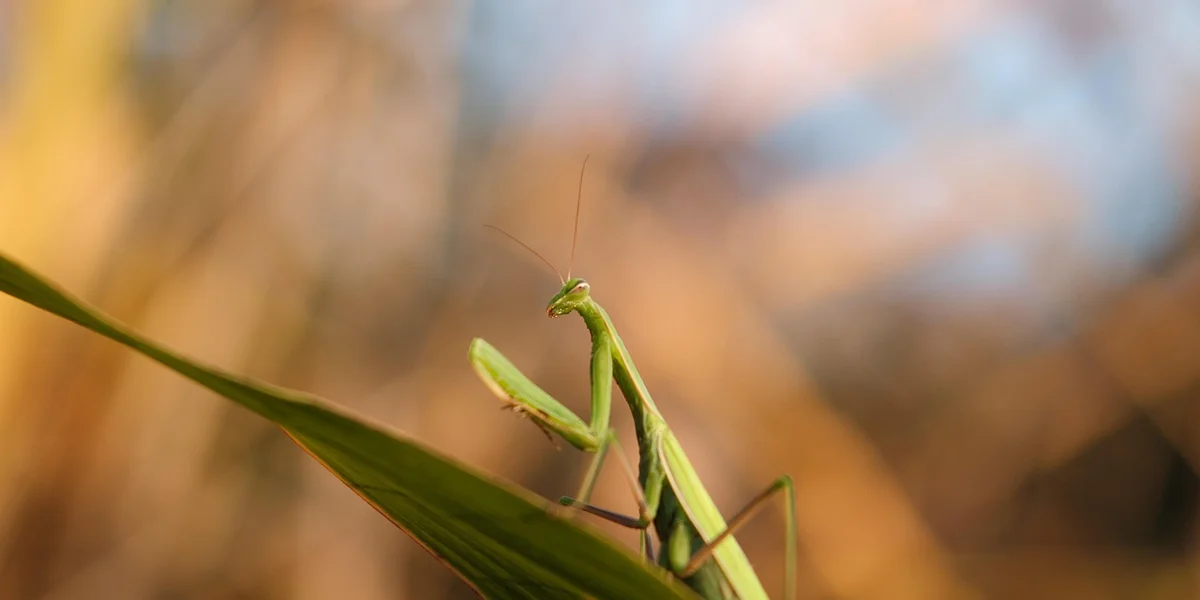
Think of this stage as setting the stage for a quiet, private performance. A calm and correctly configured space tells your mantises it’s time, reducing stress and encouraging natural behaviors. We’re moving from a solo home to a shared suite designed for comfort and safety.
A proper breeding setup isn’t just about putting two mantises together; it’s about crafting a stable, stress-free microclimate that whispers ‘spring’ to their instincts. Once that space is ready, you can safely introduce a male and female mantis. Do so gradually and under supervision, with a plan to separate if signs of stress occur.
Essential Equipment for Your Breeding Terrarium
Gathering your tools beforehand makes the process smooth. You’ll need a primary enclosure for the female and a separate, temporary introduction container. Here’s your checklist:
- Primary Enclosure for the Female: A tall terrarium or mesh cage, at least 3 times her body length in height. For my Giant Asian male, Moss, I use a 12-inch tall mesh cage which gives him ample room to climb and hunt.
- Introduction Container: A large, clean jar or spare kritter keeper. This is for the initial meeting-somewhere with minimal clutter so you can observe closely.
- Secure, Ventilated Lids: Fine mesh tops are perfect. They prevent escapes and allow for crucial air flow, which stops stagnant, mold-prone air.
- Substrate: A simple layer of pesticide-free potting soil, coconut fibre, or even paper towel. This holds a little humidity and cushions any falls.
- Climbing Branches and Foliage: Plenty of twigs, fake or live plants, and vertical sticks. The female needs perches at different levels, and the male needs launch points for his approach.
- Misting Bottle: A fine spray bottle for hand-misting. Avoid coarse droplets that can startle them.
- Gentle Heat Source: A low-wattage heat mat placed on one side of the enclosure, never underneath. This creates a necessary temperature gradient.
- Digital Hygrometer and Thermometer: Small, affordable units that give you precise readings. Guessing won’t do here.
Having everything on hand before you introduce the pair means you can focus on their behaviour, not on scrambling for a missing item.
Dialing In: Temperature Range, Terrarium Humidity, and Photoperiod
These three factors work in concert to signal breeding readiness and ensure the female can later produce a healthy ootheca. Consistency is your best tool.
- Temperature Range: Most common species thrive at 72-82°F (22-28°C) during the day. Use the side-mounted heat mat to create a warmer zone, allowing the mantis to choose its comfort. A slight, natural drop at night is fine.
- Terrarium Humidity: Aim for 50-70% relative humidity. Monitor with your hygrometer. Lightly mist the enclosure sides and foliage every other day, but never directly spray the mantises. The air should feel fresh and lightly damp, like a morning in a shaded garden.
- Photoperiod (Light Cycle): Simulate longer “summer” days with 12-14 hours of gentle light. A simple LED desk lamp on a timer works wonderfully. This extended light period is a key trigger for reproductive behaviour.
Think of your terrarium as a tiny, controlled season where it is always a perfect, mild summer day-this stability tells your mantis it’s safe to invest energy in the next generation.
Sanitation and Quarantine: Foundations of Health
Cleanliness is the invisible shield that protects your breeding project. Pathogens or mites can devastate fragile nymphs, so we build habits that prevent problems.
- Quarantine New Arrivals: Any new mantis, even one intended as a mate, should live in a separate room for 2-3 weeks. Watch for lethargy, odd spots, or loss of appetite.
- Clean the Introduction Container: Before every use, wash the jar or temporary cage with hot water and a drop of dish soap, rinsing thoroughly. A quick wipe with a dilute white vinegar solution helps disinfect.
- Maintain the Primary Enclosure: Remove uneaten prey and frass (droppings) daily. Replace soiled substrate paper towels weekly. For my Ghost mantis Luna’s home, I do a full, gentle clean-out every month, rinsing branches in hot water.
- Tool Hygiene: Use separate feeding tweezers for each mantis, or sterilise them in boiling water between uses. This stops any potential cross-contamination.
A rigorous sanitation routine is the quiet, unseen work that gives your future nymphs the strongest possible start in a clean, safe world.
The Mating Process and Ootheca Care
Let’s walk through the mantis mating sequence together, focusing on safety and calm observation every step of the way. This process is a quiet ballet of instinct, and your role is to be a gentle stage manager, ensuring the environment supports a successful performance. We’ll cover from the first careful introduction to the vigilant care of the egg case, or ootheca, that follows.
Recognizing Mating Readiness and Behavior
Knowing when your mantises are ready is the first crucial step. A female mantis signals her readiness through a fuller, rounded abdomen and a noticeable calmness, often perching statuesquely for days. This typically happens two to three weeks after her final molt, once her new exoskeleton has fully hardened.
Males display a different energy entirely. You might see your male, much like our curious Moss, becoming restless, swaying side-to-side, and making short, fluttering flights if his species is winged. A receptive female will often remain still or make slow, deliberate movements, while an aggressive one will raise her forelegs high in a clear warning.
Facilitating the Introduction: Minimizing Cannibalism Risk
Introducing the pair requires a methodical, patient approach to keep the male safe. Always have a soft artist’s brush or a long twig ready for a gentle nudge to separate them if things turn south. Follow this numbered guide for the safest introduction:
- Feed the female a substantial meal 24 hours before the meeting to curb her hunting drive.
- Use a clean, spacious neutral enclosure-free of the female’s scent-as the meeting ground.
- Place the female inside first and allow her to settle and explore for at least ten minutes.
- Introduce the male at the opposite end, letting him approach her on his own terms.
- Watch without sudden movements; if the female strikes, use your tool to create a distraction and guide the male to safety.
- If accepted, mating can last several hours; provide a quiet, undisturbed space.
- Once they separate, immediately but calmly guide the male back to his own home with your brush.
Supervision from start to finish is non-negotiable, as even a well-fed female can have a change of heart in an instant.
After the Dance: Collecting, Incubating, and Hatching the Ootheca
Successfully mating is just the beginning; now we care for the future generation. The female will produce a frothy ootheca that hardens into a protective egg case, often on a branch or the enclosure mesh. With our Ghost Mantis Luna, we learned to wait a full 48 hours after laying before touching it, allowing it to cure properly.
To collect the ootheca, use a blunt spatula or credit card to gently slice or pry it from the surface. Apply slow, steady pressure sideways to avoid crushing the delicate eggs nestled inside the foam. Place it in a small, ventilated container like a deli cup with a few pinpricks in the lid.
Incubation needs consistent, gentle conditions. Maintain a humidity level that mimics a dewy morning-light misting every two or three days around (not directly on) the ootheca usually suffices. Keep temperatures steady between 23°C and 26°C, avoiding drafts or direct heat sources.
Hatching is a marvel of patience. You might wait from four weeks to several months before dozens of tiny nymphs, each no bigger than a grain of rice, come pouring out in a synchronized hatch. Have their nursery enclosures prepared with fine mesh for air and micro-prey like springtails or fruit flies ready for their first meal.
Raising Nymphs to Adulthood
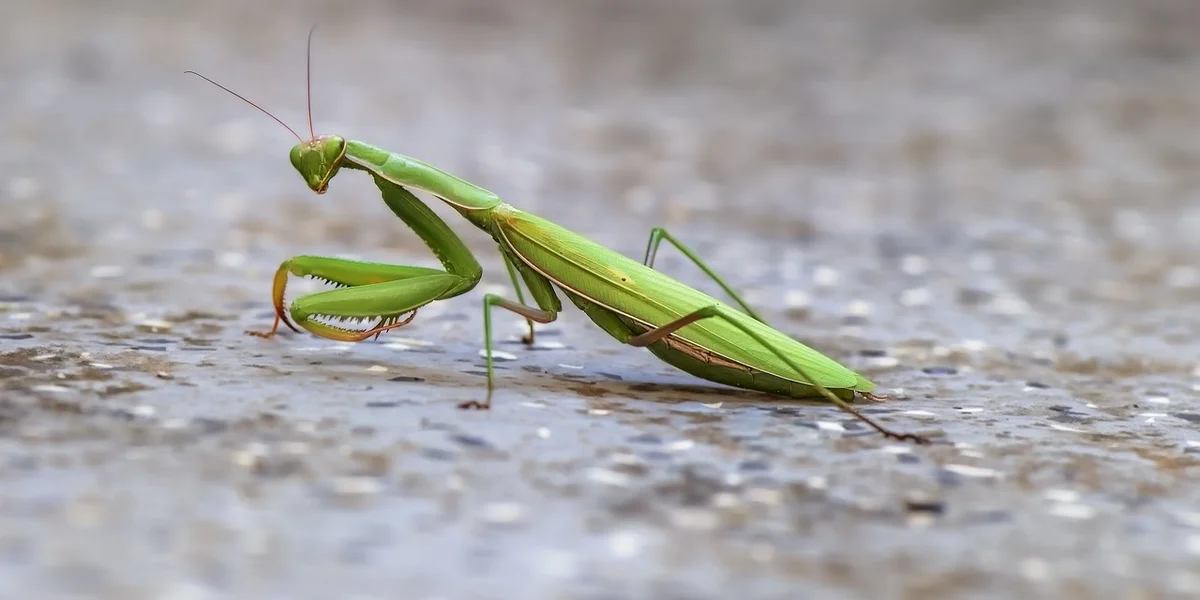
When those tiny, translucent nymphs first emerge, their journey from delicate hatchlings to graceful adults begins. We focus on two pillars during this phase: a consistent, nutritious diet and careful attention to each molt, as these are the building blocks for healthy, vibrant mantises. It’s a quiet, watchful time, filled with the soft scuttle of tiny feet and the anticipation of each new stage.
First Steps: Hatching Setup and Initial Brood Management
The moment your ootheca hatches, you’ll be greeted by a bustling cloud of miniature mantises. Your first task is to provide a secure nursery that prevents the instinctive cannibalism that can swiftly thin their numbers. I use small, clear delicup containers or repurposed jam jars with mesh lids, which offer excellent ventilation and let you observe each nymph.
Separation needs to happen quickly, ideally within the first 24 to 48 hours. Gently coax individual nymphs onto a soft paintbrush or leaf and transfer them to their own temporary homes. With my ghost mantis Luna’s brood, I learned that even her generally placid species benefits from early isolation to ensure every nymph gets a fair start at life.
Here is a simple setup checklist for new hatchlings:
- Enclosure: Small plastic cup or jar (500ml or less) with a ventilated lid.
- Substrate: A paper towel floor for easy cleaning and moisture control.
- Furnishings: A few twigs or soft fake leaves for climbing and perching.
- Spacing: Keep individual cups in a warm, stable area away from direct sun.
Feeding Your Growing Brood: Diet Plans and Feeder Insects
A growing nymph is a hungry nymph, and their food must be as small as they are. Providing the right-sized prey is not just about nutrition; it’s about preventing injury and stress during those early, vulnerable feeds. The first meals are crucial for building strength for the molts to come.
Follow this general feeding schedule, adjusting for species and individual appetite:
- L1 to L3 Nymphs: Offer flightless fruit flies (Drosophila) every two to three days. A light dusting of calcium powder on the flies once a week supports exoskeleton development.
- L4 to L6 Nymphs: Introduce pinhead crickets, small houseflies, or green bottle flies. Feed every three to four days.
- Subadults to Adults: Transition to larger prey like blue bottle flies, small crickets, or moths. Feeding can occur every four to five days.
Always gut-load your feeder insects with fresh vegetables and commercial bug feed for at least 24 hours before offering them. This passes vital nutrients to your mantis, much like how preparing a wholesome meal for a pet ensures their vitality. My giant Asian mantis, Moss, always showed brighter colour and more energy when his crickets dined on carrot and squash. This approach is a core part of the ultimate guide to gut-loading feeder insects for mantises. The full guide walks you through timing, nutrient balance, and practical tips to maximize your mantis’s health.
Supporting Nymph Development Through Molts
Molting is the most critical and delicate process in a nymph’s life. During a molt, your mantis is utterly vulnerable, and creating a peaceful, hazard-free environment is the kindest care you can provide. You’ll notice them becoming still, refusing food, and often hanging upside down from their perch.
To support a successful molt, ensure these conditions in their enclosure:
- Humidity: Gently mist the sides of the enclosure the evening before a suspected molt. We aim for that faint, earthy dampness in the air, not wetness.
- Space: Give them plenty of vertical climbing space-a twig or mesh reaching near the top-so they can hang freely without obstruction.
- Quiet: Avoid any handling or disturbances for at least a day before and after molting.
If a mismolt occurs, where the mantis gets stuck in its old skin, stay calm. Increasing humidity with a warm mist can sometimes help soften the exuvia, but never try to pull it off yourself. Often, the mantis will work itself free given time. For future molts, review humidity levels and ensure their perch is textured enough for a good grip.
After each molt, your mantis will be soft and pale, hiding away until its new exoskeleton hardens. Wait at least 24 to 48 hours before offering food again, as they need time to fully expand and dry their new form. Watching Sprig, my orchid mantis, emerge from a molt with her colours even more vivid was always a quiet reward for the patient care.
Health Monitoring and Record-Keeping
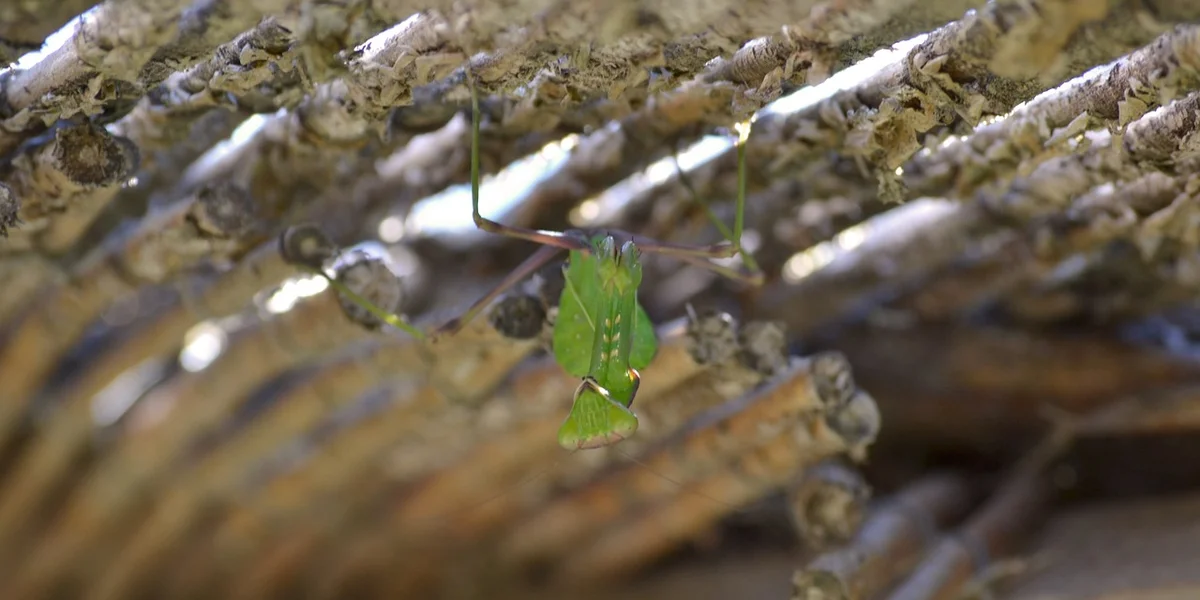
Breeding mantises is a gentle marathon, not a sprint, where your watchful eye and a few notes make all the difference. Consistent care for both adults and their delicate nymphs, paired with simple documentation, transforms guesswork into a reliable rhythm for success. We like to think of it as tending a quiet garden; you observe the small changes, note what works, and create a stable environment where life can thrive. To support breeding success, set up the perfect breeding enclosure for mantises—safe, appropriately sized, and easy to monitor. A well-ventilated, clean space with secure containment makes daily checks and care straightforward.
Vigilant Health Monitoring for Adults and Nymphs
Your mantis’s health speaks through subtle cues in its posture, appetite, and activity. Daily, quiet observation is your most powerful tool for catching small issues before they become serious. Watch for the thoughtful way a mantis like my Ghost Mantis, Luna, tilts her head-it’s a sign of her engaging with the world.
Here are common health issues to monitor for:
- Dehydration: Look for sunken eyes, lethargy, or a wrinkled abdomen. A quick, light misting with lukewarm water often helps.
- Molting Difficulties: Stuck skin, a crumpled wing, or a prolonged, awkward posture can signal humidity or nutritional problems.
- Weakness or Lethargy: A mantis that consistently refuses food or struggles to perch may be stressed, ill, or simply old.
- Injuries or Infections: Watch for blackened spots, lost limbs, or a foul smell-these require immediate, isolated care.
Signs of a happy, healthy mantis are a joy to see:
- Alert, curious movements and a firm grip on branches.
- Regular feeding with enthusiastic strikes.
- A clean, intact exoskeleton after molting, like the perfect emerald sheath on my Giant Asian Mantis, Moss.
- Clear, bright eyes and a plump, rounded abdomen.
A simple preventive routine keeps them in top form:
- Mist the enclosure lightly each morning to mimic fresh dew, checking the humidity with your hand.
- Offer fresh, gut-loaded prey like fruit flies or crickets every two to three days.
- Gently remove uneaten food and frass to keep the home clean and calm.
- Provide plenty of climbing space and a quiet spot, away from direct drafts or loud noises.
Keeping Detailed Breeding Records
Your notebook becomes a storybook of your breeding journey, full of clues for future success. Tracking key events helps you spot patterns, predict timelines, and understand the unique rhythm of your mantis species. When my Orchid Mantis, Sprig, laid her first ootheca, noting the date let me anticipate the hatchlings’ arrival perfectly.
Here is the essential data to track for each mantis or pair:
- Dates: Molts, maturity, introductions for mating, and ootheca laying.
- Species and Lineage: Parent species and any known genetic notes, if applicable.
- Mating Outcomes: Duration, behaviour, and whether the female was fed afterwards.
- Ootheca Details: Location, size, colour, and the incubation conditions like temperature.
- Nymph Counts: Number hatched, their health at first molt, and feeding response.
You do not need anything fancy to start. A dedicated notebook with a page for each mantis, or a simple spreadsheet on your computer, works beautifully. The act of writing it down-the date little Luna finally became an adult, or how many nymphs emerged from a particular egg case-builds your knowledge and confidence with every entry.
Navigating Challenges and Ethical Considerations
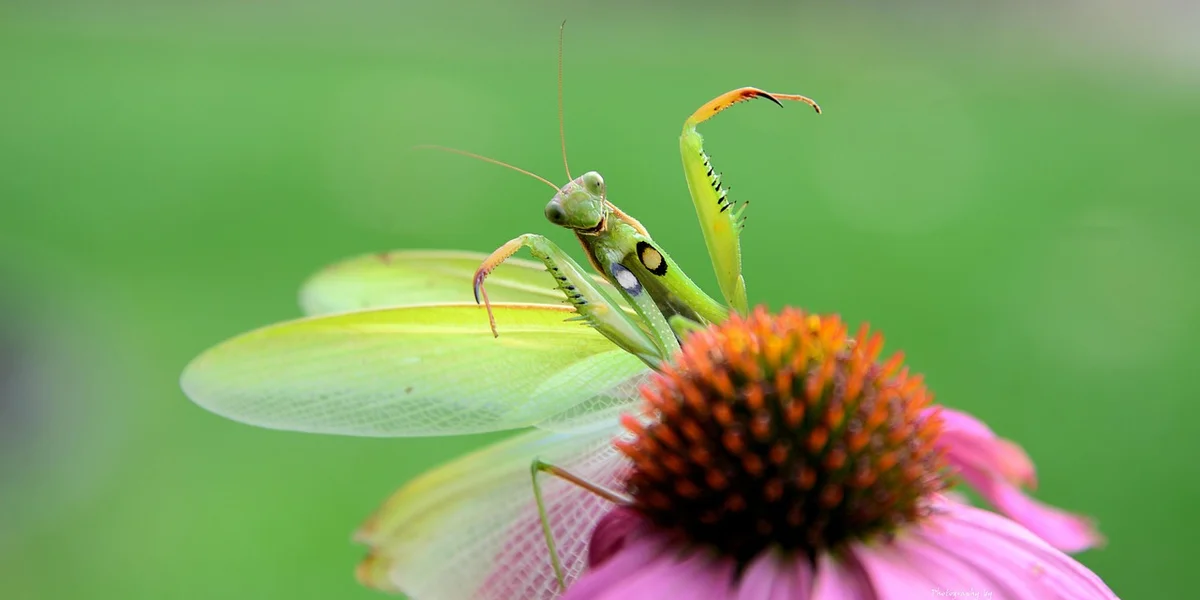
Even with the best plans, breeding mantises can present a few wrinkles. We find that a calm, observant approach turns most hurdles into learning moments, strengthening your connection to these delicate insects. In mantis breeding, there’s a notorious set of pitfalls often called the seven deadly sins that can endanger your pair. Being mindful of these mistakes helps us pair thoughtfully and keep both mantises safe. Let’s walk through common snags and the thoughtful practices that keep our hobby kind and sustainable.
Troubleshooting Common Breeding Setbacks
When things don’t go as hoped, a few careful checks often point the way. First, always observe your mantises’ body language-a reluctant female or a lethargic male tells a story before any action is taken.
Failed mating attempts are perhaps the most frequent concern. Ensure both partners are fully mature; females often need a full week after their final molt before they’re receptive. A well-fed female is less likely to see her suitor as a snack, so offer a hearty meal a day before introducing the male. We always supervise closely, keeping a soft paintbrush handy to gently separate them if she becomes aggressive. Sometimes, despite perfect conditions, a pair simply isn’t compatible, and it’s kinder to try with different individuals after a rest period.
Poor egg production or seemingly infertile oothecae can stem from subtle environmental gaps. Here’s a quick checklist to run through:
- Nutrition: Was the female fed a varied, nutrient-rich diet of gut-loaded insects like fruit flies or small crickets in the weeks prior?
- Hydration: Regular, gentle misting is vital for her to form a healthy egg case.
- Temperature: A consistent, species-appropriate warmth encourages reproductive behavior; a slight drop at night can mimic natural cycles.
My ghost mantis, Luna, once laid a small, crumpled ootheca when her enclosure was a bit too dry-a reminder that humidity is a silent partner in this process.
Low hatch rates from a healthy ootheca usually trace back to incubation. Keep the egg case at stable humidity, but never let it sit in water. Avoid moving or jostling it. Some species, like many flower mantises, benefit from a slight diapause or cool period. Nature holds the final card, and accepting that not every egg will hatch is part of respectful keeper wisdom, especially when encountering problems during incubation.
Practicing Ethical and Responsible Mantis Breeding
Breeding mantises comes with a quiet responsibility to their well-being and our local ecosystems. Our primary duty is to the creatures in our care, ensuring their lives are as natural and stress-free as captivity allows. Within this ethical guide, we view line breeding and selective breeding as careful tools to improve health and traits without compromising welfare. We emphasize transparency, safeguards against inbreeding, and keeping mantises’ natural needs at the forefront.
First, a firm rule: never release captive-bred mantises or oothecae into the wild. Non-native species can disrupt local balances, and captive insects may lack the skills to survive, causing unnecessary suffering. If you cannot place offspring, it is a sombre but necessary part of the hobby to humanely cull surplus nymphs rather than risk neglect.
Before a breeding project, have a clear plan for the nymphs. Ask yourself:
- Do I have enclosures ready for dozens of tiny, fast-growing insects?
- Can I source enough minute food, like springtails or melanogaster fruit flies?
- Have I identified potential homes with other knowledgeable keepers?
Overbreeding strains your resources and can lead to compromised care, so we breed only when we have confident answers to these questions. My rule is to raise only what I can personally attend to, as I do with Moss’s offspring, finding vetted homes for no more than I can manage.
Lastly, always prioritize welfare over curiosity or ambition. This means providing ample space, proper hydration, and a peaceful environment. We handle our mantises sparingly, always considering their perspective-a sudden grasp can feel like a predator attack. By keeping their comfort central, we honour the trust placed in us as their caretakers.
FAQs on Mantis Breeding
What legal considerations are there for breeding mantises in your area?
Laws vary by region and can restrict the breeding or ownership of non-native species. Always consult your local wildlife or agricultural department to ensure your activities are compliant and ethical.
What record-keeping should you maintain (dates, species, numbers, outcomes)?
Keep a simple log of mating dates, ootheca laying, hatch dates, and nymph counts to track patterns and improve your methods. This data is invaluable for troubleshooting and understanding the lifecycle rhythms of your specific mantises.
What are the ethical considerations of mantis breeding?
Beyond never releasing captives, ethics involve committing to the lifelong care of all offspring you produce, prioritizing mantis welfare over quantity. Responsible breeding focuses on sustainability, genetic health, and having confirmed plans for placing nymphs with prepared keepers.
Watching Your Mantis Family Grow
Breeding mantises successfully asks for a quiet setup, perfect timing, and a keeper’s watchful eye on every delicate interaction. From preparing a spacious enclosure to recognising the gentle signals of readiness, each step builds towards those first, tiny oothecae. In a praying mantis breeders journal, the journey from pairing to ootheca is tracked, often spanning about 60 days. These notes help plan the next cycle and refine husbandry.
Caring for a new generation is a beautiful responsibility that extends beyond the breeding pair. We find the true joy in continually observing, asking questions, and connecting with other keepers to ensure every mantis-from hatchling to adult-thrives under our gentle care.
Further Reading & Sources
- Breeding mantids | Jenny Read
- Breeding praying mantises | Keeping Insects
- How to Breed Praying Mantis – Time to Breed
- r/mantids on Reddit: Breeding praying mantis tips.
Rowan Hale is a lifelong insect enthusiast who fell in love with mantises for their calm presence, alien elegance, and surprising personalities. After years of keeping and raising a variety of species, Rowan shares practical tips, creative insights, and real-world experience to help others enjoy the quiet magic of mantis care. From setting up the perfect enclosure to understanding their subtle behaviors, Rowan invites readers into a gentle, curious world where every tiny movement feels like a discovery.
Breeding Practices