
Hello, mantis friend. Have you ever crept up to your mantis’s enclosure late at night, only to find them hanging utterly still, their spiky arms folded as if in quiet prayer? In that moment of perfect stillness, it’s natural to wonder: are they simply waiting, or are they actually asleep?
Yes, praying mantises do experience a state of daily rest that is functionally very similar to sleep, though it differs in fascinating ways from how we mammals slumber.
Unraveling the mystery of mantis rest is a delicate task, as these ancient predators don’t have eyelids to close or brainwaves we can easily monitor. Their version of sleep is a subtle, energy-conserving quietude, a vital part of their daily rhythm. Here’s a quick glimpse of what we’ll explore.
- The specific behaviors that signal a mantis is in its rest state.
- How their “sleep” cycle is dictated by light and darkness.
- Why disturbing a resting mantis can be more stressful for them than you might think.
- Simple ways you can support your mantis’s natural need for quiet downtime.
The Science Behind Mantis Rest
-
Insect sleep is quite different from what mammals experience. While we cycle through deep sleep stages, mantises enter a sleep-like state where they remain still but can wake quickly if needed. This helps them save energy without losing their edge as predators. Even with a compact nervous system, mantises display impressive sensory processing and rapid reflexes. That combination makes the mantis a surprisingly smart pet insect to observe.
-
Terms like sleep-like state, reduced responsiveness, and torpor describe their rest. A sleep-like state means periods of immobility, reduced responsiveness shows they ignore minor stimuli, and torpor is a deeper rest often triggered by cooler temperatures. Think of it as a gentle, mindful pause in their busy day.
-
Research on mantis brain activity reveals fascinating details. Studies indicate neural activity drops during rest, similar to sleep in other creatures, which supports the idea that mantises do experience a form of sleep. This isn’t just inactivity; it’s a purposeful downtime. These findings raise questions about whether praying mantises truly sleep. Scientists are examining their sleep patterns and how sleep affects their behavior.
-
We like to compare mantis rest cycles to a quiet, mindful break. Imagine your mantis taking a peaceful moment, much like we might sit still to gather our thoughts, allowing them to recharge for the next hunt. It’s a natural rhythm that keeps them balanced.
Defining Sleep in Insects
-
Mantis rest differs from deep sleep in key ways. They stay partially aware with low arousal thresholds, meaning they can rouse easily from immobility if danger or prey appears. This isn’t the deep, unconscious sleep humans enjoy. These distinctions matter for how you care for them. Our upcoming guide busts 11 common praying mantis myths and reveals the truth about mantis care.
-
Ecologically, rest helps mantises stay sharp as predators. By conserving energy through brief pauses, they remain alert and ready to strike, which is vital for their survival in the wild. It’s a clever adaptation for an ambush hunter.
Circadian Rhythms in Mantises
-
Light-dark cycles heavily influence mantis daily patterns. They are diurnal, so natural daylight cues their activity, with rest periods typically occurring at night when it’s dark and quiet. This rhythm aligns with their hunting habits.
-
Mantises are primarily active during the day and rest at night. You’ll notice they’re more lively in daylight, making it easier to observe their behaviors, while evenings bring a calm, resting phase. It’s a predictable cycle that mimics their natural environment. Throughout their lifecycle, mantises shift their behavior as they grow. Nymphs stay hidden and hunt small prey near cover, while adults roam more widely and display mating behaviors.
Spotting the Signs of a Resting Mantis
-
Look for visual cues like immobility, relaxed posture, and reduced movement. A resting mantis will hold still for extended periods, often with its body in a loose, natural position that shows it’s at ease. This is a clear sign they’re taking a break.
-
Common sleep positions include hanging upside down or tucked under leaves. They might dangle from a branch or curl into a sheltered spot, creating a cozy nook that feels safe and secure. These poses help them blend in and conserve energy.
-
Distinguish resting from molting or illness by noting duration and other signs. Resting is short-term with normal color, molting involves longer stillness and skin changes, while illness shows prolonged lethargy and loss of appetite. Paying attention prevents misunderstandings.
-
From personal experience, my Ghost Mantis Luna rests with her frills drooping slightly. She’ll perch quietly, her leaf-like extensions softening, which tells me she’s in a deep, peaceful state without any distress. It’s a gentle reminder of how each mantis has unique resting habits.
Behavioral Changes During Rest
-
Lowered responsiveness is a key indicator. They might not react to nearby movement or food offerings, staying focused inward rather than on external stimuli. This shows they’re truly in a restful mode.
-
Eye appearance changes subtly during rest. Though mantises don’t close their eyes, their pupils may seem less focused or alert, giving a dreamy look that contrasts with their usual sharp gaze. It’s a small but telling detail for observant keepers. Understanding their eye structure and vision can help you appreciate this subtle change even more.
Daily Rest Cycles in Captivity
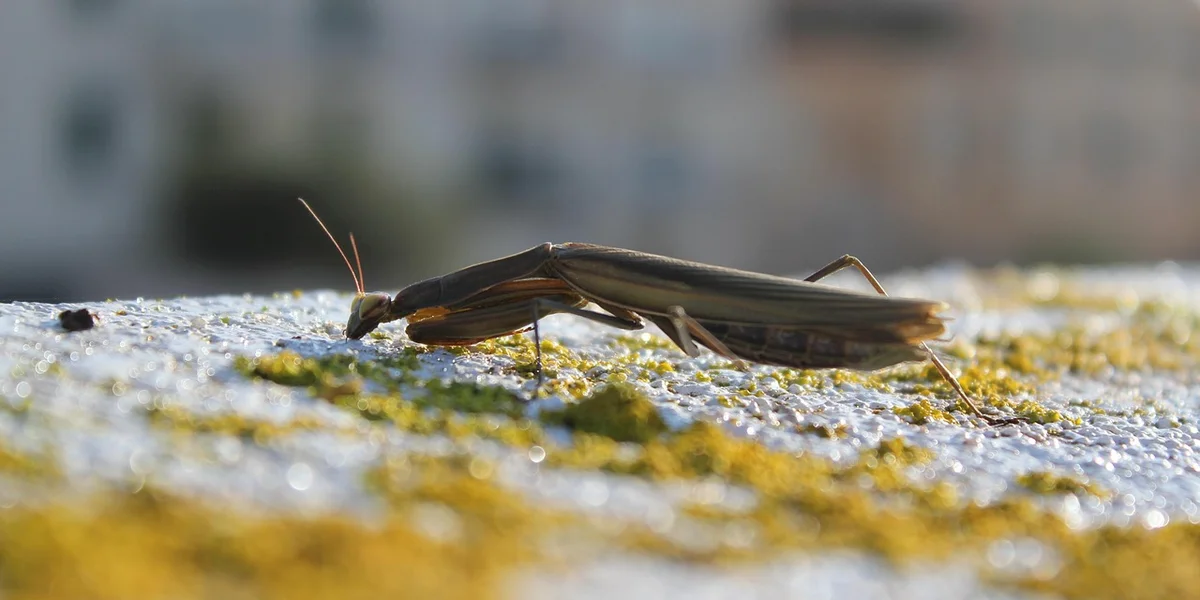
Observing your mantis over a full day reveals its personal rhythm of activity and stillness. We find that spending a few hours noting when it perches motionless or shifts positions helps map out its unique sleep schedule, much like tracking our own daily habits.
- Watch for periods where your mantis remains still for hours, often with its front legs tucked-this is a clear sign it’s resting and recharging energy.
- Photoperiod, or the duration of light exposure, plays a big role in when your mantis chooses to rest; longer light periods can delay sleep, while consistent darkness encourages it.
- Keep a simple log with notes on rest times and any changes in behavior; this practice helps you spot patterns and adjust care for better well-being.
Adjusting Light and Dark Periods
Setting up a reliable light cycle supports your mantis’s natural rest instincts. We always use a plug-in timer for enclosure lights to mimic sunrise and sunset, which prevents disruptions and keeps your mantis feeling secure.
- Choose an affordable timer from any hardware store-it automates the light schedule so you don’t forget, and your mantis enjoys predictable days and nights.
- Aim for 12 hours of light and 12 hours of darkness for most species; this balance mimics temperate seasons and promotes regular rest without stress.
- Avoid sudden shifts in lighting, like turning lights on full blast at night; gradual dimming or using soft, indirect light reduces shock and helps your mantis wind down gently.
Feeding and Handling Around Rest Times
Timing your interactions with your mantis ensures it stays happy and healthy. We schedule feedings during peak activity hours, usually in the early morning or late afternoon, when mantises are most alert and ready to hunt.
- Offer live prey like fruit flies or small crickets when you see your mantis actively scanning its surroundings-this matches their natural predatory instincts and avoids wasted food.
- Steer clear of handling or loud noises during deep rest periods; disturbances can startle them, leading to stress that affects their overall health and sleep quality.
Creating a Rest-Friendly Habitat
A well-designed enclosure makes all the difference for peaceful mantis rest. By focusing on security and stability, you create a sanctuary where your mantis can relax fully without fear or discomfort. There are different types of praying mantis enclosures, and choosing the right one can enhance security and stability. Understanding the pros and cons of each type helps you tailor your setup to your mantis’ needs.
- Add hiding spots such as artificial plants or cork bark-these provide cozy nooks where your mantis can retreat and feel safe while sleeping.
- Maintain stable temperature and humidity levels with a simple hygrometer; sudden changes can disrupt rest, so aim for consistency based on your species’ needs.
- Place the enclosure in a quiet, low-traffic area of your home; reducing external noise and movement helps your mantis settle into a calm daily rhythm.
Ideal Setup for Peaceful Rest
Thoughtful additions to the habitat encourage deeper, more restorative sleep. We’ve seen how vertical perches and soft foliage transform an enclosure into a comforting space where mantises can unwind after a busy day.
- Include vertical branches or twigs for climbing and resting-mantises often sleep while hanging, and sturdy perches prevent falls that could startle them.
- Use silk or live plants with broad leaves to create soft resting spots; the gentle texture mimics their natural environment and adds a sense of security.
- Ensure ample space for movement and quiet corners; overcrowded enclosures can cause stress, while open areas allow for undisturbed rest.
- From our experience, Moss, our Giant Asian Mantis, always seeks out broad leaves to rest on after exploring-it’s his go-to spot for a peaceful snooze, tucked away from any disturbances.
Common Mistakes to Avoid
Small oversights in care can easily disrupt your mantis’s precious rest time. Avoiding these common errors ensures your mantis gets the uninterrupted sleep it needs to thrive and stay vigilant.
- Never use overly bright lights at night; mantises require darkness to rest properly, so opt for no light or very dim, red-toned bulbs if needed for observation.
- Limit frequent enclosure openings or loud activities nearby; consistency in their environment reduces anxiety and supports a stable sleep cycle.
- Remember that mantises are solitary by nature and prefer to rest alone; housing multiple together can lead to stress and interrupted sleep, so always provide individual spaces.
Myths and Realities of Mantis Rest
Clearing up misconceptions about mantis sleep helps you provide better, informed care. Rest is a natural, light state where mantises remain aware of their surroundings-it’s not the deep, unconscious sleep we experience as humans.
- Contrary to popular belief, mantises do not enter catatonic trances or dream like mammals; their rest involves minimal movement but full environmental awareness for safety.
- This daily rest conserves energy and keeps them alert to potential threats; it’s a vital part of their survival strategy, not a sign of illness or boredom.
- Rest patterns vary widely by species, age, and environment; for instance, younger mantises may rest more frequently, and Ghost Mantises like Luna often have quieter, longer rest periods compared to active types.
Understanding Torpor and Diapause
Deeper rest states like torpor and diapause are often misunderstood but are part of some mantises’ life cycles. Recognizing these states helps you respond appropriately without unnecessary worry, ensuring your mantis stays healthy through seasonal changes.
- Torpor is a short-term reduction in activity, usually triggered by cooler temperatures; it’s similar to a brief hibernation where the mantis conserves energy but can awaken quickly.
- Diapause is a longer rest phase linked to seasonal shifts, such as shorter days in autumn; it’s a natural pause in development that requires stable, cool conditions to pass safely.
- If your mantis shows prolonged inactivity, loss of appetite, or other unusual signs, seek advice from a vet or experienced keeper; abnormal rest could indicate underlying health issues that need attention.
Questions from Fellow Mantis Friends
How long do praying mantises typically sleep each day?
Praying mantises usually rest for about 8-12 hours daily, primarily during nighttime hours. This duration can adjust based on environmental factors like temperature and light exposure in their enclosure.
Why do praying mantises often sleep in hanging positions?
Hanging upside down allows mantises to conserve energy while staying alert to potential threats or prey. This position also helps them blend into their surroundings and avoid detection during rest. If your mantis hangs upside down most of the time, that can be normal resting behavior. If it stays that way, check the enclosure for proper temperature, humidity, and sturdy perches.
How do sleeping habits differ between juvenile and adult mantises?
Juvenile mantises tend to have more frequent but shorter rest periods to support their rapid growth and development. Adults usually settle into longer, more consistent sleep cycles aligned with their mature energy needs.
Final Thoughts on Your Mantis’s Restful Rhythms
Mantises experience quiet, still periods that mimic sleep, often during darker hours, so it’s best to offer a calm, dimly lit enclosure to support their natural cycles. Observing your mantis’s individual patterns helps you tailor their habitat for optimal rest and well-being. To reinforce a consistent day-night cycle, use a timer for the enclosure lights. A regular light-dark schedule helps your praying mantis regulate activity and rest.
Responsible mantis care means gently monitoring their behaviour and adjusting your approach as you learn more about their unique needs. We encourage you to keep exploring mantis care resources to deepen your bond and provide a thriving home for your pet.
Further Reading & Sources
- r/mantids on Reddit: Does a Praying Mantis actively sleep?
- How do mantises sleep? | Mantid Forum – Mantis Pet & Breeding Forum
- Do all mantis lay down to sleep?
- How to Tell If A Praying Mantis Is Sleeping | TikTok
Rowan Hale is a lifelong insect enthusiast who fell in love with mantises for their calm presence, alien elegance, and surprising personalities. After years of keeping and raising a variety of species, Rowan shares practical tips, creative insights, and real-world experience to help others enjoy the quiet magic of mantis care. From setting up the perfect enclosure to understanding their subtle behaviors, Rowan invites readers into a gentle, curious world where every tiny movement feels like a discovery.
Temperature and Humidity