
Why Did My Mantis Ootheca Hatch Early?
Hello there, mantis friend. You were likely counting the days, watching the calendar, and then-surprise! A flurry of tiny mantis nymphs appeared in your enclosure well ahead of schedule.
An ootheca typically hatches sooner than expected because its incubation environment was warmer than average, accelerating the embryos’ development.
This early arrival isn’t just about temperature, though. The fascinating biology of these egg cases means several subtle factors can quietly shift the timeline.
Here’s a quick look at what we’ll explore together:
- The powerful role of consistent warmth in development speed.
- How different mantis species have unique incubation needs.
- The surprising impact of humidity levels on your timeline.
- What to do right now for your unexpected new hatchlings.
Getting to Know Your Mantis Ootheca
An ootheca is like a tiny, foamy egg sac that your mantis carefully crafts to protect her future babies. Think of it as a natural incubator, filled with dozens of eggs encased in a spongy, protective foam that hardens over time. In most species, females lay their ootheca after reaching maturity, typically in late summer or fall depending on climate. Eggs usually overwinter inside the foam and hatch in spring when conditions warm. This structure shields the developing nymphs from drying out or being eaten, much like a bird’s nest cradles its eggs.
Normal hatching times can vary widely depending on the species, but indoor conditions often speed things up. For instance, our Ghost Mantis Luna laid an ootheca that hatched in just under five weeks when we kept her enclosure consistently warm and humid. Most pet mantises hatch within a range of four to twelve weeks, but factors like steady heat or extra misting can nudge that timeline earlier.
| Species | Typical Hatch Duration | Indoor Condition Effects |
|---|---|---|
| Ghost Mantis | 4-6 weeks | May hatch sooner with constant warmth above 75°F |
| Giant Asian Mantis | 6-8 weeks | High humidity can reduce time by 1-2 weeks |
| Orchid Mantis | 8-12 weeks | Bright light exposure might trigger early hatching |
What Makes an Ootheca Hatch Before Its Time?
Environmental triggers are often the main culprits behind an early hatch. Sudden temperature rises, like placing the ootheca near a heater, can mimic spring conditions and rush development. High humidity levels from frequent misting make the egg sac absorb moisture faster, while changes in light exposure-such as longer daylight hours-signal it’s time to emerge.
- Temperature spikes: Even a few degrees can accelerate growth.
- Elevated humidity: Extra moisture softens the ootheca, prompting hatching.
- Light shifts: Increased artificial or natural light confuses the internal clock.
Internal factors like species genetics or how hydrated the egg sac is also play a big role. Some mantis breeds, like Moss’s Giant Asian variety, are naturally prone to quicker development if their ootheca stays plump and well-hydrated. If the sac feels unusually soft or swollen, it might be taking in more water than needed, urging the nymphs to hatch early.
Risks such as mold growth or pest infestations can force an ootheca to hatch prematurely. Mold, often appearing as fuzzy white or green spots, breaks down the protective foam and stresses the eggs. Tiny pests like mites might burrow in, damaging the sac and triggering a defensive early release of nymphs. These issues are among the nine ootheca care mistakes that can prevent successful hatching. Avoiding them through careful handling and clean conditions improves hatch rates.
Is Early Hatching Harmful for Mantis Nymphs?
-
Many owners fear that early hatching means weaker nymphs with poor survival chances. From our time with mantises like Luna, we’ve found that most premature nymphs can thrive if given a calm, consistent start right away. Their tiny bodies are resilient, and with your gentle support, they often catch up quickly.
-
In a stable enclosure with even warmth and humidity, early hatchers frequently do just fine, while chaotic settings can heighten risks. We’ve nurtured nymphs in well-tended terrariums that mimicked a soft, misty morning, and they grew as vibrant as those from timed hatches. Your attentive setup makes all the difference, so there’s no need to panic.
-
Watch for subtle signs of stress, like nymphs that linger motionless or hesitate to hunt. Early emergers might appear more fragile, so observe their movements and appetite closely during the first 48 hours. If you spot sluggishness or difficulty molting, it’s a gentle nudge to tweak their environment.
Your First Steps After an Unexpected Hatch
-
Quickly transfer the nymphs to a secure, small enclosure to ease crowding and lower stress. A simple container like a mason jar with air holes and a soft twig inside gives them a safe space to adjust without competition. We often use these for our mantis Sprig, and she settles in peacefully.
-
Inspect the ootheca for any unhatched eggs, handling it delicately to preserve future nymphs. Gently feel the egg case; if it remains firm and whole, you can place it in a humid corner to await more hatchlings. For ootheca that don’t hatch, breeders often refer to a quick troubleshooting checklist to review humidity, temperature, and timing. These checklists help diagnose issues quickly and improve hatch outcomes. With Moss, we once saved an ootheca that yielded a second, smaller brood days later.
-
Start misting lightly to uphold gentle humidity, steering clear of saturation that invites mold. A fine spray of warm water once or twice daily mimics a dewy dawn, helping nymphs stay hydrated and ready for their first molt. We always use lukewarm water to keep their tiny forms comfortable.
Caring for Prematurely Hatched Mantis Nymphs
-
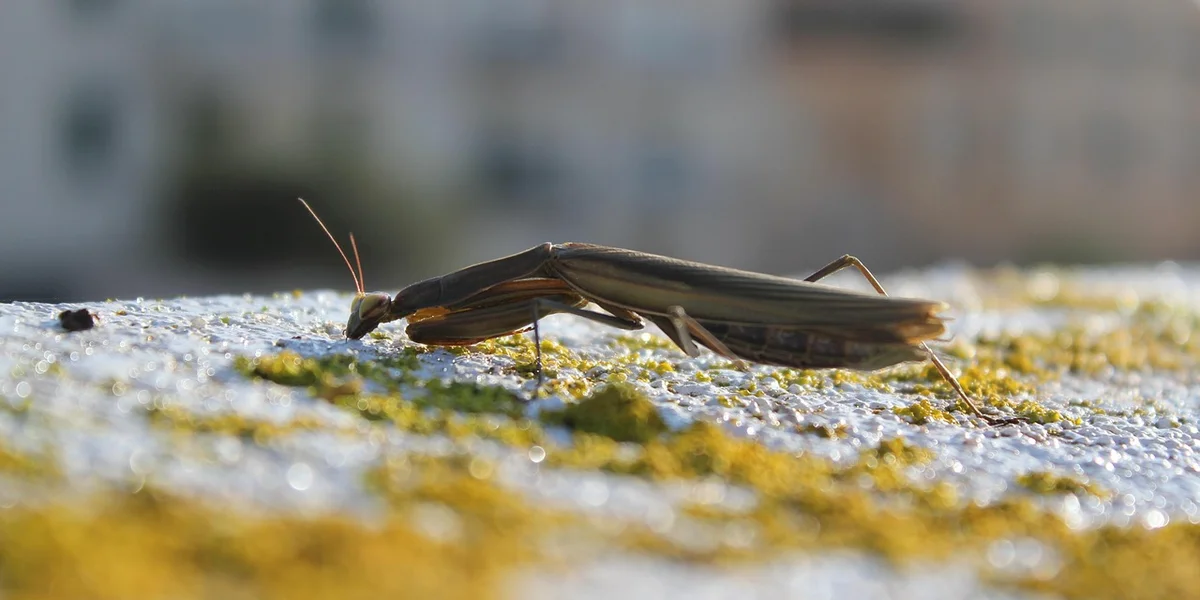
When nymphs arrive early, their tiny mouths need equally tiny meals. Do baby praying mantises nymphs eat? Yes—they start with tiny prey like fruit flies and grow as they molt. We feed ours flightless fruit flies, which are easy for them to catch and digest in a quiet setting. Place a small culture inside their enclosure or gently tap a few flies near them—this mimics natural hunting without overwhelming them. My Orchid Mantis Sprig, for instance, would tilt her head and strike softly when flies wandered close, a sign she felt secure enough to eat.
-
Housing these delicate nymphs calls for thoughtful setup. Choose a well-ventilated container, like a mesh cage or large jar with air holes, and add soft climbing surfaces such as thin twigs or fake plants. This prevents falls and gives them places to perch, much like Moss, my Giant Asian Mantis, who adored exploring new branches in his early days. The gentle rustle of leaves and steady airflow help them feel at home.
-
A simple daily routine keeps your nymphs thriving. Check temperature with a small thermometer-aim for 75-80°F-and lightly mist the enclosure with warm water to maintain hydration. Do this once in the morning and once at night, watching for active movement and plump bodies. We often pair this with a quick glance for any uneaten prey, ensuring their space stays clean and calm. Humidity matters as much as temperature for mantis nymphs, especially during molts. Keep the enclosure moderately humid (not damp) to prevent dehydration or mold while your nymphs grow.
Stopping Early Hatches in Future Oothecas
-
Prevent surprises by placing oothecas in stable, shaded spots. Keep them away from direct sunlight, radiators, or drafty areas to avoid temperature spikes that trigger early hatching. A consistent environment, like a shelf in a cool room, mirrors the steady conditions they’d find in nature. We’ve had success tucking egg cases into plant pots or terrarium corners where light is diffused and gentle. Proper placement is crucial for successful hatching.
-
Humidity control is key for ootheca health. Use a hygrometer to monitor levels, aiming for 50-70% humidity, and consider a timed mister for automatic, gentle sprays. This tool helps maintain moisture without daily fuss, much like the soft dew that forms in a shaded garden. For budget options, a manual spray bottle works well-just mist lightly every other day.
-
Observe ootheca changes with care to avoid disturbance. Peek at them through the enclosure glass or use a magnifying lens to note color shifts or texture without touching. My Ghost Mantis Luna’s ootheca darkened slightly before hatching, a subtle clue we spotted from a distance. Limit handling to once a week, and always wash hands first to keep things safe.
FAQs on Mantis
How does the climate in California affect praying mantis ootheca hatching time?
California’s warmer temperatures can speed up development, leading to earlier hatches compared to cooler regions. Always adjust indoor setups to mimic stable, moderate conditions to avoid surprises.
What are common concerns about early ootheca hatching discussed on Reddit?
Reddit users often mention unexpected hatches due to inconsistent heating or high humidity in home environments. They advise using thermometers and hygrometers to maintain steady levels for better predictability.
Should I be wary of hatching times when buying a praying mantis ootheca for sale?
Oothecas from sellers may hatch early if exposed to warm shipping conditions or improper storage. Inspect the egg case upon arrival and place it in a controlled habitat to support normal development. This is part of our praying mantis ootheca care guide. Our guide covers humidity, temperature, and safe handling to maximize hatch success.
Your Mantis Ootheca Journey: A Gentle Close
When an ootheca hatches early, focus on keeping temperatures steady and humidity levels balanced to support the tiny nymphs. Having a small, escape-proof enclosure and live food like fruit flies ready ensures your new arrivals thrive from day one. For readers following the L1 nymph diaries day-by-day guide to raising hatchlings, these steps align with the early-care routine. Tracking daily changes helps you tailor care as they grow.
We believe caring for mantises is a rewarding path that grows with every shared experience and bit of knowledge gained. Stay engaged with fellow keepers and trusted resources to deepen your understanding and provide the best life for your mantis family. To support this journey, our care pet praying mantis complete handling behavior guide offers clear, practical tips for safe handling and understanding your mantis’s behavior. It helps you read signals, respond appropriately, and keep your mantis healthy and stress-free.
Further Reading & Sources
- Everything you need to know about an ootheca – Insektenliebe
- Praying Mantis Eggs: What Do Praying Mantis Egg Sacs Look Like | Gardening Know How
- Care for Mantis Eggs | Mantid Forum – Mantis Pet & Breeding Forum
- Caring for mantis ootheca and eggs | Keeping Insects
Rowan Hale is a lifelong insect enthusiast who fell in love with mantises for their calm presence, alien elegance, and surprising personalities. After years of keeping and raising a variety of species, Rowan shares practical tips, creative insights, and real-world experience to help others enjoy the quiet magic of mantis care. From setting up the perfect enclosure to understanding their subtle behaviors, Rowan invites readers into a gentle, curious world where every tiny movement feels like a discovery.
Egg Care