
Essential Habitat Requirements for a Healthy Praying Mantis
Published on: December 4, 2025 | Last Updated: December 4, 2025
Written By: Rowan Hale
Hello fellow mantis friend, have you ever watched a praying mantis perch in absolute stillness, its form a delicate sculpture of patience and precision?
A thriving praying mantis needs a habitat that carefully mirrors its wild home, built on four pillars: generous space, precise humidity, steady warmth, and secure, natural furnishings.
Crafting this environment is a gentle art-it’s not merely about a cage, but about weaving a miniature ecosystem where every detail, from the soft rustle of leaves to the mist in the air, supports their well-being.
Let’s preview what makes their world complete:
- A spacious, well-ventilated enclosure for safe movement and molting.
- Consistent humidity levels maintained through gentle, regular misting.
- Stable temperature gradients that mimic natural sun and shade.
- Safe, climbable decor like branches and plants for perching and hiding.
The Foundation: Selecting and Sizing Your Mantis Enclosure
Think of the enclosure as your mantis’s entire world. It’s not just a container; it’s where they will hunt, grow, and rest. Getting this foundation right sets the stage for everything else. When you pick an enclosure, tailor it to the species you plan to keep—different mantis species require different space, perches, and humidity. Choosing an enclosure that fits the species from the start makes care easier and helps them thrive.
Enclosure Types and Materials
The material of your mantis home impacts ventilation and visibility. We have a few good options, each with its own character.
Mesh or screen cages are fantastic for airflow, preventing that stale, stagnant air that can lead to mold. My ghost mantis, Luna, lives in one, and the cross-breeze seems to suit her delicate nature. Just ensure the mesh is fine enough that tiny feeder insects can’t escape.
Glass or acrylic terrariums offer crystal-clear viewing and excel at holding humidity. They’re ideal for species from damper environments. For my Giant Asian mantis, Moss, I use a tall acrylic enclosure which keeps the humidity just right for his molts.
Plastic deli cups or ‘Faunariums’ are perfect for nymphs. They’re affordable, easy to clean, and you can customize ventilation with a hot needle. I’ve raised dozens of baby mantises in these simple, functional homes.
Getting the Size and Shape Right
Size is less about floor space and everything about height. A mantis needs room to hang upside down and successfully molt, which can be a breathtakingly vulnerable process.
The golden rule is an enclosure at least three times the mantis’s length in height, and twice its length in width. A cramped mantis is a stressed mantis, and a stressed mantis may fail to shed its old skin.
Choose a tall, narrow shape over a short, wide one. This vertical space gives them climbing options and that crucial molting distance. Picture a five-inch mantis needing a fifteen-inch tall home to stretch out and transform.
Substrate Choices for Flooring
The floor of the enclosure has a simple job: to absorb a little moisture and cushion the occasional fall. We don’t need anything complicated.
- Coconut fibre (coir) is a favourite. It’s natural, holds humidity well, and is dig-safe if you ever keep a burrowing species.
- Paper towel is the ultimate easy option. It’s cheap, disposable, and lets you monitor for mites or uneaten prey. I use this for all my juvenile mantises.
- Sphagnum moss can be placed on top of another substrate. It looks wonderfully natural and boosts local humidity when misted.
Avoid gravel, sand, or any sharp-edged bedding. A mantis is a fragile creature, and a fall onto a hard surface can cause injury. The substrate is a practical cushion, not a decorative statement.
Climate Control: Temperature and Humidity for Mantis Health
In their wild homes, mantises feel the sun’s warmth and the evening’s dampness. Replicating these gentle rhythms indoors is our quiet task.
Finding the Perfect Temperature Range
Most common pet mantis species thrive in a comfortable room temperature range. Think of a pleasant spring day.
Aim for a gradient between 20°C and 26°C (68°F to 80°F) during the day, with a slight drop at night. This mimics natural conditions and aids digestion. My orchid mantis, Sprig, becomes more active and eager to feed when her space is at the warmer end of this scale.
If your room is cool, a simple low-wattage heat mat placed on one side of the enclosure (never underneath!) creates a warm zone. Always use a thermostat to prevent overheating. Your mantis should be able to move away from the heat if it wishes.
Balancing Humidity Levels
Humidity is the secret to successful molting. Too dry, and the old exoskeleton becomes a brittle prison. Too wet, and you invite fungal issues.
Research your specific species. A ghost mantis might enjoy 60-70% humidity, while a desert species needs far less. A small digital hygrometer takes the guesswork out.
Light misting with lukewarm water once a day, or every other day, is usually perfect. Mist the sides and decor, not the mantis directly. Watch for tiny beads of water they can drink. The air should feel fresh and lightly damp, not swampy.
Creating Microclimates Within the Habitat
A uniform enclosure is a boring one. Let’s build a landscape with different little climates inside it.
- Place a damp clump of sphagnum moss in one corner. This creates a localised humid pocket.
- Ensure one side of the enclosure is slightly warmer if using a heat mat, offering a choice of temperatures.
- Provide dense, leafy artificial plants or cork bark higher up. Here, humidity from misting will linger a little longer, creating a perfect molting hideaway.
This variety allows your mantis to self-regulate, moving to a damper spot pre-molt or a warmer area after a meal. It turns a simple cage into a dynamic environment, full of gentle choices. You might find your mantis has a favourite perch for each part of its daily routine.
Interior Design: Perches, Plants, and Hiding Spots
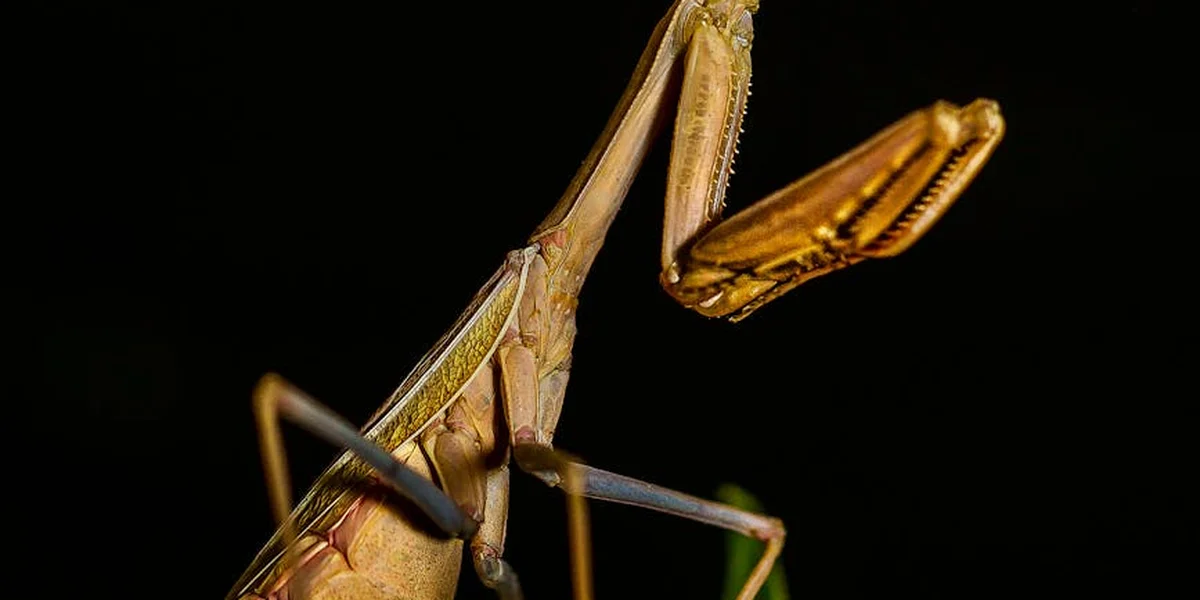
A mantis habitat is more than just a cage; it’s a miniature landscape where your mantis will live its entire life. Thoughtful interior design directly supports their natural behaviors, reduces stress, and provides the environmental complexity they instinctively seek.
Essential Climbing Structures: Branches and Perches
In the wild, mantises spend nearly all their time off the ground, perched on stems and branches. Your enclosure must replicate this vertical world. There are different types of praying mantis enclosures, from tall mesh terrariums to stackable plastic setups. Choosing the right type depends on the species and your space. We’ve found that a variety of diameters and textures works best.
Look for safe, pesticide-free twigs from oak, maple, or fruit trees. Bake them at 200°F (95°C) for an hour to eliminate any tiny hitchhikers. Arrange branches diagonally and at different heights, ensuring they connect to both the ceiling and sides to create a secure climbing network. My male Giant Asian, Moss, particularly loves a forked branch where he can sit with his front legs resting comfortably on either side.
Avoid placing perches directly above the food dish or water bowl to keep them clean.
Incorporating Vegetation: Live or Artificial Plants
Plants provide crucial visual breaks, humidity, and hunting ambush points. You have two excellent choices, each with its own charm.
Live plants like Pothos, Spider Plants, or safe ferns boost humidity through transpiration and help purify the air. They create a lush, living biome. Ensure the potting soil is covered with smooth stones to prevent your mantis from ingesting it.
High-quality silk or plastic plants are wonderfully practical. They don’t require light, won’t introduce pests, and are easy to clean. Choose artificial plants with soft, broad leaves that offer ample surface area for molting and resting. My Ghost mantis, Luna, blends perfectly against the frilly edges of a silk fern, feeling hidden yet in plain sight.
Whichever you choose, secure plants firmly at the base so a curious climber doesn’t topple them.
Crafting Cozy Hiding Spots and Ground Cover
Even predators appreciate a quiet retreat. Hiding spots offer security during the vulnerable molting process and a place to rest away from view.
- Cork bark tubes or flats secured vertically or at an angle make perfect mantis caves.
- Small, curved pieces of clean bark or coco husk leaned against the glass create shadowy nooks.
- For smaller species, a simple paper towel tube cut in half lengthwise can be a temporary favorite.
The floor of the enclosure matters, too. A bare bottom can be stressful. A light scattering of sterile leaf litter, sphagnum moss, or orchid bark creates a naturalistic ground cover that holds moisture and completes the forest-floor feel. It gives your mantis a soft landing if they ever slip and makes the entire space feel more enclosed and safe. Just keep it shallow for easy cleaning.
Fresh Air and Gentle Light: Ventilation and Lighting Needs
A mantis habitat is a tiny, living world, and like any world, it needs a good atmosphere and a gentle sun. Getting this balance right makes the difference between a thriving pet and one that struggles. To avoid common mistakes when setting up your first mantis habitat, start with a properly sized enclosure and stable conditions. Watch for overwatering and too-bright light, which can stress the insect.
Ensuring Proper Ventilation to Prevent Mold
Think of your mantis enclosure as a miniature forest glade, not a sealed terrarium. Stagnant, humid air is the enemy, inviting mold to grow on décor, leftover food, and even the mantis itself. Good airflow is non-negotiable for a healthy mantis, as it prevents respiratory issues and stops fungal problems before they start.
The best enclosures use fine mesh for at least one wall and the lid. This mesh allows air to exchange freely while keeping your mantis securely inside. My ghost mantis, Luna, lives in a terrarium with a full mesh top, and I can always feel a slight movement of air when I place my hand above it.
You can improve ventilation in a simple glass tank by ensuring the lid is mostly mesh, not solid plastic. Position the enclosure in a room with natural air movement, but never in the path of strong drafts from windows, air conditioners, or fans. The goal is a gentle, constant refresh of air that carries away excess moisture without chilling your pet.
If you notice condensation persistently fogging the walls long after misting, it’s a sign you need more ventilation or slightly less frequent water sprays.
Understanding Light Cycles and Sunlight
Mantises do not need special UVB lamps like some reptiles, but they are deeply attuned to the rhythm of light and dark. A consistent daily cycle tells them when to be active, hunt, and rest. For kept mantids, a warm, stable temperature and a regular day-night cycle are important. Proper lighting and heating support activity and feeding, even though UVB isn’t needed.
We achieve this easily by placing the enclosure in a room with normal daylight from a window, but not directly on the windowsill. The ambient room light from sunrise to sunset is perfect. Providing a regular photoperiod of roughly 12 hours of light and 12 hours of darkness supports their natural circadian rhythm and overall well-being.
Avoid placing the tank in direct sunlight. The glass can magnify heat and create a deadly oven within minutes. Instead, think of dappled forest light. An indirect spot where the room brightens and dims naturally is ideal.
For warmth, a small desk lamp with a low-wattage incandescent bulb placed above the mesh lid can work wonders on cool days. My energetic Giant Asian mantis, Moss, often basks in the gentle warmth of a 15-watt bulb hung a safe distance above his home. Just remember: never use heat rocks or pads, as mantises perceive heat from above, not below.
- Light Source: Ambient room daylight or a standard room lamp.
- Cycle: Aim for a consistent 12-hours-on, 12-hours-off schedule.
- Heat (if needed): A low-wattage bulb above the mesh, always monitored with a small thermometer.
- Absolute Rule: No direct sunbeams hitting the enclosure glass.
This combination of fresh, moving air and soft, cyclical light recreates the natural conditions your mantis evolved in, letting it live a calm and healthy life.
Water Wisdom: Misting and Hydration Without Hassle
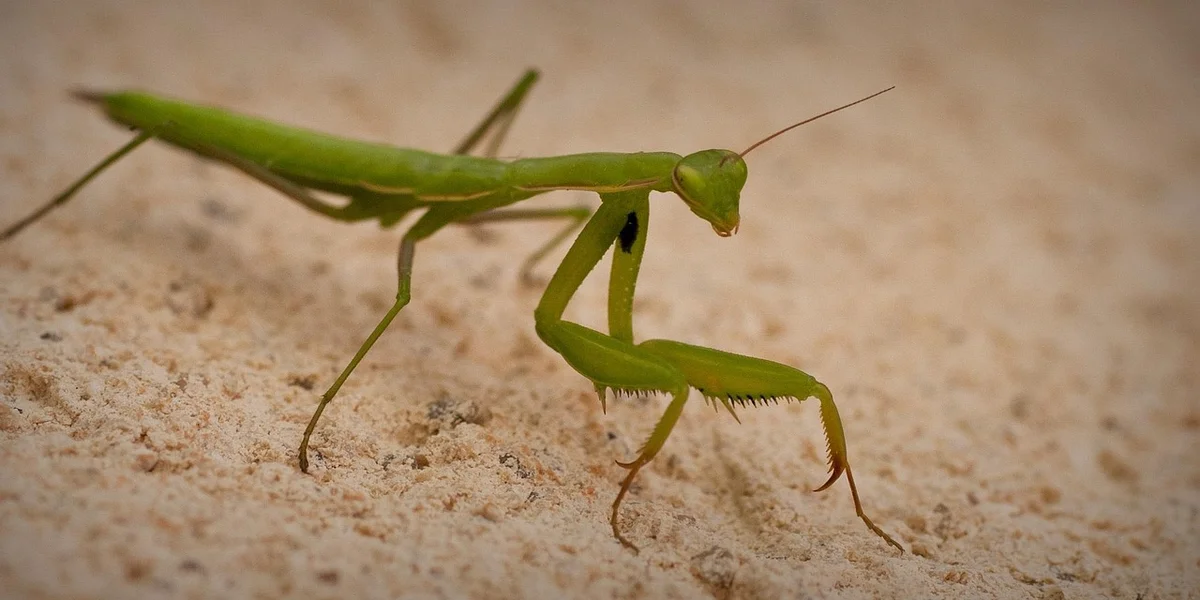
Keeping your mantis hydrated feels less like a chore and more like a quiet, daily ritual. Mantises rarely drink from standing water, so their moisture comes from the fine droplets we spray onto their enclosure’s walls and décor. It’s a gentle system that mirrors morning dew in their natural world. Curious about exactly how much water they need? Our complete hydration guide walks you through moisture targets, misting schedules, and how to monitor humidity to keep your mantis thriving.
The Art of Misting: Frequency and Technique
Think of misting as creating a miniature weather cycle inside the habitat. The goal is to mimic brief, refreshing showers, not a tropical monsoon. A simple spray bottle with a fine mist setting is your best tool-avoid coarse sprays that can startle or drench your pet.
Frequency depends on your home’s climate and your mantis species. For most common species, a light misting once a day is perfectly sufficient. In drier rooms, you might need a second, lighter spritz in the evening. My Ghost Mantis, Luna, perks up noticeably after her morning mist, her frilly legs delicately skimming over the wet leaves.
Here’s a simple technique to follow:
- Use lukewarm, dechlorinated water-tap water left out overnight works beautifully.
- Hold the bottle about 20 centimetres from the enclosure and spray upwards or sideways, letting the mist settle like a soft fog.
- Aim for the sides and plants, creating beads of water your mantis can sip from. Avoid spraying directly at the mantis.
- Stop once the surfaces glisten with tiny droplets; the enclosure should feel humid, not wet.
Watch how your mantis reacts after misting. You’ll often see them clean their forearms and drink droplets, a sign your technique is just right. Over-misting can lead to mould, so if the habitat stays damp for hours, simply reduce the amount next time. Keeping humidity in balance is essential to avoid stressing your mantis and promoting mold. Too much mist can disrupt hydration and water balance, as discussed in more detail here.
Providing a Safe Water Source
While misting is primary, some keepers like offering a secondary water source. Safety is the absolute priority here, as mantises can easily drown in even shallow water. An open dish is a risk we can cleverly avoid.
Consider these safer alternatives to a traditional water bowl:
- Water Gel Crystals: These small, absorbent polymers hold water securely and release it slowly. Place a few on a bottle cap-they provide hydration without any pooling liquid.
- Damp Sphagnum Moss: A small clump of clean, moist moss tucked in a corner offers a drinking spot and boosts humidity. My Giant Asian mantis, Moss, often rests near his moss patch after a meal.
- The “Fruit Method”: Offering a slice of juicy fruit, like orange or cucumber, once a week can supplement hydration. Remove it after a few hours to prevent spoilage.
If you do use a small container, fill it only with pebbles or marbles so any water sits below the top layer. This creates a safe landing pad where your mantis can access moisture without the danger of slipping in. Always check and refresh any water source daily to keep it clean.
Remember, a well-hydrated mantis is more active and sheds its skin more easily. By mastering misting and choosing safe hydration aids, you create a comforting rhythm that supports your pet’s health effortlessly.
Molting Matters: Ensuring Safe Space for Growth
In the quiet life of a praying mantis, molting is the most dramatic and delicate chapter. It is the process where they shed their tight, old exoskeleton to reveal a larger, softer one beneath, allowing for growth. This natural event is not just a change of skin; it’s a complete rebirth where every element of their habitat must cooperate to prevent disaster. We remember watching Sprig, our juvenile Orchid Mantis, during her last molt-the way she hung perfectly still, her petal-like lobes trembling slightly as she carefully extracted each leg from the translucent shell. The air in her enclosure felt thick with concentration, humid and warm, holding the promise of a successful transformation.
Your mantis will show you signs an impending molt is near. Appetite often vanishes, and movement slows to a statuesque halt. The colours of their body might look faded or cloudy, a sign the new skin is forming underneath. Recognising these cues is your signal to shift from routine keeper to mindful guardian, ensuring their home becomes a safe haven for this vulnerable act. A failed molt, often due to low humidity or insufficient footing, can leave a mantis permanently crippled, so our preparation is their lifeline.
Preparing the Habitat for a Successful Molt
In the days leading up to the molt, a few thoughtful tweaks to the enclosure set the stage for a smooth transition. Think of it as creating a gentle, supportive bubble where your mantis can focus entirely on the intricate task of shedding. Your primary goal is to eliminate all physical risks and mimic the stable, damp conditions of a tropical dawn. From our experience with Luna, our Ghost Mantis, we know that even a slight draft or a roaming feeder insect can spell trouble for a mantis in this fragile state.
Focus on these four key adjustments to prepare the space:
- Elevate Humidity with Care: Increase misting frequency using lukewarm water, aiming for a gentle film of moisture on the enclosure walls and foliage. Avoid spraying the mantis directly; we want to create a humid microclimate, not a shower.
- Secure Multiple Anchor Points: Provide an array of sturdy twigs, branches, or mesh panels reaching different heights. Your mantis needs ample options to find the perfect upside-down hanging spot where gravity can assist the molt.
- Create a Peaceful Zone: Remove all live feeder insects at least 24 hours beforehand. A curious cricket or fruit fly can nibble on a soft, molting mantis, causing injury or fatal disruption.
- Stabilise the Temperature: Keep the enclosure away from windows, vents, or direct sunlight that could cause sudden temperature swings. A steady, warm ambient heat helps the molting process proceed without pause.
Post-Molt Habitat Adjustments
Once the old exoskeleton lays discarded and your mantis hangs in its new, pliable form, the care shifts. This is a time of quiet recovery. The newly emerged mantis is exhausted and its body is as soft as damp paper for several hours, requiring absolute stillness to harden properly. We learned this lesson with Moss, our energetic Giant Asian Mantis; after one early molt, we offered food too soon and he stumbled, teaching us the value of patient observation.
Your post-molt strategy should focus on comfort and gradual reintroduction to normal life. Follow these steps to support their recovery:
- Prioritise Rest: Do not handle, feed, or disturb your mantis for at least 24 to 48 hours. Any movement can cause falls or deformities in the hardening exoskeleton.
- Moderate the Moisture: After the new skin has firmed up (usually within 12 hours), reduce misting back to your regular schedule to prevent mould, but maintain a baseline of humidity to keep them hydrated.
- Offer a Gentle First Meal: Start with very small, slow-moving prey like pinhead crickets or flightless fruit flies. Place them carefully within easy reach to minimise your mantis’s effort.
- Conduct a Habitat Clean-Up: Remove the crumpled old exoskeleton and check for any sharp objects or debris that may have fallen during the molt. This keeps the environment safe for their now-delicate feet.
Watch for your mantis to resume its normal perching and grooming behaviours. A successful molt is confirmed when you see your mantis move with renewed confidence, its colours vibrant and its grip firm on the branches you provided. This cycle of growth, when supported by a thoughtfully prepared habitat, deepens the unique bond between keeper and insect, turning care into a quiet, shared triumph.
Questions from Fellow Mantis Friends
What is the ideal temperature range for a mantis habitat?
Most common pet mantis species thrive in a daytime range of 20°C to 26°C (68°F to 80°F), with a slight drop at night. Providing a gentle heat gradient, using a side-mounted heat mat regulated by a thermostat, allows your mantis to choose its perfect spot.
Is heating necessary for mantis habitats and how should it be implemented?
Heating is only necessary if your room temperature consistently falls below the ideal range. It should be implemented safely using an external, low-wattage heat mat placed on one side of the enclosure and always connected to a reliable thermostat to prevent dangerous overheating.
Do mantises need a water source and how should it be provided safely?
Mantises primarily drink water droplets from misted surfaces, so a traditional bowl is unnecessary and dangerous. For supplemental hydration, you can safely use water gel crystals or a shallow dish filled with pebbles to prevent any risk of drowning.
Creating a Comforting World for Your Mantis
A thriving mantis needs a home that feels secure, with the right balance of air, warmth, and humidity alongside safe perches for molting and hunting. Watch how your mantis interacts with its space-like my ghost mantis Luna, who tilts her head thoughtfully before choosing a spot—to guide your adjustments and ensure every detail supports their well-being. To create a naturalistic, safe habitat for your praying mantis, mimic its native environment with safe plants, textured perches, and good airflow. Observing Luna’s behavior can help you fine-tune warmth and enclosure setup for optimum well-being.
Caring for these delicate insects is a rewarding practice in patience and observation, where small, consistent efforts make all the difference. We invite you to embrace the journey of learning, sharing stories with fellow enthusiasts, and growing alongside your remarkable pet.
Further Reading & Sources
- Praying Mantis – Facts, Diet & Habitat Information
- Should You Keep a Praying Mantis as a Pet?
- How to Set up a Praying Mantis Habitat (Step-by-Step) – Insect Keeper
- Mantis – Wikipedia
Rowan Hale is a lifelong insect enthusiast who fell in love with mantises for their calm presence, alien elegance, and surprising personalities. After years of keeping and raising a variety of species, Rowan shares practical tips, creative insights, and real-world experience to help others enjoy the quiet magic of mantis care. From setting up the perfect enclosure to understanding their subtle behaviors, Rowan invites readers into a gentle, curious world where every tiny movement feels like a discovery.
Temperature and Humidity