
The Quiet World Your Mantis Calls Home: Habitat Essentials Explained
Published on: December 4, 2025 | Last Updated: December 4, 2025
Written By: Rowan Hale
Hello there, mantis friend. Have you ever watched your praying mantis, utterly still on a leaf, and wondered what private world it inhabits in its quiet mind? That perfect stillness isn’t just hunting strategy-it’s a sign of contentment in a space that meets its every instinct.
A truly healthy mantis needs just four things from its home: enough space to climb and molt safely, the right warmth to fuel its metabolism, balanced humidity for breathing and shedding, and reliable access to appropriate food.
While that sounds simple, each element connects deeply to their wild instincts. Getting it right means seeing the world through their eyes-or rather, through their multi-faceted, ever-watchful compound eyes. Let’s sketch out the blueprint for a thriving mantis habitat, using what we’ve learned from keeping our own.
The key takeaways we’ll build together are:
- A tall, well-ventilated enclosure filled with climbing sticks and foliage.
- A consistent heat gradient, warmer at the top and cooler below.
- Humidity levels that mimic their native environment, managed with careful misting.
- Safe, pesticide-free decorations that provide hiding spots and hunting perches.
Think of it not as building a cage, but as crafting a small, living landscape where your mantis can be its most fascinating self. It’s simpler than you might imagine, and profoundly rewarding to get right.
Choosing the Right Enclosure: Space and Security
Think of your mantis’s enclosure as a tiny, vertical jungle gym where safety and room to climb are paramount for their well-being. Vertical space is absolutely critical for successful molting, allowing your mantis to hang freely and shed its old skin without obstruction.
Mesh cages and glass terrariums each have their perks and pitfalls when it comes to ventilation and humidity control. Mesh offers superb airflow, which minimises mould risk, but it can let humidity escape too quickly. Glass holds moisture beautifully for tropical species, yet without proper vents, air can become stale. For my Ghost Mantis Luna, a glass terrarium with a mesh lid provides the steady, humid air she adores while letting breezes whisper through.
| Mantis Species | Minimum Enclosure Size (H x W x D) | Life Stage Note |
|---|---|---|
| Ghost Mantis | 20 cm x 10 cm x 10 cm | Ideal from juvenile onward |
| Giant Asian Mantis | 30 cm x 15 cm x 15 cm | Best for subadults and adults |
| Orchid Mantis | 25 cm x 15 cm x 15 cm | Suitable for all growth stages |
An escape-proof design starts with a secure, fine-mesh lid that clips or locks firmly into place. Make a habit of checking for gaps each time you feed, as even a slender mantis like Moss can exploit the tiniest opening for an unexpected adventure.
Enclosure Size and Type
- Select an enclosure at least three times your mantis’s body length in height. My Orchid Mantis Sprig spent her juvenile days in a tall mason jar, which gave her plenty of room to moult safely.
- Material choice directly affects your climate control: glass retains heat and humidity well, acrylic is lighter but may scratch, and mesh is wonderfully breathable but can cool the air too much in draughty spots.
Ensuring Escape-Proof Security
- Secure the lid with sturdy clips or weights, and gently tug-test it to ensure no corners lift easily.
- For added safety, line the enclosure’s top edge with a thin band of petroleum jelly to deter tiny climbers-this trick saved us with a curious juvenile once.
- Observation is key; during daily checks, look for worn mesh or loose seals that could turn into escape routes overnight.
Climate Control: Temperature and Humidity
Temperature and humidity work together like a gentle, invisible blanket, cradling your mantis’s digestion, energy, and moulting cycles. Stability here prevents stress, letting your mantis thrive rather than merely survive in its environment.
Here’s a quick guide to the sweet spots for common pet species:
| Species | Optimal Temperature Range | Optimal Humidity Range |
|---|---|---|
| Ghost Mantis | 22-26°C | 60-70% |
| Giant Asian Mantis | 24-30°C | 50-60% |
| Orchid Mantis | 25-28°C | 70-80% |
Use a small digital thermometer and hygrometer placed at mid-height to monitor conditions accurately. Adjust levels with a low-wattage heat mat on one side for warmth and a fine misting bottle filled with lukewarm water for humidity boosts. Luna, with her misty brown frills, always seeks out the cooler 22°C zone, showing how personal quirks shape their comfort.
Maintaining the Perfect Temperature
- Create a gentle basking area by placing a heat mat under no more than one-third of the enclosure floor, ensuring a cooler retreat is always available.
- Avoid overheating by never placing heat sources inside the enclosure; household options like a nearby desk lamp can work if monitored closely.
- Ambient room heat often suffices in consistently warm homes, but keep a cosy blanket handy to wrap the enclosure on unexpectedly chilly evenings.
Managing Humidity Levels
- Mist lightly once a day for humidity-loving species like Orchid Mantises, and every two to three days for others-the enclosure should feel like a fresh, dewy morning, not a rainforest downpour.
- Incorporate moisture-retaining substrate like coconut fibre and add live plants such as pothos; they release water vapour slowly, helping to regulate humidity naturally with that lovely, earthy scent.
Building a Natural Landscape: Substrate and Decor

Picture your mantis’s enclosure as a miniature wilderness, a calm corner where every leaf and twig supports their well-being. We build this landscape with pesticide-free materials to mirror the soft, textured environments they’d find in nature, reducing stress and encouraging natural behaviours. To create a naturalistic, safe habitat for your praying mantis, choose sturdy, non-toxic decor and ample climbing space. This setup promotes instinctual behaviors while keeping them secure.
The right substrate forms the foundation. Here are safe, common choices:
- Coconut fibre (coir): This earthy, loose material holds humidity gently, ideal for tropical species like our Orchid Mantis, Sprig, who enjoys a dampter microclimate.
- Paper towels: Simple and sterile, they make cleanup a breeze for new keepers or for nursing mantises, though they don’t help with humidity.
- Sphagnum moss: Excellent for retaining moisture and adding a lush, green look, it’s a favourite for creating humid hideaways.
Vertical space is non-negotiable for these arboreal insects. Adding a variety of perches, from twigs to sturdy vines, gives your mantis the high ground it instinctively seeks for hunting and molting.
Always sanitise found branches or leaves before introducing them. A 30-minute bake at a low heat (around 100°C) or a thorough scrub with warm, mild soapy water eliminates hidden mold spores and tiny pests that could harm your pet.
Selecting a Safe Substrate
Choosing a substrate goes beyond just lining the bottom; it’s about matching the floor to your mantis’s needs. For most common species like the Giant Asian, a simple layer of coconut fibre provides a bit of humidity and a natural feel underfoot.
Consider these options based on your mantis:
- For moisture-loving species (e.g., Ghost Mantis): Coconut fibre or sphagnum moss helps maintain that crucial, gentle humidity they crave for healthy molts.
- For arid-climate mantises or hatchlings: Paper towels or even a bare, easy-to-clean floor work best, preventing excess dampness that can lead to trouble.
Avoid any potting soil with added fertilisers or pesticides, and steer clear of sharp sands or gravel that could injure delicate feet. Eco-friendliness matters too-we prefer renewable options like coconut fibre over sterile, non-biodegradable alternatives when we can.
Adding Perches, Plants, and Hiding Places
Decor isn’t just for looks; it’s the furniture your mantis uses every day. Arrange a mix of sturdy branches, artificial silk plants, and maybe a piece of cork bark to create layers of exploration and retreat. When selecting items, make sure to choose enrichment items that are safe and beneficial for your pet mantis.
Safe plants and branches include:
- Artificial foliage: Silk or plastic leaves offer perfect hiding spots without the risk of mold or pesticides. Our Ghost Mantis, Luna, often tucks herself among fake ferns, her colour blending seamlessly.
- Natural branches: Driftwood, untreated applewood, or bamboo provide excellent, textured climbing surfaces. Just ensure they’re securely anchored.
- Cork bark flats or tubes: These create wonderful vertical hides and molting sites, offering a sense of security.
Place taller elements toward the back and sides, leaving open space in the front for feeding and observation. This arrangement encourages your mantis to climb and survey its domain, mimicking the way Moss, our male Giant Asian, patrols his favourite vine each morning. A well-furnished home reduces stress by providing ample choice-a perch to bask, a leaf to hide behind, and a clear path to hang upside-down when it’s time to shed that old skin.
Light, Air, and Water: Environmental Essentials
Creating the right atmosphere inside your mantis enclosure is less about high-tech gadgets and more about recreating the gentle, rhythmic patterns of nature that your mantis instinctively expects. Think of it as curating a tiny, living diorama where light, air, and moisture work in a quiet harmony.
Lighting and Basking Spots
Your mantis doesn’t need a sun lamp or special UVB bulbs the way some reptiles do. In fact, using direct, hot lighting is one of the quickest ways to harm these delicate creatures. They are ambush predators, not sunbathers.
Instead, position the enclosure in a room with bright, indirect natural light, like near a window but out of the sun’s direct beam. This provides a clear day-night cycle. For a soft basking spot, a low-wattage LED or incandescent bulb placed well outside the mesh top can create a gentle warmth gradient. My Moss, the Giant Asian mantis, often moves to the top twigs under our soft desk lamp, not for heat, but seemingly just to watch the room.
The UV light debate for mantises is straightforward: they get their dietary needs from their prey. Providing properly fed insects is far more critical than attempting to install potentially dangerous ultraviolet lighting. Focus on consistent, gentle illumination over 10-12 hours, followed by darkness, to keep their internal clock ticking peacefully. Beyond light cycles, mantises also have lighting and heating requirements. A warm, stable enclosure temperature is essential for digestion and molts, so pair a 10-12 hour light period with appropriate heating.
Ventilation and Airflow
Stale, stagnant air is a silent enemy in any mantis home. Good ventilation prevents the growth of mold and harmful bacteria, which thrive in stagnant, humid conditions. It’s the constant, subtle exchange of air that keeps the environment fresh.
The key is balancing this airflow with humidity. Mesh or screen panels on at least two sides of the enclosure-often on the top and one side-work brilliantly. In my setups for Luna and Sprig, I use enclosures with a fine mesh top and front ventilation strips. After misting, I might open the front door slightly for an hour to let excess moisture dissipate without the habitat drying out completely.
You’ll know the airflow is off if you see persistent condensation on the glass walls long after misting, or if the air inside smells musty rather than like clean earth. A well-ventilated habitat should smell faintly of damp soil and fresh leaves after misting, not like a closed cellar.
Providing Water Through Misting
Praying mantises do not drink from bowls. They sip delicate droplets from leaves, walls, and even their own claws. Misting with lukewarm, dechlorinated water is the perfect way to provide both hydration and humidity in one go. If you’re wondering how often mantises need water, our complete hydration guide has the details. It explains how to balance misting, humidity, and hydration in the enclosure.
A simple routine is to lightly mist one side of the enclosure every other day. Use a fine spray bottle and aim for the foliage and sides, creating a jewelled array of droplets. Watch closely; you might see your mantis lean forward and meticulously drink, cleaning its forearms in the process. It’s a moment of quiet grace. Keep the habitat clean and well-maintained between mistings to support your mantis’s health. Regular checks for mold, uneaten prey, and debris go a long way in keeping the enclosure safe and thriving.
Always avoid creating pools of water or soggy substrate at the bottom. Stagnant water is a breeding ground for pathogens and can lead to fatal infections if a mantis falls in and becomes waterlogged. The goal is a fine dew, not a downpour. When done right, the habitat holds a pleasant, humid freshness for a few hours, the scent reminiscent of a forest floor after a light spring rain.
Daily and Weekly Care: Feeding and Cleanliness
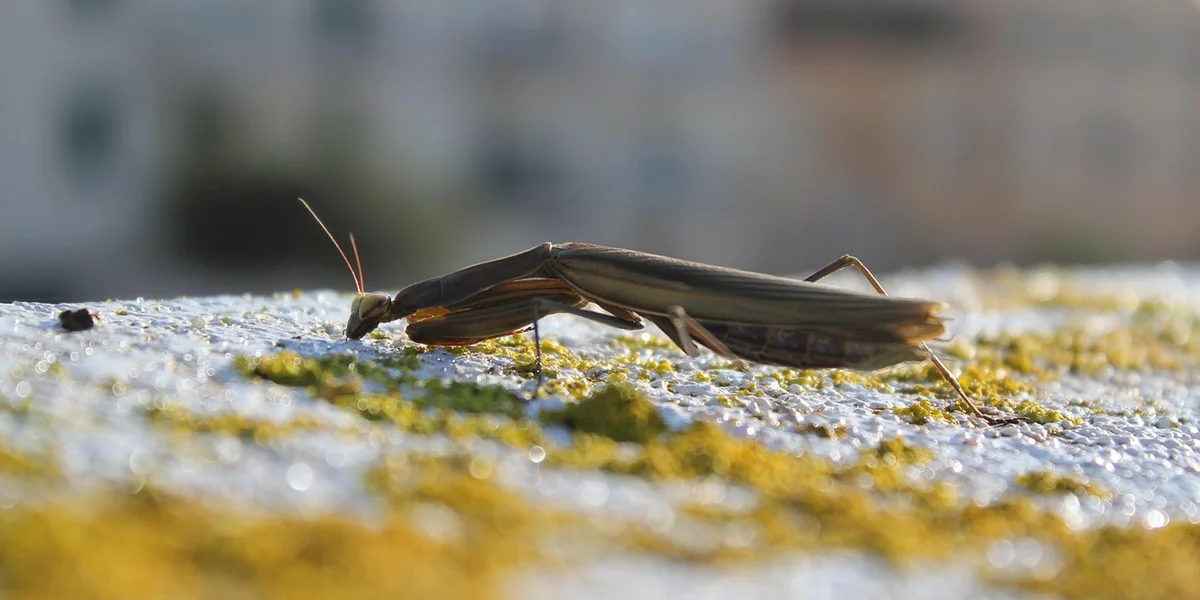
A thriving mantis relies on two simple rhythms: regular meals and a tidy home. Consistency in feeding and cleaning prevents stress and keeps your mantis vibrant, much like tending a small, living garden every day. We’ll walk through how to offer prey safely and maintain a spotless enclosure without harsh chemicals.
Prey Availability and Feeding
Your mantis’s appetite changes with its size and age, so tailoring meals is key. Young nymphs need tiny, frequent meals, while adults can handle larger prey every few days. Always match the prey to your mantis’s current stage.
Safe prey items vary by size. For hatchlings and small nymphs, flightless fruit flies are perfect. As they grow, move to small crickets, houseflies, or moths. Large adults can manage blue bottle flies or even the occasional waxworm as a treat. Never offer prey wider than your mantis’s head to avoid injury or a frightening struggle.
Ensuring prey is pesticide-free is non-negotiable. We source feeders from reputable pet shops or breed our own. Wild-caught insects often carry parasites or chemicals, so we stick to captive-bred options for safety. If you collect from outdoors, do so from areas untouched by sprays.
Here’s a simple feeding routine we follow:
- Gently offer one live prey item using soft tweezers, placing it near your mantis.
- Observe from a distance for about ten minutes to see if it’s caught and eaten.
- If uneaten, carefully remove the prey to prevent it from bothering your mantis overnight.
- Adjust frequency: nymphs eat every day or two, subadults every three days, and adults every four to five days.
Personal touches make this routine come alive. Our Moss, a Giant Asian mantis, strikes with such energy that his enclosure rustles. In contrast, Sprig, our Orchid mantis, prefers we leave a quiet fruit fly and retreat before she dines with delicate precision. Watching these habits helps you gauge their health and happiness.
Keeping the Habitat Clean
A clean habitat prevents mold, bacteria, and stress, especially during delicate molts. Think of it as creating a fresh, calm space where your mantis can focus on growing and thriving. In mantis enclosures, a cleanup crew can help by breaking down waste and controlling humidity. Pros include a cleaner habitat, but cons include potential overpopulation or the cleanup crew being mistaken for food if not monitored. We use a two-tier approach: light daily touch-ups and a thorough weekly refresh.
For minimal daily cleaning, keep these steps quick and gentle:
- Use tweezers to remove any frass (mantis waste) or leftover prey parts.
- Wipe the enclosure walls with a damp paper towel if misting leaves water spots.
- Check for shed skin after a molt and clear it away to keep the area tidy.
Weekly maintenance involves a bit more care. Here’s our routine:
- Transfer your mantis to a temporary secure container, like a small jar with ventilation.
- Remove all decor, substrate, and dishes from the enclosure.
- Wash everything with warm water and a drop of mild, chemical-free soap or white vinegar solution-rinse thoroughly until no residue remains.
- Dry the enclosure and items completely before reassembling, as dampness encourages mold.
- Return your mantis gently to its refreshed home.
We avoid all harsh cleaners; even natural residues can harm your mantis’s sensitive skin and respiratory system. A clean space supports molting by reducing obstacles and humidity spikes that might trap your mantis. Luna, our Ghost mantis, always seems more alert and poised after a habitat clean, her leafy frills perking up in the fresh air.
Species-Specific Considerations: Tailoring Your Habitat
While the core needs of air, warmth, and space apply to all mantises, each species whispers its own subtle preferences. Tailoring your setup to match your mantis’s natural home turns a simple enclosure into a comfort zone where they can truly thrive. We find that observing their behavior—like how they perch or react to mist—offers the best clues for fine-tuning their world. To help first-timers avoid common mistakes when setting up their mantis habitat, start with a properly sized enclosure and stable humidity. Avoid common pitfalls like an undersized space, excessive misting, or abrupt temperature shifts.
| Species | Temperature Range | Humidity Range | Key Decor Notes |
|---|---|---|---|
| Ghost Mantis | 22-26°C (72-79°F) | 50-60% | Abundant, fine foliage for hiding and climbing. |
| Orchid Mantis | 24-28°C (75-82°F) | 60-80% | Delicate, flowering branches; gentle, diffuse lighting. |
| Giant Asian Mantis | 23-27°C (73-81°F) | 50-70% | Sturdy, vertical branches for active climbing; ample room. |
My own mantises taught me to look beyond the numbers. Luna, my Ghost mantis, with her misty brown frills, always sought the densest patch of fake leaves, showing how vital cover is for their shy confidence. Meanwhile, Moss, the Giant Asian, would eagerly explore every new twig, reminding me that robust decor supports their curiosity.
Ghost Mantis Habitat Tips
Ghost mantises, like my Luna, blend into their surroundings with quiet grace. Keep humidity on the lower side, around 50-60%, to mimic the drier air of their native Madagascar and prevent any mould on their delicate frills. They adore clutter-think soft, silk plants or thin, real stems like pothos that create a network of hiding spots. A temperature between 22-26°C (72-79°F) suits them perfectly, with a gentle heat mat on one side if your room cools at night. We use a fine mist bottle every other day, just enough to bead on the leaves, which they often drink from with a careful tilt of the head.
Orchid Mantis Habitat Tips
Orchid mantises are living blossoms, and their home should feel like a humid, dappled glade. Humidity needs a steady boost to 60-80%, which we maintain with daily, light mistings that leave the air tasting of fresh earth. Provide delicate perches-thin, flowering branches or smooth skewers-that support their lightweight bodies and offer anchor points for molting. Avoid direct, harsh sunlight; instead, use a soft, full-spectrum LED to make their pink and white marbling shimmer without causing stress. My juvenile Orchid, Sprig, would always choose the highest, most slender twig, her petals seeming to glow in the warm, indirect light.
Giant Asian Mantis Habitat Tips
Giant Asian mantises, like Moss, bring energetic charm to any setup. They require more elbow room-a taller enclosure at least three times their body length-to accommodate their enthusiastic climbs and dramatic molts. Decorate with robust, vertical branches or cork bark that won’t wobble under their weight. Keep temperatures stable, 23-27°C (73-81°F), as sudden drops can slow their growth. For feeding, match prey size to their life stage; fruit flies for nymphs, moving up to crickets for adults, which we always gut-load for extra nutrition. Their active nature means they appreciate a change of scenery now and then, so we rotate a new branch in weekly to keep their world interesting.
FAQs on Mantis Habitat Setup
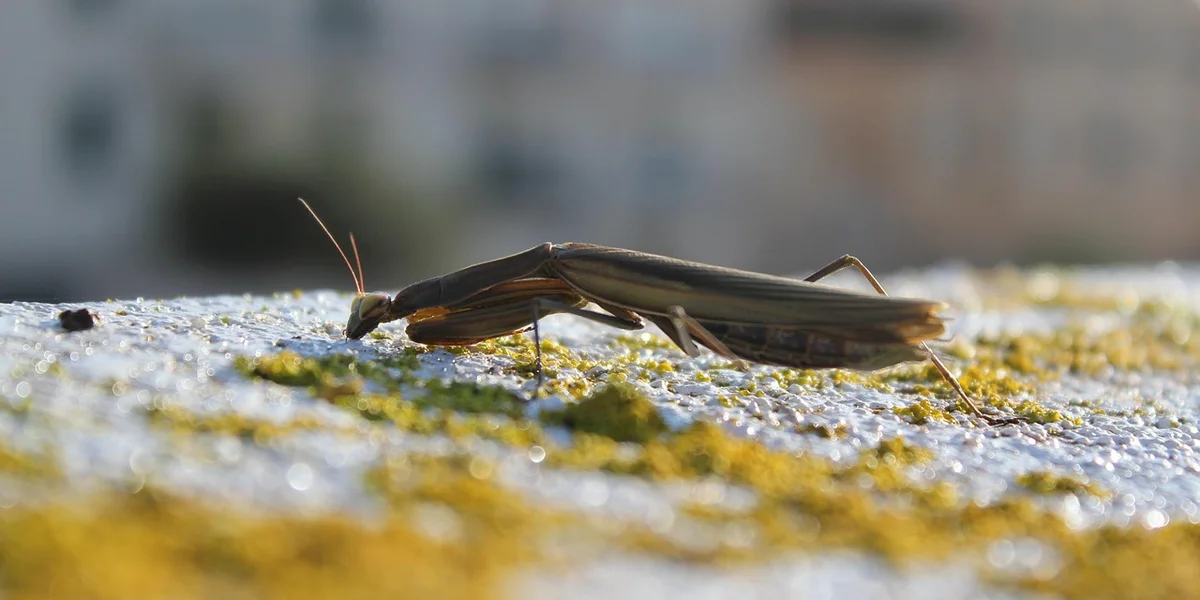
When should I upgrade my mantis to a larger enclosure?
Upgrade the enclosure when your mantis reaches a size where its height is more than one-third of the tank’s interior height. This ensures it has ample space for its next critical molt without the risk of touching the top or bottom.
Is a mesh or glass enclosure better for a beginner?
Mesh enclosures are often recommended for beginners due to their superior ventilation, which helps prevent mold and simplifies humidity management. Glass terrariums are excellent for moisture-loving species but require more careful monitoring of airflow. It’s important to weigh the pros and cons of glass vs mesh enclosures before making a decision.
How can I maintain stable humidity without over-misting?
Use a moisture-retaining substrate like coconut fibre and include live plants to help regulate humidity naturally between mistings. A digital hygrometer is essential for accurate monitoring, allowing you to mist only when levels drop.
A Gentle Keeper’s Reflection
Your mantis’s health blossoms from a simple trio: a spacious, airy enclosure, consistent warmth with light moisture, and safe branches for climbing and molting. A bioactive enclosure—featuring live plants, soil, and beneficial microfauna—adds a natural waste-processing cycle that supports their environment. Mimic the gentle rhythms of their natural world with regular misting, attentive feeding, and peaceful surroundings to support every stage of their life.
This journey with your mantis, much like watching our own Moss explore a new leaf, is a quiet lesson in care and attention. We invite you to keep learning, stay observant of your pet’s unique behaviors, and enjoy the calm wonder of responsible mantis keeping.
Further Reading & Sources
- How to Care for a Praying Mantis : 4 Steps – Instructables
- Praying Mantids – Wisconsin Horticulture
- Praying Mantis | National Geographic Kids
- Praying Mantis Habitat, Predators, Prey & Facts
Rowan Hale is a lifelong insect enthusiast who fell in love with mantises for their calm presence, alien elegance, and surprising personalities. After years of keeping and raising a variety of species, Rowan shares practical tips, creative insights, and real-world experience to help others enjoy the quiet magic of mantis care. From setting up the perfect enclosure to understanding their subtle behaviors, Rowan invites readers into a gentle, curious world where every tiny movement feels like a discovery.
Temperature and Humidity