
Praying Mantis Habitat Essentials for a Healthy Pet
Published on: December 4, 2025 | Last Updated: December 4, 2025
Written By: Rowan Hale
Hello, mantis friend. There’s a quiet magic in watching your praying mantis perch, still as a green statue, in its own little world-a moment of calm that feels like a secret shared. A healthy praying mantis needs a habitat that carefully balances secure space, proper humidity and warmth, safe furnishings for climbing and molting, and access to live prey. Getting this right means your mantis can thrive, showing off its natural behaviors and vibrant health.
Setting up a proper home involves more than just a container; it’s about creating a miniature ecosystem that supports every stage of their life. From my own experience with mantises like Moss, my energetic Giant Asian, I’ve seen how the right environment turns a simple enclosure into a sanctuary. We’ll walk through each requirement step-by-step, so you can build a space where your mantis feels perfectly at ease.
Here are the key areas we’ll cover to ensure your mantis habitat is just right:
- Choosing the right enclosure size and type for security and ventilation.
- Maintaining ideal humidity and temperature levels for health and molting.
- Selecting safe branches and plants for climbing and hiding.
- Setting up a feeding area that mimics natural hunting grounds.
The Foundation: Choosing and Setting Up the Enclosure
Think of your mantis’s enclosure not just as a cage, but as its entire world. This is the stage where it will hunt, grow, molt, and simply be. Getting this foundation right is the single most important thing you can do for its long-term health and happiness. The right enclosure acts as a secure, climate-controlled micro-habitat that supports every aspect of your mantis’s natural behaviour. Creating a naturalistic and safe habitat is essential for their well-being.
We have several good options for housing, each with its own character. Mesh or screen cages are brilliant for airflow, which helps prevent mold and lets your mantis grip easily on all sides. Glass terrariums hold heat and humidity beautifully, creating a little greenhouse effect, but need careful ventilation to avoid stagnation. Clear plastic containers, like those used for faunariums, are a fantastic and affordable choice, easy to modify with mesh panels for air. No matter the material, your top priorities are always secure height for molting, excellent ventilation, and absolute escape-proofing.
Enclosure Size and Shape
The rule we live by is simple: height is everything. A praying mantis must hang upside-down from the ceiling of its home to successfully shed its old skin. If it doesn’t have enough clear vertical space, a molt can fail, which is often fatal. A good minimum is an enclosure at least three times the mantis’s body length in height, and twice its length in width and depth. This gives them room to hunt and move without feeling lost. Remember, enclosure needs are species-specific, so tailor the setup to the mantis species you plan to keep. Some species may require taller enclosures, while others need more horizontal room or different perching options.
I learned this lesson watching my Giant Asian mantis, Moss. As a gangly subadult, he chose the highest point under the mesh lid to begin his molt. Seeing him slowly, carefully extricate himself in that generous space was a relief-he had the room he needed for that delicate operation.
| Mantis Life Stage / Size | Recommended Minimum Enclosure Dimensions (Height x Width x Depth) |
|---|---|
| Small Nymph (L1-L3) | 15 cm x 10 cm x 10 cm (6″ x 4″ x 4″) |
| Large Nymph / Juvenile | 20 cm x 15 cm x 15 cm (8″ x 6″ x 6″) |
| Small Adult (e.g., Ghost Mantis) | 25 cm x 15 cm x 15 cm (10″ x 6″ x 6″) |
| Medium to Large Adult (e.g., Giant Asian) | 30 cm x 20 cm x 20 cm (12″ x 8″ x 8″) or larger |
Safety and Security First
A safe enclosure is a peaceful enclosure. Your mantis is an escape artist and a delicate creature, so we must be meticulous. Start with the lid: mesh lids should clip or lock down securely. For DIY containers, ensure any mesh you’ve added is firmly glued and any holes are too small for the mantis’s head to squeeze through. Run your fingers along all interior surfaces to check for any sharp edges or points of exposed glue that could snag a fragile leg or abdomen.
Everything that goes inside must be considered safe for a tiny, curious creature. This means:
- Avoiding any branches, leaves, or decor from outdoors that might harbour pesticides or harmful mites. If you forage, bake wood in the oven to sterilise it.
- Using only pesticide-free, chemical-free substrate like coconut fibre or sphagnum moss.
- Placing the finished home in a stable spot, away from direct sun which can quickly overheat it, and away from drafty windows or air vents.
Think of it as creating a quiet, secure room where your mantis feels hidden and protected.
Creating the Perfect Climate: Temperature and Humidity
Inside that secure enclosure, we now need to craft the right atmosphere. Temperature and humidity are the invisible hands that guide your mantis’s metabolism, digestion, and especially its molting cycle. We’re not aiming for laboratory precision, but for a gentle, consistent range that mimics the warm, moist air of their natural grassland and forest homes. Forget guesswork; a small digital hygrometer and thermometer combo is your best friend, giving you clear insight into your mantis’s world.
Setting up climate control is simpler than it sounds. Heat should always be gentle and applied to one side of the enclosure, never the whole thing. This creates a thermal gradient—a warm end and a cooler end—so your mantis can choose its comfort zone. A low-wattage heat mat placed on the upper side of the glass or plastic works beautifully. To heat safely without overheating, use a thermostat or dimmer and regularly monitor the enclosure temperature. A small thermometer inside helps you keep the warm end within a safe range. Humidity comes from gentle misting and your choice of substrate. The goal is to replicate the fresh, damp feeling of a dewy morning, not a steamy rainforest.
Ideal Temperature Ranges
Most common pet mantis species thrive in what we’d call a comfortably warm room. A general range for species like the Giant Asian or European Mantis is between 22°C and 29°C (72°F to 85°F) during the day. A slight drop at night is natural and welcome. Some species, like the elegant Ghost Mantis, prefer it a touch cooler, happily living between 20°C and 26°C (68°F to 79°F). You can monitor this easily by placing the thermometer in the middle of the enclosure, away from the direct heat source, to get an average reading.
If your room is normally a bit cool, that targeted heat mat on one side will provide the boost needed. If your home is already warm, you might not need any extra heat at all. Always let the thermometer guide you, not assumptions.
Managing Humidity Levels
Humidity is the moisture in the air, and it’s vital for keeping your mantis hydrated and ensuring its old skin peels away cleanly during a molt. We manage it through a combination of misting, substrate, and ventilation. Use a small spray bottle filled with lukewarm or dechlorinated water-never cold-and give the enclosure a light, fine mist, focusing on the sides and leaves.
Here’s a simple guide to misting frequency based on species needs:
- Moderate Humidity Species (e.g., Giant Asian, European): Mist lightly every other day. Let the enclosure dry out almost completely between mistings.
- Higher Humidity Species (e.g., Orchid Mantis, Ghost Mantis): Mist lightly once, sometimes twice daily. The substrate should feel slightly damp, never soggy.
A moisture-retentive substrate like coconut fibre helps maintain ambient humidity, and a very shallow water dish (with pebbles or a sponge to prevent drowning) can add to it. The key is to avoid over-misting, which leads to stagnant air and mold growth; good ventilation is what allows you to mist properly without fear. Watch your mantis, too. If it’s constantly drinking droplets, the air might be too dry. If mold spots appear, cut back on misting and increase airflow.
Interior Design: Substrate, Plants, and Perches
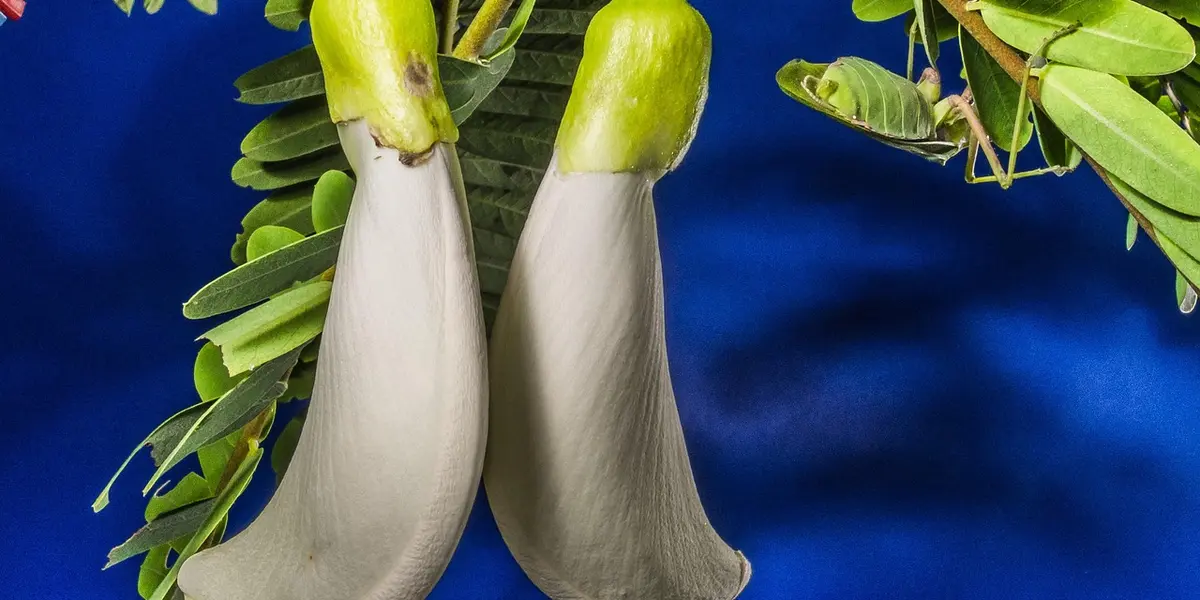
Creating the inside of your mantis home is where the magic happens. It transforms a simple container into a living landscape that keeps your mantis content, engaged, and healthy. This thoughtful furnishing directly reduces stress by providing security, stimulates natural instincts, and gives you a front-row seat to fascinating behaviors. Think of it as crafting a miniature, three-dimensional jungle gym tailored just for them.
Substrate Selection and Setup
The floor of the enclosure, the substrate, is more than just decoration. It helps manage humidity, provides a safe landing for any falls, and completes the natural aesthetic. The right choice depends on your mantis species and your preferred maintenance style. There are different types of mantis enclosures—mesh cages, glass terrariums, and hybrid setups—each with its own airflow and cleaning considerations.
| Material | Best For | Moisture & Cleanliness | Safety Notes |
| Coconut Fiber (Eco Earth) | Most species, bioactive setups, high-humidity needs. | Excellent moisture retention, natural look. Spot-clean frass (droppings). | Very safe. Ensure it’s loose and not compacted. |
| Paper Towel | Nymphs, sick/injured mantises, quarantine, ultimate simplicity. | Zero retention, but supremely easy to replace entirely every few days. | Perfectly safe. Provides no foothold, which can be good for tiny nymphs. |
| Sterile Potting Soil (no fertilisers) | Live plant setups, a more naturalistic finish. | Good retention. Can mould if too wet; requires live plants to balance. | Must be chemical-free. Avoid if using small feeder insects that could burrow. |
Setting up is wonderfully simple. Pour your chosen substrate evenly across the bottom to a depth of about one to two inches, gently patting it level. For my ghost mantis Luna, I use a shallow layer of coconut fiber, which holds the mist from her daily spray beautifully, mimicking the damp leaf litter of her natural habitat.
Furnishings for Enrichment and Observation
Now for the fun part: decorating. Your mantis is an arboreal acrobat, spending its entire life climbing and perching. The right furnishings cater to this instinct.
Start with a selection of sturdy branches and vines, arranging them to create a network of pathways and perches at varying heights, all reaching the top third of the enclosure. Twisted grapevine or manzanita wood works beautifully. My Giant Asian mantis, Moss, will spend hours exploring a new branch arrangement, testing every possible route to his favourite lookout spot.
- Sturdy Branches & Vines: These are the highways and streets of your mantis’s world. Ensure they are securely anchored and provide a clear path from the floor to the ceiling mesh.
- Foliage for Hiding: Both artificial silk plants and certain live plants (like Pothos, Spider Plants, or safe ferns) are excellent. They offer crucial hiding spots, making your mantis feel secure. This is vital for reducing stress, especially after molting.
- Leaf Litter: A scattering of dried oak or magnolia leaves over the substrate enhances the natural look and provides tiny micro-hiding places for prey, encouraging hunting behaviour.
Arrange these elements to create a layered effect. This deliberate design does more than beautify; it encourages your mantis to exhibit its full range of natural behaviours, from stealthy hunting stalks to meticulous grooming sessions, all while giving you a clear window into its daily life. You’ll find they often choose a favourite perch, becoming a living statue you can quietly admire.
Breath of Fresh Air: Ventilation and Air Circulation
Imagine your mantis enclosure as a miniature forest glade, where air must whisper through the leaves. Good ventilation stops mold and mildew from taking hold, much like a breeze prevents damp from settling on a forest floor. Stagnant, humid air can lead to respiratory discomfort for your mantis, something we noticed with Luna, our Ghost mantis; she became lethargic in a stuffy jar before we upgraded her home.
We achieve this gentle air movement using mesh panels or vented lids on the enclosure. A screen top or side vents allow stale air to escape and fresh oxygen to enter, creating a healthy cycle without drafts. It is similar to how a terrarium lid lets plants breathe while keeping moisture in balance.
Balance is key, as too much airflow can steal essential humidity. You want to avoid a dry, stagnant environment where your mantis might struggle to molt properly. Think of it as tuning the air to feel soft and alive, not parched or heavy.
Balancing Ventilation and Humidity
Adjusting ventilation is a simple art we practise daily. If the air feels too dry, cover part of the mesh with a cloth or plastic wrap to trap a bit more moisture. With Moss, our Giant Asian mantis, we often use a temporary cling film patch on cooler days to keep his green world comfortably damp.
Watch for these signs that air circulation needs help:
- Constant condensation on the glass, like a persistent fog.
- A faint, foul smell hinting at decay or waste buildup.
- Your mantis clinging only to the ventilated areas, seeking fresher air.
To fix poor circulation, start with these steps. First, increase ventilation slightly by uncovering mesh or adding extra vents if you spot mold. Next, adjust your misting routine; mist less often but more lightly to reduce wetness without drying everything out. Finally, ensure the enclosure is not in a dead air corner-a slight shift near a room’s gentle airflow can work wonders.
Daily and Weekly Care: Feeding, Water, and Cleanliness
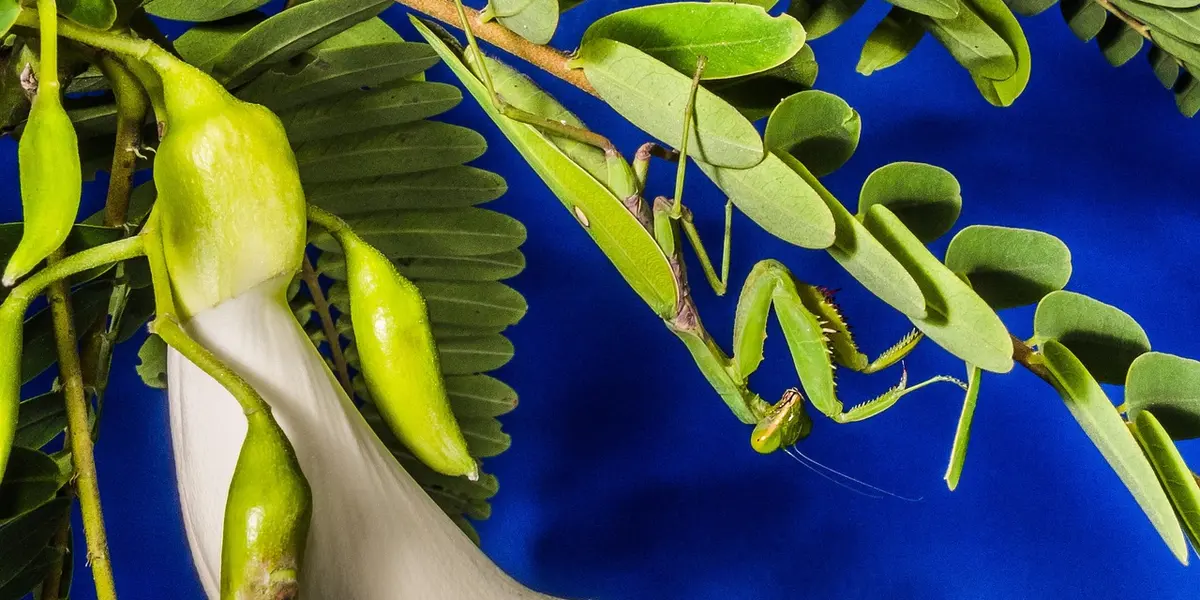
Think of mantis care as a quiet, daily conversation with a tiny green world. A consistent rhythm of feeding, misting, and tidying transforms your enclosure from a container into a living, breathing home. We focus on prey availability first, offering live insects that spark natural hunting behaviors. Water comes next through gentle misting, mimicking morning dew. Finally, a simple cleaning routine keeps the habitat fresh and safe, preventing mold and waste buildup. Regular, light maintenance—like quick wipe-downs and substrate refreshes—helps you clean and maintain your praying mantis habitat.
Prey Availability and Feeding Tips
Watching a mantis hunt is a lesson in silent precision. Your goal is to provide live prey that matches your mantis’s size and appetite, encouraging healthy growth and natural activity. My giant Asian mantis, Moss, gets visibly more curious and alert when he spies a cricket moving nearby. Start with this list of suitable insects, moving up in size as your mantis grows.
- For tiny nymphs: Wingless fruit flies (Drosophila melanogaster) or pinhead crickets.
- For juveniles: Larger fruit flies, small crickets, or green bottle flies.
- For subadults and adults: Medium to large crickets, houseflies, blue bottle flies, or the occasional moth.
A simple feeding schedule keeps things manageable. Offer food every two to three days for most adults, while growing nymphs may need small meals daily or every other day. Always use gut-loaded prey-feed your insects nutritious foods like carrots or commercial gut-load diet for 24 hours before offering them. This passes vital nutrients to your mantis. Remove any uneaten live prey after a few hours to prevent stress or injury to your pet.
Water and Hygiene Practices
Hydration in a mantis enclosure comes from humidity, not a bowl. Light misting with chlorine-free water is the safest and most natural way to provide drinkable droplets. Use distilled water or tap water left out for 24 hours to evaporate chlorine. Mist the sides and leaves of the enclosure once a day, or every other day if you live in a humid area. Aim for fine droplets that cling like morning frost, not a soaking wet environment. A shallow water dish is optional but rarely used; mantises prefer to drink from surfaces.
Weekly cleaning maintains a healthy atmosphere. Set aside ten minutes each week for a quick habitat refresh, which prevents odors and keeps your mantis in top condition. Here is a straightforward checklist to follow.
- Remove any visible waste, such as feces (small, dark pellets) and discarded molt skins, using soft tweezers.
- Gently replace the top layer of substrate if it’s soiled; a complete change is needed only every few months.
- Wipe down the enclosure walls and any sturdy furnishings with a damp cloth and warm water. Avoid soaps or chemicals.
- Check for and remove any uneaten, dead prey insects to avoid attracting mites or mold.
This routine keeps the space airy and clean. My orchid mantis, Sprig, always seems perkier after a light mist and tidy-up, her pink petals looking brighter against the fresh greenery.
Tailoring the Habitat: Species-Specific Considerations
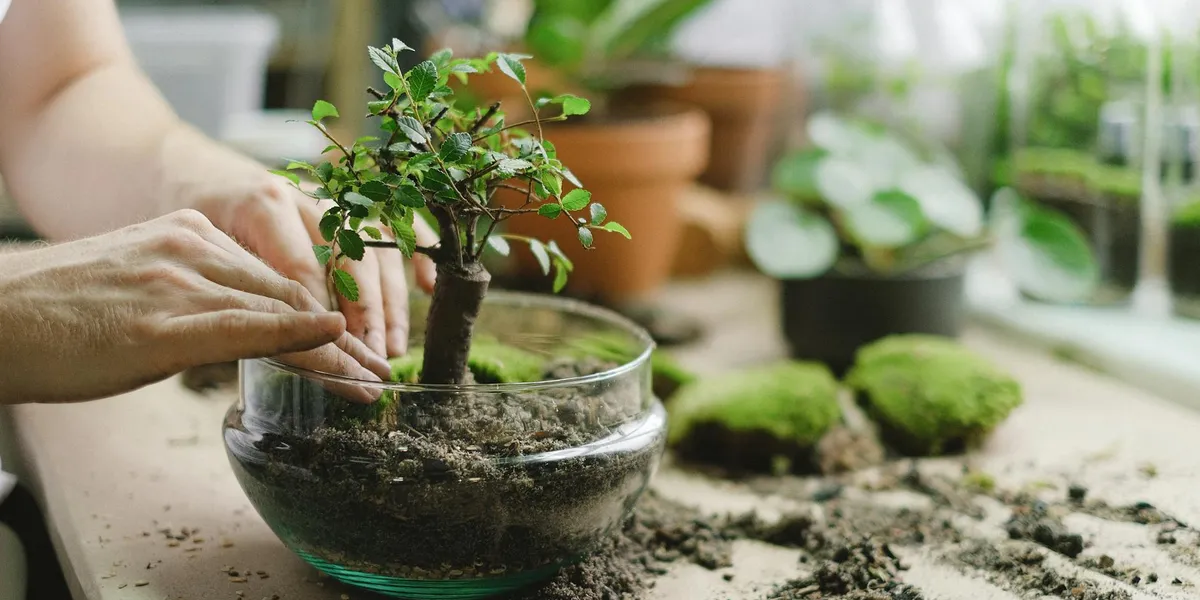
Think of your mantis’s home like a custom-made suit-it needs to fit their species perfectly. A setup that delights one type might quietly stress another. We’ve learned this through our own mantises; Luna, our Ghost Mantis, settles best in a damp, cluttered terrarium that smells of wet soil, while Moss, the Giant Asian, stretches happily in a warmer, airier space. Observing these natural preferences prevents common health issues and lets your mantis thrive.
Variations mainly hinge on humidity, warmth, and how busy or bare the enclosure feels. A mantis from a steamy jungle will crave constant moisture and dense foliage, whereas a grassland species prefers drier air and open perches. Matching these conditions reduces stress and encourages natural behaviors, from hunting to molting.
Adapting for Different Mantis Types
Here’s a quick comparison based on our daily care for Luna, Moss, and Sprig. Use this list as a friendly starting point, then watch your own mantis for clues about their comfort.
- Ghost Mantis (like Luna): These whisper-thin, brown mantises need higher humidity, around 60-80%, and mild temperatures of 70-78°F. They adore enclosures stuffed with fine leaves or silk plants where they can vanish like a drifting leaf. Vertical space for climbing is a must.
- Giant Asian Mantis (like Moss): Energetic and bright green, they demand more room-a tall enclosure suits their curiosity. Keep them warm at 75-85°F with moderate humidity of 50-70%. Offer stout branches for perching and sturdy walls for molting.
- Orchid Mantis (like Sprig): With petal-soft pink and white hues, they require high humidity (70-90%) and steady heat of 80-85°F. Their home should mimic a flower patch, with ample artificial blooms for ambush hunting. Gentle airflow stops the air from going stale.
Every mantis has its own personality, so treat these guidelines as a flexible framework. For species-specific feeding schedules and molting tips, our full care guides offer deeper dives. For a quick, species-by-species comparison of feeding schedules, see our feeding schedule species comparative guide. It helps tailor care to each species’ needs.
Solving Problems: Common Habitat-Related Issues

Even with the best setup, small imbalances can cause worry. Many common mantis care puzzles can be traced back to their living conditions, and the good news is that most have straightforward, habitat-based solutions. Think of it as fine-tuning a miniature ecosystem-a quiet adjustment here can make all the difference for your mantis’s comfort and health. Identifying stress in your mantis and adjusting its habitat early on can prevent bigger issues down the line.
Temperature and humidity are often the culprits. A mantis that seems lethargic or refuses food might simply be too cold, slowing its metabolism to a near-standstill. Gently increasing the ambient temperature with a low-wattage lamp or moving the enclosure to a warmer room can often revive their appetite within a day. Conversely, a mantis constantly clinging to the mesh top could be seeking cooler air, signaling a need for better ventilation or a slight distance from a heat source.
Humidity mismanagement shows itself in subtle ways. We learned this with Luna, our Ghost Mantis; when her skin looked dull and she seemed reluctant to climb, the air was simply too dry. A consistent, gentle misting schedule, focused on the enclosure’s walls and foliage rather than directly on the mantis, restored her activity and prepared her for a perfect molt. Too much humidity, however, invites other issues, turning a thriving habitat into a risky environment.
Troubleshooting Checklist
Use this quick-reference guide to connect visible problems with their environmental causes and fixes.
- Mantis is refusing food: Check the temperature first. An environment that’s too cool suppresses their desire to eat. Ensure your mantis has access to a warm area between 75-85°F (24-29°C). Also, assess stress levels-an enclosure that’s too open or lacks sufficient foliage for hiding can make a mantis feel too exposed to eat peacefully.
- Failed or difficult molt (dysecdysis): This is almost always a habitat issue. The primary causes are insufficient humidity during the pre-molt period and a lack of secure, elevated hanging points. Increase misting frequency in the days leading up to a suspected molt and double-check that your interior layout has plenty of anchored twigs or mesh near the top from which they can suspend themselves upside-down.
- Mold growth on substrate or décor: This signals excessive moisture and poor ventilation. Replace the affected substrate immediately. Increase cross-ventilation by ensuring air holes are clear and on opposing sides. Reduce misting frequency slightly and always allow the enclosure to dry out a bit between mistings.
- Lethargy or unusual stillness: Consider both temperature and humidity. Cold will cause sluggishness, as mentioned. But low humidity can also lead to general weakness. Rule out temperature problems, then check your hygrometer. A shallow water dish or a slightly more frequent light mist can help.
- Mantis frequently falls or has trouble climbing: Examine your climbing surfaces. Glass or smooth plastic sides are impossible for them to grip. Ensure at least one side of the enclosure is lined with a textured material like fine mesh or fabric, and that all branches and sticks have a rough, bark-like texture for easy gripping. This is crucial for their mobility and safety.
- Unusual aggression or skittishness: While personality varies, a sudden change in demeanor can be environmental. An enclosure that is too small, too bare, or in a high-traffic area can cause chronic stress. Try moving the habitat to a calmer location and adding more visual barriers with leaves or plants to create a greater sense of security.
Common Mantis Queries
What happens if my mantis enclosure isn’t tall enough?
A lack of vertical space is the leading cause of failed, often fatal molts, as your mantis cannot properly hang to shed its old exoskeleton. Always ensure the enclosure height is at least three times your mantis’s body length to provide this critical clearance.
Can I just put a water dish in the habitat instead of misting?
It is not recommended, as mantises rarely drink from standing water and can easily drown in even shallow dishes. Providing fresh, chlorine-free water through daily light misting on the enclosure walls and leaves is the safest and most natural hydration method.
What common household materials are dangerous in a mantis habitat?
Avoid any adhesive tapes, chemical-treated woods, or decor with sharp edges that could injure your mantis. Always sterilize foraged branches by baking them and use only pesticide-free substrates to prevent introducing toxins or parasites.
A Gentle Keeper’s Final Thought
Providing the right home boils down to a secure enclosure, proper humidity from regular misting, and a stable, warm temperature that lets your mantis thrive. When you match their natural rhythm with the right space, food, and gentle care, you create a foundation for a long, observant life.
Being a good mantis keeper means watching closely, learning from your pet’s quiet signals, and always being ready to tweak your care as they grow. Their world is small, but with your attentive stewardship, it can be perfectly formed-a quiet, green haven where a remarkable little predator can simply be.
Further Reading & Sources
- Complete praying mantis habitat Kit with Feeding Port. Mantis keepers – USMANTIS
- Praying Mantis – Facts, Diet & Habitat Information
- 3 Ways to Make a Praying Mantis Habitat – wikiHow
- How to Set up a Praying Mantis Habitat (Step-by-Step) – Insect Keeper
Rowan Hale is a lifelong insect enthusiast who fell in love with mantises for their calm presence, alien elegance, and surprising personalities. After years of keeping and raising a variety of species, Rowan shares practical tips, creative insights, and real-world experience to help others enjoy the quiet magic of mantis care. From setting up the perfect enclosure to understanding their subtle behaviors, Rowan invites readers into a gentle, curious world where every tiny movement feels like a discovery.
Temperature and Humidity