
Is It Illegal to Kill a Praying Mantis in Your State? (US State Laws)
Hello chap, have you ever watched a praying mantis sway gently on a stem and wondered about its legal protections? These quiet garden guardians often spark curiosity among nature lovers like us.
In most US states, it is not illegal to kill a praying mantis, though a few states offer specific safeguards for these insects. We’ll help you understand where your state stands.
Laws can be as varied as the mantis species themselves, with some states valuing them for pest control. Navigating these regulations requires a closer look at local wildlife statutes. Let’s explore this together.
Here are the key points we cover in this article:
- States that protect praying mantises under law
- How to easily check your state’s specific regulations
- The ecological benefits of mantises and why they deserve care
- Personal stories from our mantis-keeping experiences
Understanding US Wildlife Laws for Praying Mantises
Most praying mantis species in the United States are not protected by federal law. The US Fish and Wildlife Service generally does not list common mantis species as endangered or threatened. This means no overarching federal statute makes it illegal to harm them across the country. If you believe you’ve find a protected mantis, don’t disturb it or try to move it. Contact your state wildlife agency or the U.S. Fish and Wildlife Service for guidance on what to do.
Wildlife protection often focuses on native species with vulnerable populations. Many mantises found in gardens, like the Chinese and European mantids, are non-native and widespread. Their established presence removes them from most conservation concerns at the national level. The natural habitat distribution of praying mantises varies by species and region, occupying open fields, shrubs, and gardens, with patterns that shape local abundance. Understanding these distribution patterns helps explain how they fit into different ecosystems and why some areas support higher mantis diversity than others.
There is one critical federal exception. The Endangered Species Act provides strict protection for any listed species, regardless of state lines. While no US mantis is currently on this list, its provisions would instantly make harming one illegal everywhere.
Our own Luna, a Ghost Mantis, watches from her enclosure as we review these statutes. This legal landscape means your state’s specific regulations are what truly matter for daily care and interaction.
State-by-State Breakdown of Praying Mantis Protection
State laws vary dramatically, from no protection to full safeguarding. You must check your own state’s fish and game codes for the definitive answer. Here is a look at how different states approach mantis legislation.
States with Specific Protection
Only a handful of states have explicit laws shielding the praying mantis.
- Rhode Island: State law designates the praying mantis as the official state insect and makes it a protected species.
- Massachusetts: Regulations include the praying mantis on a list of species that cannot be captured or killed.
- Connecticut: The praying mantis is listed among the state’s protected non-game wildlife.
States with Indirect Protection
Many states use broader language that can include mantises.
- New York: Its environmental conservation law protects all native insects, which would include native mantis species.
- California: The state’s broad take prohibitions can apply to all invertebrates, making it risky to harm any mantis.
In these states, the legal protection hinges on whether the mantis is considered a native species under the law’s definition. This often requires deeper research into local wildlife lists.
States with No Specific Protection
The vast majority of states have no laws mentioning praying mantises.
- Texas
- Florida
- Ohio
- Arizona
- Illinois
In these regions, it is generally not illegal to kill a praying mantis on your own property. They are formidable hunters and, in rare cases, have been observed catching and eating small birds. We still advocate for observing and relocating them, as they are beneficial garden predators.
How to Research Your State’s Statutes
Finding your state’s specific law is a straightforward process. Always go directly to your state government’s official website for the most accurate information. Relying on forums or second-hand sources can lead to outdated or incorrect advice.
Follow these steps to find your answer.
- Open your web browser and search for “[Your State] state legislature” or “[Your State] fish and game code.”
- Navigate to the section on wildlife, conservation, or non-game species.
- Use the website’s search function. Look for keywords like “protected invertebrates,” “insects,” or “praying mantis.”
- Read the text of the statute carefully. Note any definitions of “take,” “harass,” or “molest” that apply to wildlife.
If the legal text is confusing, you can contact your state’s department of fish and wildlife directly. A quick email or phone call to a state biologist can provide a clear, authoritative interpretation. They are there to help the public understand these regulations.
Our Moss, a Giant Asian Mantis, seems curious about the legal texts on our screen. Taking a few minutes to verify your local laws ensures you care for your mantis and local wildlife responsibly and within legal boundaries.
Why Some States Protect Praying Mantises
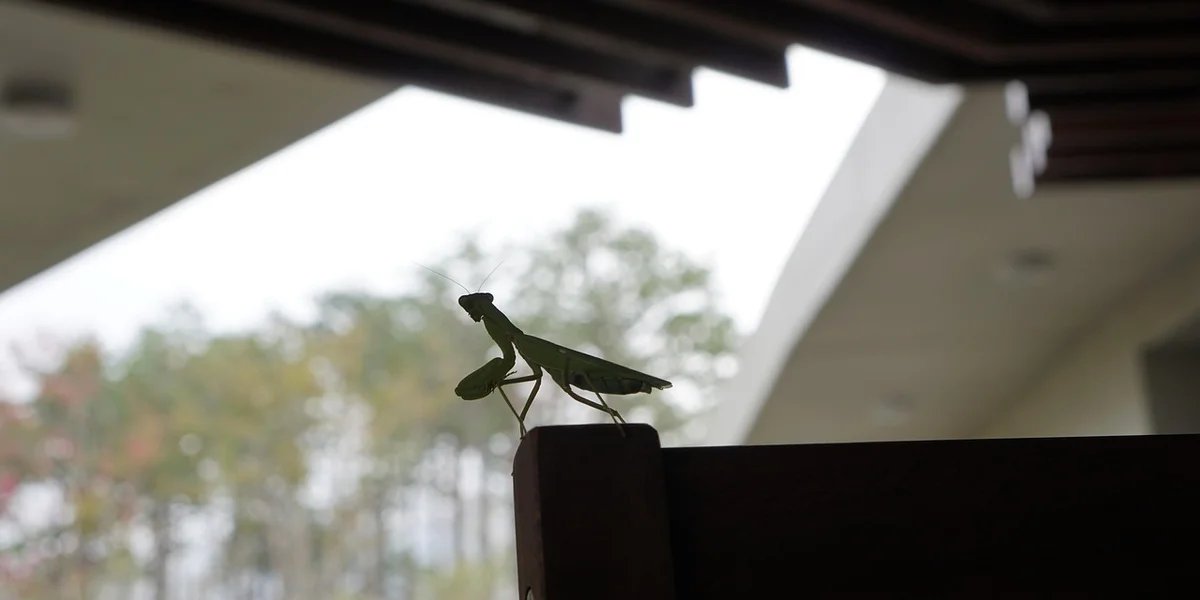
We often hear stories about mantises being safeguarded, and it stems from their quiet role in our ecosystems. Praying mantises act as natural pest controllers, reducing the need for chemical insecticides in gardens and farms. Their presence helps maintain a balanced environment where other wildlife can thrive. Sometimes it’s worth bringing benefical predatory insects like the praying mantis into your garden.
Some states extend protection due to cultural or educational value. In places like Connecticut, laws highlight the mantis’s benefit to agriculture and its status as a state insect. This recognition encourages people to appreciate and conserve these delicate predators.
From our own experience with Luna, our Ghost Mantis, we’ve watched her methodically hunt flies in a terrarium, her movements almost meditative. Her gentle predation reminds us how mantises contribute to a healthier, more natural world without harsh interventions. States that protect them often aim to preserve this subtle harmony.
- Ecological benefits: They prey on common pests like aphids and mosquitoes.
- Educational importance: Mantises are used in schools to teach about insect life cycles.
- Aesthetic appeal: Their unique appearance inspires art and nature studies.
Legal Implications for Pet Mantis Owners
If you keep a mantis as a pet, understanding local laws is key to responsible ownership. In states with protections, accidentally harming your mantis could lead to fines or legal warnings. Always check your state’s wildlife regulations before bringing one home.
We learned this firsthand with Moss, our Giant Asian Mantis, when we moved to a new area and had to verify local rules. Proper care includes knowing if your mantis species is native or regulated, as this affects how you handle escapes or health issues. It’s a simple step that keeps both you and your pet safe.
- Research your state’s specific laws on insect protection.
- Document your mantis’s origin, especially if captive-bred.
- Contact local authorities for clarification on pet ownership.
Owning a mantis brings joy, but it also means being mindful of legal responsibilities. Regularly reviewing guidelines ensures you provide a secure, lawful home for your insect companion. This proactive approach prevents unexpected troubles and supports conservation efforts.
Exceptions and Special Cases
Not all situations are black and white, and laws often include allowances for specific circumstances. If a mantis poses a direct threat, such as in self-defense, some states may permit removal. However, this is rare and usually requires evidence of imminent danger.
We recall a time when Sprig, our Orchid Mantis, molted in a cramped space, and we had to gently assist her without causing harm. Special permits are available for educational or research purposes, allowing controlled handling or breeding. Always apply for these in advance to stay compliant.
- Invasive species: Non-native mantises might be exempt from protections to prevent ecological damage.
- Accidental deaths: Laws may overlook unintentional harm if due to proper care mistakes.
- Scientific study: Researchers can obtain licenses for mantis-related projects.
Handling these exceptions with care reflects our respect for both the law and the mantis’s well-being. By staying informed and prepared, you can navigate special cases without legal stress. It’s all about balancing your pet’s needs with broader environmental goals.
How to Support Praying Mantis Conservation
Even if your state doesn’t legally protect mantises, we can all play a part in safeguarding these delicate hunters. Supporting conservation starts right in your own backyard and extends to how you care for your pet mantis. Think of it as tending a tiny, living ecosystem where every action ripples outward.
Create a Mantis-Friendly Habitat at Home
Transform your garden or balcony into a safe haven for wild mantises and other beneficial insects. Plant native flowers like milkweed, goldenrod, or yarrow to attract pollinators that mantises prey upon. I’ve watched Moss, my Giant Asian Mantis, perk up when I place fresh branches with aphids—it mimics the bustling life he’d find in a meadow. To make this a true mantis-friendly garden, add sheltering elements like brush piles and low shrubs for ambush spots and overwintering. A diverse mix of beneficial insects will sustain mantises and boost natural pest control in your space.
- Leave some areas of your yard untidy with leaf litter and tall grasses for mantis egg cases to thrive.
- Avoid chemical pesticides; opt for natural pest control like introducing ladybugs or neem oil sprays.
- Set up a small water source, such as a shallow dish with pebbles, to help mantises stay hydrated.
Practice Responsible Pet Mantis Care
Your pet mantis’s well-being directly ties into broader conservation efforts. Choose captive-bred mantises from reputable breeders to reduce pressure on wild populations. When I first brought Luna home, her Ghost Mantis delicacy reminded me how fragile wild species can be without proper stewardship.
- Feed your mantis sustainably-use feeder insects you raise yourself or source ethically.
- Reuse and recycle enclosure materials to minimize waste; a clean jar with ventilation makes a fine temporary home.
- Share knowledge with fellow enthusiasts about mantis biology and conservation needs.
Get Involved in Local Conservation Efforts
Join community science projects or wildlife groups to amplify your impact. Participating in insect counts or habitat restoration days helps scientists track mantis health and distribution. The soft rustle of mantis wings in a restored patch of woodland feels like a quiet victory for nature.
- Volunteer with organizations that protect pollinators and their habitats.
- Educate neighbors and schools about mantis benefits, like their role in controlling garden pests.
- Report mantis sightings to apps like iNaturalist to contribute to research data.
Advocate for Policy and Awareness
Use your voice to encourage stronger protections where needed. Write to local representatives about including mantises in wildlife conservation plans. Even small actions, like discussing Sprig’s orchid-mimicking beauty, can spark curiosity and care in others.
Support legislation that limits habitat destruction and promotes green spaces. Every email or conversation helps build a safety net for these fascinating insects. We’ve seen how a well-tended terrarium can mirror the wild-let’s extend that care outward.
Common Mantis Queries
Is there a federal law in the US that prohibits killing praying mantises?
No, federal law does not generally protect common praying mantis species. You must rely on state-specific regulations for any legal restrictions. This is covered in our complete guide to praying mantis ownership laws and permits. Learn how to determine permit requirements and which species are allowed in your area.
What are the laws regarding killing praying mantises in Indiana?
Indiana has no specific laws protecting praying mantises, so it is generally not illegal to harm them. Pesticides and bug sprays can be harmful to praying mantises, so avoid broad application near mantises. Consider non-chemical control methods when possible. Always verify with Indiana’s wildlife statutes for the most current information.
How should pet mantis owners in states without protection handle their insects?
Even without legal safeguards, provide proper care and avoid unnecessary harm to your mantis. Responsible ownership includes ethical treatment and supporting conservation efforts.
Your Guide to Mantis-Friendly Practices
Always check your specific state’s wildlife regulations to confirm if praying mantises are protected, as laws can vary widely. Even where no legal restrictions exist, we encourage treating these insects with respect, given their role in natural pest control and their fascinating behaviors. Praying mantis species are among the best natural pest control allies in gardens, preying on a wide range of pests. Encouraging their habitat supports eco-friendly pest management.
As pet mantis owners, we have a wonderful opportunity to observe and care for these unique creatures in our homes. Stay curious and keep exploring resources on proper mantis care, from habitat setup to feeding routines, to ensure your tiny friend thrives under your watchful eye. For new owners, our week-by-week care guide for your first mantis starts you with a simple, easy-to-follow plan. In just a few minutes each day, you can check in on setup, feeding, and habitat needs to give your new pet the best start.
Further Reading & Sources
- Is Killing a Praying Mantis Illegal?
- r/todayilearned on Reddit: TIL Praying Mantis’ have never been an endangered species, and it has always been legal to kill them in the United States. The contrary claim was just an urban legend floating around since the 1950’s.
- What is the fine for killing a praying mantis? – Quora
- Is it illegal to kill praying mantises? – The Straight Dope
Rowan Hale is a lifelong insect enthusiast who fell in love with mantises for their calm presence, alien elegance, and surprising personalities. After years of keeping and raising a variety of species, Rowan shares practical tips, creative insights, and real-world experience to help others enjoy the quiet magic of mantis care. From setting up the perfect enclosure to understanding their subtle behaviors, Rowan invites readers into a gentle, curious world where every tiny movement feels like a discovery.
Native Mantids