
Breeding Mantis Species: Your Gentle, Step-by-Step Success Guide
Published on: December 5, 2025 | Last Updated: December 5, 2025
Written By: Rowan Hale
Hello, chap-fellow mantis friend. Picture this: the soft, papery whisper of a new ootheca in your care, and the awe of watching minuscule nymphs, like living confetti, take their first deliberate steps. It’s a quiet triumph for any keeper.
Breeding mantises successfully rests on a foundation of species knowledge, mindful pairing rituals, and attentive nymph rearing-a process we can walk through together, step by calm step.
While the idea is straightforward, the reality holds gentle complexities; from recognizing when your mantis is truly ready to mate, to ensuring the tiny hatchlings thrive without overwhelm. Here’s a glimpse of what we’ll cover to set you on the right path:
- Choosing compatible pairs and reading their unique readiness cues.
- Creating a safe, low-stress introduction environment to encourage natural courtship.
- Caring for the ootheca through incubation, with simple humidity tricks.
- Rearing those delicate nymphs with practical, household-friendly setups.
Drawing from hands-on time with mantises like my observant Ghost, Luna, I’ve found that success blooms from moving at nature’s pace, not our own hurried one.
Preparing for Mantis Breeding: The Essential Foundation
Think of this stage like preparing a nursery-we’re setting the stage for life, and every detail matters. A calm, well-planned start makes all the difference for your mantises and their future offspring.
Sexing Your Mantises: Telling Boys from Girls
Getting this right is your first, non-negotiable step. Males and females often look quite different once they reach their later juvenile stages, called subadult or adult. For many common species, like the Giant Asian, males are typically slimmer with longer antennae and more abdominal segments, while females are broader and heavier-bodied.
My male Moss (Giant Asian) had a lean, almost wiry frame and antennae that seemed to quiver with curiosity, while females I’ve kept were sturdier, built for egg-laying. Count the segments on the underside of the abdomen; males usually have eight, females six. It’s a gentle, observant task best done when your mantis is calm and perched.
- Check the abdomen segment count with a soft paintbrush to encourage movement.
- Observe the overall silhouette: males are often more “airy” flyers, females more “grounded.”
- For species like Ghost Mantises, look at the crown shape; males can have more pronounced frills.
Creating the Perfect Breeding Enclosure
This isn’t just a tank; it’s a stage for a delicate natural ballet. You need a space that’s secure, spacious enough for cautious interaction, and rich with sensory cues. I always use a tall, well-ventilated enclosure that’s at least three times the female’s length in height, giving the male room to approach and, if needed, retreat.
Line the floor with a moisture-holding substrate like coconut fiber, which gives off that faint, earthy scent after misting. Provide plenty of vertical climbing options-thin branches, twisty vines, or even sturdy dried grasses. The goal is to mimic a soft, textured patch of garden where two mantises can see each other without feeling trapped.
- Select a clean, escape-proof tank with mesh ventilation on at least one side.
- Add a substrate layer for humidity and anchor climbing structures firmly.
- Position foliage or fake leaves near the top to offer hiding spots and perches.
- Maintain a gentle warmth, around 24-26°C, and a humidity level that suits your specific species.
Gathering Your Breeding Toolkit
Your toolkit is simple but vital. These aren’t fancy instruments, just thoughtful items that keep everyone safe and the process smooth. Having everything within arm’s reach transforms a nervous event into a managed, calm procedure.
You’ll want a pair of long, soft-tipped tweezers for offering food and guiding mantises, a fine misting bottle for humidity, a small container like a deli cup for temporarily holding the male, and a notebook to jot down dates and behaviors. A dimmable desk lamp can help simulate a softer, evening-like light for introductions, which feels less stressful than bright overhead bulbs.
- Soft-tipped feeding tweezers (12-15 cm long).
- Plant mister for fine, rain-like droplets.
- A “time-out” cup with ventilation for separating mantises quickly.
- Record-keeping log for mating attempts and pre-breeding feeds.
Understanding Mantis Reproduction: From Courtship to Mating
This is where patience and observation become your greatest skills. Mantis reproduction is a quiet drama of signals and timing, not a rushed encounter.
The Dance of Courtship and Mating Duration
Courtship often begins with the male making slow, deliberate movements. He might sway side-to-side or creep forward with a hesitant, almost tiptoeing gait. This dance is his way of communicating he is a mate, not a meal, and it can last from a few minutes to over an hour before he attempts to mount.
I watched my Ghost Mantis, Luna, sit utterly still while a male approached; her leaf-like frills didn’t even rustle as he inched closer. Actual mating can then last several hours. During this time, they often remain connected while the male transfers his spermatophore. It’s a period of profound stillness-you might just hear the soft hum of the room around them.
Minimizing Risks: Pairing Mantises Without Drama
The fear of cannibalism is real, but with careful steps, it’s often avoidable. The key is to ensure both mantises are well-fed, calm, and introduced in the right setting. Always feed the female a hearty meal 24 to 48 hours before introduction, so her hunting instincts are dulled by a full abdomen.
Introduce the male to the female’s enclosure in the late afternoon or early evening, when light is lower and moods are quieter. Use your long tweezers to place him on a branch opposite her. Stay close with your “time-out” cup ready, but resist the urge to intervene unless a lunge happens. Sometimes, a brief separation and retry the next day works wonders.
- Feed the female generously beforehand-a plump cricket or roach.
- Perform introductions during subdued lighting conditions.
- Place the male gently at a distance, allowing visual contact first.
- Monitor without sudden movements; have a separation cup on standby.
Nutrition for Breeding: Fueling the Process
Think of pre-breeding nutrition as building up their reserves for the energy-intensive work ahead. This isn’t just about more food, but about quality and variety. A diet rich in diverse, gut-loaded insects ensures both male and female have the vitality for successful mating and, for her, later egg production.
For two weeks prior to planned pairing, offer nutrient-packed feeders like blue bottle flies, small crickets, or dubia roaches that have been fed fresh fruits and vegetables. This “gut-loading” passes extra nutrients to your mantis. My Orchid Mantis, Sprig, showed more activity and brighter colouration when her flies were fed on a mix of carrot and apple. Hydration from regular, gentle misting is just as crucial as solid food.
- Provide gut-loaded insects for 10-14 days before breeding attempts.
- Include variety: flies for movement stimulation, roaches for substance.
- Maintain hydration through daily, fine misting on enclosure walls and plants.
- For the male, continue feeding up to the day of introduction to keep his energy high.
Caring for the Ootheca: Incubation and Egg Development
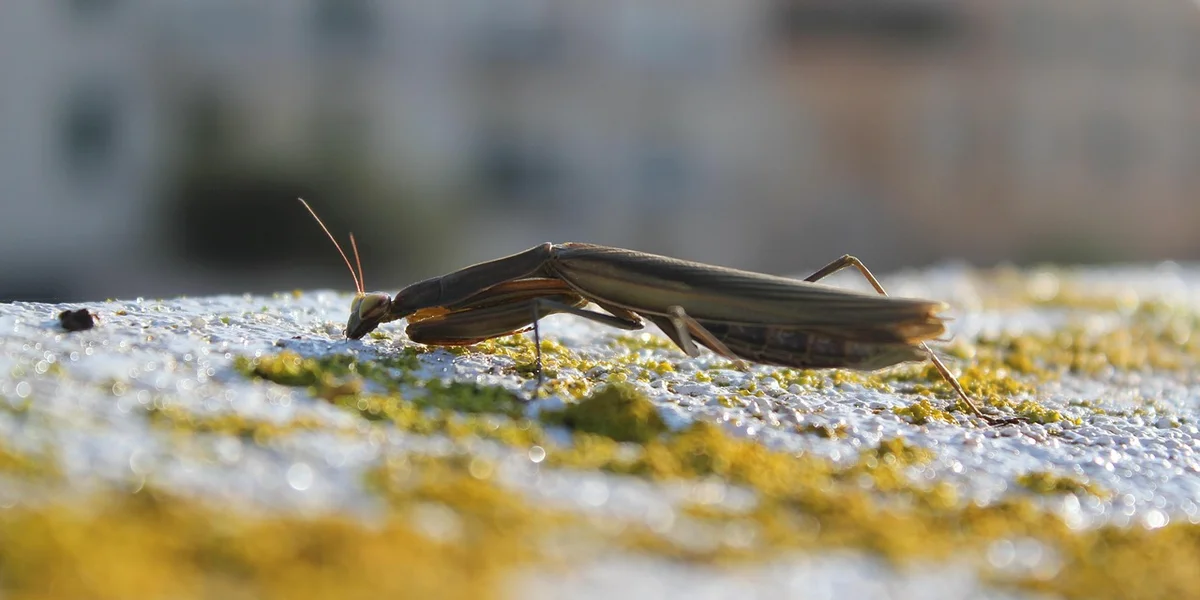
Once you have a fertile ootheca, your role shifts from matchmaker to guardian. This small, foamy case holds the future of your colony, and its care is a quiet, patient process. Think of the ootheca not as an inert object, but as a living nursery, requiring a stable and watchful environment to develop properly.
Collecting and Handling the Egg Case
If your female laid her ootheca inside her primary enclosure, you may need to move it. We do this to protect it from her, as some species may curiously nibble it, and to better control its incubation environment.
Wait at least 48 hours after she finishes laying. The foam needs this time to harden and cure fully. You’ll notice it changes from a soft, pale beige to a tougher, darker brown. Gently work a thin, flat tool like a butter knife or a stiff piece of card under the base of the ootheca, carefully prying it away from the surface. It is surprisingly robust, but avoid squeezing or bending it.
My Moss once laid his oothecae on fine mesh; for those, I simply snipped the small section of mesh they were attached to, leaving them perfectly undisturbed. Handle the egg case by its sides or the surface it’s stuck to, never by the delicate pore strip where the nymphs will eventually emerge.
Ideal Incubation Conditions
Recreating the gentle cradle of nature is simpler than you might think. You don’t need expensive gear, just consistency.
- Container: A simple mesh-top deli cup or a small, well-ventilated terrarium works perfectly. Place the ootheca inside, attached to a stick or the lid, mimicking its natural position.
- Temperature: Most common species thrive at room temperature, between 20°C to 25°C (68°F to 77°F). Avoid placing it near radiators, direct sunlight, or drafty windows. A steady, mild warmth is the goal.
- Humidity: This is the most delicate balance. Too dry, and the eggs desiccate; too wet, and mould claims them. Lightly mist the air inside the container once every two or three days, ensuring the ootheca itself is never soaked. You want to see tiny droplets vanish within an hour.
- Airflow: Constant, gentle ventilation prevents stagnant air and fungal growth. A mesh lid is ideal. If using a tub, poke small holes along the upper sides.
Check on it weekly. A healthy ootheca stays firm and its colour steady. If you see fuzzy white or green mould, increase ventilation slightly and reduce misting frequency. A small patch can sometimes be carefully dabbed with a cotton swab dipped in diluted hydrogen peroxide, but prevention through good airflow is always best.
Timeline to Hatching: Patience is Key
Incubation is a lesson in quiet expectation. The timeline varies dramatically by species and temperature.
- Quick Developers: Some, like the Giant Asian Mantis (like my Moss’s offspring), may hatch in 3-5 weeks at warmer temperatures.
- Slow Developers: Others, like many flower mantises, require 6-8 weeks. Some temperate species even undergo diapause, a hibernation period, and won’t hatch for several months unless given a winter simulation.
The first sign of life is subtle. The ootheca may appear slightly fuller, and the exit pores more defined. Then, one morning, you’ll see it: dozens of tiny, thread-like pre-nymphs, called pronymphs, wriggling out. They will hang from silken threads, molting within minutes into their proper first instar form. This synchronized emergence is a breathtaking spectacle of new life, the reward for your weeks of gentle stewardship. Have their individual micro-enclosures ready, because within hours, their legendary appetites begin.
Welcoming the Nymphs: Hatching and Early Care
This is the moment your patience is rewarded: tiny, delicate lives emerging into the world. Caring for mantis nymphs is a lesson in gentle attention, where small adjustments make the biggest difference for their survival. With the right setup from day one, you can watch your miniature army thrive.
The Hatching Event: What to Expect
You might notice the ootheca darken or develop tiny splits. Hatching often happens in the morning, triggered by warmth and light. Do not disturb the container; just watch. A successful hatch is a quiet, fascinating explosion of life, with dozens of tiny, wriggling nymphs pouring forth. For more details, learn how to monitor your ootheca closely in the final weeks.
They will look like pale, translucent versions of their parents, often dangling on silken threads. This first molt usually happens within minutes, leaving their exoskeleton to harden and darken. It’s a vulnerable time. We recall Luna’s ghost mantis hatchlings clinging together like living lace, utterly still until their new skin set.
- The First Hours: Nymphs won’t eat for 24-48 hours. They are absorbing yolk reserves and completing that critical first molt.
- Hatch Numbers: An ootheca can yield 30-200 nymphs, depending on the species. Be prepared to house or rehome many.
- Cannibalism Risk: It begins startlingly early. You must separate them quickly, usually within the first day or two, to prevent losses.
- Unhatched Eggs: Sometimes, a portion of the ootheca won’t hatch. Keep it for a few weeks in case of a staggered hatch, but discard if it shows mold.
Setting Up a Nursery Enclosure
Think simple, safe, and easy to manage. A cluttered space makes finding food and mist droplets hard for nymphs. A proper nursery is a minimalist’s terrarium, designed for function over decoration to give every nymph a fair start.
- Choose the Container: Small deli cups, plastic specimen containers with ventilated lids, or even large, clean glass jars work. Each nymph needs its own space after separation.
- Ventilation is Vital: Use a fine mesh or punch tiny air holes in the lid. Stagnant air fosters mold and suffocates tiny lungs.
- Add Simple Furnishings: A twist of coffee filter paper or a small piece of mesh for them to climb and hang from for molting. Avoid soil or bark at this stage.
- Maintain Humidity: Lightly mist one side of the container daily with warm water. You want fine droplets, not puddles. Watch for that soft dew on the walls-it’s the sign of a perfectly misted nursery.
- Provide Warmth: Keep the nursery at a stable 75-80°F (24-27°C). A heat mat on the side of a larger enclosure, never underneath, works well.
Feeding and Growing Your Nymphs
Food must match their minuscule size. Flightless fruit flies (Drosophila melanogaster) are the universal first food. You can culture them yourself or buy cultures online. Offering the right prey is the single most important factor in getting your nymphs through those fragile first instars. To support a reliable supply, create and maintain a clean feeder insect culture. Regular sanitation and proper containment keep cultures healthy and contamination-free.
Sprig’s orchid nymphs were so small we used a soft paintbrush to gently usher fruit flies into their cups. A calm approach prevents startling them. That same careful handling is recommended in an orchid mantis care guide for Hymenopus coronatus. Gentle feeding and minimal disturbance help these delicate hunters thrive.
- Feeding Schedule: Offer a few fruit flies every 2-3 days. Remove any uneaten flies after 24 hours to avoid stressing the nymph.
- Hydration First: They drink water droplets from misting before they’ll reliably eat. Always mist before offering food.
- Molting Signs: They’ll stop eating, become sluggish, and hang upside-down. Do not feed or disturb during a molt. That still, suspended form is a nymph at its most vulnerable, quietly rebuilding itself.
- Upgrading Food: After 3-4 molts, they may be ready for small crickets or houseflies. Match prey size to the mantis’s body length.
| Nymph Stage (Instar) | Approximate Size | Recommended Food | Key Care Note |
|---|---|---|---|
| L1 (First) | 5-10 mm | Flightless Fruit Flies | Separate immediately; maintain high humidity. |
| L2-L3 | 10-20 mm | Fruit Flies / Small Curly-Wing Flies | Increase ventilation as they grow. |
| L4+ | 20mm+ | Hydei Flies, Small Crickets | Can be moved to a larger permanent enclosure. |
Growth is a series of these quiet transformations. One day, you’ll look at a nymph and see not a hatchling, but a miniature hunter, poised and patient, ready for its next life stage.
Managing Health and Population in Your Breeding Program
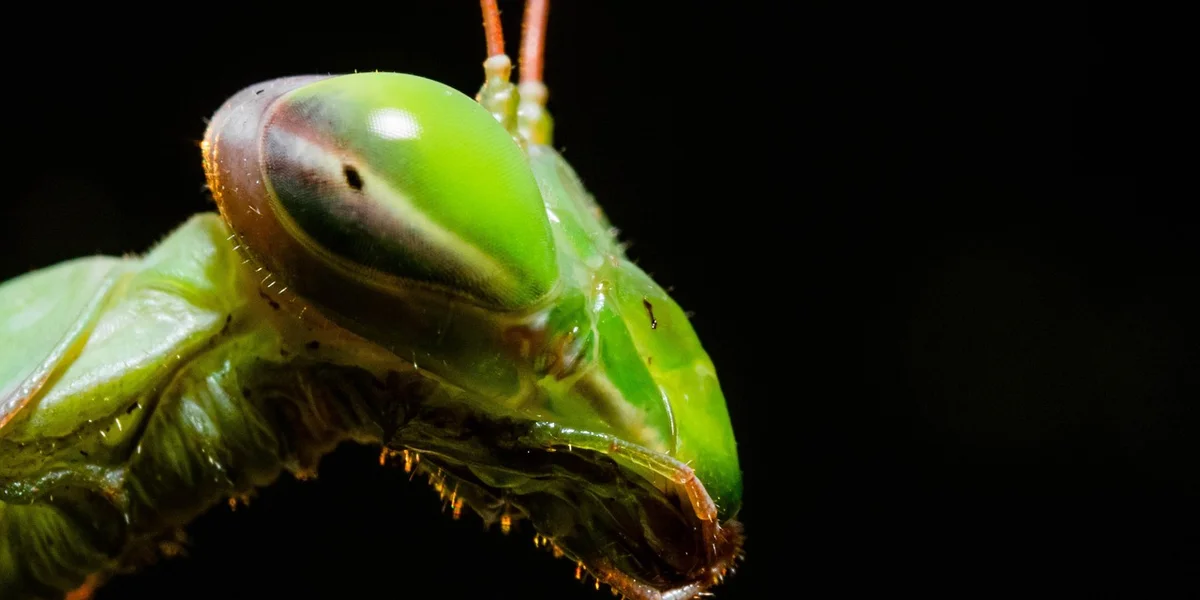
Successful breeding is about more than just a successful mating. Your role as a keeper shifts to guardian of an entire generation, where vigilant health management and thoughtful population planning become your top priorities. We’ll walk through the common challenges and gentle solutions to keep your colony thriving.
Preventing and Treating Common Ailments
In a breeding colony, spotting illness early is vital. Stress from breeding or crowded nymph enclosures can make mantises more susceptible. Your daily observation routine is your most powerful tool for catching issues before they become serious. A quick, quiet check each morning can tell you so much.
Here are the ailments we watch for most closely:
- Mismolts: This is often the biggest risk for growing nymphs. Stuck skin can deform limbs or trap the mantis. It’s usually caused by low humidity or a lack of proper hanging space. If you find a nymph struggling during a molt, a gentle mist of warm water can sometimes soften the old skin, but never try to pull it off yourself. My ghost mantis, Luna, had a minor front leg mismolt as a subadult; I increased her enclosure’s humidity slightly for her next molt and she emerged perfectly.
- Dehydration: A lethargic mantis with a shrunken, wrinkled abdomen or difficulty shedding is often thirsty. Regular, light misting on the enclosure walls and leaves provides drinking droplets and helps maintain that crucial humidity they need to breathe and molt properly.
- Infections & Injury: Small cuts from feeder insects or cage furnishings can become infected. Isolate any injured mantis immediately, provide a very clean, simple enclosure with paper towel substrate, and remove all live prey until they recover. A drop of raw, unpasteurized honey diluted with water can be applied to small wounds for its natural antibacterial properties.
- Parasites: Rare but concerning. Look for tiny mites on the mantis or a sudden, severe loss of condition. Quarantine the affected mantis, completely clean and replace everything in its enclosure, and consult with experienced breeders for safe treatment options.
Population Control: Avoiding Unintended Breeding
One successful ootheca can hatch dozens, even hundreds, of hungry nymphs. Responsible breeding means having a clear plan for every egg case and every tiny life that emerges from it. This is where foresight separates a hobby from a manageable project.
Your first line of defense is physical separation. House male and female nymphs in different containers well before their final molt to adulthood, as they can mature at slightly different rates. Mark those containers clearly. I learned this the careful way after an early surprise with Moss, my Giant Asian male, who matured faster than anticipated.
Managing oothecae requires decisive action. You have three main paths for each egg case you are not prepared to hatch: careful freezing, preservation for education, or responsible rehoming to another experienced keeper. Each choice should be made thoughtfully and well before the incubation period ends. This is covered in our care guide for praying mantis oothecae, which explains readiness assessment and the recommended handling options. Following the guide helps ensure ethical, safe outcomes for mantises and their potential offspring.
- Separation is Key: Keep sexes apart from the L4 or L5 nymph stage. Use fine mesh or ventilated deli cups for individual housing as they grow.
- Monitor Oothecae: Note the laying date. Most species hatch in 4-6 weeks at room temperature. If you do not plan to hatch it, move it to a sealed container in the freezer for 48 hours within a week of laying.
- Plan Your Numbers: Before breeding, decide how many nymphs you can realistically house, feed, and rehome. Start with just one or two oothecae from a pairing.
- Rehoming Strategy: Connect with local pet stores, insect fairs, or online communities before the nymphs hatch. Be prepared to provide care sheets with them.
Feeding a large batch of nymphs is a daily commitment. Culture your own flightless fruit flies or small pinhead crickets well in advance, ensuring a reliable and nutritious food source for the crucial first weeks of life. There’s a special quiet in a room full of well-tended mantis nurseries, a soft hum of life that rewards the careful planning.
Choosing Species and Considering Ethics for Beginner Breeders
Stepping into mantis breeding is a deeply rewarding journey, but your first choice – the species – sets the tone for everything that follows. Starting with a hardy, forgiving species builds your confidence and lets you learn the rhythms of breeding without undue stress on you or the mantises. For beginners, choosing the right mantis species is essential, since care requirements and temperament vary. We’ll look at some wonderful starters and then explore the thoughtful ethics that separate a hobbyist from a true keeper.
Beginner-Friendly Mantis Species
For your first breeding project, look for species known for their robust health, clear mating behaviours, and manageable nymph care. These species are forgiving of minor environmental fluctuations, giving you a gentler learning curve. Their commonality also means finding information and support from other breeders is wonderfully easy.
Here are three excellent candidates, each with their own charming character:
- Giant African Mantis (Sphodromantis lineola): A classic, resilient choice. They are large, bold feeders, and females often produce sizable oothecae (egg cases) with many nymphs. Their mating rituals are relatively straightforward to observe.
- Ghost Mantis (Phyllocrania paradoxa): Our girl Luna is a Ghost, and their gentle nature extends to breeding. They are less likely to show cannibalism, and their smaller, slower-moving nymphs are easier for new keepers to manage. Their exquisite leaf-like appearance is a constant delight.
- European Mantis (Mantis religiosa): A widespread, temperate species accustomed to varying conditions. They are fantastic for learning about diapause (a hibernation-like period some oothecae need) if you live in a cooler climate, teaching you about species-specific life cycles.
| Species | Key Trait for Breeders | Nymph Consideration |
|---|---|---|
| Giant African | High fecundity, hardy | Large broods need many flightless fruit flies initially. |
| Ghost Mantis | Lower cannibalism risk | Tiny, delicate nymphs; requires small food like springtails. |
| European Mantis | Teaches about diapause | Robust nymphs, good for learning crowd management. |
My first successful breeding pair were Giant Asians, much like Moss. Their vivid energy and predictable behaviours gave me the quiet confidence to proceed. Watching the male perform his cautious, fluttery approach is a lesson in insect drama you never forget. Start with a species that lets you enjoy that moment, not fear it.
Ethical and Legal Notes for Responsible Breeding
Breeding life comes with a quiet weight of responsibility. It’s more than just pairing two mantises; it’s about planning for dozens of new lives. Ethical breeding begins with the simple question: “Do I have confirmed homes or a solid plan for every potential nymph?” In line breeding, careful, selective choices help reinforce healthy traits while protecting genetic diversity. This approach sits at the heart of an ethical guide for mantis breeders. Overbreeding is a serious concern in the hobby, leading to unwanted mantises that may not receive proper care.
Always practice responsible rehoming. Have a list of interested keepers, local pet shops that accept invertebrates, or a clear personal capacity for housing them. Never release captive-bred mantises into the wild, as they can introduce diseases or disrupt local ecosystems. Healthy mantises require enclosures that mimic their natural habitat, including proper ventilation, appropriate humidity, and ample hunting space. Meeting these essential habitat requirements helps ensure your praying mantis stays healthy in captivity. It’s a kindness to the planet and your insects.
- Check Local Laws: Some regions or countries restrict or prohibit keeping non-native mantis species. Always verify this before you even purchase your breeding stock.
- Sex with Certainty: Learn to accurately sex your species before attempting pairing. Misidentifying a male as a female leads to failed introductions and stress.
- Avoid Hybridisation: Never breed two different species or subspecies together. The resulting hybrids can have health issues and muddy genetic lines for other breeders.
- Prioritise Welfare: Be prepared to separate the pair immediately if the female becomes aggressive. Have a second enclosure ready. Their safety always trumps the breeding attempt.
We keep these fascinating creatures because we find joy and wonder in them. Let that respect guide your breeding projects, ensuring every nymph hatched into a life of certain care. Start small, with one species, and learn its story deeply. The soft hum of a well-managed breeding colony is one of the most satisfying sounds a keeper can know.
Questions from Fellow Mantis Friends
When is the best time of year to start a mantis breeding project?
Late spring or early summer is ideal, as it mirrors the natural breeding season with warmer temperatures. This timing supports higher mating success and provides favorable conditions for nymph growth and food availability.
How do you prevent inbreeding in a mantis breeding program?
Keep detailed records of parentage and offspring to avoid pairing close relatives. Regularly introduce new, unrelated mantises from reputable breeders to ensure genetic health and diversity in your colony. For hobbyist breeders, understanding mantis genetics provides a practical primer to predict inheritance patterns and plan matings.
How do you diagnose and treat mites or fungal issues in mantises?
Diagnose mites by observing tiny, moving parasites on the mantis, and fungus by spotting white or green fuzzy growths. Treat by isolating the affected mantis, thoroughly cleaning its enclosure, and adjusting humidity and ventilation; seek advice from experienced keepers for safe, species-specific remedies.
Your Mantis Breeding Journey Awaits
Breeding mantises smoothly hinges on a prepared enclosure with proper humidity and introducing mature pairs during their active cycles, as we learned while raising Sprig, our Orchid Mantis. Patience and gentle monitoring from courtship through ootheca deposition turn careful preparation into the quiet joy of new nymphs.
As caretakers, our role extends beyond breeding to safeguarding each life stage with attentive, species-specific care. We invite you to embrace ongoing learning through keeper forums and detailed guides, letting every experience enrich your practice in pet mantis care. For a complete handling reference, our praying mantis complete handling guide offers practical, step-by-step tips. It helps you observe behavior cues, minimize stress, and ensure humane interaction during every handling.
Further Reading & Sources
- Breeding mantids | Jenny Read
- Breeding praying mantises | Keeping Insects
- How to Breed Praying Mantis – Time to Breed
- r/mantids on Reddit: Breeding praying mantis tips.
Rowan Hale is a lifelong insect enthusiast who fell in love with mantises for their calm presence, alien elegance, and surprising personalities. After years of keeping and raising a variety of species, Rowan shares practical tips, creative insights, and real-world experience to help others enjoy the quiet magic of mantis care. From setting up the perfect enclosure to understanding their subtle behaviors, Rowan invites readers into a gentle, curious world where every tiny movement feels like a discovery.
Breeding Practices