
How Rare Are Praying Mantis Species? Wild vs Pet Trade Facts
Hello, fellow mantis friend.
Have you ever watched a praying mantis, motionless on a leaf, and wondered if its kind is a common sight or a rare treasure?
The rarity of praying mantis species varies dramatically, from widespread backyard visitors to critically endangered jewels found only in a single forest patch.
This question is a complex web of ecology, geography, and human interest. A species can be plentiful in the wild yet scarce in captivity, or critically endangered in its native habitat while being readily available from specialist breeders.
- Some species are vanishingly rare due to habitat loss.
- Others are common in nature but rare as pets due to breeding challenges.
- Legal protections and collection bans also shape availability.
Introduction to Praying Mantis Rarity
Rarity in mantis species refers to how uncommon they are in their natural habitats or within the pet trade. In the wild, a rare mantis might have a small population spread over a limited area, while as a pet, it could be tough to source due to breeding challenges or legal protections. We find that grasping this concept helps you pick species that are both fascinating and responsible to care for.
Understanding rarity guides you toward ethical choices, ensuring you don’t support trade in endangered insects. This knowledge lets you appreciate the delicate balance needed to keep these creatures thriving, whether in your home or in nature. It connects your hobby to broader conservation efforts, making your care more meaningful.
Key terms like species distribution describe where mantises naturally occur, and conservation status indicates their risk level, such as vulnerable or near threatened. Familiarizing yourself with these ideas makes it easier to discuss mantis care with confidence and compassion. We often refer to guides like the IUCN Red List to stay informed about wild populations.
Wild Mantis Populations and Their Rarity
Wild mantis rarity stems from factors like habitat destruction and natural predators. When forests are cleared or climates shift, mantises lose the specific environments they rely on for survival. This can push once-common species toward scarcity, altering ecosystems where they play roles as pest controllers.
Examples of rare wild species include the Malaysian Orchid Mantis, found only in Southeast Asia’s rainforests, and the Arizona Unicorn Mantis, which inhabits a tiny desert range. These insects often fill unique niches, such as pollinating plants or controlling insect outbreaks, making their decline a concern for local biodiversity. Their limited distribution means even small changes can have big impacts.
Field surveys and monitoring involve researchers setting up traps, observing behaviors, and tracking population trends over time. Citizen science projects also help, where enthusiasts like us report sightings to build a clearer picture of mantis numbers in the wild. These efforts are vital for spotting declines early and guiding conservation actions.
Factors Influencing Wild Rarity
Habitat loss from urban expansion and farming reduces the spaces mantises need to hunt and breed. Climate changes, like unusual temperature swings, can disrupt their life cycles, leading to fewer offspring each season. Invasive species introduced by humans might outcompete native mantises for food or introduce diseases.
Camouflage and predation play huge roles in survival, and here’s how it works in steps:
- Mantises use colour and shape to blend into leaves or bark, avoiding birds and larger insects.
- This hiding ability lets them ambush prey, but if their environment changes, their disguise fails.
- Predators like spiders or reptiles then find them more easily, thinning populations over time.
Even subtle shifts in their surroundings can turn a common mantis into a rare find, highlighting why protecting natural habitats is so critical. We’ve noticed this with species in fragmented woodlands, where isolated groups struggle to recover. Praying mantises depend on how habitat is spread across the landscape. Mapping this distribution shows where they thrive and where they disappear.
Notable Rare Wild Species
Here’s a list of top rare mantis species with their key traits and habitats:
- Ghost Mantis (Phyllocrania paradoxa): Native to Africa, this species mimics dead leaves with its brown, frilly body. It’s often listed as near threatened due to habitat loss from deforestation.
- Orchid Mantis (Hymenopus coronatus): Found in Malaysia and Indonesia, it resembles flower petals to lure pollinators. Illegal collection for the pet trade poses a significant threat to its wild numbers.
- Spiny Flower Mantis (Pseudocreobotra wahlbergii): Inhabits parts of Africa, recognized by its spiky appearance and vibrant colours. Climate change and agricultural expansion are reducing its suitable living areas.
Many of these species face risks like poaching for collectors or pesticide use in their ecosystems, making conservation statuses like vulnerable more common. By learning about them, we can advocate for better protection and avoid contributing to their decline through irresponsible pet keeping.
Rarity in the Pet Mantis Trade
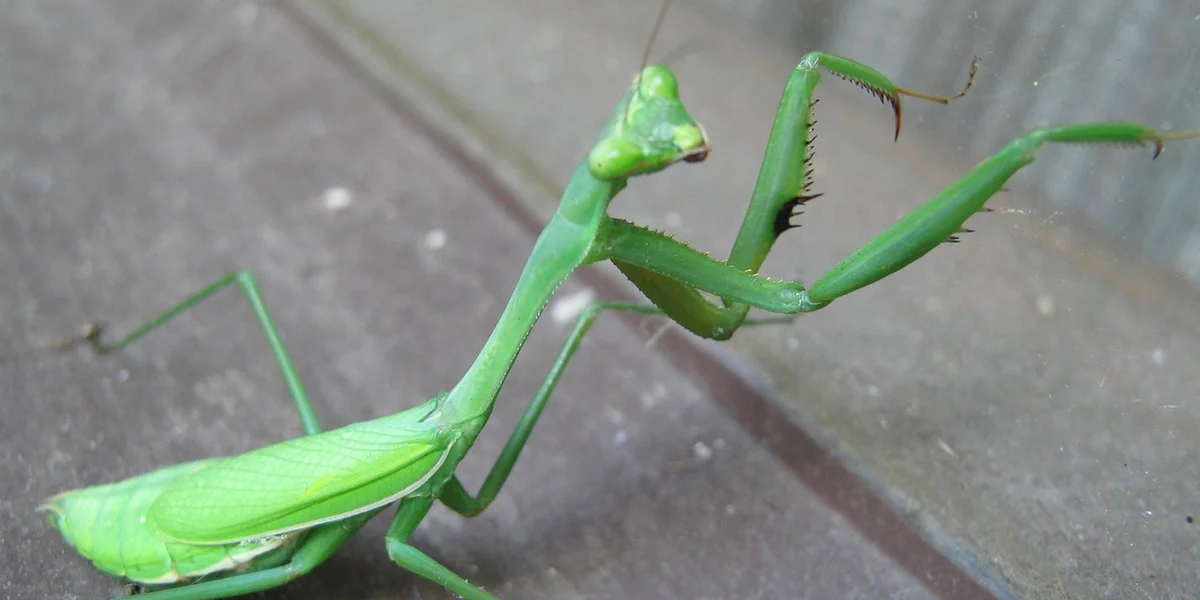
We often see a clear divide between common and rare mantis species in the pet world. Common species like the Chinese Mantis are widely available because they breed easily in captivity and adapt well to various environments. Rare ones, such as the Orchid Mantis, draw exotic appeal with their stunning colours and specialised looks, making them highly sought after by experienced keepers.
Breeding mantises in captivity plays a big role in their rarity and cost. When breeders successfully raise a species like the Ghost Mantis, it becomes more accessible and affordable over time. Species that are tricky to breed or have low reproduction rates remain rare and command higher prices in the market.
The trade’s impact on wild populations is something we take seriously. Collecting mantises from the wild can threaten local ecosystems, so we always encourage sourcing from ethical captive breeders. In our ethical guide, we cover line breeding and selective breeding of mantises to improve care while preserving genetic health. This practice helps protect natural habitats while ensuring pet mantises are healthy and well-adjusted to home life.
Common vs. Rare Pet Species
Common pet mantis species are popular for good reasons. They are hardy, low-maintenance, and perfect for beginners learning the ropes of mantis care. Here are some you might easily find: For practical, step-by-step advice on safe handling and behavior, the complete handling behavior guide is a valuable resource. It covers how to approach, hold, and read signals from your mantis so both you and your pet stay comfortable.
- Chinese Mantis: Large size and easy feeding habits make them a favourite.
- European Mantis: Adaptable to different climates and widely bred.
- Carolina Mantis: Native to many areas, often available from local breeders.
Rare species offer unique challenges and rewards. Their care needs can be specific, requiring precise humidity levels and specialised diets to thrive. A few harder-to-find examples include:
- Orchid Mantis: Needs high humidity and delicate handling due to its flower-like appearance.
- Spiny Flower Mantis: Requires a varied insect diet and careful temperature control.
- Devil’s Flower Mantis: Demands spacious enclosures and expert-level attention.
Cost and Sourcing Challenges
Several factors drive up the price of rare pet mantids. Limited availability, difficult breeding conditions, and high demand from collectors all contribute to higher costs. For instance, my Orchid Mantis, Sprig, was pricier due to her specific needs and stunning pink hues.
Finding a reputable source is key to avoiding illegal trade. Follow these steps to ensure you’re getting a healthy, ethically sourced mantis:
- Research breeders with positive reviews and transparent practices.
- Ask about the mantis’s origin to confirm it was captive-bred.
- Avoid sellers who cannot provide details on the species’ background.
- Join online mantis communities for trusted recommendations.
Attracting Mantises to Your Garden
Growing a garden can be a wonderful way to observe wild mantises in their natural setting. By planting a variety of native flowers and shrubs, you create a mini-ecosystem that common species find irresistible. Different mantis species live in a variety of habitats, from grasses and shrubs to tree canopies. Knowing where they live helps you tailor your garden to attract them. This approach lets you watch their behaviours up close without disturbing them.
Creating a mantis-friendly environment might even draw rarer visitors over time. Focus on providing plenty of hiding spots, water sources, and pesticide-free plants to make your garden a safe haven for these insects and other beneficial bugs that help with pest control. We’ve seen shy species like the Narrow-winged Mantis appear in well-maintained gardens after a season or two. It’s easier than you think to create a garden that attracts beneficial insects.
Ethical observation is at the heart of this practice. Always enjoy watching wild mantises without capturing them, especially if they are rare species that need protection. This way, you contribute to conservation while enjoying their beauty.
Gardening Tips for Mantis Attraction
Setting up your garden for mantis attraction is a step-by-step process. Start by selecting plants that offer nectar, pollen, and sturdy perches for mantises to hunt from. This helps create a naturalistic, safe habitat for your praying mantis. A well-designed garden supports their health and hunting behavior. Here’s how to get started:
- Choose native plants like marigolds, dill, and cosmos that attract prey insects.
- Add tall grasses or shrubs for mantises to climb and lay oothecae (egg cases).
- Place shallow dishes of water with pebbles for drinking without drowning risks.
- Avoid chemical pesticides to keep the environment safe for all insects.
Common garden mantis species play important roles in pest control. They help keep aphid and fly populations in check, making your garden healthier overall. Praying mantises are generally beneficial for garden pest control. They are generalist predators that help reduce a wide range of pests, though they may also eat beneficial insects. Some species you might spot include:
- European Mantis: Often seen in temperate gardens, hunting on flower heads.
- Carolina Mantis: Blends well with greenery, patrolling for small pests.
- Chinese Mantis: Larger and more visible, they can handle bigger insects.
Sourcing and Caring for Rare Pet Mantises
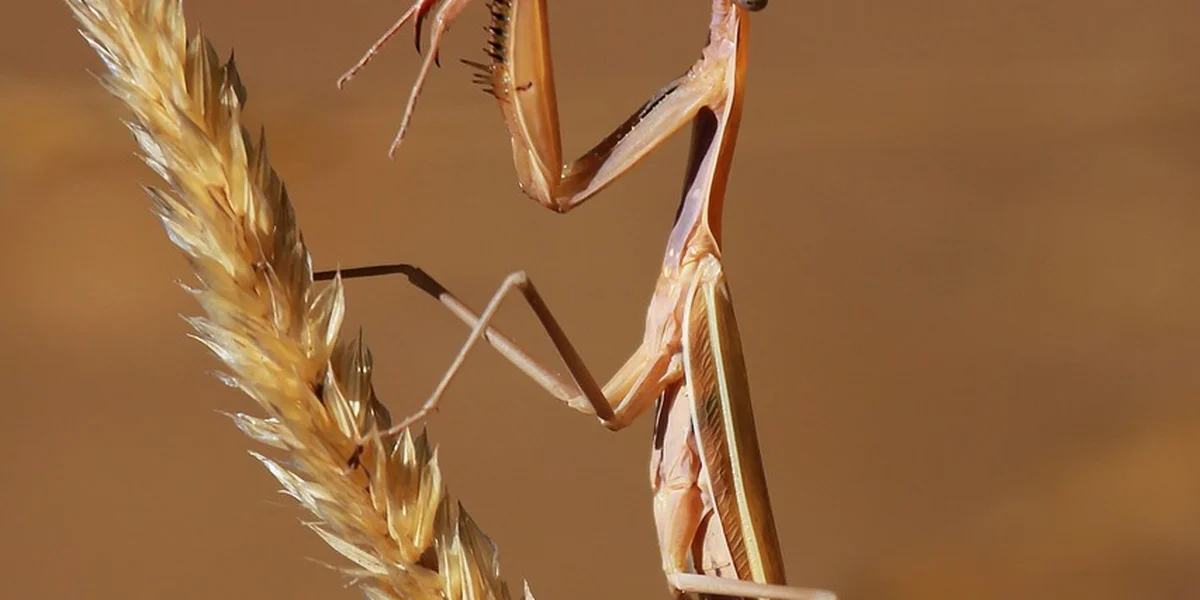
Finding a rare mantis species can feel like spotting a hidden gem in a lush forest. We always start by connecting with trusted breeders who specialise in captive-bred specimens to ensure healthy, well-adapted pets. Rare mantises often need tailored care, from precise humidity levels to specific diets that mimic their natural habitats. When my Orchid Mantis, Sprig, joined our home, I spent weeks fine-tuning her enclosure to match the warm, humid conditions she thrives in. Acclimating them gently to your space reduces stress and helps them settle in smoothly.
Finding Reputable Sources
Look for dedicated breeders through online forums, reptile expos, or mantis-keeping societies. Reputable sellers often share detailed care sheets and offer ongoing support for new owners. To verify credibility, ask for recent photos of the mantises and check for positive feedback from past customers. Avoid sellers who cannot provide information on the mantis’s origin or health history. We once sourced Moss, our Giant Asian Mantis, from a breeder who documented his entire growth journey, which gave us confidence in his well-being.
- Types of breeders include specialised hobbyists, ethical pet shops, and online networks like Mantid Forum or social media groups.
- Steps to verify sellers: request live video calls to see the mantis, read independent reviews, and ensure they follow no-wild-caught policies.
Care Guidelines for Rare Species
Each rare species has unique needs; for example, Ghost Mantises like Luna prefer higher humidity and plenty of climbing space. Setting up the right enclosure involves mimicking their native environment with proper ventilation, substrate, and hiding spots. Common mistakes include overhandling or using incorrect feeder insects, which can lead to health issues. With Sprig, we learned that offering smaller, frequent meals kept her active without overwhelming her delicate appetite.
- Specific care needs: maintain humidity between 60-80% for tropical species, use vertical enclosures for climbers, and provide a varied diet of fruit flies or small crickets.
- Common mistakes to avoid: skipping regular misting, overcrowding the enclosure, or ignoring molting signs like reduced appetite.
Ethics and Conservation in Mantis Keeping
Keeping rare mantises comes with a responsibility to protect their wild counterparts. We must prioritise captive-bred individuals to prevent depleting natural populations and support conservation efforts. Ethical ownership means avoiding practices that harm ecosystems, such as releasing pets into non-native areas. By sharing knowledge and participating in breeding programmes, we help preserve these fascinating creatures for future generations.
Impact on Wild Populations
The pet trade can increase rarity if wild specimens are over-collected, disrupting local ecosystems. Choosing captive-bred mantises reduces pressure on wild groups and encourages sustainable practices. Positive contributions include joining citizen science projects or donating to habitat preservation charities. When we cared for Moss, we connected with a breeder working to boost numbers of declining species through careful pairing.
- Effects of pet trade: habitat loss and reduced genetic diversity in wild mantis populations.
- Ways to contribute: support breeding programmes, report illegal trading, and educate others on conservation needs.
Responsible Pet Ownership
Start by researching the species thoroughly to understand its long-term needs and legal status. Always source mantises from ethical breeders and avoid impulse buys that could lead to neglect. If you find a protected or endangered praying mantis, do not handle it and contact your local wildlife authority for guidance. Avoid relocating or keeping it yourself, as this can be illegal and harmful. To prevent invasive species risks, never release mantises outdoors and dispose of enclosures responsibly. We make it a habit to use eco-friendly supplies and share updates on our mantises to promote awareness.
- Steps for ethical decisions: assess your ability to provide lifelong care, choose species suited to your climate, and engage with conservation groups.
- Tips on habitat: use native plants in enclosures, reduce plastic waste, and support reforestation projects that benefit wild mantis habitats.
Questions from Fellow Mantis Friends
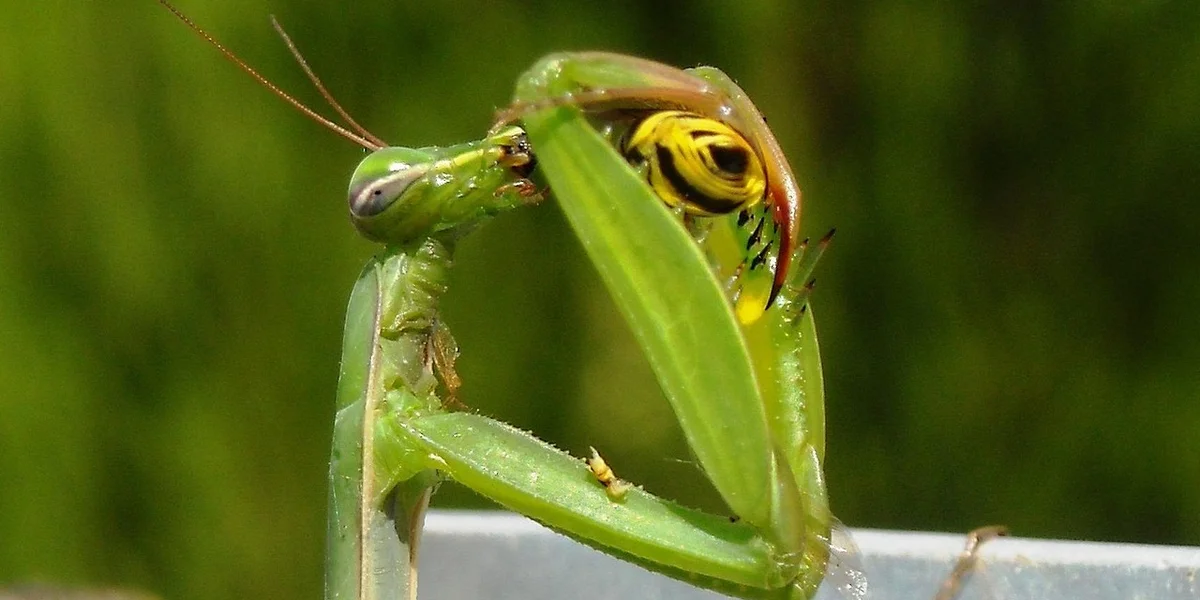
How can I identify a rare praying mantis species in my area?
Rare species often have limited distributions or unique traits, so consult local field guides or online databases for accurate identification. Always observe without handling to protect their well-being and support conservation efforts.
What role do gardens play in the rarity of praying mantis species?
Gardens with native plants and no pesticides can attract common mantises and sometimes rarer species by offering ideal hunting and breeding grounds. Ethical observation without capture helps preserve wild populations and their natural habitats.
Is it ethical to keep a rare praying mantis as a pet?
Yes, if you source from ethical captive breeders and provide species-specific care, it supports conservation by reducing wild collection. Always research legal protections and avoid contributing to habitat disruption through responsible ownership.
Parting Thoughts on Mantis Rarity and Care
We suggest beginning with common, hardy species to build your confidence and enjoy a smoother introduction to mantis keeping. Rare mantises often require very specific conditions, so always research their needs thoroughly before making a choice. For beginners, choosing the right mantis species is essential—look for easy-care, commonly kept varieties with clear husbandry guidelines. These stable options help you gain experience before tackling more challenging species.
Your journey as a mantis keeper is one of gentle observation and continuous learning about their unique world. We urge you to keep exploring and refining your care practices to provide a safe, enriching home for your pet. If you’re a first-time mantis owner, a week-by-week care guide can help you navigate the early days. This first-pet mantis week-by-week care guide for new owners is a practical companion as you learn.
Further Reading & Sources
- Mantis – Wikipedia
- How rare is white praying mantis? Ask an Extension expert – oregonlive.com
- 9 Types of Praying Mantis
- r/todayilearned on Reddit: TIL Praying Mantis’ have never been an endangered species, and it has always been legal to kill them in the United States. The contrary claim was just an urban legend floating around since the 1950’s.
Rowan Hale is a lifelong insect enthusiast who fell in love with mantises for their calm presence, alien elegance, and surprising personalities. After years of keeping and raising a variety of species, Rowan shares practical tips, creative insights, and real-world experience to help others enjoy the quiet magic of mantis care. From setting up the perfect enclosure to understanding their subtle behaviors, Rowan invites readers into a gentle, curious world where every tiny movement feels like a discovery.
Rare Species