
Praying Mantises and Water: The Food Connection
Hello, mantis friend. Picture your praying mantis for a moment: perfectly still on a leaf, a miniature green statue waiting. Its world is one of patience and precision. But have you ever wondered about the quieter needs, like a simple drink of water?
Yes, praying mantises do get a significant portion of their required water directly from the body fluids of their prey. This is a primary hydration method, especially for species in drier environments.
Yet, the full picture of mantis hydration is more nuanced than it first appears. Relying solely on food can be a gamble, influenced by the type of prey, the mantis’s age, and the humidity of its home.
In this article, we’ll explore the delicate balance of how these fascinating insects manage their water needs.
- How the moisture content in different feeder insects varies.
- Why misting their enclosure is often a non-negotiable part of care.
- The subtle signs that indicate your mantis might be thirsty.
The Role of Prey in Mantis Hydration
Praying mantises do absorb some moisture from their prey, especially if the insects are fresh and juicy. This natural hydration source helps them stay balanced, but it rarely meets all their water needs on its own. Think of it like a light snack that quenches a bit of thirst—it’s helpful, but not a full drink. For a complete view of their diet, check out our complete diet feeding guide. It covers what prey to offer, how much, and how often for different life stages.
Prey such as crickets, flies, and moths contain body fluids that mantises can access when they feed. From my time with Luna, my Ghost Mantis, I’ve seen her tilt her head and gently squeeze prey to draw out tiny droplets. She moves slowly, almost thoughtfully, as if savoring the moisture along with the meal.
Different types of prey offer varying levels of hydration. Here’s a quick look at common feeder insects and their moisture content:
- Crickets: Provide moderate moisture; their bodies release fluid when crushed.
- Fruit flies: High in water content, ideal for small or juvenile mantises.
- Waxworms: Very juicy, but use sparingly as they’re fatty.
- Mealworms: Lower in moisture; best paired with other water sources.
In the wild, mantises might lick dew or rain from surfaces, but in captivity, prey alone isn’t enough. We always supplement with misting to mimic those natural water gatherings. The soft rustle of leaves after a light spray reminds me of a damp forest floor, where every drop counts.
How Much Water Does a Praying Mantis Need?
Mantises need regular access to water, but the amount depends on their species, age, and environment. Most pet mantises thrive with light misting once or twice a day, depending on humidity levels. Temperature and humidity ranges differ by species, so check the care guide for your mantis. Some species tolerate warmer, drier air, while others need higher humidity. It’s a bit like tending a delicate plant—too little water and they wilt, too much and things get soggy.
Younger mantises, like juveniles, often require more frequent hydration because they’re growing rapidly. My Orchid Mantis, Sprig, perks up after a gentle mist, her pink petals seeming to brighten under the moisture. Adults might do well with less, but always watch for signs they’re thirsty.
To gauge if your mantis is getting enough water, check for these indicators:
- Active behavior: A hydrated mantis moves smoothly and hunts eagerly.
- Skin elasticity: After molting, their new skin should look supple, not wrinkled.
- Drinking droplets: If they lick water off leaves or enclosure walls, they need more.
Environmental factors play a big role in water needs. In warmer or drier setups, increase misting to prevent dehydration. For Moss, my Giant Asian Mantis, I adjust based on the season-more in summer, less in winter. The humid, earthy scent of his enclosure after misting tells me he’s comfortable.
Here’s a simple guide to daily water routines:
- Mist the enclosure lightly in the morning, aiming for fine droplets on plants.
- Observe your mantis; if they drink, they might need a second light spray later.
- Avoid over-misting, as stagnant water can lead to mold or respiratory issues.
Remember, each mantis is unique, so tune into their habits. With a little attention, you’ll find the right balance to keep them healthy and hydrated.
Best Ways to Hydrate Your Pet Mantis
Misting and Droplet Feeding
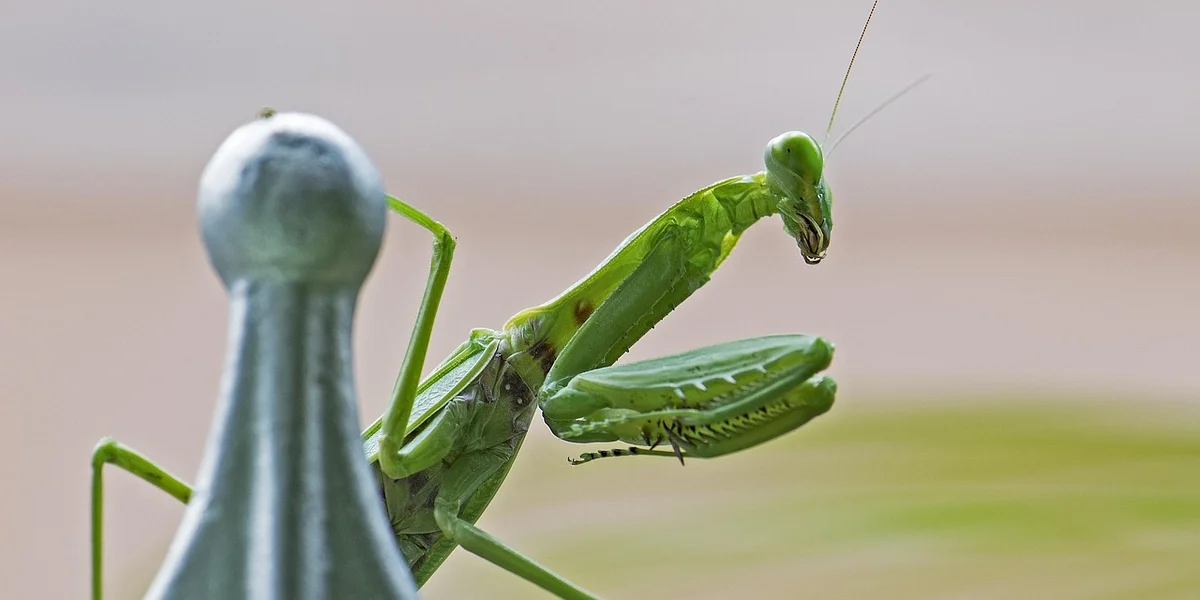
Misting your mantis enclosure mimics morning dew, providing fresh water droplets for drinking. We find that a fine spray bottle with clean, room-temperature water works best, creating tiny beads on leaves and mesh that mantises eagerly sip from. Aim to mist once or twice daily, focusing on early mornings or evenings when your pet is most active.
Watch for your mantis tilting its head to catch droplets-Luna, our Ghost Mantis, often does this with a delicate, thoughtful motion. Over-misting can lead to mould, so keep sessions light and allow surfaces to dry between sprays. Use filtered or distilled water to avoid harmful chemicals that might irritate their sensitive bodies.
- Spray gently on enclosure walls and plants, not directly on your mantis.
- Observe drinking behaviour; some species, like Orchid Mantises, prefer still droplets.
- Adjust frequency based on humidity levels-more in dry climates, less in humid ones.
Water Dishes and Alternative Sources
While water dishes aren’t typically needed, a shallow dish with pebbles can offer a backup source. We’ve seen Moss, our Giant Asian Mantis, occasionally investigate such setups, but he usually sticks to misted surfaces for hydration. Always ensure dishes are tiny and filled just enough to prevent drowning risks.
Mantises also get moisture from their prey, like juicy crickets or fruit flies. Feeding live, well-hydrated insects can supplement their water intake, especially during molting when they need extra fluids. Low humidity is a hidden danger that can cause dehydration even when prey seems moist. Monitor humidity levels to prevent dehydration. For variety, you might place a damp sponge or cotton ball in the enclosure, but change it daily to avoid bacteria.
- Choose a dish no deeper than a few millimetres, with smooth edges.
- Place it in a stable spot, away from climbing areas to minimise spills.
- Combine with misting for a balanced approach-rely on dishes only if misting isn’t possible.
Recognizing and Addressing Dehydration
Dehydration shows through subtle signs like lethargy, wrinkled skin, or sunken eyes. If your mantis moves slowly or ignores food, it might be craving water—much like a wilted plant begging for a drink. Gently check by observing its behaviour over a day; healthy mantises are alert and responsive. Learn more about recognizing and treating dehydration in mantises.
To rehydrate, increase misting frequency and offer water-rich foods like freshly caught flies. In severe cases, place a drop of water on a leaf near your mantis, encouraging it to drink without stress. We’ve helped Sprig, our Orchid Mantis, recover this way after a dry spell, watching her perk up within hours.
- Monitor humidity with a hygrometer; ideal levels range from 50% to 70% for most species.
- Provide a warm, humid hide using damp moss or a small container to boost moisture.
- Seek vet advice if symptoms persist, as dehydration can weaken molting success.
Humidity’s Impact on Mantis Hydration
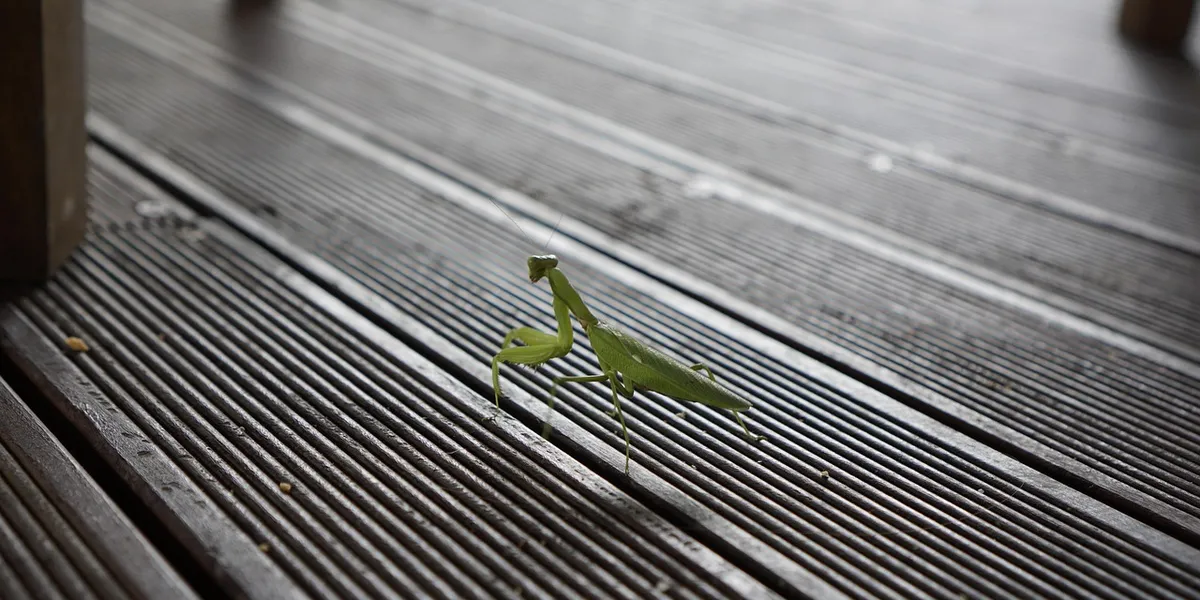
Humidity plays a vital role in how your mantis stays hydrated, even if they snack on juicy insects. Proper humidity levels mimic their natural habitats, helping them absorb moisture through the air and prevent dehydration. When the air is too dry, mantises can become sluggish and struggle to shed their skin. We’ve seen our Ghost Mantis, Luna, perk up after a gentle misting, her delicate frills glistening with tiny water droplets. To set up the perfect humidity level in your mantis enclosure, pair a hygrometer with a gentle mister. Regular misting and careful ventilation help keep the air steady and your mantis thriving.
Maintaining the right humidity isn’t just about spraying water; it’s about creating a balanced environment. Use a simple hygrometer to monitor levels, aiming for 50-70% for most species, which keeps their exoskeletons supple and supports overall health. A quick mist in the morning can make a world of difference, filling the enclosure with a fresh, earthy scent that signals comfort to your mantis. Temperature control is a key companion to humidity—keep the enclosure in a steady range, about 68-78°F (20-26°C) depending on species. Mantis nymphs need both stable warmth and appropriate humidity to molt and grow healthily.
- Mist the enclosure lightly once or twice daily with lukewarm water.
- Place a shallow water dish with pebbles to boost humidity safely.
- Avoid over-misting, as stagnant moisture can lead to mold issues.
Observing your mantis’s behavior is key to getting humidity right. If you notice them spending more time near moist surfaces or appearing listless, it might be a sign to adjust the humidity upward. Our Giant Asian Mantis, Moss, often positions himself on damp leaves after a spray, soaking in the moisture like a quiet morning dew.
Special Hydration Considerations
During Molting Periods
Molting is a delicate time when your mantis needs extra hydration to ease the process. Increased humidity helps soften the old exoskeleton, reducing the risk of your mantis getting stuck during shedding. We always raise humidity levels slightly before and during molting, watching as Luna methodically works her way out of her old skin with minimal strain.
During this phase, avoid disturbing your mantis and focus on gentle hydration methods. Light misting around the enclosure, not directly on the mantis, provides the moisture they need without causing stress. You might notice them refusing food beforehand-this is normal, as they’re conserving energy for the big shed.
- Increase enclosure humidity by 10-15% a few days before expected molting.
- Mist lightly in the early morning or evening to maintain consistent moisture.
- Ensure perches are sturdy and accessible to support them during the molt.
Post-molt, your mantis will be vulnerable with a soft new exoskeleton. Keep humidity elevated for a day or two to help their skin harden properly and prevent dehydration. It’s a bit like giving them a protective cocoon of humid air until they’re ready to move about again.
Species-Specific Hydration Strategies
Different mantis species have unique hydration needs based on their origins. Tropical species, like the Orchid Mantis, thrive in higher humidity around 60-80%, while desert-adapted types do well with lower levels. Our Sprig, an Orchid Mantis, flourishes in a misty setup that reminds her of humid jungle mornings.
Tailoring your approach ensures each mantis stays healthy and content. Research your species’ natural habitat to replicate those conditions, using simple adjustments like more frequent misting or ventilation changes. For instance, Ghost Mantises prefer moderate humidity, so we keep Luna’s enclosure around 50-60% with daily light sprays.
- Orchid Mantis: Mist twice daily and include live plants to retain moisture.
- Ghost Mantis: Moderate misting once a day suffices, with good airflow.
- Giant Asian Mantis: Adaptable to various levels, but monitor for dryness signs.
Experiment gently to find what works best for your mantis. Observing how they respond to humidity changes can guide you in creating a personalised care routine that keeps them hydrated and happy. Moss, for example, shows his approval by eagerly exploring after a humidity boost, his emerald body vibrant against the greenery.
Common Mantis Queries
Can praying mantises drink from a water dish?
Praying mantises can drink from a water dish, but it is not their preferred method. They are more likely to hydrate from misted droplets on leaves or enclosure walls, similar to how they would in their natural habitat.
Is it safe to give a praying mantis dechlorinated water?
Yes, it is safe to use dechlorinated water for misting or droplets. Filtered or distilled water is recommended to avoid any harmful chemicals that could irritate your mantis.
How can you ensure consistent hydration during a mantis molt?
Increase humidity levels slightly before and during molting to help soften the old exoskeleton. Lightly mist the enclosure without spraying directly on the mantis to provide moisture without causing stress.
Keeping Your Mantis Hydrated: A Gentle Reminder
Praying mantises do absorb some moisture from their prey, but this source alone isn’t enough to keep them properly hydrated. Always supplement their diet with light, daily misting to provide accessible water droplets on leaves and enclosure surfaces. Often, mantises do need water beyond what they glean from prey, a point covered in a complete hydration guide. A balanced approach uses regular misting to create accessible droplets without keeping the enclosure soggy.
As a caring mantis owner, observe your pet’s behavior closely and adjust routines to support their unique needs. We invite you to keep exploring mantis care tips and connect with other keepers to grow your knowledge and confidence.
Further Reading & Sources
- How to Take Care of a Praying Mantis (with Pictures) – wikiHow
- Food and Water | Fatal Mantis
- Animals and Their Needs: The Praying Mantis (Teacher …
- r/mantids on Reddit: The Best Diet For Your Praying Mantis – A Nutritional Breakdown On Prey Insects And Why You Should Keep Healthy Feeders
Rowan Hale is a lifelong insect enthusiast who fell in love with mantises for their calm presence, alien elegance, and surprising personalities. After years of keeping and raising a variety of species, Rowan shares practical tips, creative insights, and real-world experience to help others enjoy the quiet magic of mantis care. From setting up the perfect enclosure to understanding their subtle behaviors, Rowan invites readers into a gentle, curious world where every tiny movement feels like a discovery.
Feeding