
Are Praying Mantises Good Pets? Pros and Cons Explained
Published on: December 2, 2025 | Last Updated: December 2, 2025
Written By: Rowan Hale
Hello fellow mantis friend,
Have you ever watched a praying mantis perched still as a green statue, its front legs folded as if in deep contemplation? That quiet, almost mystical presence draws many of us into the world of insect keeping.
Yes, praying mantises can make fascinating and rewarding pets for the right person, but they are not a conventional choice like cats or dogs. Their care is a unique blend of simple routines and mindful observation, suited for those who appreciate quiet, low-maintenance companions.
Whether a mantis is a good pet for you isn’t a simple yes or no-it hinges on what you hope to gain from the experience. Some find immense joy in their graceful hunting and molting rituals, while others might miss the cuddles and constant interaction of furry pets.
To help you decide, here are the key points we’ll explore:
- The surprising benefits of keeping a mantis, from their calming presence to educational value.
- The honest challenges, including their short lifespans and specific care needs.
- How to assess if your lifestyle and personality are a good match for a mantis roommate.
- Practical first steps for prospective owners, drawn from hands-on keeper experience.
Understanding the Praying Mantis Pet Experience
There’s a gentle peace found in watching a praying mantis. It’s not the loud play of a dog or the constant chatter of a parrot, but a soft, green stillness. Picture your mantis poised on a branch, its head turning with slow curiosity as it watches the world. This daily observation becomes a quiet ritual, a moment to breathe and connect with a smaller, intentional life.
From my own keeper’s bench, each mantis shares a different story. Luna, my Ghost Mantis, sits with her leaf-like frills folded, a patient shadow in the foliage. Moss, the Giant Asian Mantis, buzzes with energy, his emerald body always exploring a new twig. Sprig, the Orchid Mantis, waits with petal-soft patience before a hunt. Their distinct manners show that insect keeping is full of subtle, engaging drama.
We aim to balance that wonder with honest practicality. Let’s walk through both the glowing pros and the real cons, so you can see if a mantis fits your lifestyle.
The Bright Side: Wonderful Benefits of a Pet Mantis
What draws us to keep these delicate predators? The advantages are both simple and profound.
- Fascinating Observation and Peaceful Presence: Mantises create no noise beyond the faint tap of feet on glass or the rustle of plants. You can watch them groom their antennae with meticulous care. This silent companionship offers a calming focus, ideal for busy homes or quiet flats. It’s a world away from the squeaky wheels and barks of traditional pets.
- Relatively Simple Enclosure Needs: Their housing needs are modest. A spacious jar or a small terrarium with good airflow, some climbing sticks, and a live plant often suffices. The humid, earthy smell after morning misting is part of the soothing routine. Setting up feels more like gardening than pet shopping, a creative and budget-friendly start.
- Mesmerizing Hunting Behavior: Feeding time is pure nature theatre. Watching your mantis track a cricket with total focus, then strike in a blink, is thrilling. My Moss sways like a twig before his lightning grab. It’s a direct connection to wild instincts, both beautiful and educational.
- Educational Value for All Ages: A mantis is a living lesson in biology. You’ll witness molts, hunting strategies, and lifespans firsthand. This hands-on experience builds respect for insects and teaches gentle responsibility to young keepers. It turns a shelf into a learning centre.
- Minimal Space Requirements: Their footprint is tiny. A mantis enclosure fits neatly on a bookshelf or desk. Compare that to the large tanks and cages needed for fish or rodents, and the space efficiency is clear. You can enjoy pet ownership without rearranging your room.
- A Unique Bond Built on Attention: Connection comes from care, not cuddles. You’ll learn their habits, like which perch they favour after eating or how still they sit before a molt. This quiet partnership, built on daily attention, fosters a deep and satisfying sense of stewardship. It’s a different kind of pet love, rooted in observation.
The Other Side: Honest Challenges and Drawbacks
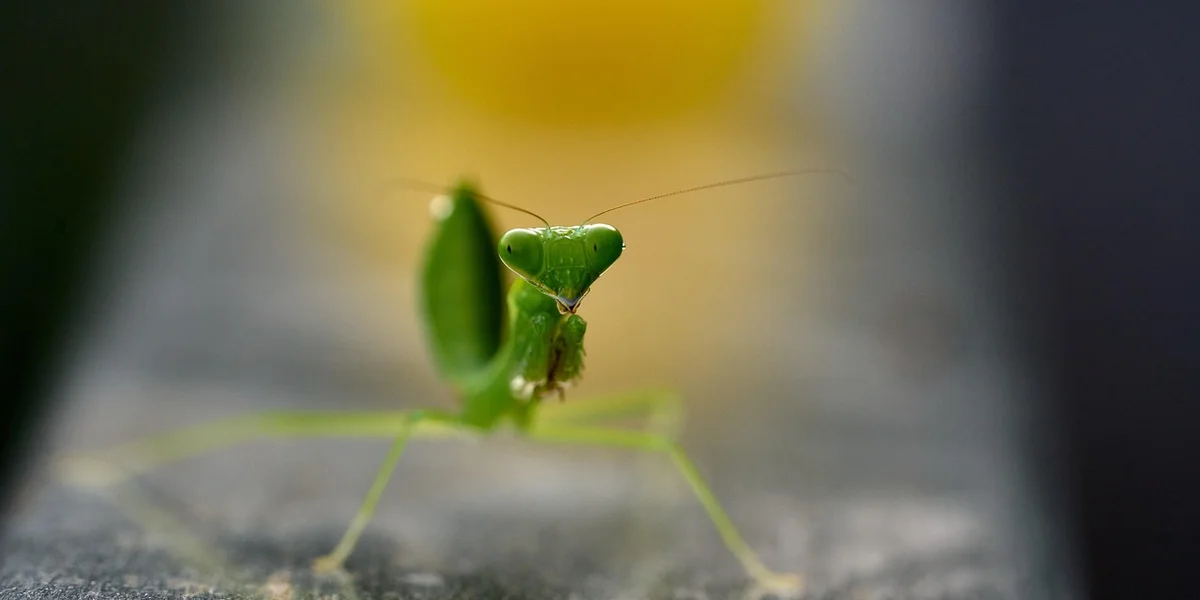
Welcoming a mantis into your home is a quiet joy, but it comes with a few honest realities. Think of these not as barriers, but as the thoughtful details that shape a mindful keeper’s journey. We walk through each one with a calm eye, so you know exactly what to expect.
A Fleeting, Beautiful Life
Most pet mantises live for several months to a year, rarely longer. This short natural lifespan asks for a certain emotional preparation, a gentle acceptance of their cycle as part of the care. You celebrate each successful molt and watch their colors deepen, knowing their time is a season, not a decade. My Moss, the Giant Asian mantis, lived vibrantly for nine months-a reminder to cherish the quiet moments.
The Live Food Requirement
Praying mantises are obligate predators; they need moving prey to trigger their hunting instincts. This means maintaining a separate culture of live insects like fruit flies, crickets, or roaches, which can feel daunting at first. It’s a hands-on part of care that isn’t for the squeamish, but many keepers find a rhythm in nurturing both predator and prey. These unique characteristics—such as their raptorial front legs and binocular vision—are what make praying mantises so special. Watching their patient ambushes and sudden strikes can be endlessly fascinating.
Molting: A Time of Utter Fragility
Several times in their life, your mantis will shed its exoskeleton to grow. During this molting period, which can last days, they are incredibly delicate and must not be disturbed. A fall can be fatal. You’ll learn to read the signs-lethargy, refusal of food-and ensure the humidity is just right for that soft, new skin to harden safely.
Handling is Limited and Observational
If you dream of a pet to cuddle, a mantis will change that dream. They are creatures of stillness and observation, not social interaction or affection. Handling should be infrequent, gentle, and always on their terms. The connection comes from watching them groom, hunt, and perch like a living jewel.
Escape Artists in Miniature
These insects are surprisingly quick and agile when they want to be. A loosely fitted lid or a gap in ventilation can lead to a great mantis hunt around your bookshelves. Secure enclosures with fine mesh are non-negotiable, giving you peace of mind and your mantis a safe, contained world to rule.
Are They Friendly? Understanding Mantis Temperament
This common concern needs a gentle reframe. Praying mantises are not ‘friendly’ in a social sense; their world is one of solitary observation and instinct. They may learn to recognize you as a non-threat, tolerating your presence with a curious head tilt. In short, their social life is largely solitary, driven by survival rather than companionship, and any tolerance you observe is situational. My Sprig, the Orchid mantis, would watch me mist her leaves but never sought contact-a beautiful, independent relationship.
Commitment, Not Obstacles
Each of these points is simply part of the mantis-keeping landscape. For the right person, these aren’t deal-breakers but the very factors that make caring for one so deeply rewarding and mindful. It’s a practice in attentiveness, a lesson in caring for a life that asks for very specific things and gives quiet wonder in return.
Choosing a Companion: Best Mantis Species for Beginners
Selecting your first mantis is a gentle step into a quieter kind of pet keeping. The right species acts as a forgiving teacher, allowing you to learn the rhythms of care-mistings, feedings, and habitat tweaks-without the stress of overly delicate needs. Think of it like tending a resilient houseplant before moving to a rare orchid; success with a hardy mantis builds the calm confidence needed for this unique hobby.
You’ll notice the difference in daily life. A beginner-friendly mantis will greet your care with robust health, turning routine into a simple, joyful ritual rather than a source of worry. Their steady presence, whether perched like a living sculpture or slowly tracking a fruit fly, becomes the heart of the experience.
-
Giant Asian Mantis (Hierodula membranacea)
This species is a brilliant first choice for its sturdy nature and engaging personality. Their impressive size, often reaching three to four inches, makes them easy to observe and handle with care. They are typically vibrant green and wonderfully active, showing curiosity about their surroundings. My own Giant Asian, Moss, is a testament to their hardy charm; his emerald body weaves through enclosure plants with energetic purpose, always the first to investigate a new twig or a offered cricket.
They tolerate a range of humidity levels and recover well from the occasional missed feeding. Provide a taller enclosure with plenty of climbing space, and you’ll have a captivating, low-fuss companion for many months.
-
Ghost Mantis (Phyllocrania paradoxa)
Don’t let their delicate, leaflike appearance fool you-Ghost Mantises are remarkably resilient. Their smaller size, around two inches, makes them perfect for compact living spaces and smaller enclosures like a large mason jar setup. They possess a calm, almost thoughtful temperament, moving slowly and deliberately. My Ghost Mantis, Luna, embodies this: she tilts her misty brown head with quiet focus before a strike, her frilled extensions rustling softly like dried foliage.
They thrive with consistent, light misting for humidity. Their peaceful demeanor and unique camouflage make them a fascinating, low-energy pet that’s perfect for a calming desk-side presence.
-
Carolina Mantis (Stagmomantis carolina)
A native champion for many keepers, the Carolina Mantis offers a balanced blend of hardiness and subtle beauty. These mantises are wonderfully adaptable, comfortably living at typical room temperatures without needing extra heat. They grow to a moderate two to three inches, often in shades of grey, green, or brown, and have a steady, reliable temperament. They are proficient hunters, adding a touch of wild grace to their care.
Their care is straightforward, mirroring simple natural conditions. Choosing a Carolina Mantis often feels like inviting a gentle piece of local wilderness into your home, with minimal special requirements (just the basics to keep them healthy).
Whilst the jewel-toned Orchid Mantis or dramatic Devil’s Flower Mantis are stunning, they are best admired from afar by new keepers. These exotic species frequently demand precise humidity, specialised diets, and perfect ventilation, turning care into a high-stakes balancing act. For a first pet, the proven resilience of a Giant Asian, Ghost, or Carolina mantis provides a solid, rewarding foundation for your keeping journey.
Essential Care Foundations: What You Really Need to Know
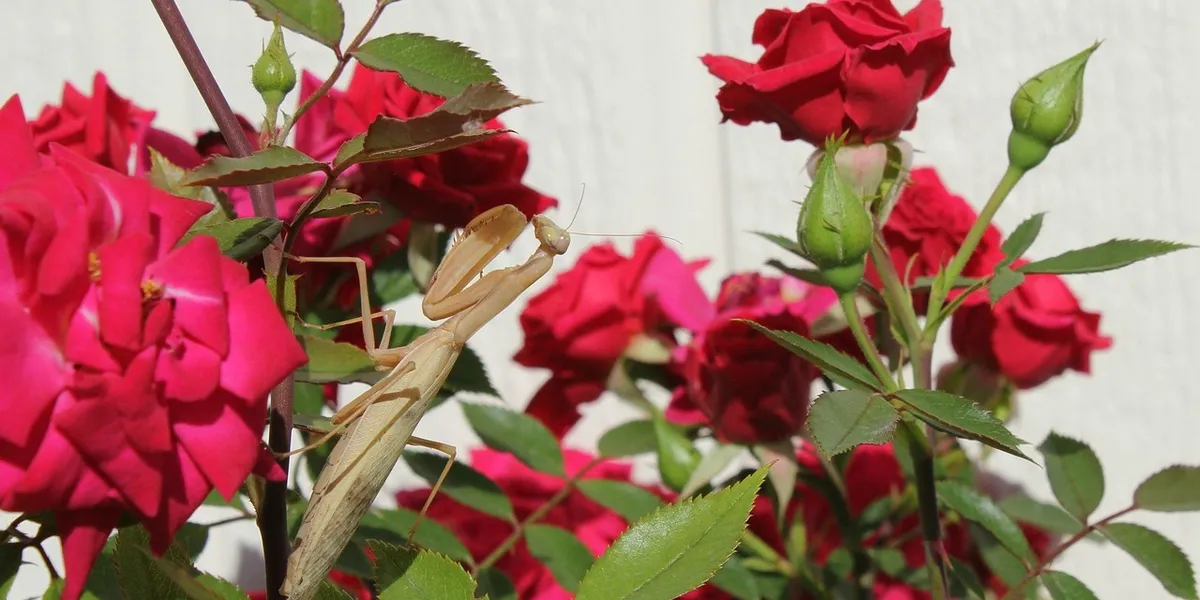
Enclosure Setup
Think of the enclosure as your mantis’s private studio flat—it needs to be secure, airy, and full of things to climb. A simple, well-arranged space keeps your mantis content and reduces stress, which is far more important than fancy decor. Be mindful of the top 10 enclosure setup mistakes that secretly stress your mantis. Avoid these pitfalls to keep your mantis calm and thriving.
You can begin with items from around the home. A large, clean glass jar or a plastic terrarium works wonderfully for a youngster. Just ensure it’s at least three times the mantis’s height so it can hang upside-down to molt.
- Choose a tall container. Good ventilation is key, so if using a jar, secure a piece of mesh or netting over the top with a rubber band.
- Line the bottom with a simple substrate. A paper towel is easy to change, while coconut fibre holds humidity a bit longer.
- Add climbing structures. Twigs from the garden (baked in a low oven for 30 minutes to sterilise) or bendy vines give them perfect perches.
- Include a ceiling anchor. A piece of mesh or a sturdy stick glued to the top gives them a safe spot to molt from.
My Ghost Mantis, Luna, spent her early days in a repurposed large pickle jar before moving to a proper terrarium. What matters most is a calm, stable environment, not how much you spend on it.
Temperature & Humidity
Mantises come from warm, humid environments, but replicating that doesn’t require complex gadgets. Gentle, consistent conditions prevent molting problems and keep your pet in good health.
Most common species, like the Giant Asian, are quite comfortable at room temperature. Aim for a cozy 22 to 26°C. Avoid placing the enclosure in direct sunlight or near drafty windows.
- Use a small, inexpensive thermometer to keep an eye on the ambient temperature.
- For a gentle heat boost, place the enclosure on a shelf above a radiator, but never use heat mats directly underneath.
Humidity is about providing moisture in the air for drinking and molting. One of the easiest methods is to mist the enclosure lightly with warm water every other day. The warm water creates a finer mist that disperses nicely and feels more natural.
- Fill a clean spray bottle with lukewarm water.
- Lightly spray the sides and decor in the evening, mimicking dew fall.
- Let the enclosure dry out somewhat between mistings to prevent mould.
Watch your mantis’s behaviour. If Moss, my adult male, is drinking droplets eagerly, I know the humidity is just right. Regular, attentive care like this builds a reliable routine that your mantis will thrive on.
Diet & Feeding
Feeding a praying mantis is a fascinating dance of predator and prey. Offering the right food at the right time supports their growth and natural hunting instincts beautifully. For a complete diet feeding guide, learn what to feed at each life stage. It also covers balancing prey types for proper nutrition.
Their diet consists solely of live insects. Safe, nutritious options are readily available from pet shops.
- For nymphs (babies): Mini fruit flies or pinhead crickets are perfect. Their tiny size is easy for young mantises to catch.
- For juveniles and adults: Move to larger feeders like crickets, waxworms, or small roaches. We avoid wild-caught insects due to possible pesticides.
Feeding frequency changes as they grow. A consistent schedule is better than overfeeding in one go.
| Life Stage | Feeder Insect Examples | Feeding Frequency |
|---|---|---|
| Nymph (L1-L3) | Fruit flies, springtails | Offer 1-2 small prey items daily |
| Juvenile (L4-subadult) | Small crickets, waxworms | Offer 1 appropriately-sized prey every 2-3 days |
| Adult | Large crickets, moths | Offer 1-2 substantial prey items every 5-7 days |
When feeding my Orchid Mantis, Sprig, I always watch to ensure she strikes successfully and remove any uneaten crickets after an hour to avoid them bothering her. This calm, observant approach to care-day in, day out-is what truly makes a good mantis keeper, far more than any expensive piece of equipment.
Bringing a Mantis Home: Acquisition, Cost, and Legality
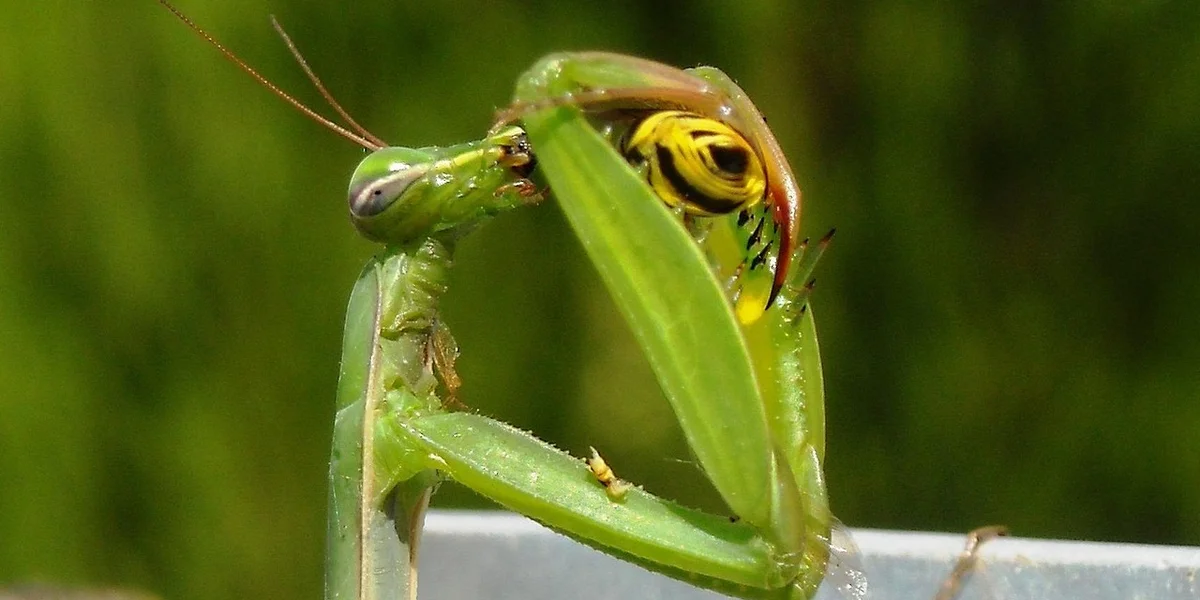
Finding your first mantis companion is an exciting step, and doing it thoughtfully sets the stage for a wonderful experience. We always recommend starting your search with ethical sources that prioritize the insect’s wellbeing.
Ethical Sources for Your New Pet
Your best options are specialised online breeders who focus on mantises and other invertebrates. These dedicated keepers often have a wider variety of species and can provide detailed care sheets and ongoing support. Choosing a breeder means you’ll typically receive a captive-bred mantis that’s already accustomed to enclosure life and free from the parasites a wild insect might carry. Alternatively, a well-regarded exotic pet store with knowledgeable staff can be a fantastic resource, allowing you to see the mantises in person before you decide. For beginners, prioritise hardy, beginner-friendly species and ask the seller for recommendations tailored to your setup. A quick chat with the breeder or staff can help you choose the right mantis species for your experience level.
While you might see mantises in your garden, we gently advise against catching a wild one to keep as a pet. Wild mantises have established territories and roles in the local ecosystem. Beyond that, you cannot know its age or health history. Bringing a wild mantis indoors can be stressful for the insect and may introduce unwanted mites or other pests into your home.
What to Expect for Cost
One of the great joys of mantis-keeping is its affordability, especially when compared to furry or scaly pets. If you’re wondering how much a pet praying mantis costs, here’s a complete price breakdown to help you budget. For common, hardy beginner species like the Giant Asian Mantis or the Ghost Mantis, you can expect very reasonable prices. A young nymph (called an L2 or L3 instar) might cost between £5 and £15. An adult mantis, particularly a female of a more common species, often ranges from £15 to £30. Enclosures, lighting, and regular food add to overall costs, so a full budget should consider those items as well.
Rarer or more visually striking species, like the breathtaking Orchid Mantis, command higher prices due to their specialised care and breeding. A nymph could be £25-£40, with adults reaching £50 or more. Remember, the initial cost of the mantis itself is just a small part of the setup; your budget should primarily go towards a proper enclosure, decor, and a reliable supply of feeder insects.
A Quiet Word on Legality
Before you fall in love with a particular species, take a moment to check your local regulations. Laws regarding keeping invertebrates vary widely. In many places, common exotic species are perfectly legal to keep. However, some regions have strict rules about non-native species to protect local agriculture and wildlife. Furthermore, it is almost always illegal to keep a protected native species plucked from the wild. A quick online search for your area’s wildlife or agricultural import laws can prevent heartache later and ensures you’re keeping your pet responsibly and legally.
Selecting a Healthy Mantis
Whether you’re browsing online listings or peering into deli cups at a shop, knowing what to look for helps you choose a vibrant, healthy individual. Here’s a simple checklist:
- Clear Eyes and Alert Demeanour: The eyes should look clean, not cloudy or crusted. A healthy mantis will often track movement with its head.
- Full, Intact Limbs: Check that all six legs are present and that the raptorial arms (the “praying” front legs) are undamaged and fold properly.
- Smooth Abdomen: The rear section should look plump but not distended, with no dark spots or visible injuries.
- Steady Movement: It should be able to walk and grip surfaces without stumbling or shaking. A bit of clumsiness right after molting is normal, but persistent wobbling is a concern.
- Clean Wing Buds or Wings (for subadults/adults): In older nymphs and adults, the wing buds or developed wings should lie flat and smooth against the back.
When my Moss was a tiny L3 nymph, I chose him because he was the first to boldly climb the breeder’s paintbrush-a sign of good coordination and appetite! Trust your instincts; a curious, responsive mantis is usually a healthy one, ready to begin its life with you.
Is a Pet Mantis Right for Your Life?
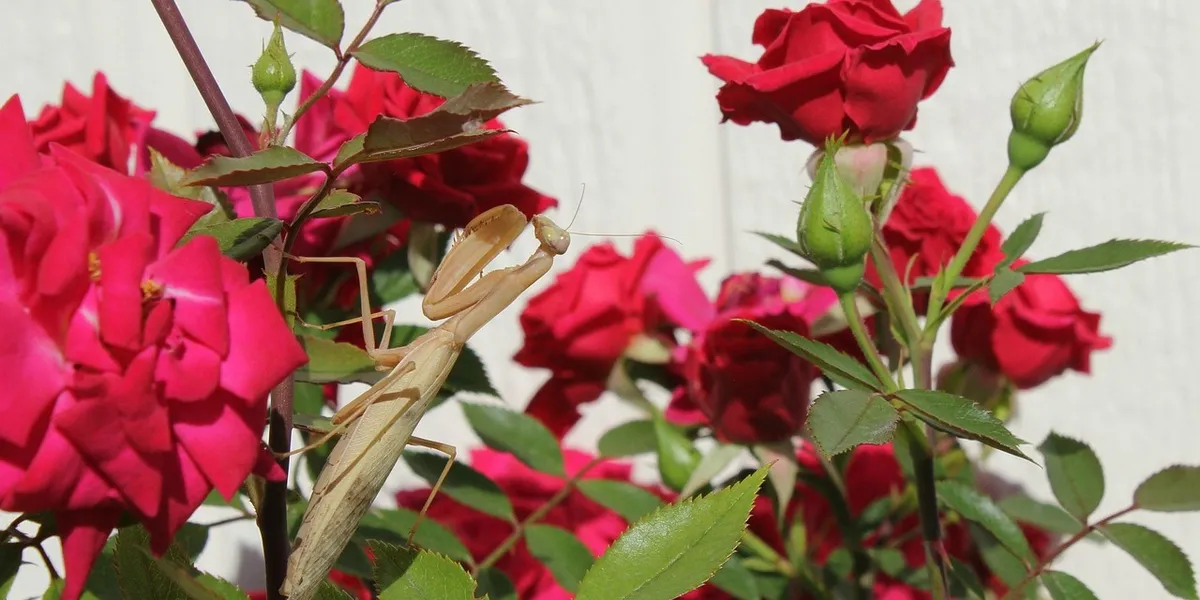
Before welcoming a mantis into your home, it’s worth pausing for a quiet moment of self-reflection. The best pet is one that fits seamlessly into your existing rhythm, not one that forces you to create an entirely new one. Ask yourself a few gentle questions. Does your daily routine have a small, consistent window for observation and care? Are you fascinated by the intricate drama of the natural world, content to watch rather than interact? Most importantly, are you comfortable with the reality of feeding live insects, understanding this is a fundamental part of a predator’s life?
Think of mantis keeping less like owning a puppy and more like tending a specialised, living garden. The commitment is less about constant, active engagement and more about providing a stable, thoughtful environment. It demands far less time than a dog or cat, but more attentive consistency than a goldfish. Your role is that of a habitat curator and quiet observer-a rewarding shift if you find peace in meticulous, small-scale care.
If your answers lean toward “maybe not,” that is perfectly alright. Mantises are niche companions, and recognising they aren’t for you is a responsible and kind choice. Their unique needs mean they thrive best with keepers whose curiosity matches their calm. If you’re still intrigued but hesitant, consider this an invitation to keep researching; follow mantis keepers online, read more care sheets, and let your interest grow at its own pace.
For those who feel a quiet “yes” stirring, the rewards are uniquely profound. You gain a front-row seat to a miniature world of patient hunting, delicate molts, and silent, statuesque beauty. It’s the joy of noticing your mantis, like my ghost mantis Luna, slowly tilt her head at a passing fly, or the pride in seeing a fresh, perfect adult emerge from its old skin. Welcoming this quiet hunter home is an exercise in mindful companionship, offering daily lessons in patience and the profound calm of nature, contained in one small, remarkable creature.
FAQs for New Mantis Keepers
Where is the best place to buy a pet praying mantis?
The most reliable sources are specialized online invertebrate breeders or reputable exotic pet shops. It’s best to avoid capturing wild mantises, as they may carry parasites and removing them disrupts the local ecosystem. For a trusted list of vendors, see our Where to Buy Praying Mantis — Trusted Buyers Guide. It highlights vetted breeders and reputable shops and offers buying tips to help you choose safely.
What is the best mantis species for a beginner?
Hardy species like the Giant Asian, Ghost, and Carolina mantis are excellent for newcomers due to their forgiving nature. These species tolerate a range of conditions and provide a fascinating introduction to mantis care without overly delicate requirements.
How much does a pet praying mantis cost?
The mantis itself is often very affordable, with common species ranging from £5 to £30. Your primary budget should be allocated for a proper enclosure, decor, and a consistent supply of live feeder insects for its ongoing care.
Finding Your Balance in Mantis Care
We find that mantises suit keepers who value observation over interaction, thriving with a consistent routine of humidity, heat, and appropriate prey. Your success hinges on creating a peaceful micro-habitat that supports their natural behaviors, from stealthy hunts to delicate molts. Learn how to create a naturalistic and safe environment for your praying mantis to ensure they feel comfortable and thrive.
Embracing this role means committing to a gentle stewardship that respects their brief, beautiful lives. Let your care be a living practice-one that evolves with each new insight from your mantis and the shared wisdom of the keeping community.
Further Reading & Sources
- Top 5 Praying mantis as pets, for beginners and for those who want the best experience
- Should You Keep a Praying Mantis as a Pet?
- How to Care for a Pet Praying Mantis – PetHelpful
- 4 Ways to Keep a Praying Mantis As a Pet – wikiHow
Rowan Hale is a lifelong insect enthusiast who fell in love with mantises for their calm presence, alien elegance, and surprising personalities. After years of keeping and raising a variety of species, Rowan shares practical tips, creative insights, and real-world experience to help others enjoy the quiet magic of mantis care. From setting up the perfect enclosure to understanding their subtle behaviors, Rowan invites readers into a gentle, curious world where every tiny movement feels like a discovery.
First-Time Mantis Owners